We decided to test out Tirana’s (Albania) city bus system on a day trip to Mount Dajti, the mountain range overlooking the city to the east. Our plan was to visit Bunk’Art 1 (former nuclear bunker turned museum) at the foot of the mountain before taking the cable car to the summit for panoramic views of Tirana.
Off we went!
The City Bus
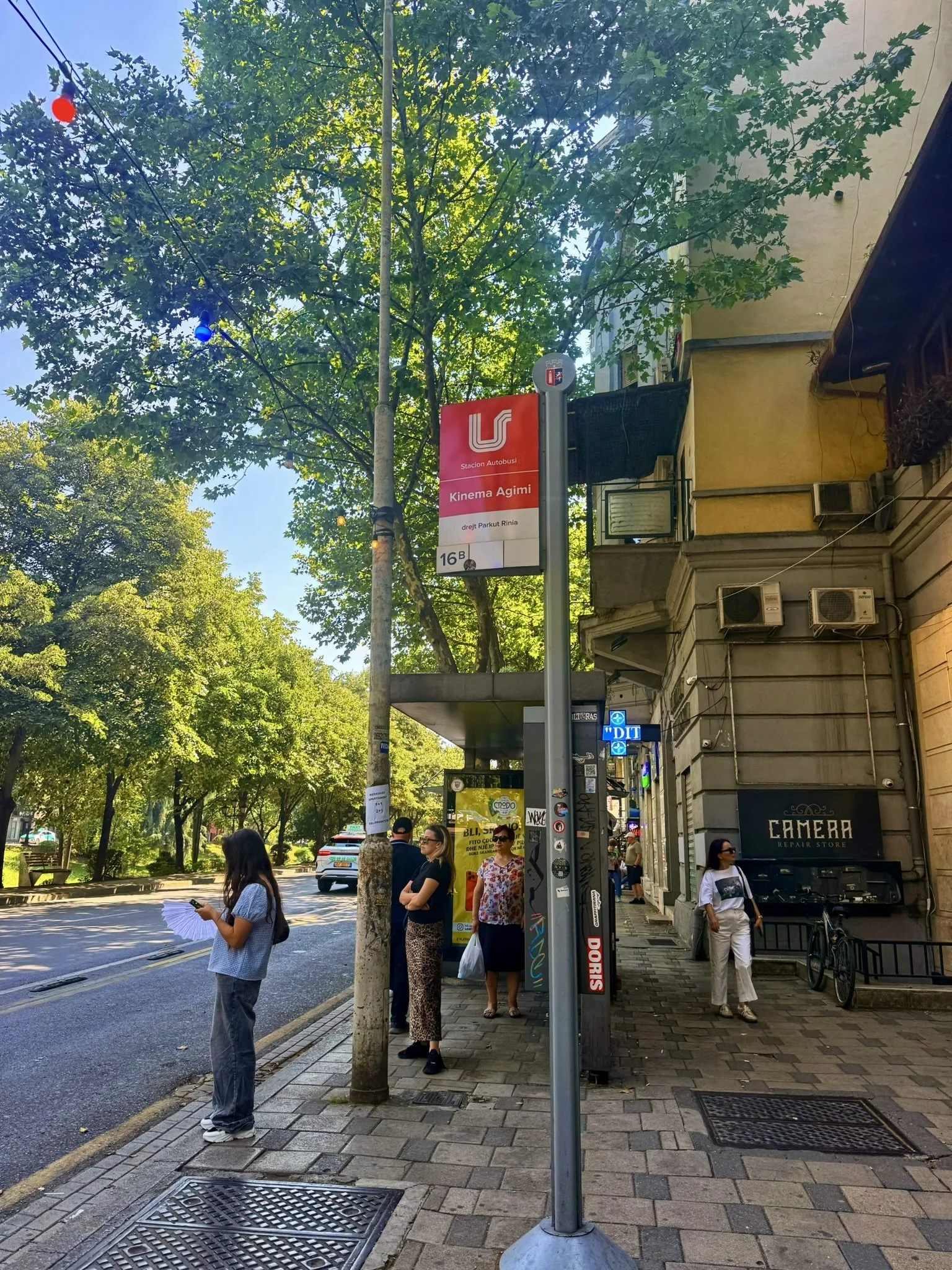
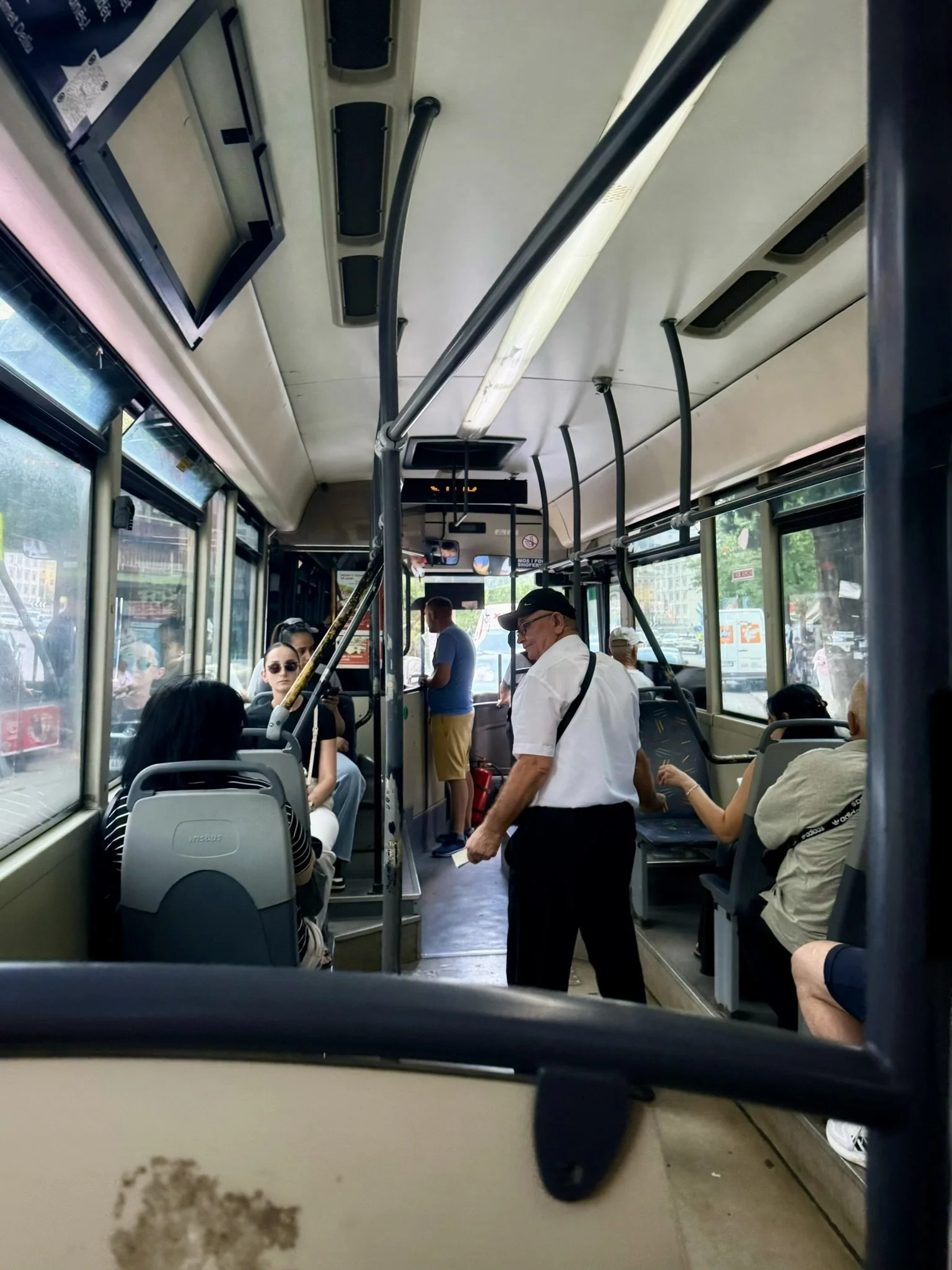
Taking the bus was surprisingly easy. Tirana has 20 bus lines that crisscross the city, and we only needed two of them with a simple transfer. Bus stops were conveniently located within a short walking distance of one another.
The fare was only about 50 cents per person. There isn’t an automated payment or ticketing system—instead, you simply board the bus and wait. A guy (sometimes even two!) walks up and down the aisle collecting fares from each passenger. I have no idea how they remember who has already paid, but I suppose that’s exactly what the little paper ticket is for.
About an hour later, we arrived at our destination.
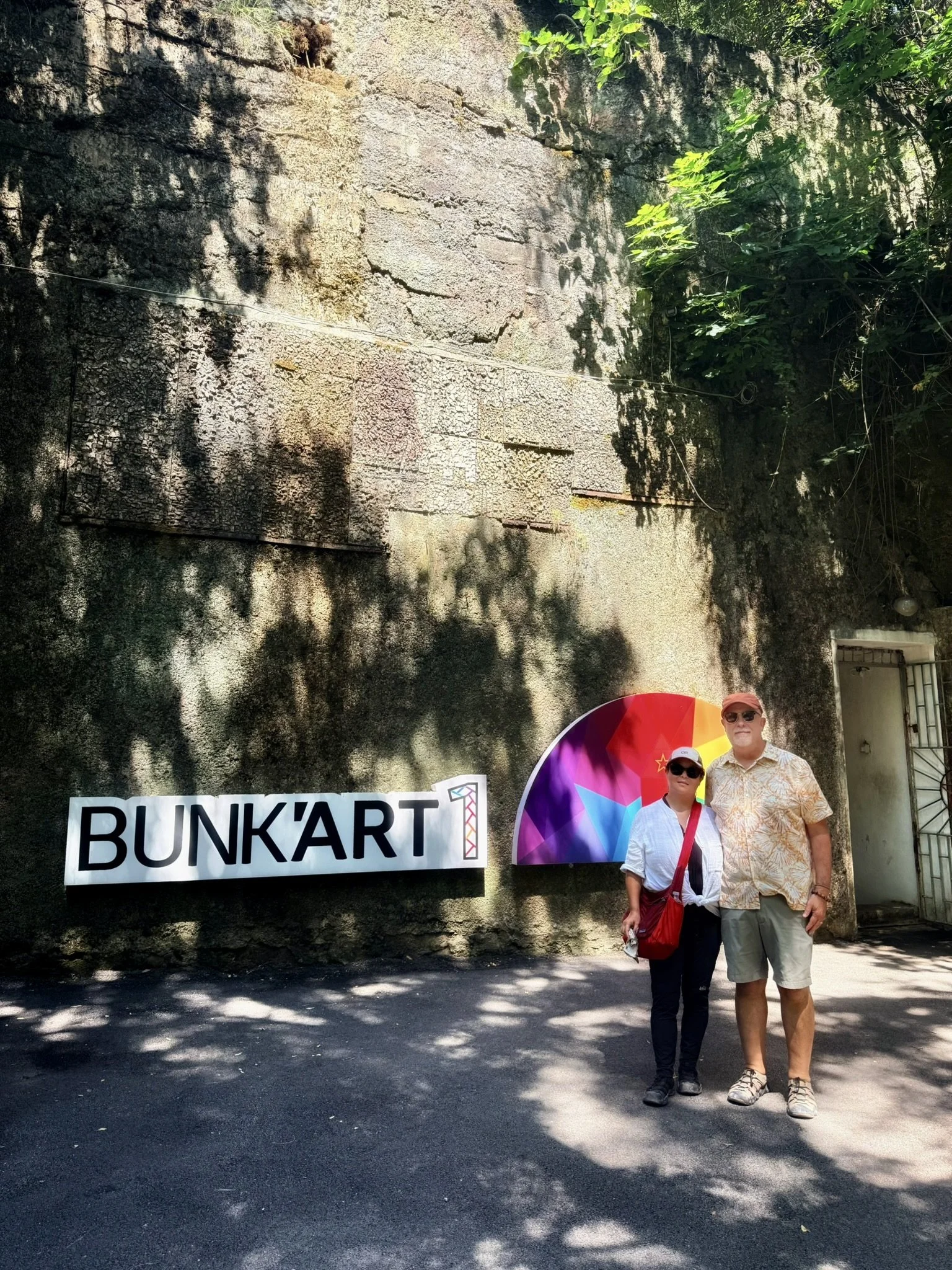
Bunk’Art 1
Of the two communist-era bunkers open to visitors in Tirana, we chose Bunk’Art 1. Built in the 1970s, it served as the primary nuclear bunker designed to shelter Albania’s political and military leadership while ensuring the government could continue functioning during an attack.
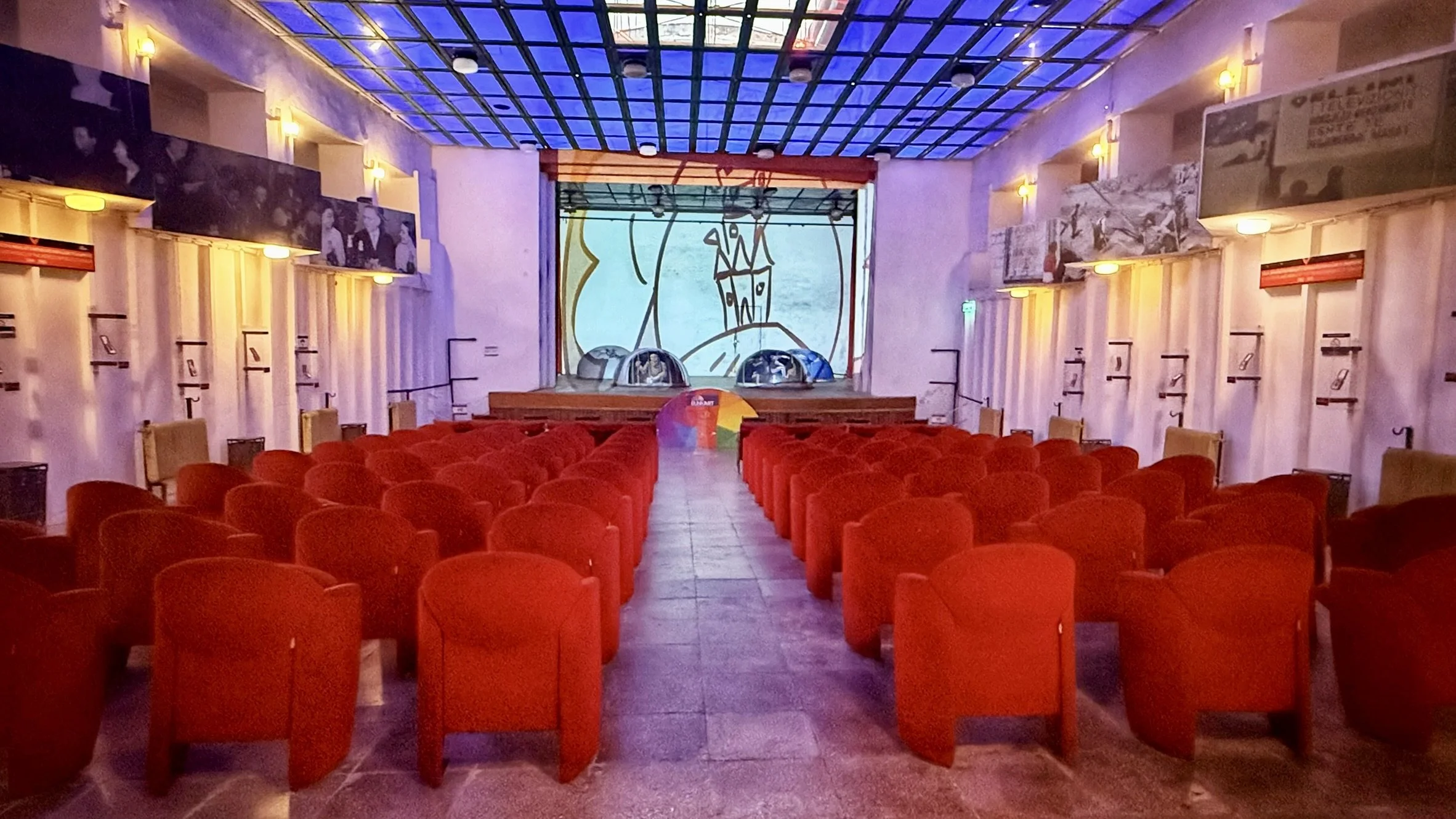
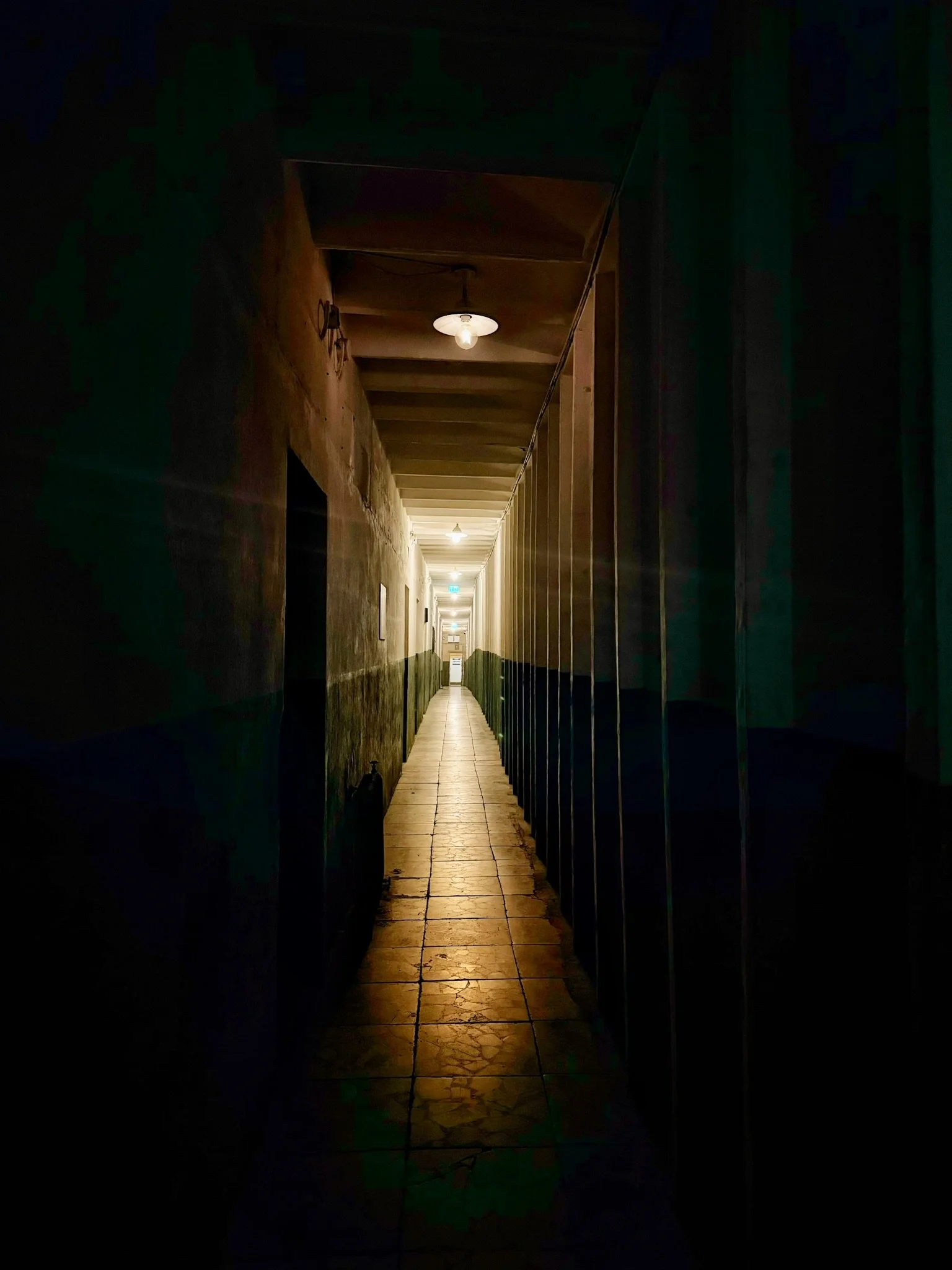
The bunker is enormous—covering nearly 30,000 square feet across five underground levels with 106 rooms, including offices, living quarters, and an assembly hall. It is the only bunker in Albania built with a parliamentary chamber where the country’s leadership would have convened in the event of war.
The bunker is part of a much larger story.
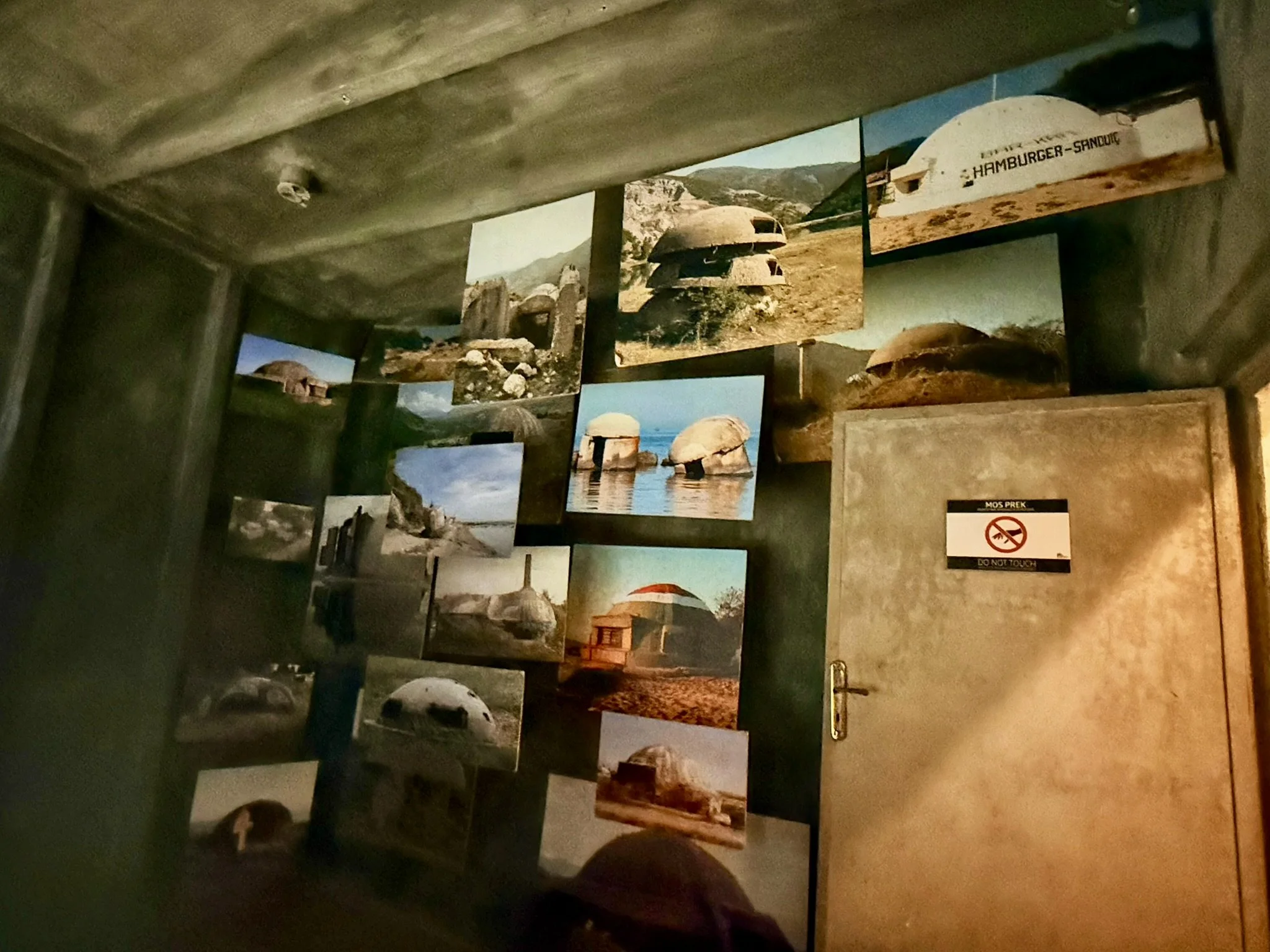
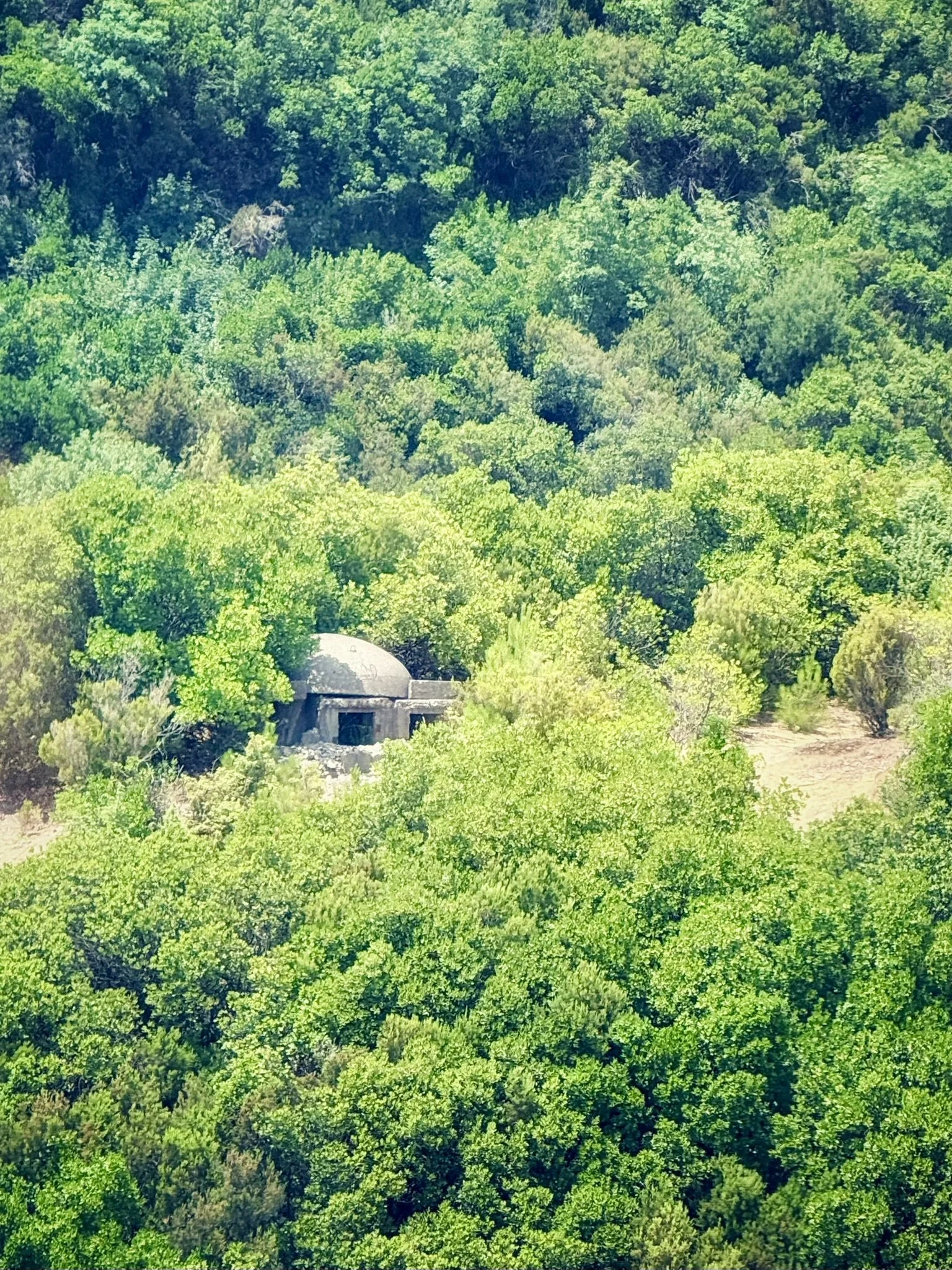
Following a 1964 visit to North Korea, dictator Enver Hoxha became convinced that Albania needed an extensive network of defensive bunkers. The original plan called for an astonishing 221,143 bunkers. While that goal was never fully realized, approximately 173,000 were still constructed between 1975 and 1983—roughly one bunker for every 11 Albanians.
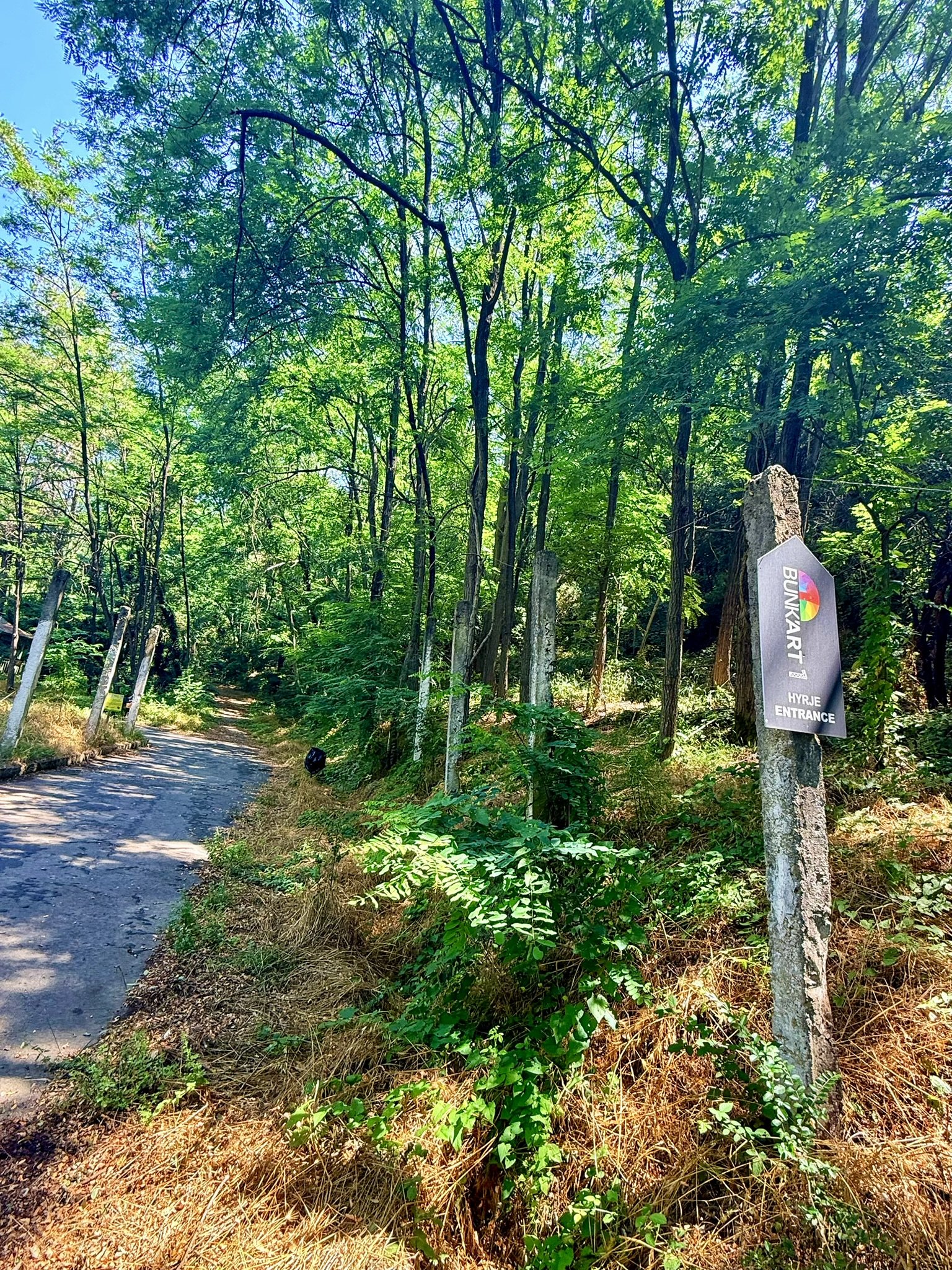
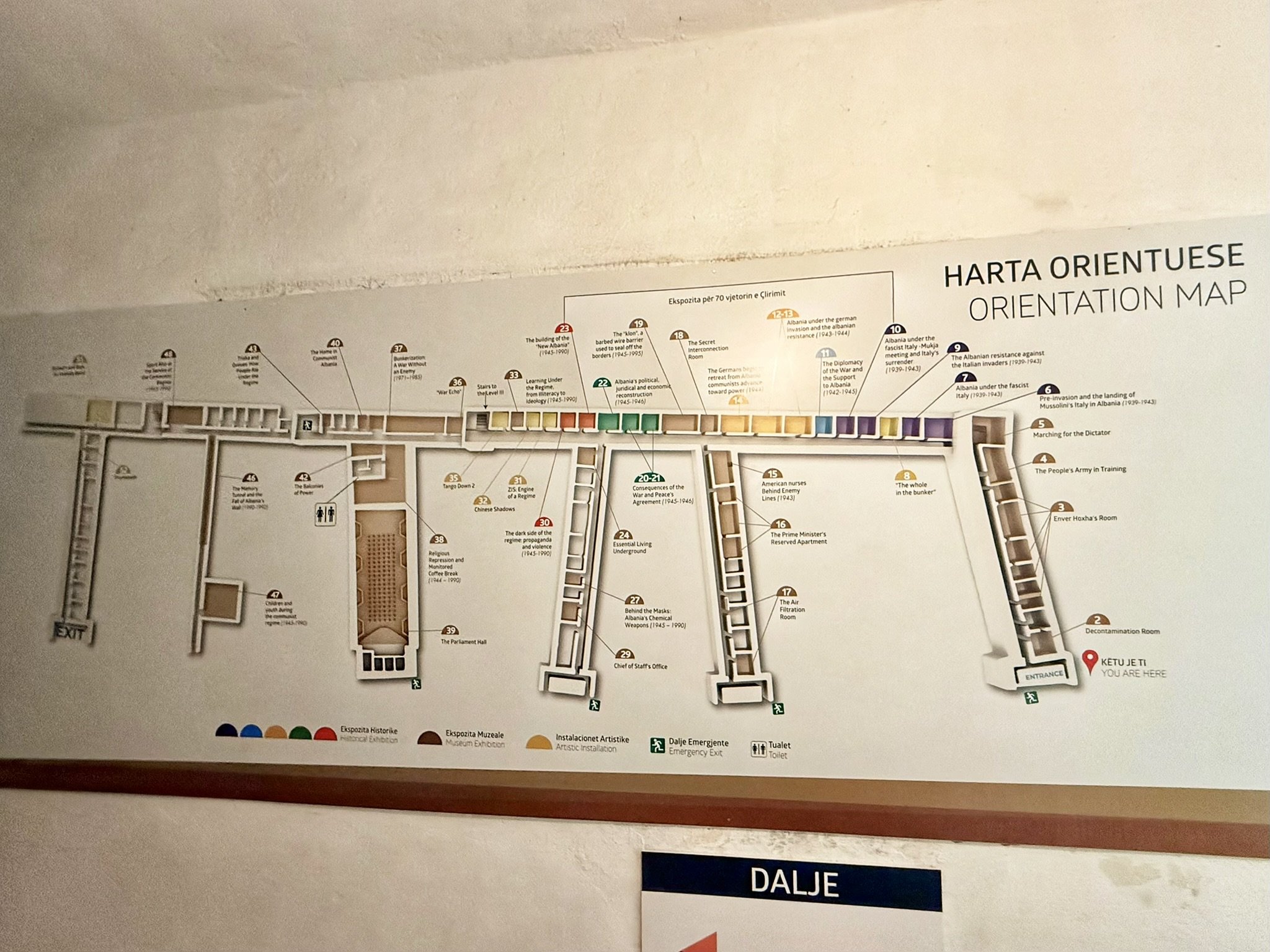
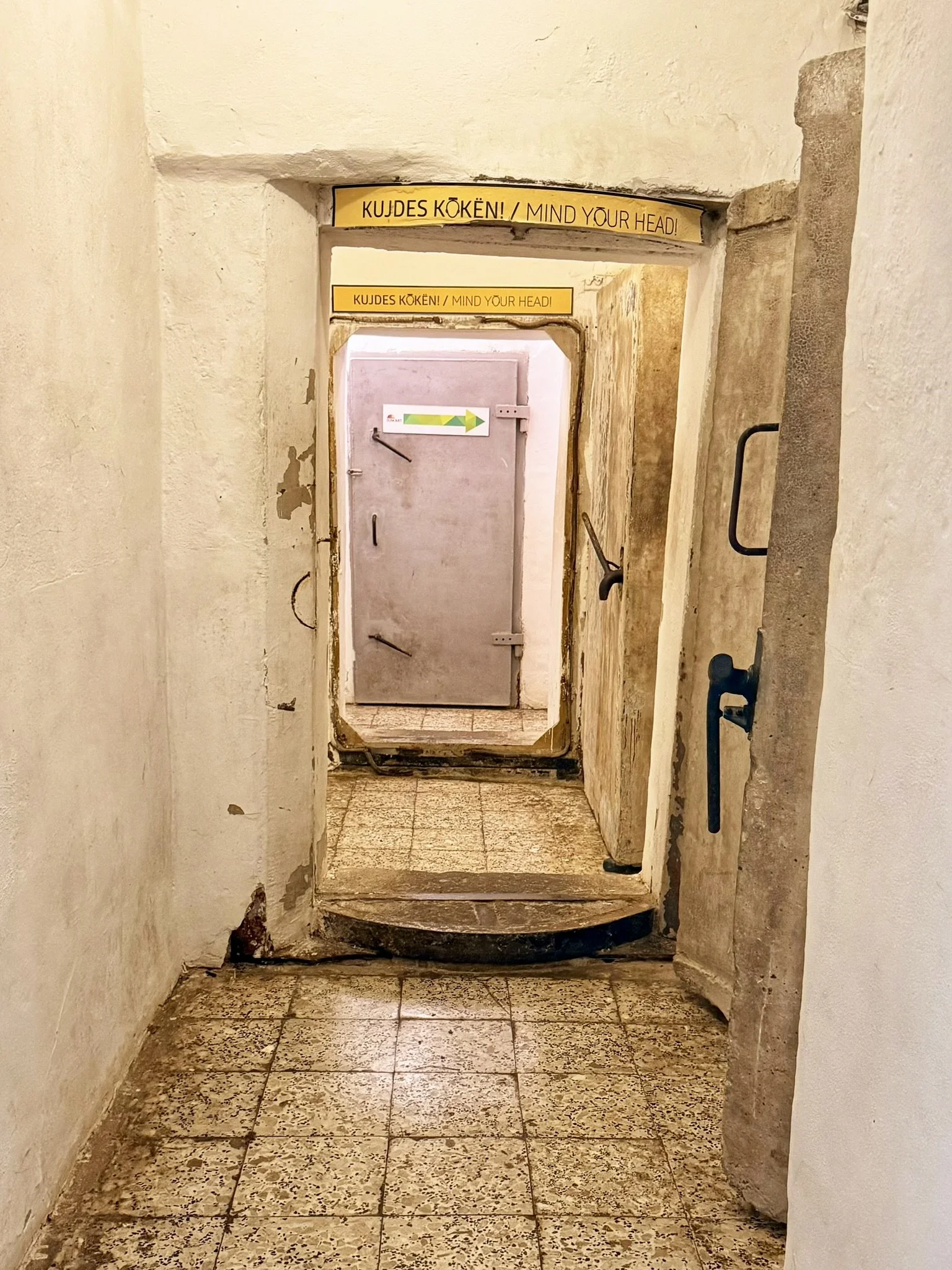
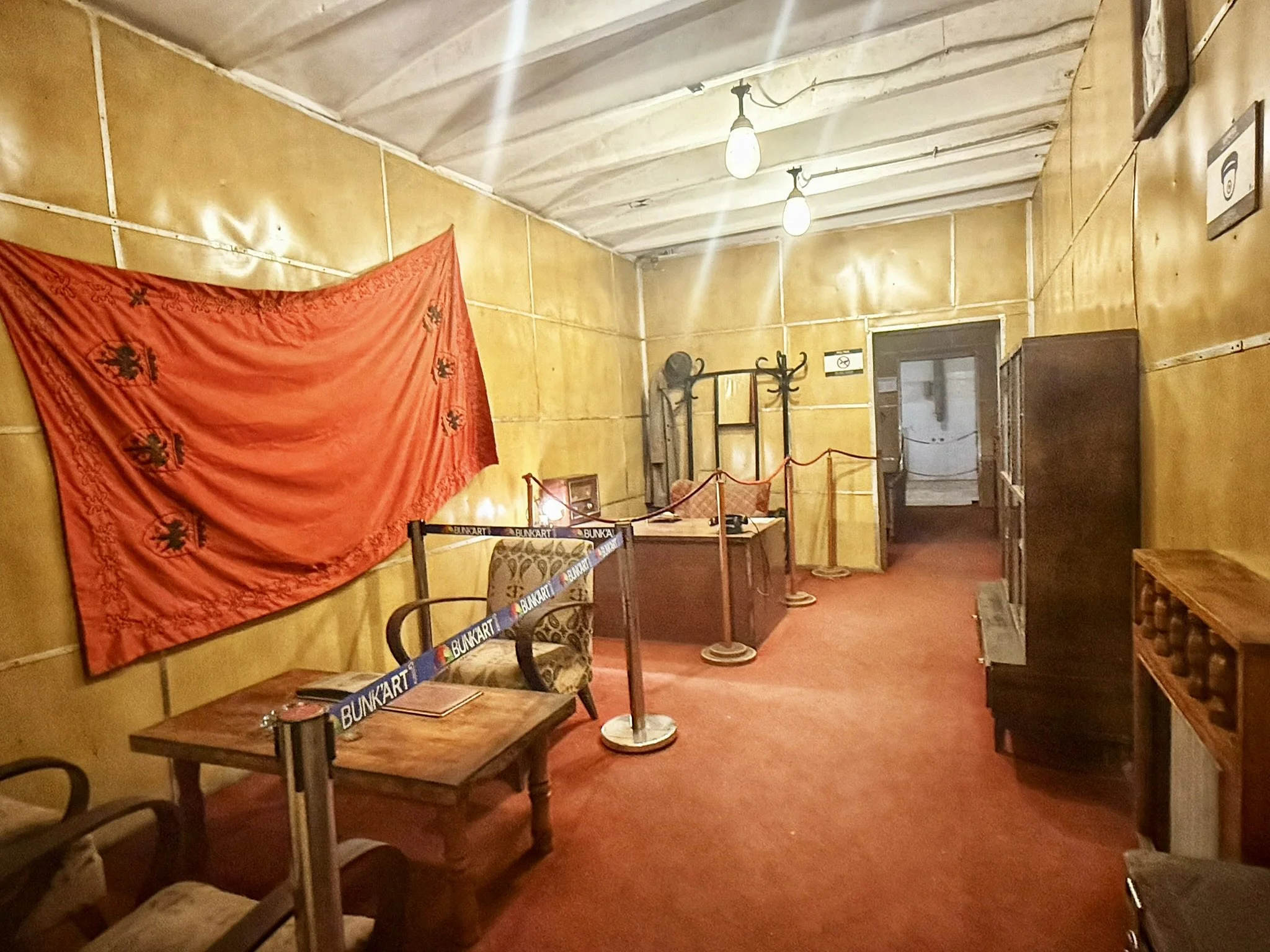
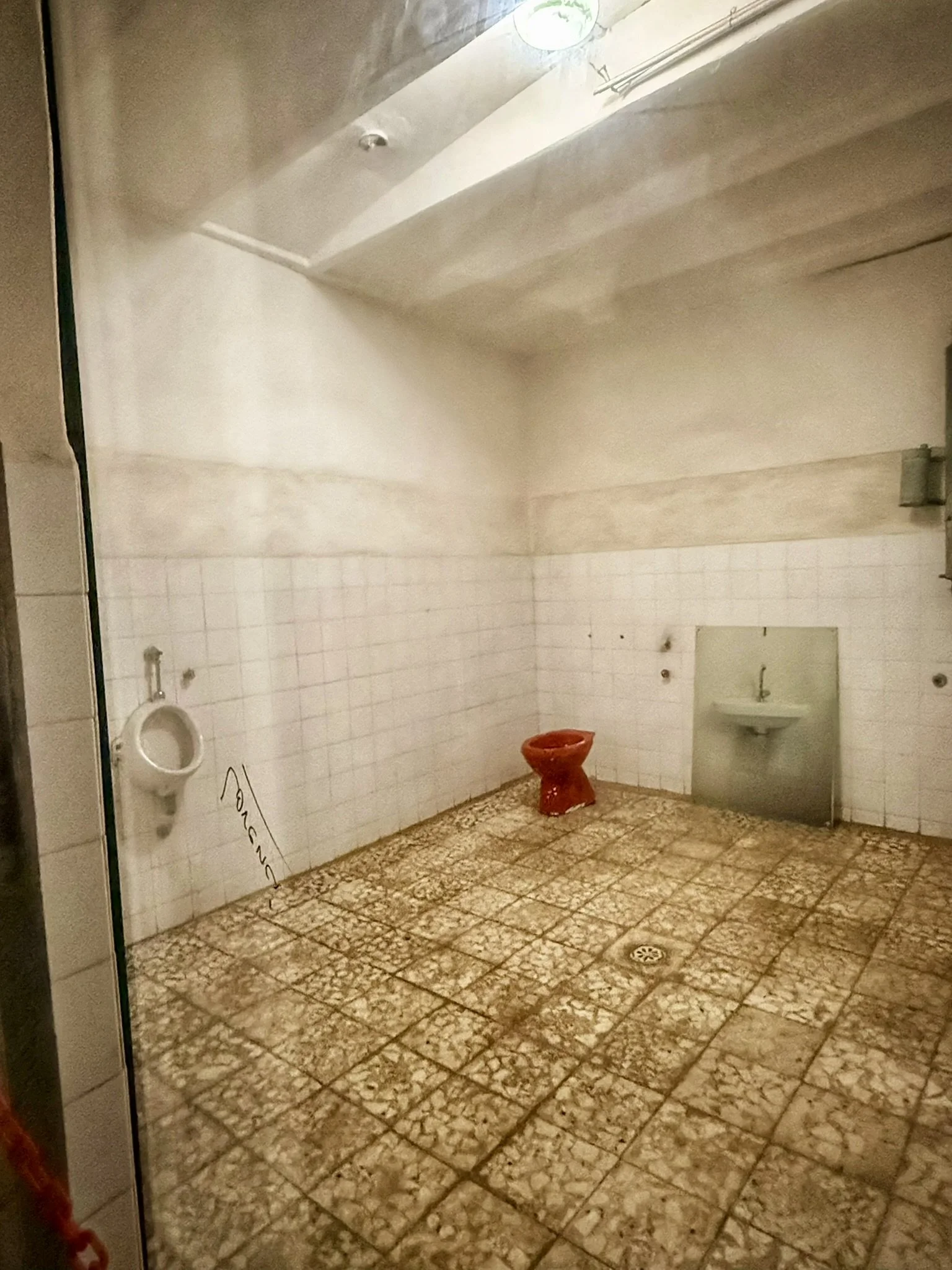
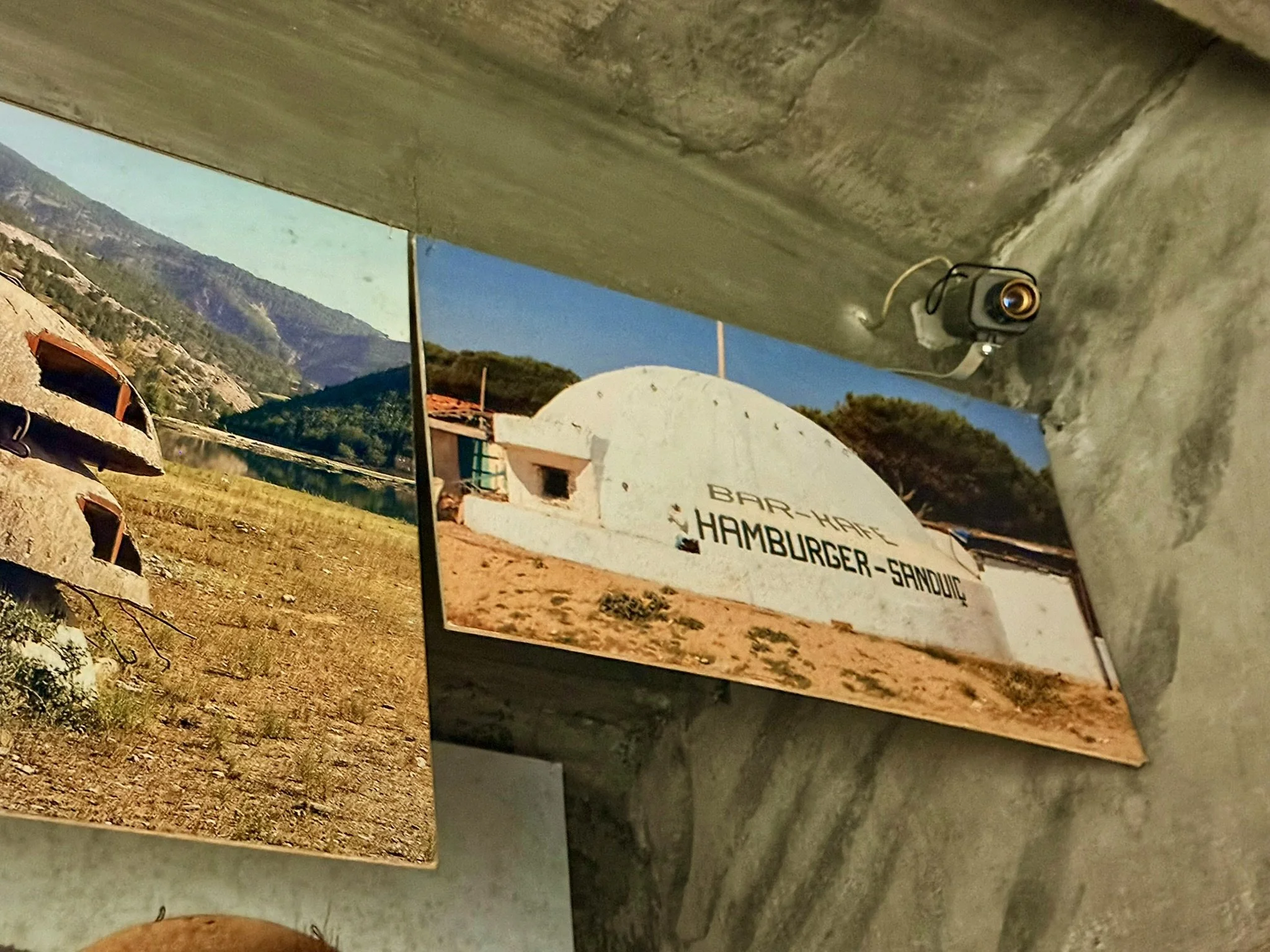
Today, these concrete domes have found surprisingly creative second lives. Some have been transformed into quirky cafés, bars, food stands, and shops. Others serve as wine cellars, while many in rural areas have become barns for livestock or storage sheds for hay and farm equipment.
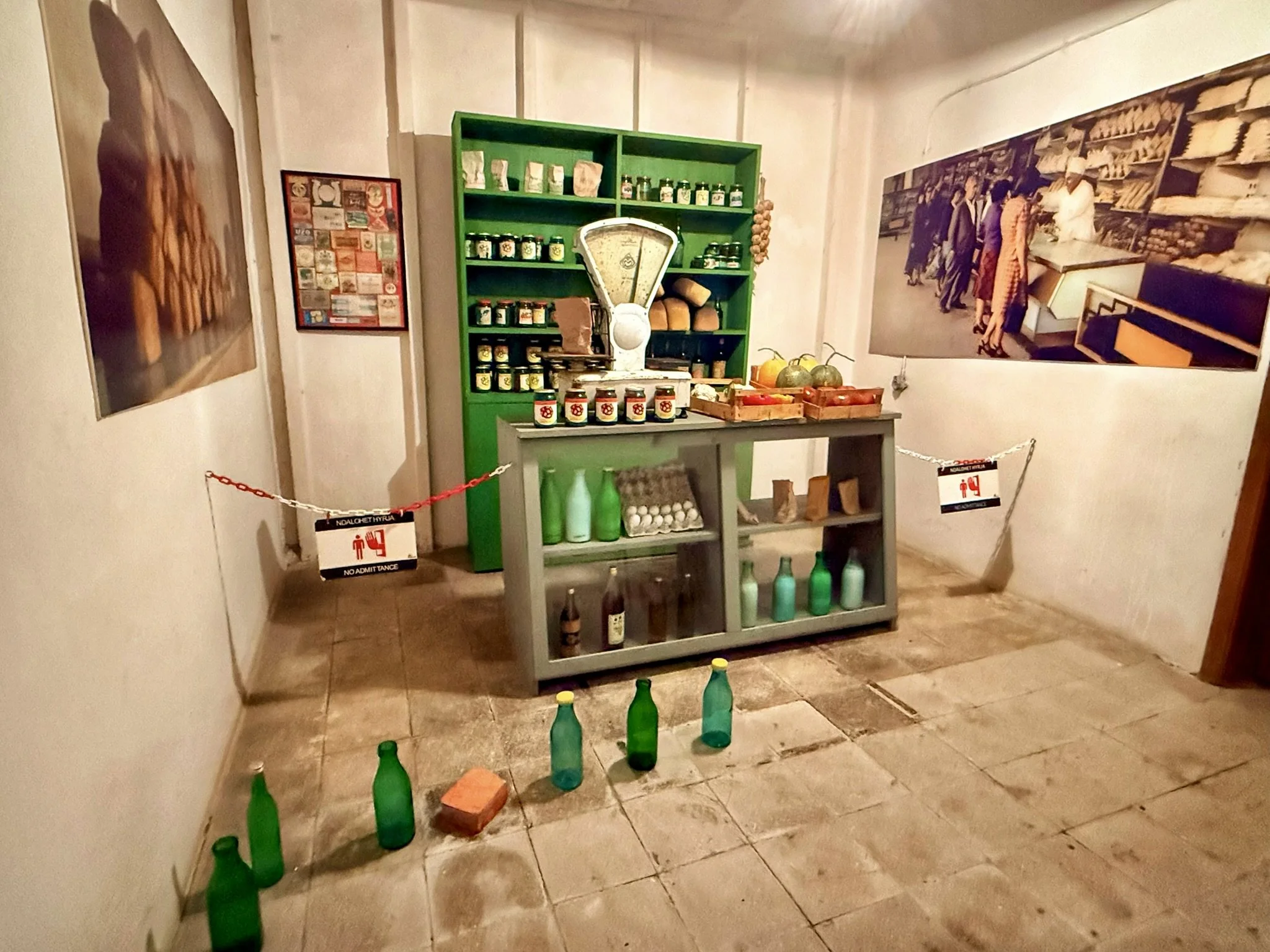
Bunk’Art 1 itself has been converted into a massive museum, with 106 rooms documenting Albanian history from the 1930s through the fall of communism. If you’re fascinated by this period of history, you’ll find every detail imaginable. For our more casual interest, it was almost too comprehensive—but unquestionably well done.
The Story of American Nurses and Medics Rescued by Albanians
But wait! Akiko found her favorite exhibit.
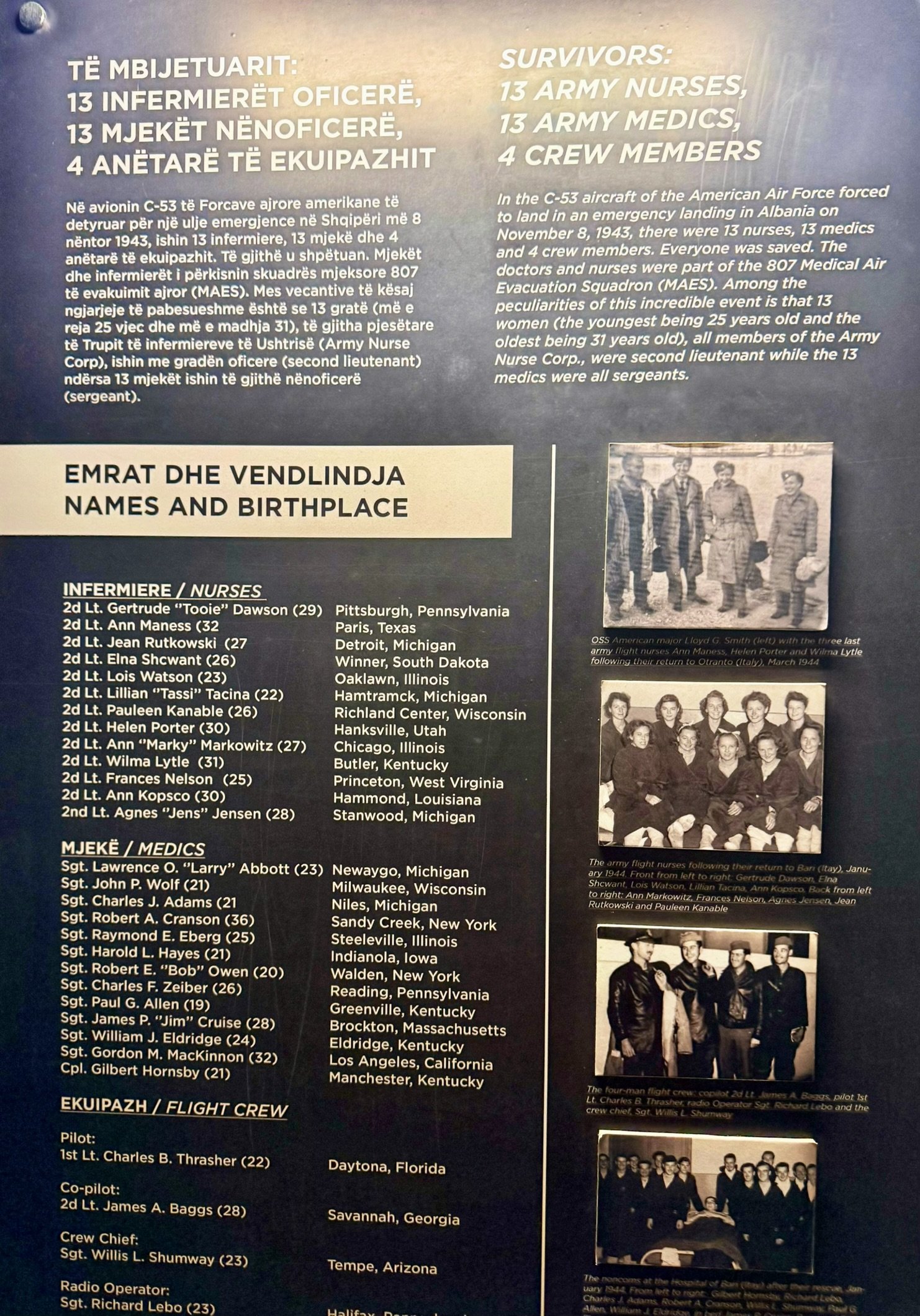
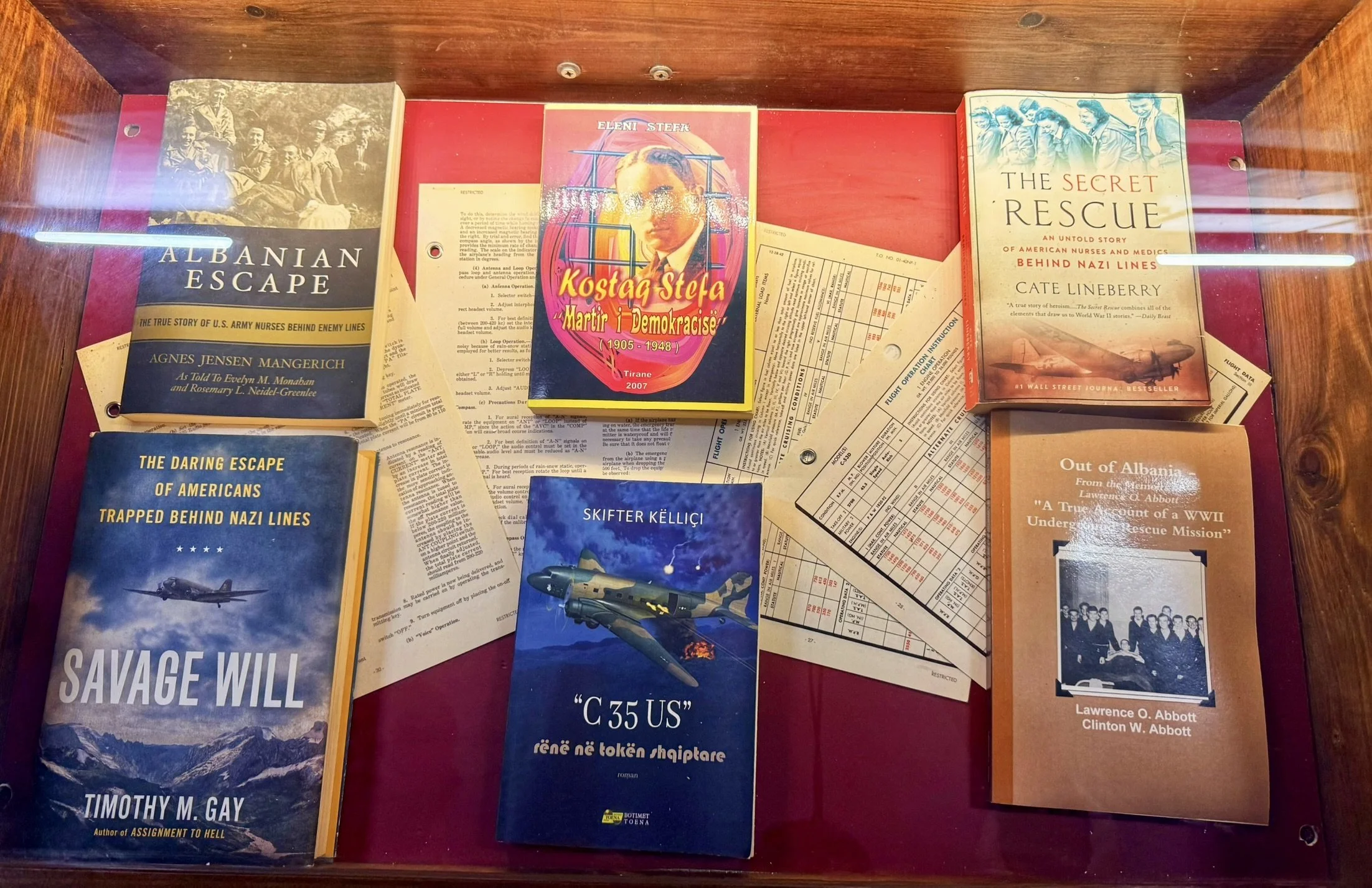
Hidden within the museum was the remarkable—and largely unknown—story of how 30 Americans nurses, medics, pilots, and crew members, were rescued by Albanian villagers after crash-landing behind Nazi lines in 1943.
Perhaps because the story centered on nurses, I was immediately captivated. I’m now reading The Secret Rescue: An Untold Story of American Nurses and Medics by Cate Lineberry (2013). Another firsthand account, Albanian Escape (1999), was written by one of the three nurses who remained behind and was later rescued, Agnes Jensen Mangerich.
According to the museum, on November 8, 1943, a U.S. Army C-53 transport carrying 13 nurses, 13 medical officers, two pilots, and two crew members became lost during severe weather while flying from Catania, Sicily, to Bari, Italy. After hours without radio contact, the aircraft accidentally entered enemy-controlled territory.
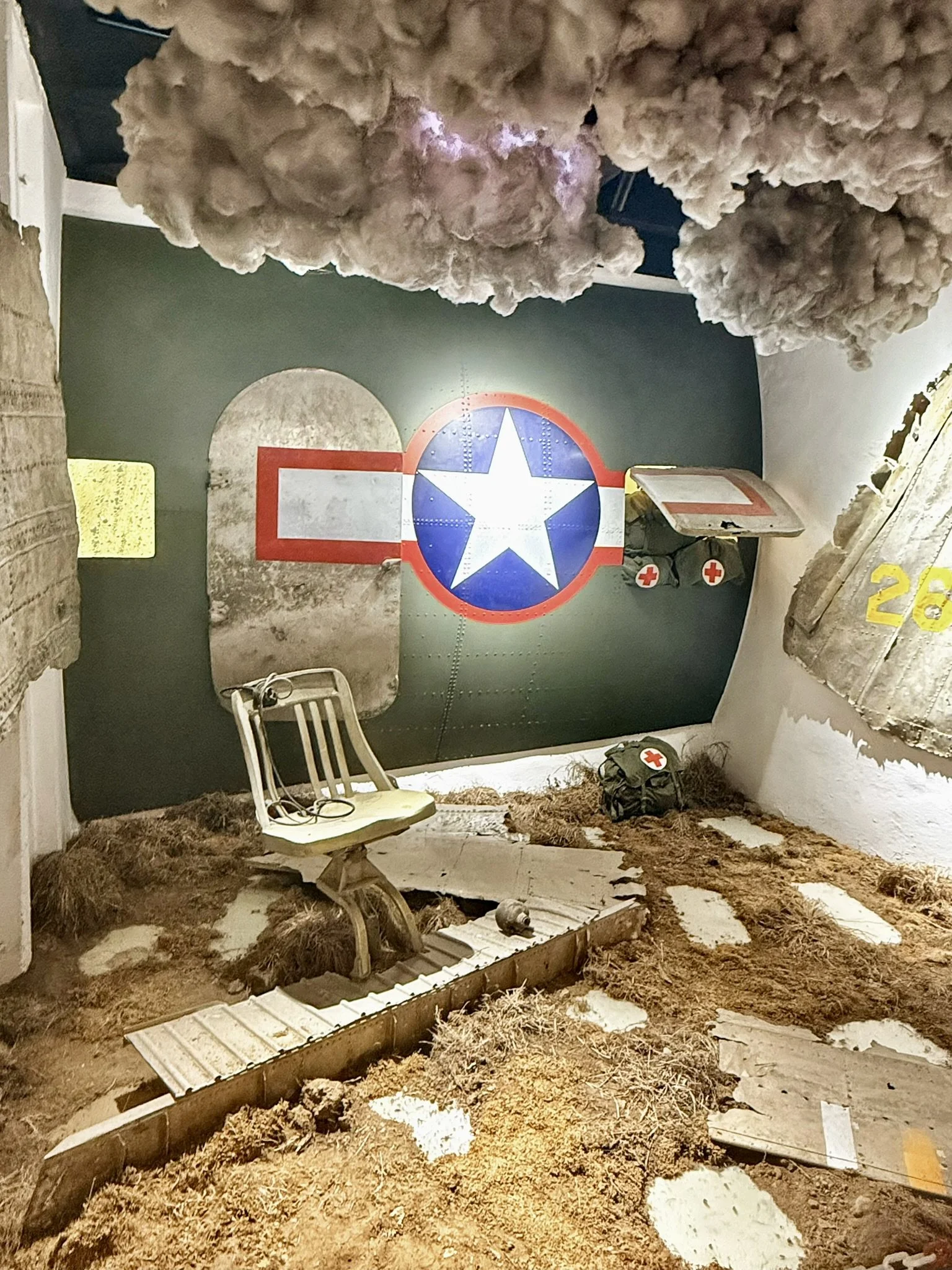
The pilots unknowingly attempted to land at what turned out to be a German airfield, drawing anti-aircraft fire. Two German fighter planes pursued them, but the Americans escaped by disappearing into thick cloud cover. Running dangerously low on fuel, the pilots eventually spotted an open field near Belsh, Albania, where they crash-landed in deep mud.
Miraculously, everyone survived.
Believing they had landed somewhere in northern Italy, the Americans were startled when a group of armed farmers emerged from nearby bushes. One of them, Kostaq Stefa, spoke English and explained that they were actually in Albania.
From that moment began an extraordinary rescue.
For the next 63 days, Albanian villagers and resistance fighters hid the Americans from Nazi forces, shared their scarce food, sheltered them in their homes, and guided them through forests and snow-covered mountains while avoiding German patrols.
To prevent the Germans from locating the crash site, local villagers dismantled the aircraft piece by piece within days. Several of those original aircraft parts are now displayed inside Bunk’Art 1.
Most of the group safely reached Allied territory in January 1944. Three nurses who were missing were rescued two months later during a second mission led by American intelligence operative Lloyd Smith.
The story was unknown to the world for nearly 50 years. Under Albania’s communist regime, publicizing the rescue could have endangered the very Albanians who had risked their lives to help the Americans. Only after the fall of communism in 1992 could their courage finally be recognized.
Isn’t that an incredible story? I’d never heard it before, and it ended up being one of the most memorable parts of our visit.
Mount Dajti
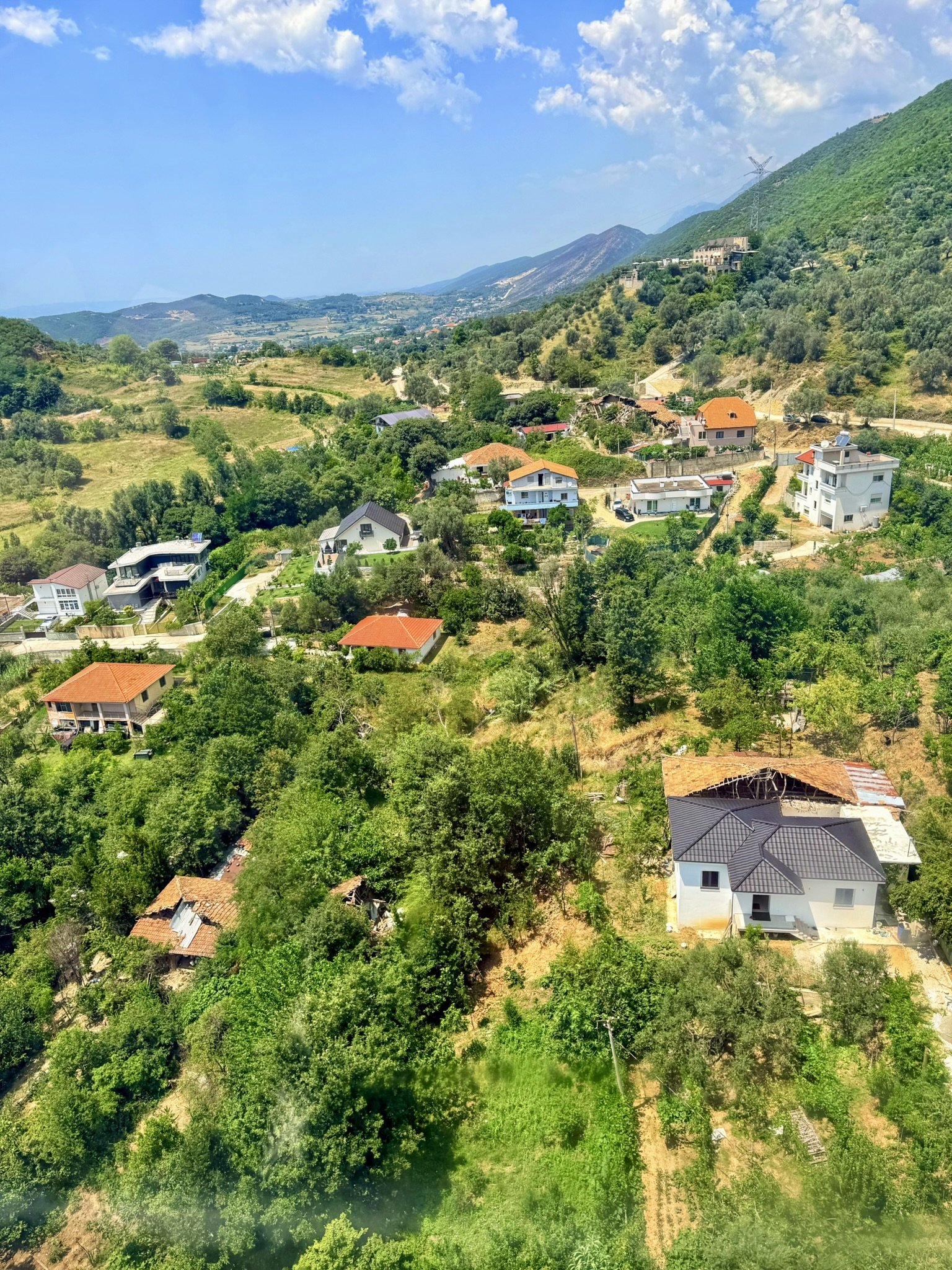
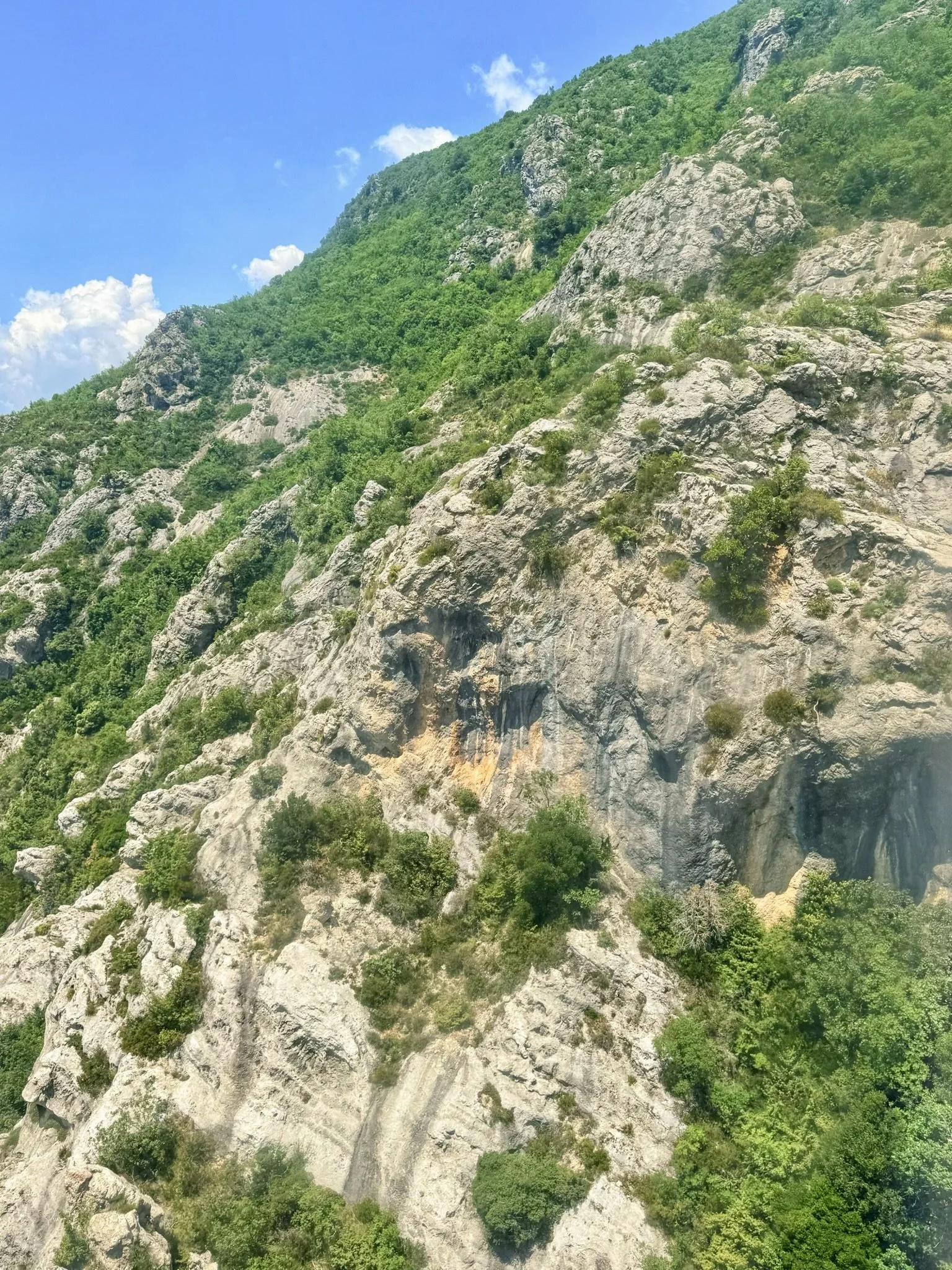
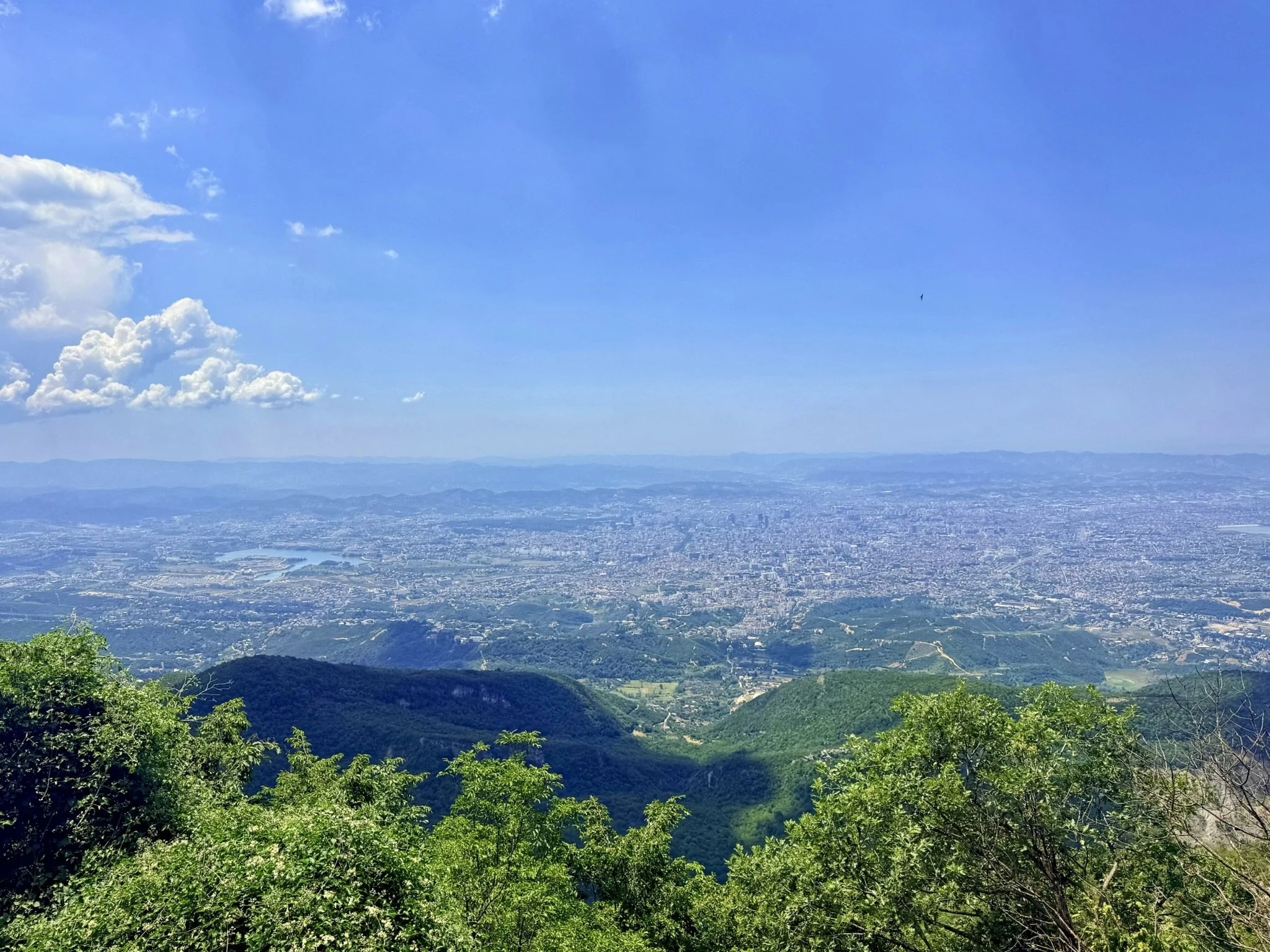
Mount Dajti is a beautiful national park with miles of hiking trails and spectacular views over Tirana.
However…
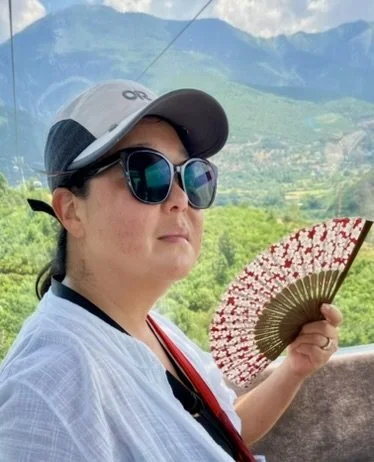
With temperatures hovering around 100°F (38°C) and humidity to match, the cable car was the only way we were going to experience the mountain!
The 15-minute ride offered fantastic panoramic views, and the cooler mountain air was a welcome relief once we reached the top. We enjoyed a refreshing drink, soaked in the scenery, and then headed back down to Tirana for a late lunch.
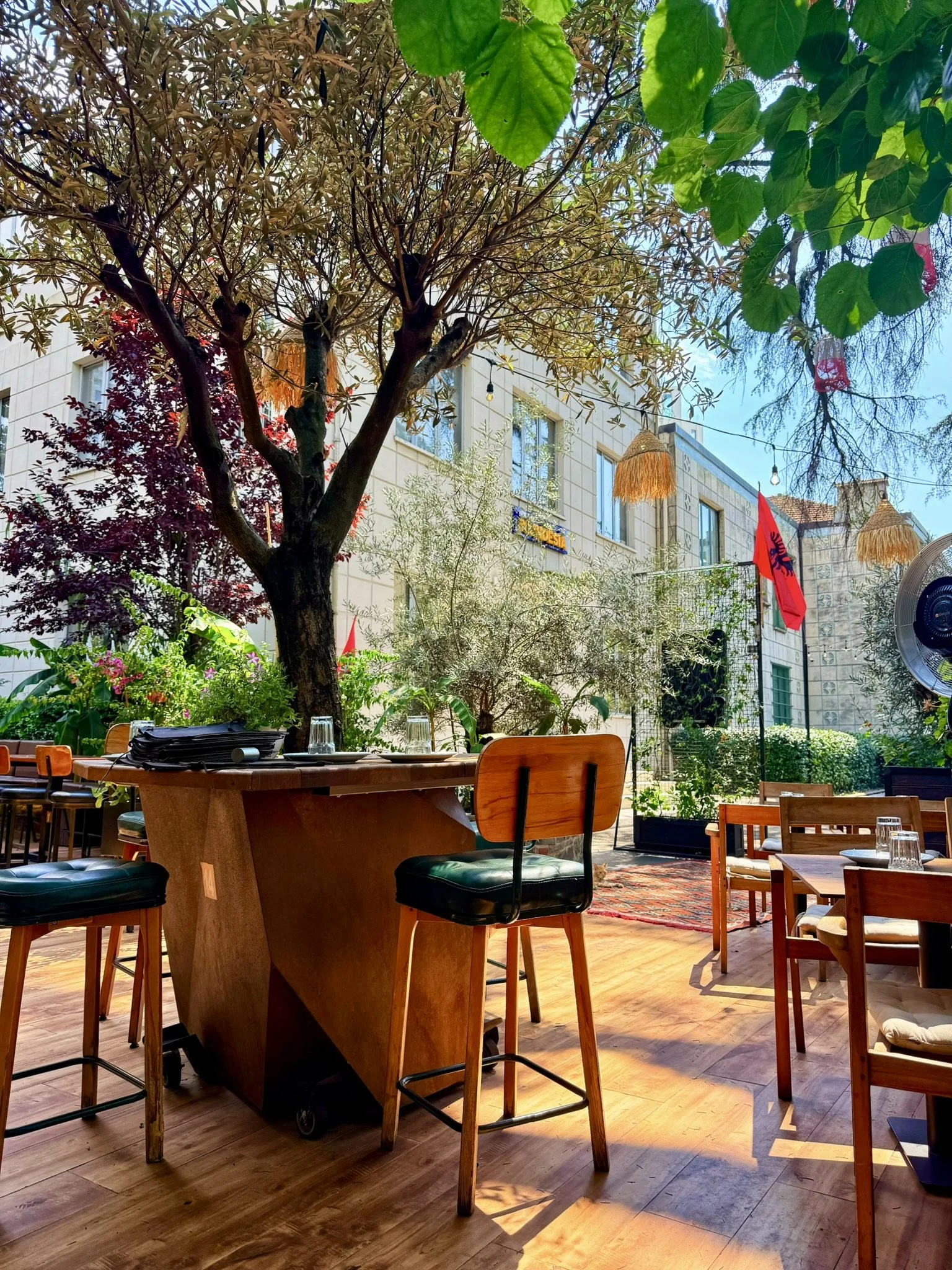
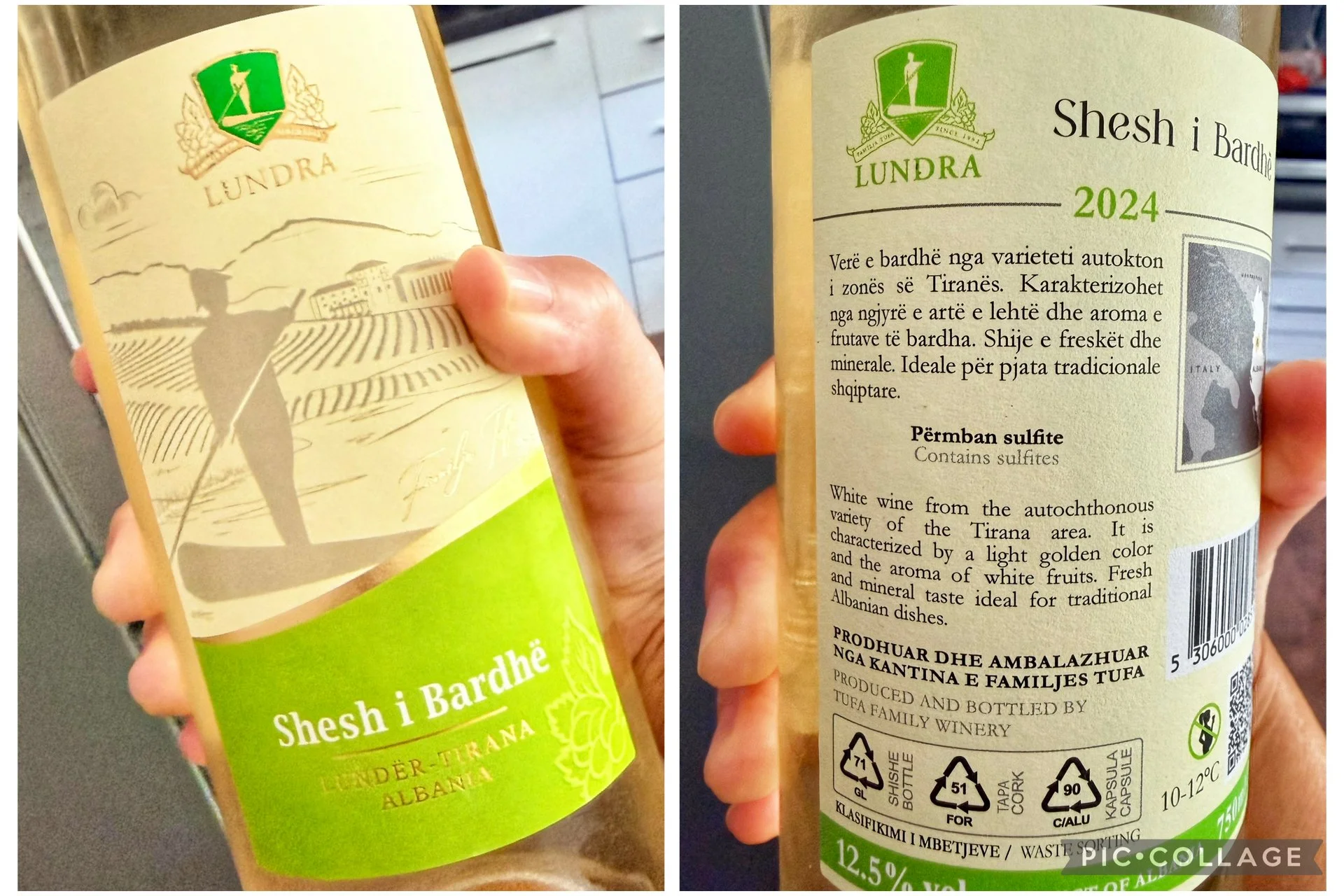
Our destination was n’Mes, where we claimed a table beneath cooling misting fans on the shaded patio.
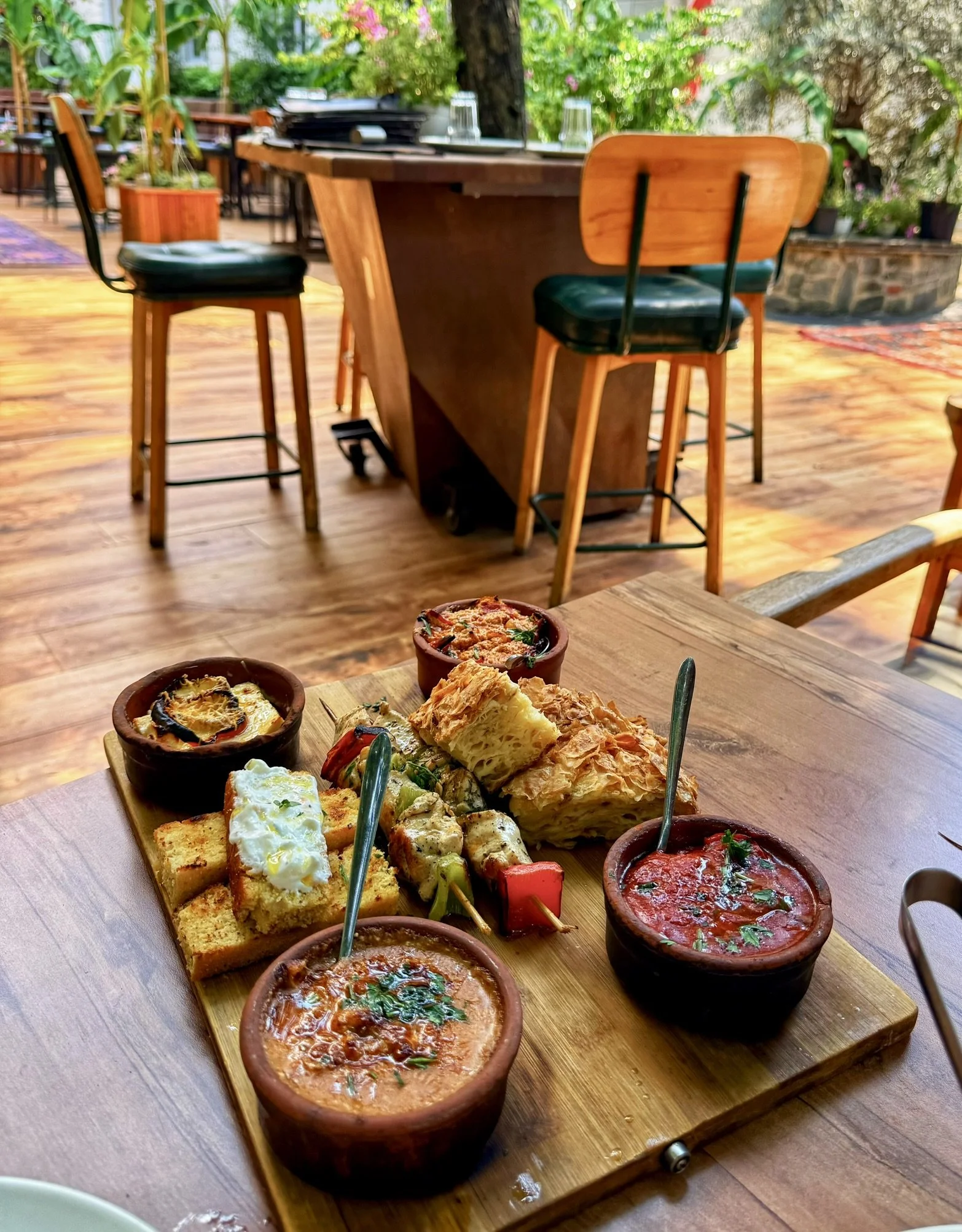
We ordered a sampler platter of traditional Albanian dishes that included burek, chicken kebabs, meatballs in tomato sauce, cornbread (surprisingly Southern-like!), meat stew, baked cheese, and fërgesë, all accompanied by a crisp, fresh salad.
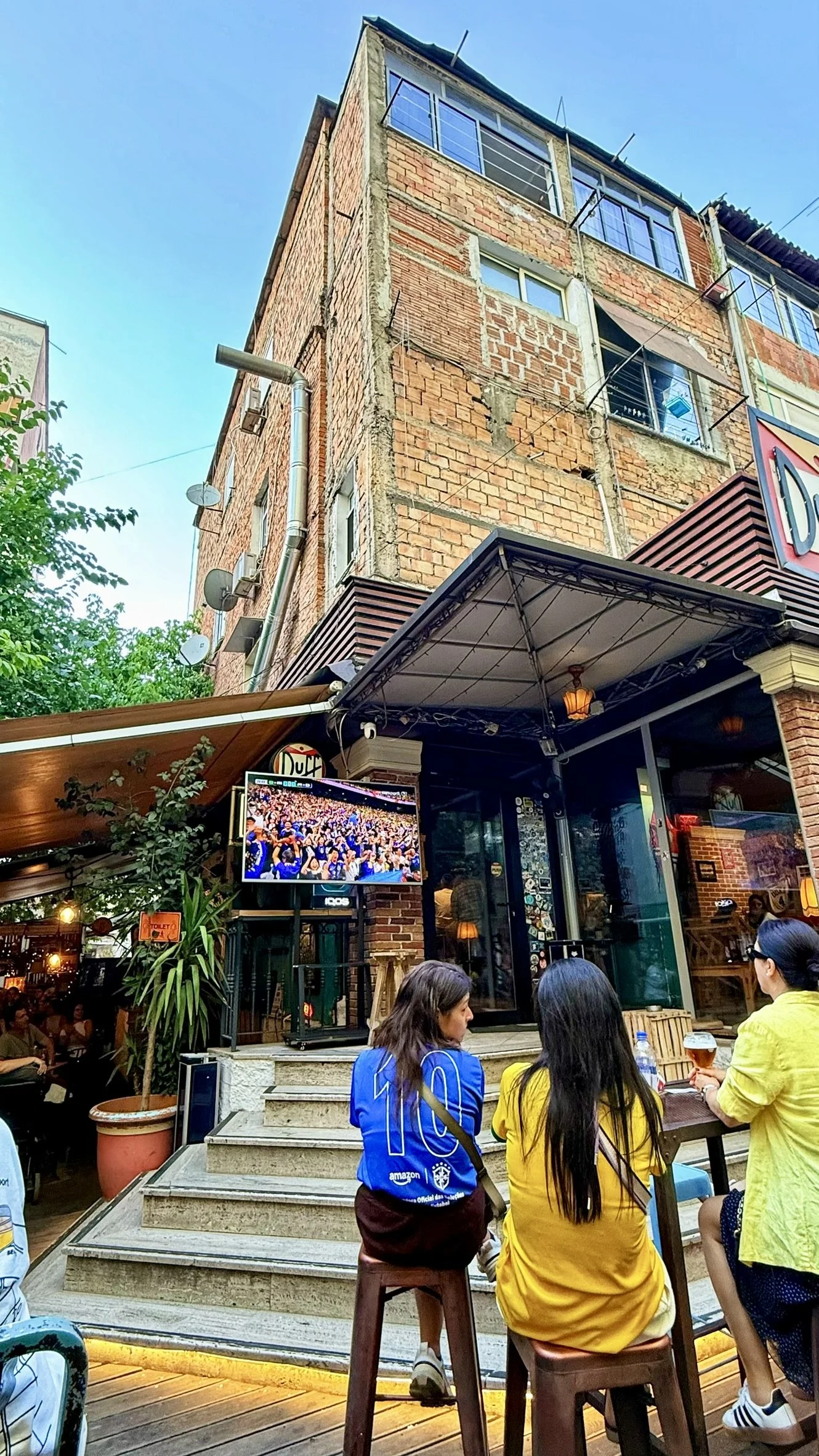
In the evening, we headed to an American sports bar called, Duff, to watch the Japan 🇯🇵 versus Brazil 🇧🇷 World Cup match. Yes, it’s a Simpsons themed bar and they sell Duff beer. 🍺
It was the perfect ending to a fascinating day spent exploring Tirana from both below—and above—ground.
