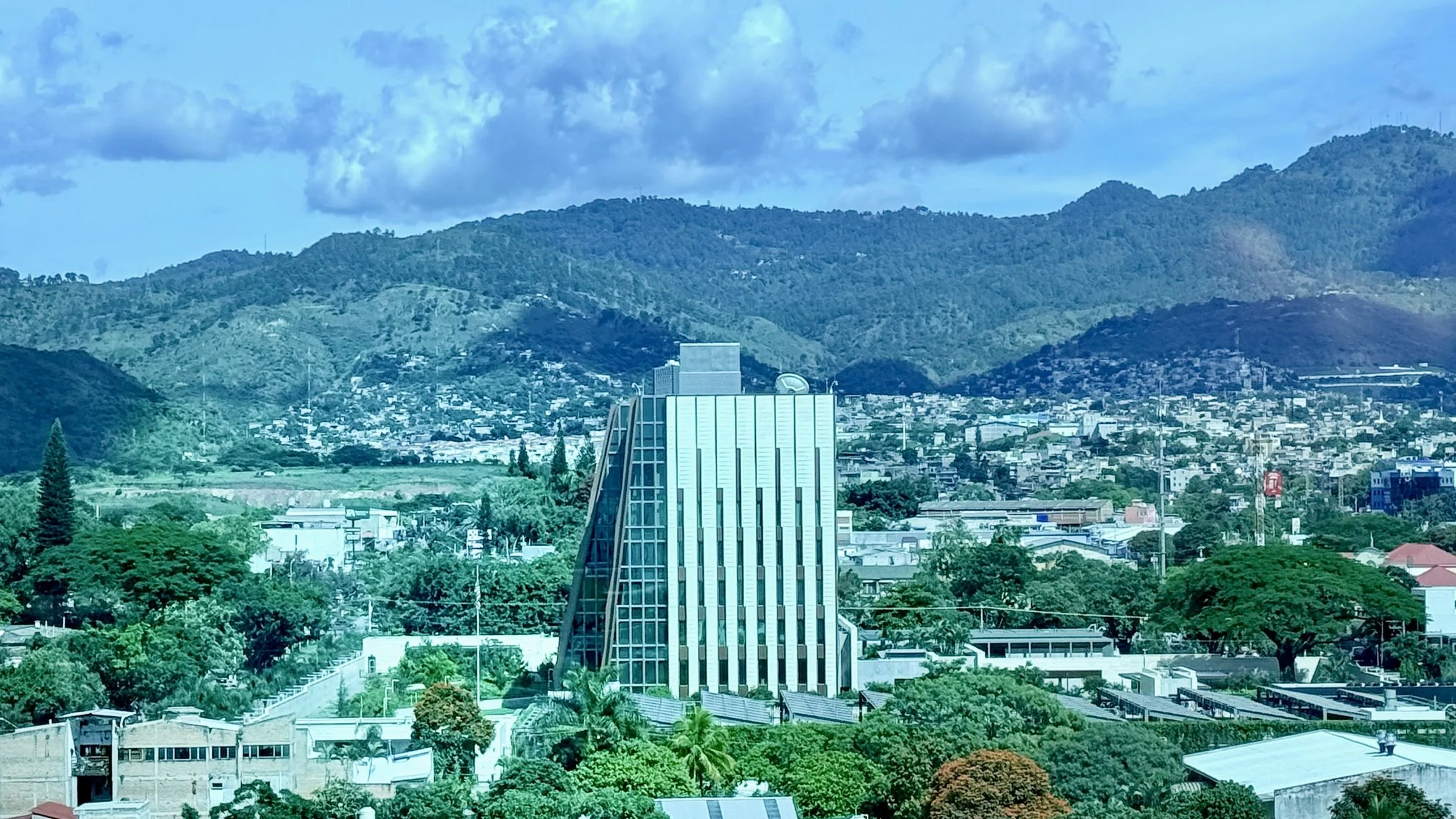
Tegucigalpa, Honduras: The Unexpected Stop We’re Glad We Made
Tegucigalpa wasn’t on our must-see list, but this unexpected stop in Honduras turned out to be a welcome surprise! After spending $500 on a private driver to navigate a notoriously confusing border crossing, we discovered a mountain-framed capital with refreshingly cool weather, took a much-needed break at the Hyatt, and found ourselves marveling at Walmart’s massive tres leches cake selection. Sometimes the best travel stops are the ones you never planned to make!
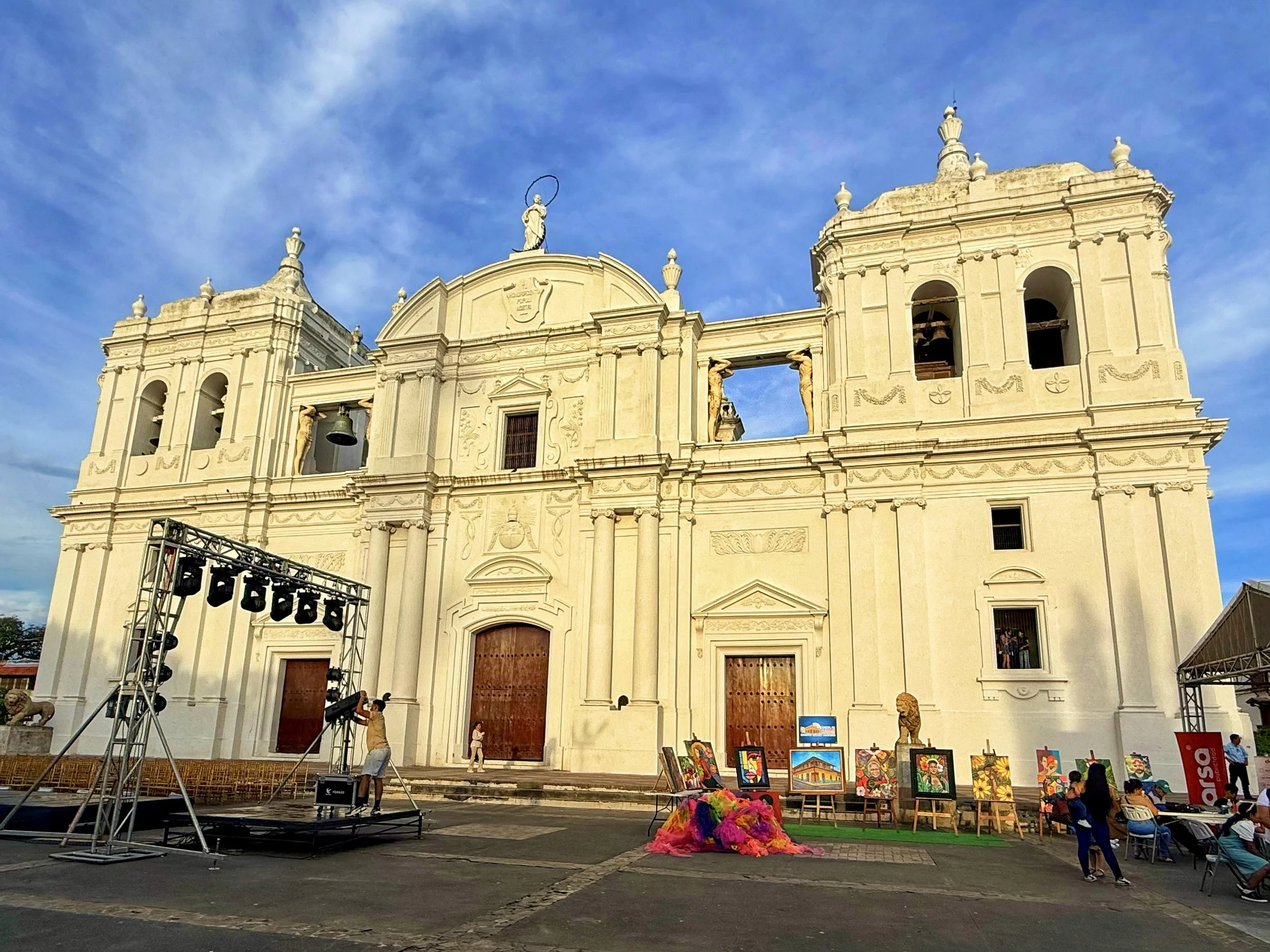
We Came to León, Nicaragua for Volcano Boarding… and Found So Much More!
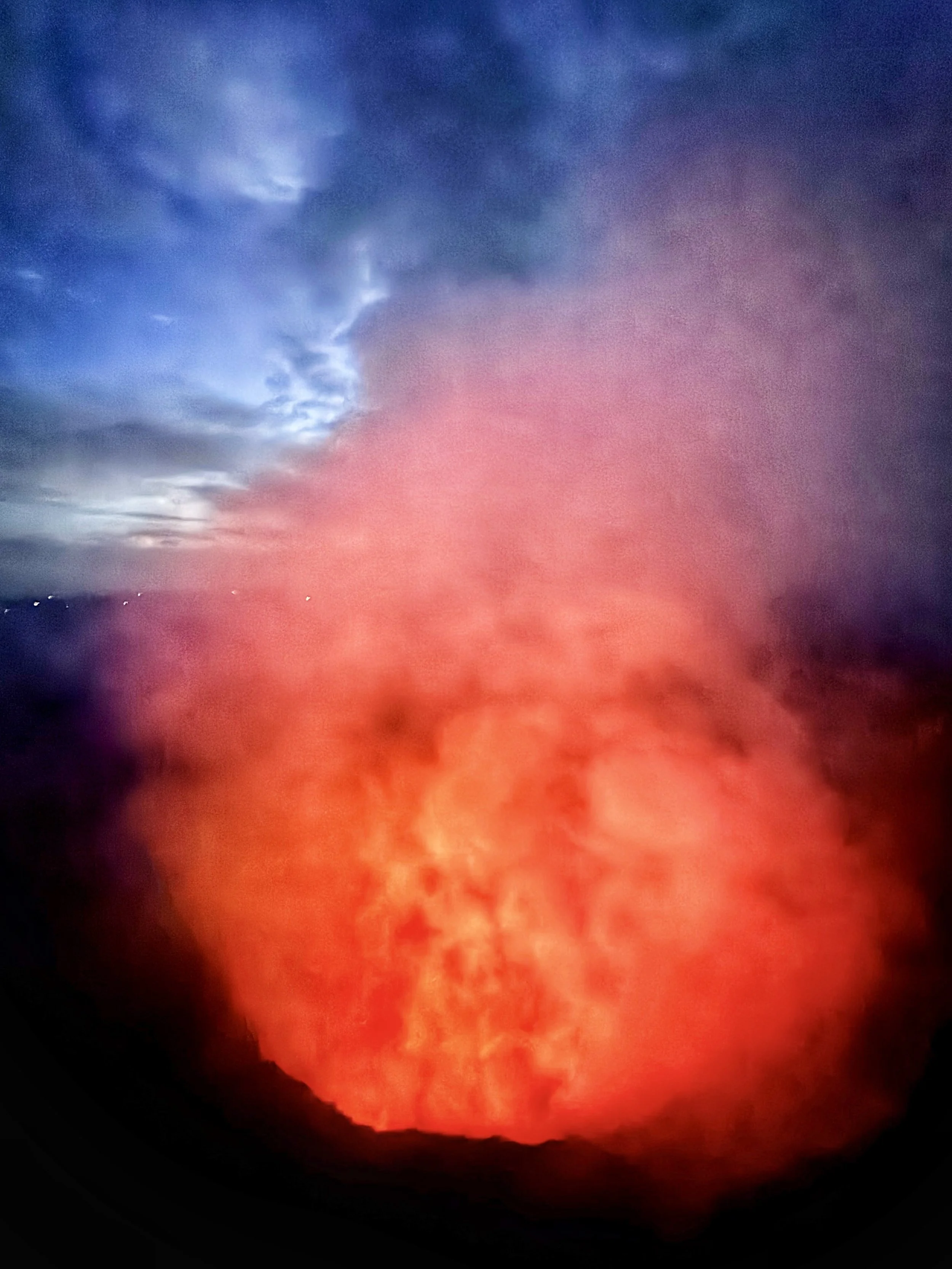
We came to León, Nicaragua, for one big adventure: volcano boarding down Cerro Negro. But over five days, we discovered so much more—from the city’s fascinating revolutionary history and the childhood home of literary legend Rubén Darío to a lively rum distillery tour at Flor de Caña. Add in a few missed sightseeing opportunities and the unexpected challenge of organizing transportation for the next leg of our Central American journey, and we got a little bit of everything. León definitely gave us plenty of reasons to want to return!
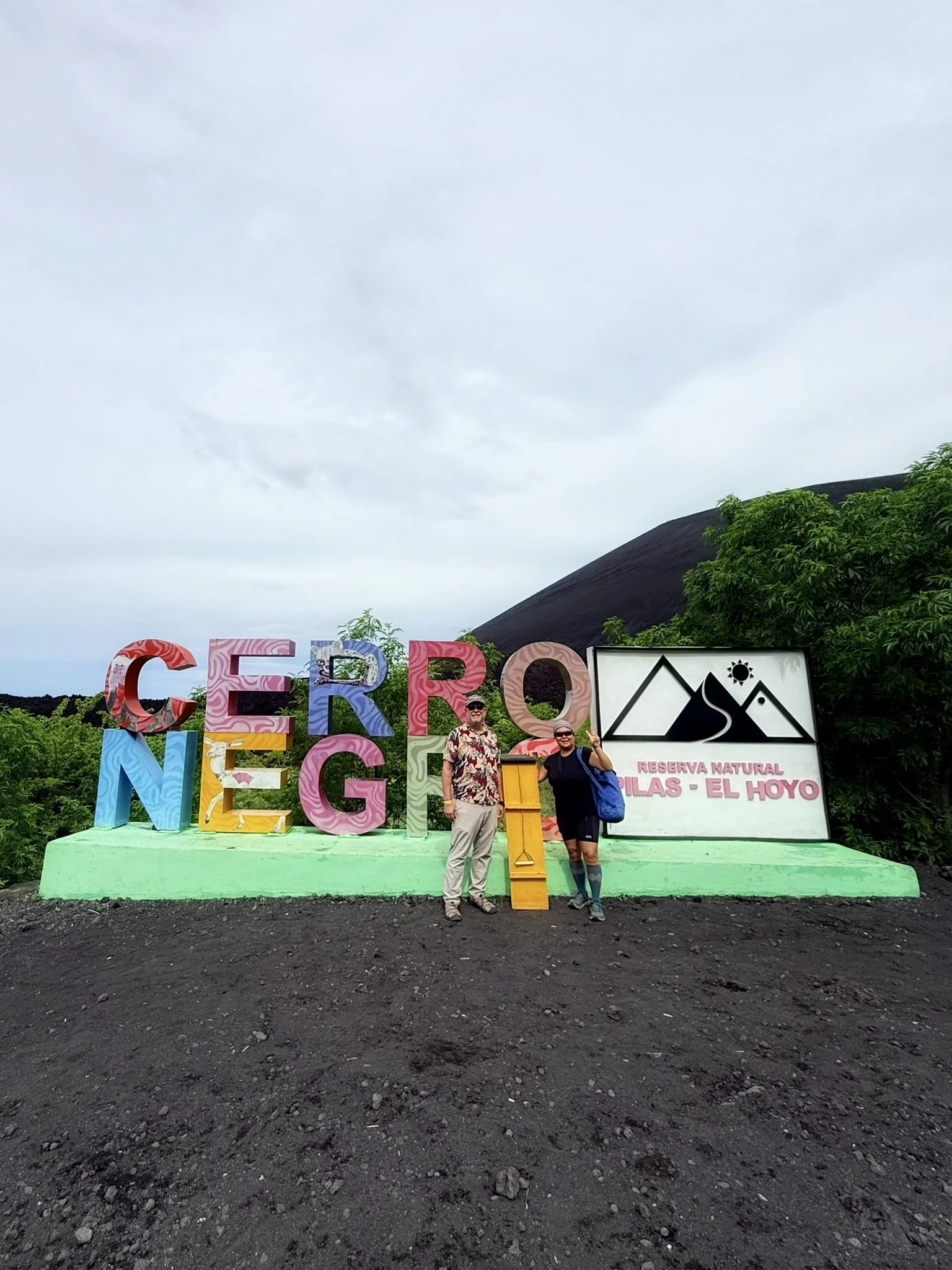
🌋Cerro Negro, Nicaragua: What An Experience🔥
Volcano boarding is a one-of-a-kind-in-the-world activity that can be done at Cerro Negro, Nicaragua. Check out how it went for Akiko, sliding down 800 feet at a 45 degree pitch, down the black sand slope!
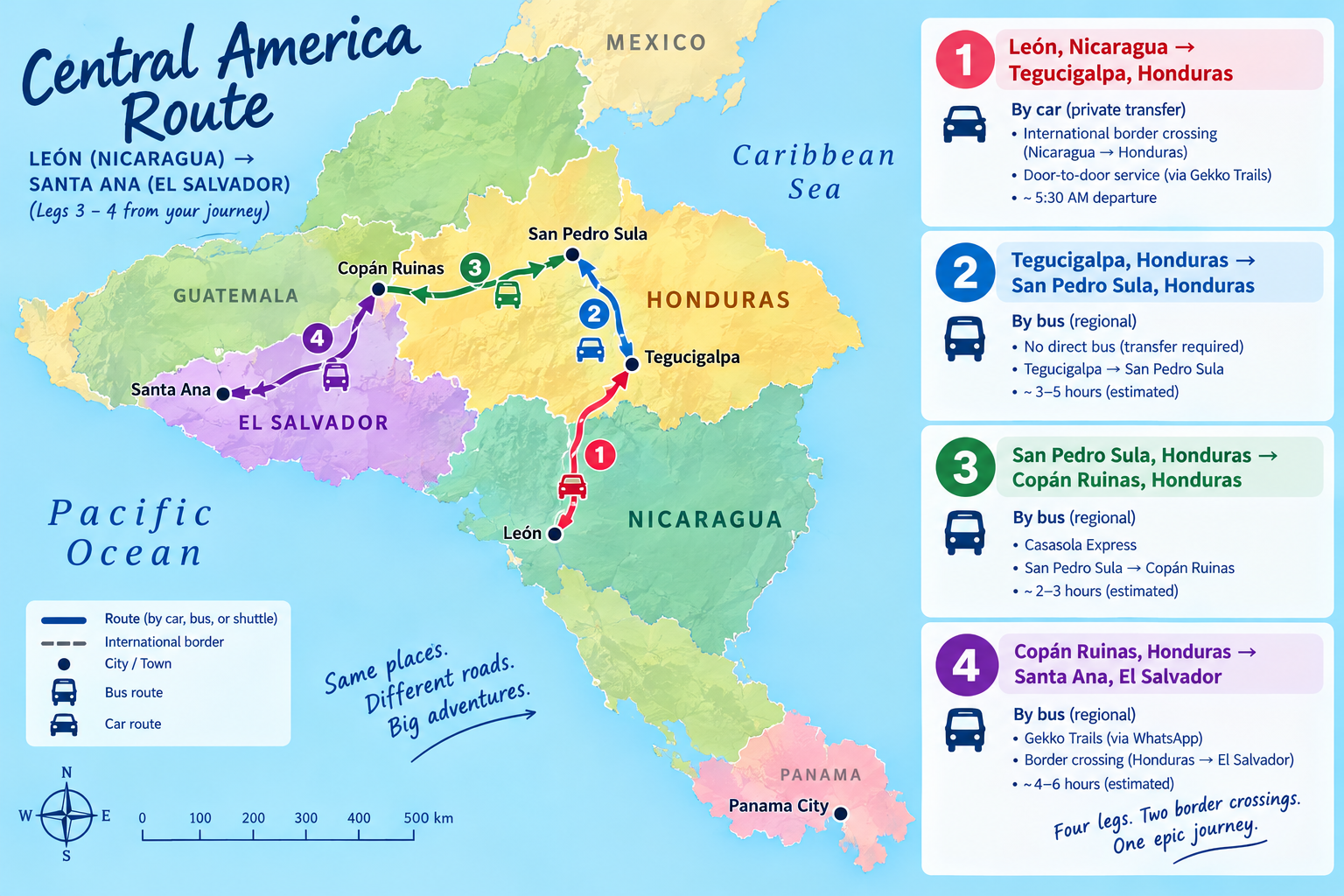
Unexpected Transport Snags in Central America
Getting around Central America is turning into an adventure of its own. 🚌😅
We’re two months into our journey from Panama City to Mexico City, and right now, we’re in León, Nicaragua, trying to figure out how to get to Honduras and El Salvador.
Sounds simple enough, right? Think again.
We’ve spent DAYS piecing together four separate transportation legs, navigating international border crossings, chasing down unresponsive operators on WhatsApp, and battling booking websites that may or may not work.
The one daily international bus? Fully booked.
The alternative? A private, door-to-door transfer for $500. 😳 (For context, the bus would’ve cost us $200 total!)
And then there’s AI. We put a new assistant called Muse to the test, and it managed to find a booking website that we couldn’t find ourselves, fill out a form in Spanish, and navigate all the way to the credit card payment screen. 🤯
Was it impressive? Absolutely.
Are we confident everything will go according to plan? Ask us again after we cross the border. 😂
We’re learning that overland travel in Central America requires a lot more research, flexibility, and patience than we expected. Sometimes, getting to the destination is the adventure.
Granada, Nicaragua: Beyond the Colorful Facade
Granada, Nicaragua: a little faded, a little rough around the edges, and full of personality. From hidden colonial courtyards and cigars with locals to accidental political rallies, unexpected street celebrations, volcanoes, and spectacular rooftop views, Granada kept surprising us. It’s not polished, and that’s part of its charm.
Border Crossing Bingo: Phantom Forms, Fees, and an Immigration Officer Riding Shotgun
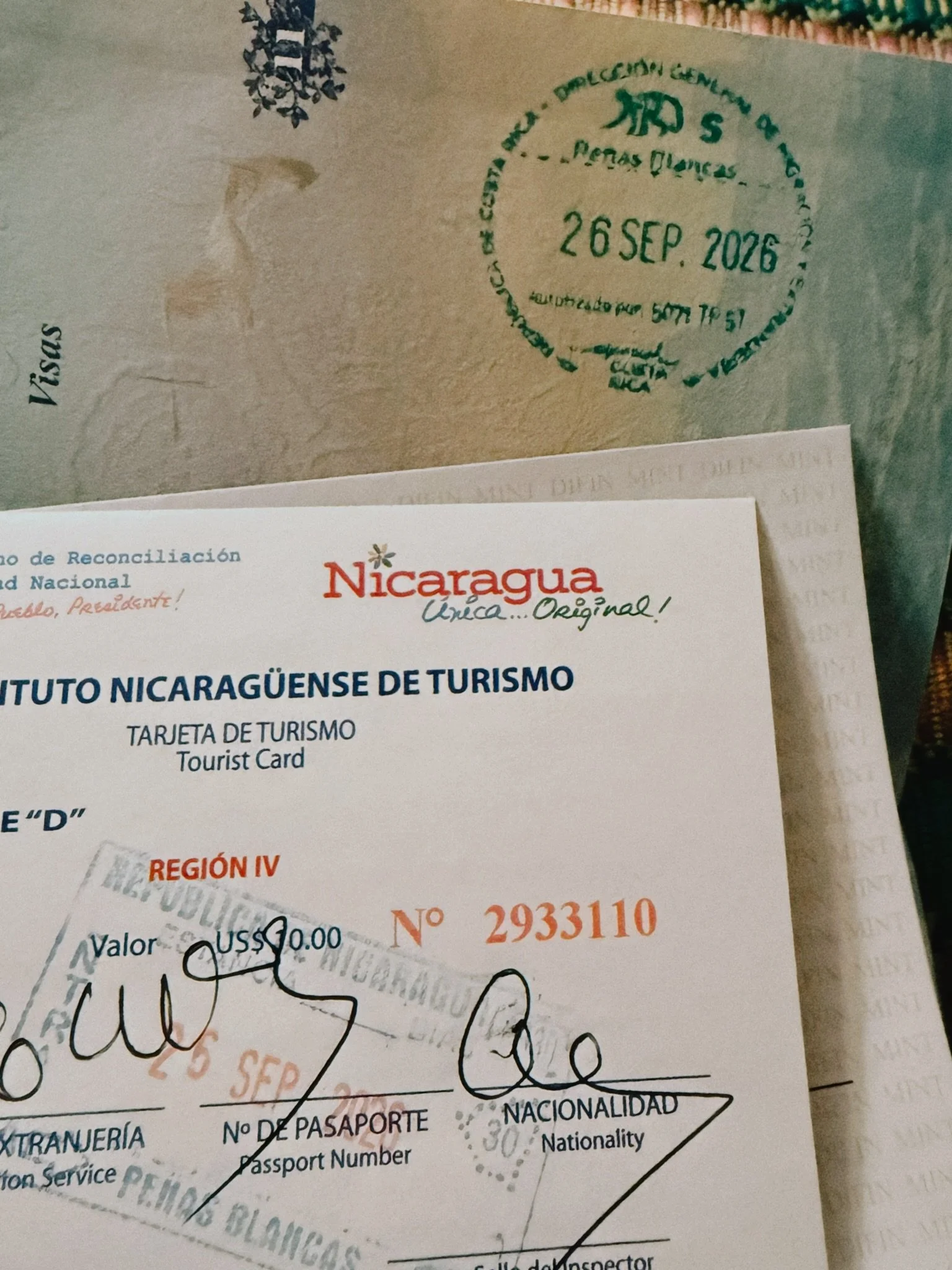
Crossing from Costa Rica into Nicaragua sounded simple enough—until we discovered mysterious immigration forms, exact cash fees requiring pristine U.S. dollars, and a 1-kilometer trek between border buildings under the blazing sun. After obsessing over paperwork that nobody ever asked to see, we finally made it into Nicaragua…only to discover our Easy Ride driver had picked up his girlfriend along the way—and she just happened to be wearing a Nicaraguan immigration police uniform. 😂 Another border crossing successfully conquered, with a little travel absurdity thrown in for good measure!
Head in the Clouds: A Little Eco Luxury in Monteverde
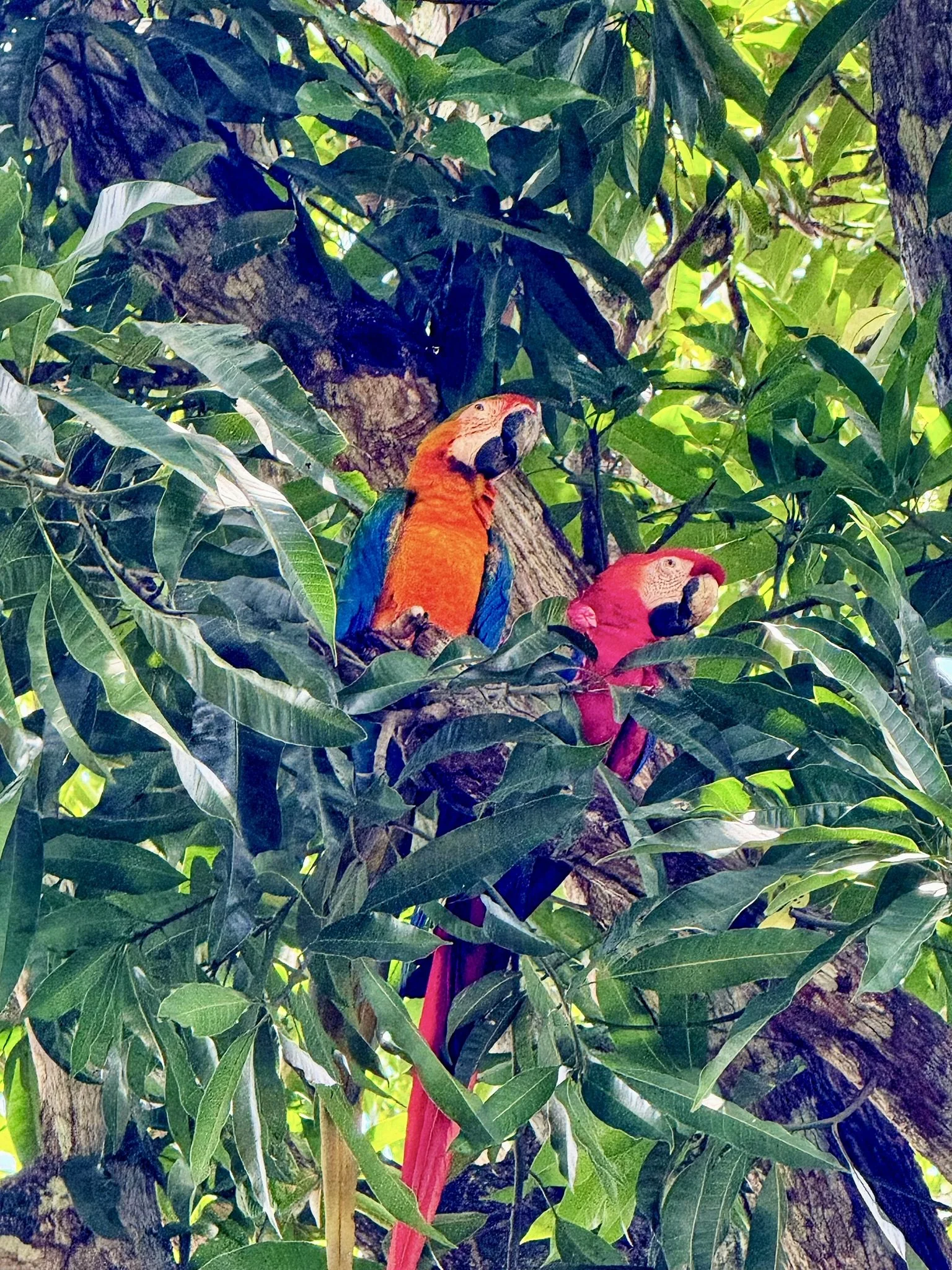
We traded our nomadic routine for a few luxurious days in the clouds of Monteverde, Costa Rica, staying at an eco-lodge surrounded by monkeys, toucans, hummingbirds, macaws, and enough shades of green to lose count. We hiked the Continental Divide, ventured into the cloud forest after dark to hunt for frogs, snakes, and very well-camouflaged bugs, and even pondered how Costa Rica’s unique history and stability helped make its incredible commitment to conservation possible. All in all, a little luxury, a lot of wildlife—and still no sloths!

Uvita: We Came for the Whales, Stayed for the Whale Tail
We came to Uvita looking for whales and found…well, no whales. But between walking the famous whale tail, surviving rainy-season Pura Vida, eating our way through local sodas, and catching one glorious sunset, Uvita still delivered.

We Asked AI How to Cross the Panama-Costa Rican Border. What Could Possibly Go Wrong? 😅
We thought we were prepared for our overland crossing from Panama to Costa Rica—we researched the border, consulted ChatGPT and Gemini, printed our paperwork, and had transportation lined up. Naturally, none of that went quite as planned. From a border crossing that had apparently moved two miles down the road, to negotiating a taxi we didn’t realize was taking us on a round trip, an unexpected malaria test, and somehow gaining an hour along the way, our journey from Boquete to Uvita was a perfect reminder that in Central America, sometimes the best travel plan is simply to show up, figure it out, and enjoy the adventure.

Boquete: Geisha Coffee, Hot Flashes & the Expat Life
A few days in Boquete, Panama gave us a little bit of everything: lush mountain trails, fancy Geisha coffee, expat life, Panamanian food, and a surprising amount of time thinking about fans. We skipped the 2 a.m. volcano hike, survived an abandoned coffee tour, and discovered that in Boquete, the weather may be cooler—but apparently not that cool.

Travel Planning through Central America…So Far
We finally sat down and mapped out the next six weeks of our Central America adventure—from Panama to Costa Rica and Nicaragua to Honduras and El Salvador. Between border crossings, buses, vans, volcanoes, whales, turtles, and plenty of pupusas, we’re trading our usual aimless wandering for a real travel plan…at least for now. And at the end of it all: a month in Mexico City!

Panama Is Synonymous with the Panama Canal (And More!)
We came to Panama City expecting the Panama Canal to be the star of the show—and it certainly didn’t disappoint! From watching massive ships navigate the Miraflores Locks to discovering the fascinating engineering behind the canal, we got a whole new appreciation for this incredible feat. But Panama City is much more than its famous waterway, as we also explored historic Casco Viejo, sweated our way through Metropolitan Natural Park, and got a glimpse of the city’s incredible mix of jungle, wildlife, skyscrapers and ships. Panama City definitely left us wanting more!

Panama City: Casco Viejo, Old Town
We spent the day wandering Casco Viejo with no real sense of urgency, starting at the old city walls and winding our way through colorful plazas, colonial streets, and historic churches. Along the way, we stopped for a surprisingly affordable local lunch, learned about Panama’s indigenous mola art and fascinating Canal history, admired the famous Flat Arch and Golden Altar, and discovered an enormous hidden nativity scene. We finished the afternoon with Pacific views, cocktails, Panamanian rum, ceviche—and, unfortunately, a lesson in spotting fake cigars. It was the perfect introduction to the old side of Panama City.

Panama City: The Modern Side of Panama
Panama City surprises with a modern skyline, tropical energy, and a fascinating history as the isthmus crossroads of two worlds. From bustling Obarrio (our neighborhood stay) to authentic Panamanian fondas and local flavors, the city offers far more than meets the eye. Next stop: Casco Viejo, where Panama City’s colorful colonial past comes alive.

Dear Friends: Stop Being So Generous
Coming home to the States reminded us just how good it feels to belong. ❤️ Friends opened their homes, shared their food, drinks, couches, pools, cars—and a whole lot of love. We don’t take any of it for granted. But before you get any more generous and convince us to stay…we’re back to our Coddiwompling! 🌎 Next stop: Central America.

Blog-to-Books: Our 2012 Travel Memories Enjoyed Through Print
We are currently in the US, making our way through several states to visit friends and family. When we recently arrived in Alabama to visit Bama Mike’s mom, our 2012 Travel Sabbatical blog-turned-into-books were waiting for us. They turned out way better than we expected! When we had intorealpages.com publish our posts and photos, the intent was to have something more durable in print—in case something terrible happened to our website and it disappeared.
We had forgotten a lot of the details captured in the blog, so it almost felt like we were traveling through these places again for the first time. We had many belly laughs over being reminded of the the crazy situations we encountered.
2012 wasn’t that long ago, but in comparison to our travels now, access to web information was spotty, and many transactions were not digital or electronic. Therefore, it seems we had to talk to more locals to get real-time intel, and we had to be more creative in-the-moment with new problems we encountered. Overland border crossings and travel days were always the most entertaining blogs to re-read because of how unpredictable, harrowing, or crazy they were.
Read on for some excerpts of our 2012 travel adventures!

Croatian Cruise: Living the High Life… for One Week
Spent one unforgettable week sailing Croatia’s spectacular coastline, where medieval towns, hidden coves, crystal-clear turquoise water, and a touch of luxury made every day feel like a postcard. This isn’t our usual deep-dive travel guide—just a photo-filled journey through one of the most beautiful weeks we’ve ever spent with great friends celebrating milestone birthdays.

Welcome to Dubrovnik, Croatia — Our Adriatic Adventure Begins!
From the medieval walls of Dubrovnik—once the powerful Republic of Ragusa and the real-life King’s Landing—to desperately searching for Tex-Mex and melting in the city’s legendary summer heat, our Croatian adventure got off to a memorable start. Next stop: a week aboard the MV Memories, sailing the breathtaking Adriatic coast with friends to celebrate a milestone birthday.

Montenegro: Country #60…We Took the Bus Everyone Complains About…
One more day closer to meeting up with our Kansas City friends in Croatia THIS WEEK! Over the past month we’ve been making our way toward Croatia almost entirely by bus 🚌, and today we crossed from Albania into country No. 60—Montenegro!
Before booking, we read the reviews for Old Town Travel—the only bus company operating this route—and let’s just say… expectations were low. 😅 The reviews warned us about unwritten luggage fees, major delays, overbooked buses, drivers chain smoking in the bus, passengers being left behind at pitstops, border chaos, and general travel mayhem.
We couldn’t help but wonder… would our experience live up to the reviews? 😂

Theth: The Yosemite of the Albanian Alps
Theth, tucked away in Albania’s Accursed Mountains, feels like a quieter version of Yosemite with its soaring peaks, waterfalls, and turquoise rivers. Unlike its famous American counterpart, Theth still offers peaceful trails and breathtaking viewpoints without the crowds. We spent three unforgettable days chasing alpenglow, hiking to waterfalls, enjoying fresh trout, watched the animals go about their day, and stargazing under dark skies.