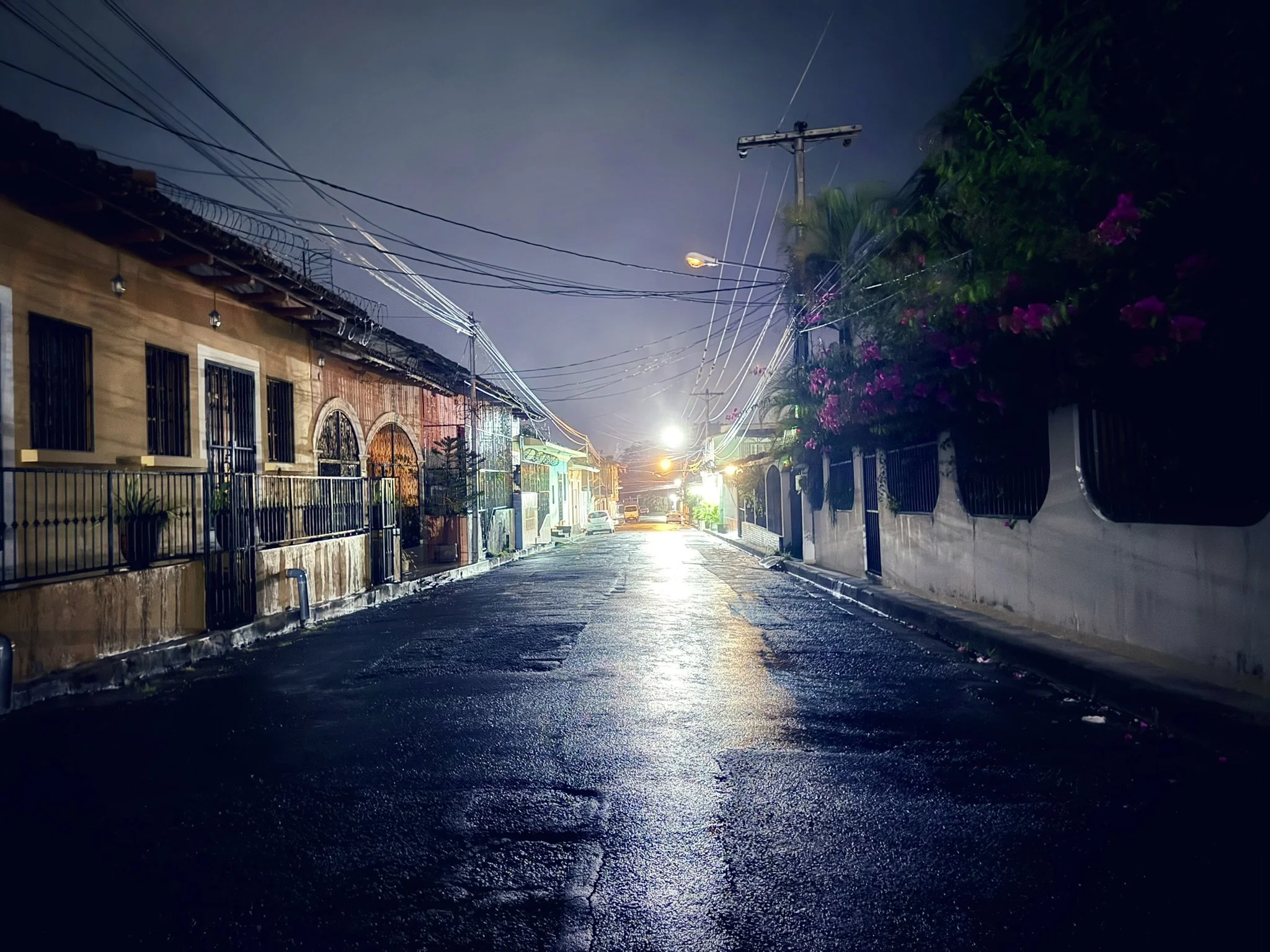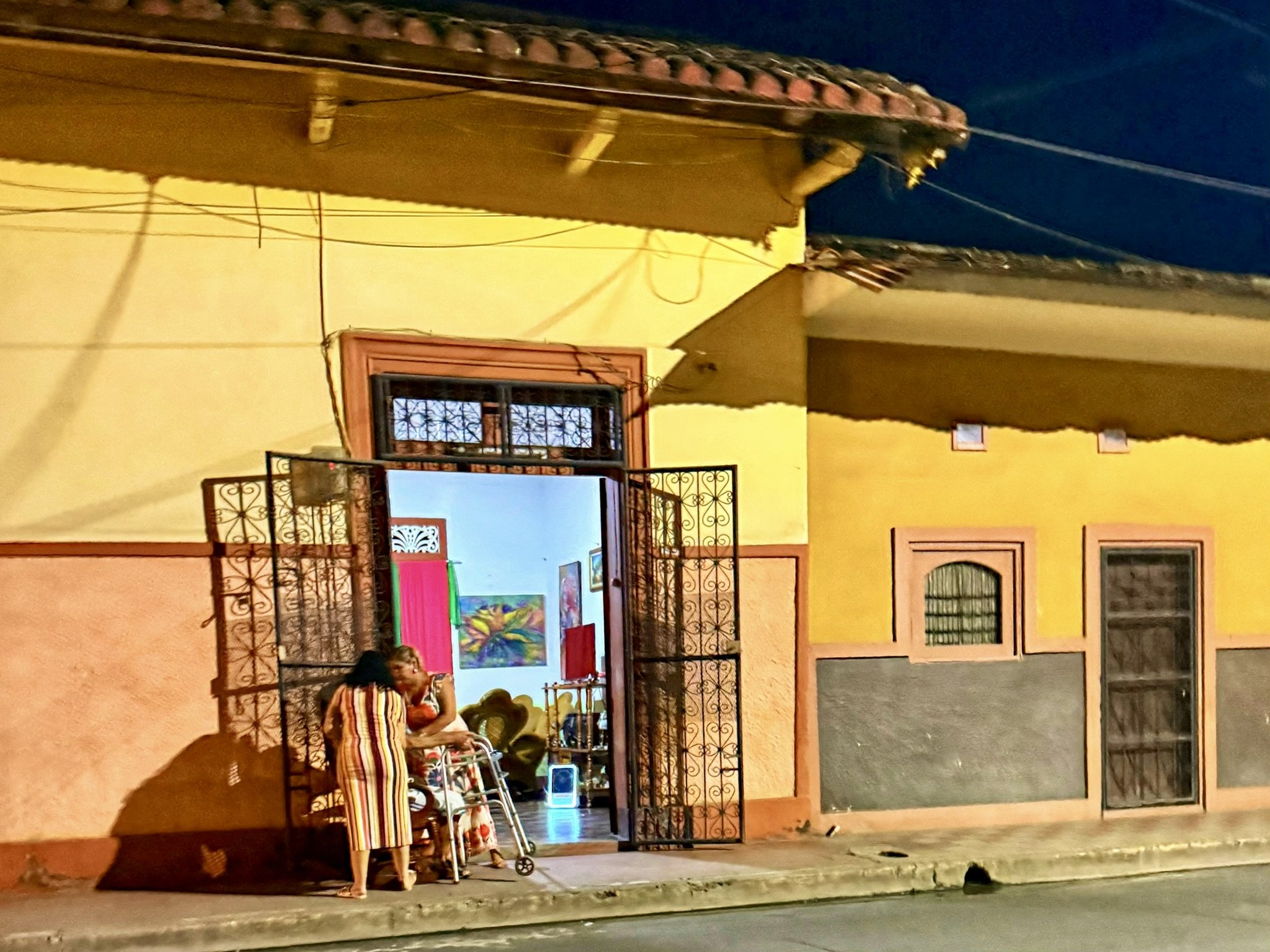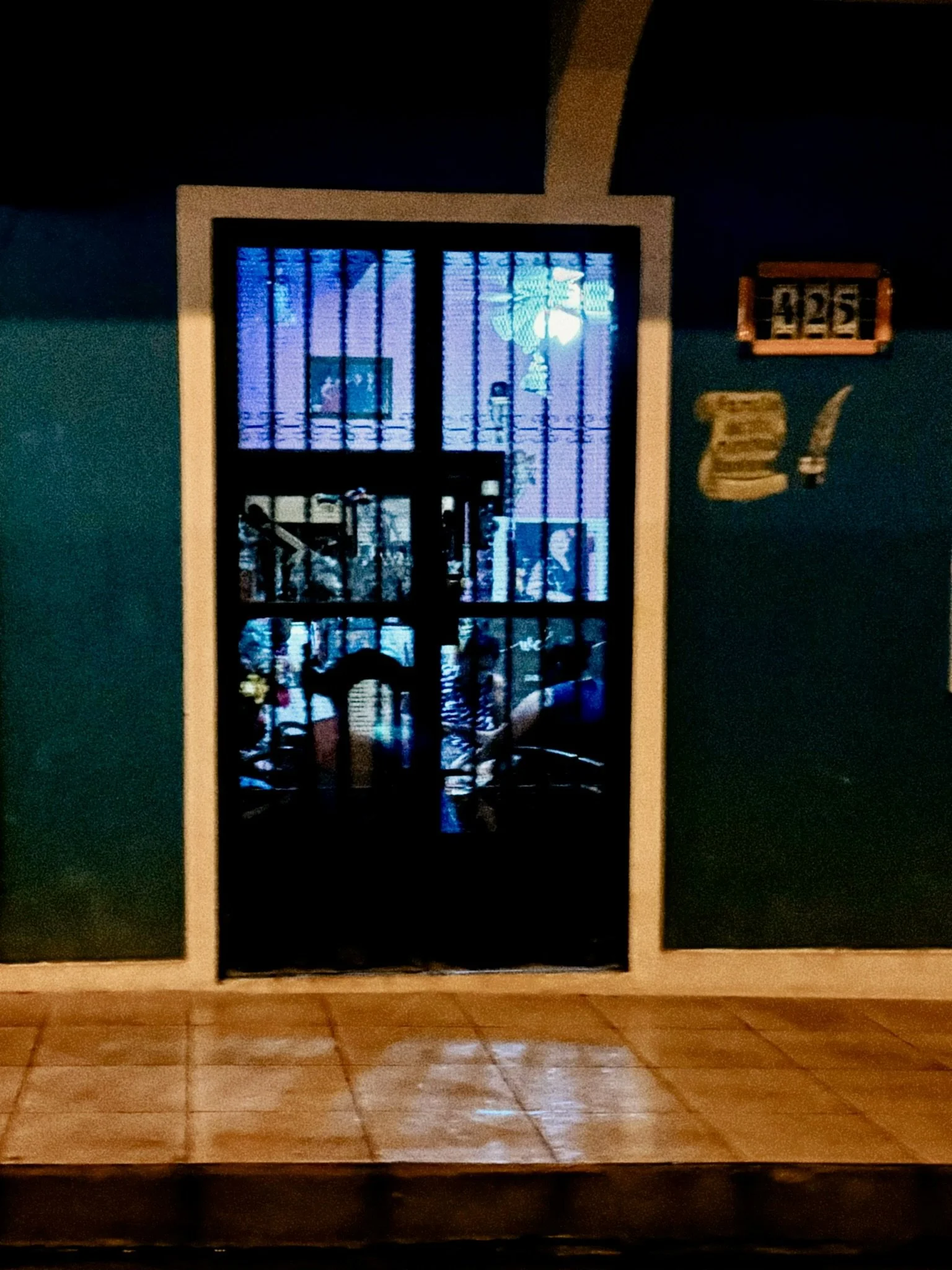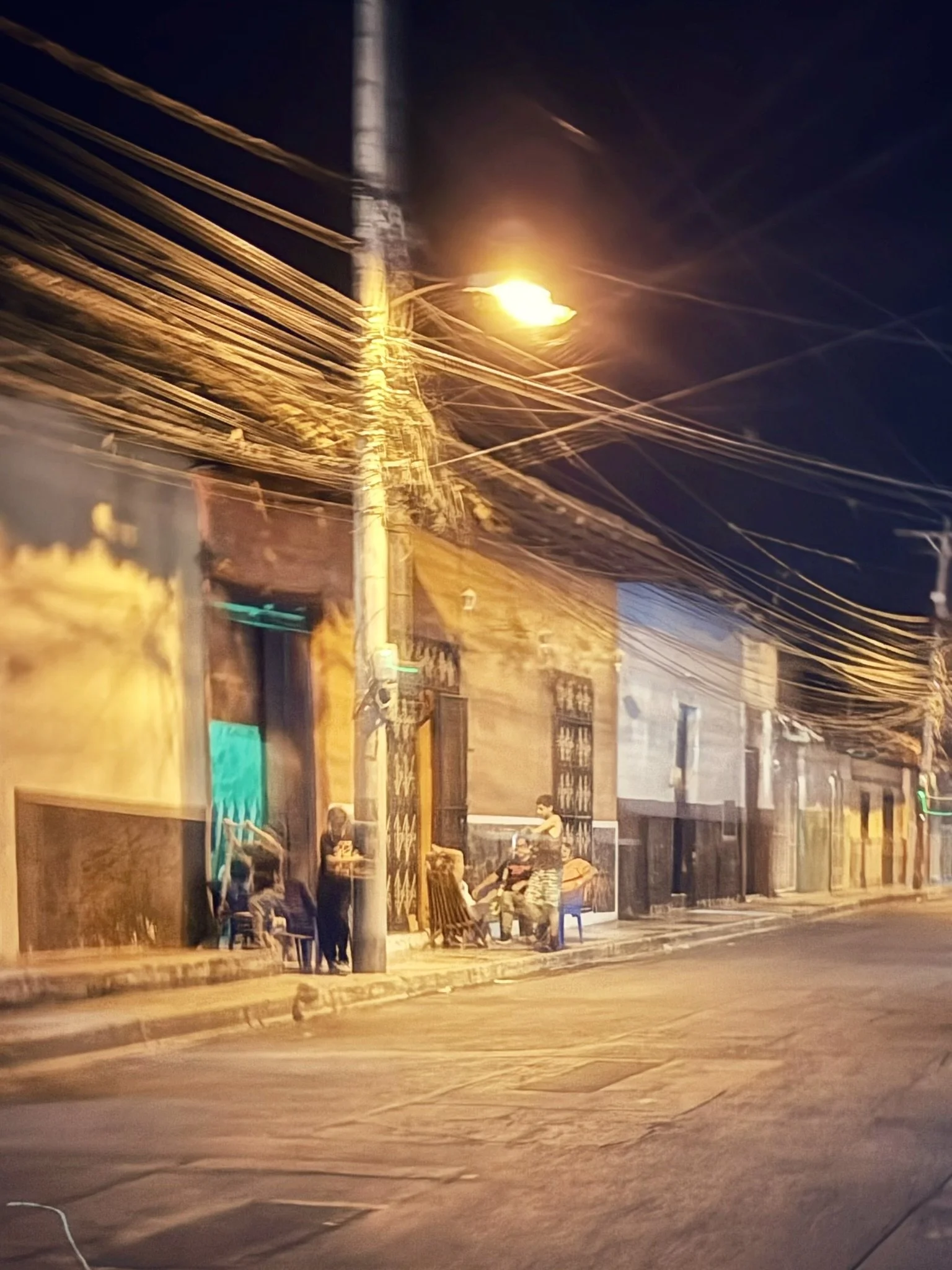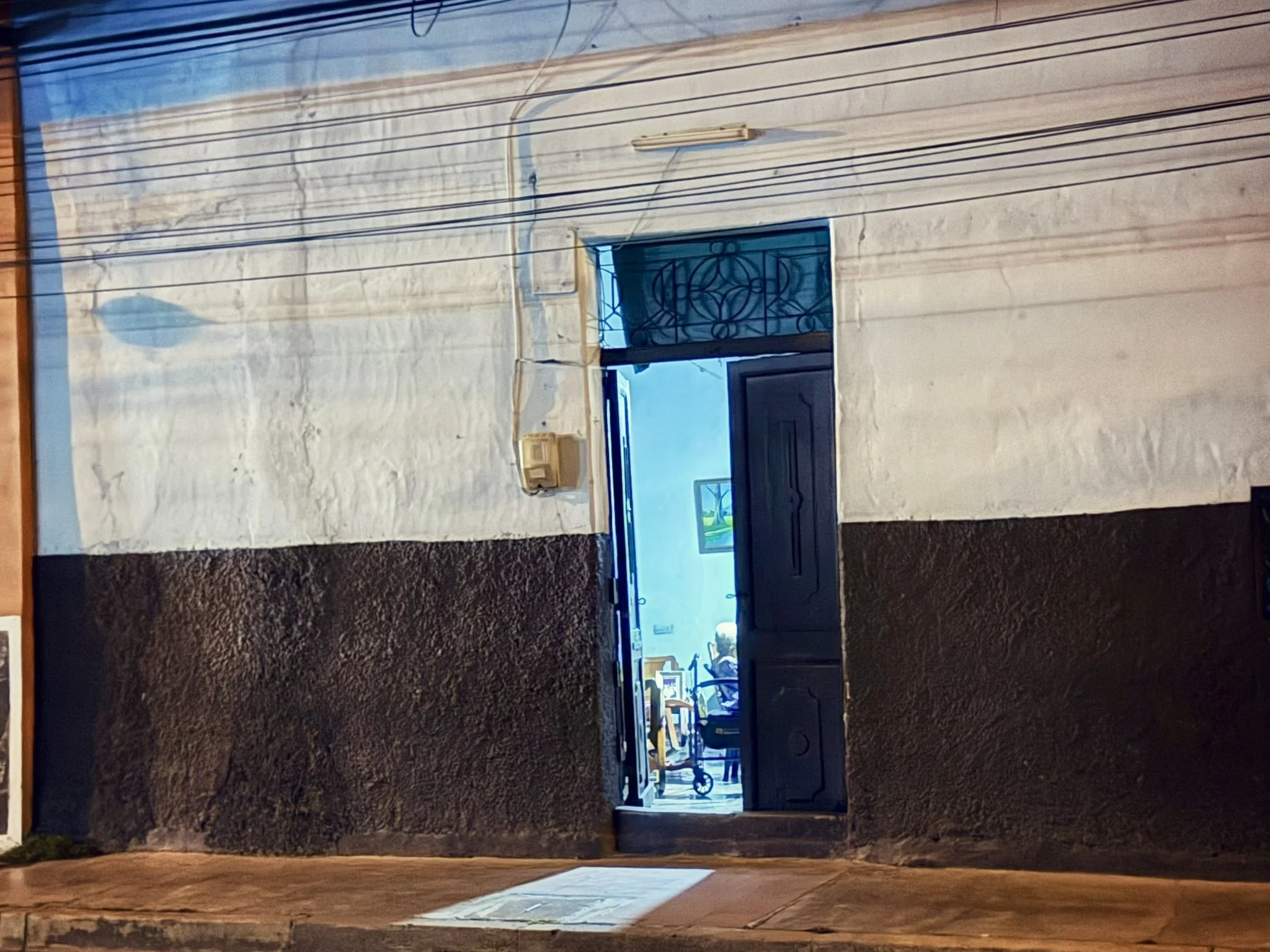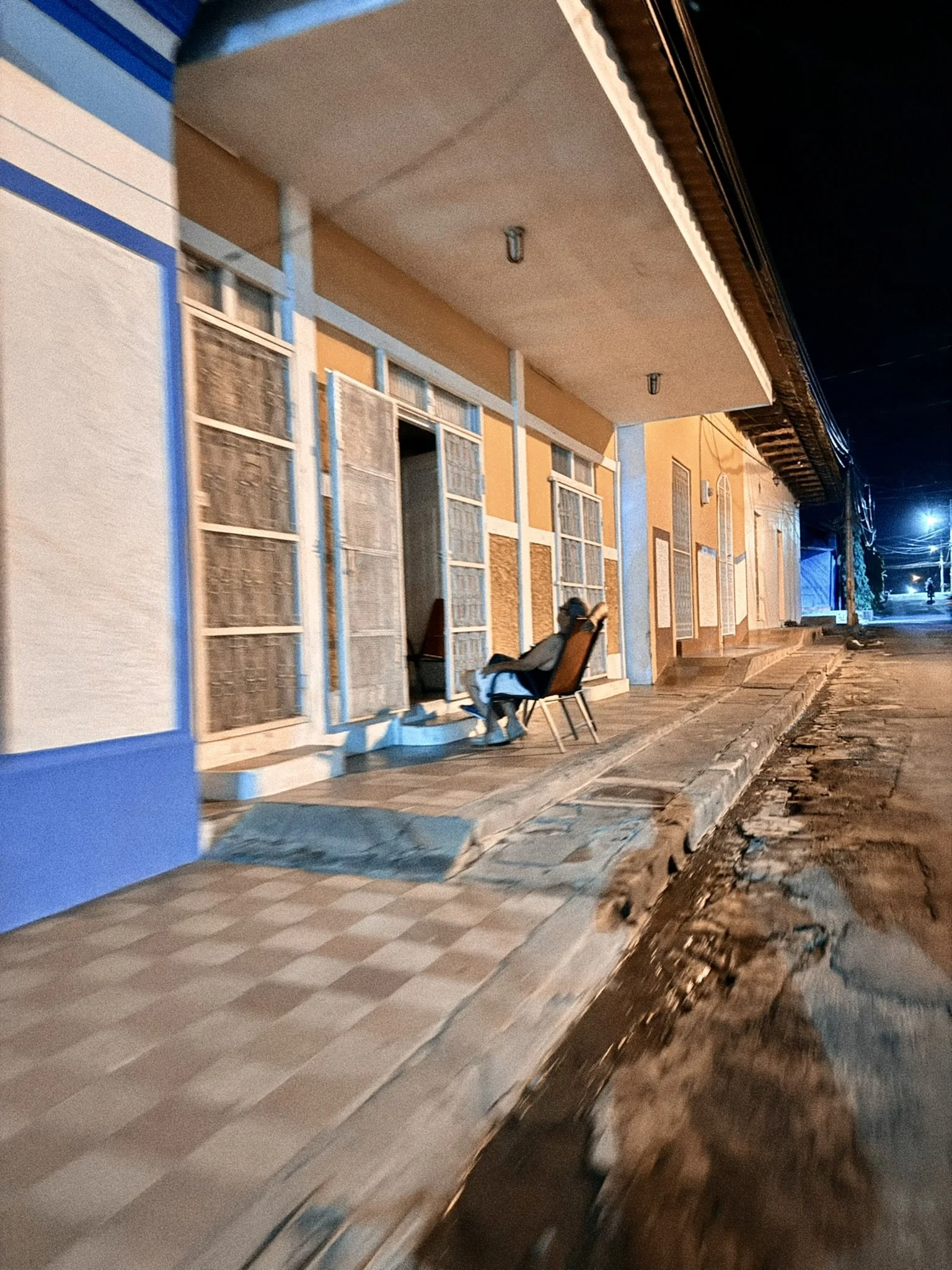
Wait, are we back in Havana, Cuba?
That was our first thought walking around Granada.
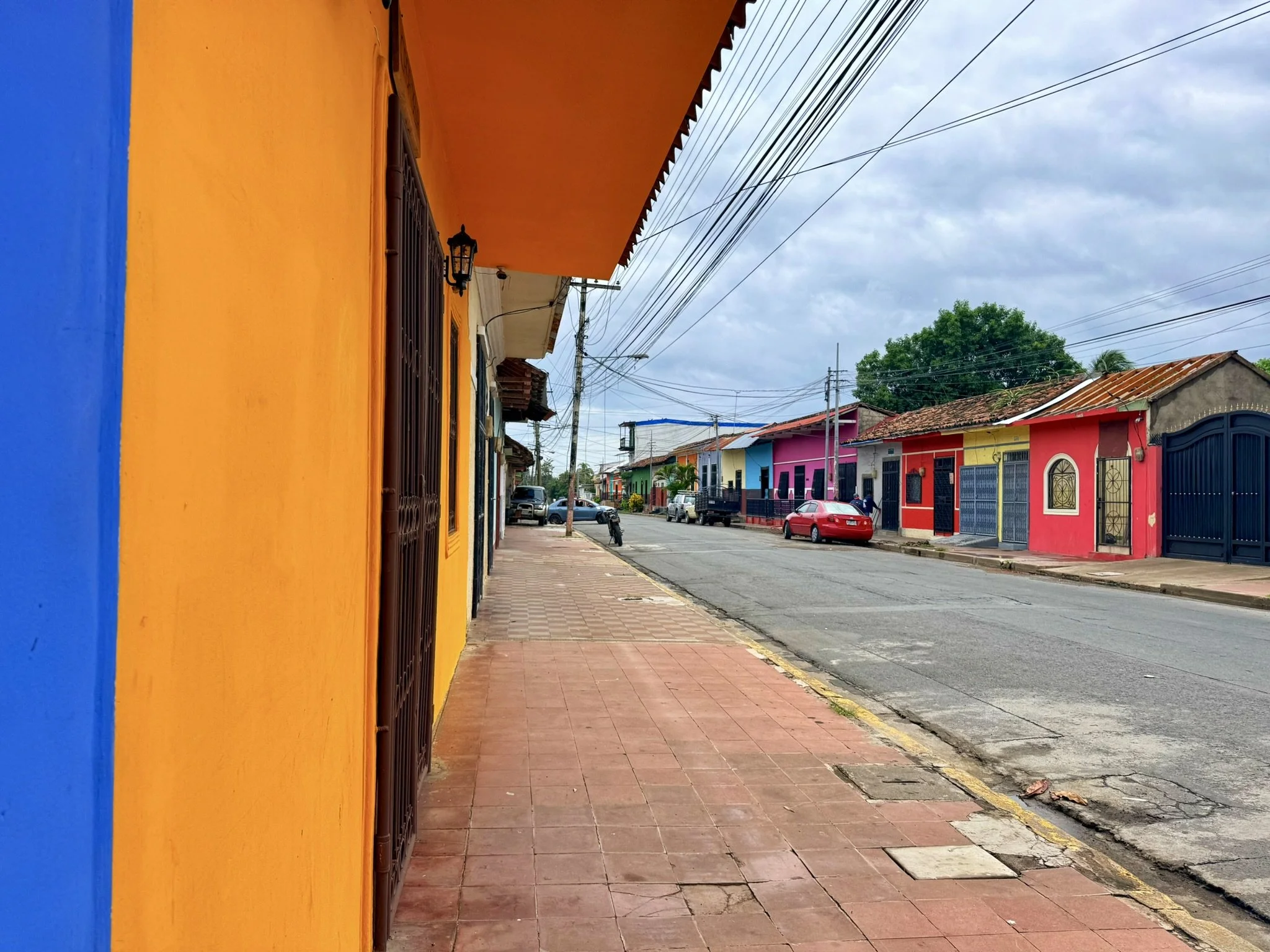
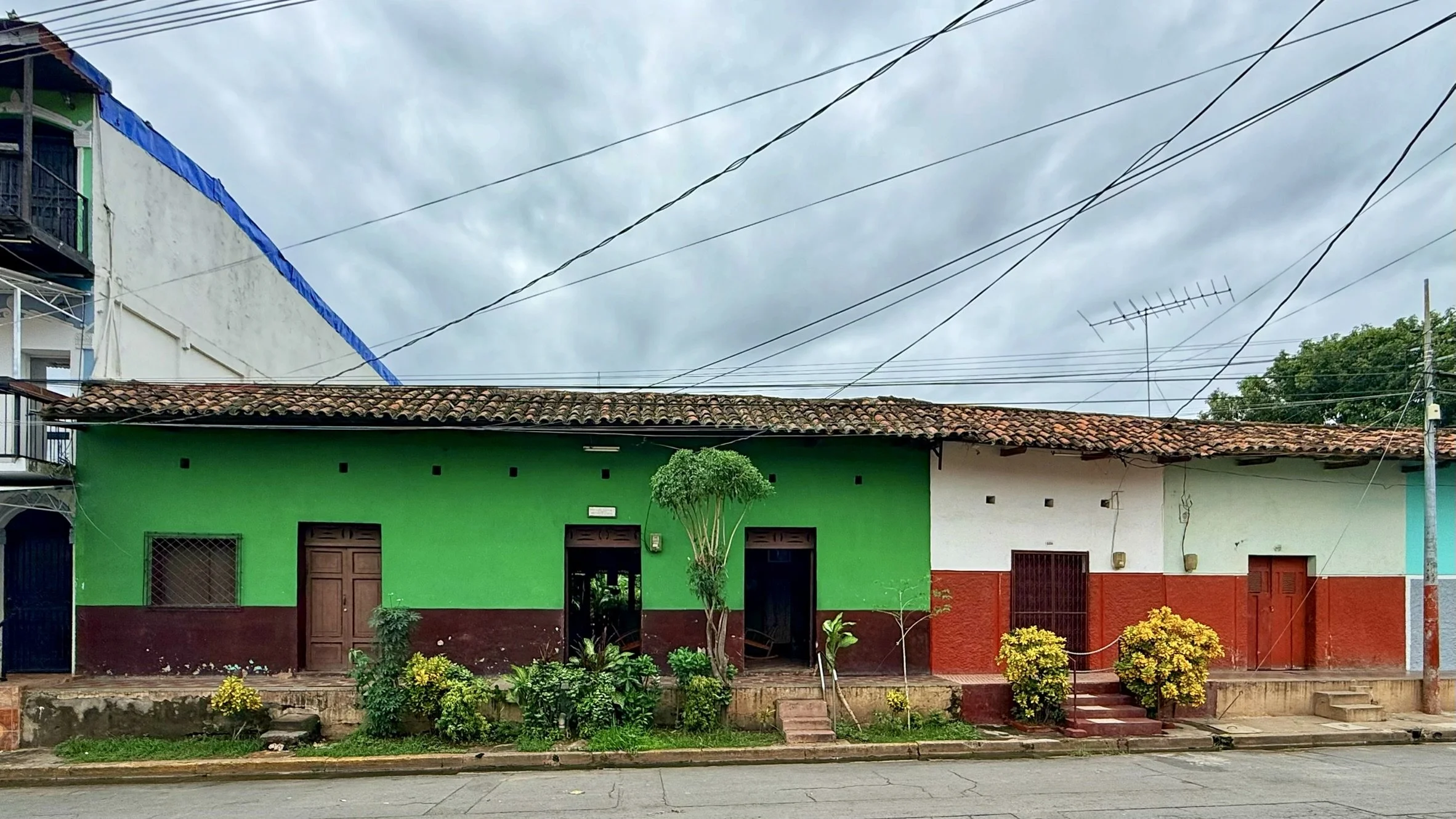
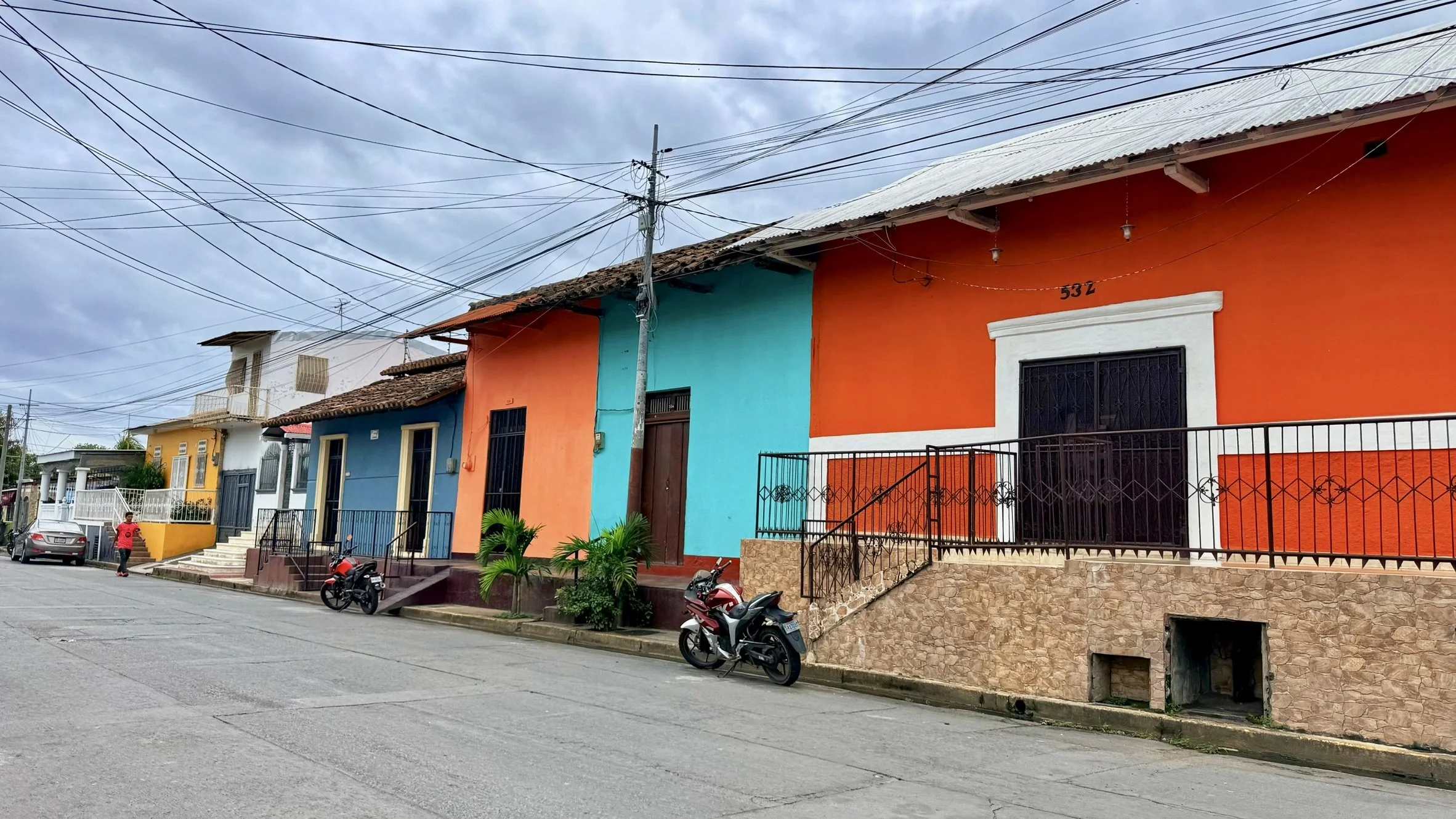
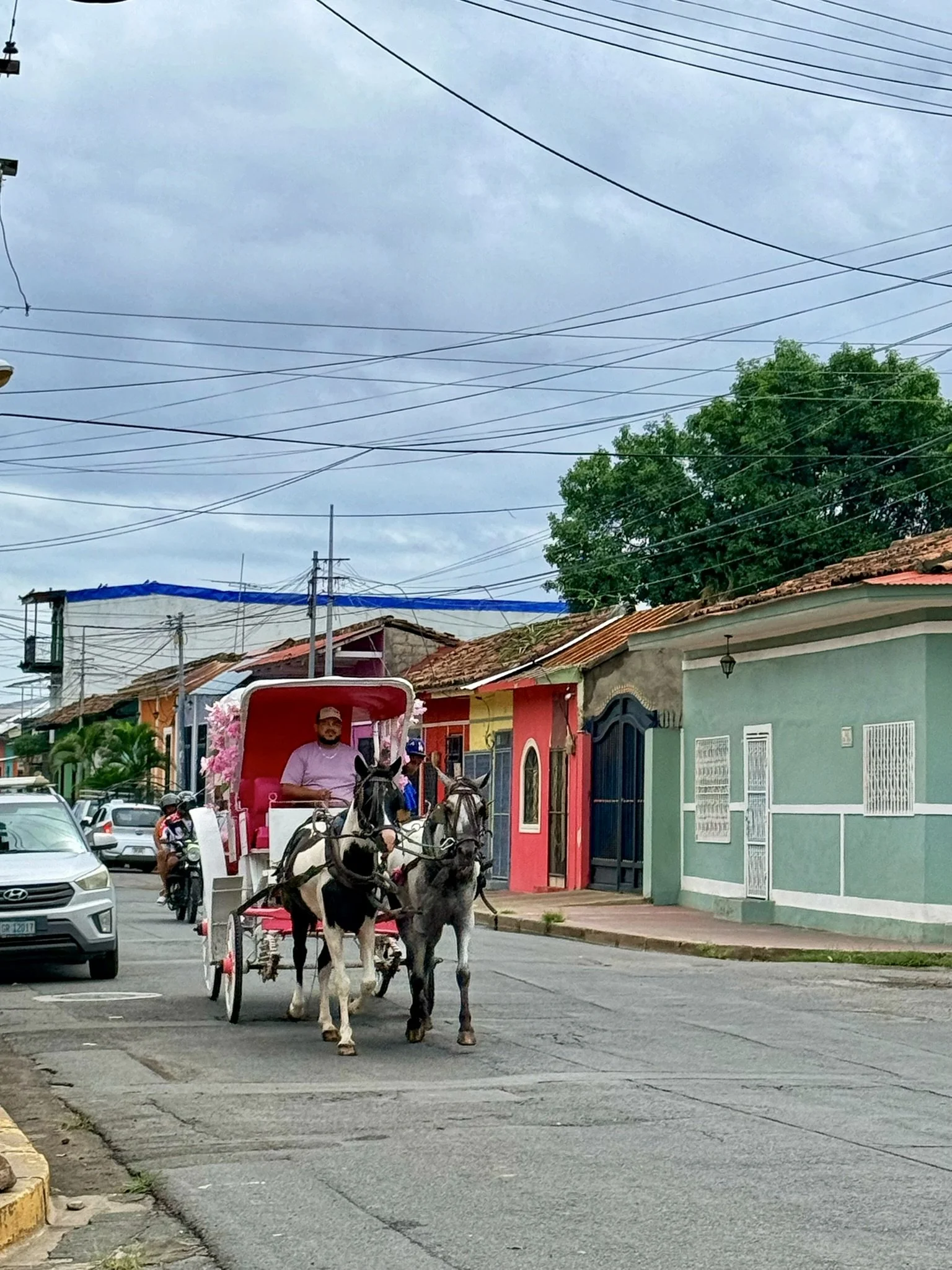
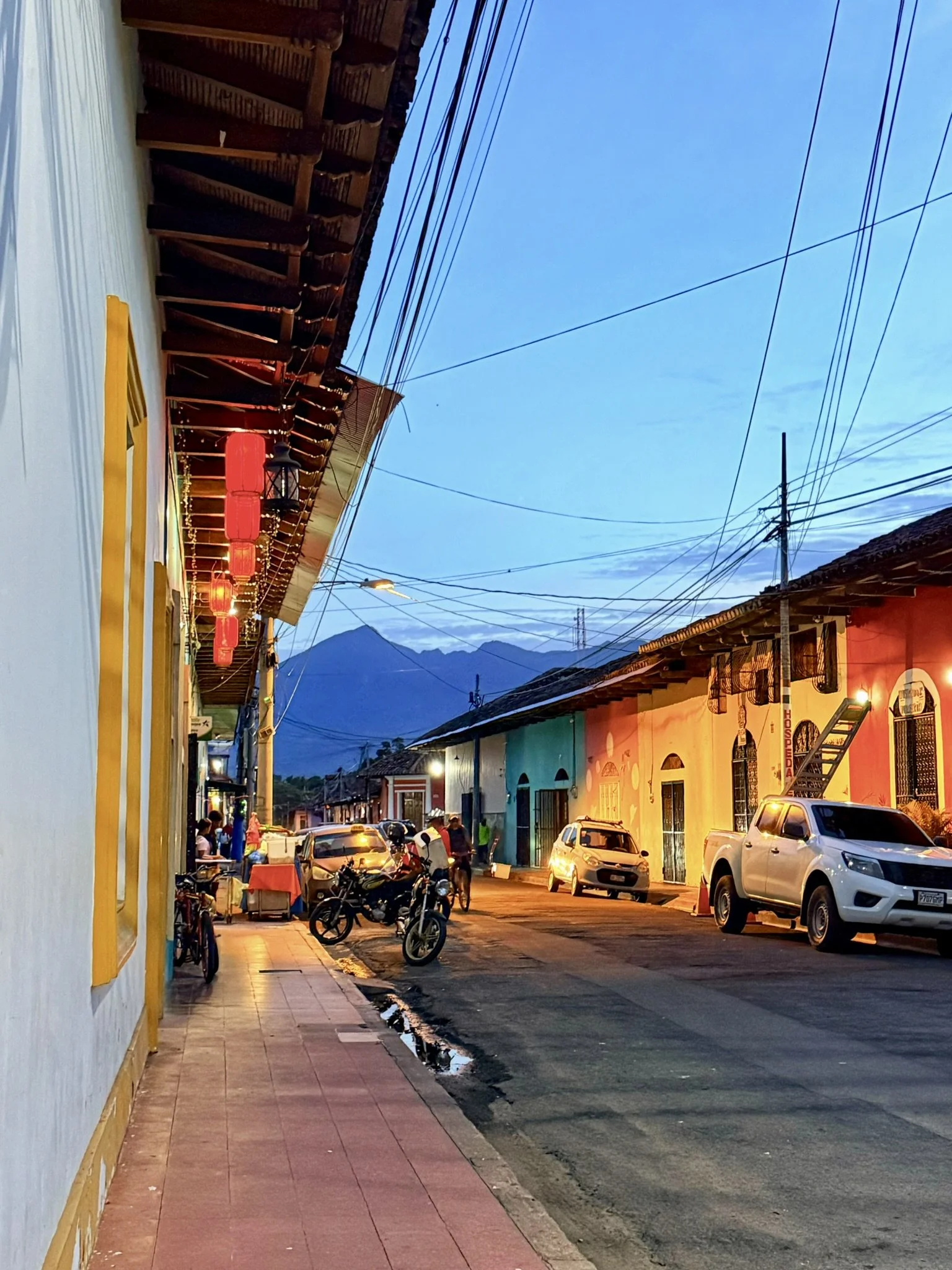
The faded colonial architecture. The peeling paint. The brightly colored buildings trying their best to hide the fact that some of them have definitely seen better days. The cigars. The rum. Dark streets. People sitting outside their homes in the evening, trying to catch a breeze as warm light spills through gated doorways.
Except there are no classic American cars cruising down the streets.
This is Granada, Nicaragua and it feels raw and unfiltered. Not everything here has been cleaned up, packaged, or made convenient for visitors. Some streets feel rough around the edges. Some areas definitely don’t feel like places we’d wander around after dark. But there’s also a sense that you’re seeing a real city rather than a carefully constructed tourist version of one.
A City With a Lot of History
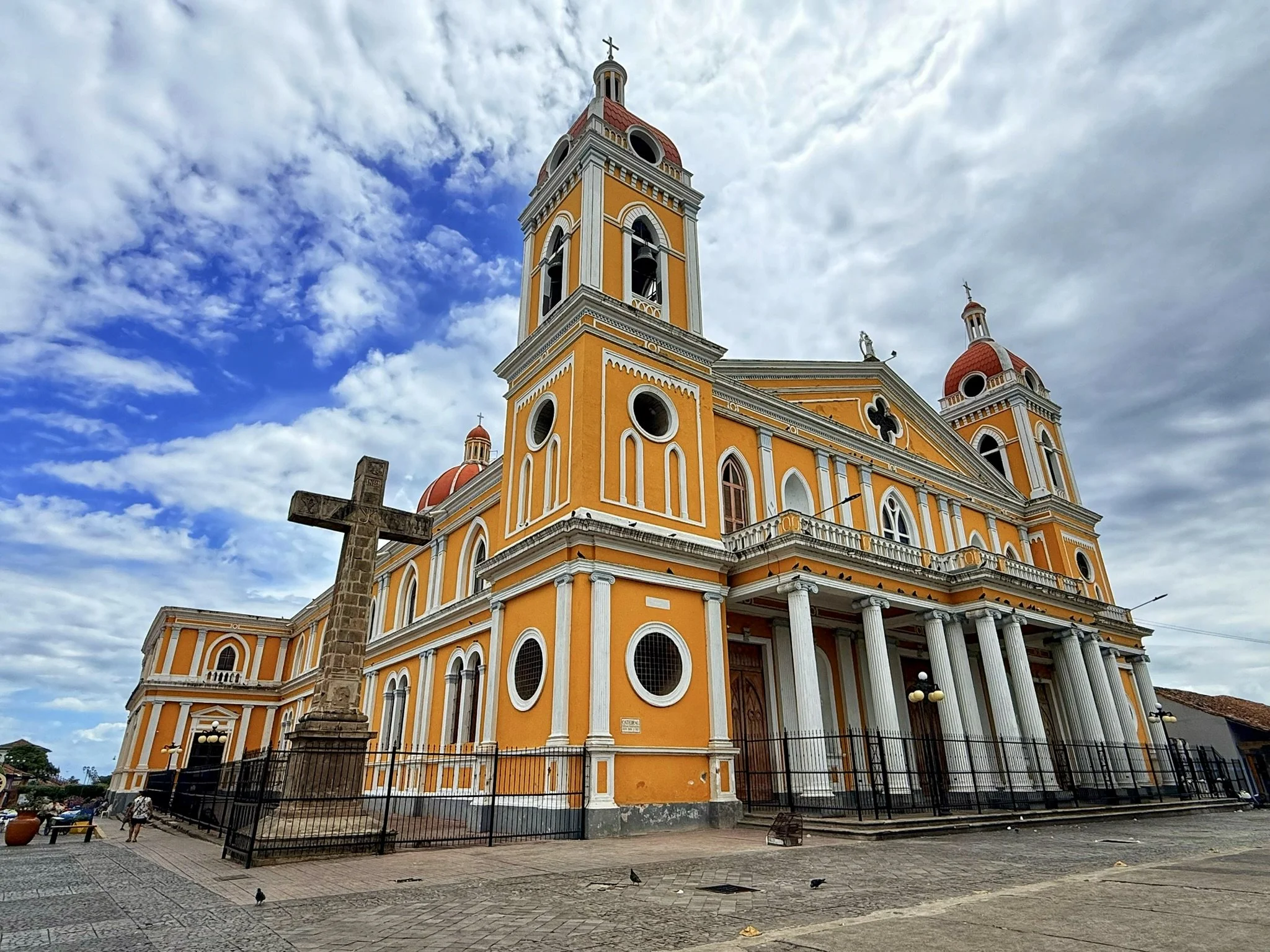
Granada was founded in 1524 by Spanish conquistador Francisco Hernández de Córdoba and is considered one of the oldest continuously inhabited colonial cities on the American mainland.
Before the Spanish arrived, the area around Lake Cocibolca—better known as Lake Nicaragua—was home to Indigenous peoples including the Chorotega and Nicarao.
Granada’s location turned out to be pretty valuable. Sitting on Lake Nicaragua, with access to the Caribbean through the San Juan River, the city became an important trading center. Gold, silver, cocoa, and other goods moved through here.
And whenever there’s valuable stuff moving around, someone eventually shows up to steal it.
Granada was repeatedly attacked by English, French, and Dutch pirates during the 17th century. Later, the city became the stronghold of Nicaragua’s conservative political faction, while León to the north became the center of the liberals. The rivalry between the two cities became so intense that when Nicaragua needed a political compromise capital in the 19th century, they chose the middle ground, Managua.
Basically, the Nicaraguan solution to Granada versus León was: “Fine. Neither of you gets to be capital.”
Then came William Walker.
What a tool.
In the 1850s, this American filibuster—who had ambitions of creating slave-holding territories in Central America—invaded Nicaragua and made Granada his headquarters. When Walker was finally forced out in 1857, his men set fire to the city.
So when you’re wandering around Granada admiring the beautiful colonial buildings, you’re looking at a city that has literally had to rebuild itself.
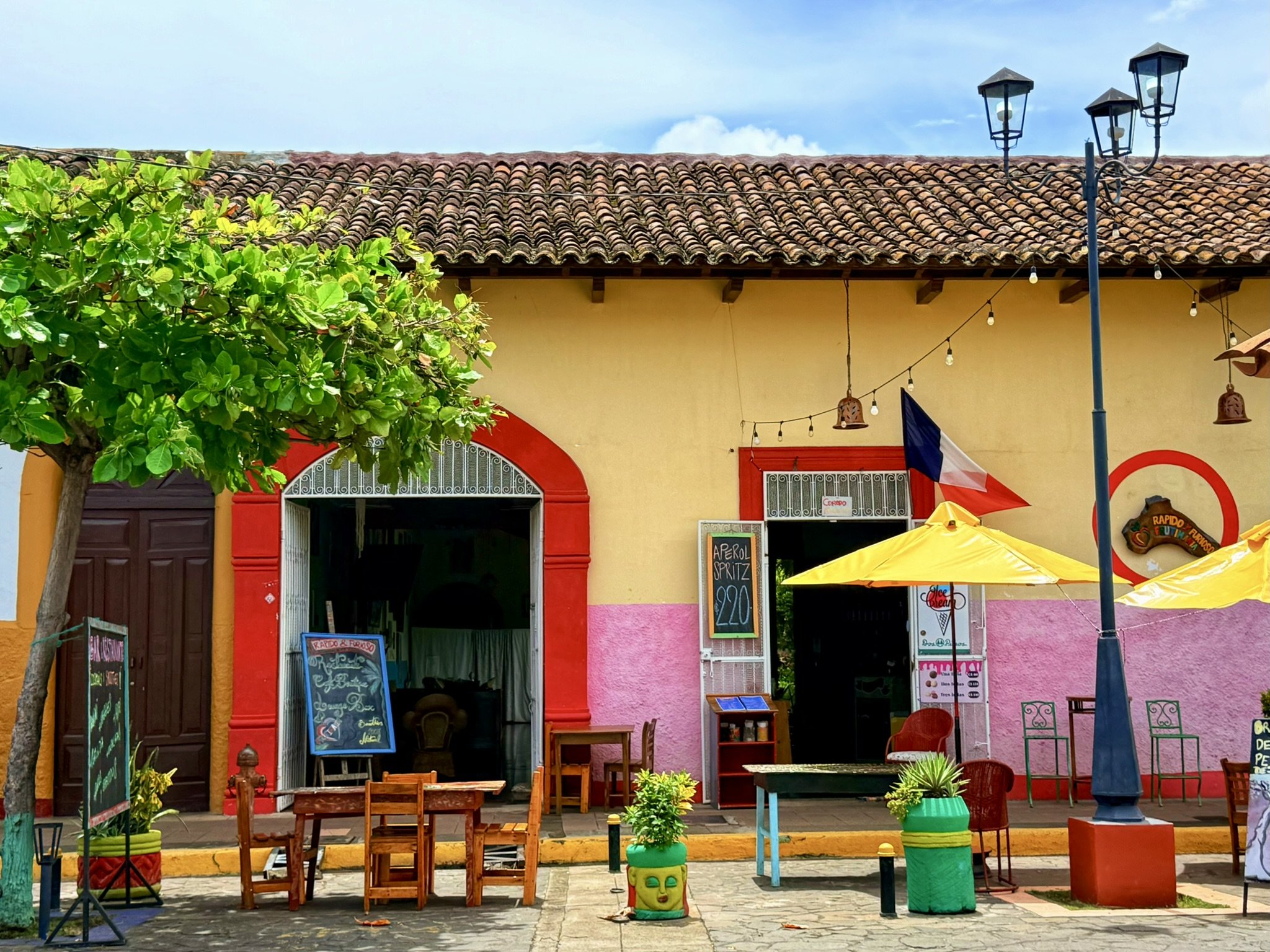
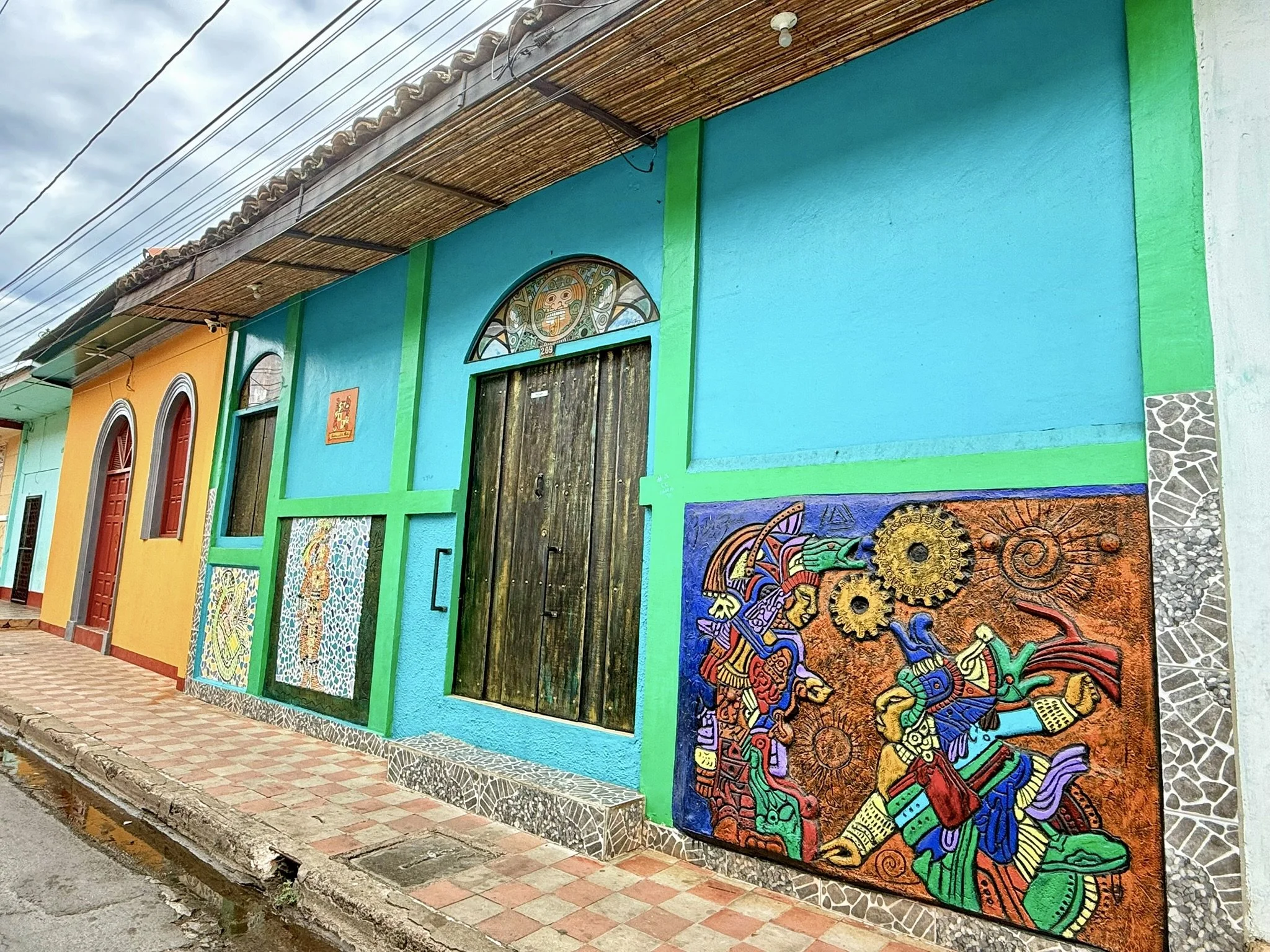
Today, those colorful Spanish colonial and neoclassical buildings are one of Granada’s biggest attractions. But what we found most interesting wasn’t necessarily what was on the outside.
It was what was hidden behind it.
What’s Behind Those Walls?
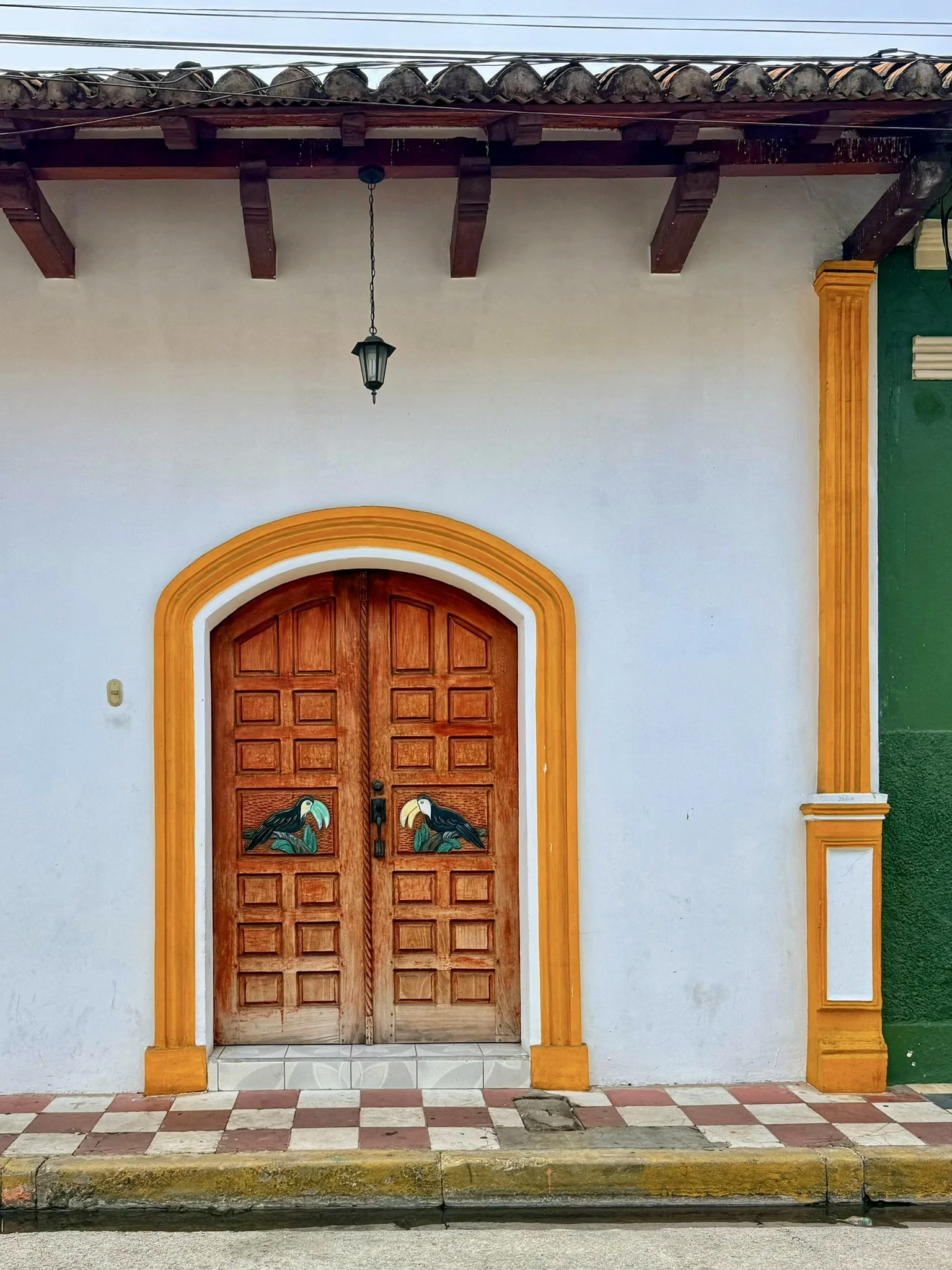
Walking the streets of Granada reminded us a little of Antigua, Guatemala. Brightly painted walls line the streets, but the architecture can be surprisingly plain from the outside.
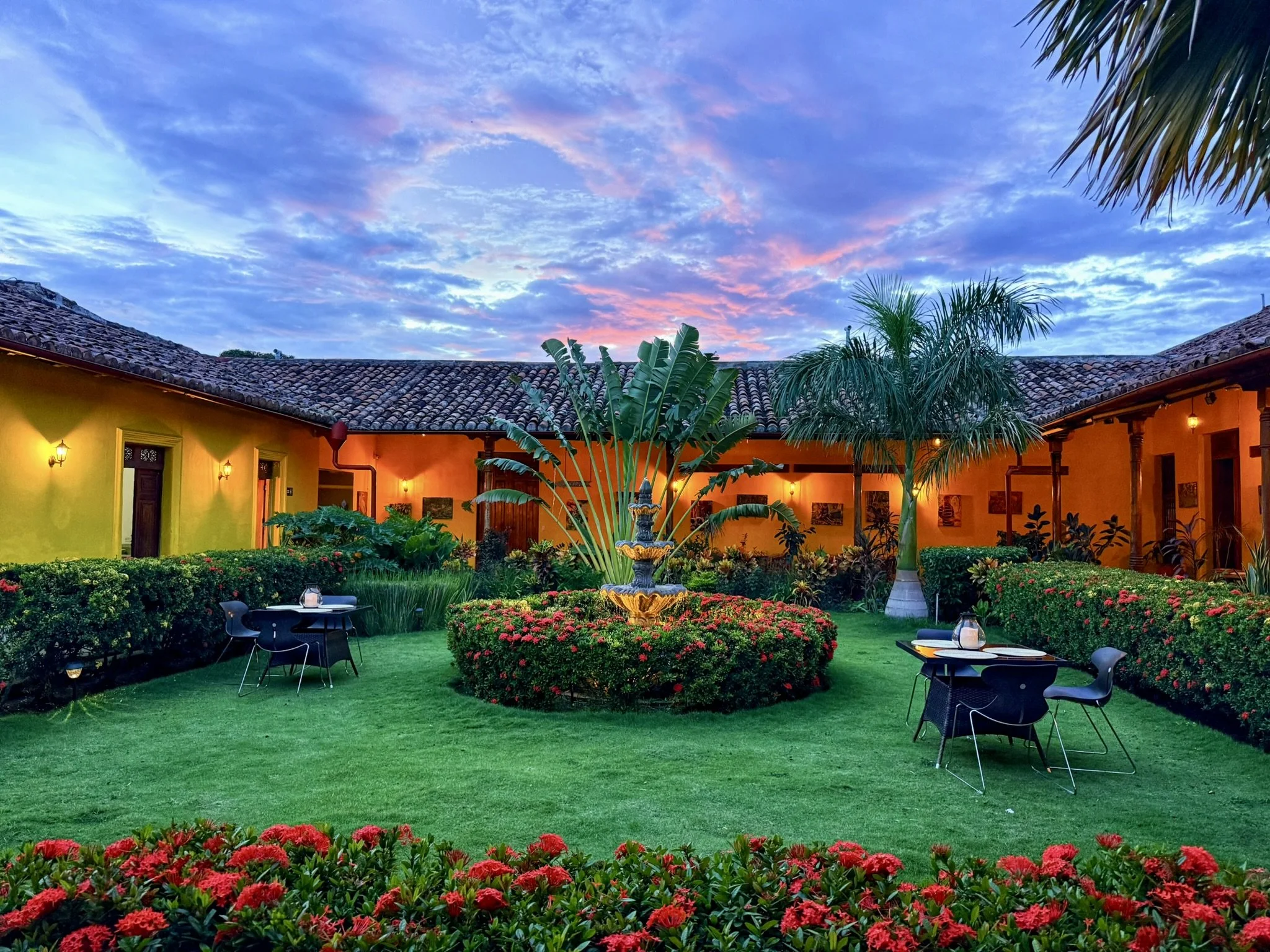
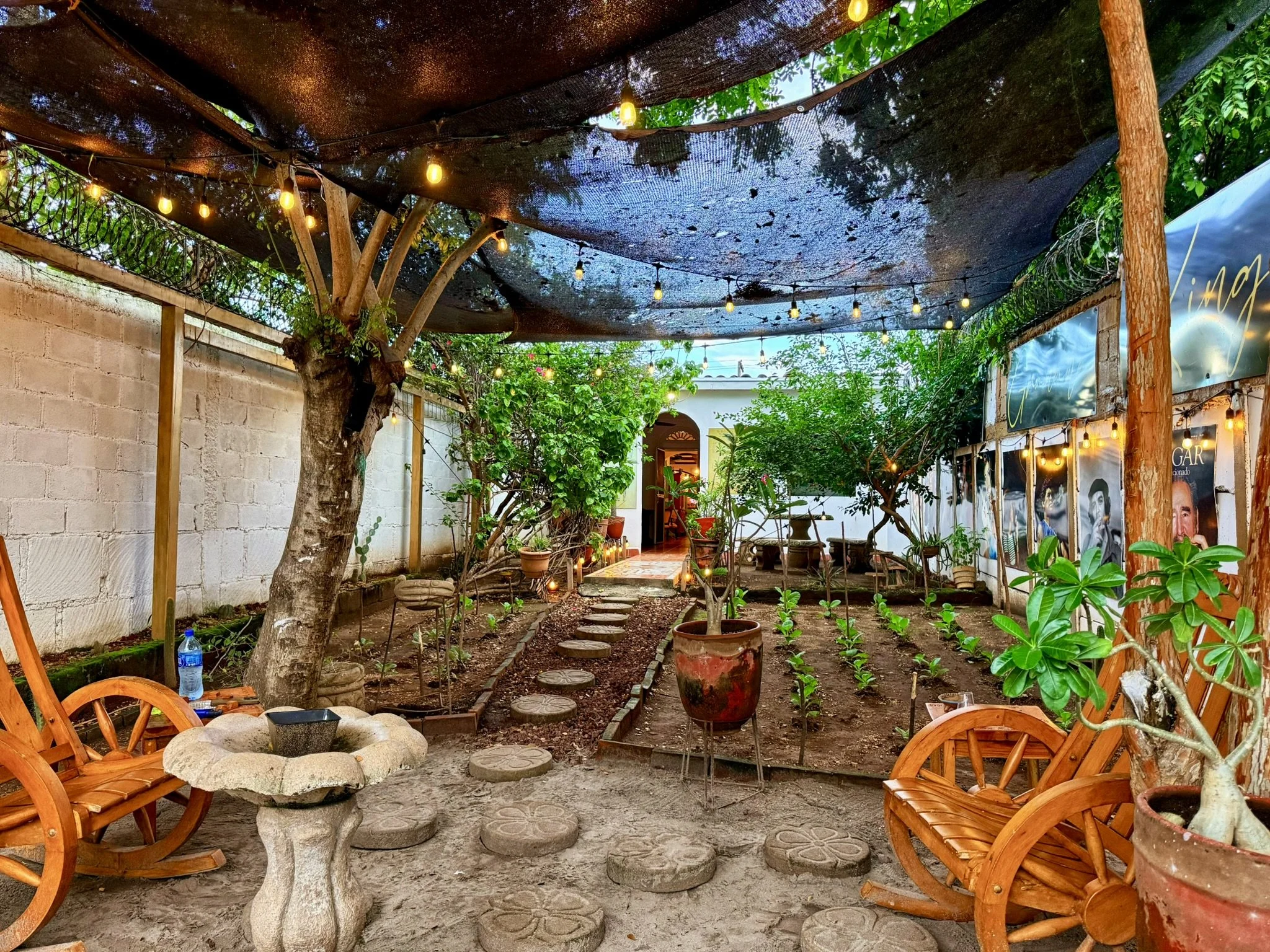
Then you walk through a doorway. Suddenly there’s a courtyard.
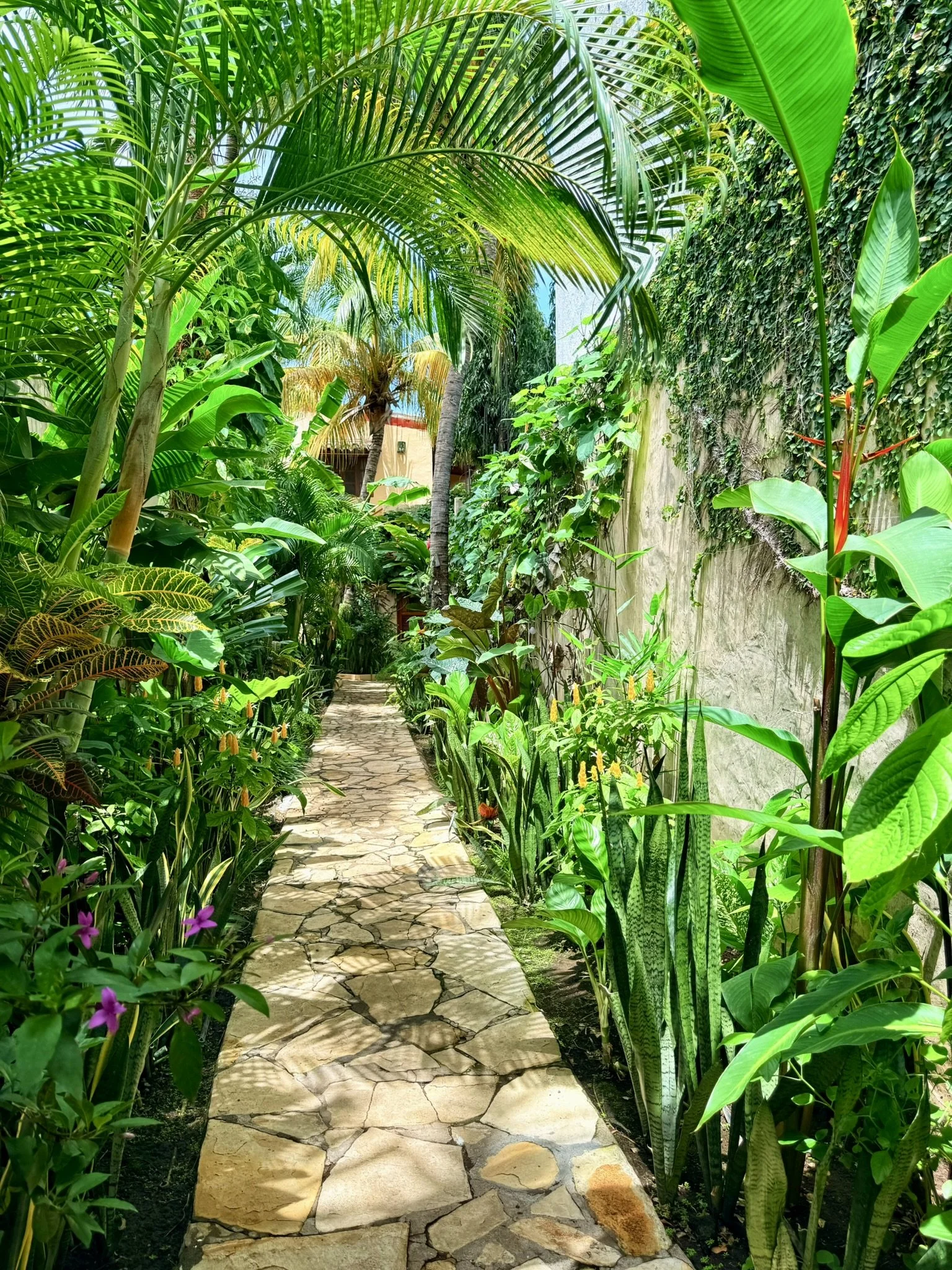
Plants. Fountains. Beautiful tile. Rooms opening onto an interior garden.
An entire little world that you would never know existed from the street.
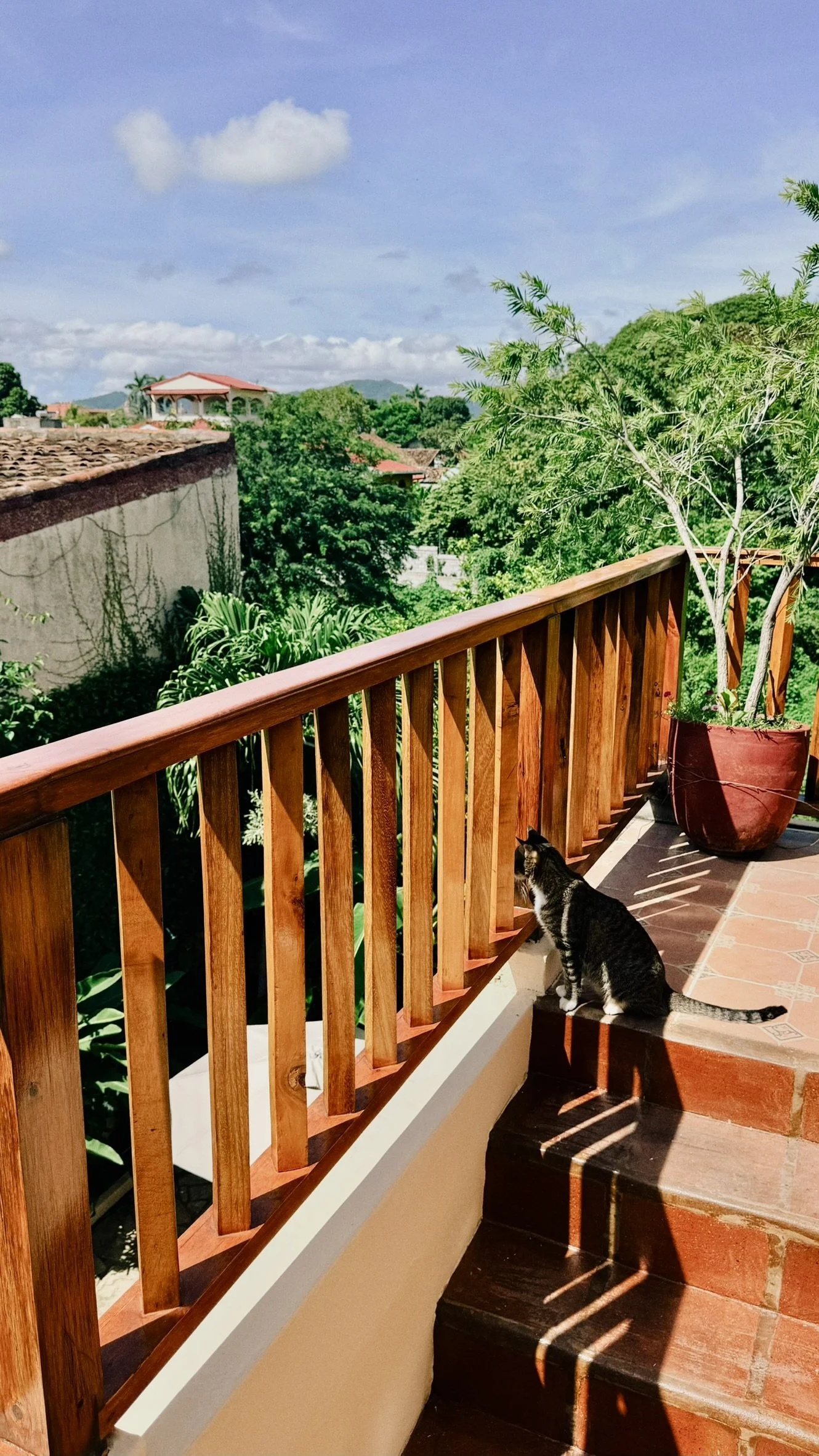
Our hotel, Secret Garden, was a perfect example. From the outside, you might not guess what was tucked behind the walls. But inside, it felt like we’d stepped into another world.
The Lake, La Calzada, Rum and Cigars
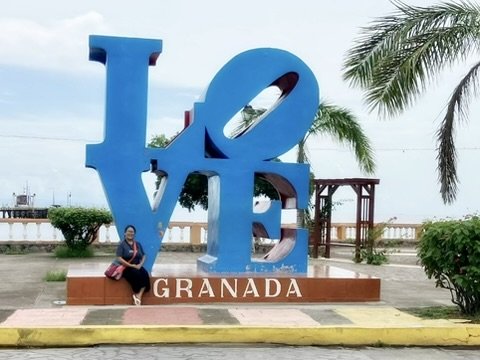
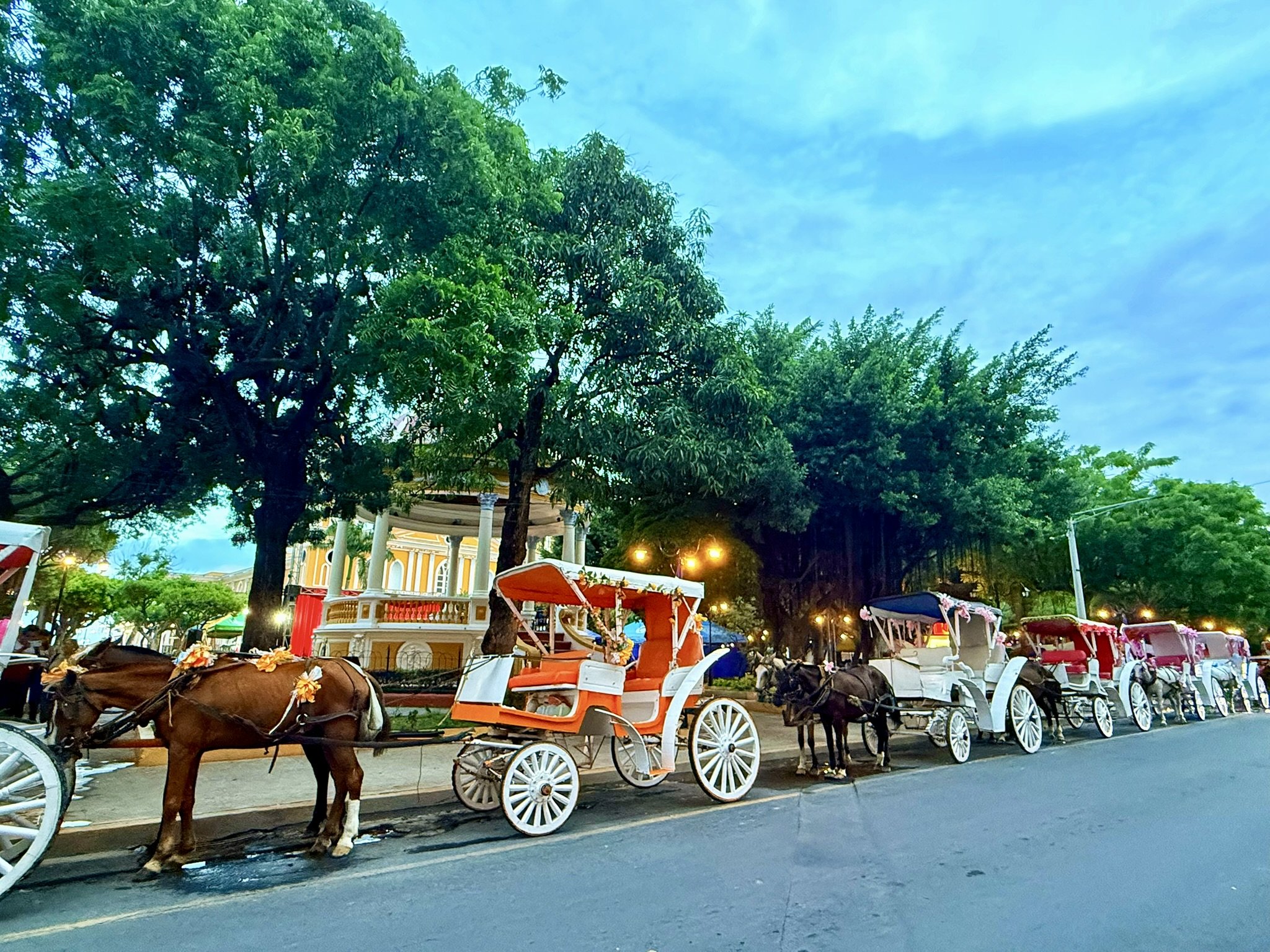
Our first few days were pretty simple. We walked down toward Lake Cocibolca (aka Lake Nicaragua) and then wandered along Calle La Calzada, Granada’s main pedestrian street. We’ll definitely have to come back to La Calzada at night because the city changes after dark.
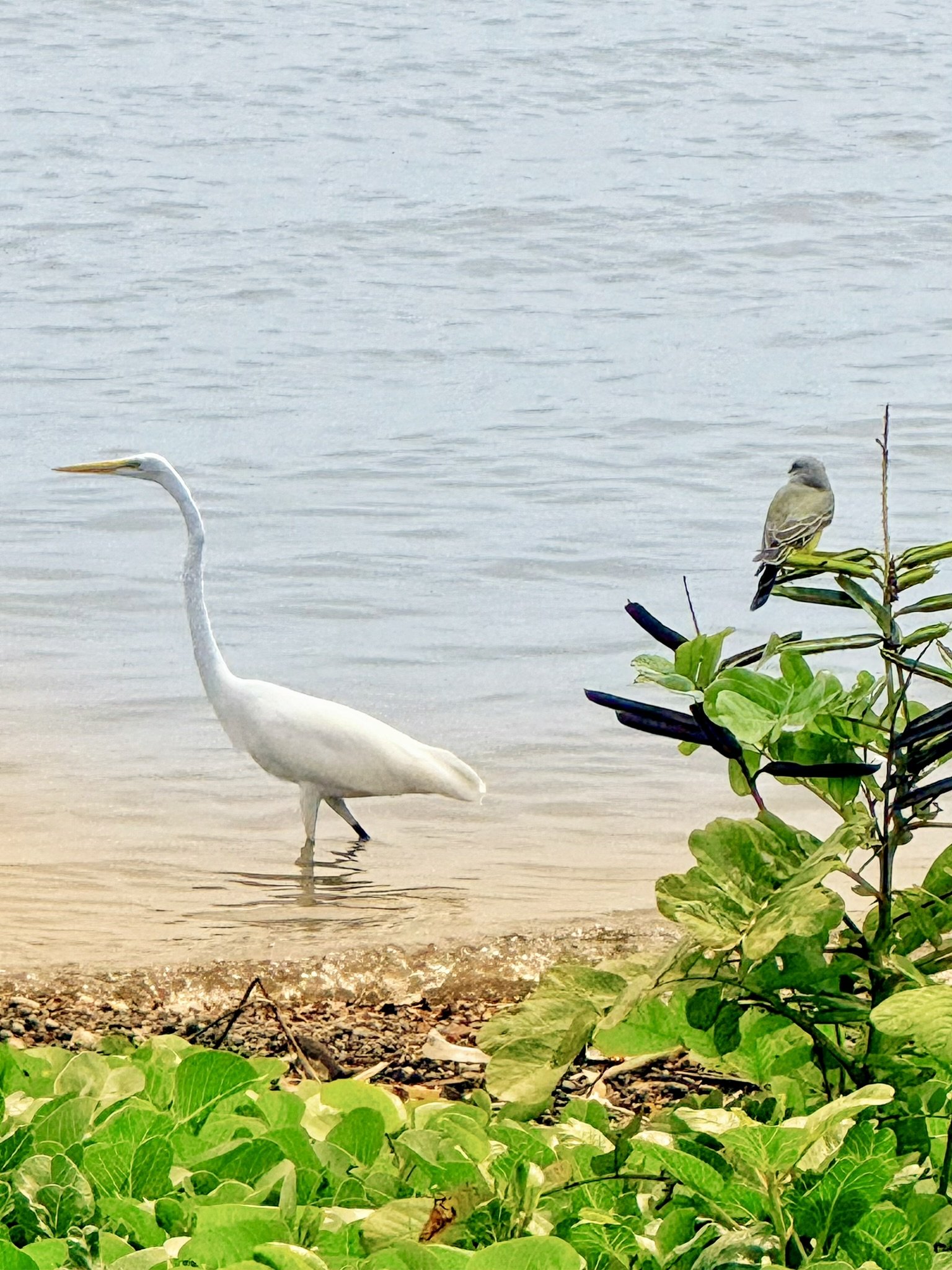
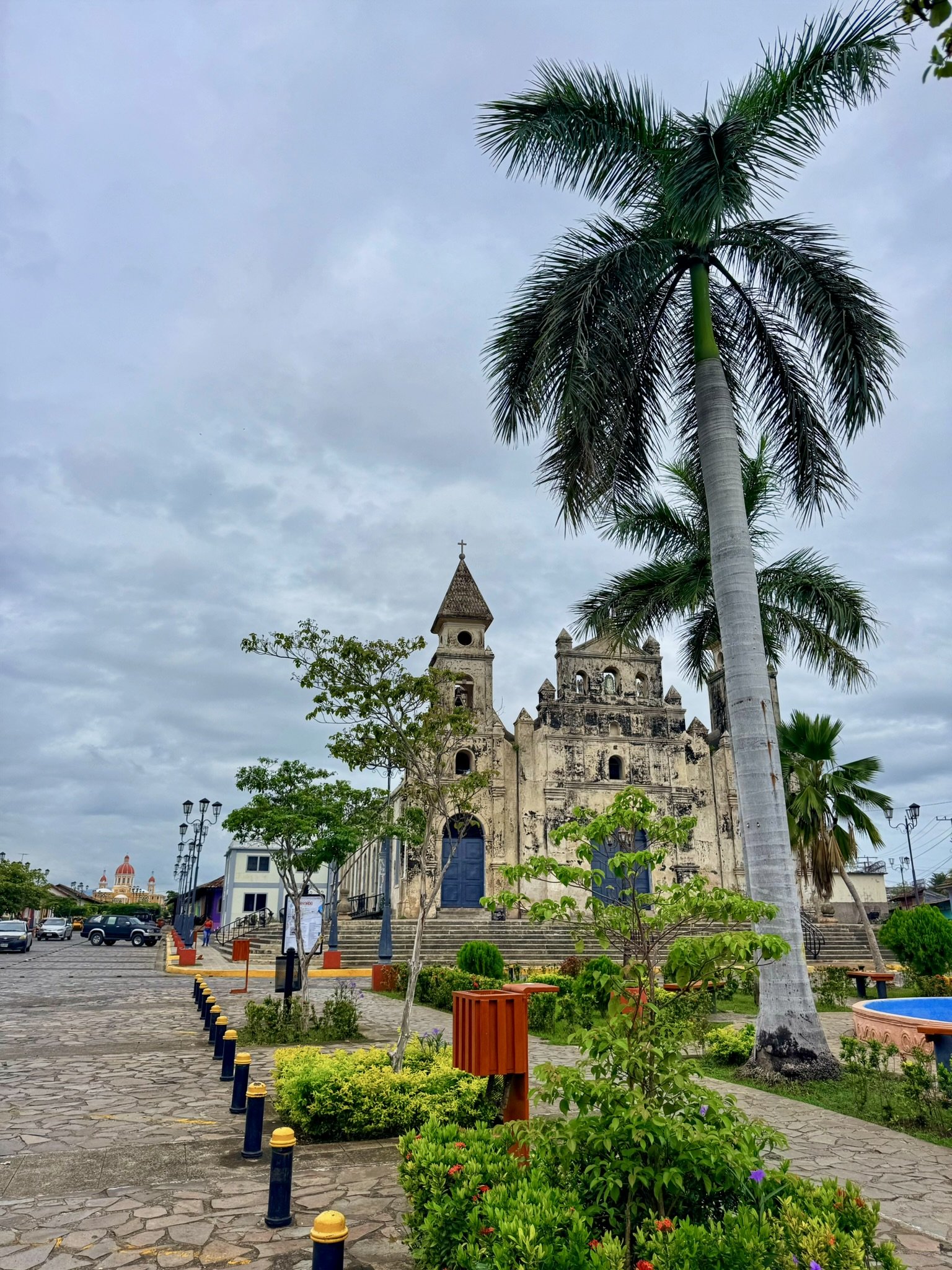
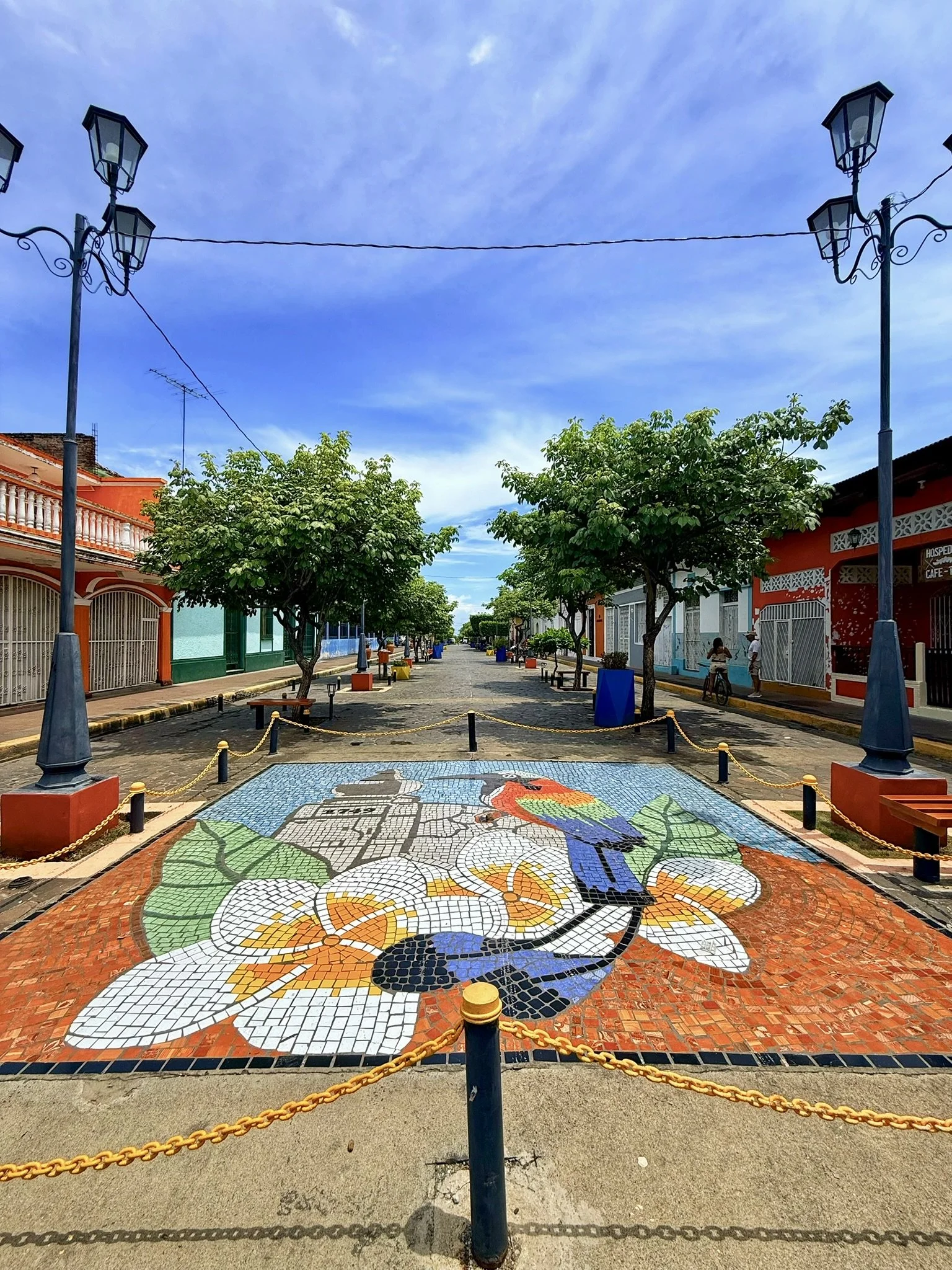
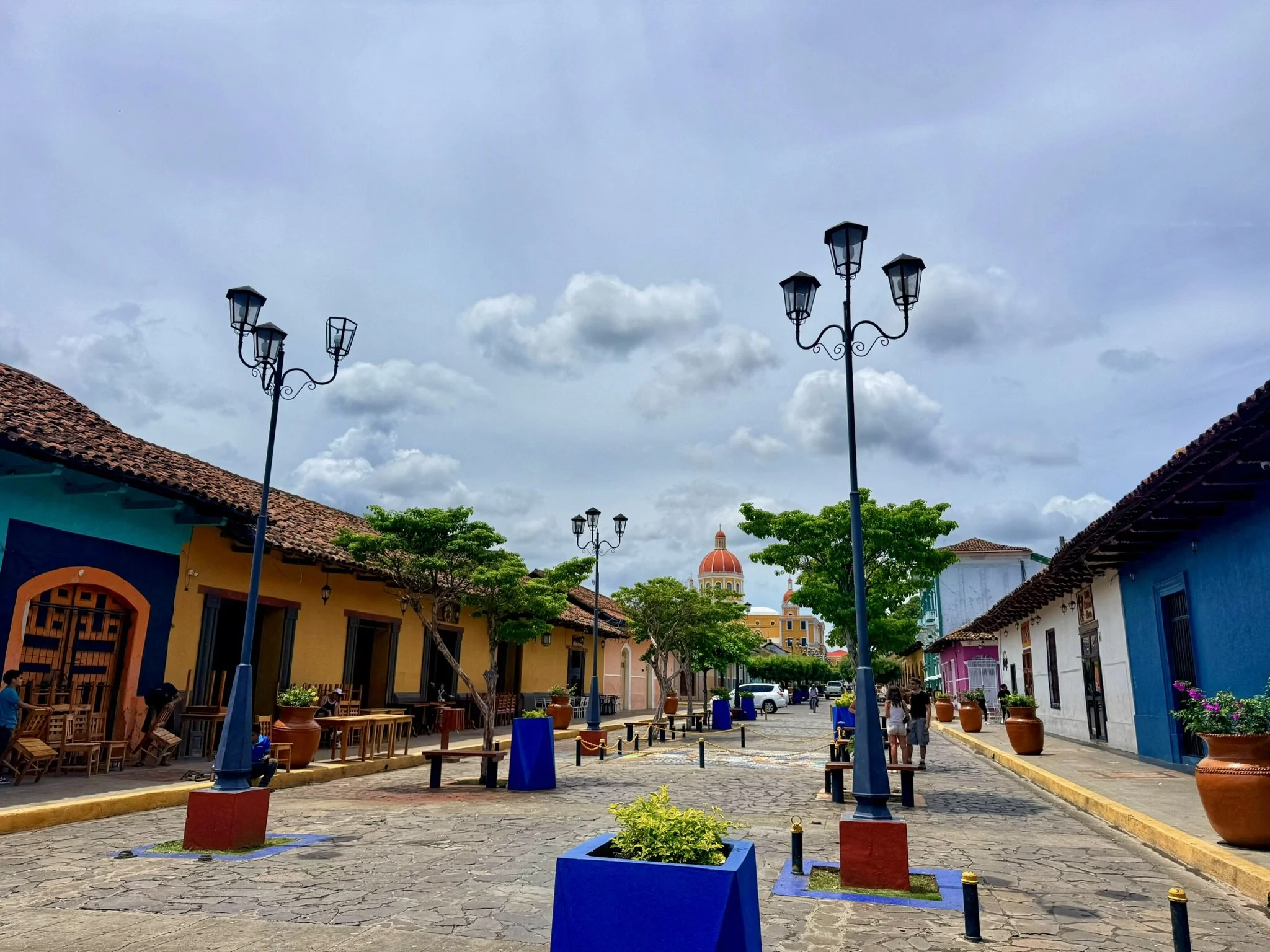
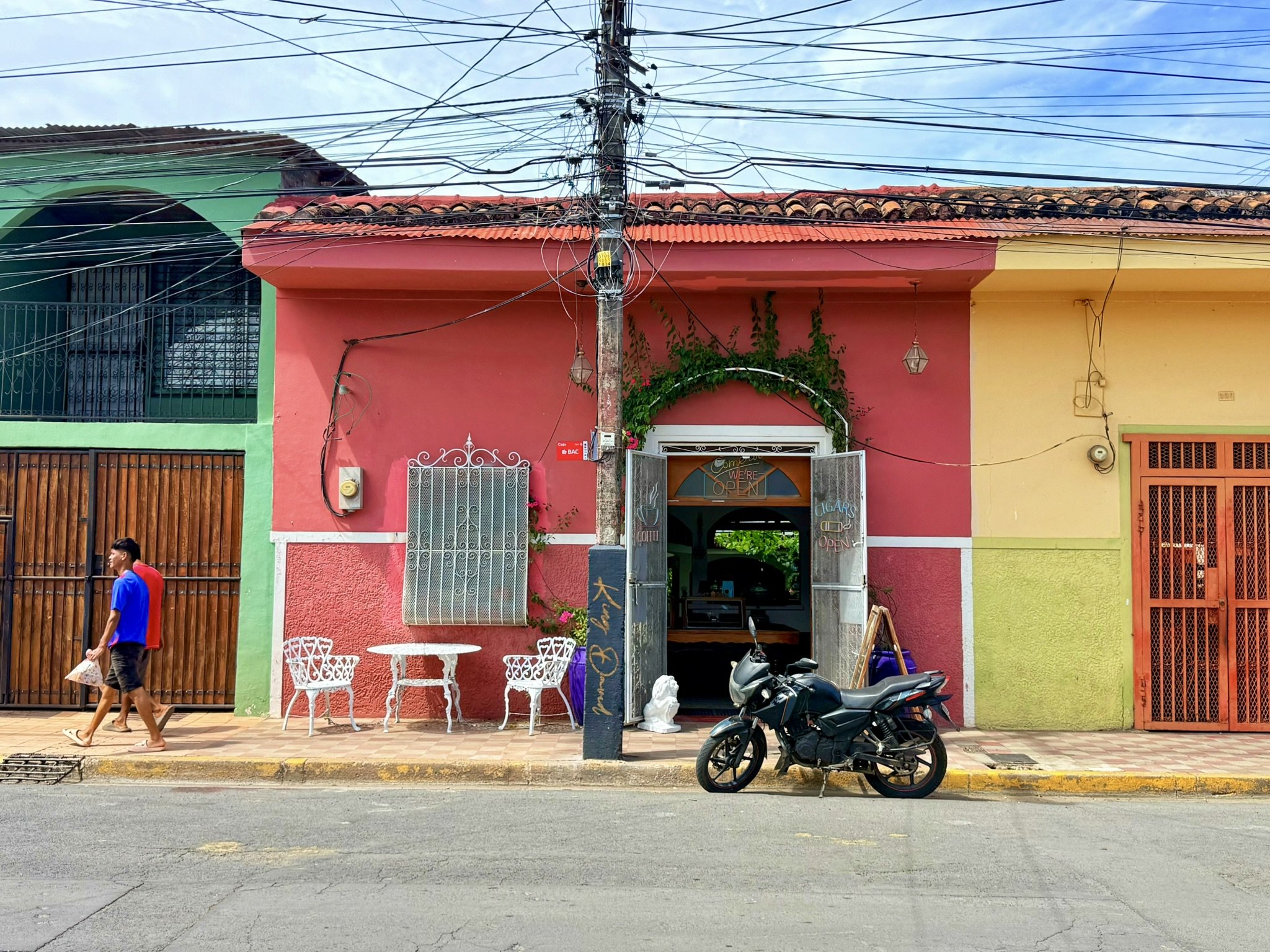
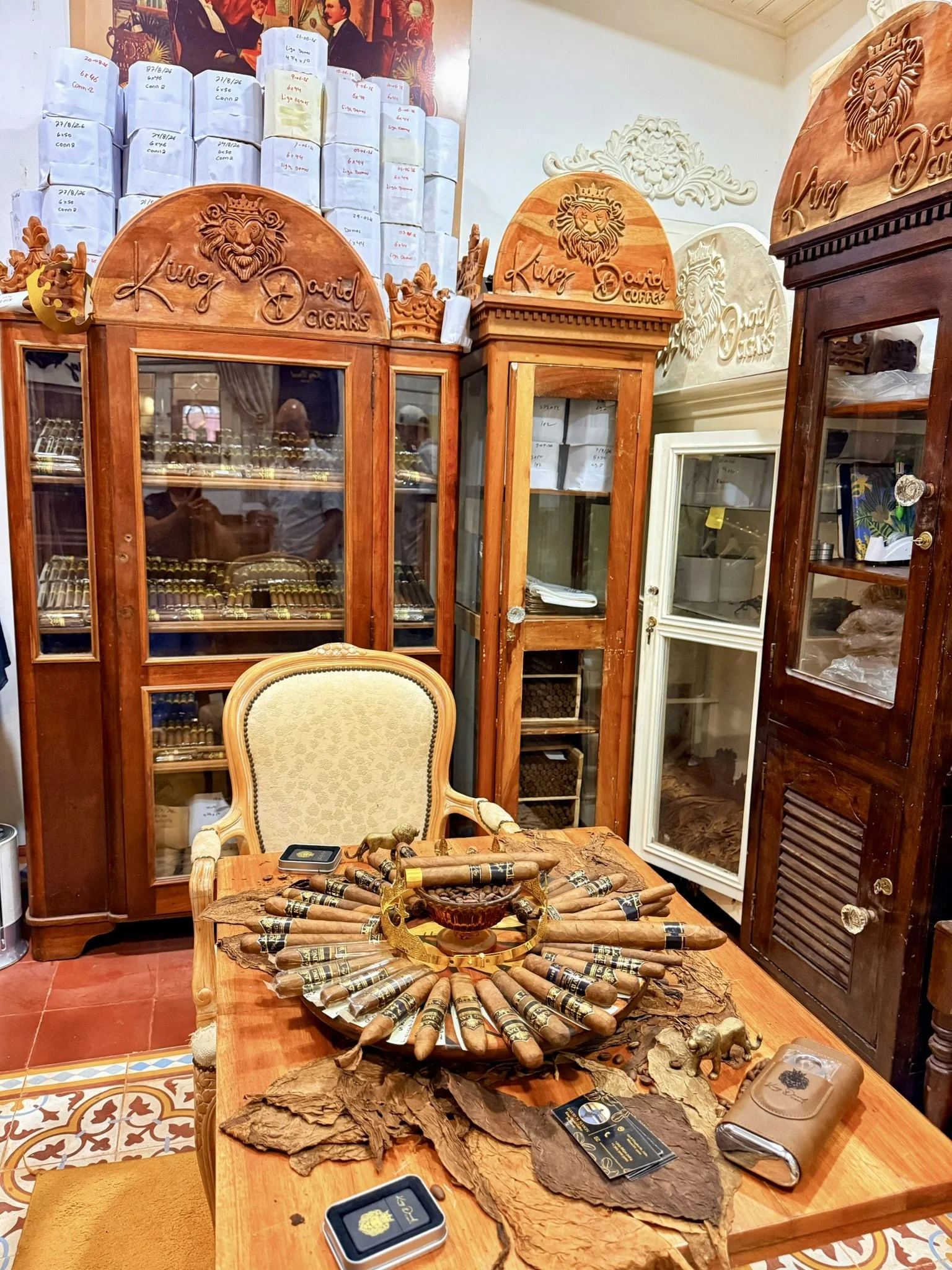
Nicaragua is the largest producer and exporter of premium handmade cigars, and speaking of cigars, we met David at King David cigar, coffee, rum shop.
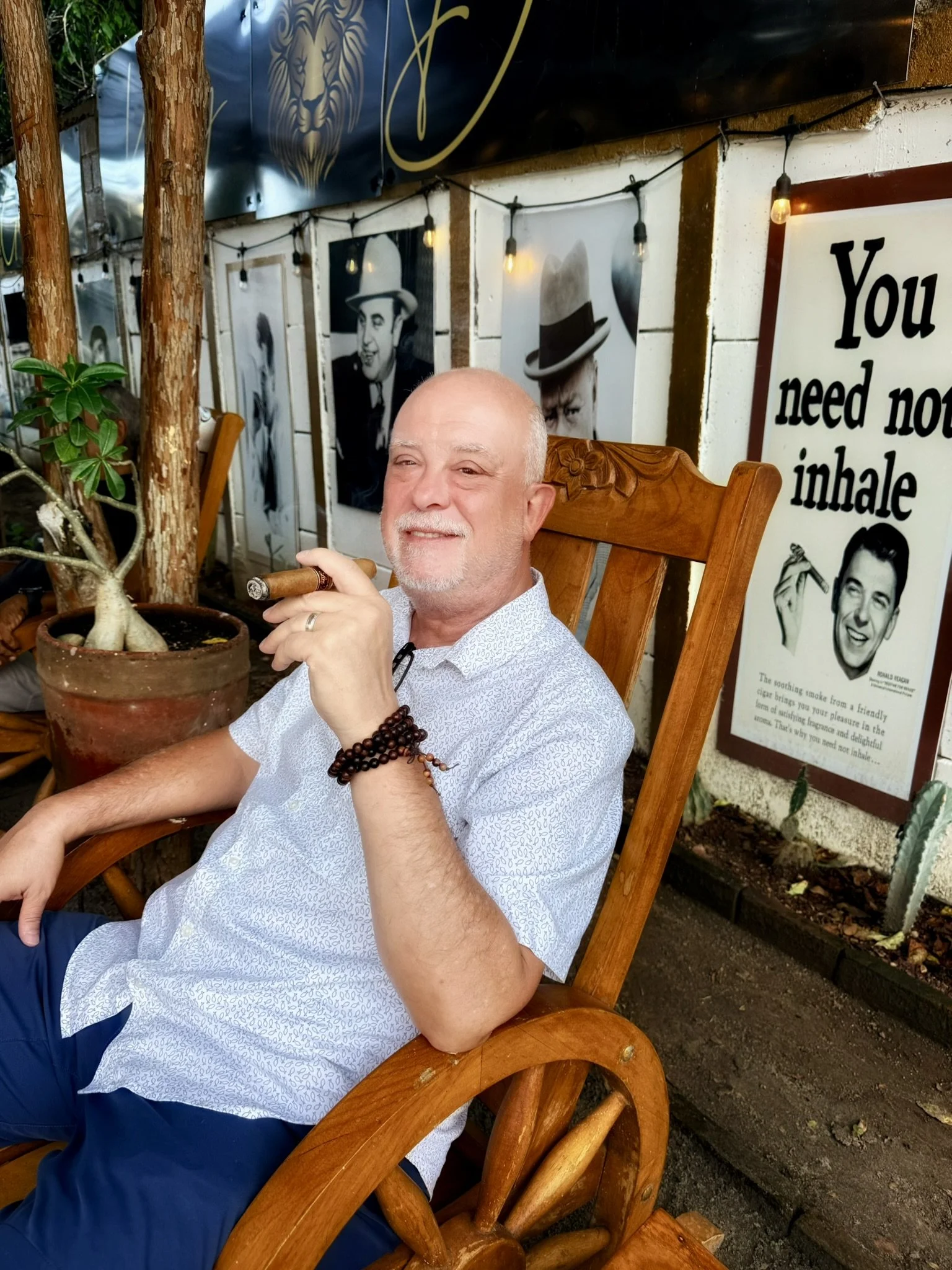
David grew up in Wisconsin and has also lived in Texas and Florida, but now he’s here in Granada. We also met his friend Walter, originally from New York City, who now lives in Granada and has a water business.
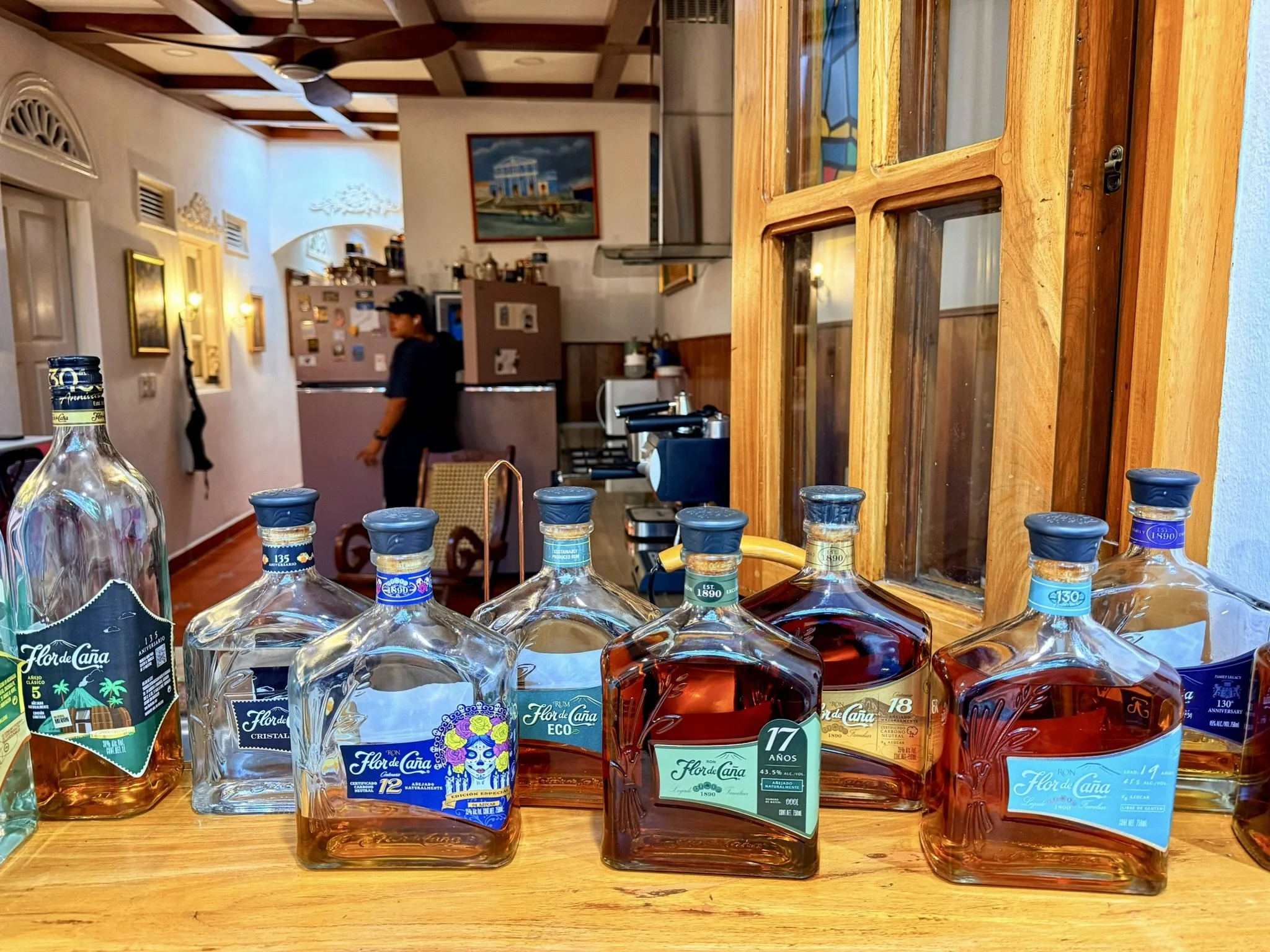
Before long, we were sitting around enjoying an excellent Flor de Caña rum and a cigar.
David and Walter also suggested we check out a local baseball game while we’re here. The Nicaraguan playoffs are happening, and the Tiburones de Granada are hosting Estelí in the semifinals. (We didn’t make it to the games, but watched on television).
The Everyday Side of Nicaragua
One thing that has surprised us is how much cattle ranching we’ve seen. Somehow, when we pictured Nicaragua before coming here, our mental image was much more lakes, volcanoes, tropical forests, and beaches. There are certainly plenty of those. But there are also a lot of cows.
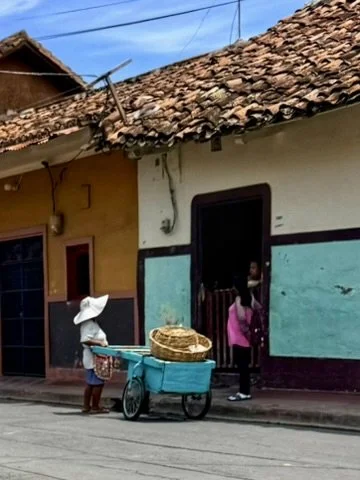
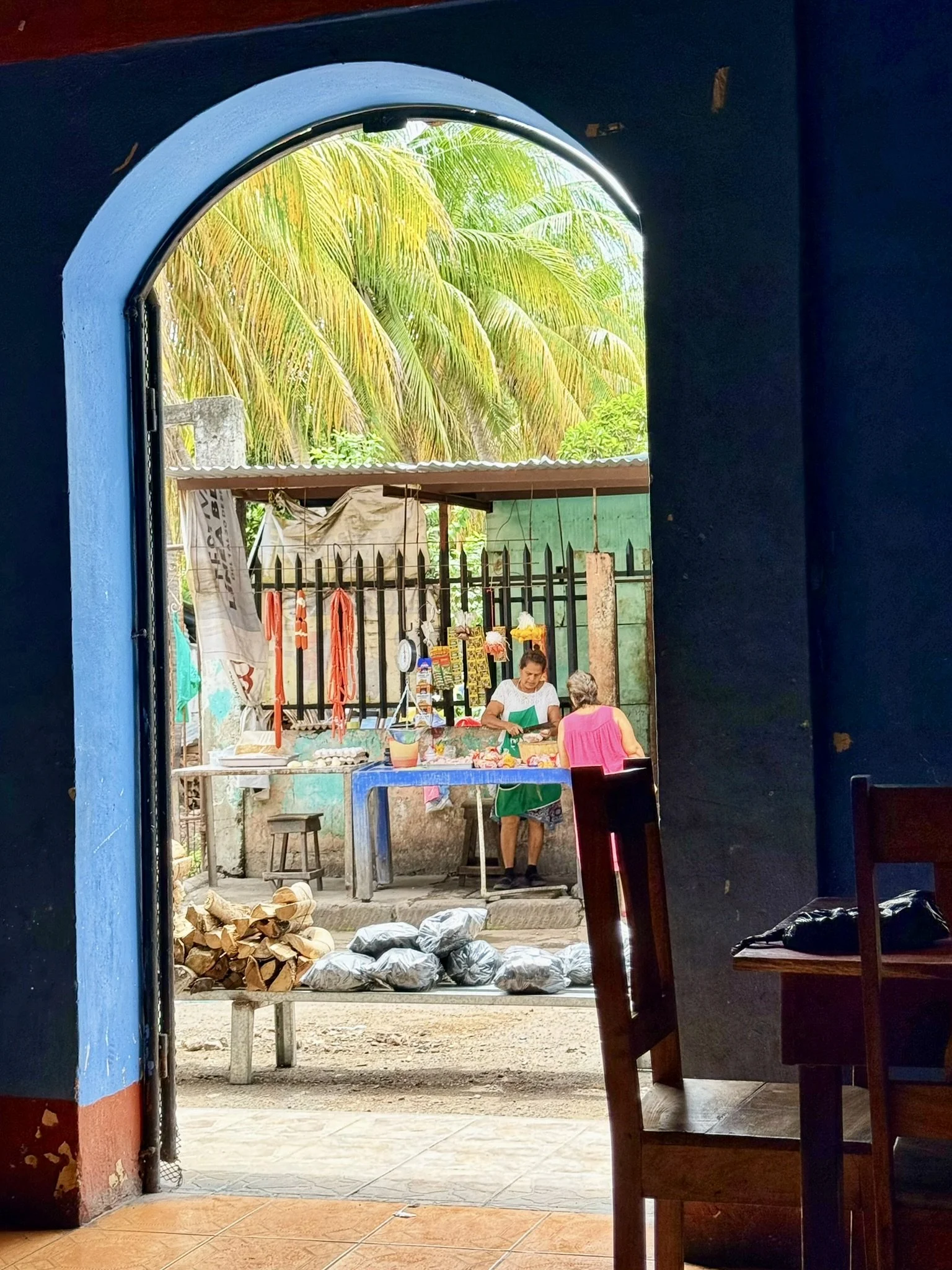
And a pulpería on every corner. A pulpería is basically a small neighborhood convenience store, often operated right out of someone’s home. They’re everywhere. On residential streets, you’ll see people buying drinks, snacks, household items, and whatever else they need from a little opening or window. For security, customers often don’t actually enter the store. You simply walk up to the barred window or opening and place your order.
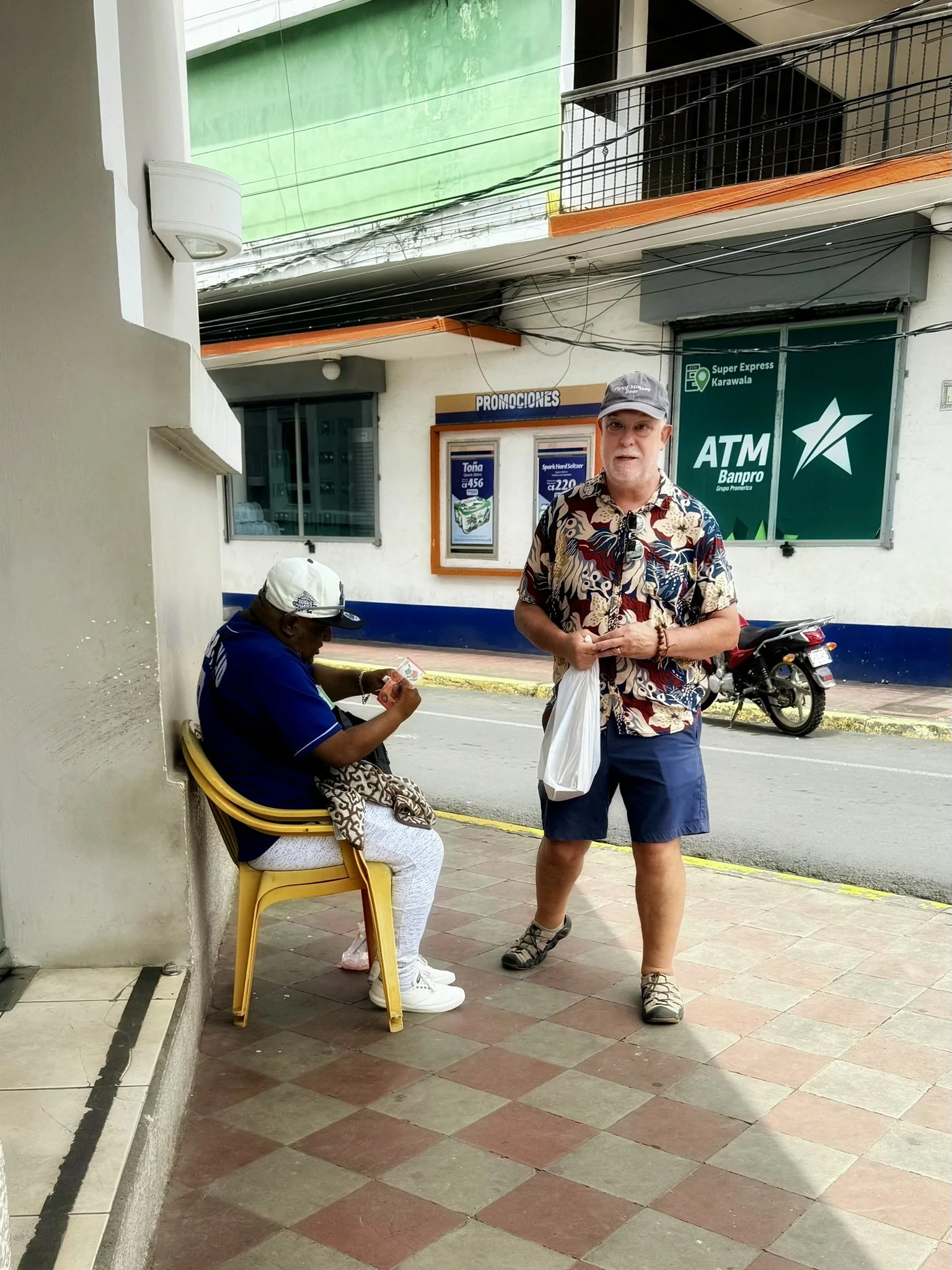
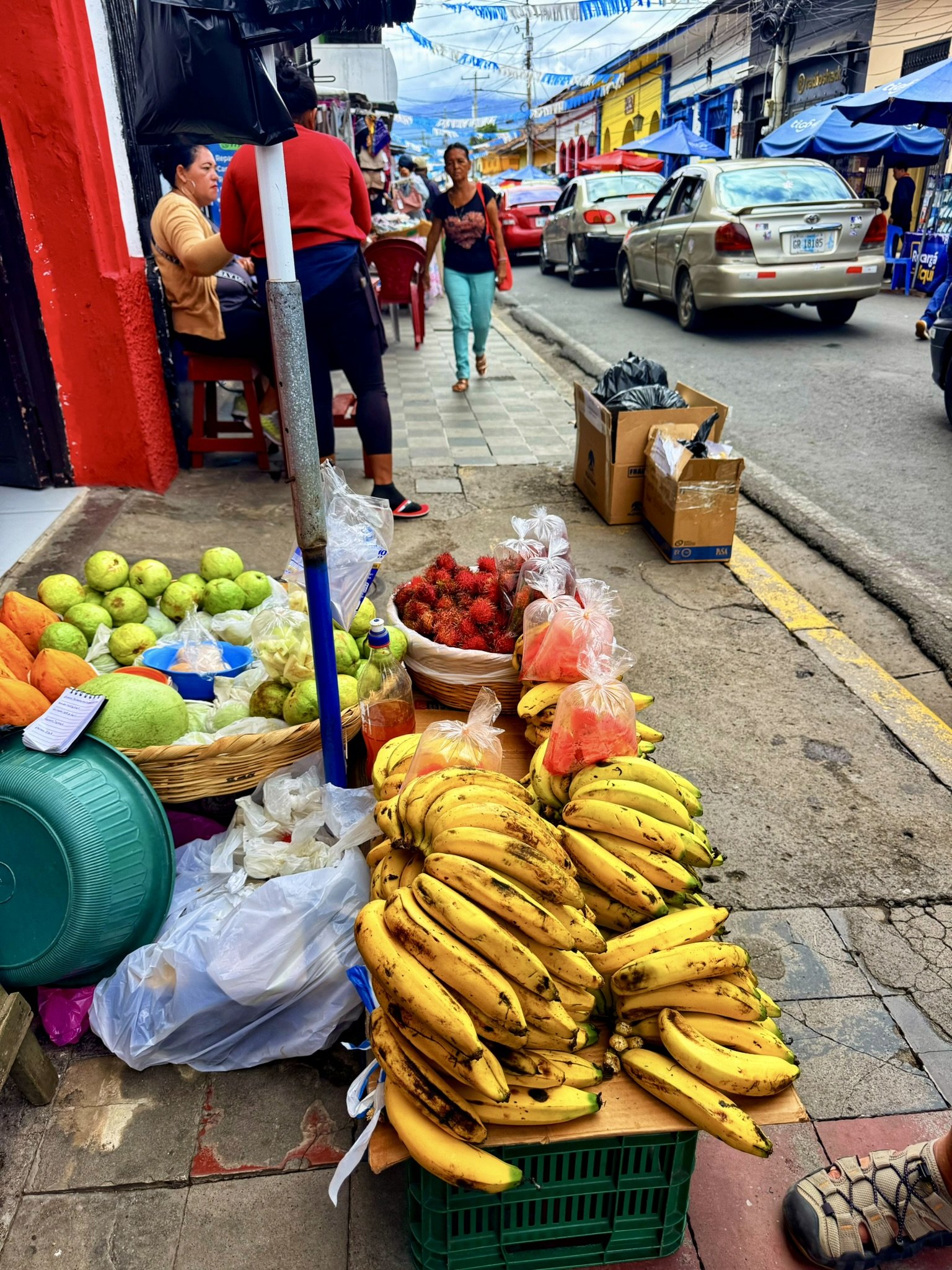
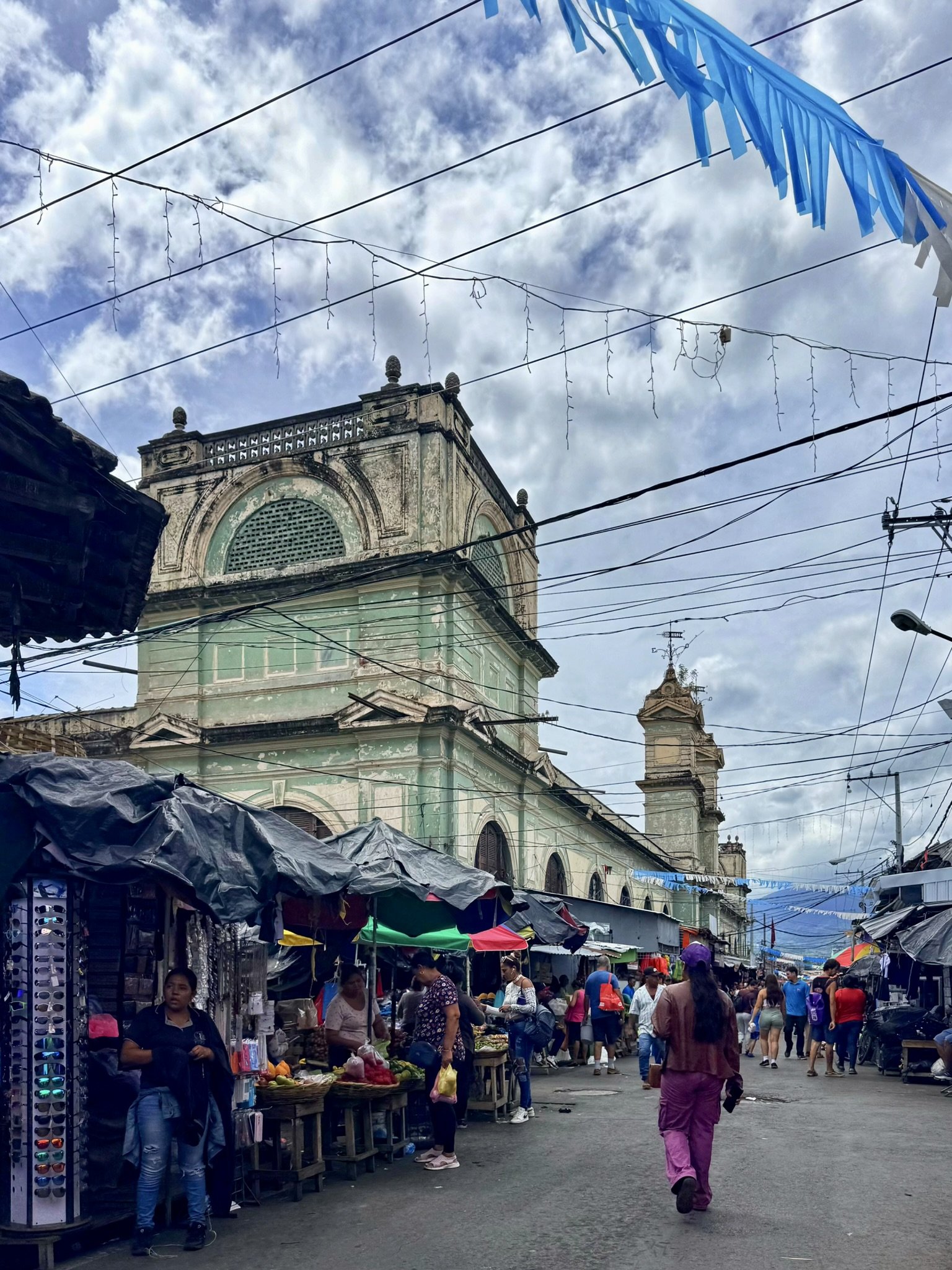
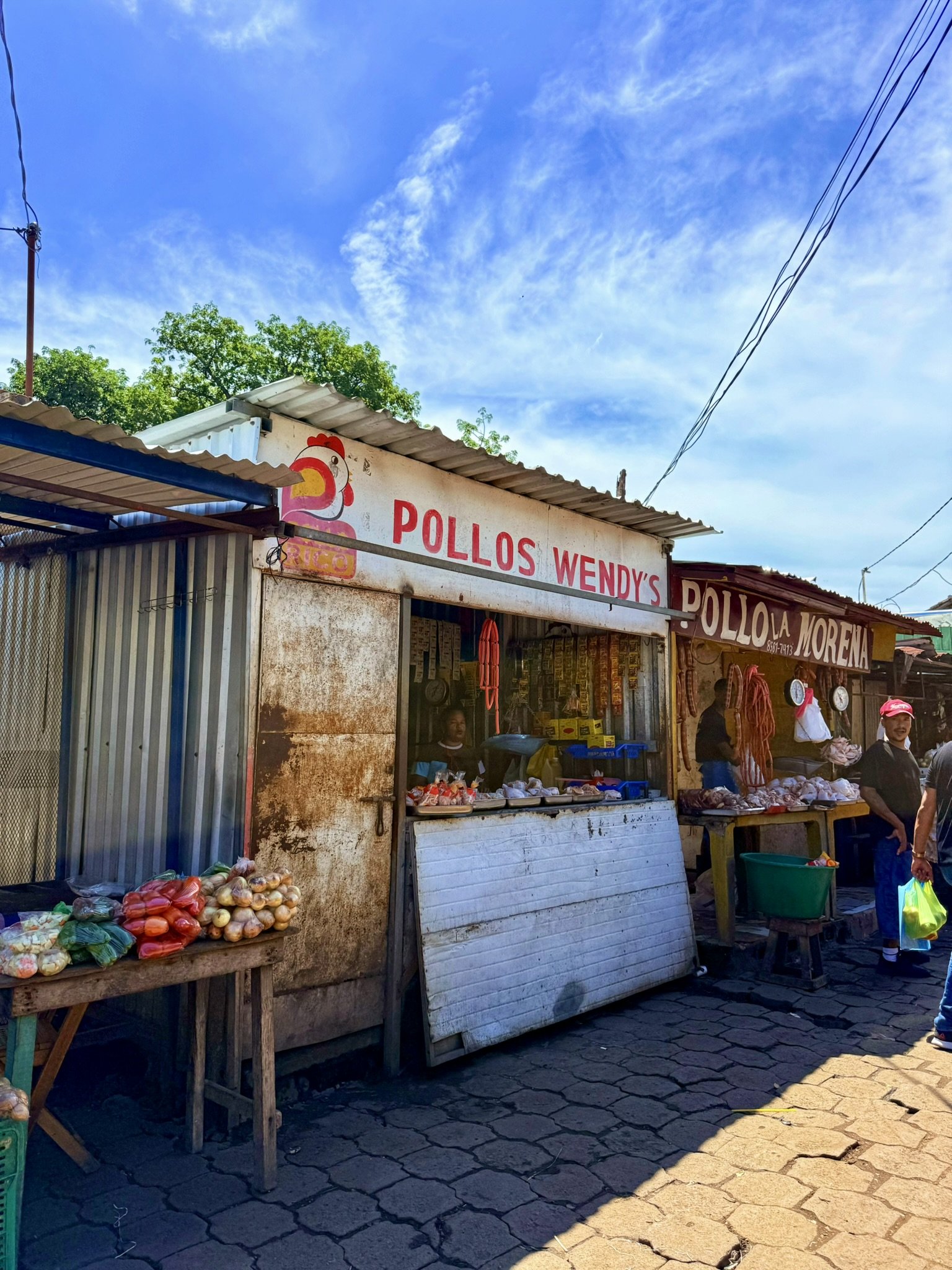
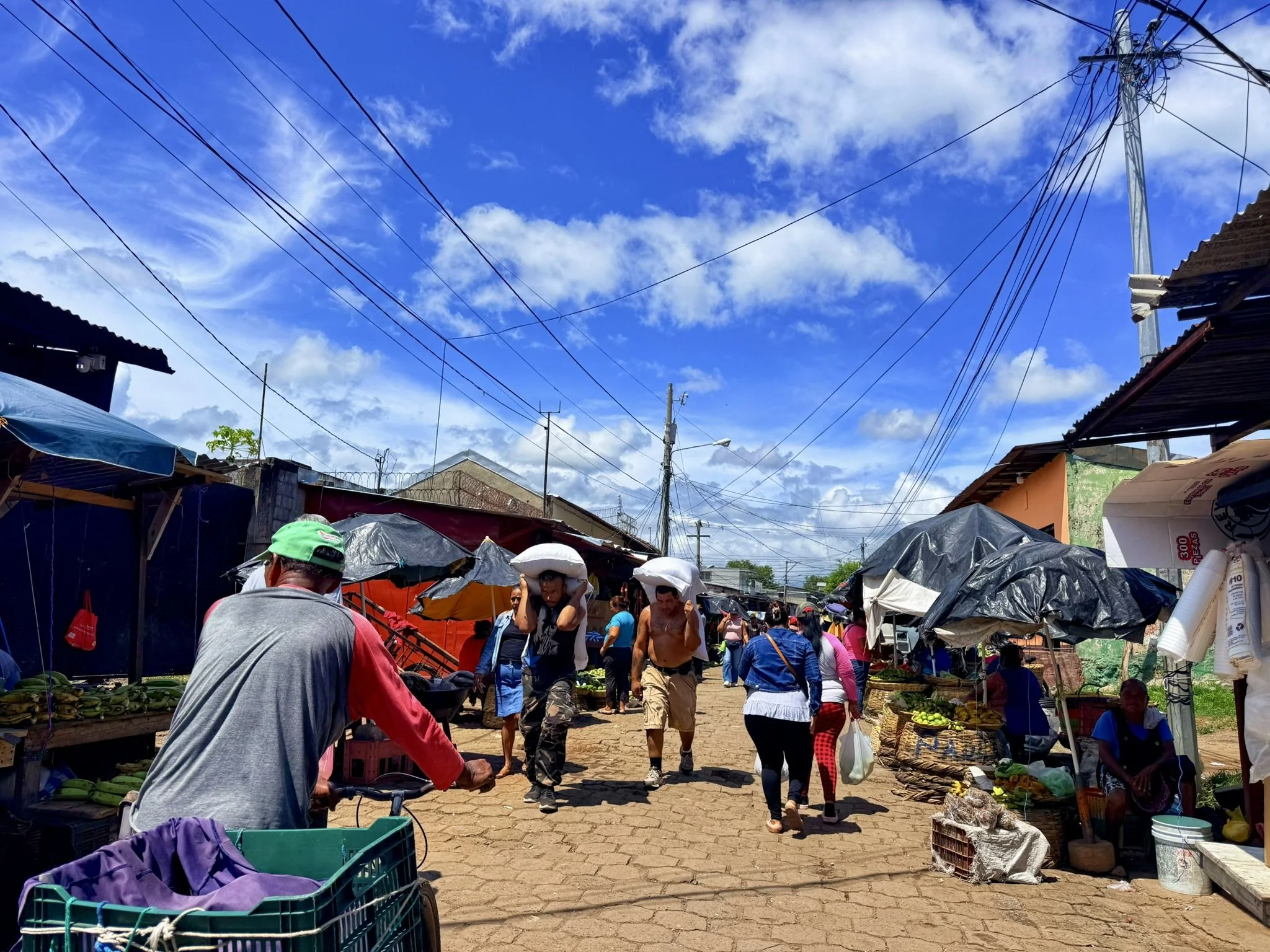
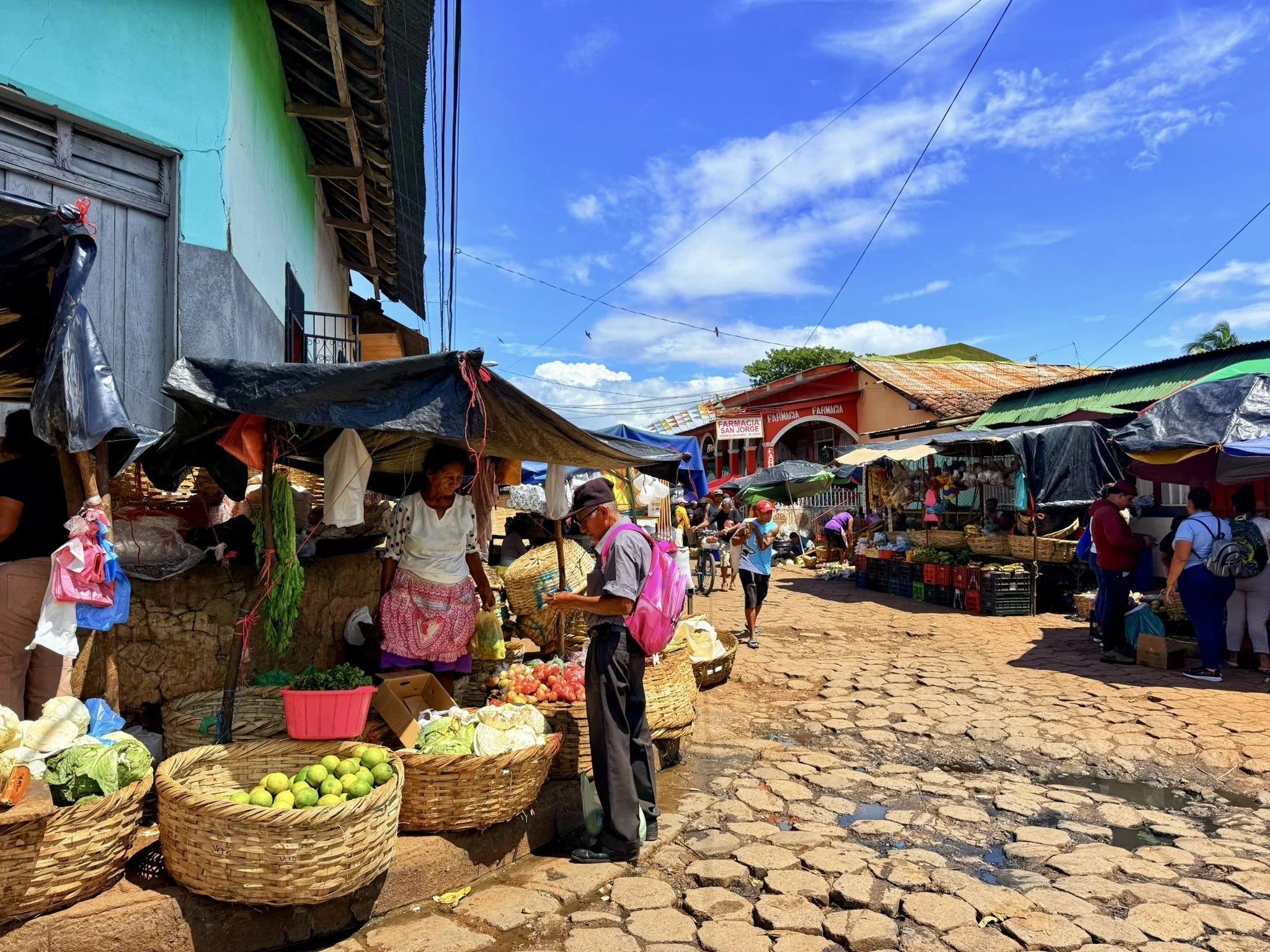
The next day we wandered through the local market and the main commercial district.
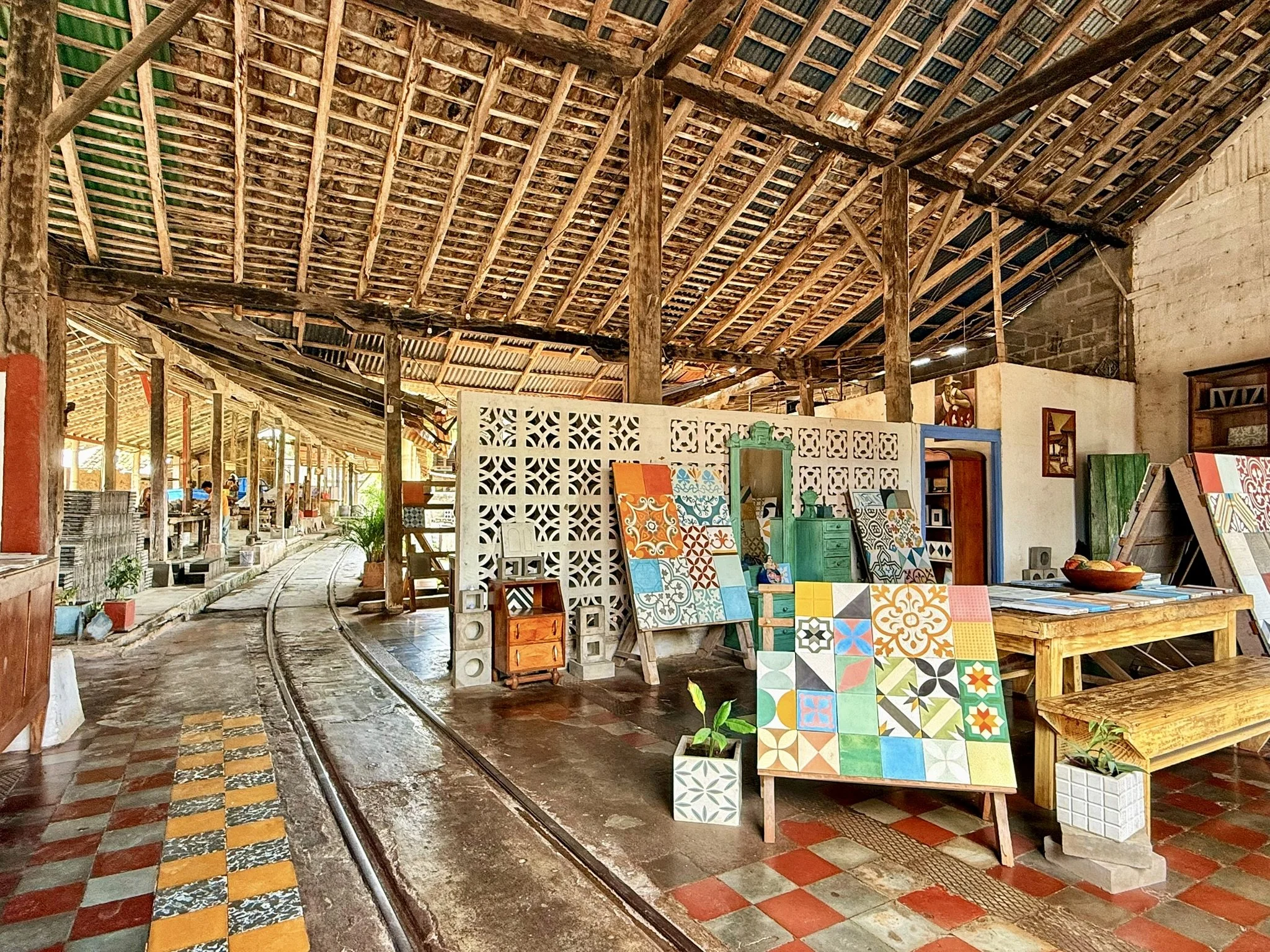
Markets are always one of our favorite ways to get a feel for a city because you’re seeing what people actually eat, buy, and use every day.
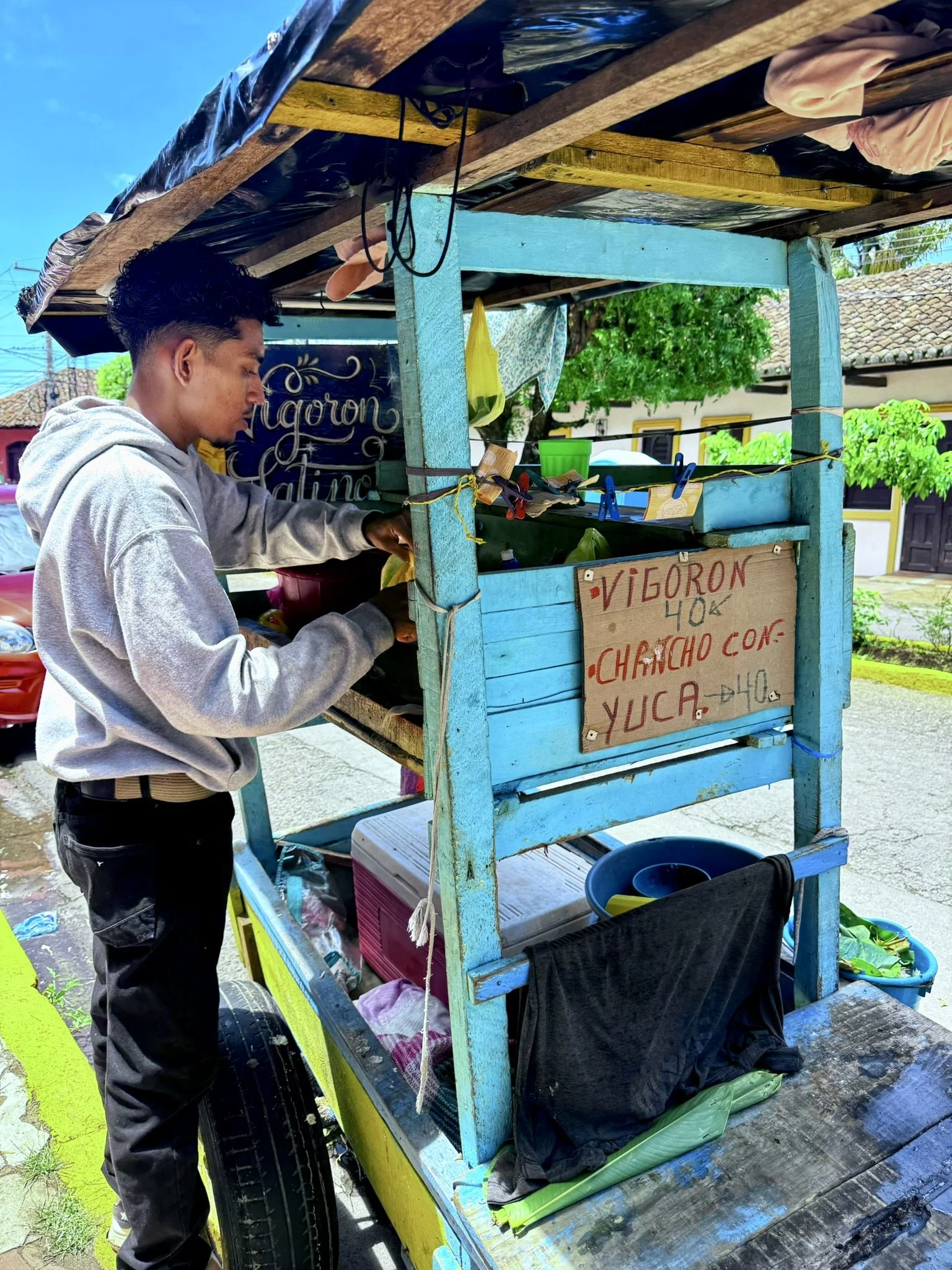
And we got to try some local specialties.
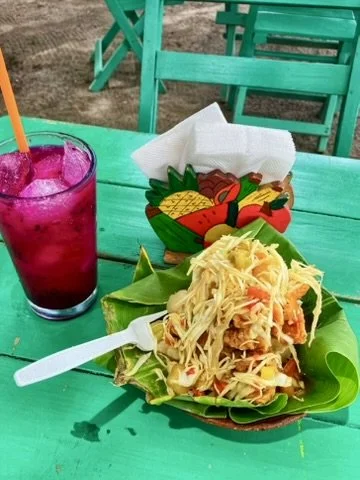
Vigorón is a Nicaraguan classic made with boiled yuca, a cabbage salad called curtido, and chicharrones, all traditionally served on a banana leaf. It’s crunchy, tangy, salty, porky, and definitely not pretending to be health food.
Days of Doing Absolutely Nothing
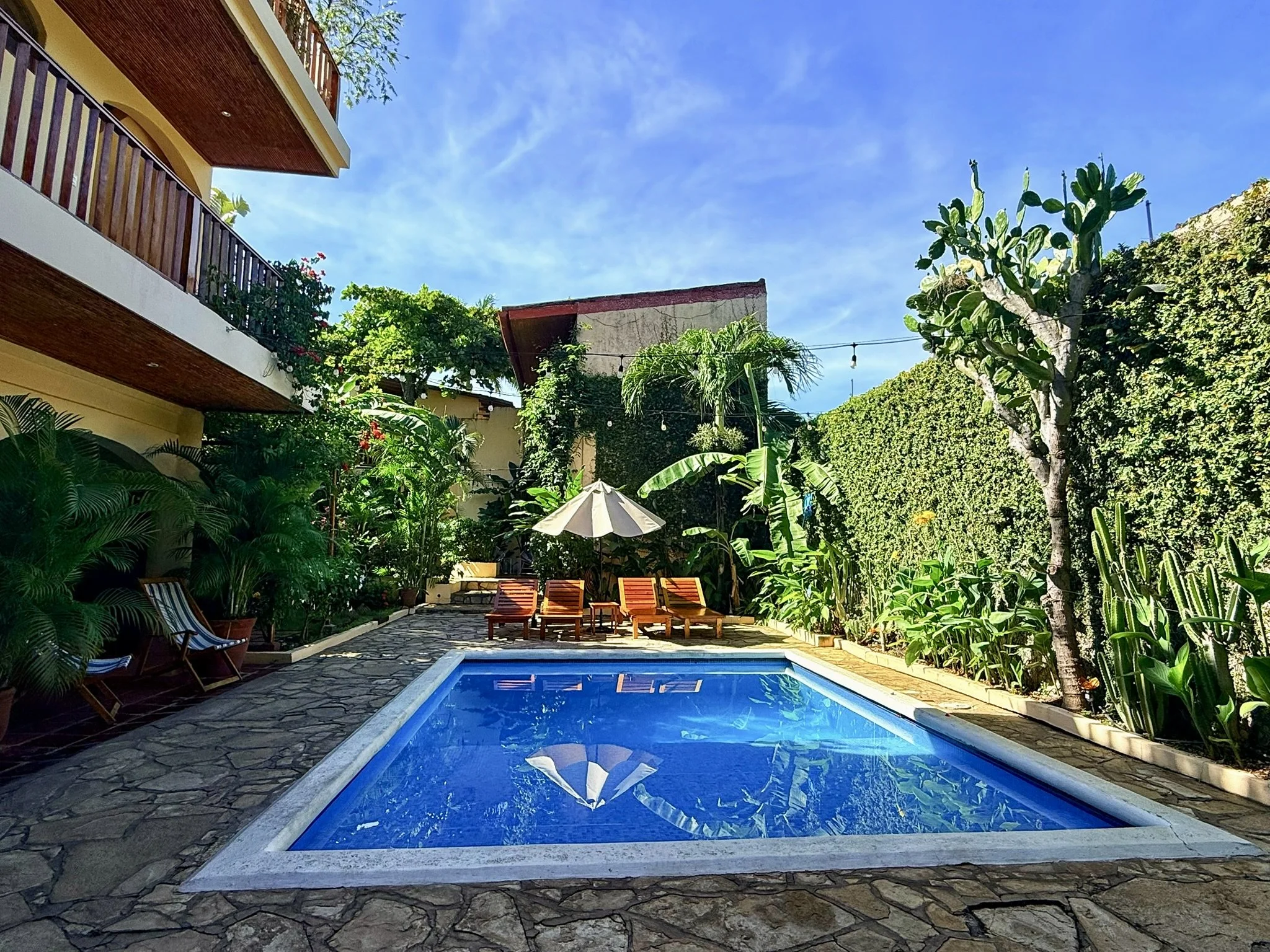
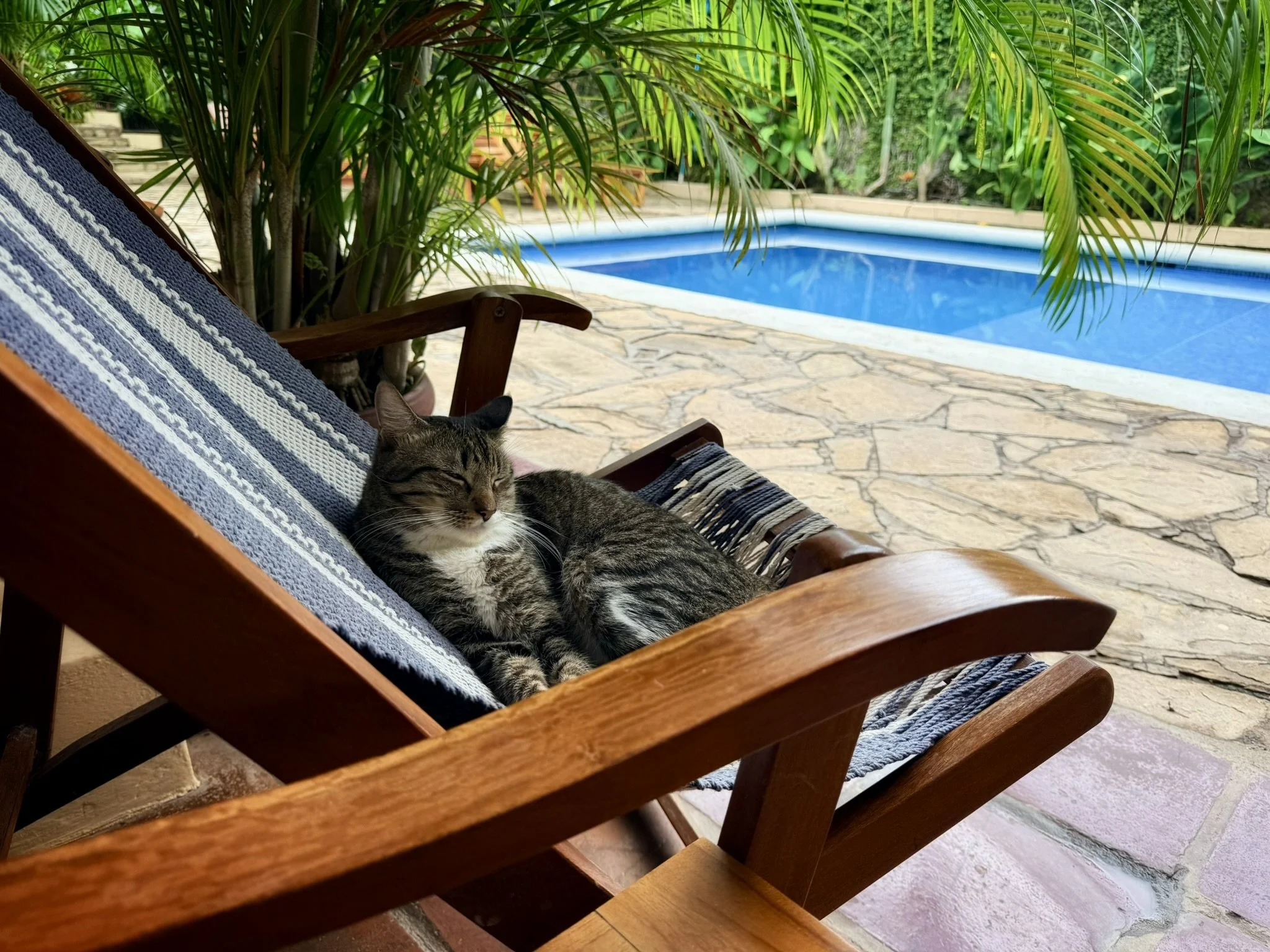
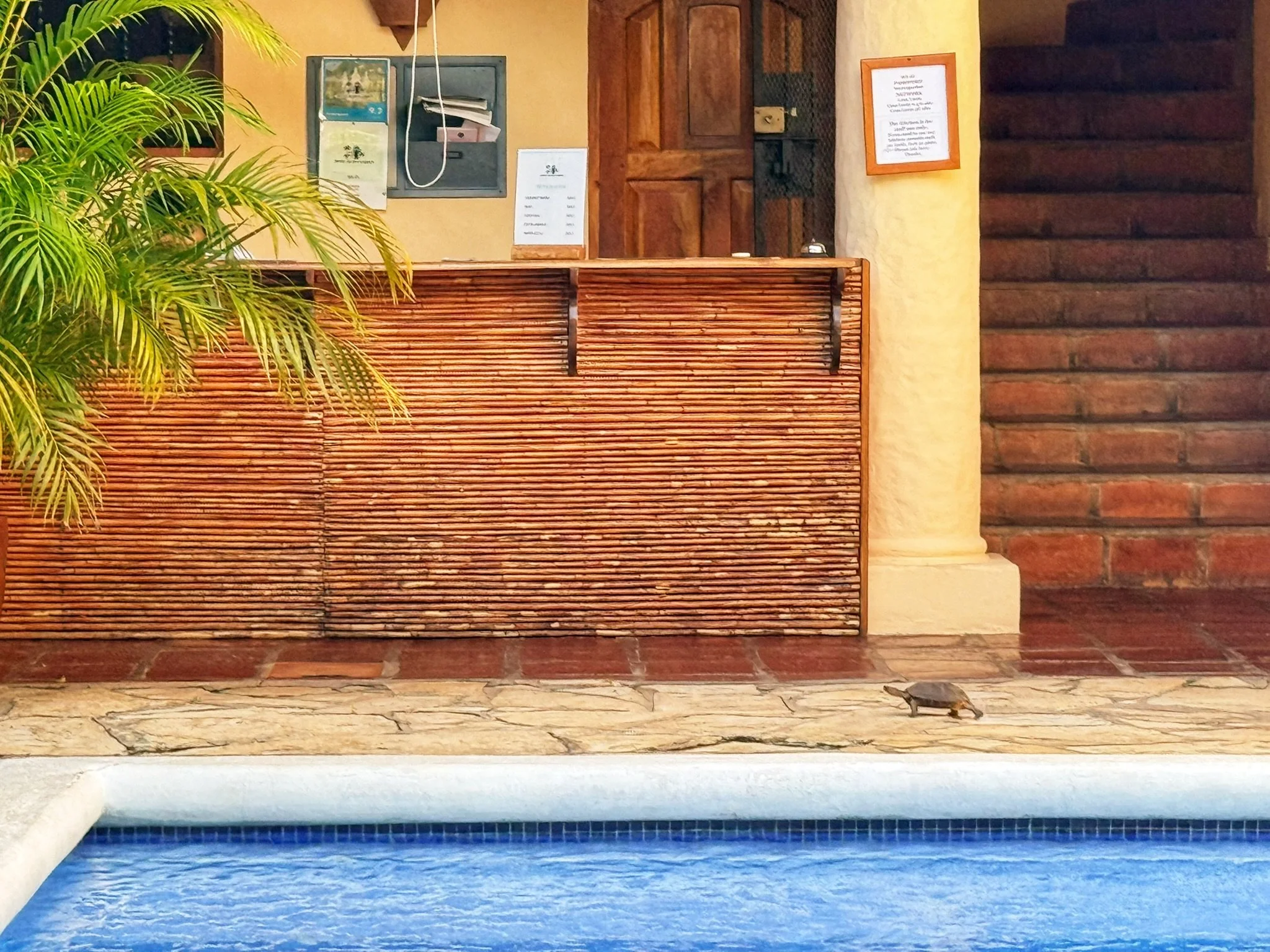
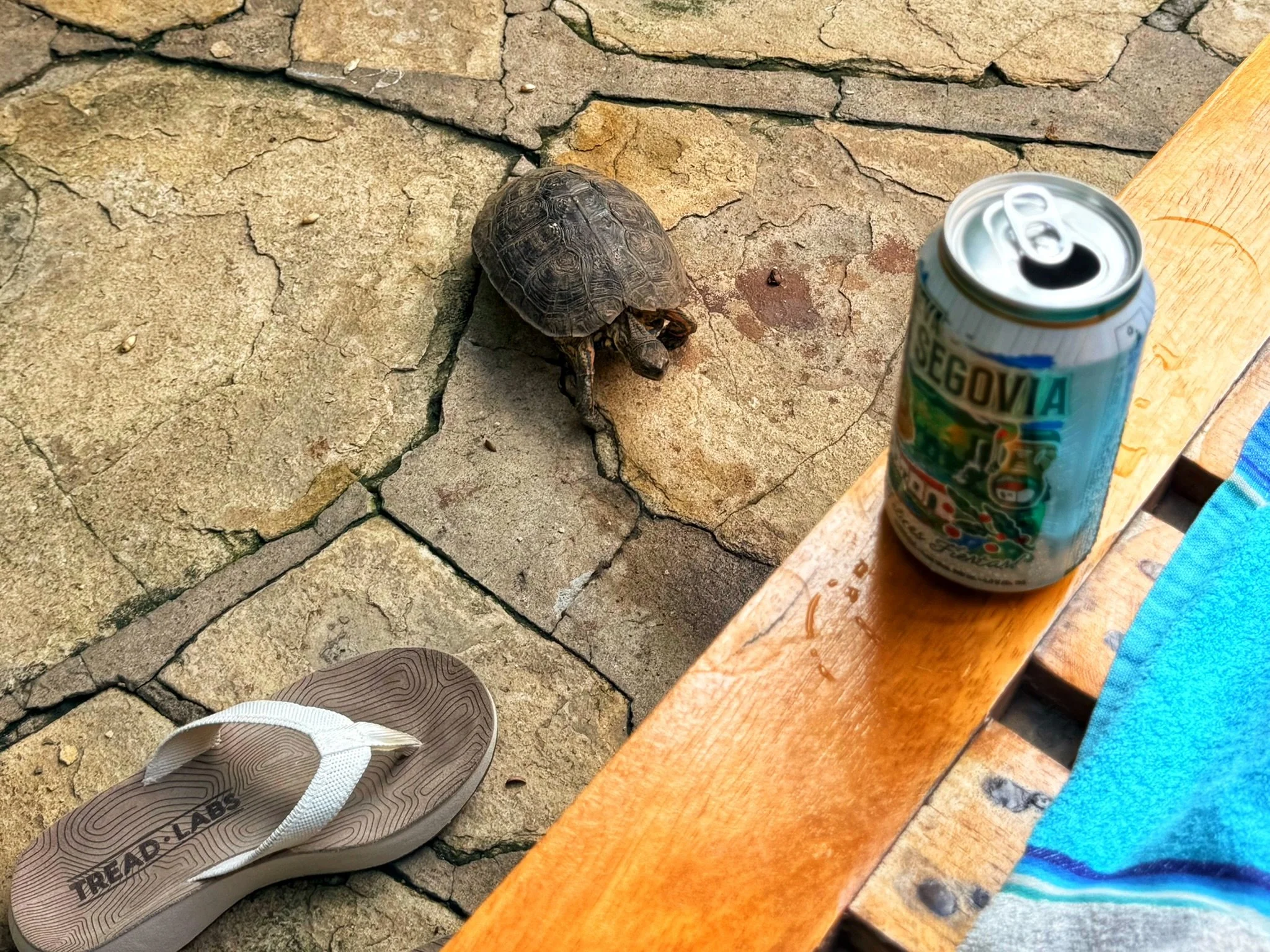
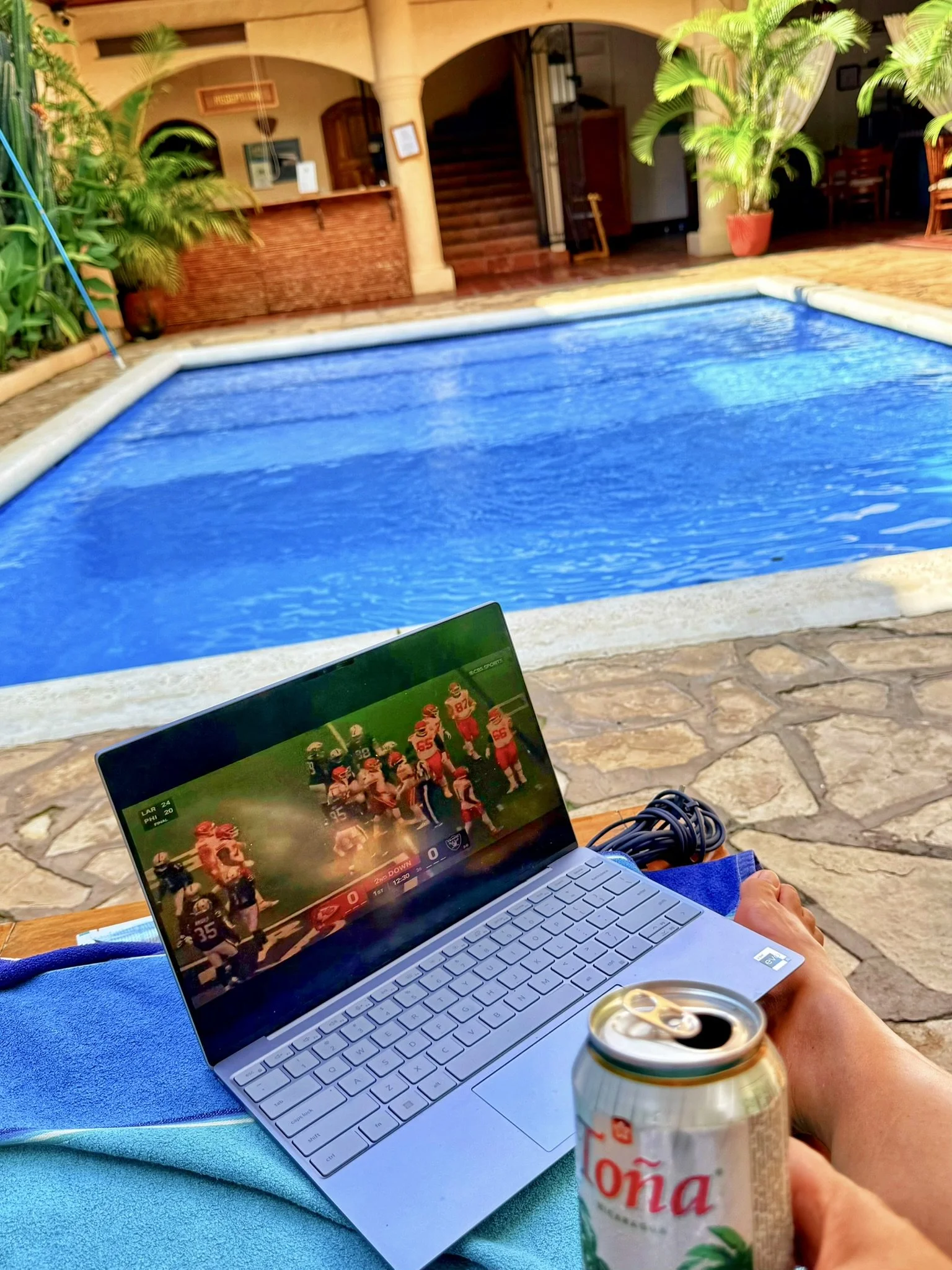
Then came pool days. We took the afternoons to slow down and enjoy the hotel.
No agenda. No sightseeing. No volcano.
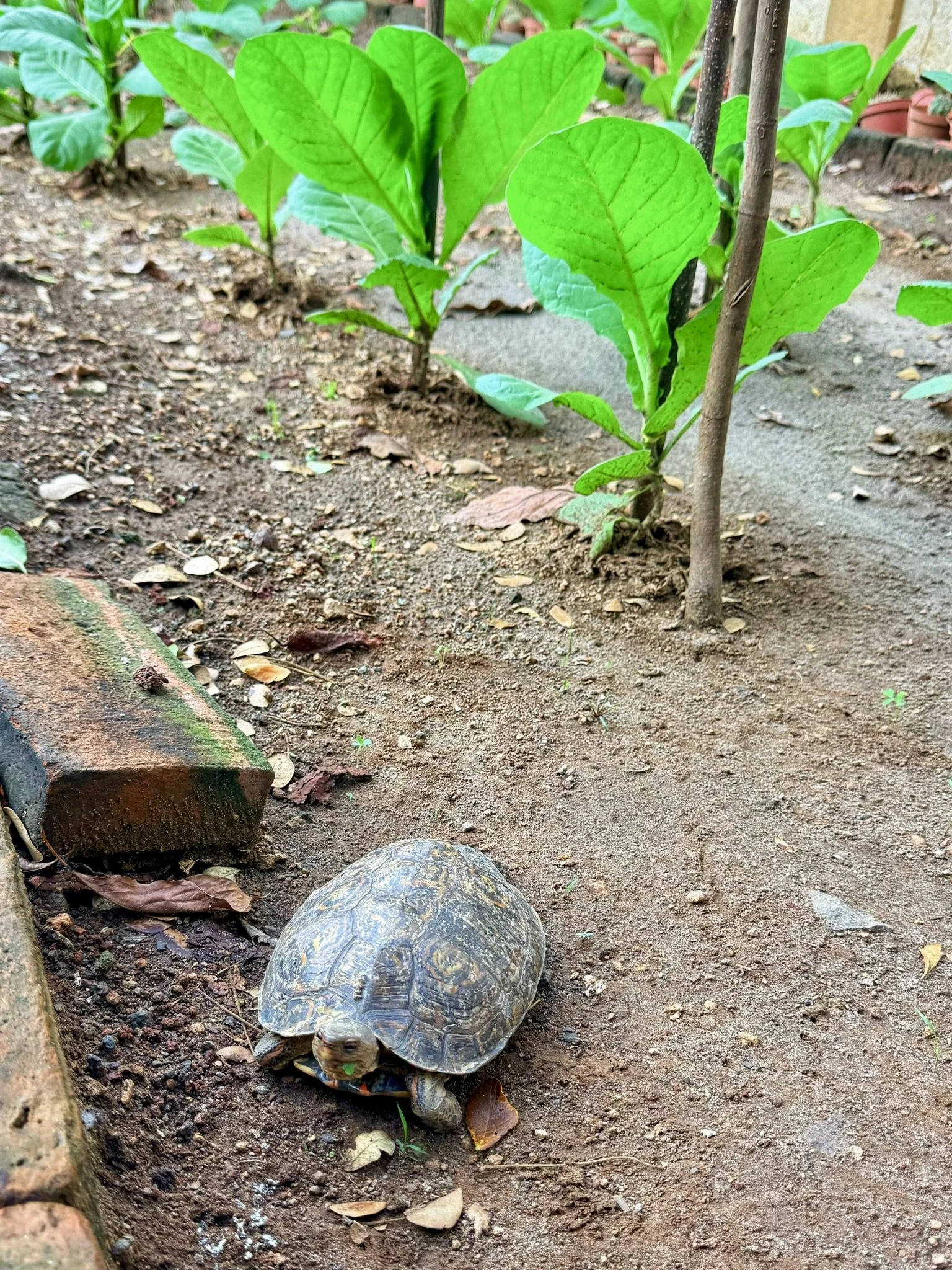
Just a pool, a cat, and a turtle. Oh, and an ice cold Toña.
Political Rally and Street Parade by Proxy
Granada apparently doesn’t believe in letting you have a boring day.
While wandering around town, we suddenly noticed a seemingly endless line of chicken buses parked along the streets. And not just a few. A mile-long line of chicken buses. Naturally, we had to figure out where they were all going, so we followed the crowd.
And they led us straight to an FSLN—Sandinista National Liberation Front—rally.
Well, okay then.
There was a band, speakers, chants, flags, and a large crowd. It was a full-on political gathering, and we had stumbled into it completely by accident.
The FSLN is deeply connected to Nicaragua’s revolutionary history, and its presence remains an important part of the country’s political landscape. We stood there taking it all in, trying to understand what we were seeing.
Later that same day, we randomly encountered another completely different side of Granada.
This time, it was El Atabal Granadino. El Atabal is a centuries-old cultural and religious street celebration unique to Granada. It takes place on Saturday nights throughout October in honor of the Virgen del Rosario, or Our Lady of the Rosary. The tradition reflects Granada’s unusual blend of Spanish, Indigenous, and African cultural influences.
Granada was turning out to be much more interesting than simply being a pretty colonial town.
Volcanoes and the Land of Lakes
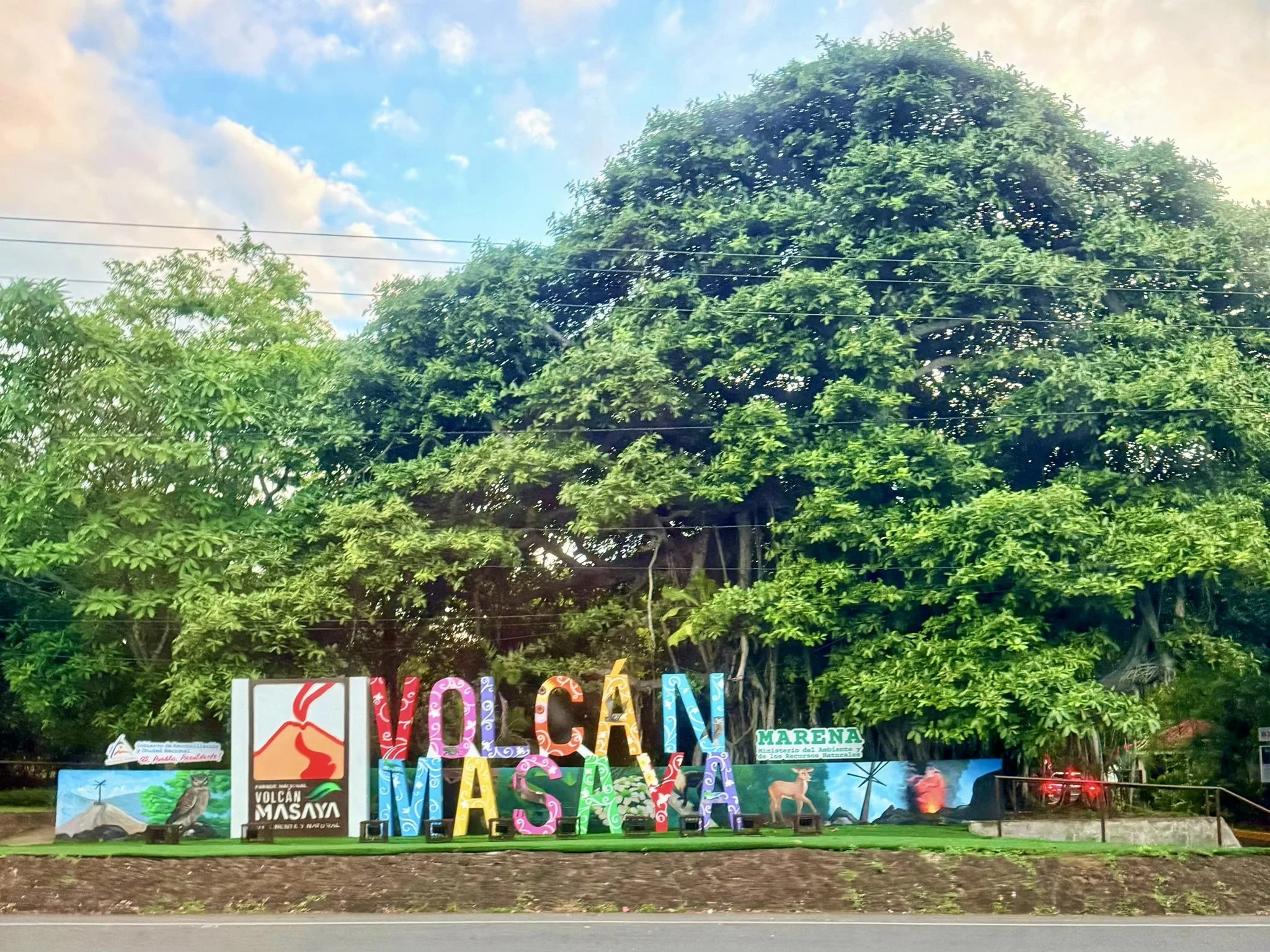
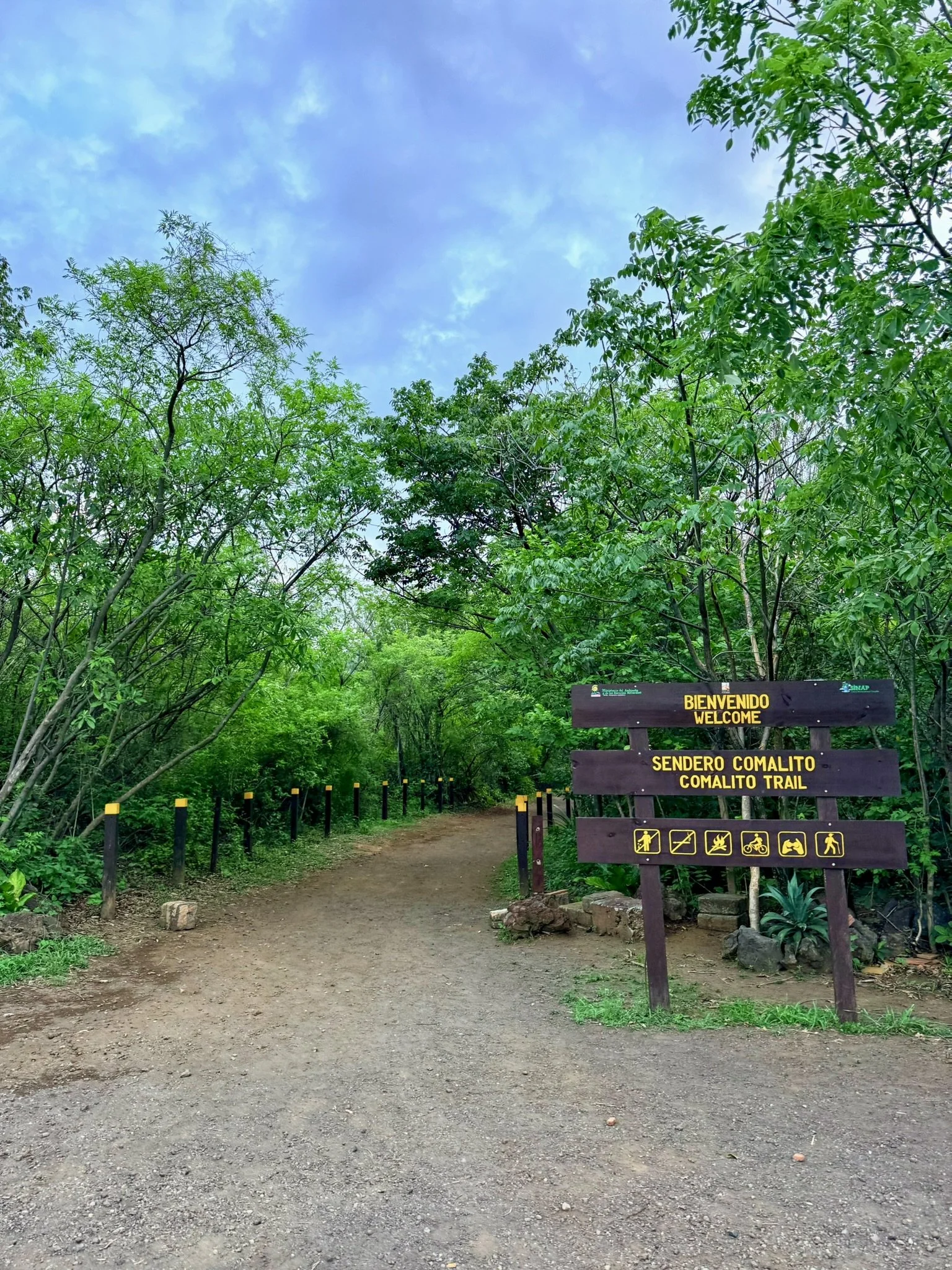
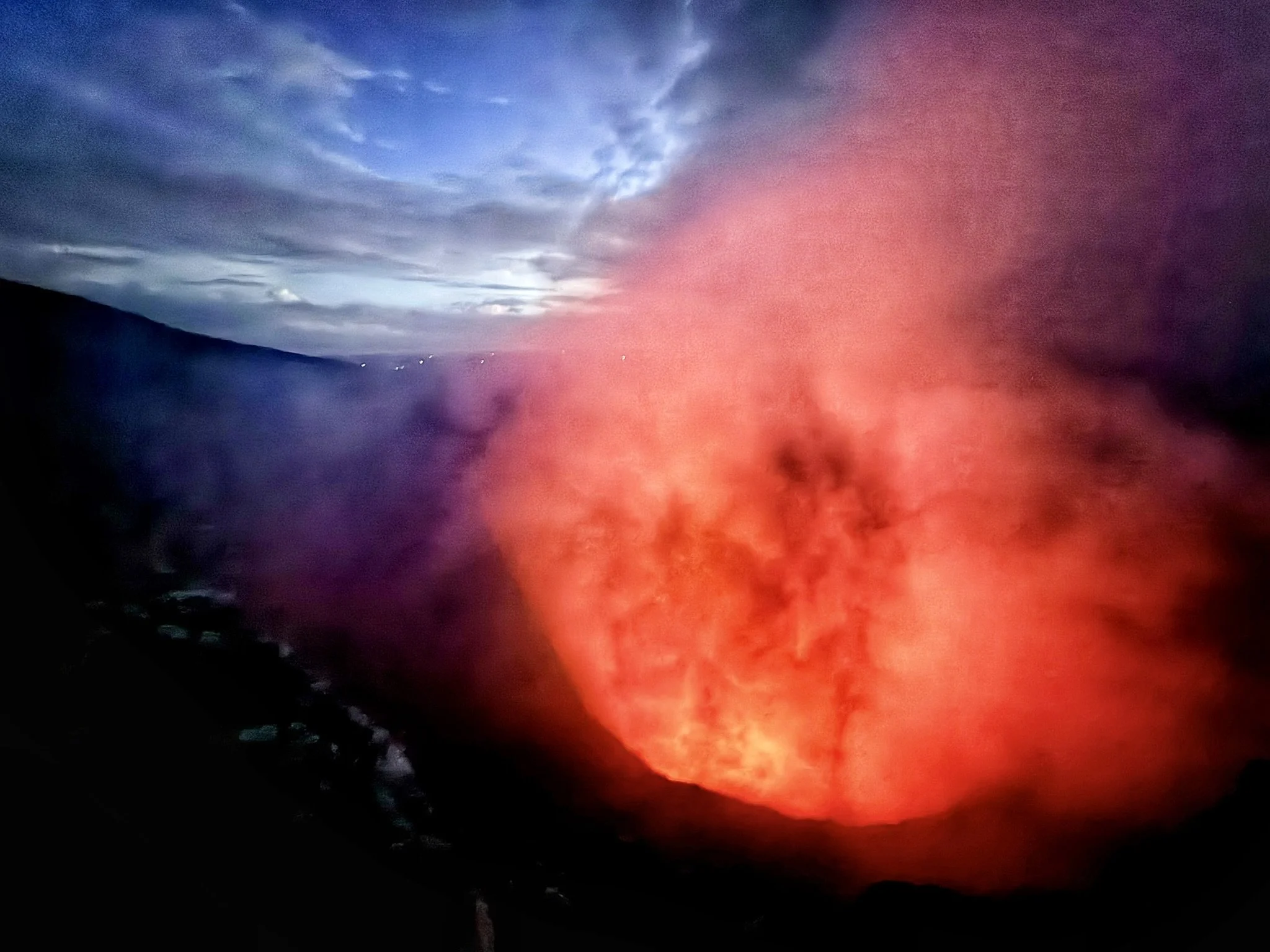
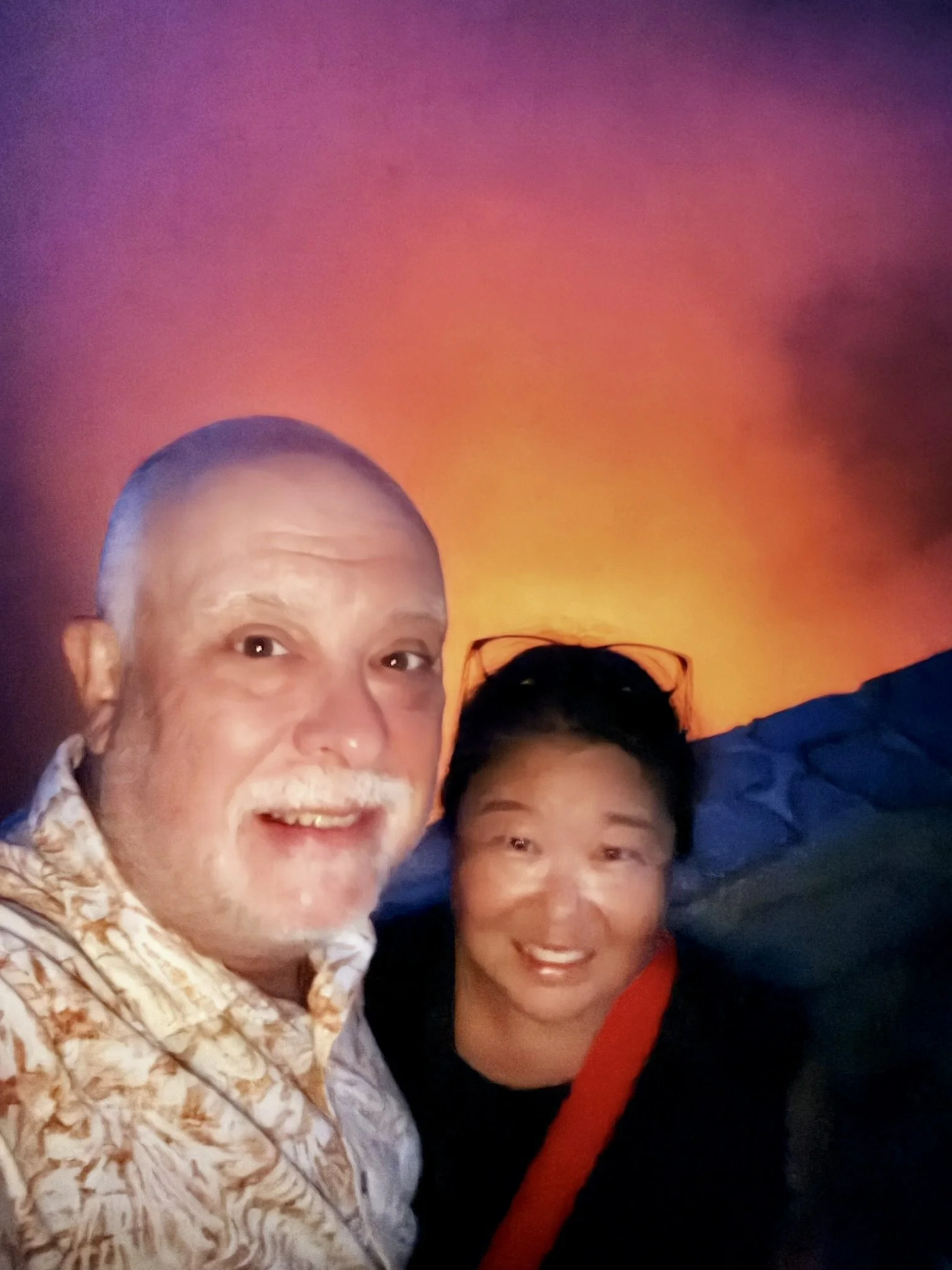
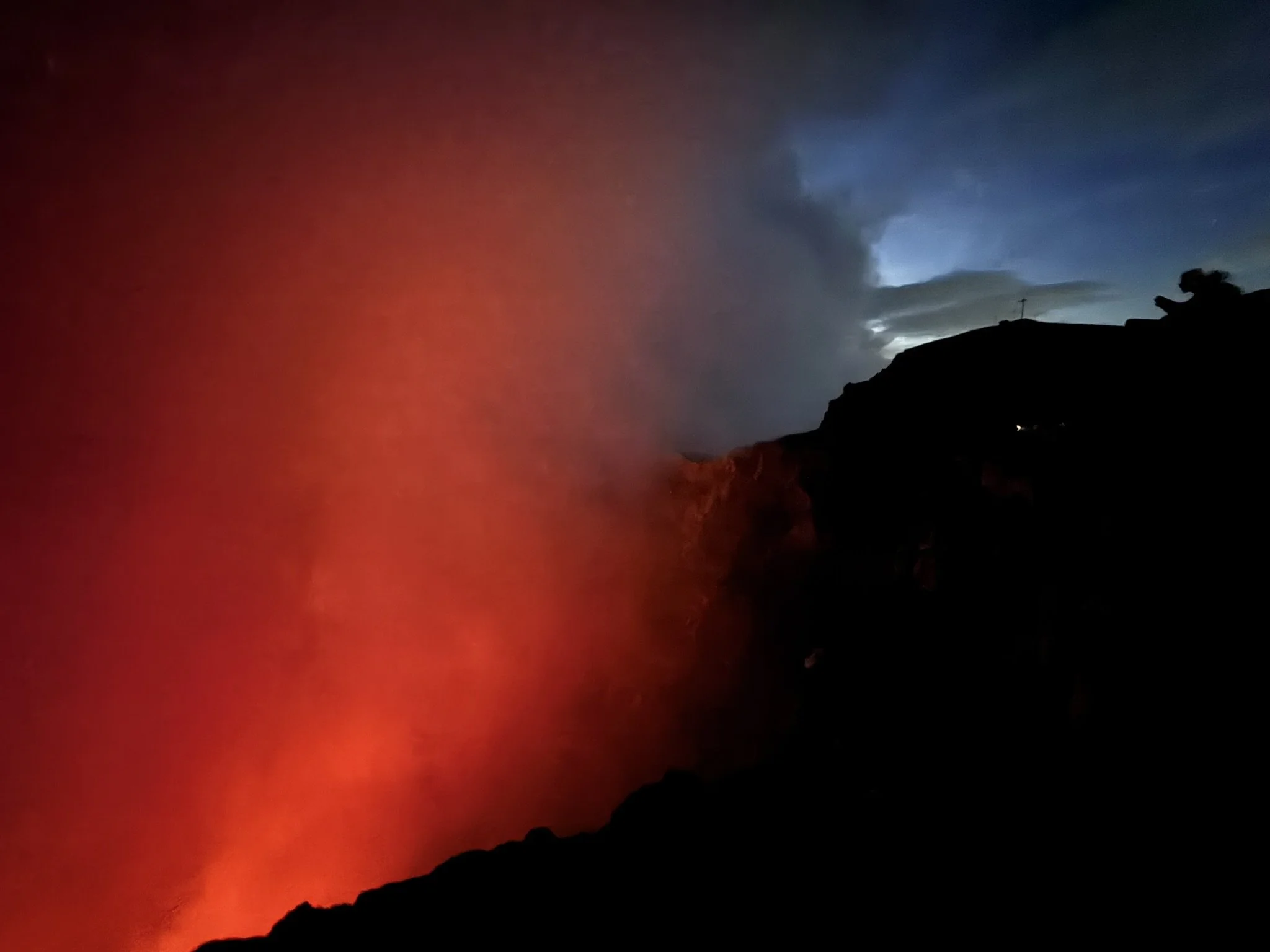
Of course, you can’t come to Nicaragua and ignore the volcanoes. Granada makes a great home base for exploring the natural wonders surrounding the area, and our next adventure took us to Masaya Volcano. It’s not every day that one can stand at the rim of an angry active volcano and stare down into the glow of orange and spewing toxic smoke.
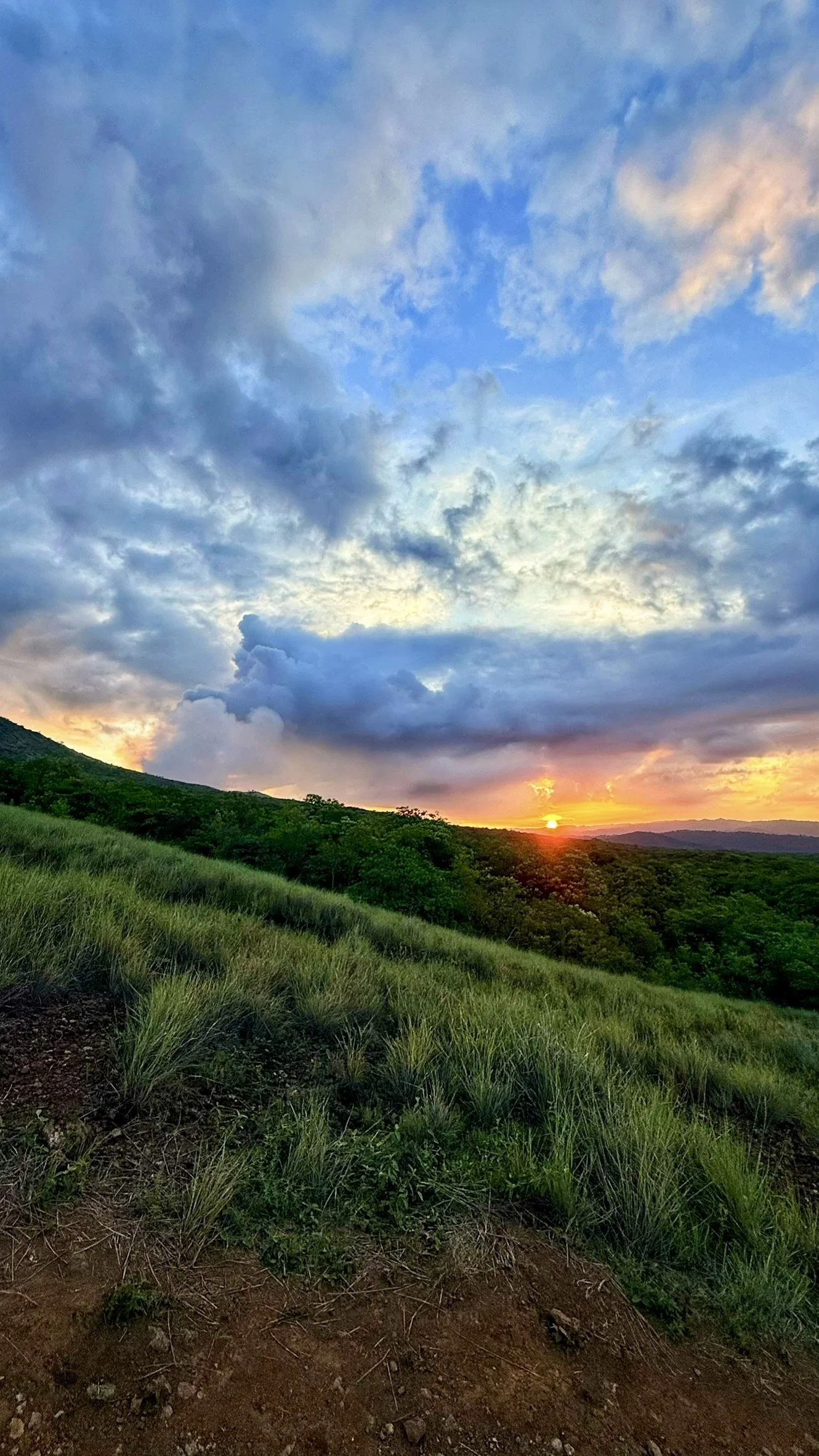
Just before sunset, we also had one of those lucky travel moments when the weather cooperated during this rainy season. The sky turned clear, and the clouds were doing their own spectacular performance. Huge formations were building and drifting across the sky just before sunset, catching the last light.
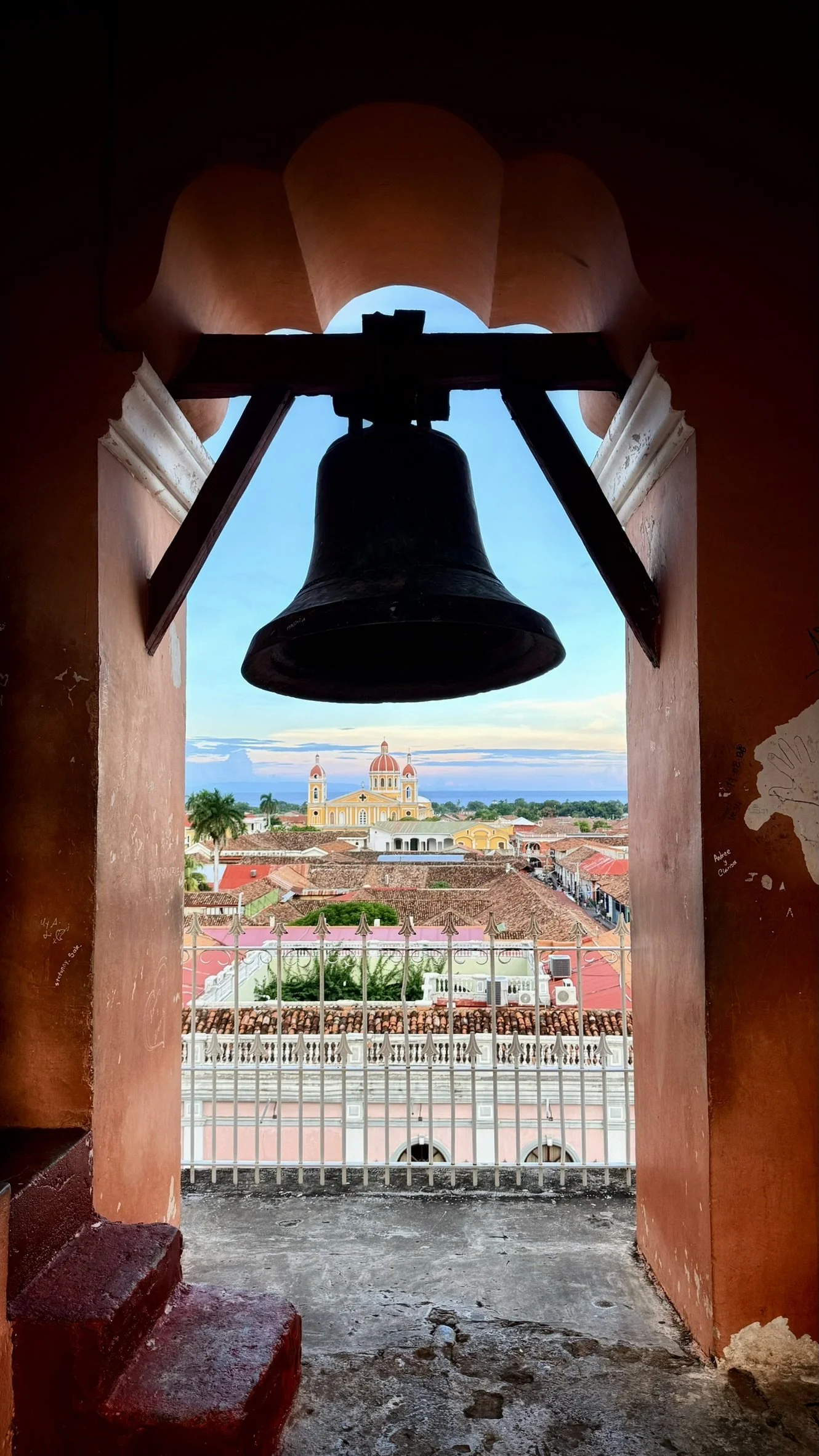
We got a bird’s-eye view over Granada from the Parroquia de Nuestra Senora de la Merced bell tower, looking all the way out toward Lake Nicaragua. From above, Granada looked completely different.
The colorful rooftops stretched toward the lake. Beyond that was Ometepe, with its two volcanic peaks—Concepción and Maderas—and the dormant Volcan Mombacho stood nearby, completing this incredible volcanic landscape.
After spending days walking at street level—through markets, colonial streets, hidden courtyards, political rallies, neighborhood shops, and unexpected celebrations—it was pretty amazing to finally see the whole picture. This is Granada.
And Then There’s Football
Because apparently we can’t travel anywhere without eventually finding a way to watch American football.
We found Hogsbreath Saloon, a Texan sports bar owned by Ray, who has one very important and rare amenity in Granada.
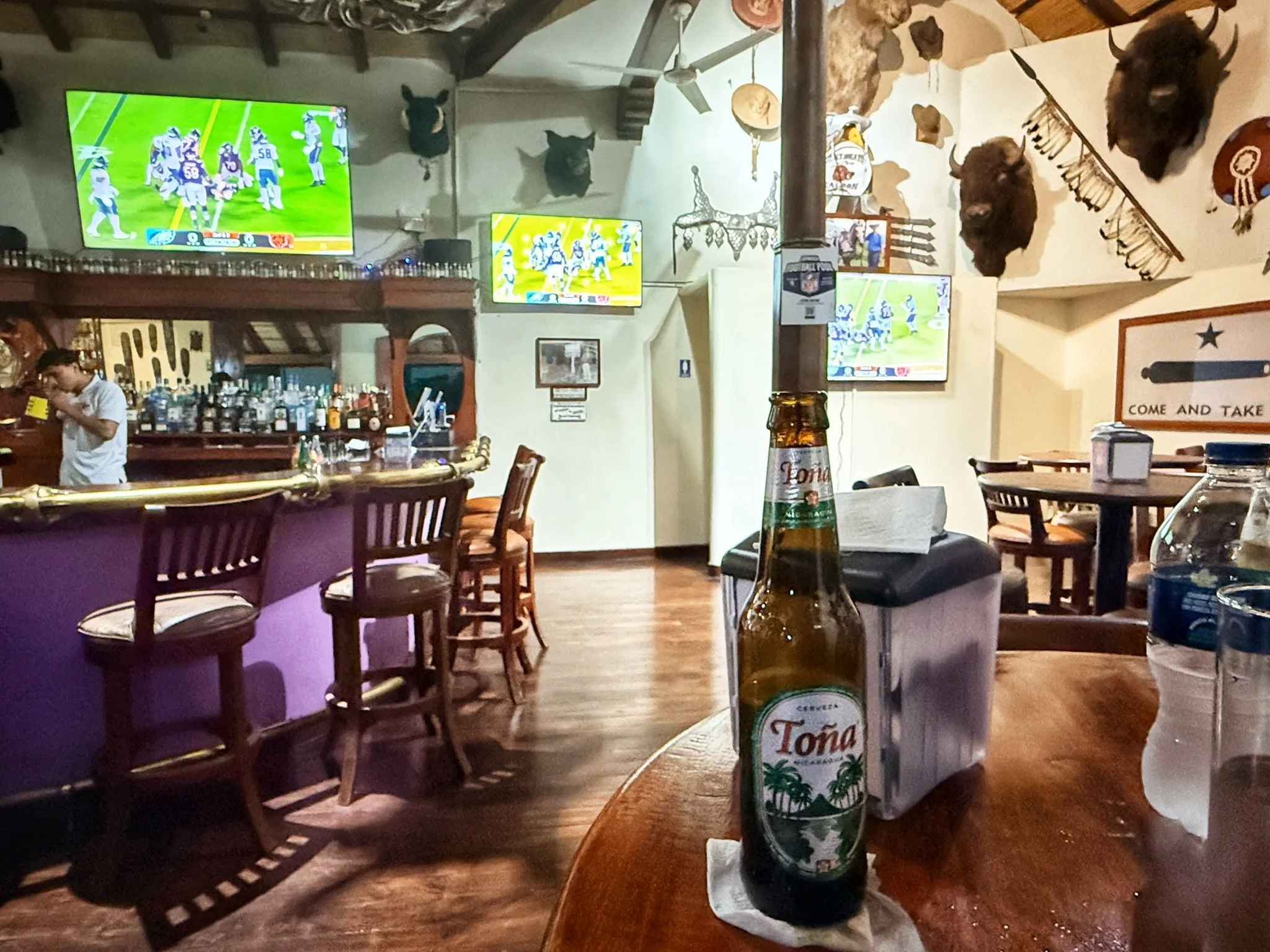
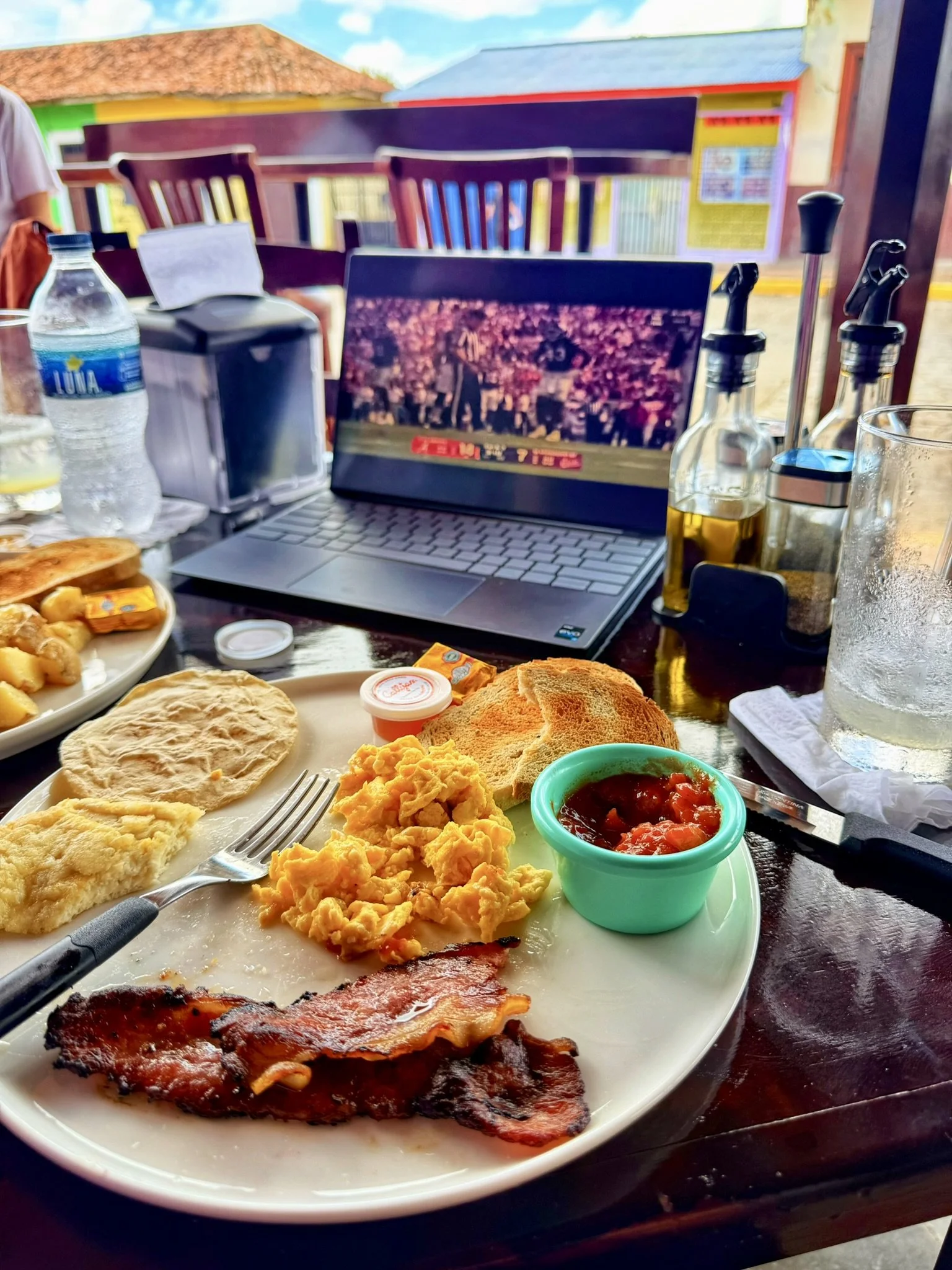
Strong Wi-Fi.
Which meant we could stream the Alabama game at 10 a.m. while eating breakfast; and return the next day for a full day of NFL on the big screens.
Granada: A Colorful Facade and Personality
After spending 10 days here, I’m not sure I would describe Granada as polished.
There are beautiful buildings alongside crumbling ones. There are streets that feel charming and others where we’d be cautious after dark. There are hidden courtyards behind plain walls, little pulperías operating through barred windows, cattle ranches outside the city, cigars and rum, political rallies, religious celebrations, baseball, volcanoes, and an enormous lake.
It can feel a little third-world at times, and Nicaragua clearly hasn’t been shaped entirely around making tourists comfortable.
But maybe that’s why Granada has been so interesting. We’re seeing a city that is still very much itself!