Boquete: Geisha Coffee, Hot Flashes & the Expat Life
We surprisingly thought we didn’t have a ton to share about Boquete, Panama…but somehow, a random collection of experiences below!
For travelers, Boquete is best known for hiking around volcanoes and waterfalls, adventure sports, and—of course—those famous Geisha coffee plantations.
For expats, however, the appeal seems to be a little different. And there are a lot of expats. The first question we were asked more than once was, “Do you live here?”
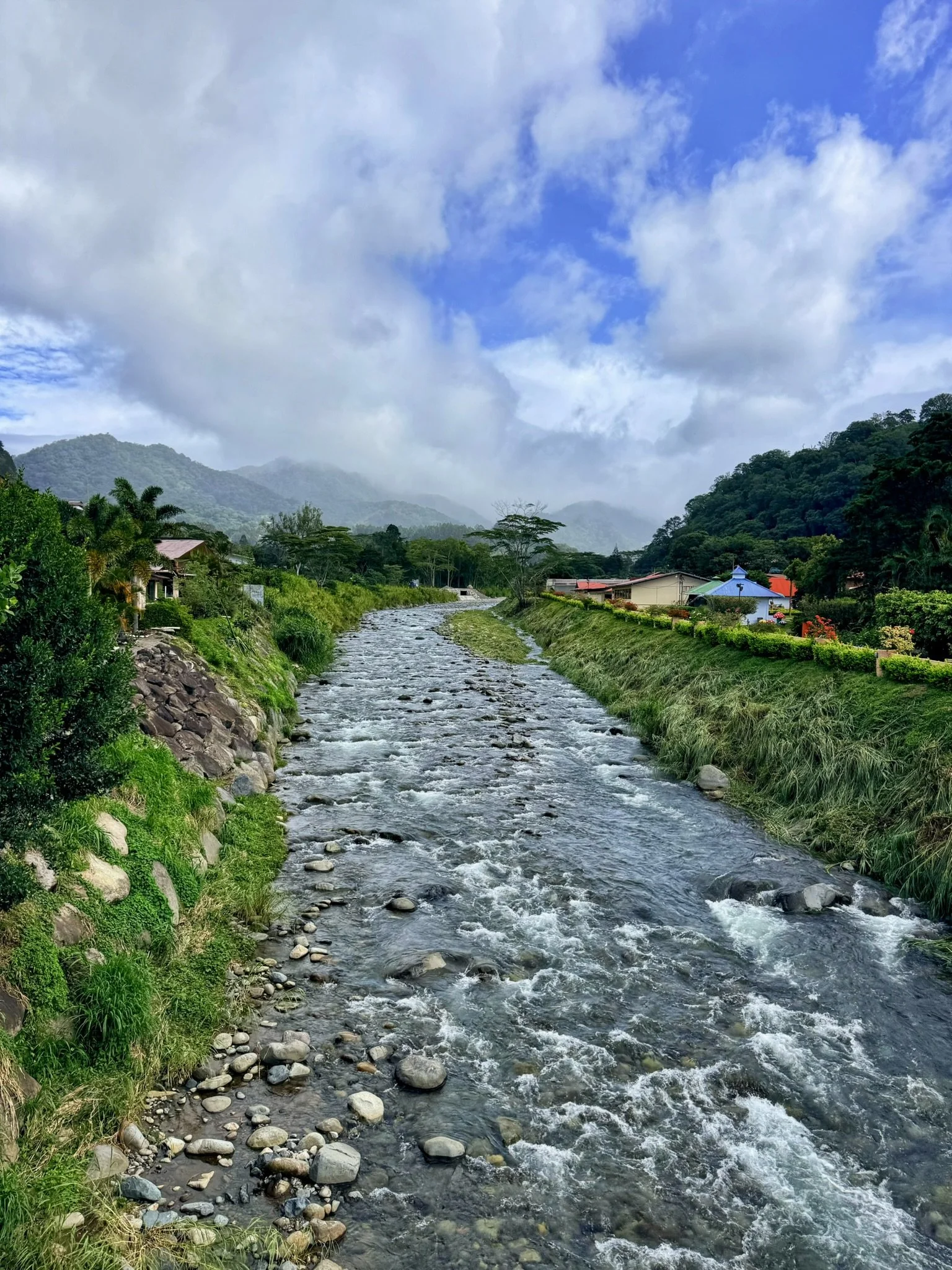
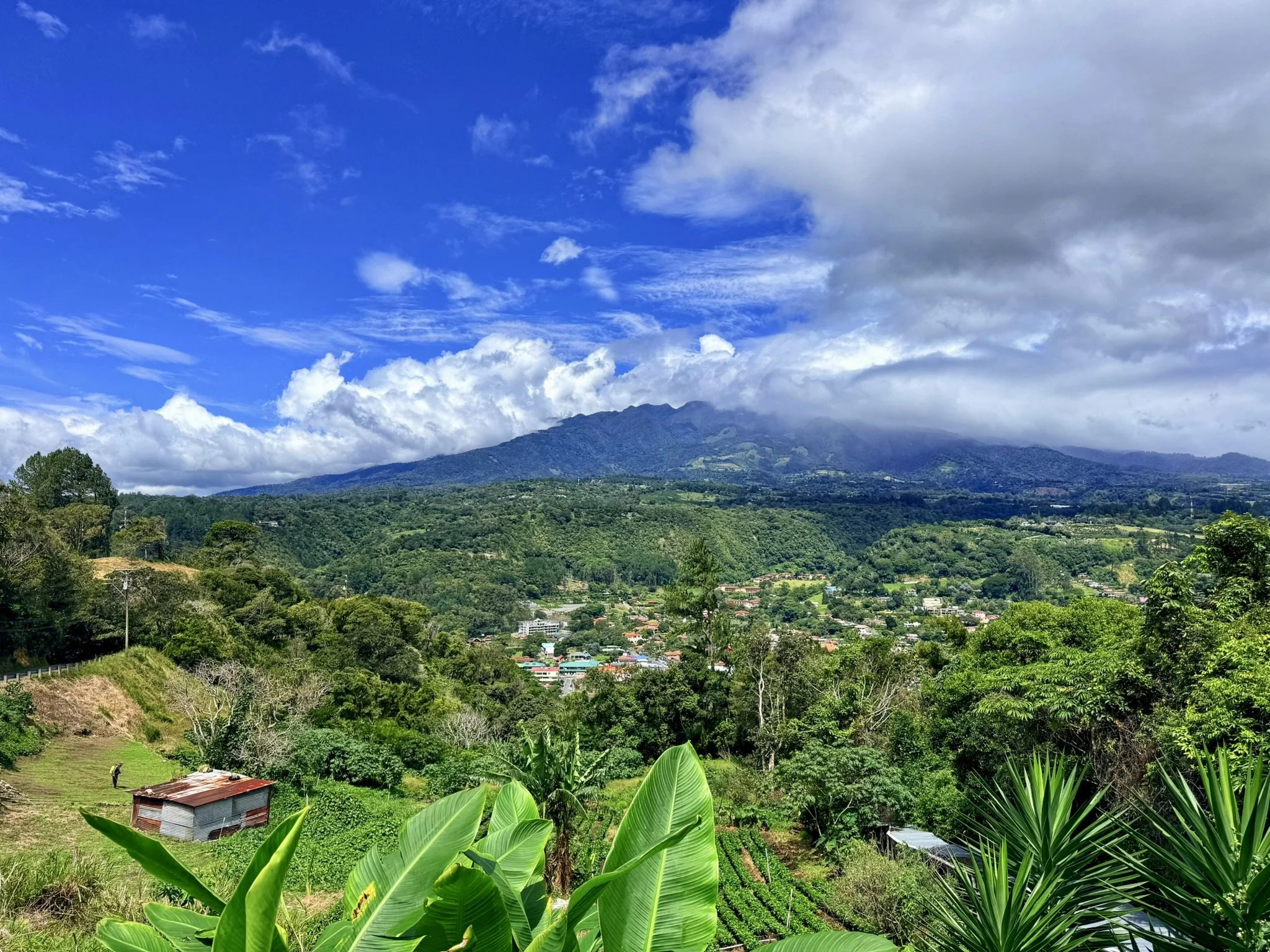
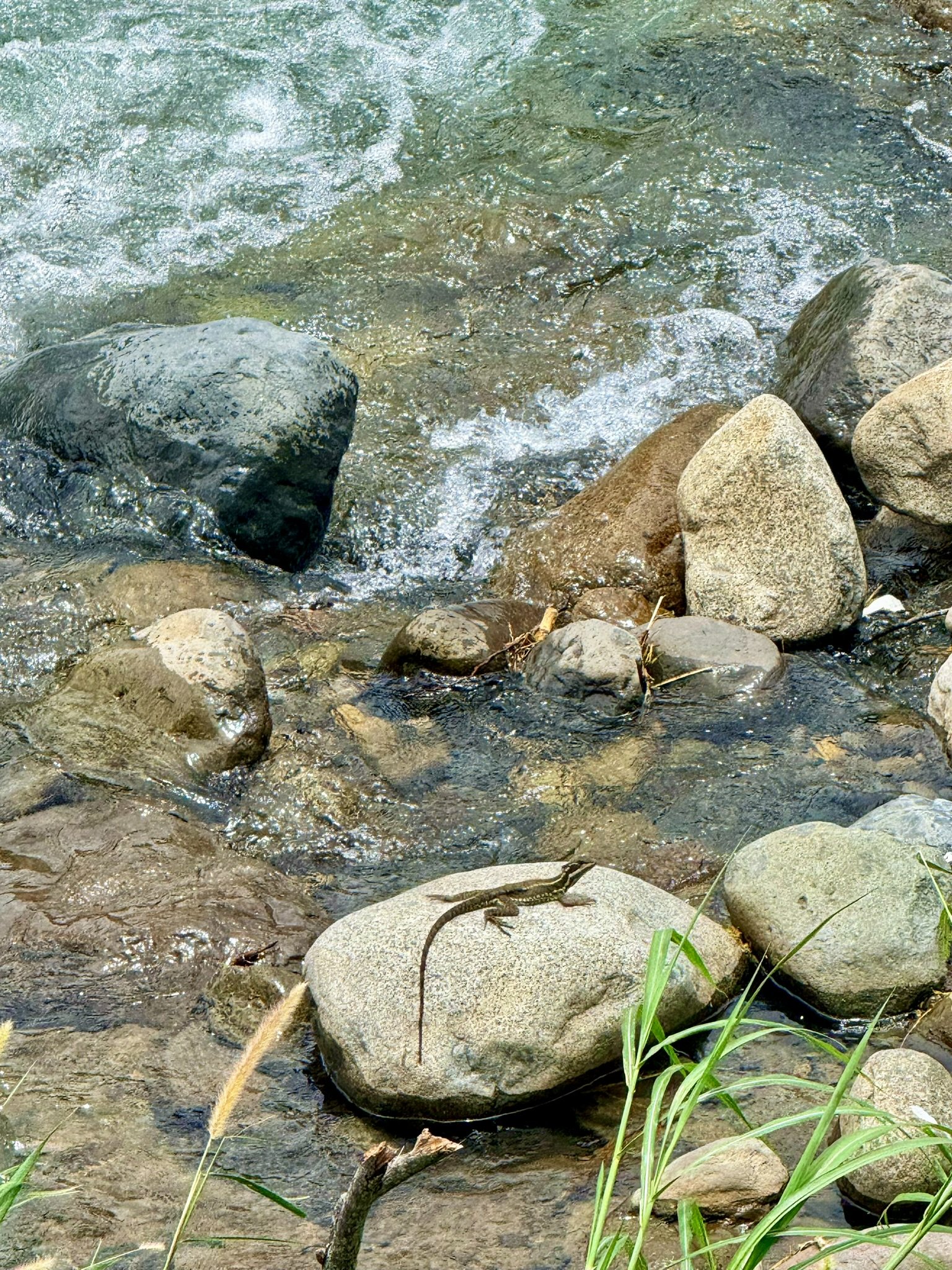
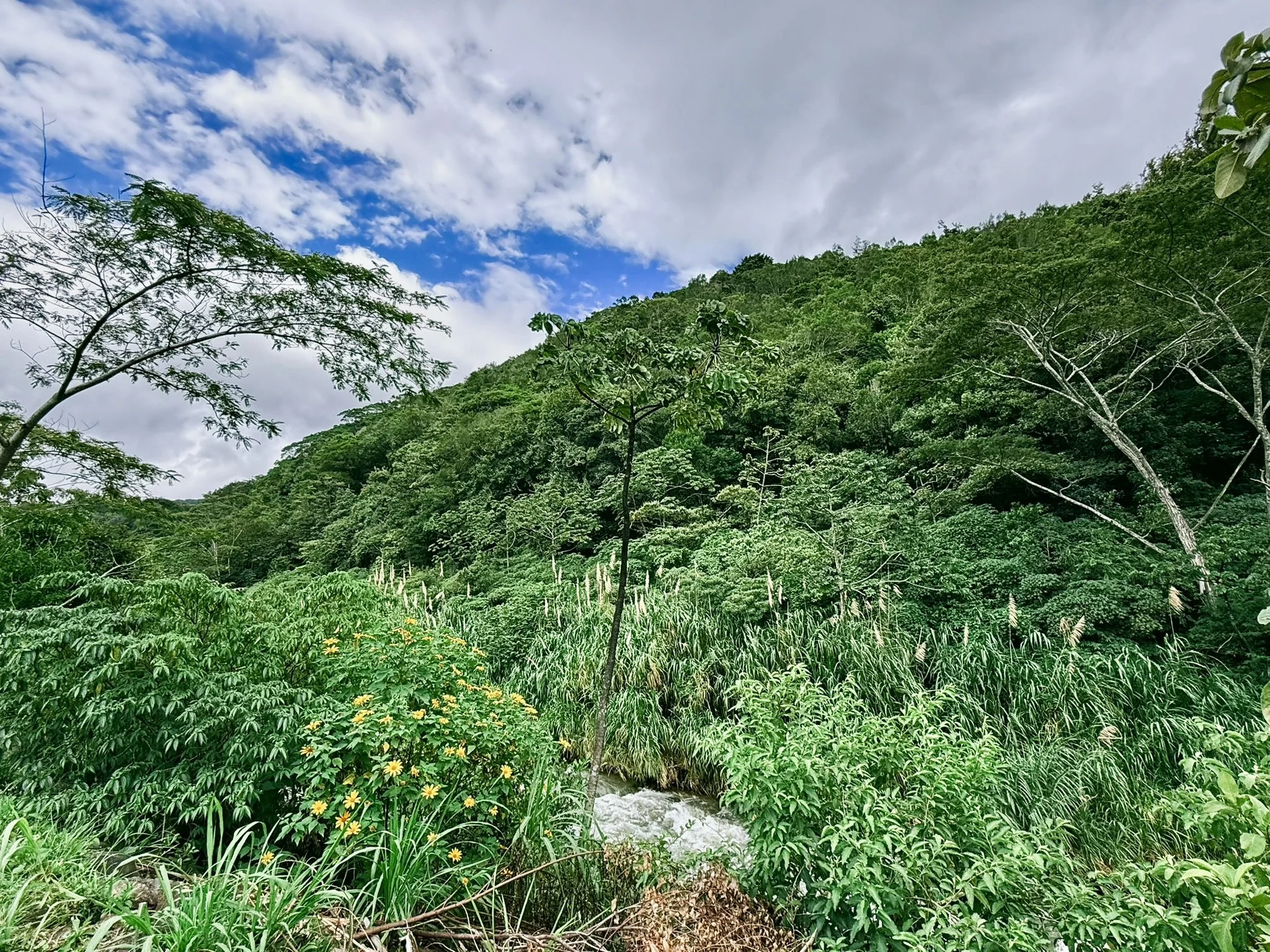
It’s easy to see why people settle in Boquete. Tucked into Panama’s tropical highlands at the base of Volcán Barú, the town enjoys cooler temperatures, year-round greenery, and a steady breeze along the Caldera River. The surrounding volcanic soil is also incredibly fertile, making this region Panama’s agricultural “salad bowl,” producing much of the country’s fruits and vegetables.
No, We Did Not Climb the Volcano at 2 A.M.
We only had a few days in Boquete, and no, we did not do the grueling Volcán Barú sunrise hike that requires leaving around 2 a.m. We have limits.
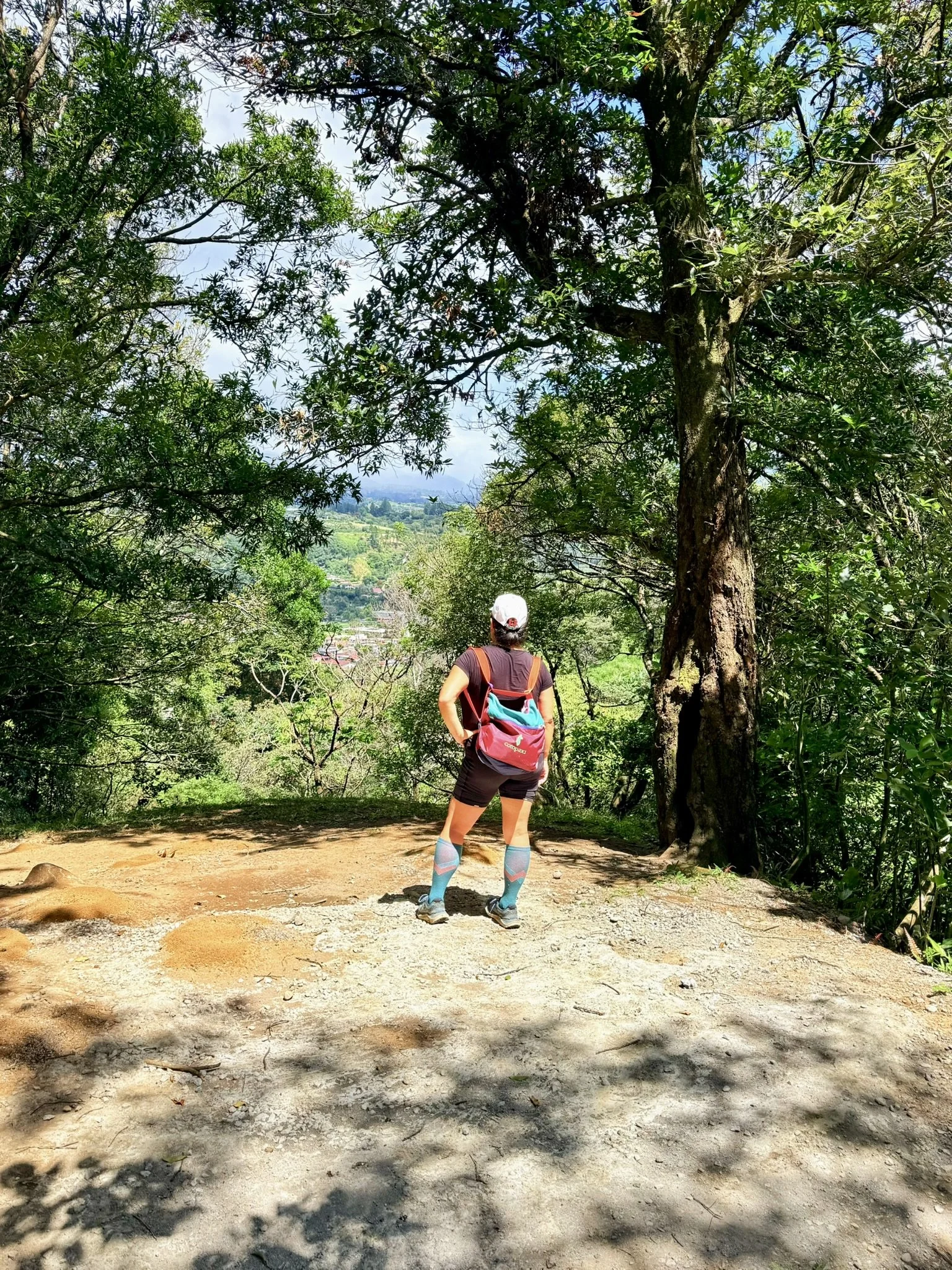
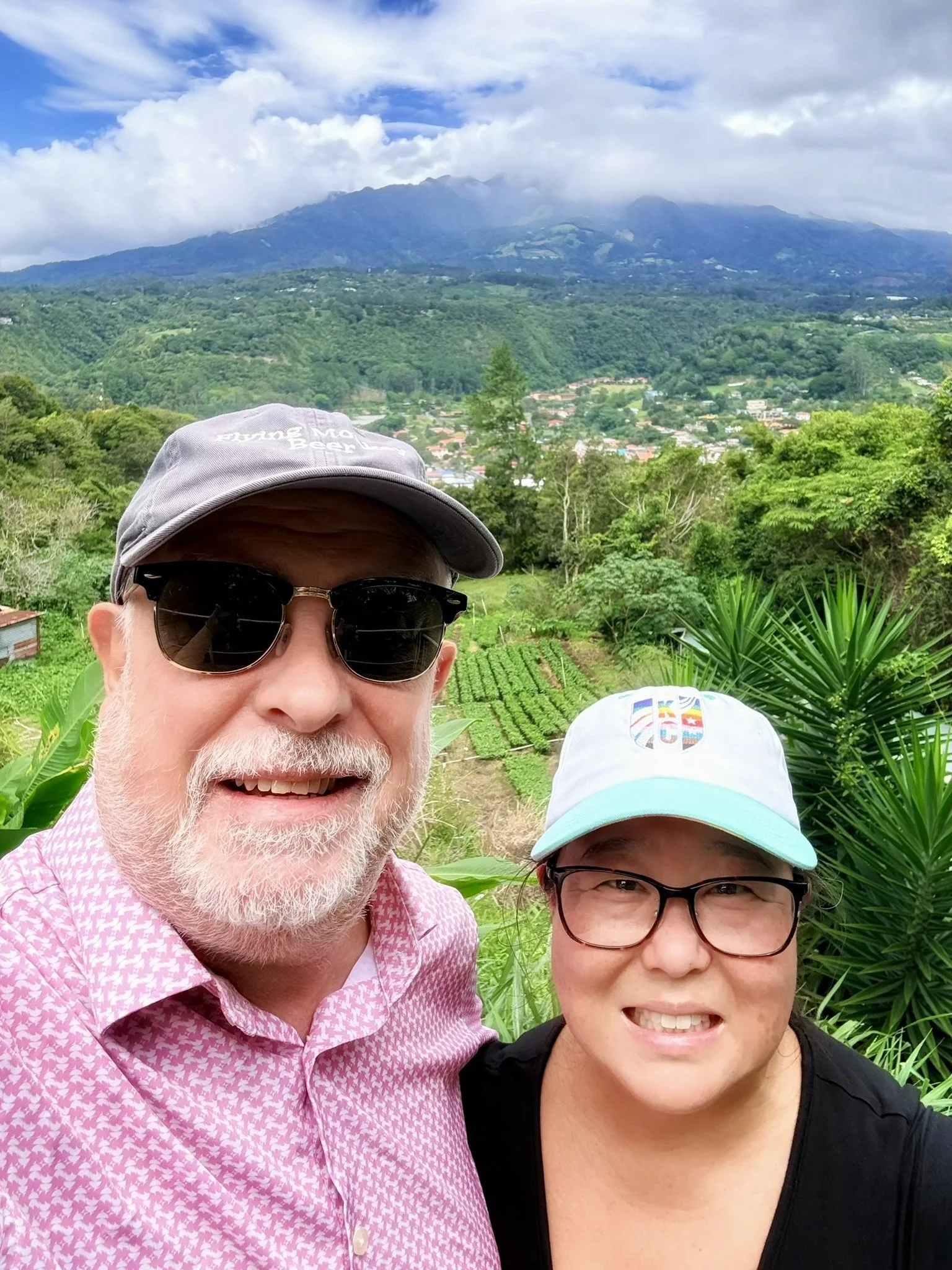
Instead, we explored a couple of trails from town and got occasional glimpses of the cloud-covered summit of Volcán Barú. Close enough for us.
We also attempted to visit a Geisha coffee plantation. Our host arranged a tour for us, but apparently the tour company forgot that we existed. After waiting an hour and a half for our pickup, we finally aborted Mission Coffee Plantation.
Fortunately, Boquete has no shortage of coffeehouses, so we consoled ourselves with a Geisha coffee tasting in town.
Geisha Coffee: Definitely Not the Geisha You’re Thinking Of
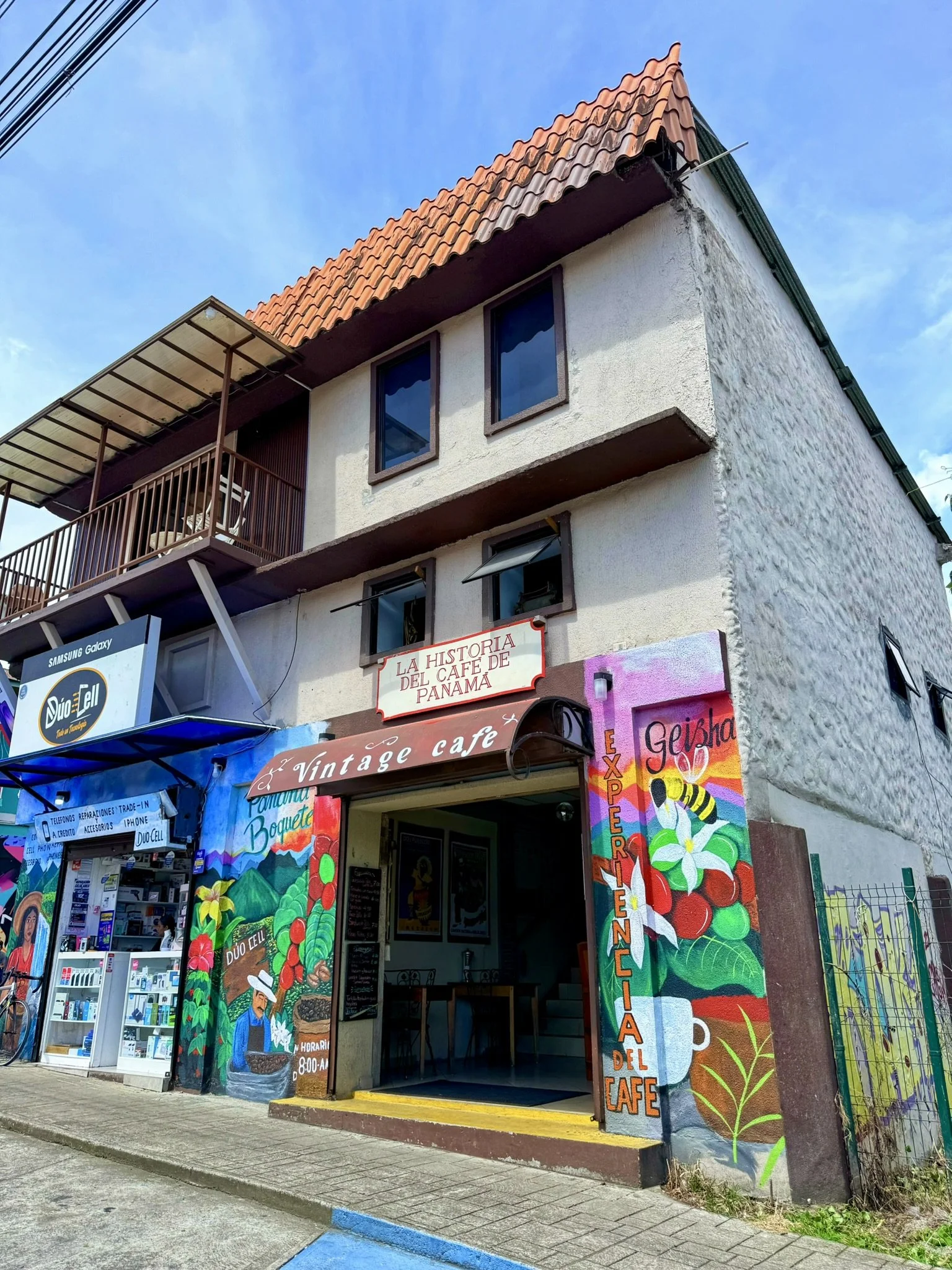
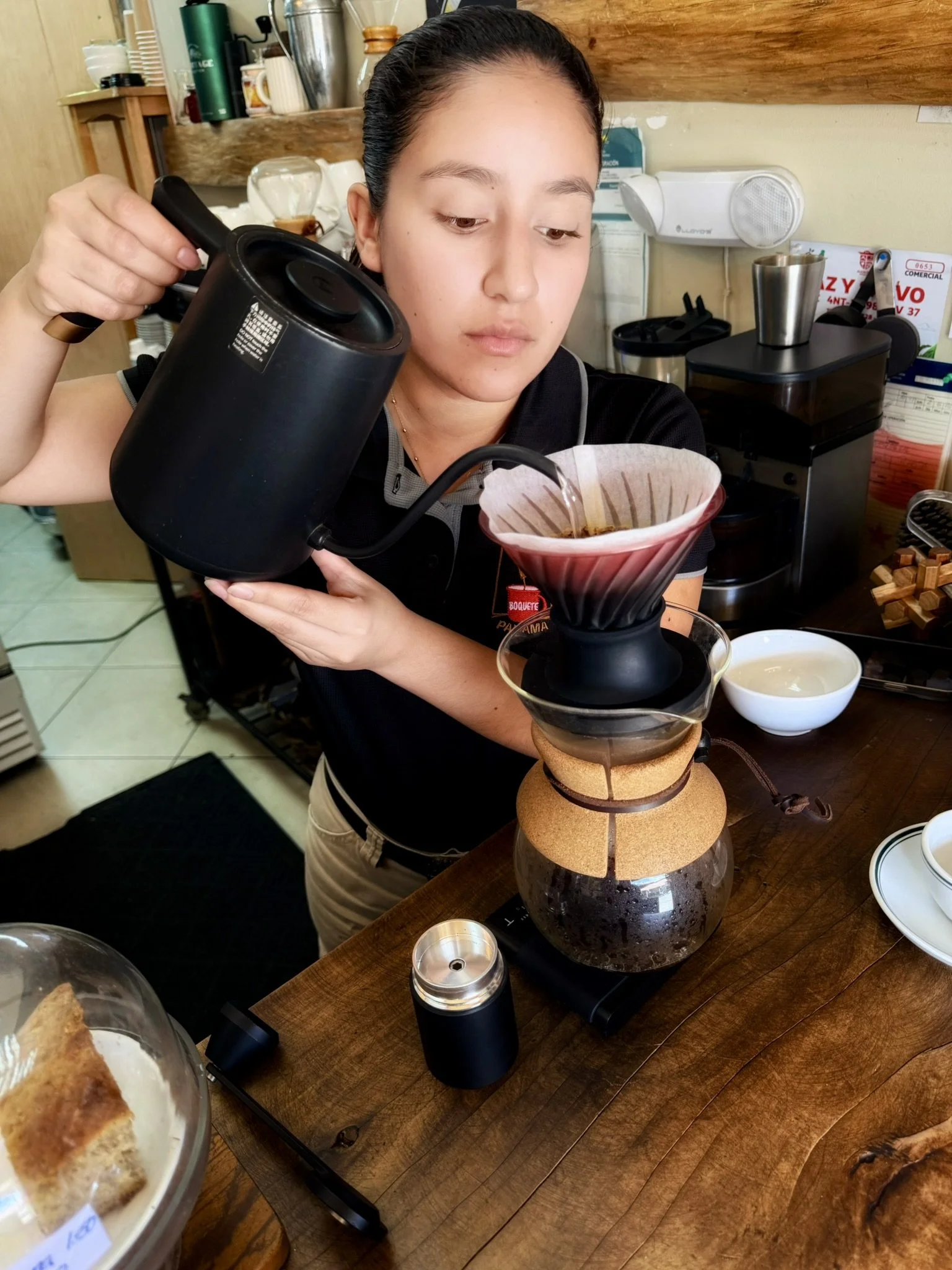
First things first: Geisha coffee has nothing to do with the geisha women of Kyoto.
The coffee variety actually originated in Ethiopia, in the Gesha region. Seeds eventually made their way to Panama in the 1960s, where the plants were valued for their resistance to coffee leaf rust—but not much else. The trees were fragile, produced low yields, and were generally considered more trouble than they were worth.
That changed when the Peterson family of Hacienda La Esmeralda isolated some of the unusual trees and tasted the beans on their own. The coffee had an entirely different flavor profile—floral, citrusy, and almost tea-like. After winning big at the 2004 Best of Panama competition, Geisha coffee went from overlooked agricultural oddity to international coffee superstar.
Today, Panamanian Geisha is considered one of the world’s most prestigious—and expensive—specialty coffees.
And it really is different. Instead of the familiar chocolate, caramel, and nutty flavors found in many coffees, Geisha is delicate and intensely aromatic, with flavors often compared to jasmine, citrus, tropical fruit, fine tea, or even white wine.
Was it good? Definitely milder and tasted tea-like.
Was it worth the price? Let’s just say we’re glad this was a tasting and not our new daily coffee habit.
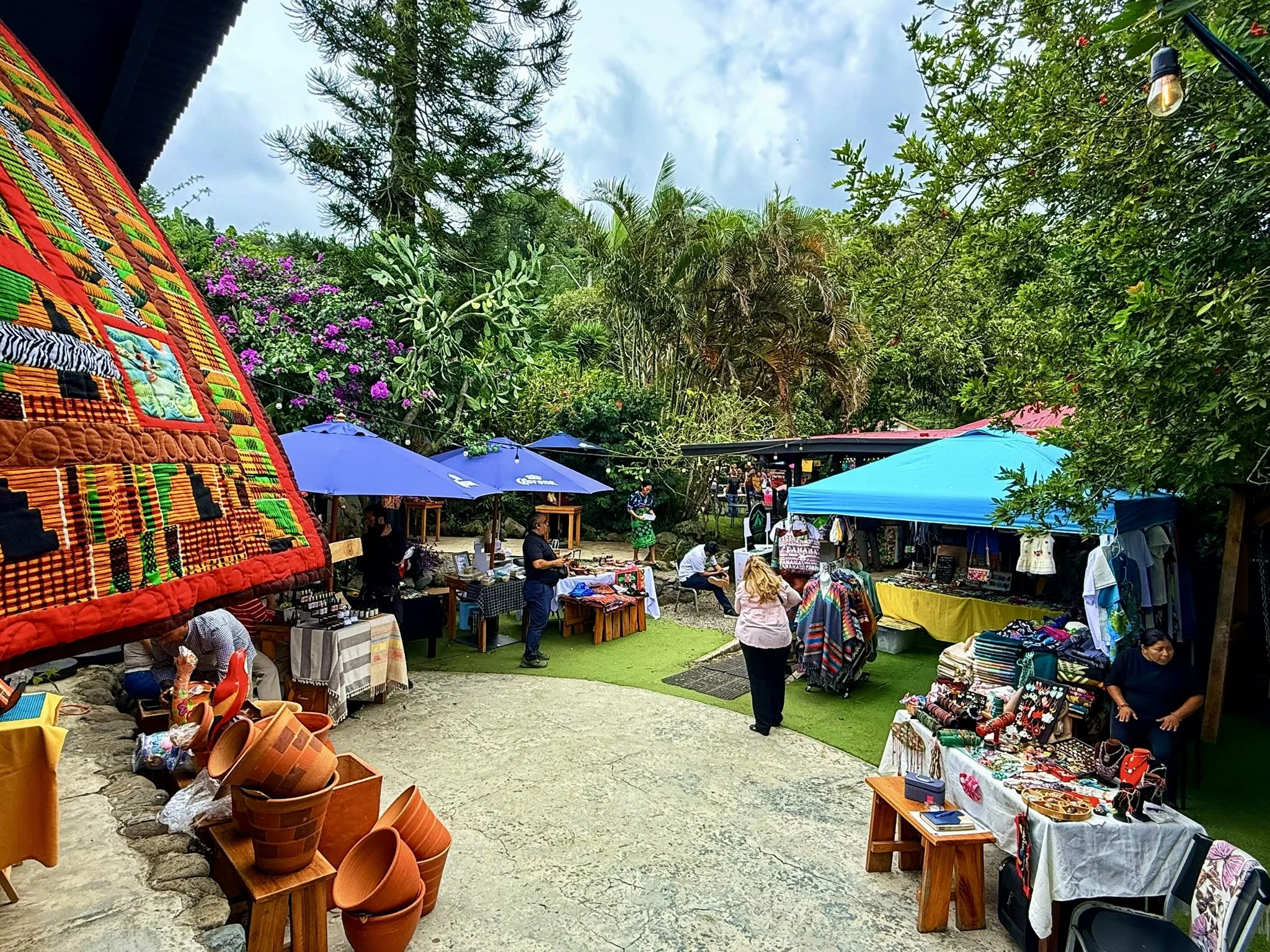
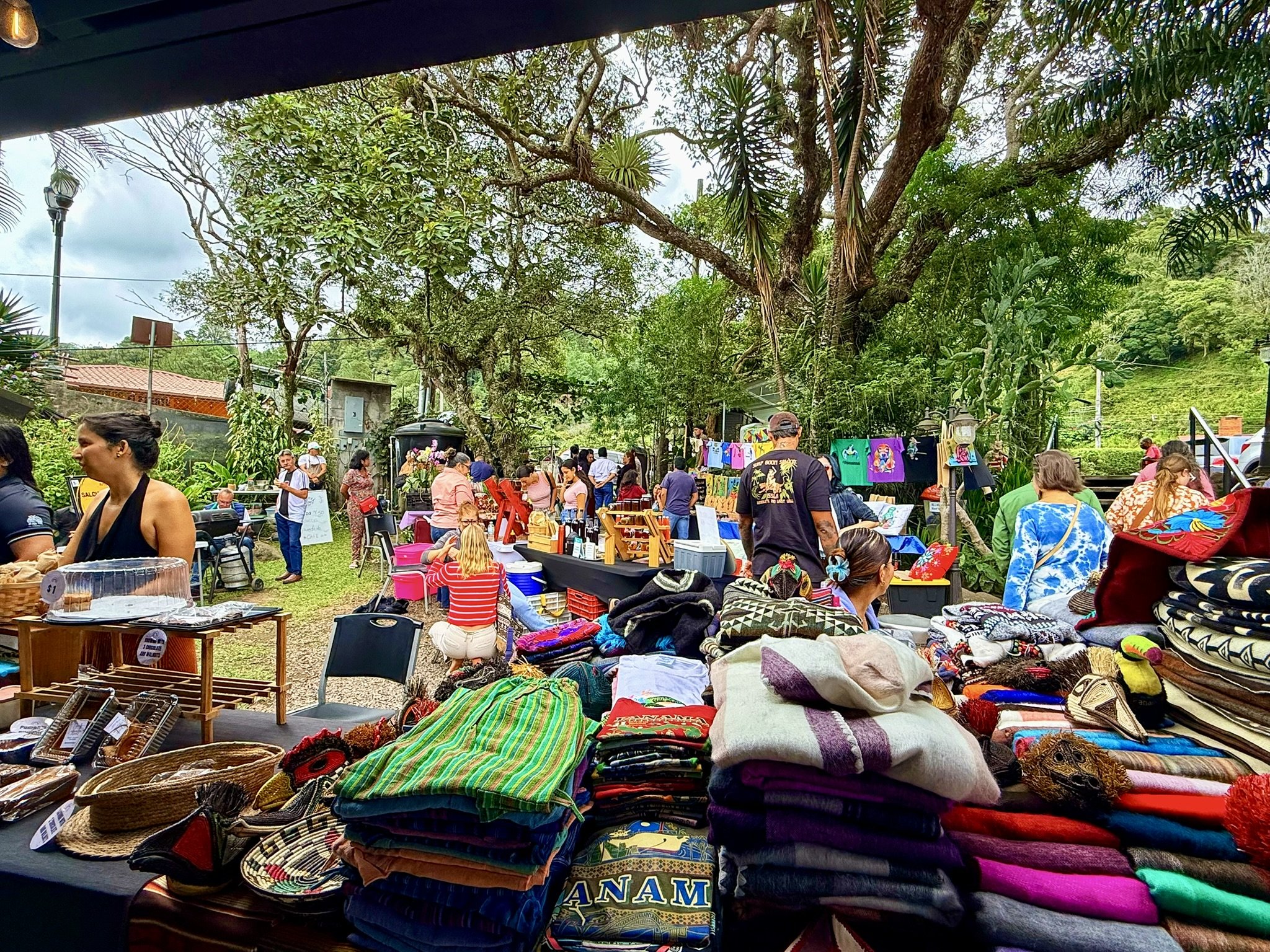
A Little Walk Around Town
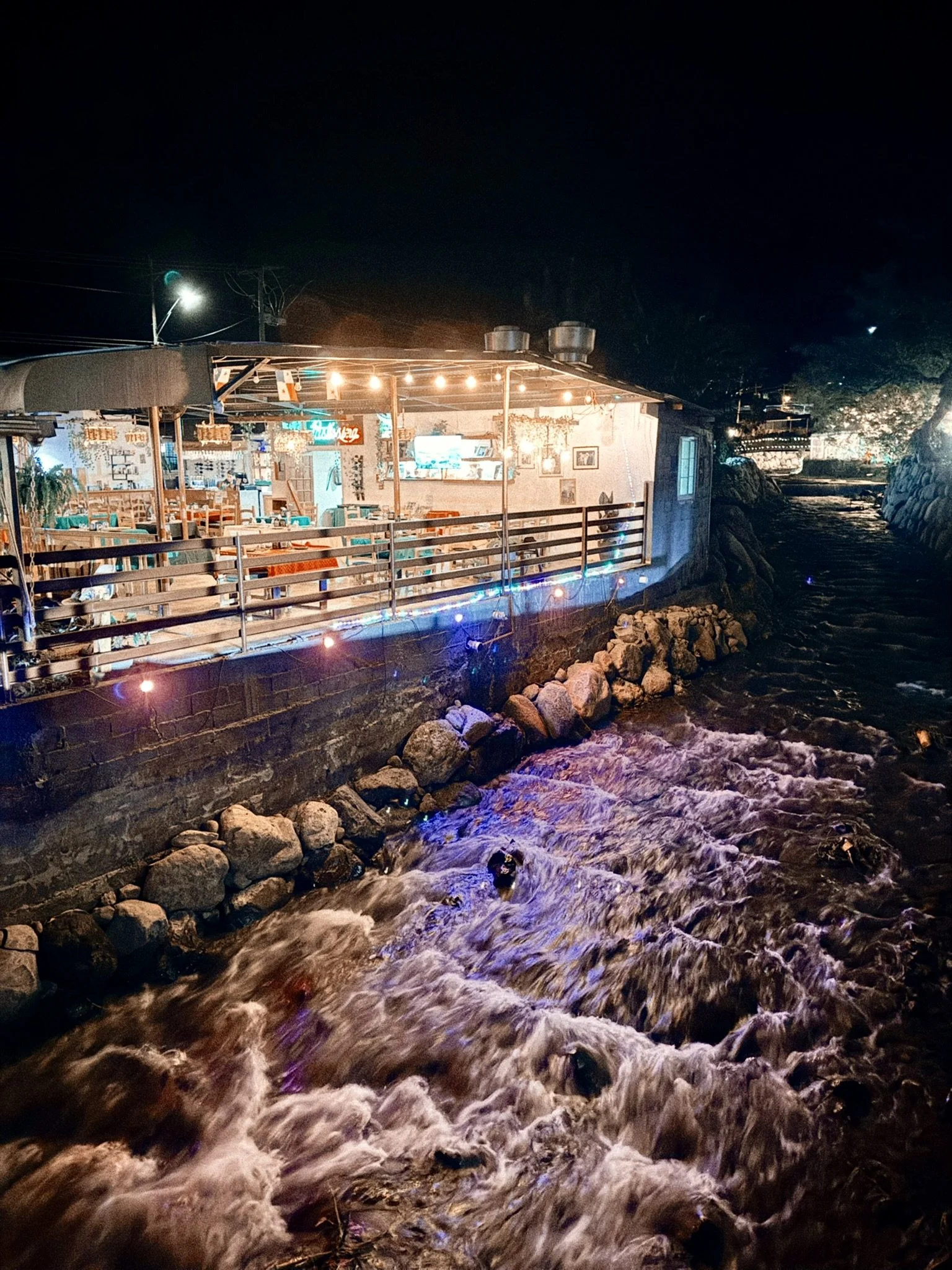
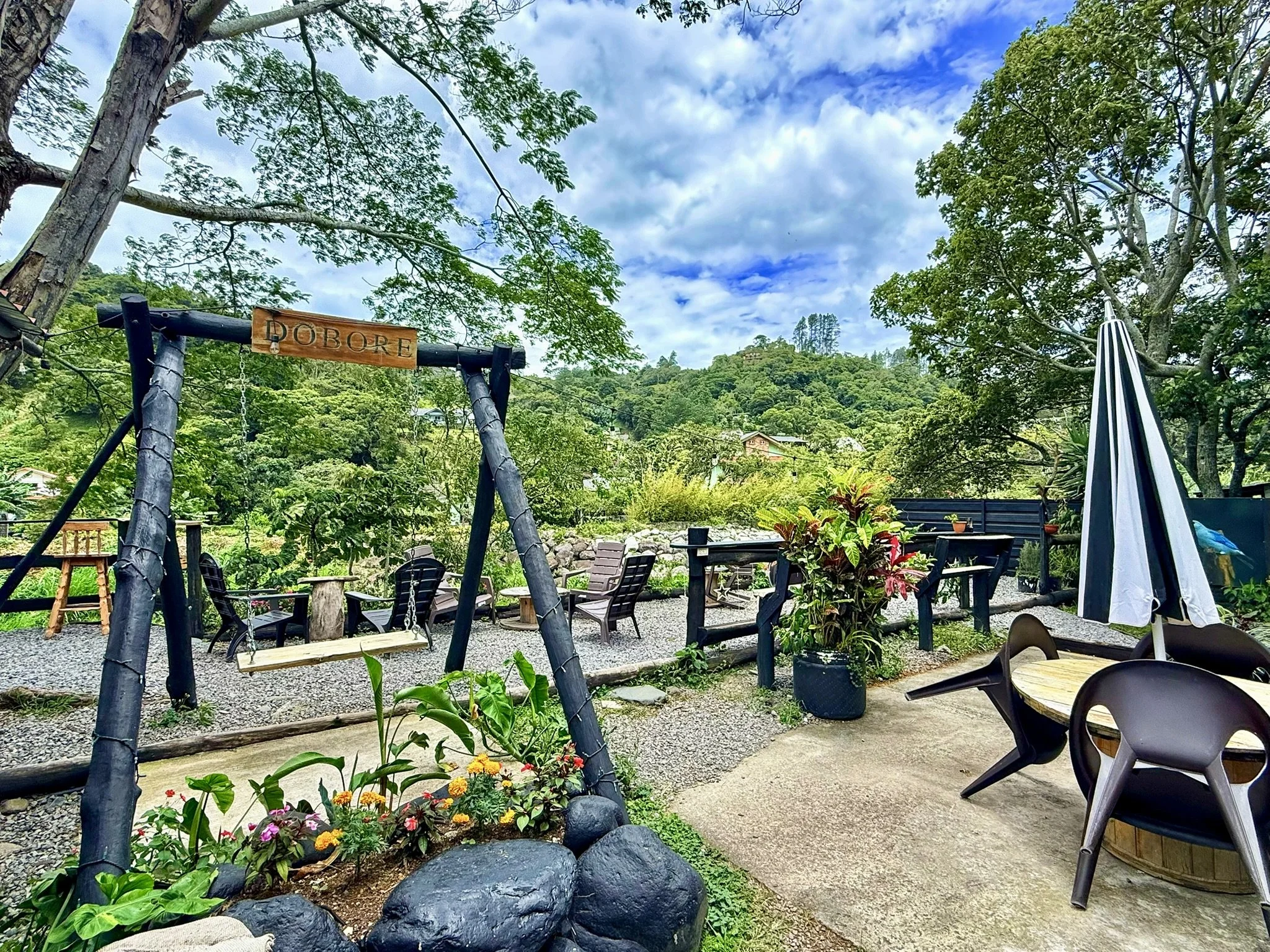
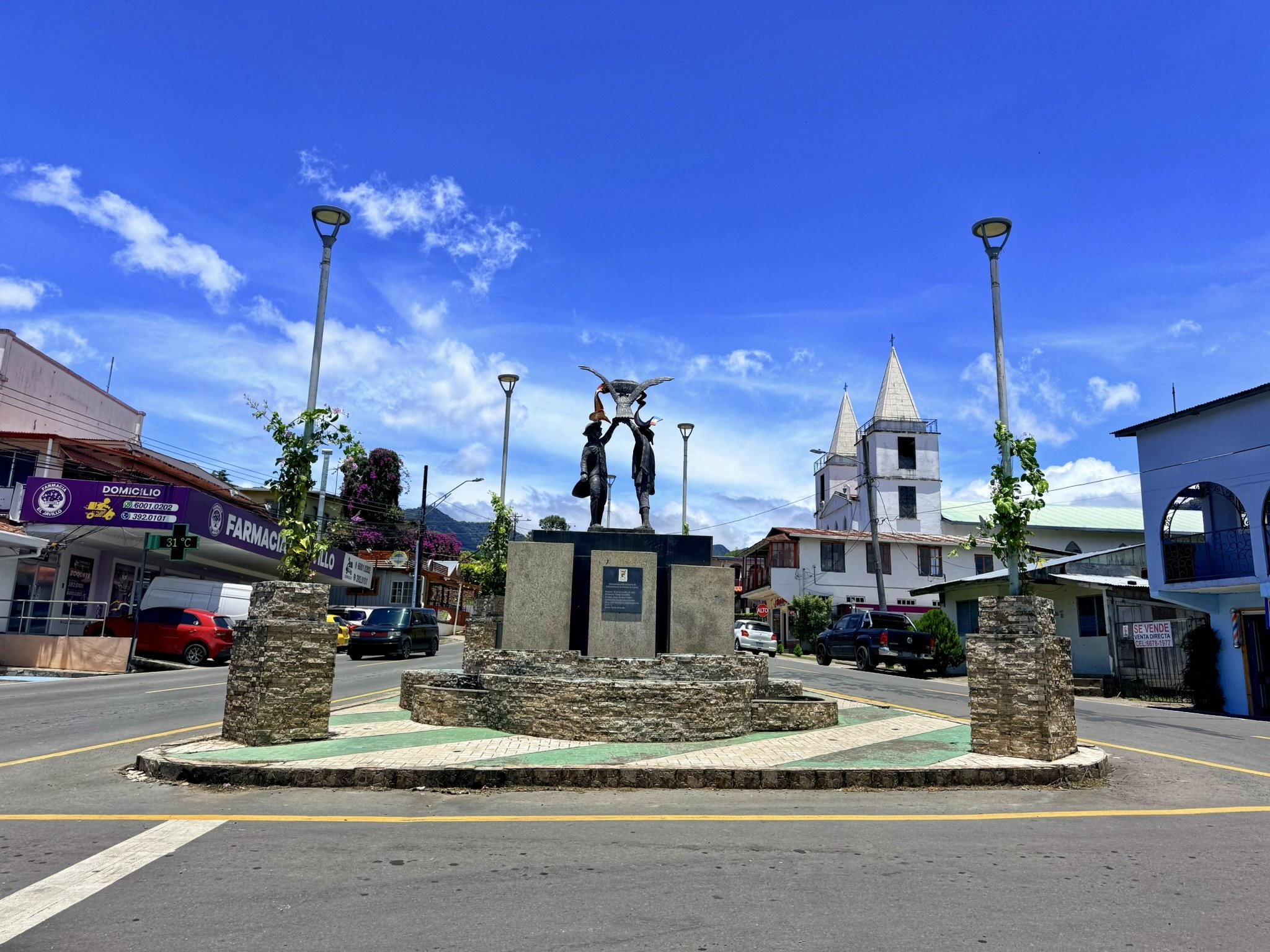
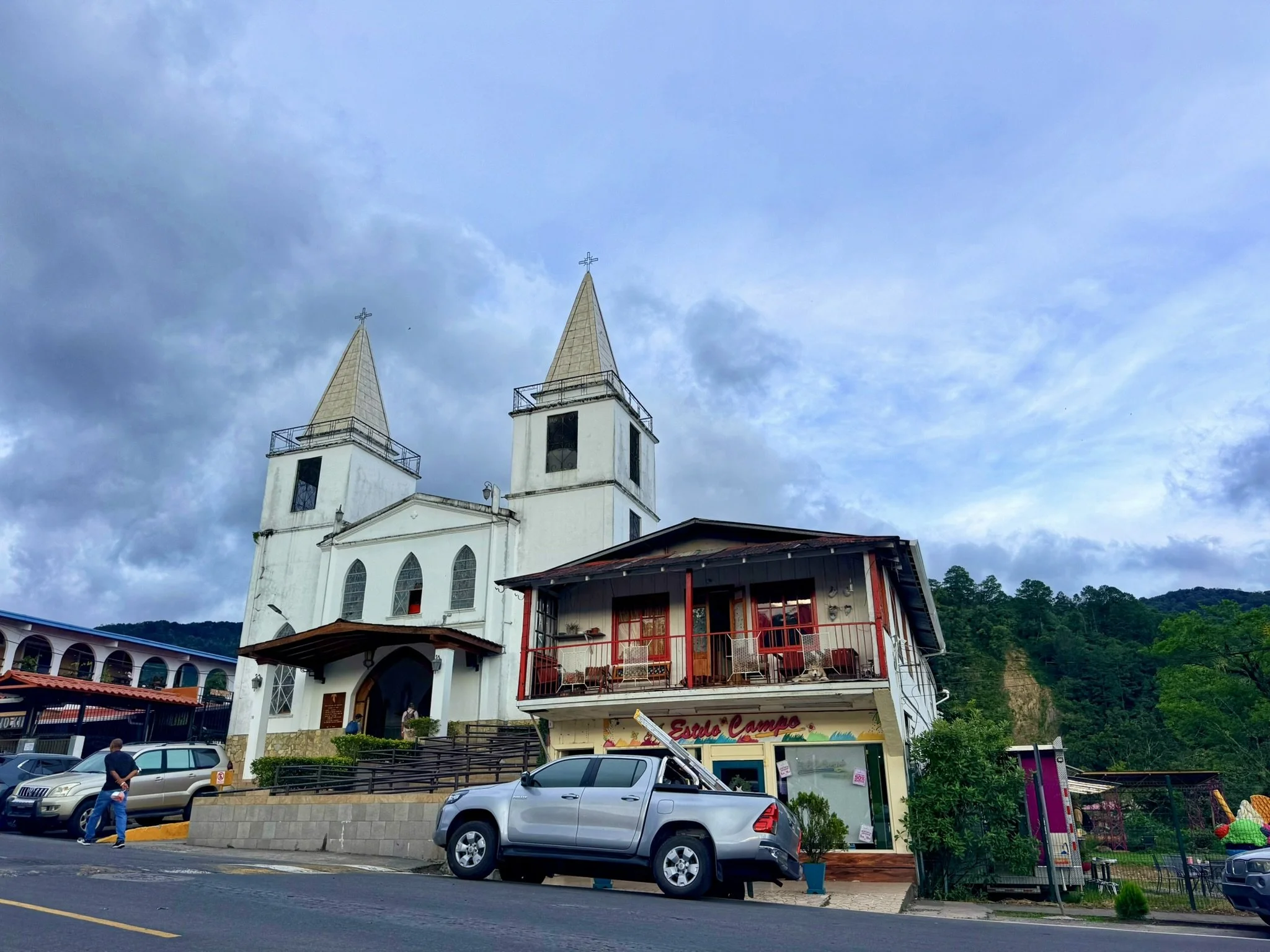
Most of our time in Boquete was spent simply walking around town and getting a feel for everyday life.
The vibe is small-town and friendly, with people readily striking up conversations. At the same time, Boquete has plenty of the conveniences that make it particularly comfortable for American expats.
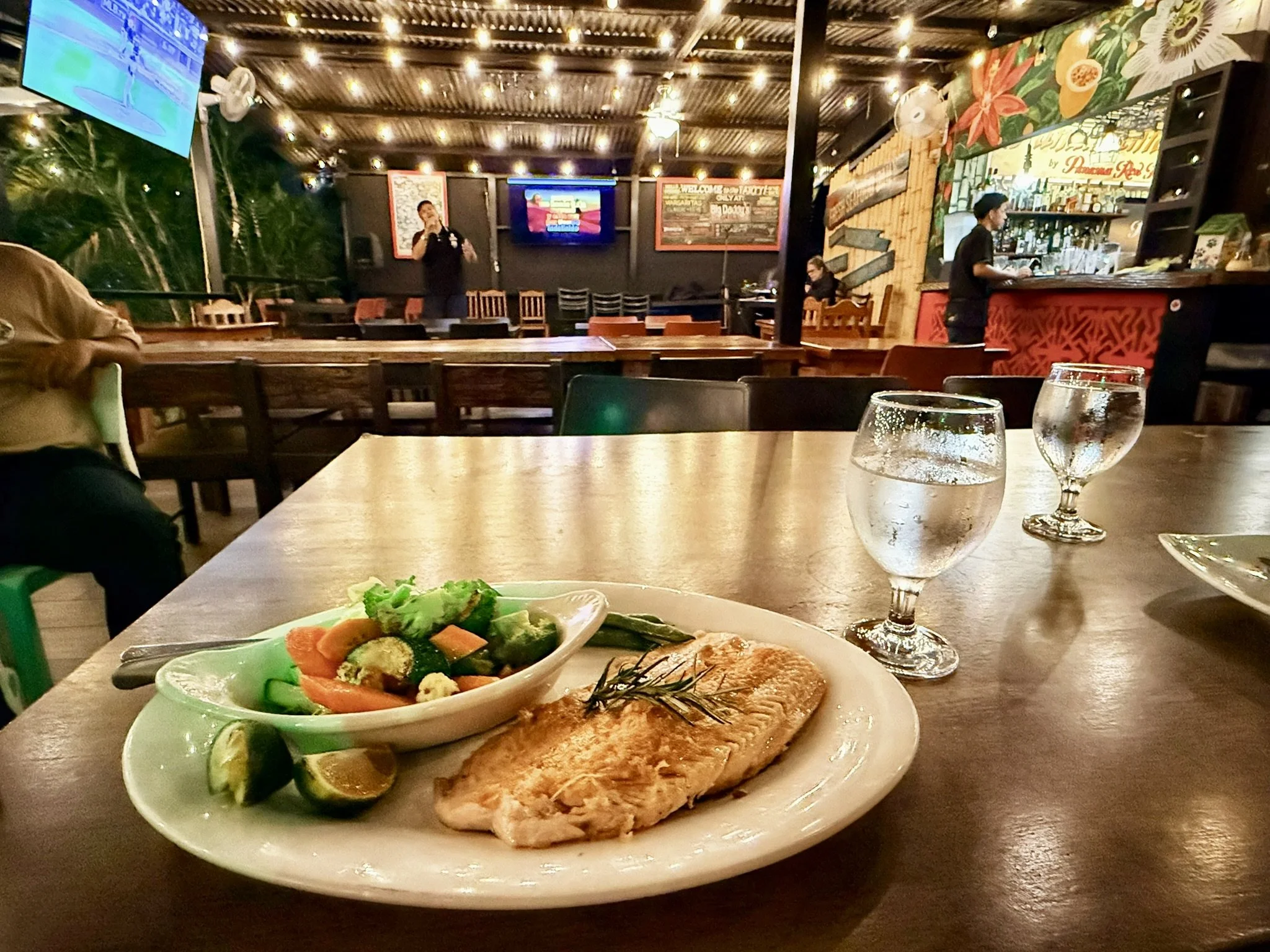
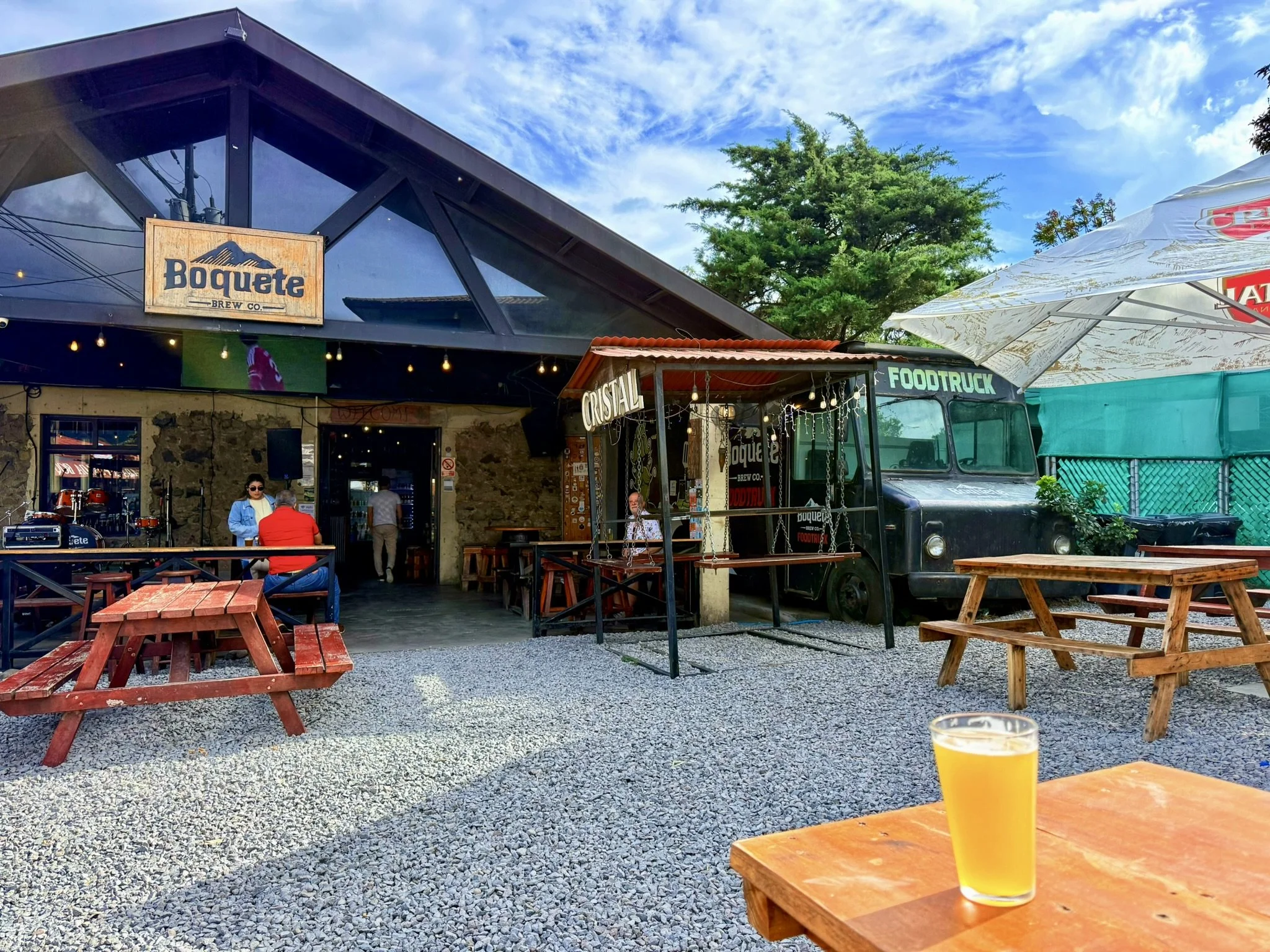
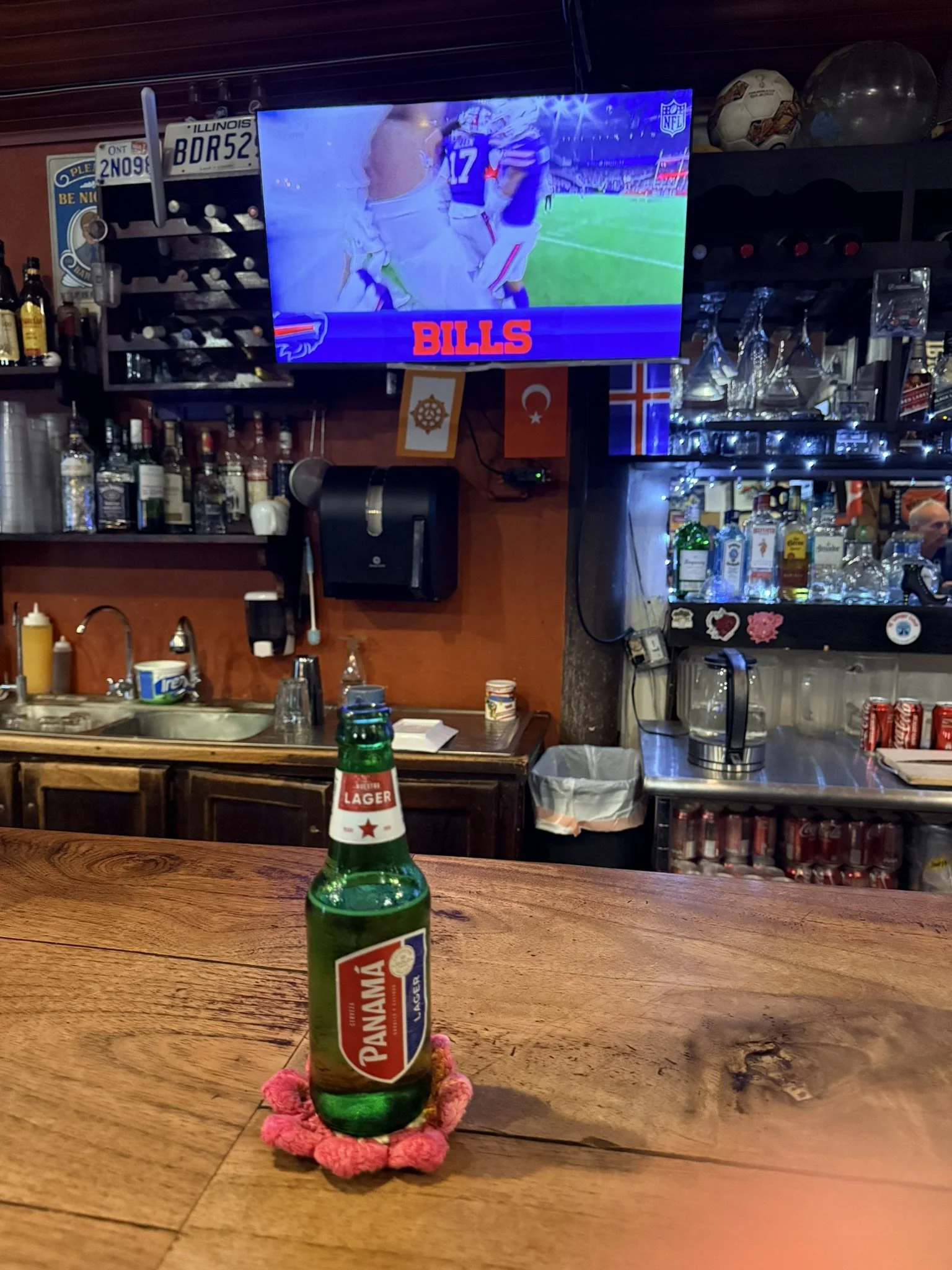
NFL football was playing on restaurant and sports-bar TVs. We stumbled onto karaoke night, complete with plenty of American songs. There was a brewery serving excellent craft beer, Taqueria Tuesdays (basically Taco Tuesday with a Panamanian twist), and enough restaurants, shops, and entertainment to keep things interesting.
There are even businesses specifically geared toward Americans. Mail Boxes Etc., for example, offers services such as U.S. mail handling and assistance with things like passport renewals.
Clearly, Boquete has figured out its expat market.
About That “Cool” Weather…
One of Boquete’s biggest selling points is its climate. Compared with the hot, humid lowlands of Panama, the highlands are noticeably cooler, with a constant breeze that often means air conditioning isn’t necessary.
But there’s a little fine print.
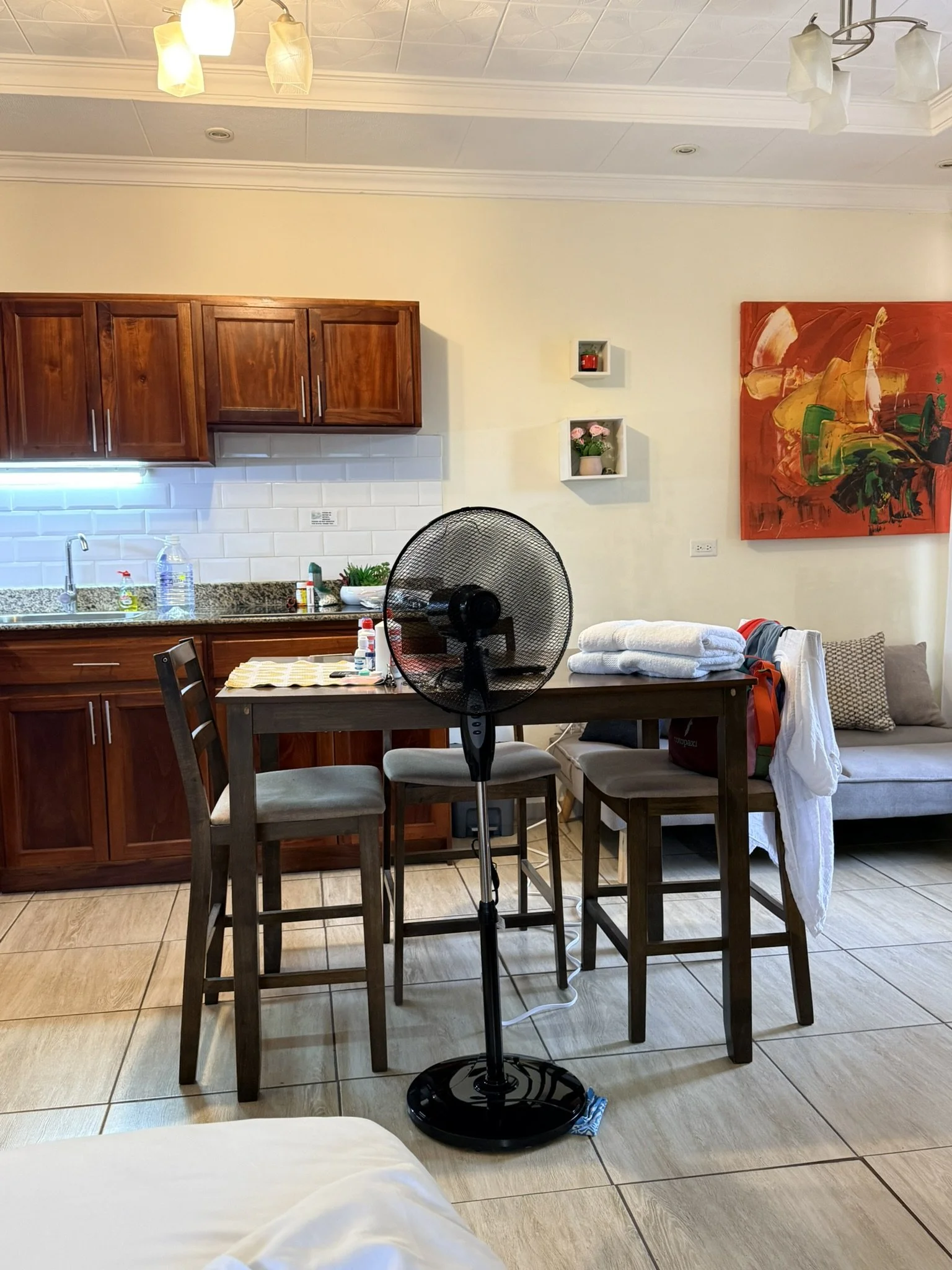
We were there in September, and “cooler” still meant around 80 degrees and humid during the day. And if that famous breeze doesn’t make its way through your windows—as was the case with our B&B—you can quickly find yourself living inside a stuffy little hot box.
Add hot flashes to the equation, and suddenly 80 degrees feels considerably less refreshing.
Our best investment in Boquete was an upright FAN from the local hardware store. Not glamorous, but absolutely essential.
We quickly learned that in Boquete, the weather feels much better outside than it does inside.
If we return, we’ll pay much more attention to airflow when choosing a place to stay. Windows that actually catch the breeze? Non-negotiable.
Eating Our Way Through Boquete
We also got to experience both ends of the Panamanian food spectrum.
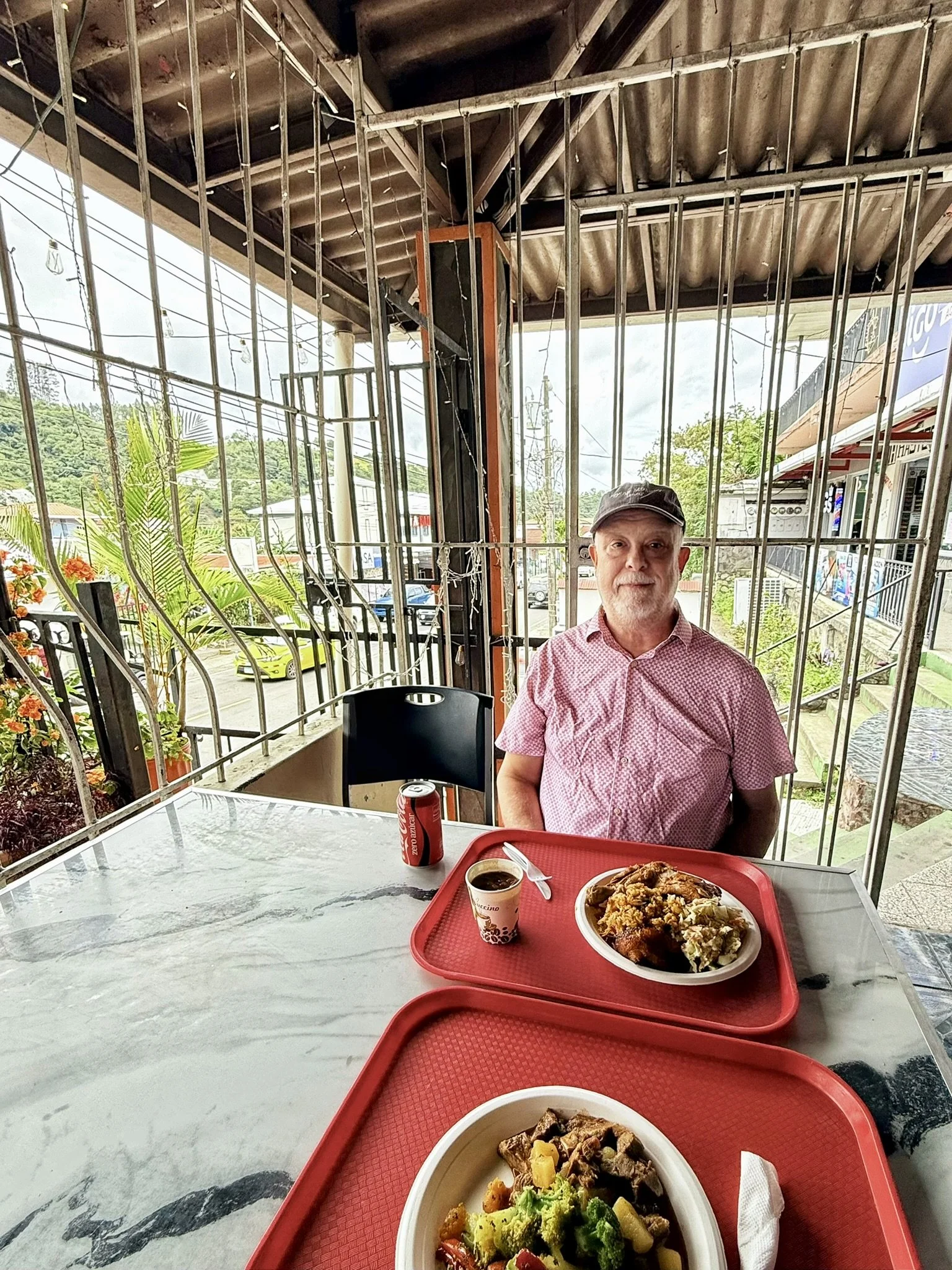
For the casual, everyday side, we became regulars at the cafeteria-style Restaurante El Sabrosón #3, where we went several times for hearty local meals for $12 total for both of us.
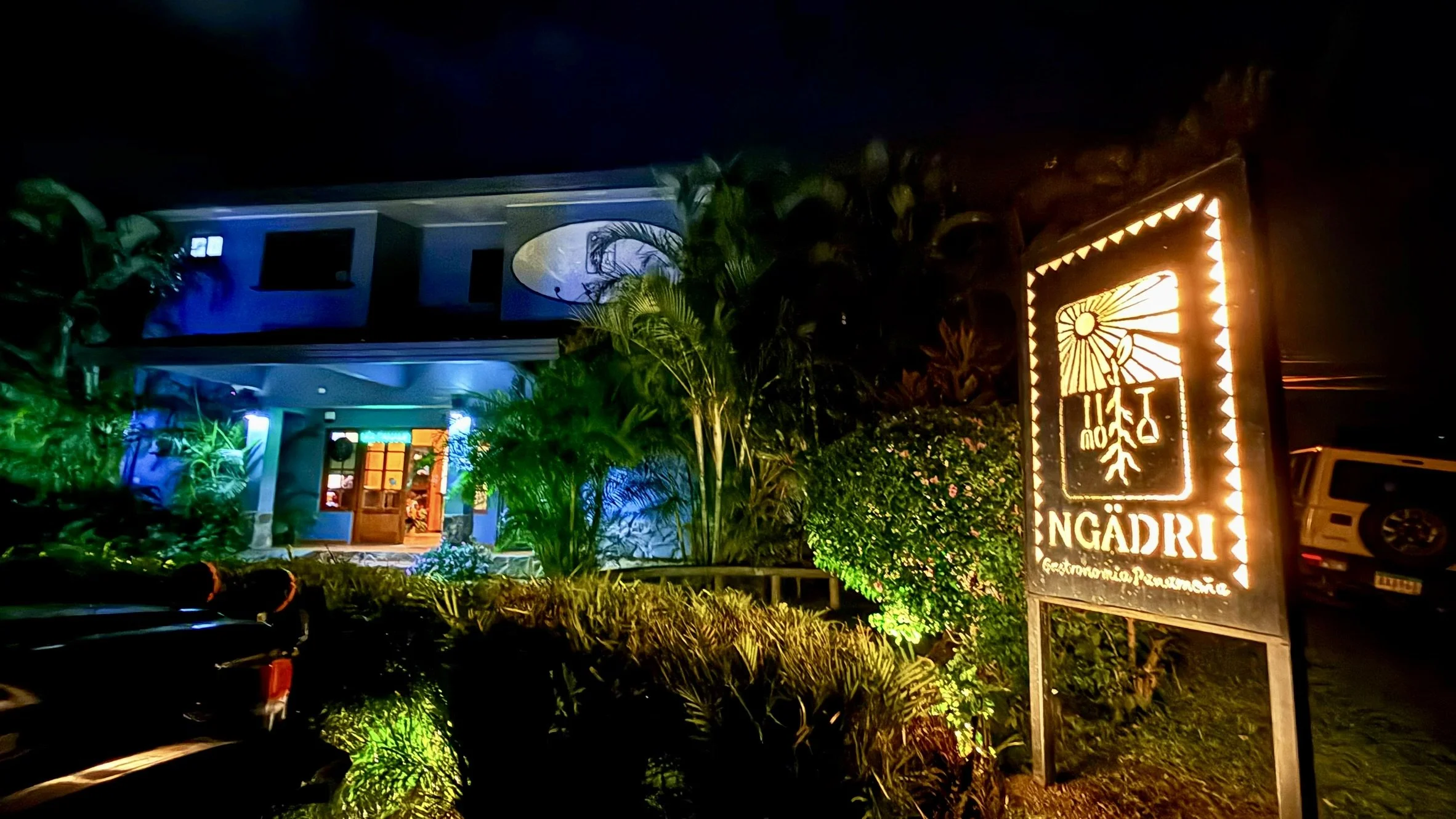
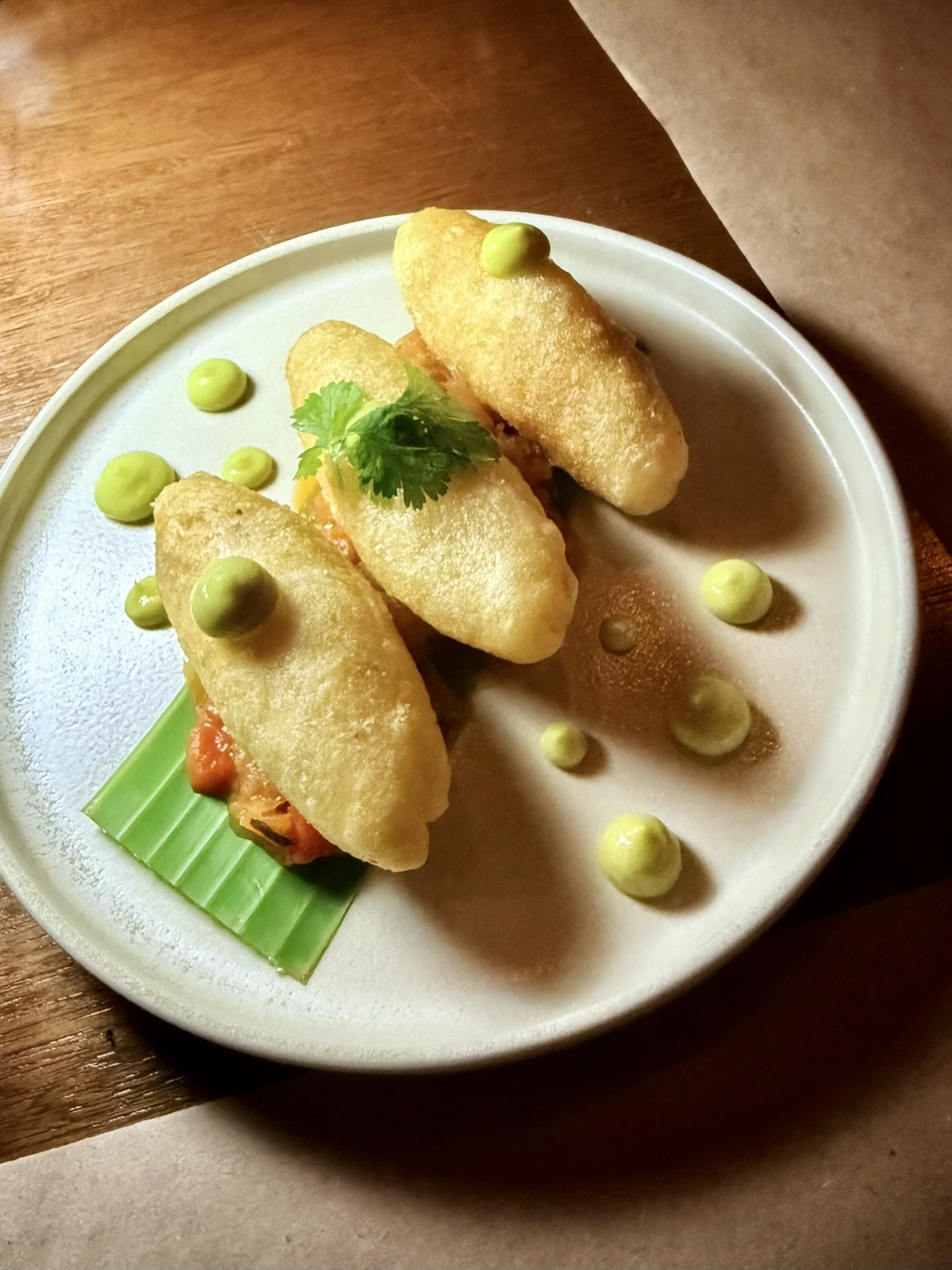
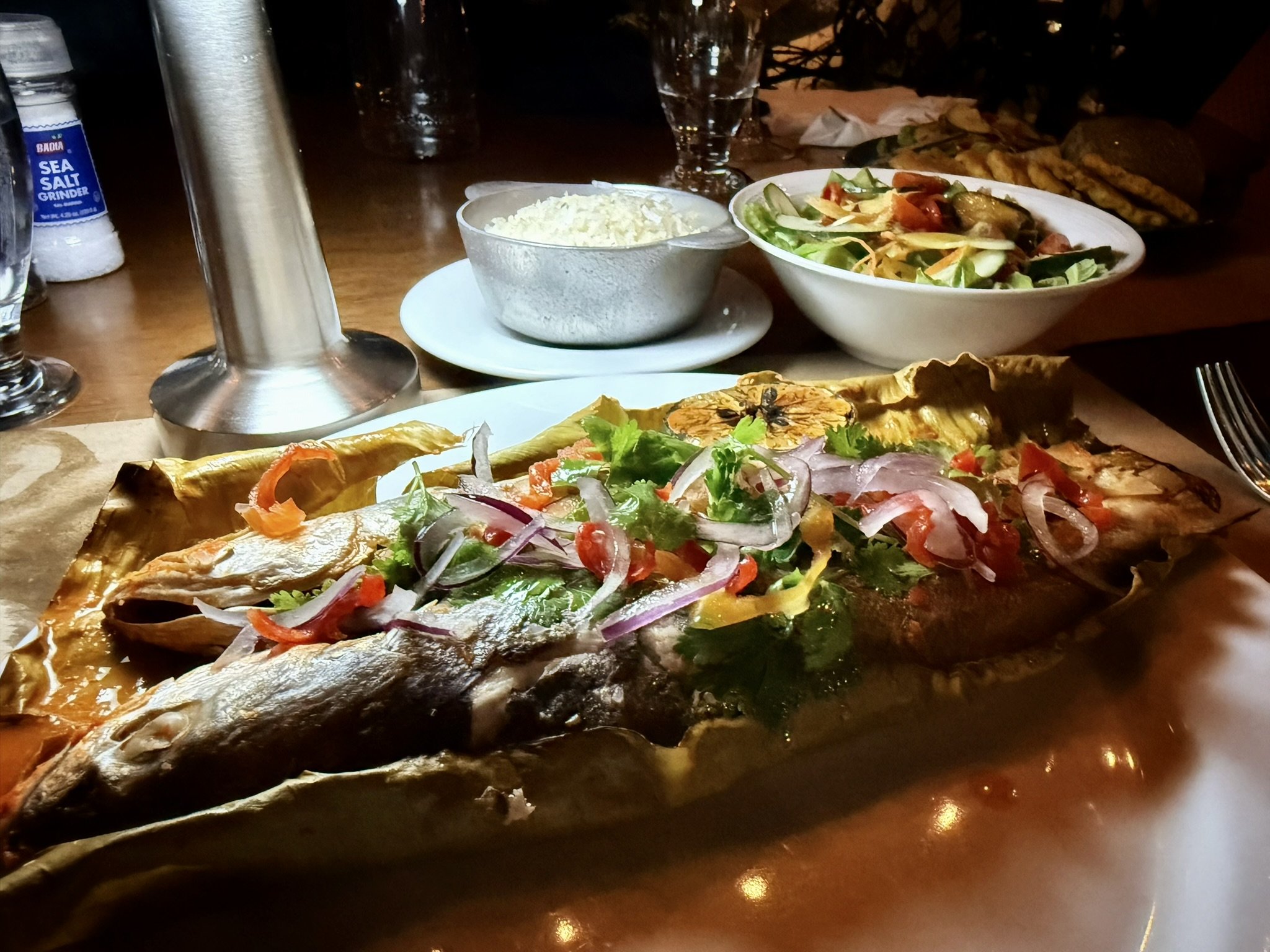
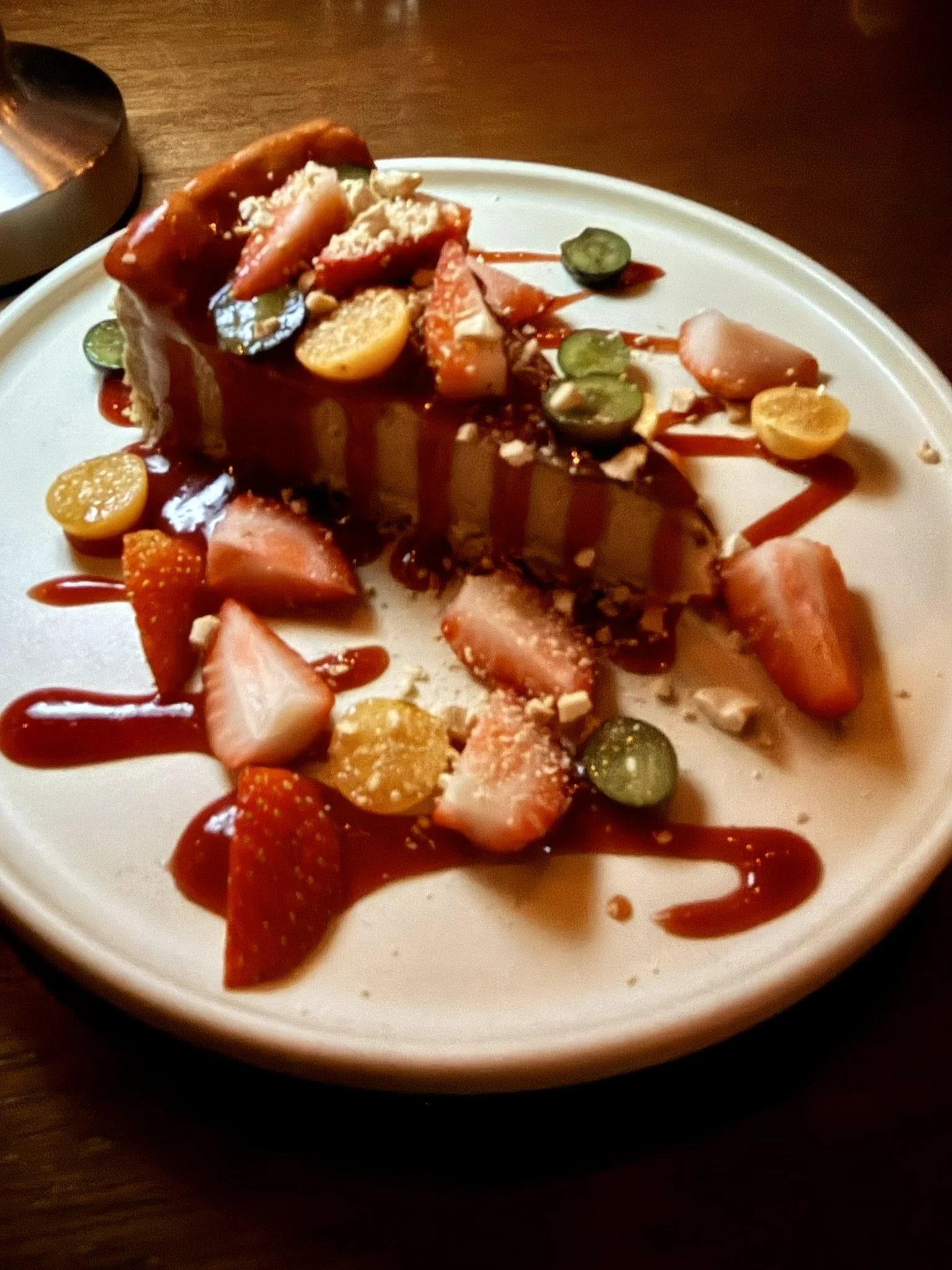
Then, on our last night in Boquete, we switched gears and treated ourselves to an elevated Panamanian dinner at Ngädri Gastronomía Panameña.
And honestly, that’s probably a pretty good way to experience Boquete in general: a little local, a little expat, a little adventure, a little coffee—and a cheap fan to the rescue!