We Asked AI How to Cross the Panama-Costa Rican Border. What Could Possibly Go Wrong? 😅
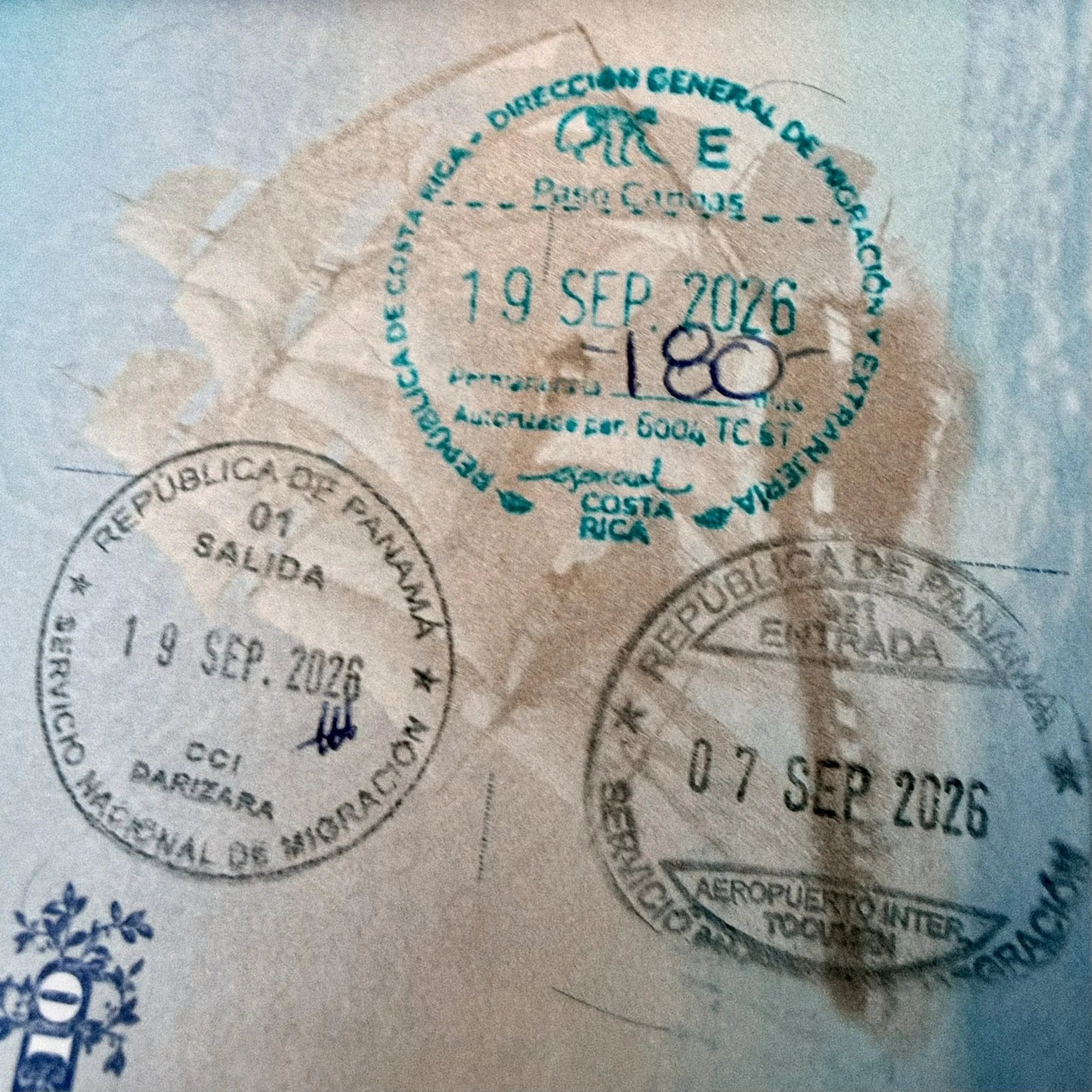
Overland border crossings, in our experience, are always an adventure filled with unexpected surprises. And today did not disappoint.
Surprise…not! Murphy’s Law apparently applies to international borders: no matter how much research one does about the logistics of crossing, the actual experience will almost certainly involve something you didn’t anticipate.
We did our homework for the Panama-to-Costa Rica border crossing through the town of Paso Canoas. We even recruited Gemini and ChatGPT to the team.
They disagreed with each other on the intel.
Figures. 🤷🏻♀️
Basically, there is no substitute for experiencing an overland border crossing in person.
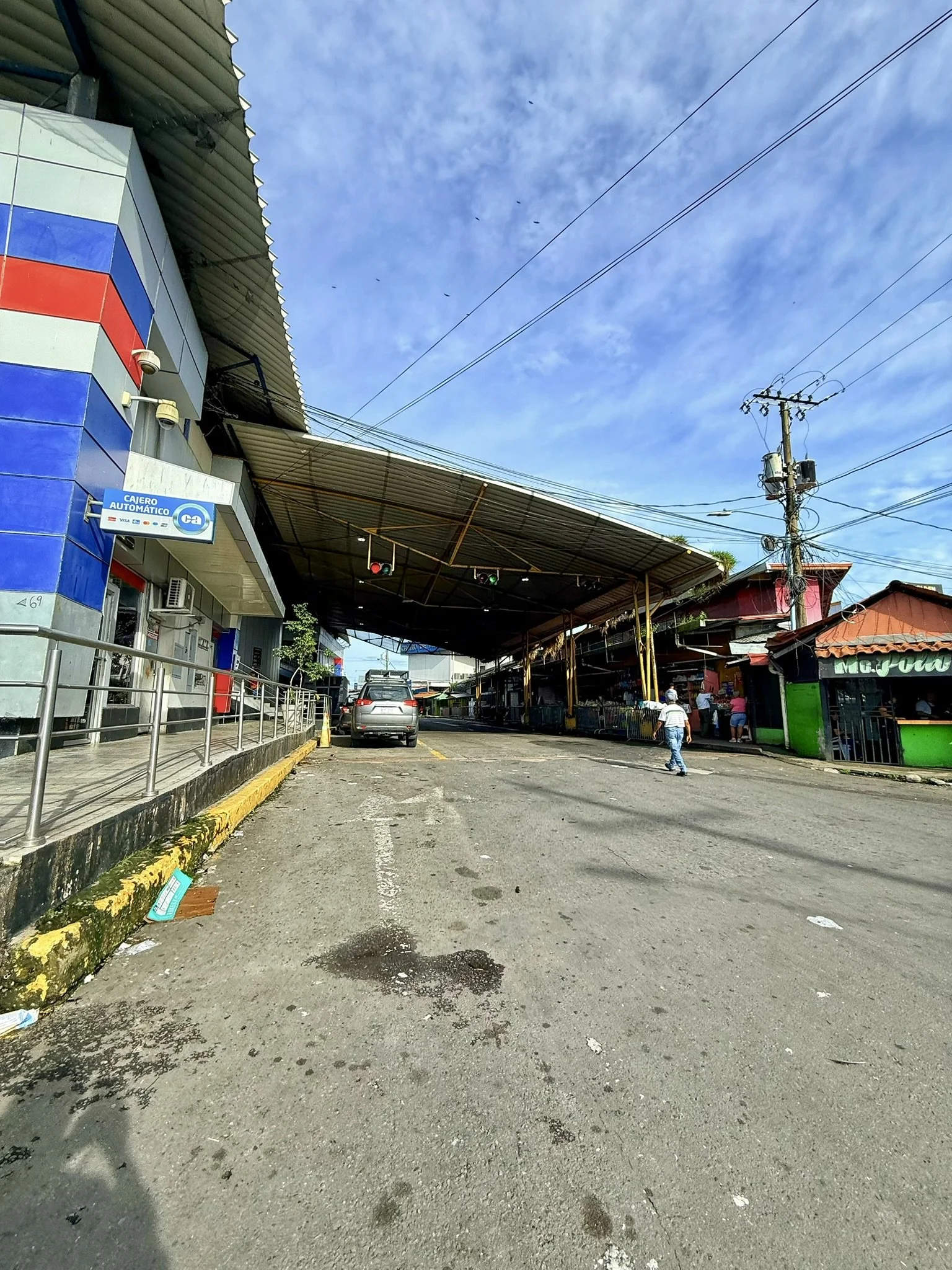
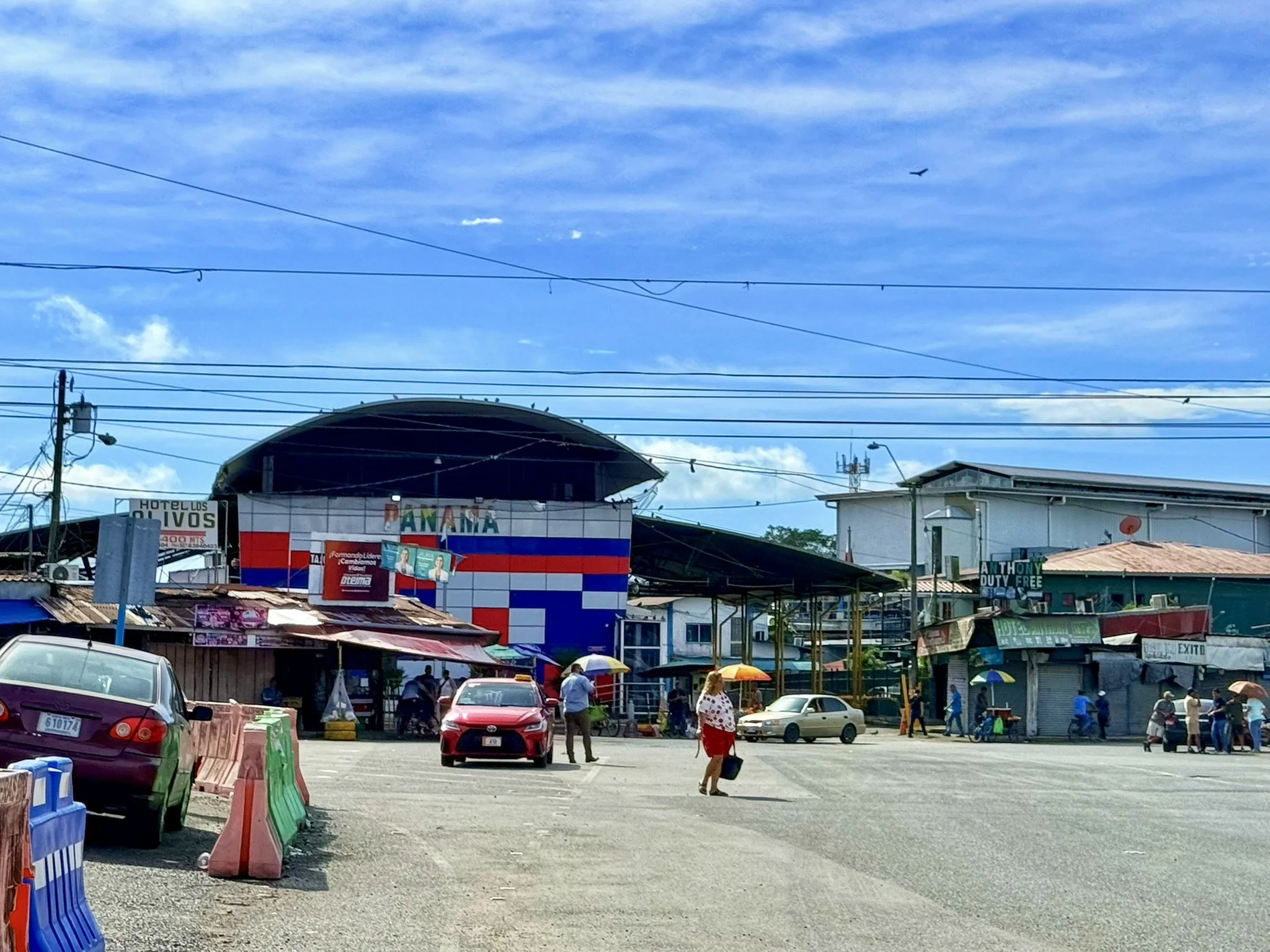
Surprise No. 1: The Border Moved
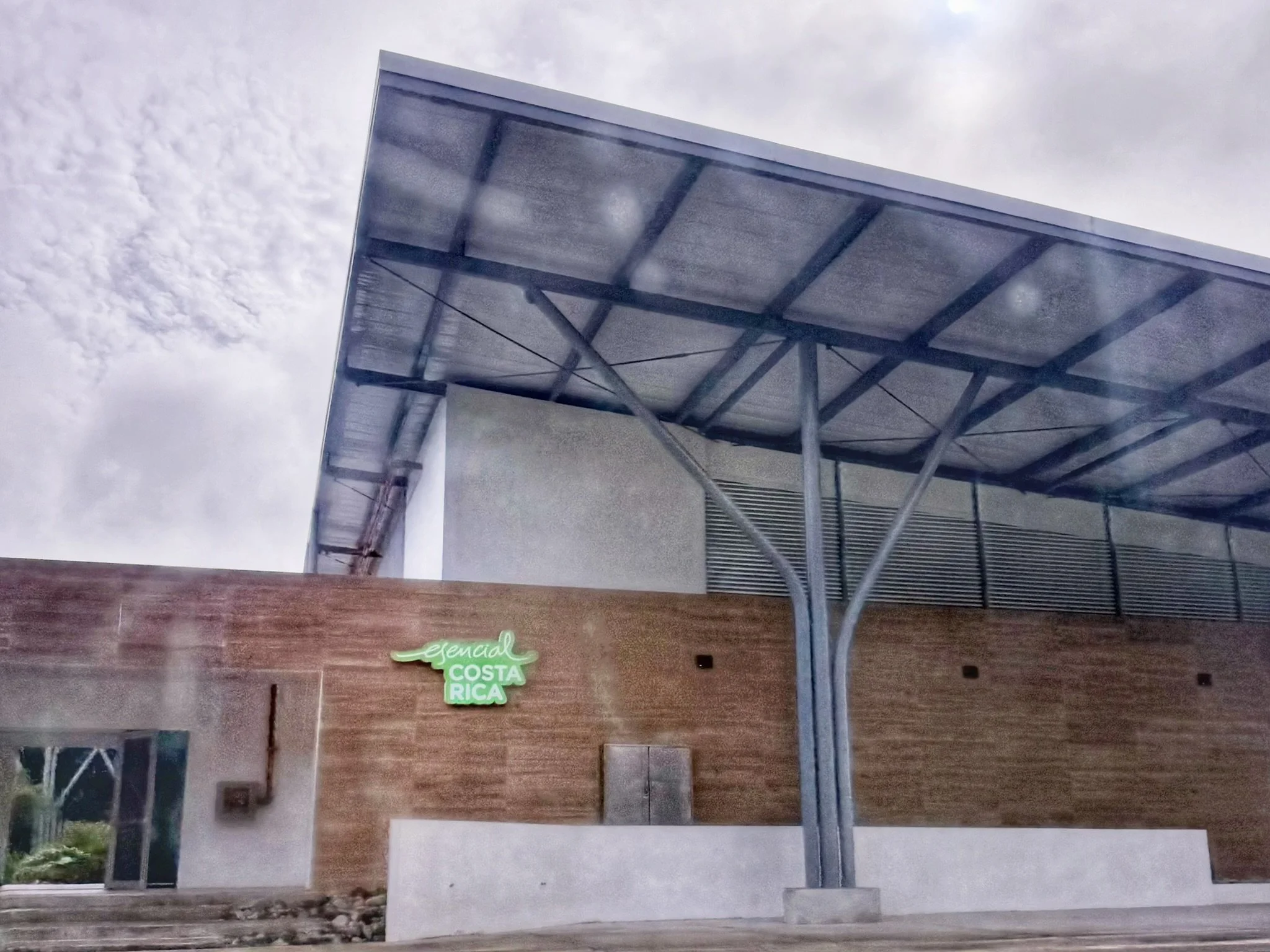
Apparently, at some point Costa Rica moved its border-processing operation about two miles farther into Costa Rica, to a very nice facility called Centro de Control Integrado (CCI), away from the actual border town of Paso Canoas.
Here’s where things get confusing.
If you are traveling from Panama into Costa Rica, you can apparently blow right past Paso Canoas and go directly to the CCI, where you can be stamped out of Panama and into Costa Rica in one convenient stop.
This works particularly well for official international tour buses and vans that have permission to cross the border, essentially creating a one-stop immigration process.
But for independent travelers like us, who are cobbling together our own transportation and crossing the border on foot, the new setup was a bit of a problem.
Our Panamanian driver, who had picked us up in Boquete, could take us only as far as Paso Canoas. He wasn’t permitted to drive those last two miles into Costa Rica and drop us at the CCI.
So…we were on our own.
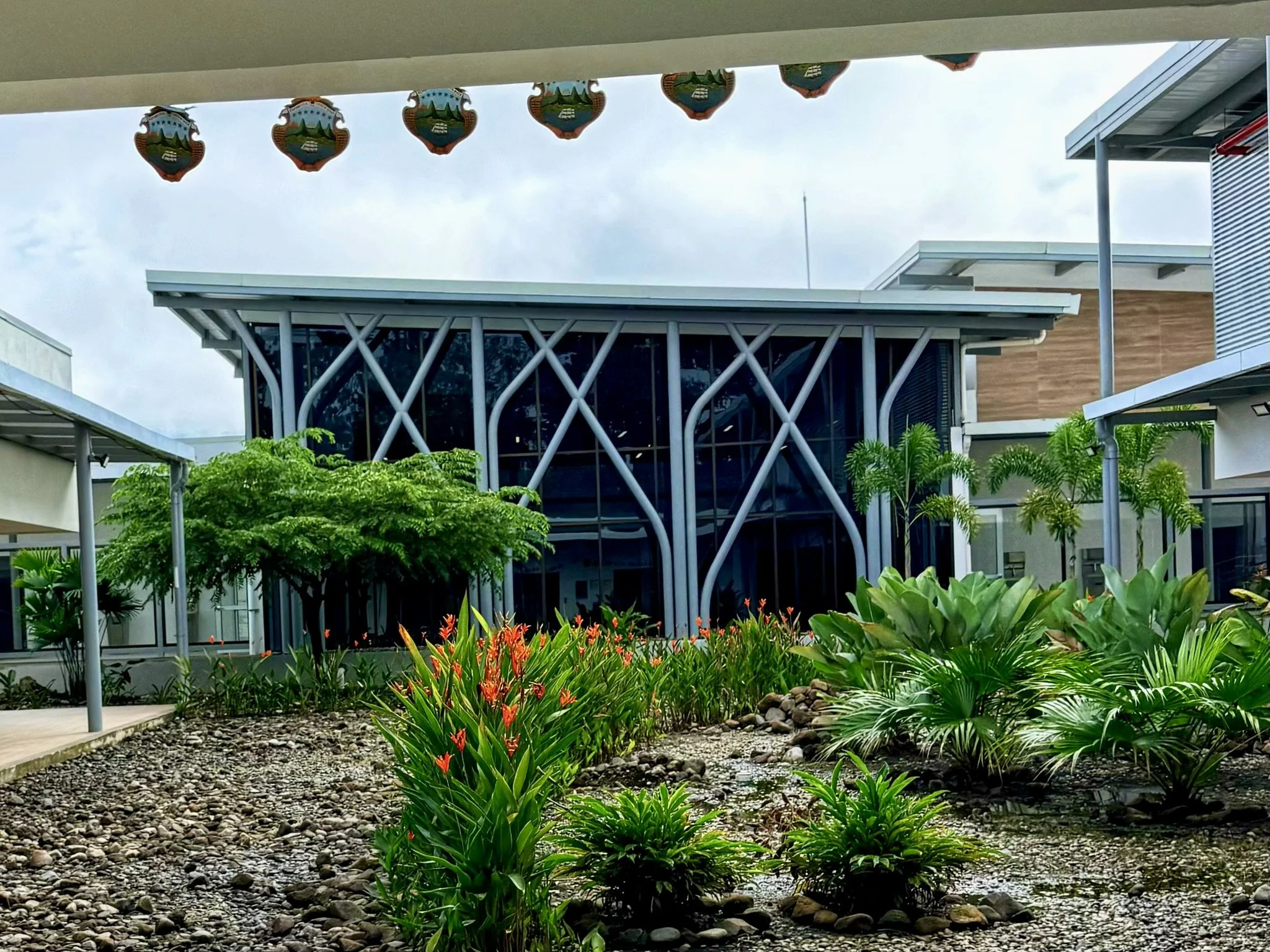
Surprise No. 2: It Only Works One Way
And here’s another important detail that apparently caused some confusion in our research.
The CCI setup does not work the same way when traveling from Costa Rica into Panama.
Travelers heading from Costa Rica into Panama still need to go through two separate immigration stops right at the main border in Paso Canoas, regardless of how they are traveling.
Which explains why ChatGPT and Gemini were giving us conflicting information.
Apparently, they were both partially correct, sort of...it’s a lot of trial and error training AI.
Just for different directions.
Back to Our Adventure
Our Panamanian driver dropped us off at Paso Canoas, and we walked across the border into Costa Rica.
Of course, the minute we arrived, we were greeted by the inevitable taxi vultures waiting for travelers like us who suddenly needed to get two miles down the road to the CCI.
They knew exactly who we were.
Surprise No. 3: The Taxi Negotiation
Our cabbie quoted us $20.
Our research said $10 was the going rate.
We negotiated him down to $15 for the short ride, assuming that would be a one-way trip and that we’d simply find a bus once we got through immigration.
Easy enough.
Except…
Surprise No. 4: We’re Going Back
It turns out we had completely misunderstood what our cabbie was trying to tell us.
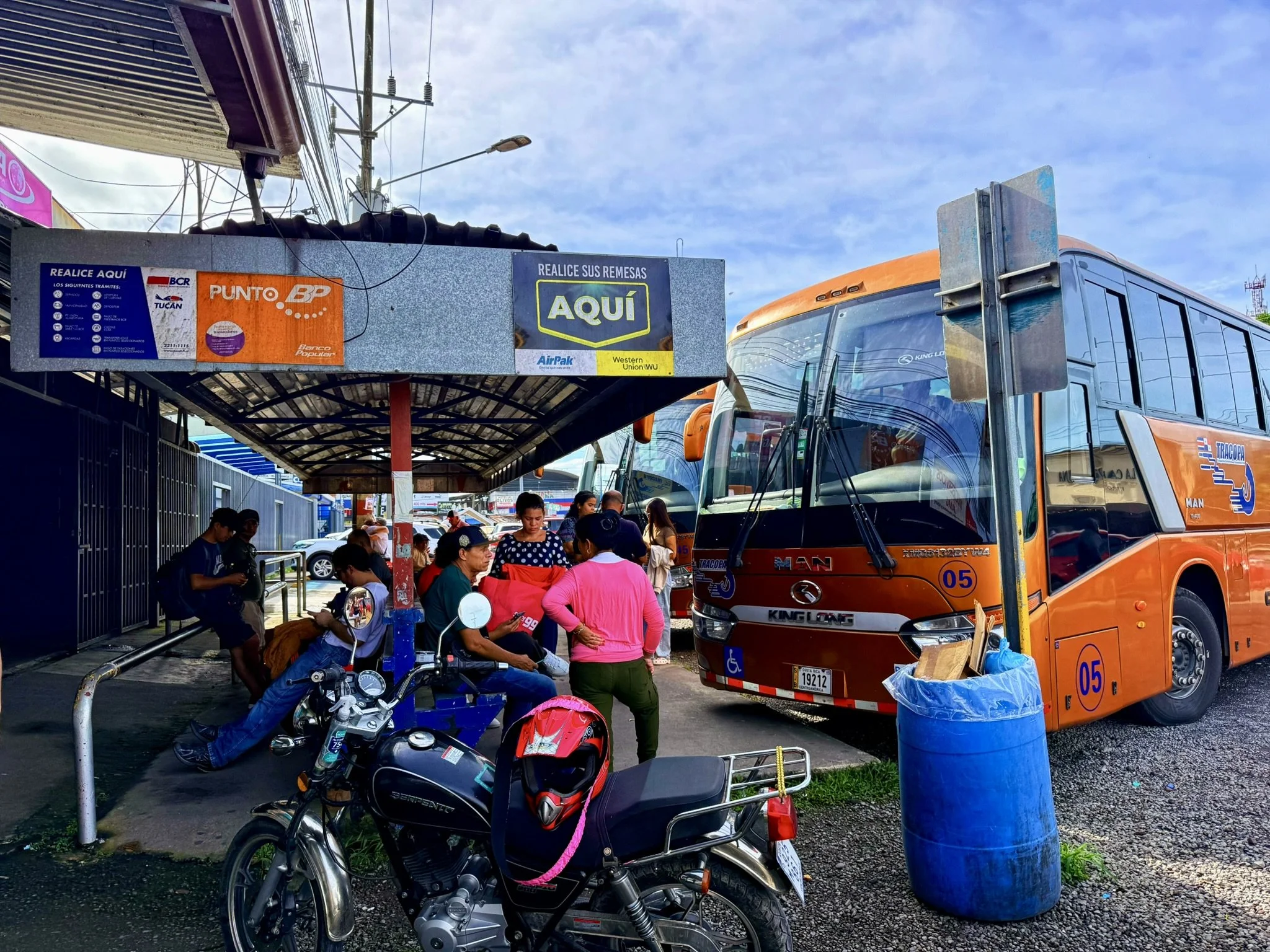
The Tracopa long-distance buses don’t come through the CCI to pick up passengers. To catch the bus to our next destination, we’d have to go back to Paso Canoas.
Suddenly, his original $20 quote made sense.
He wasn’t charging us $20 for a two-mile taxi ride.
He was quoting us $20 for a round trip, and he would wait for us while we went through Costa Rican immigration.
Ahhhh.
We’re slowly catching on.
On the bright side, the CCI itself is really nice—modern, clean and, most importantly, air-conditioned.
And at 7:45am, we were the only travelers there.
Surprise No. 5: Do You Have Malaria?
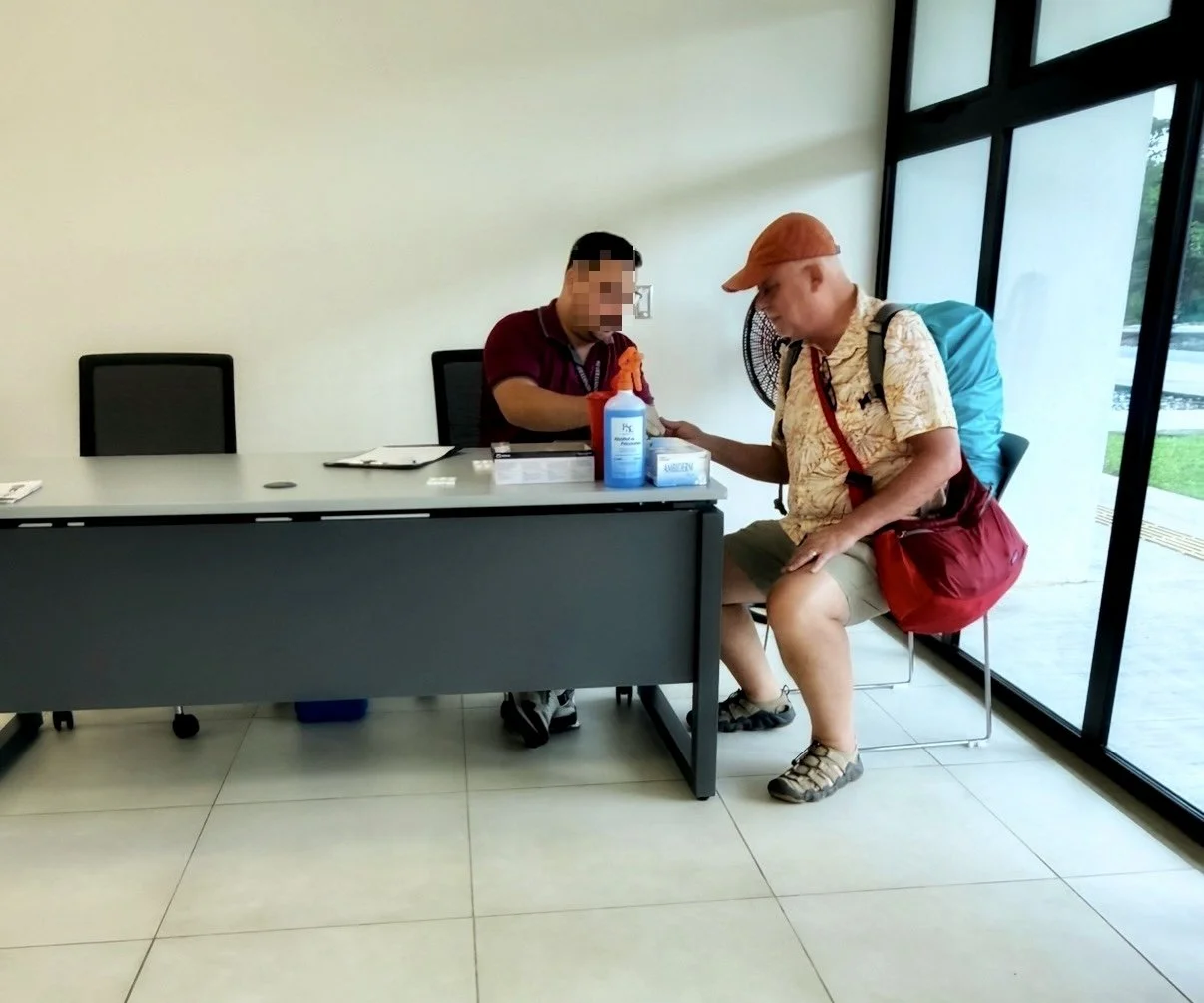
We were first directed into a side room where a border agent was trying to explain something to us in Spanish.
The one word we kept hearing was “malaria.”
We asked if he spoke English.
He seemed slightly offended by the question.
Fair enough.
After a combination of repeated Spanish, hand gestures and increasingly creative charades, we finally figured out that he needed proof of a malaria test before he could stamp us out of Panama.
Of course, we did not have a malaria test.
But apparently that wasn’t a problem.
He had all the supplies right there to do a finger-stick blood test.
I joked that, while he was at it, he could test me for diabetes too.
That finally got a chuckle out of him.
Fortunately, neither of us tested positive for malaria, and we were cleared to continue.
Next, the process got much easier.
The border agents from both countries sit in booths right next to each other, so we only had to stand in one line and take care of the immigration business for both countries.
Very convenient.
Costa Rica also required proof of onward travel, so we were especially glad that we had printed out all of our reservations and transportation information.
After finishing up, we made a quick bathroom stop at the CCI—which I highly recommend because the bathroom was clean, free and, at that point in the morning, practically luxurious.
And, just as promised, our cabbie was waiting for us outside.
He drove us back to Paso Canoas and dropped us off at the Tracopa bus station.
The Bus to Uvita
At the bus station, we bought two tickets for the 8:30am Tracopa bus traveling the ruta costera, or coastal route, all the way to San José.
Total cost: $43.70 USD cash for two people.
We planned to get off in Uvita, and fortunately, the bus does stop there.
Then came…
Surprise No. 6: We Gained an Hour
The bus left exactly on time at 8:30am.
But apparently, we had somehow gained an hour without even realizing it.
Costa Rica is in the Mountain Time Zone, while Panama is in Central Time.
So while it felt like 9:30 to us, we’d actually moved the clock back an hour simply by crossing the border.
I’m not sure how we managed to cross an international border, navigate two immigration systems, take a taxi back across the border area and somehow come out with more time than we started with.
But I’ll take it.
Our Tracopa Route
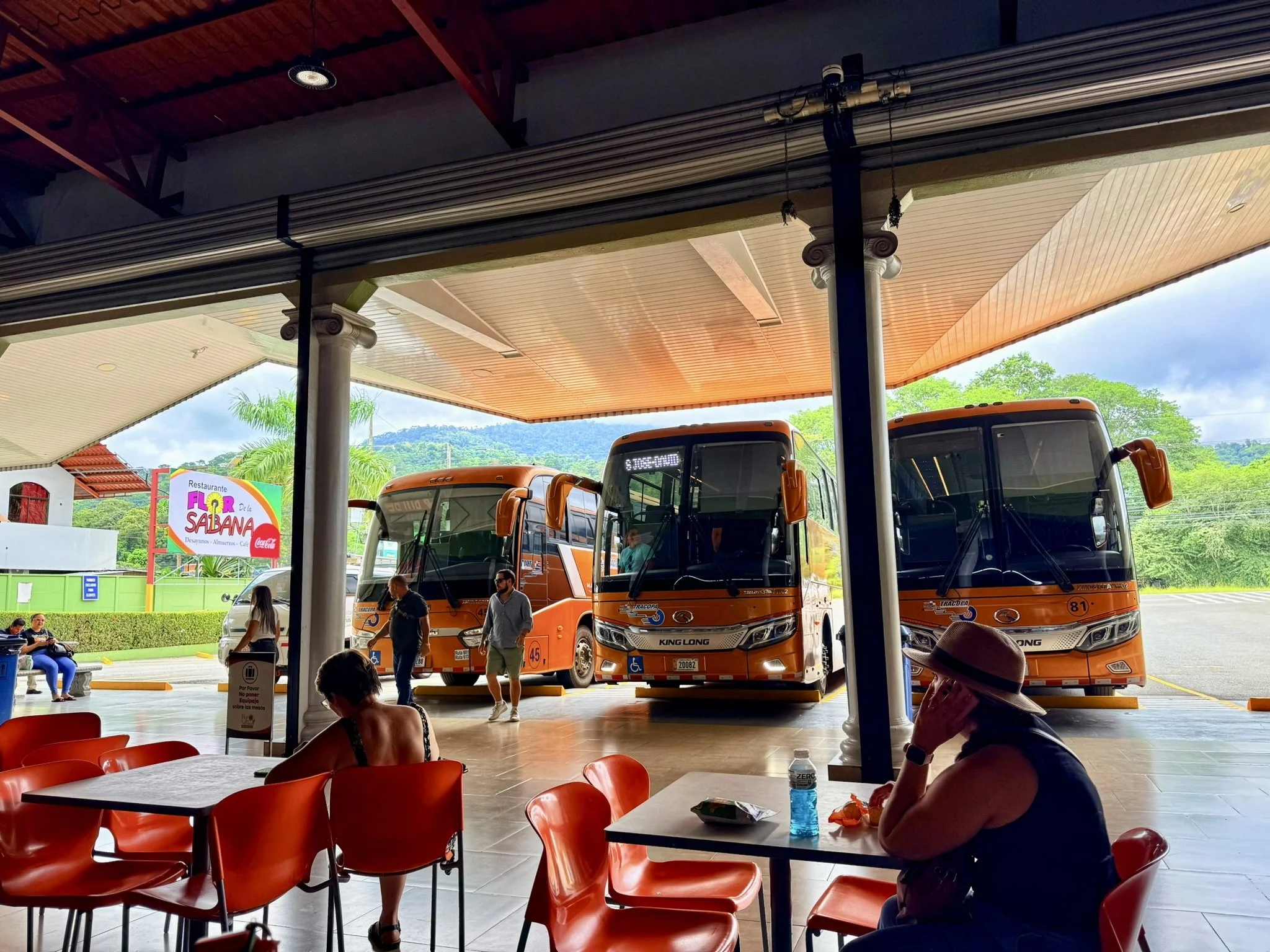
Here are the stops we noted along the way, at least through Uvita, where we got off. No idea what happened after that because we were no longer on the bus!
8:30am — Paso Canoas
8:50am — Ciudad Neily
9:20am — Río Claro
9:45am — Villa Briceño passport checkpoint
10:40am — Palmar Norte bus stop
11:25am — Uvita — the main pit stop before the bus continues toward San José
We hopped off in Uvita, grabbed an Uber and were soon at our B&B.
And just like that, we’d made it from Boquete, Panama, to Uvita, Costa Rica.
The Damage
Our total transportation cost from Boquete to Uvita for two people was $120 for the two of us:
Private car from Boquete to Paso Canoas: $50 (60 miles)
Round-trip taxi from Paso Canoas to Centro de Control Integrado: $20 (4 miles!)
Tracopa bus from Paso Canoas to Uvita: $44
Uber from Uvita bus stop to our B&B: $6
Not bad at all.
And honestly, despite the confusion, conflicting information, unexpected taxi negotiation, surprise malaria test and an international border facility that apparently moved two miles down the road, the whole thing went remarkably smoothly.
Eventually.
That’s the thing about overland travel in this part of the world.
You can research. You can plan. You can ask ChatGPT. You can ask Gemini.
But eventually, you just have to show up and figure it out.
And that’s usually where the adventure begins.
Welcome to Uvita, Costa Rica!
