Iloilo City on Panay Island in the Philippines became our home base for 2 weeks. After moving locations every few days for the last 2 months, we were looking forward to staying put for a bit. Iloilo was the perfect provincial city to explore, establish a small routine, and feel the rhythm of daily Filipino life.


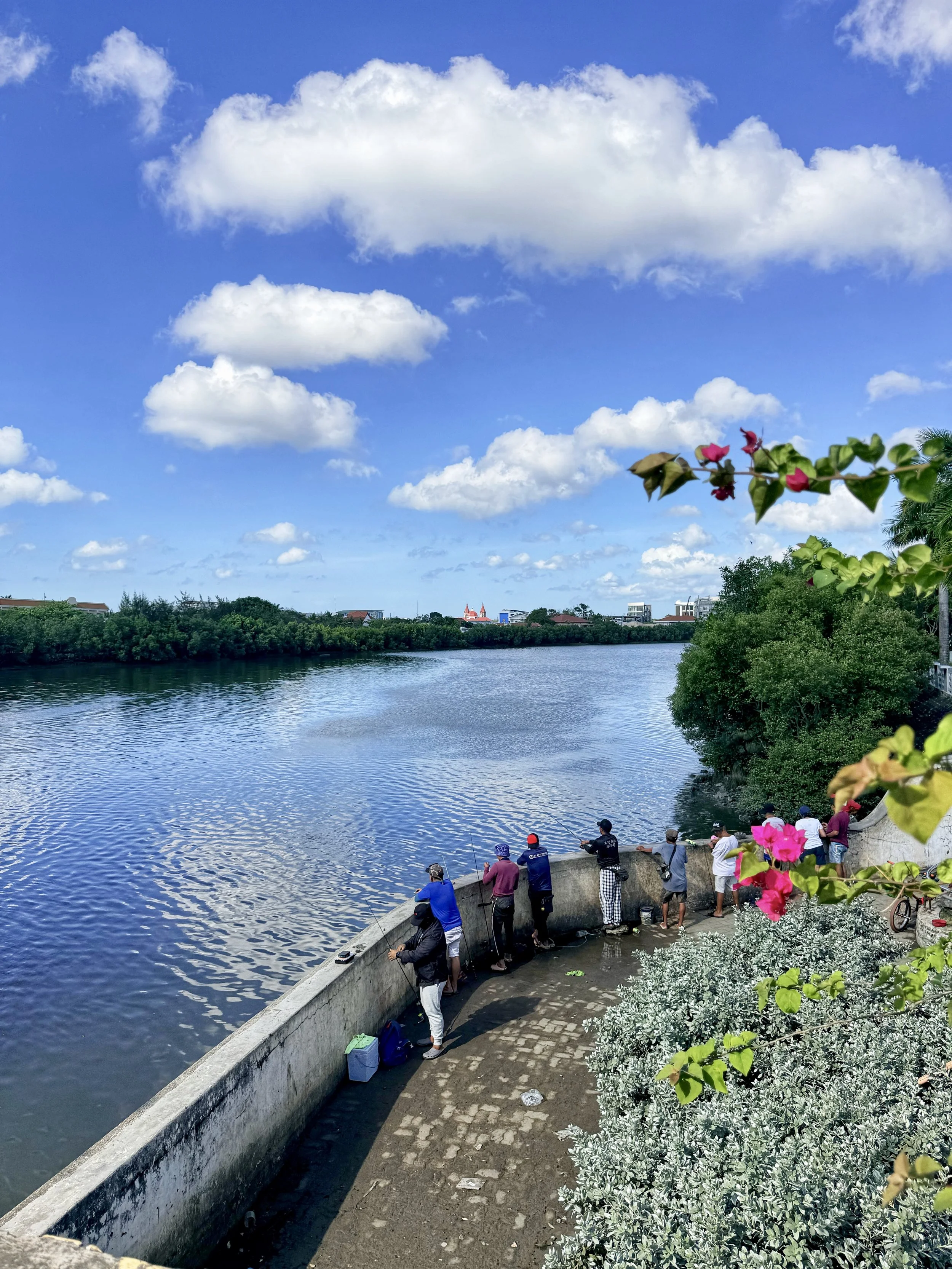
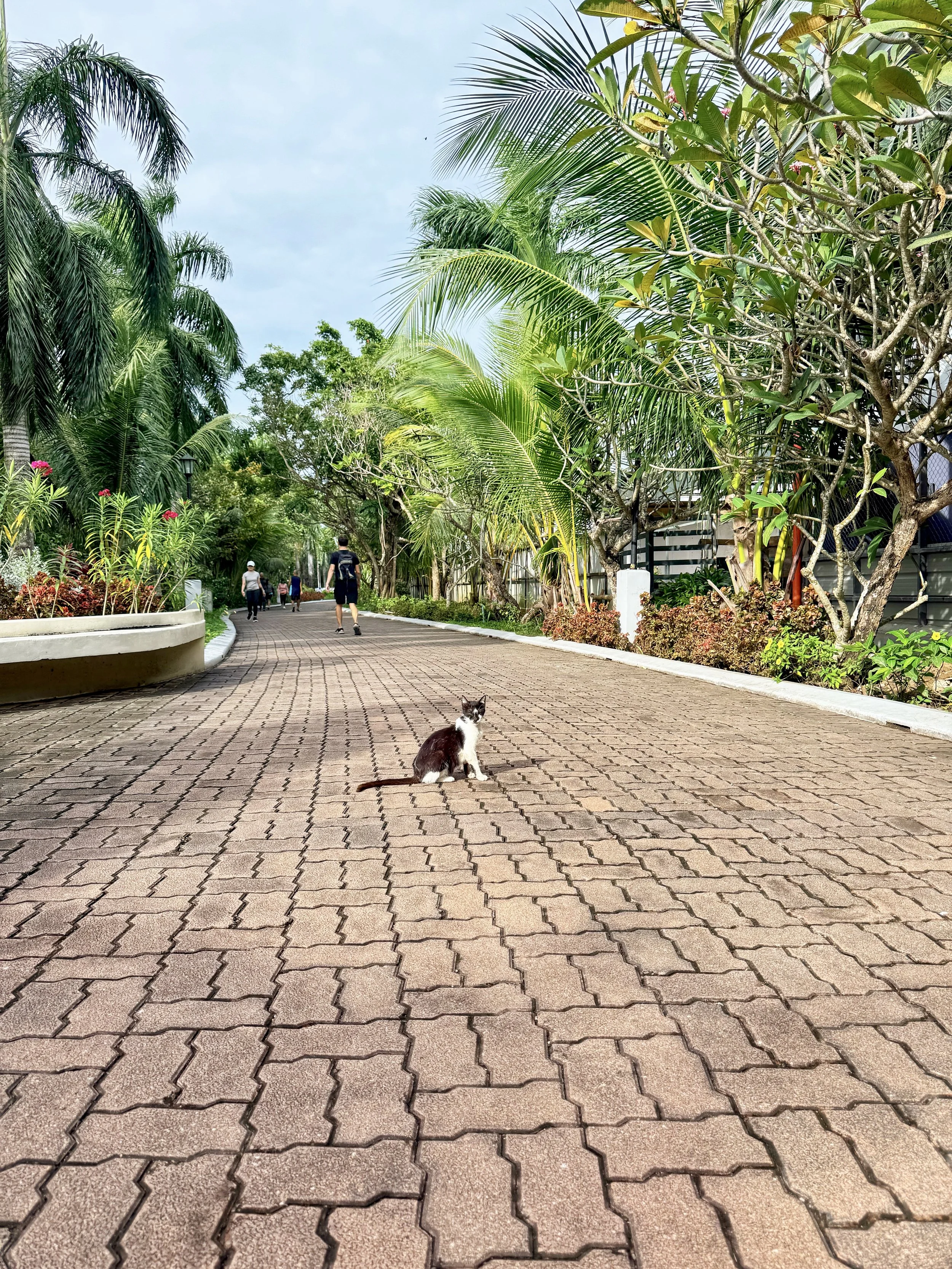

The Humans. Kind, friendly, attentive, service-oriented, inviting, respectful (ma’am and sir), and super chill in an island-time kind of way. Filipinos prioritize gathering together with friends and family and we loved seeing groups having a good time—at the mall, the beach, hair salon, restaurant, the esplanade, sidewalks, anywhere! Filipinos are exceptional singers. Ever ready to breakout the karaoke—not just at birthday parties but at business meetings such as The Rotary Club that were being hosted at our hotel became an excuse for a good karaoke time.
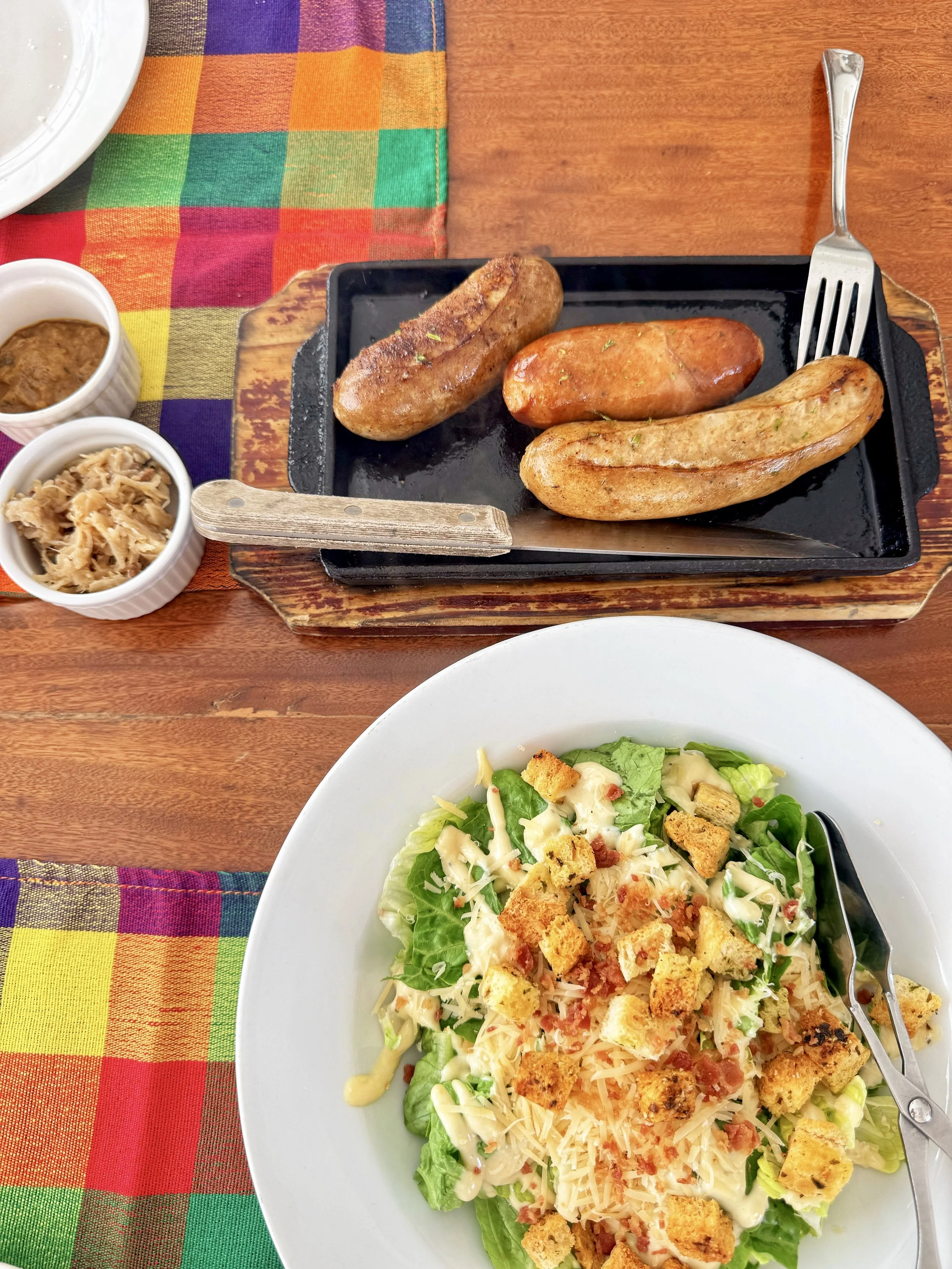
Food over Beaches. There's a saying in Japanese hana yori dango literally translates to "dumpling over flowers." It means prioritizing substance over style, or choosing practical, useful items (like food) over purely aesthetic ones (like looking at flowers). In our case, we chose Iloilo City because we like food more than beaches. Read everything about our Ilonggo Food Adventures in more detail here!
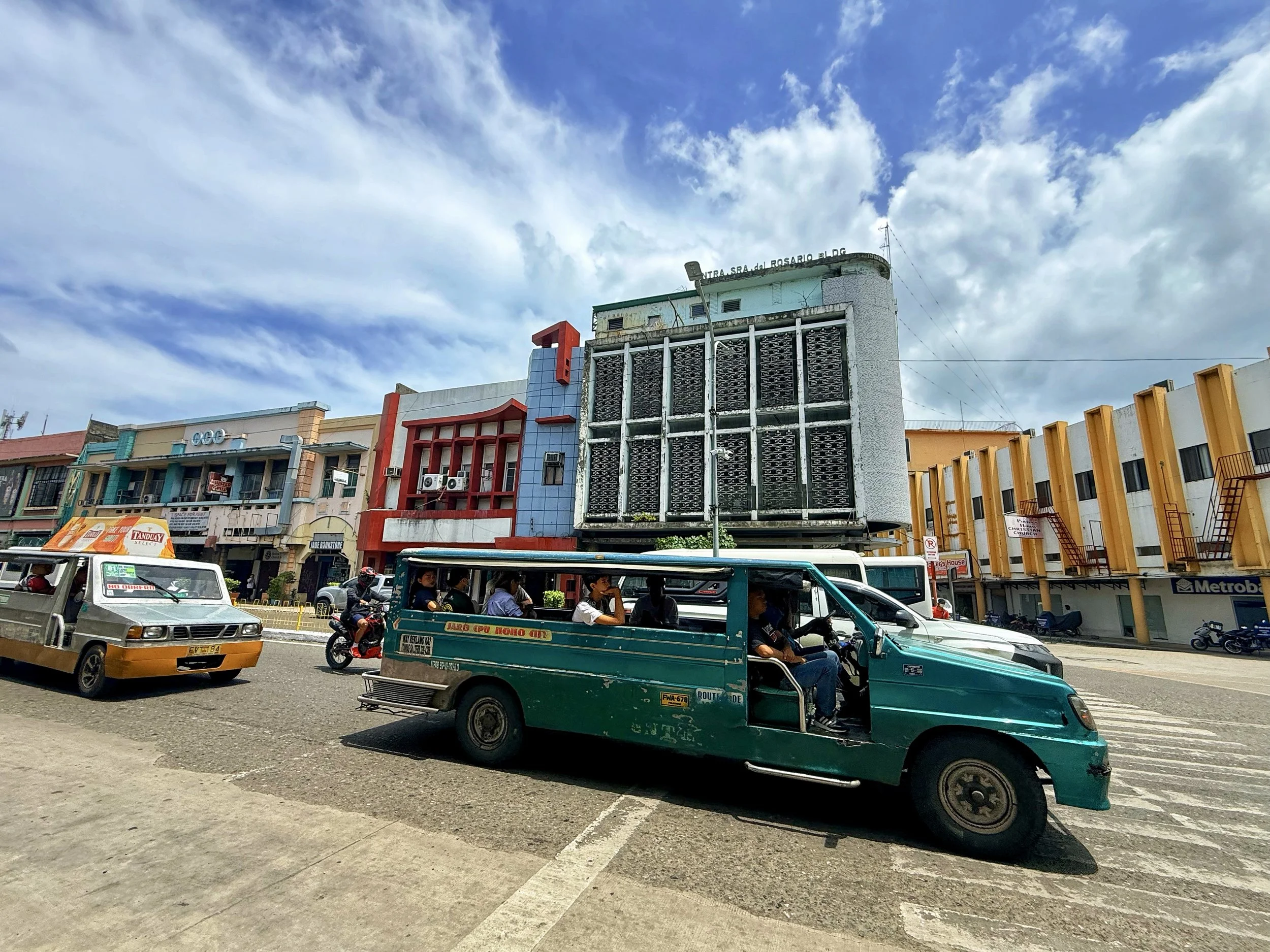
Iloilo City is a small city, technically walkable by distance to most places we wanted to visit. However, walking in Southeast Asian cities is a game of survival. Sidewalks become parking lots for cars, motorbikes, and street food carts. For whatever patch of pavement we can share with the traffic, we're constantly monitoring our footing for potholes and trying not to get run over. It's also hot and humid. Thankfully, Grab rideshare is only USD$1-2 and readily available anywhere. We also noticed the regular taxi cabs are all metered and actually cost less than Grab. No haggling or scams! The main mode of transport for the locals are the Jeepneys--a combination of the words "Jeep" and "jitney," a term used to describe a vehicle used to carry passengers cheaply. After the US left the Philippines, there was a glutton of cheap Jeeps available, which were then converted. We noticed the price of gas increase by 40-50% in the past 2 weeks. We could sense that it’s already putting a lot of strain on the people just trying to make a living who has nothing to do with the beef US and Israel have with Iran. Ugh.
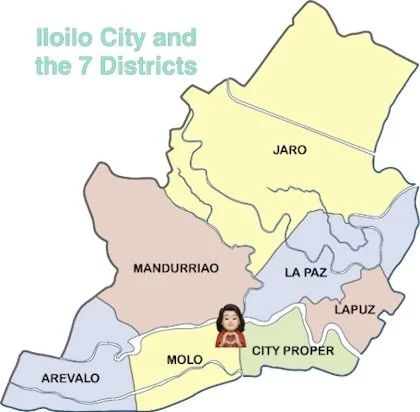
Iloilo is composed of seven distinct districts (boroughs): Arevalo, City Proper, Jaro, La Paz, Lapuz, Mandurriao, and Molo. We made it a goal to visit each for its distinct character, unique sites, and food during the 2 weeks we were here.
Molo
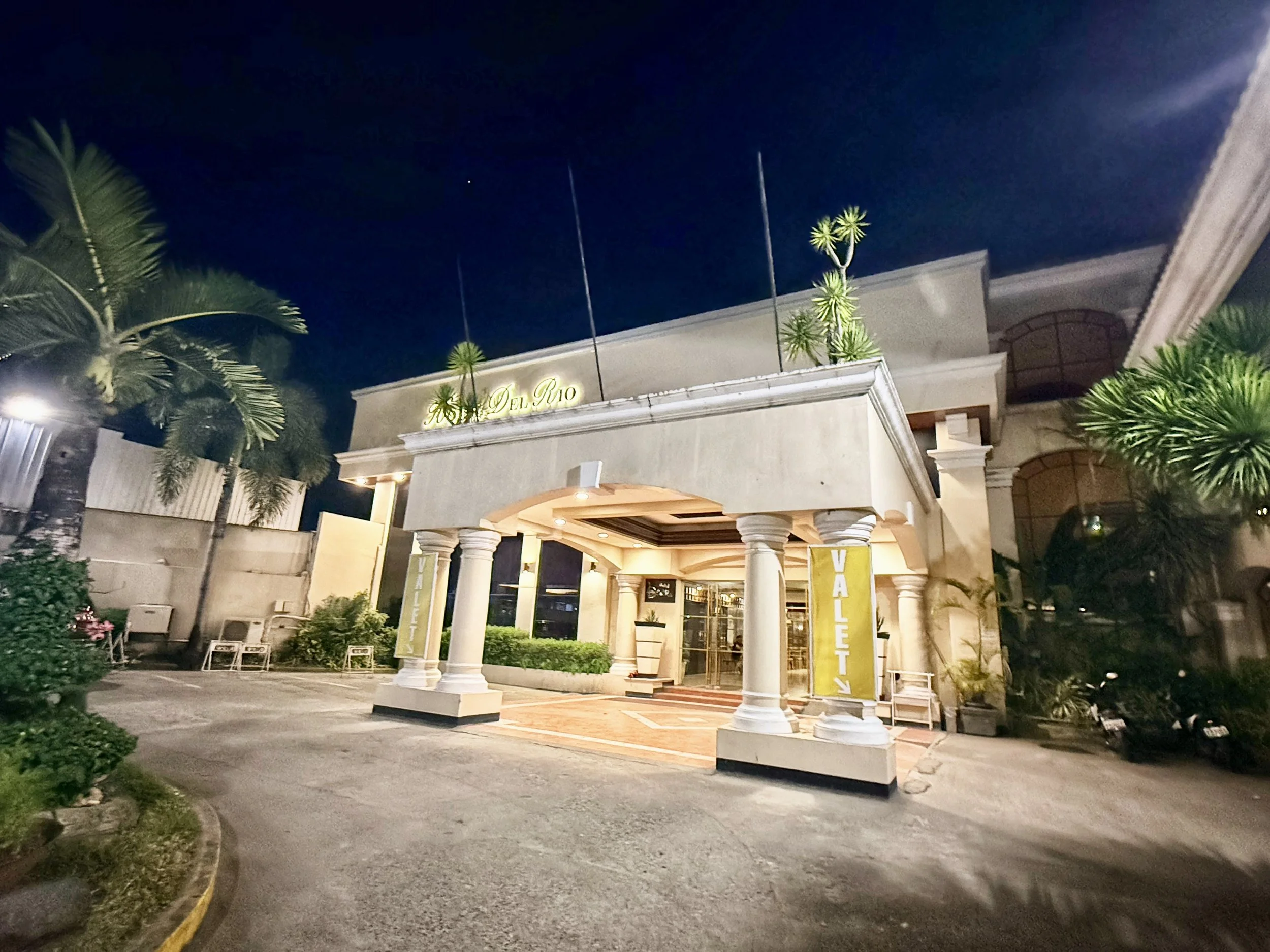
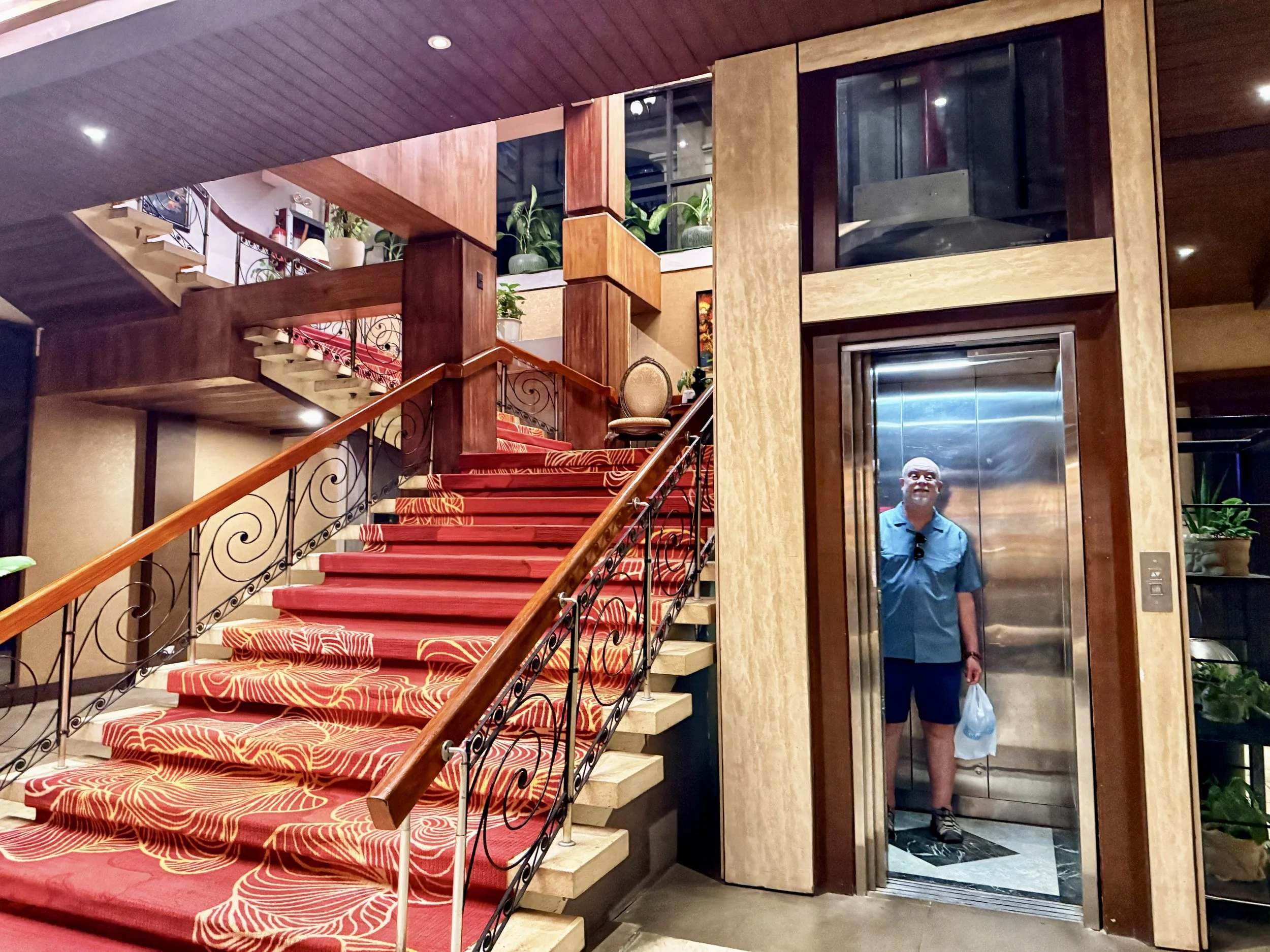
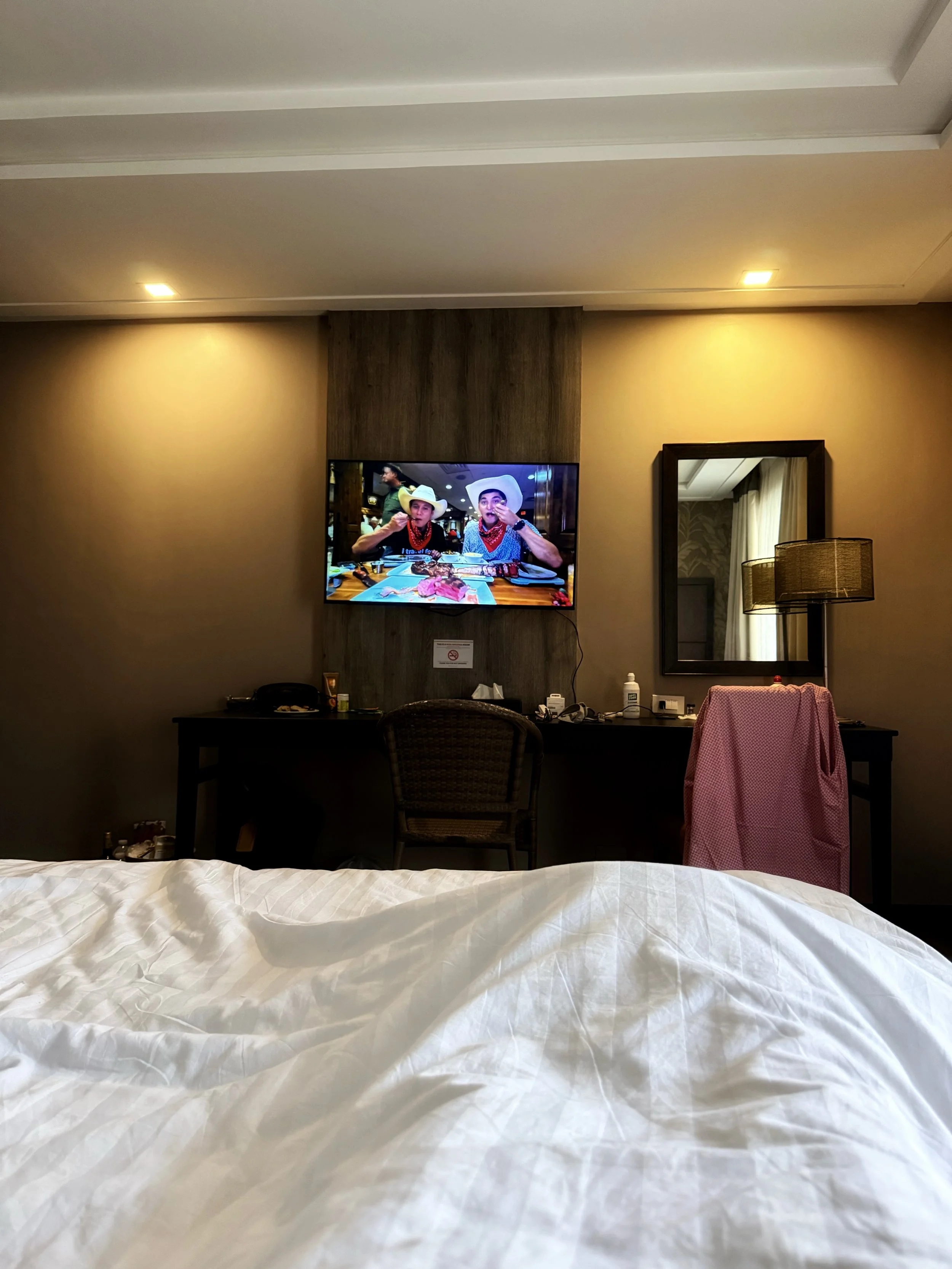
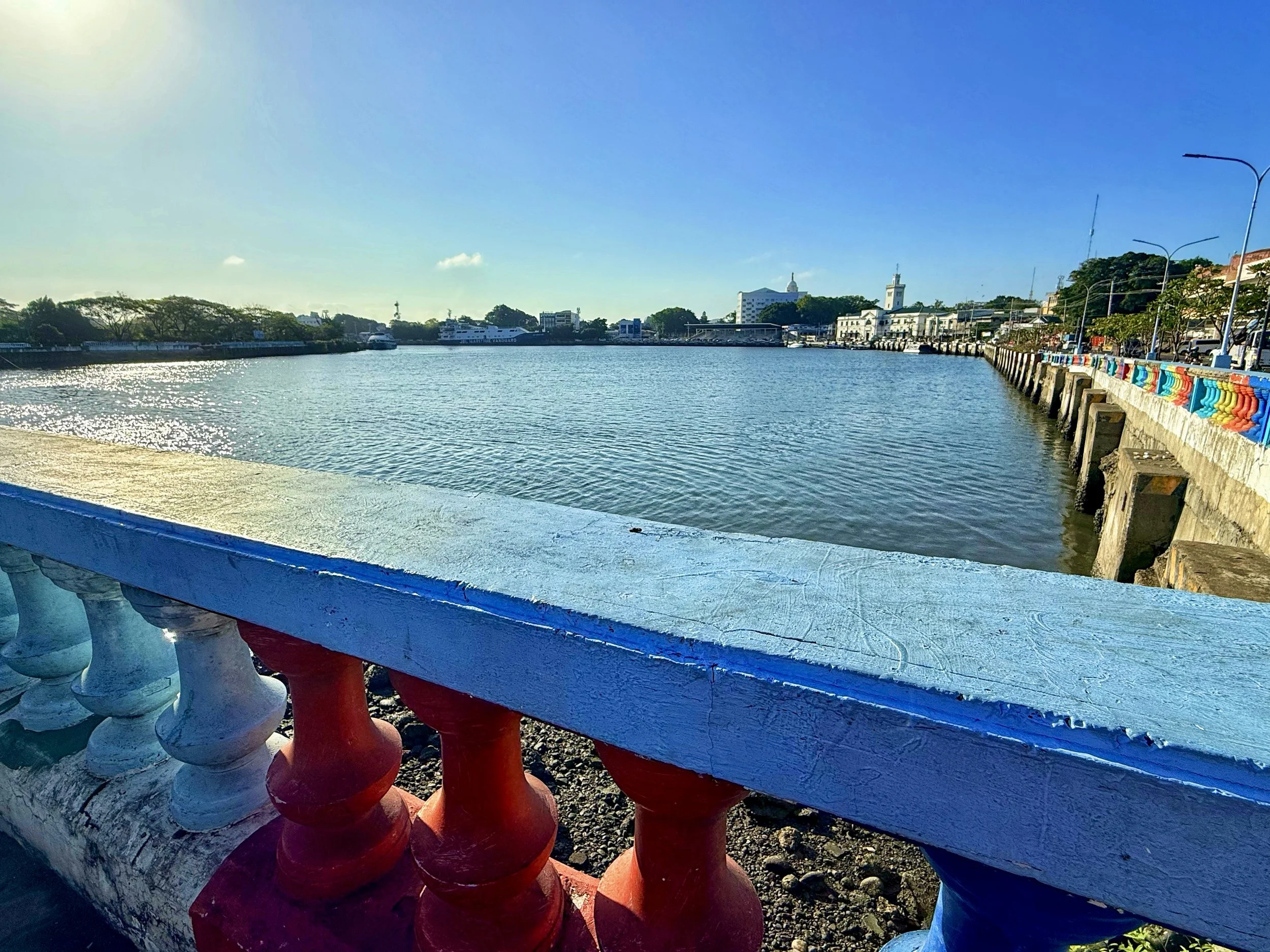
We'll start with Molo District since this is where we chose to stay. We were grateful for the miles and miles of riverfront esplanade, which made staying in Iloilo that much nicer for access to quiet green space for exercise. We specifically chose to stay at Hotel del Rio, primarily for its close proximity to the esplanade, but it also turned out to be the best central location overall. Here's our review of Hotel del Rio.
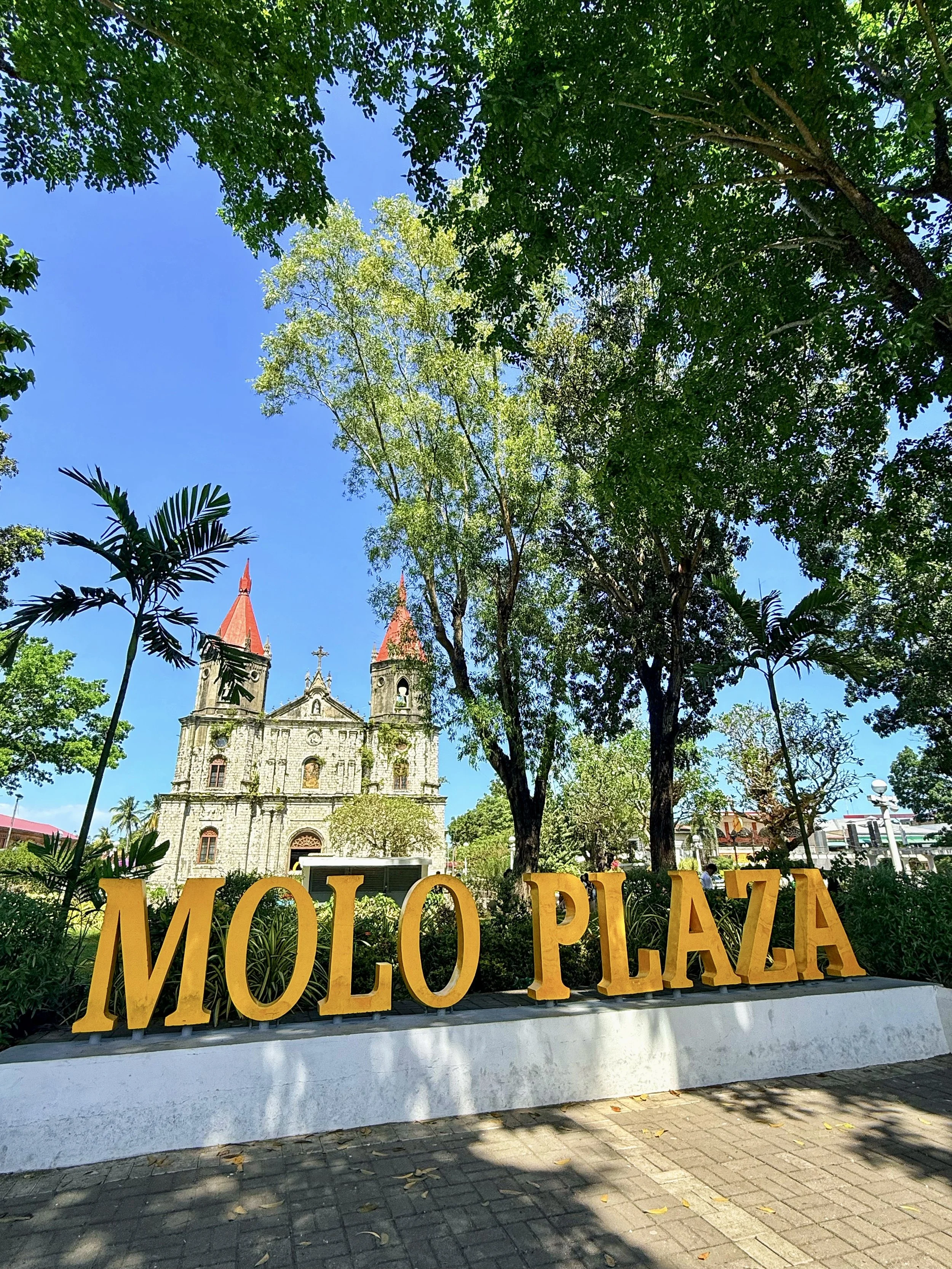
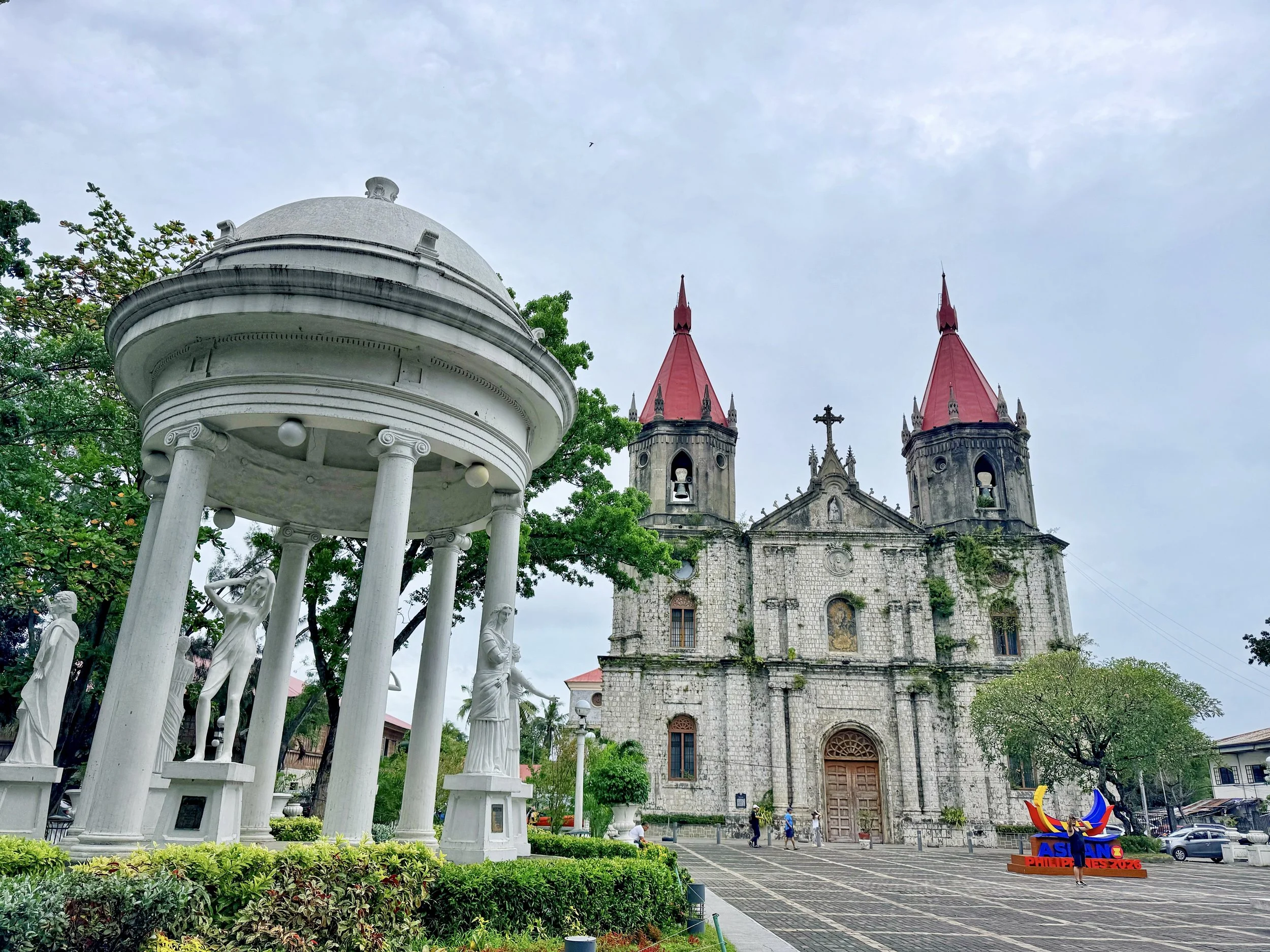
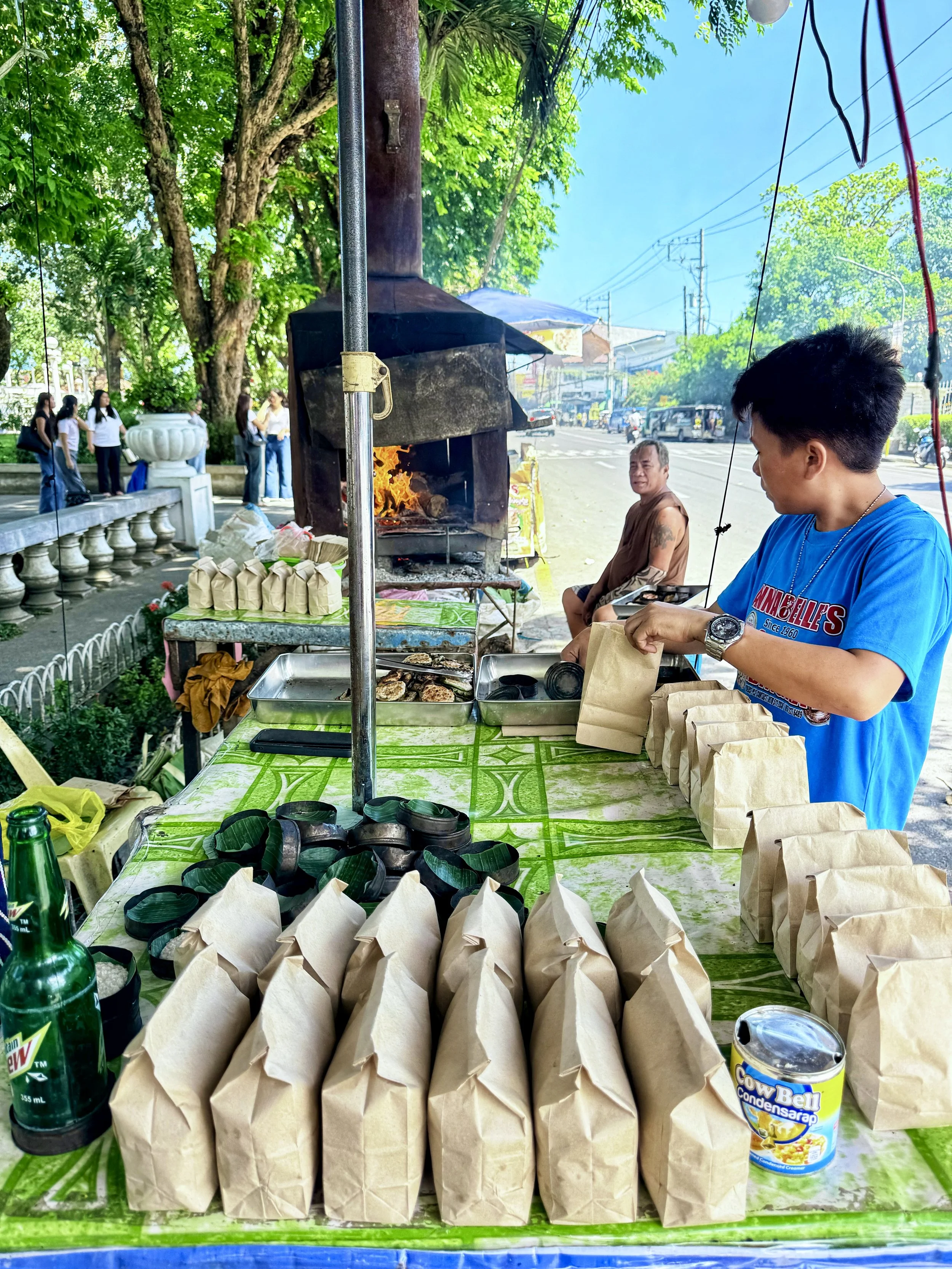
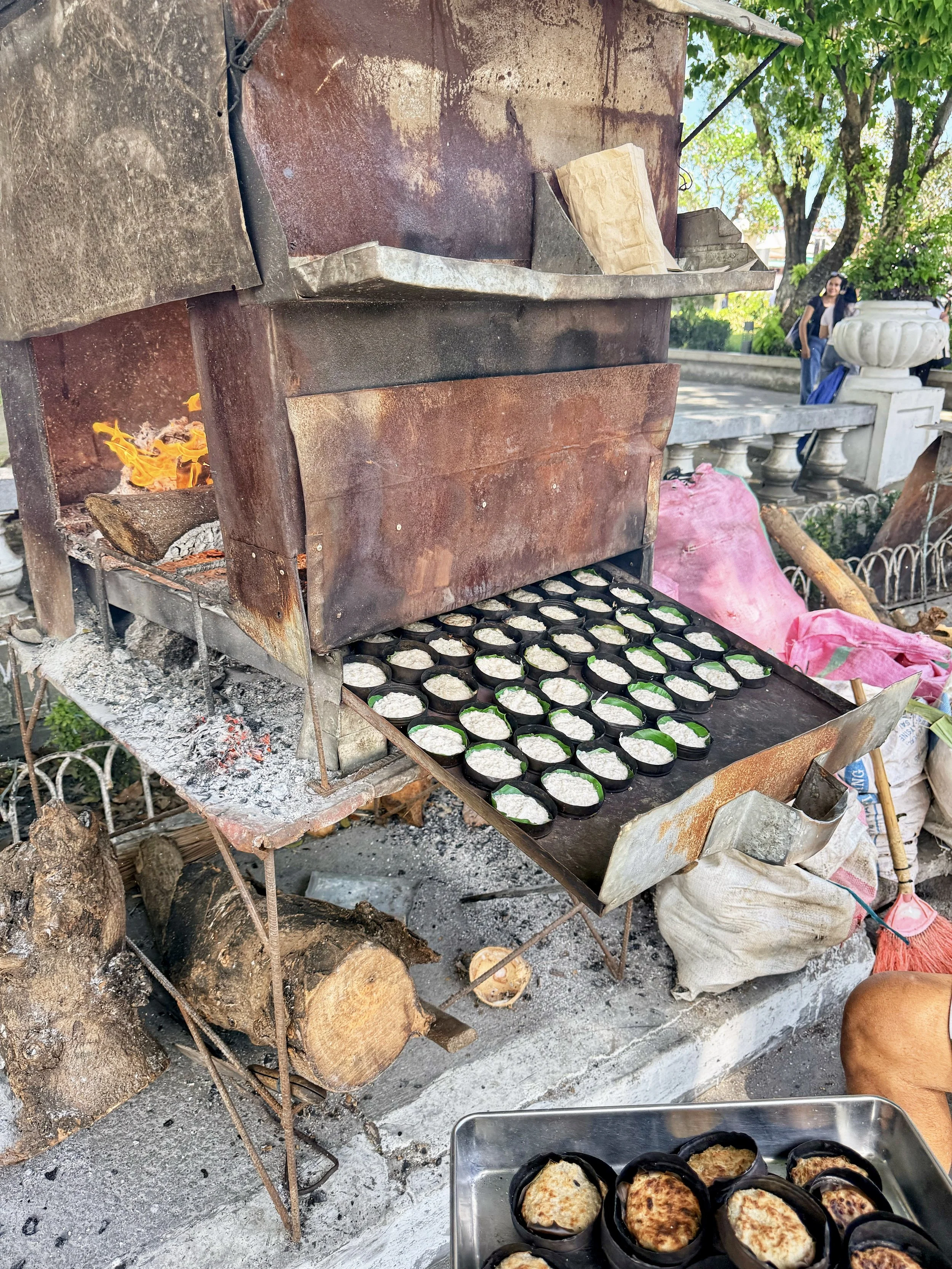
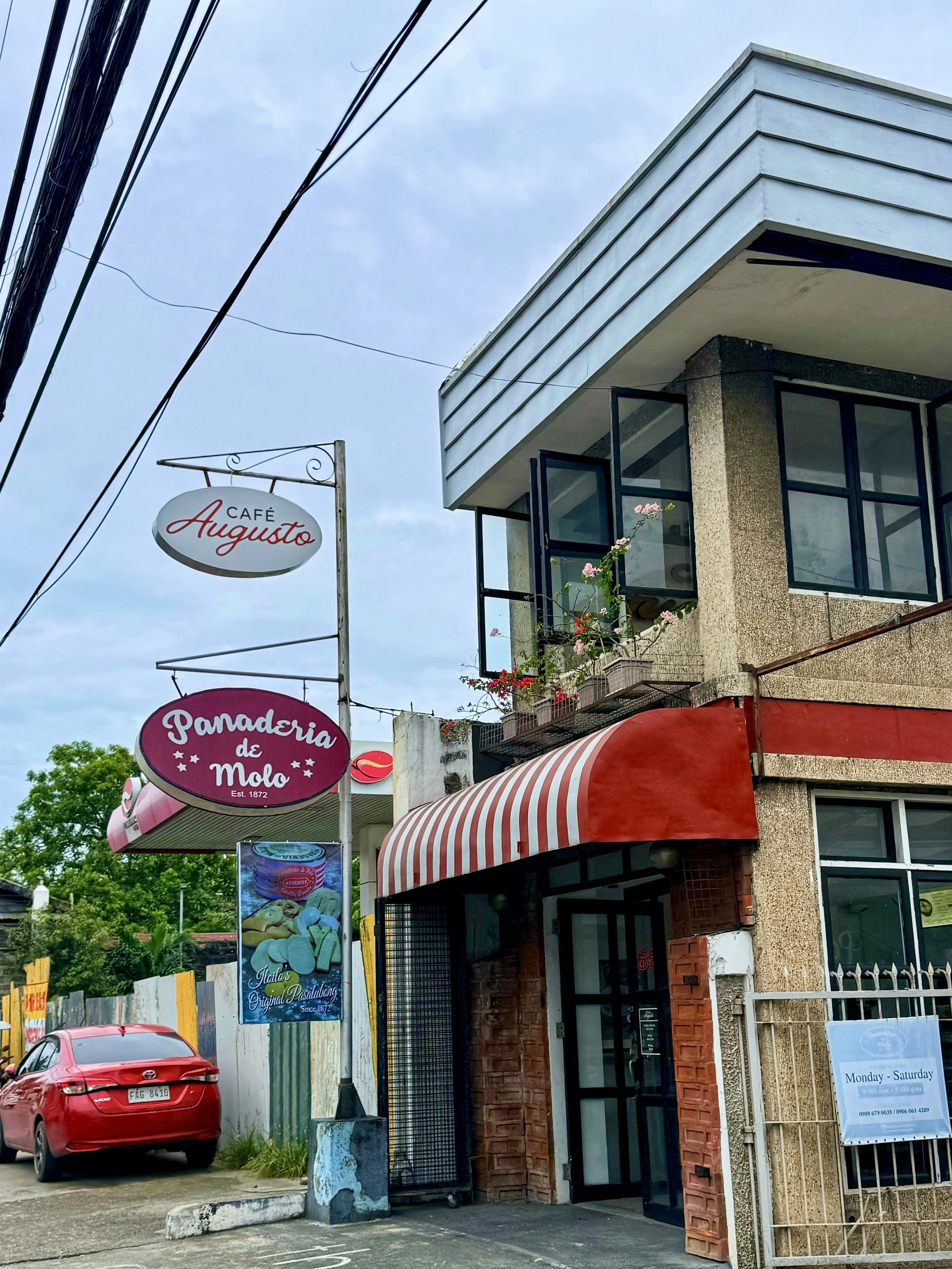
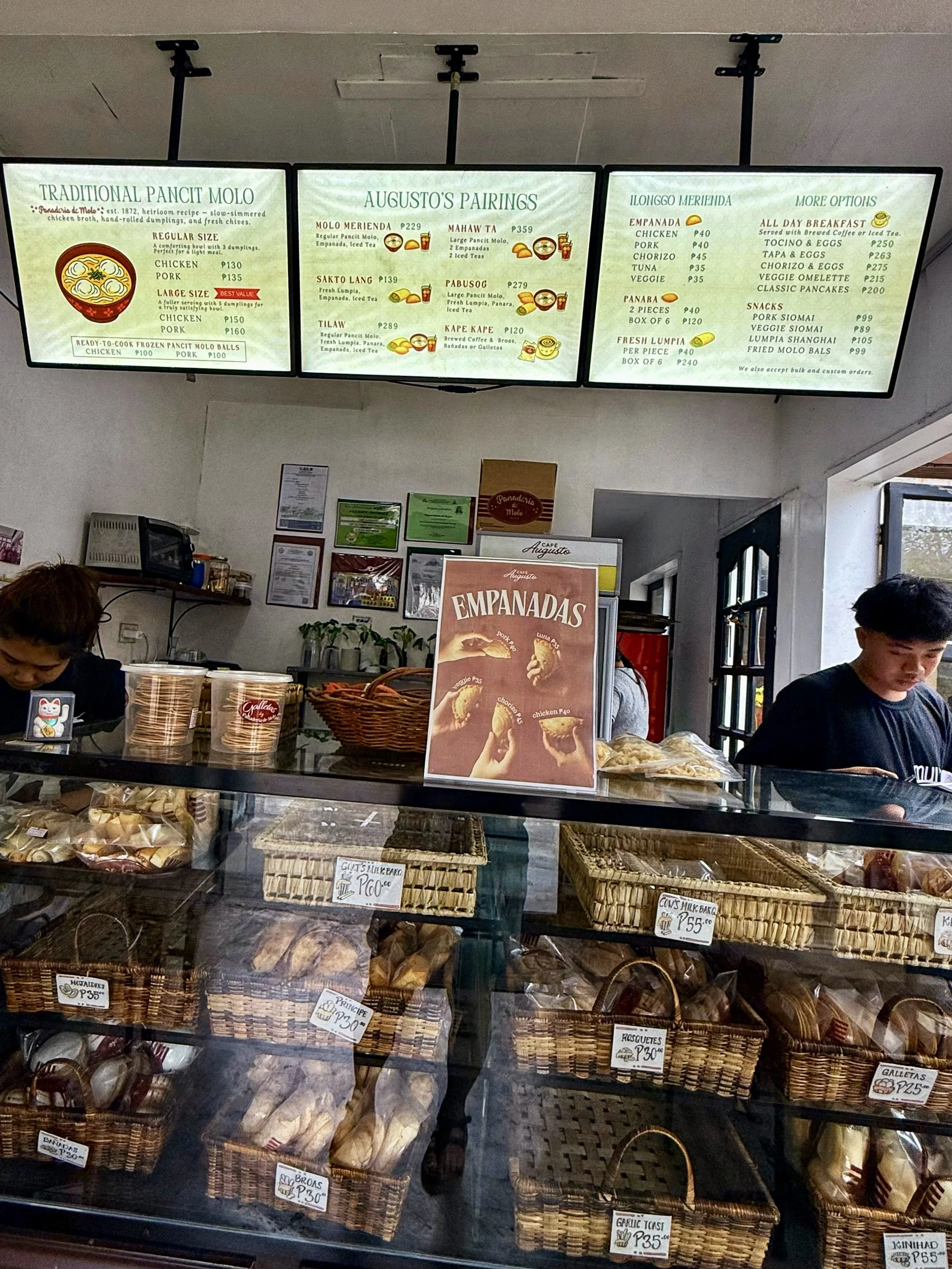
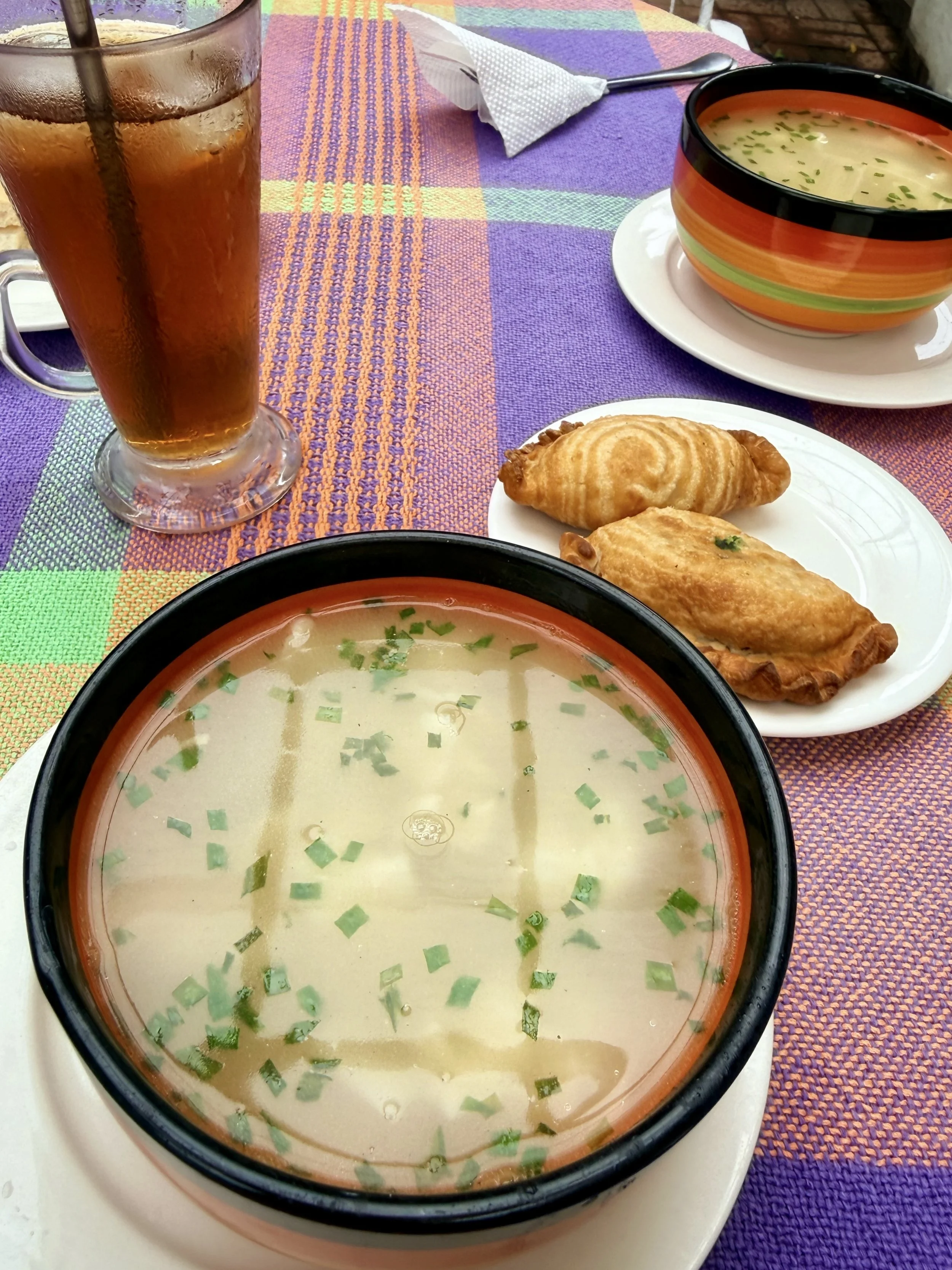
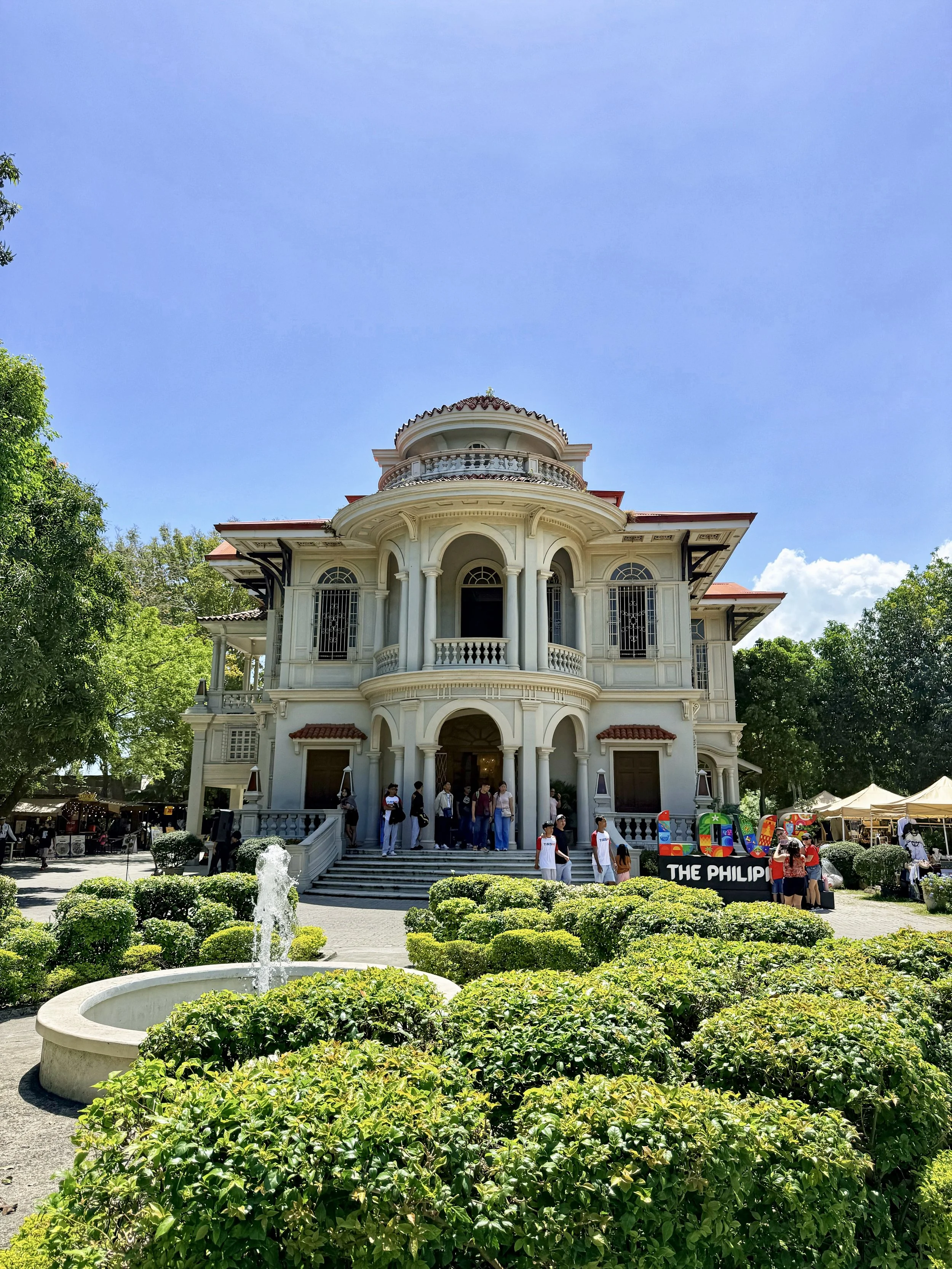
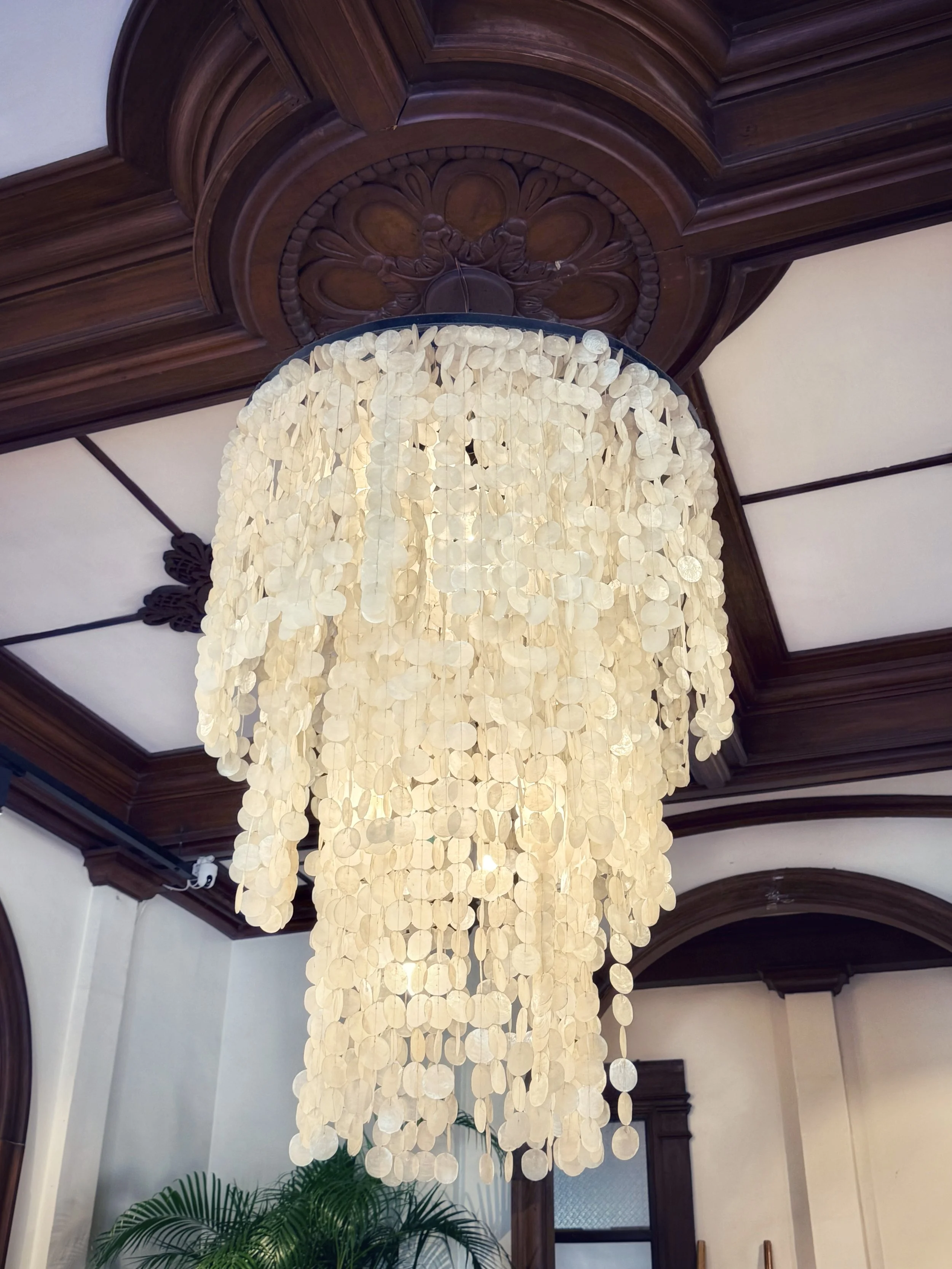
Histroically, Molo has been the Chinese district of Iloilo where many Chinese Filipinos lived. It is home to Panaderia de Molo--the oldest bakery in Iloilo since 1872--renowned for Pancit Molo. Molo is also referred to as the "Athens of the Philippines" for being the birthplace of several prominent Filipino philosophers and political leaders. We enjoyed walking through Molo Plaza and viewing the Santa Ana Parish Church—A famous 19th-century Spanish colonial church known for its red spires and 16 all-female saint statues, earning it the nickname "feminist church". Molo Mansion, also known as Yusay-Consing Mansion was built in 1926 by Doña Petra Lacson and her husband, Estanislao Yulo Yusay, a prominent lawyer and judge from Molo. The mansion has ties to a former governor of Iloilo and owners of the sugar mill industry. The mansion has been turned into a gift shop where one can purchase high quality FIlipino goods. There are cafes and live music on the grounds for a lovely place to relax.


City Proper
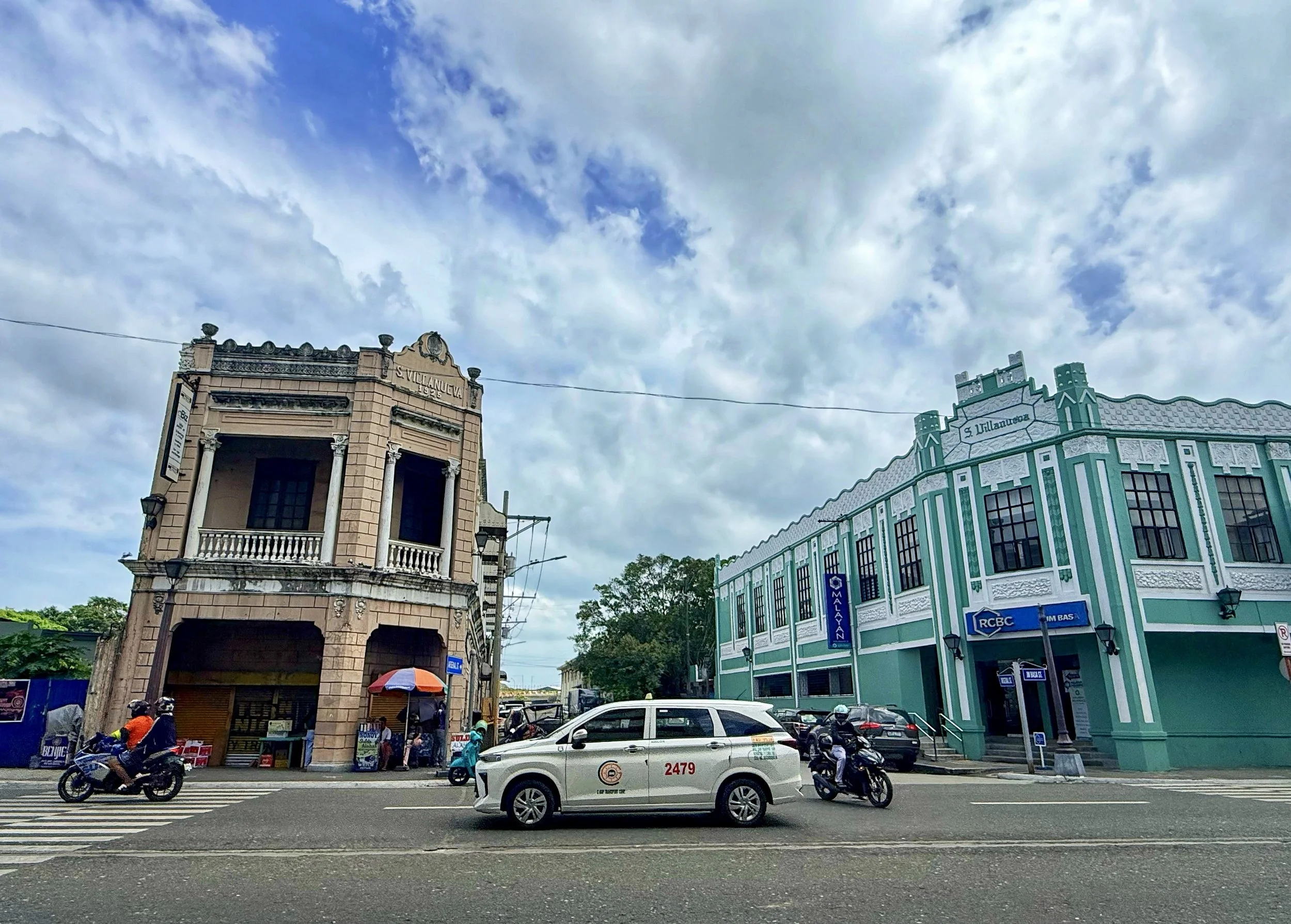
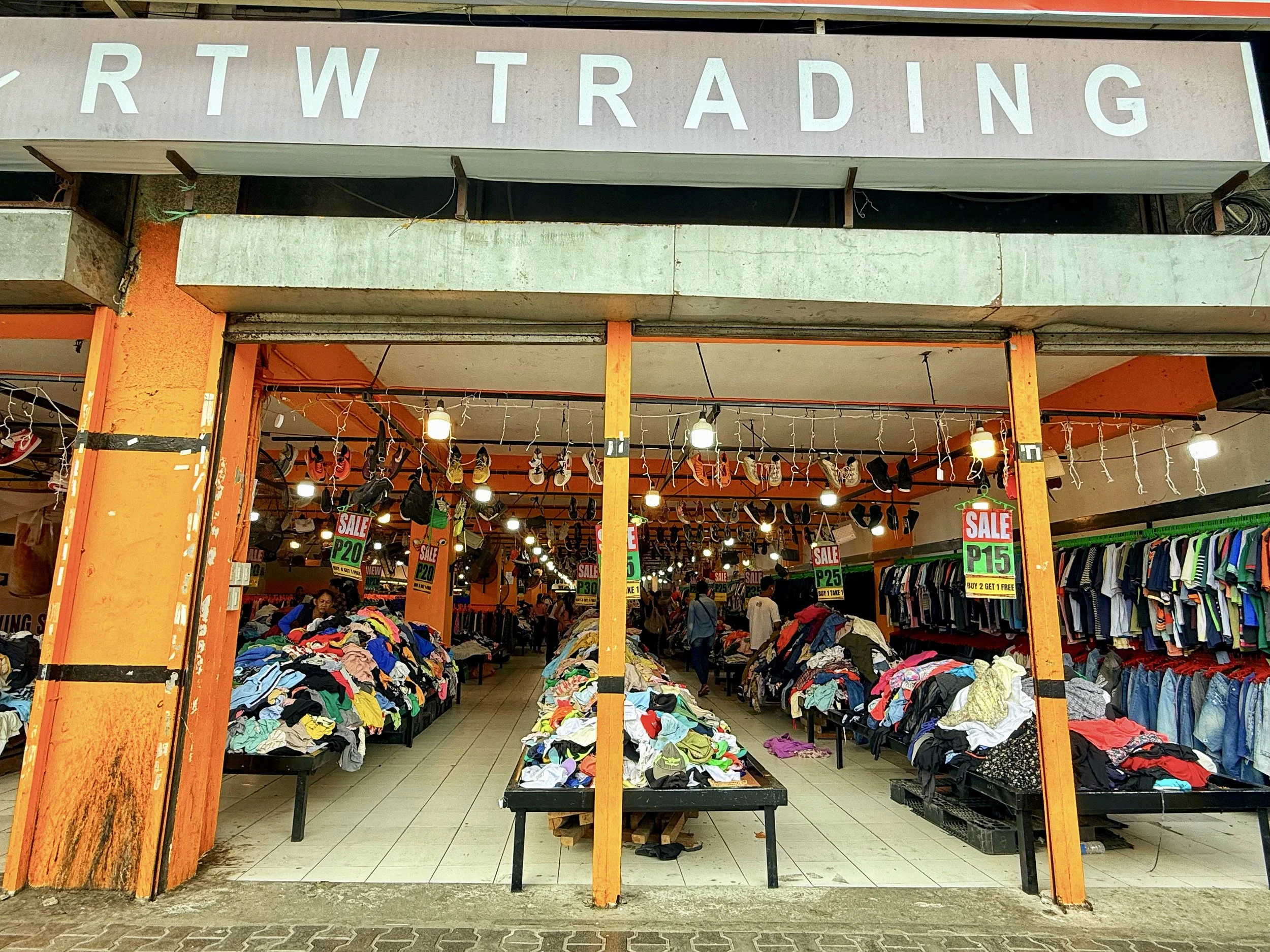
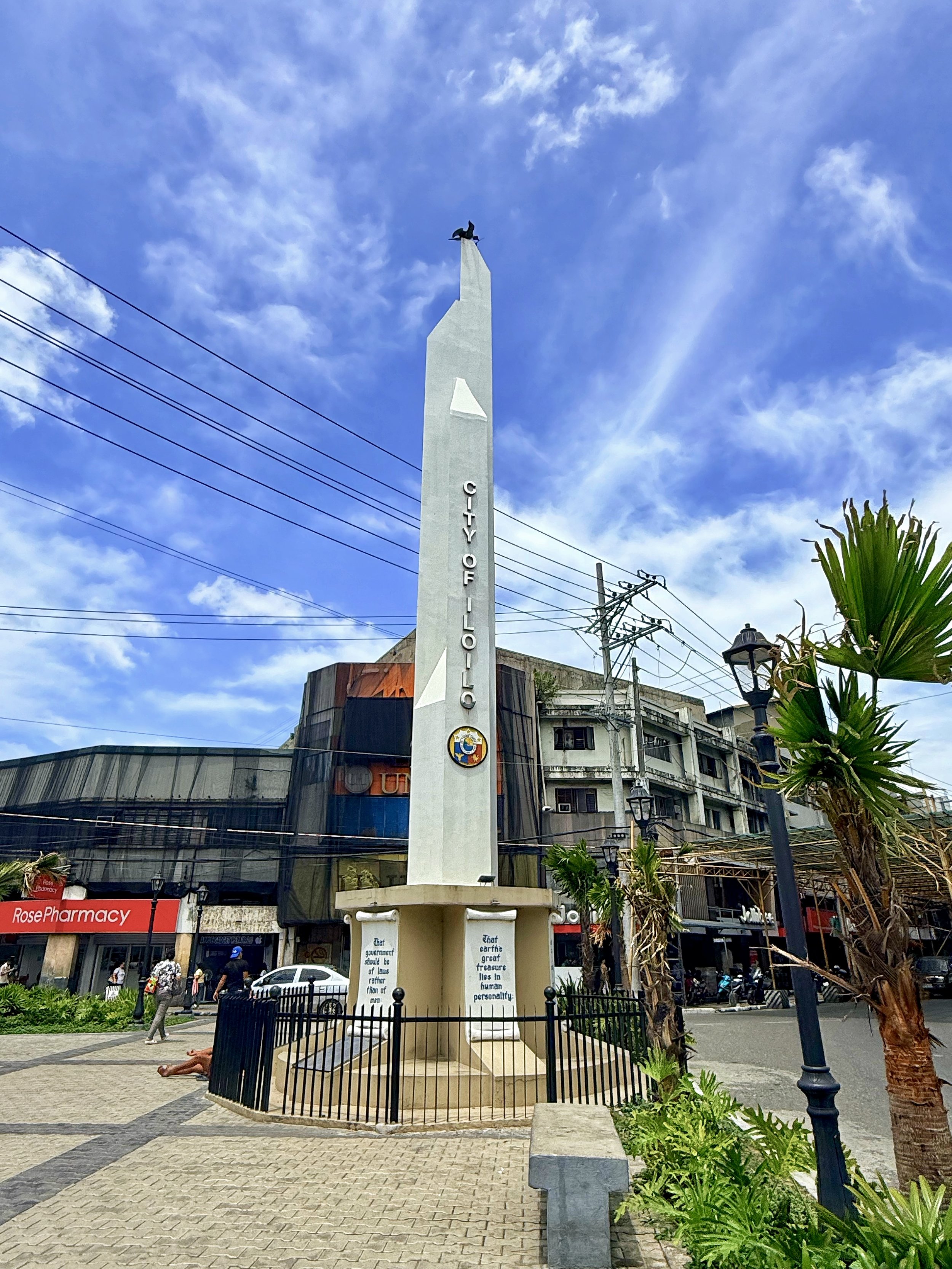
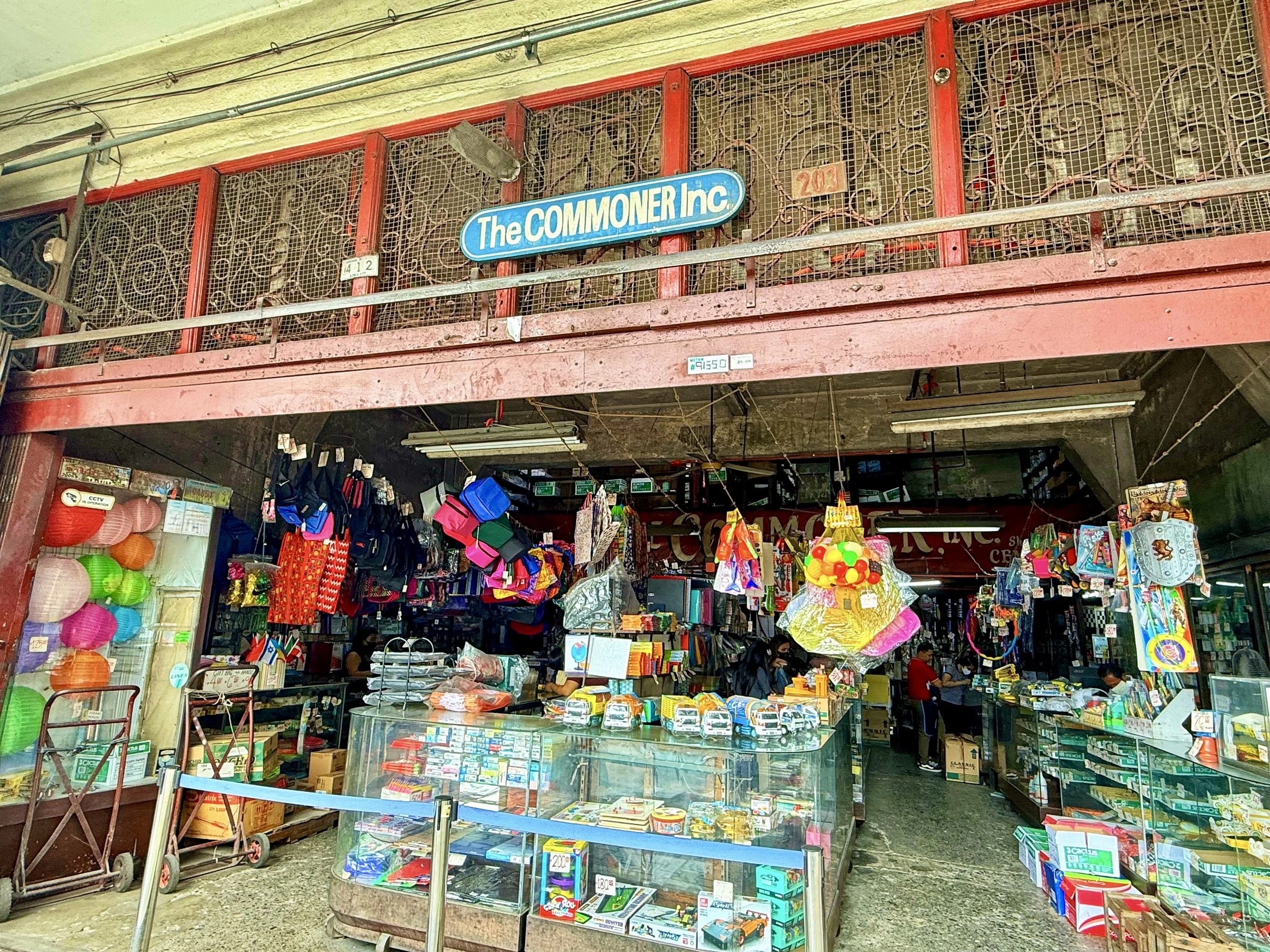
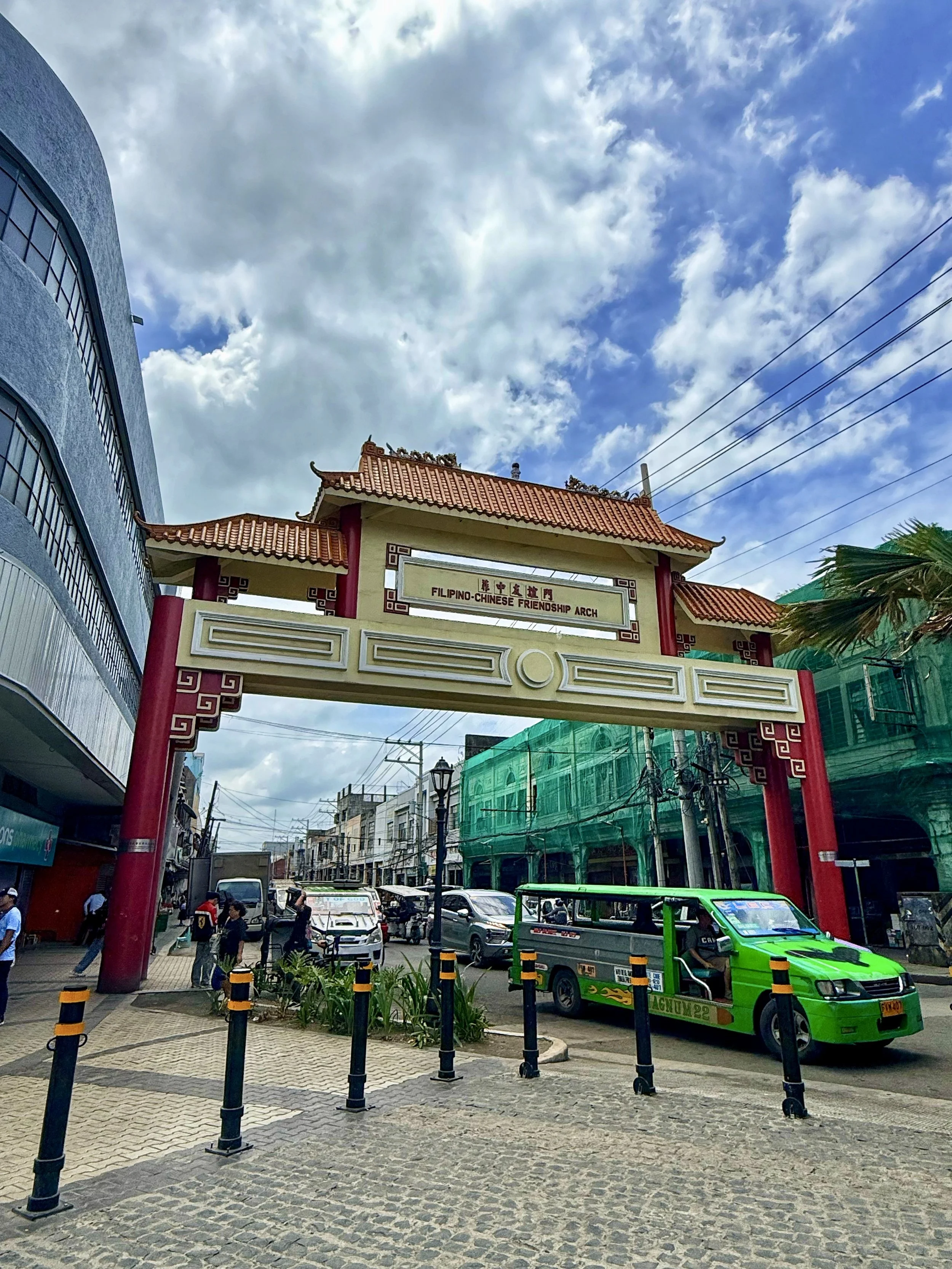
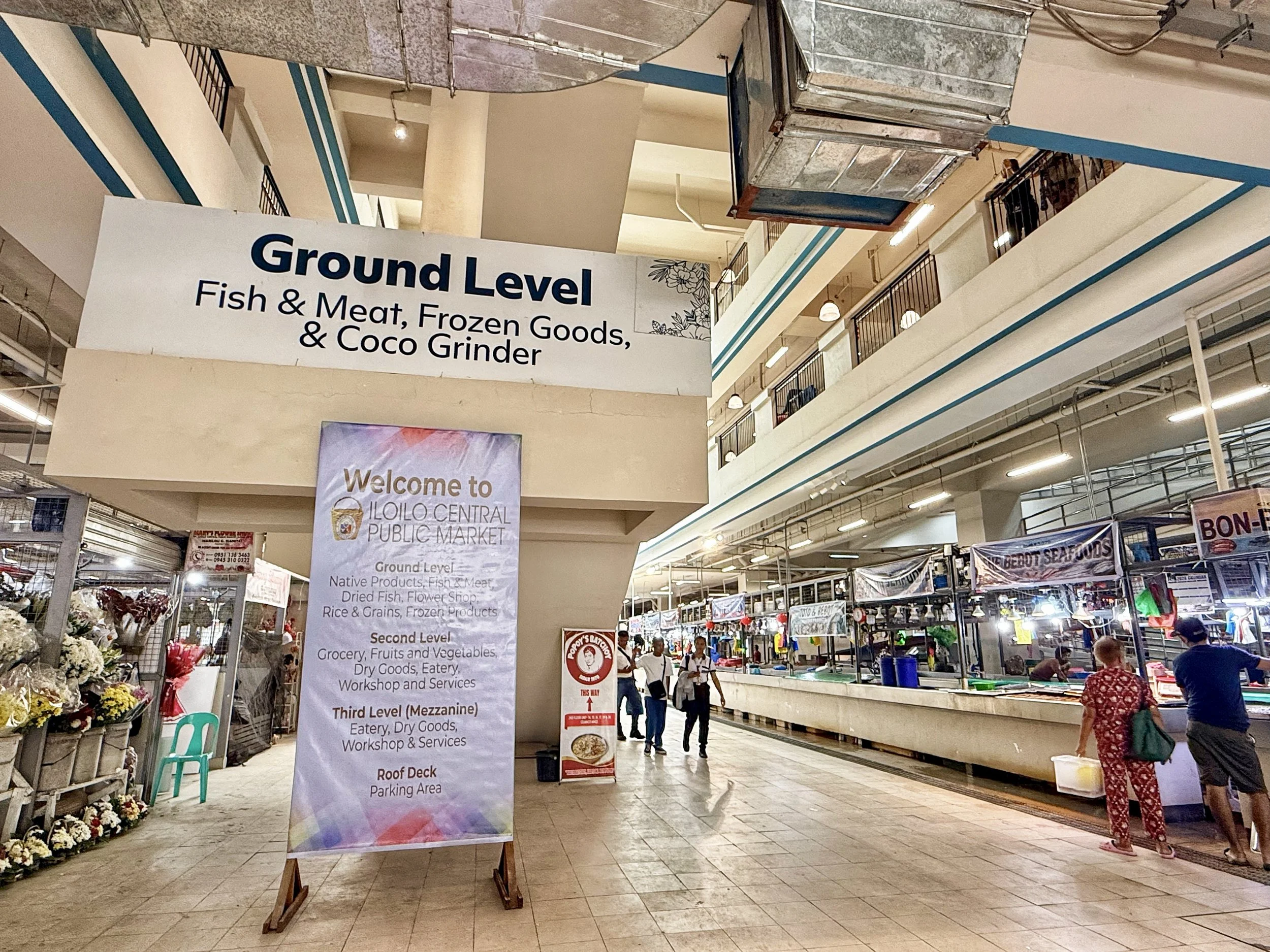
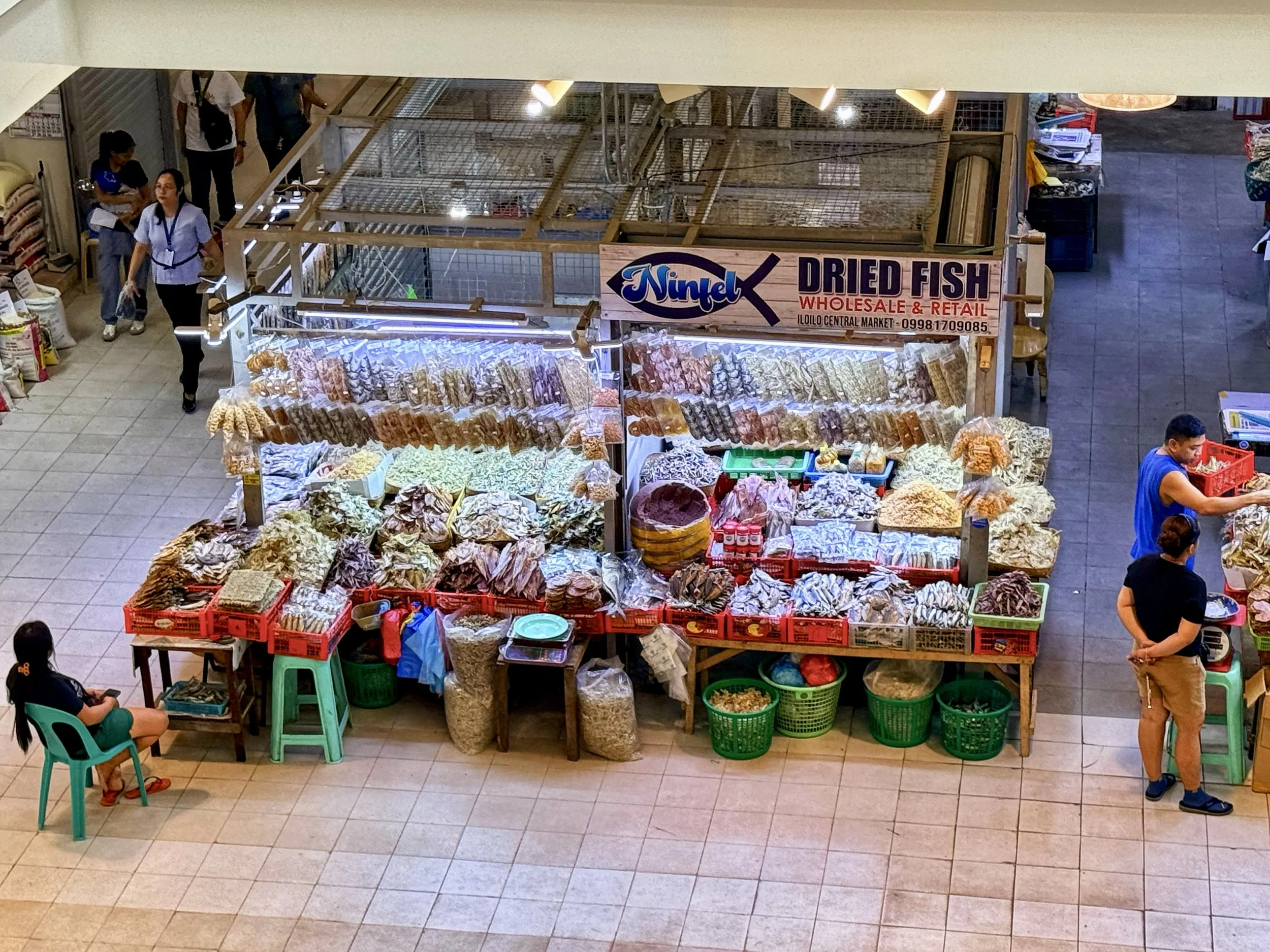
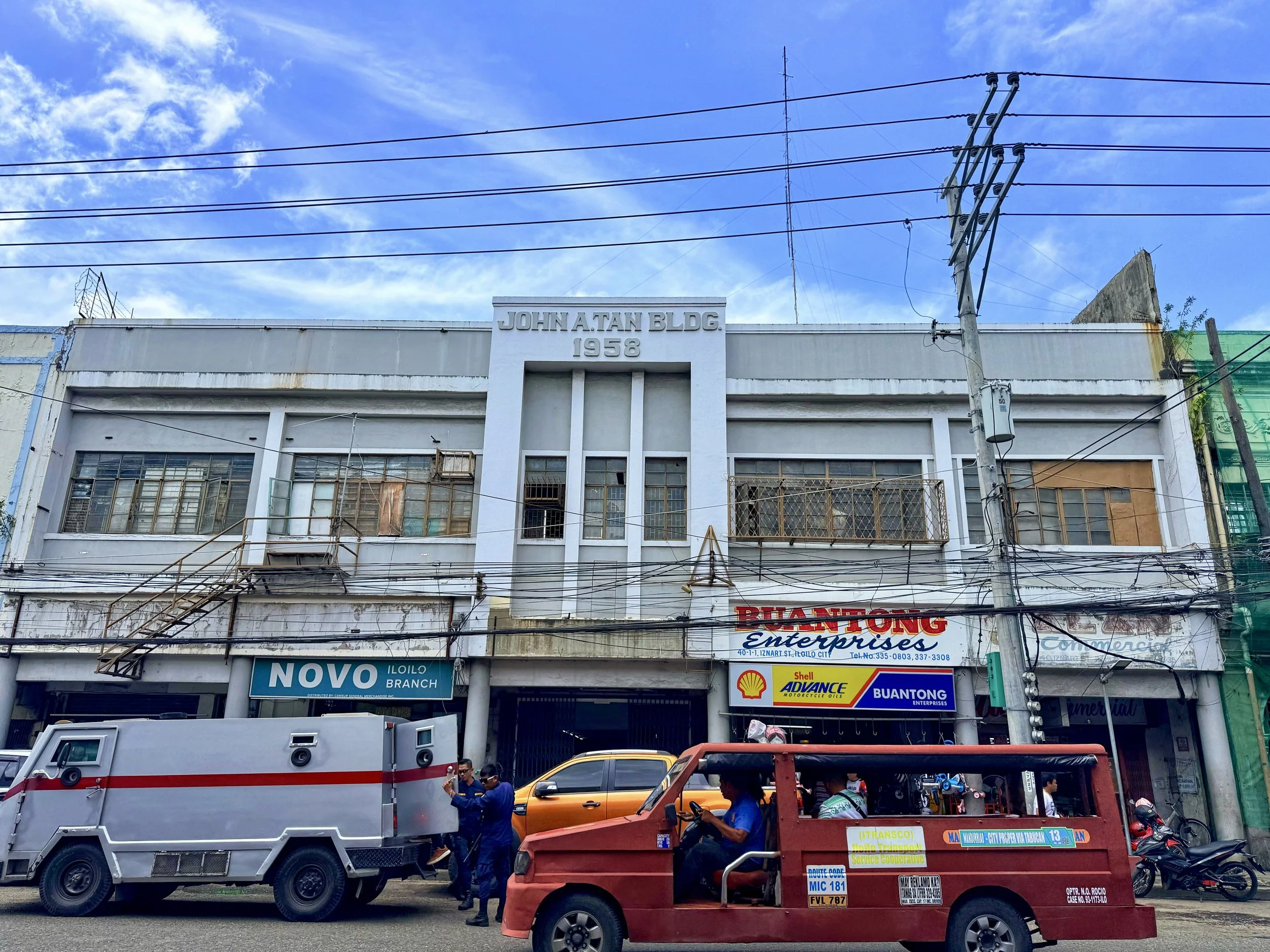
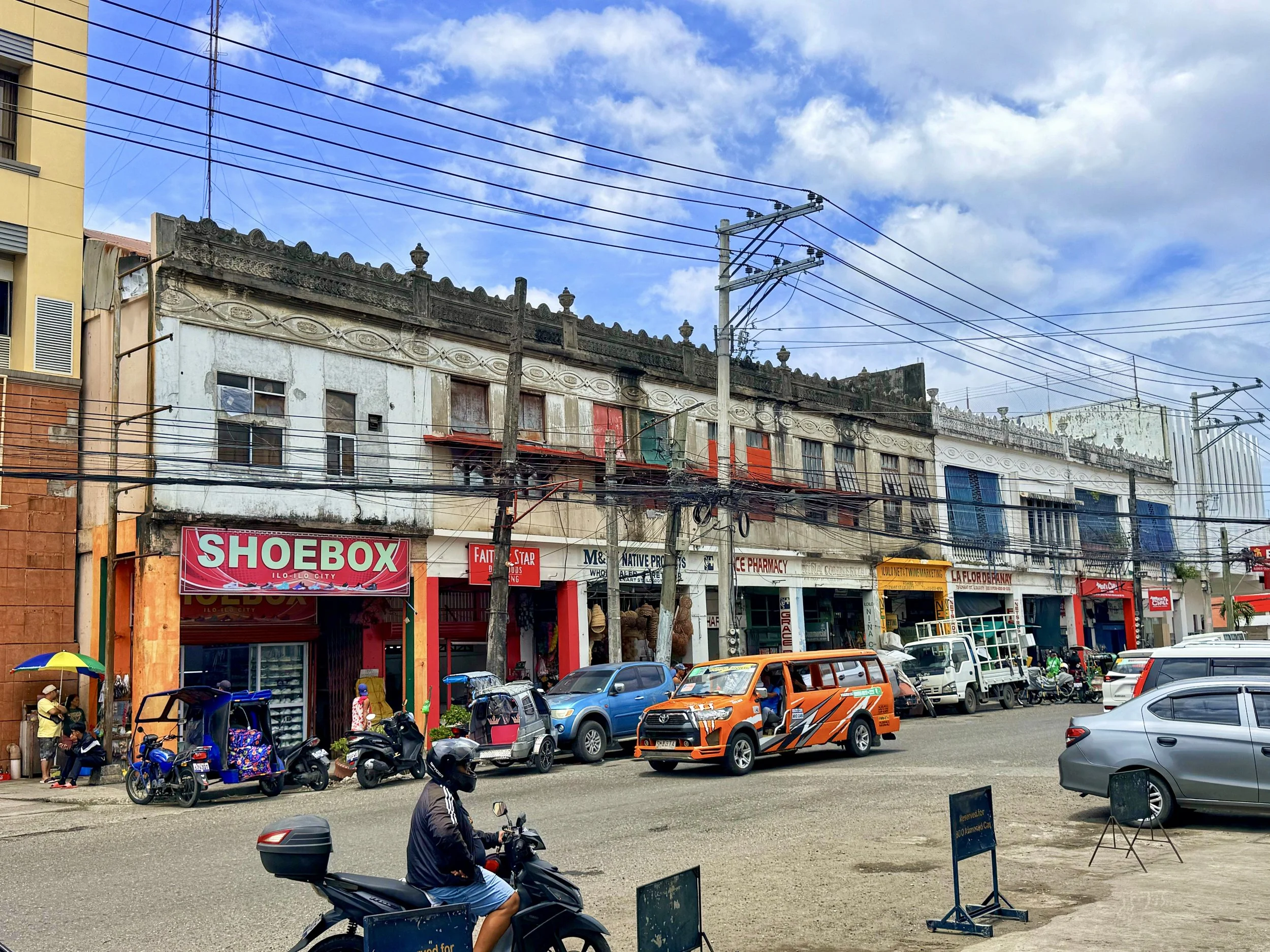
Old photos of Iloilo City show City Proper as the main commercial hub, featuring the city hall, the main plaza, and Iloilo central market. This district reveals the colonial history of the Phillipines by the different types of the well-preserved commercial buildings from the 19th and 20th century ranging from Spanish architecture to American neoclassical and Art Deco buildings.
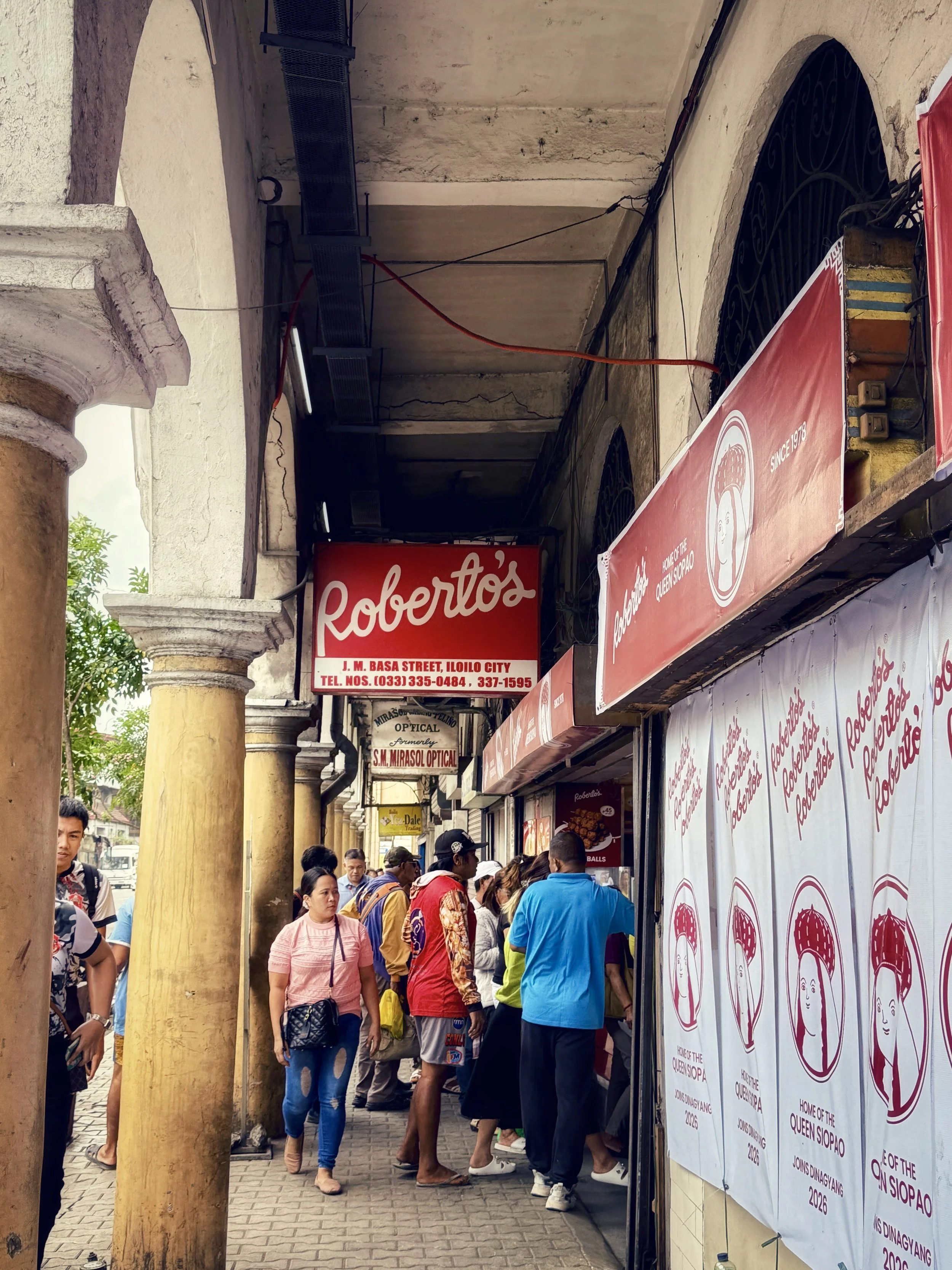
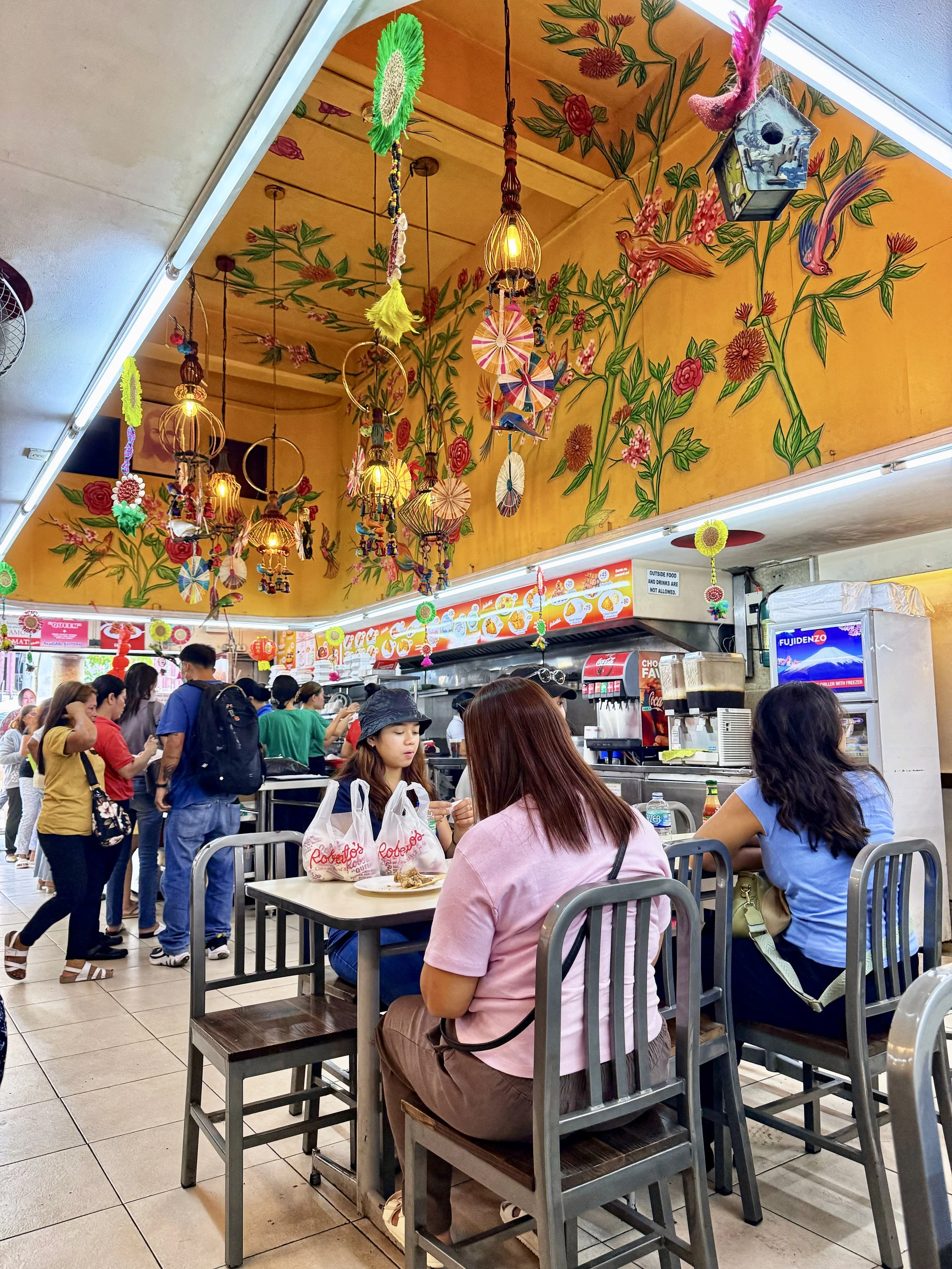
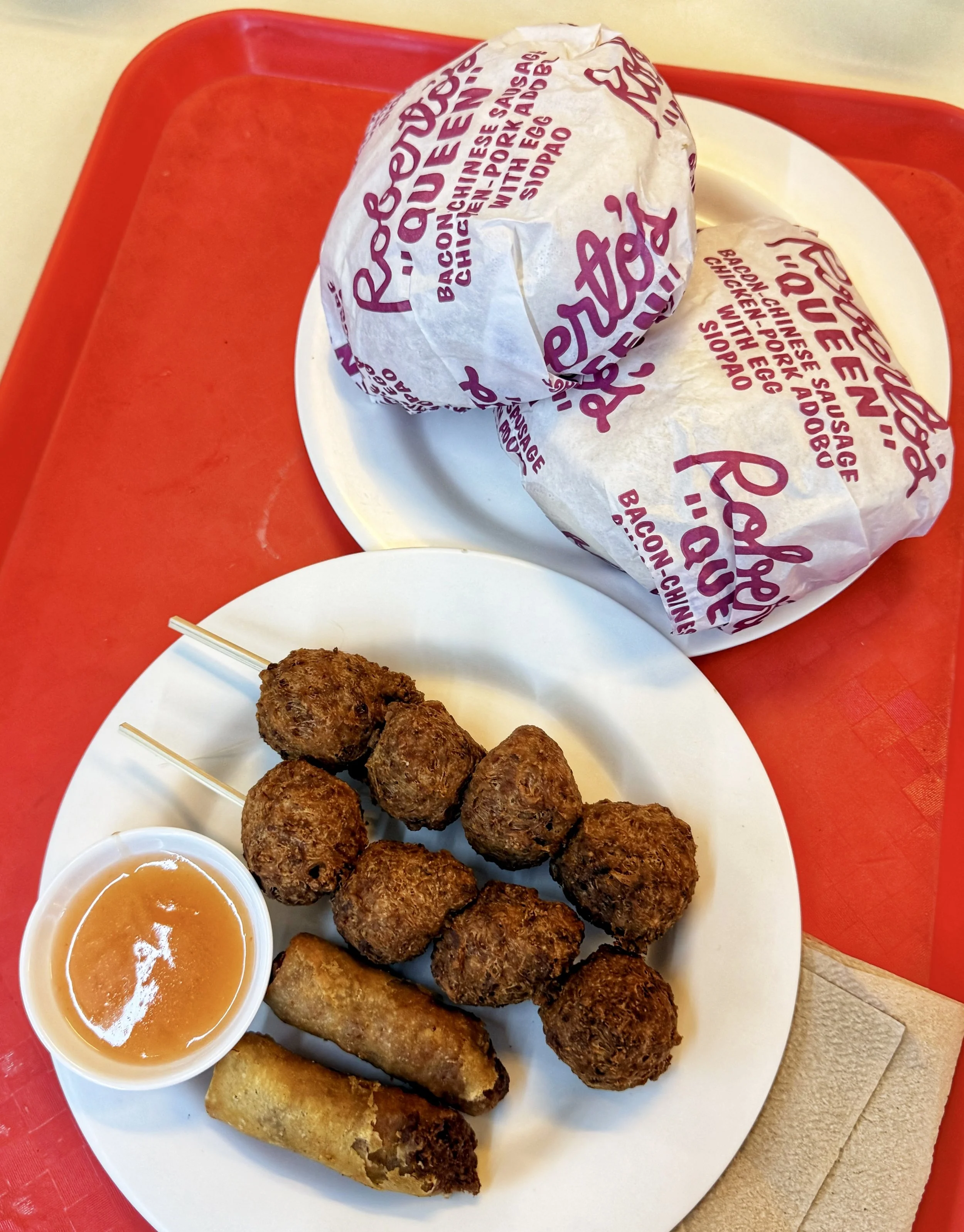
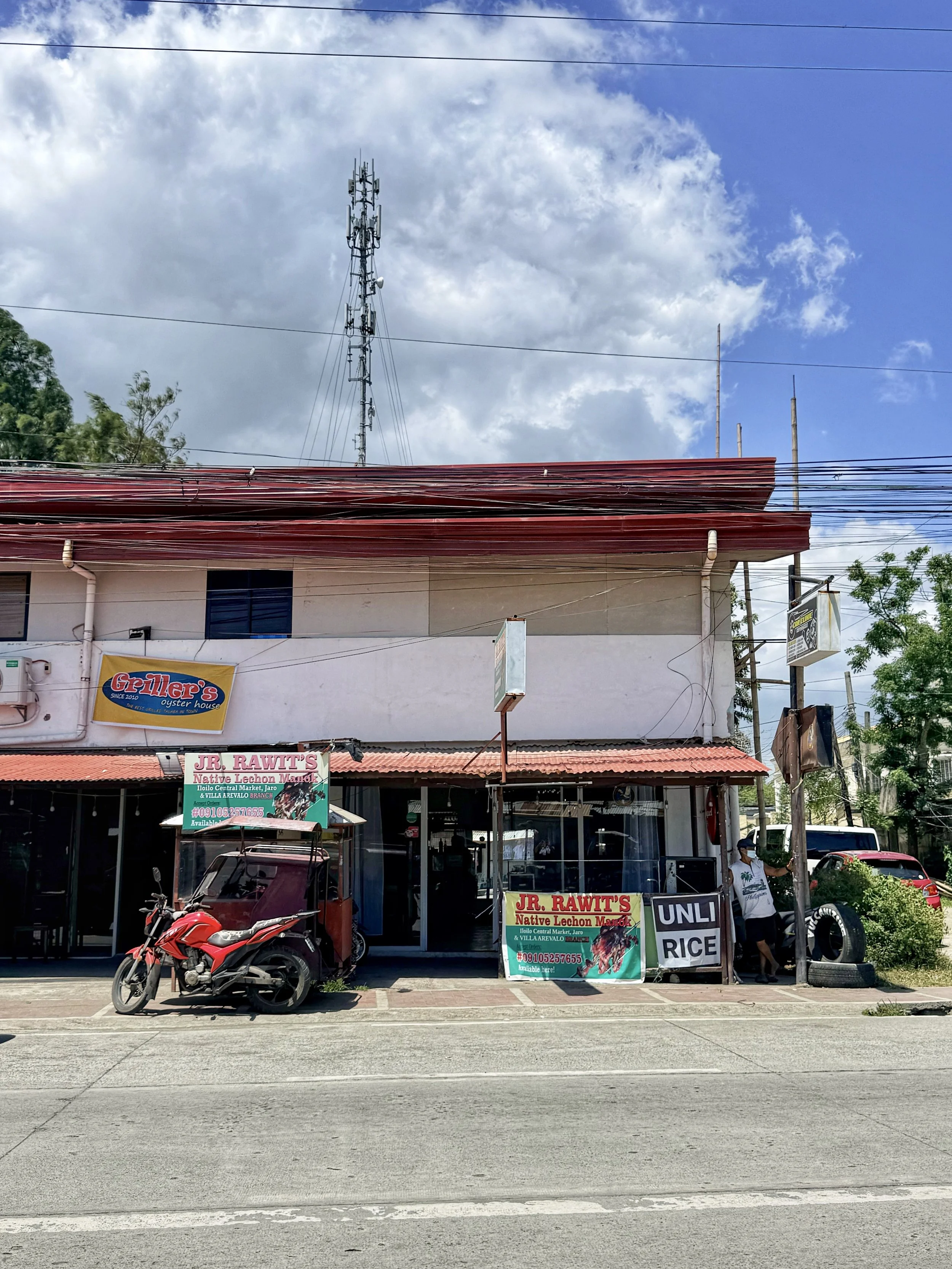
While it is still considered the busy heart of Iloilo, our visit revealed that many of the older buildings and ways of commerce are being replaced by modern air-conditioned multi-story structures that take away the authenticity and ambience of the street food stalls and markets that we were hoping to experience. For example, we discovered that JR. Rawitt's native chicken stand no longer exists on the street with its signature smoke billowing from the rotisserie. The eating area has been moved indoors while the cooking is done elsewhere. Roberto's is still an original institution in City Proper and every local recommended we go there for the massive siopaos (steamed buns)…which we devoured.
Villa de Arevalo
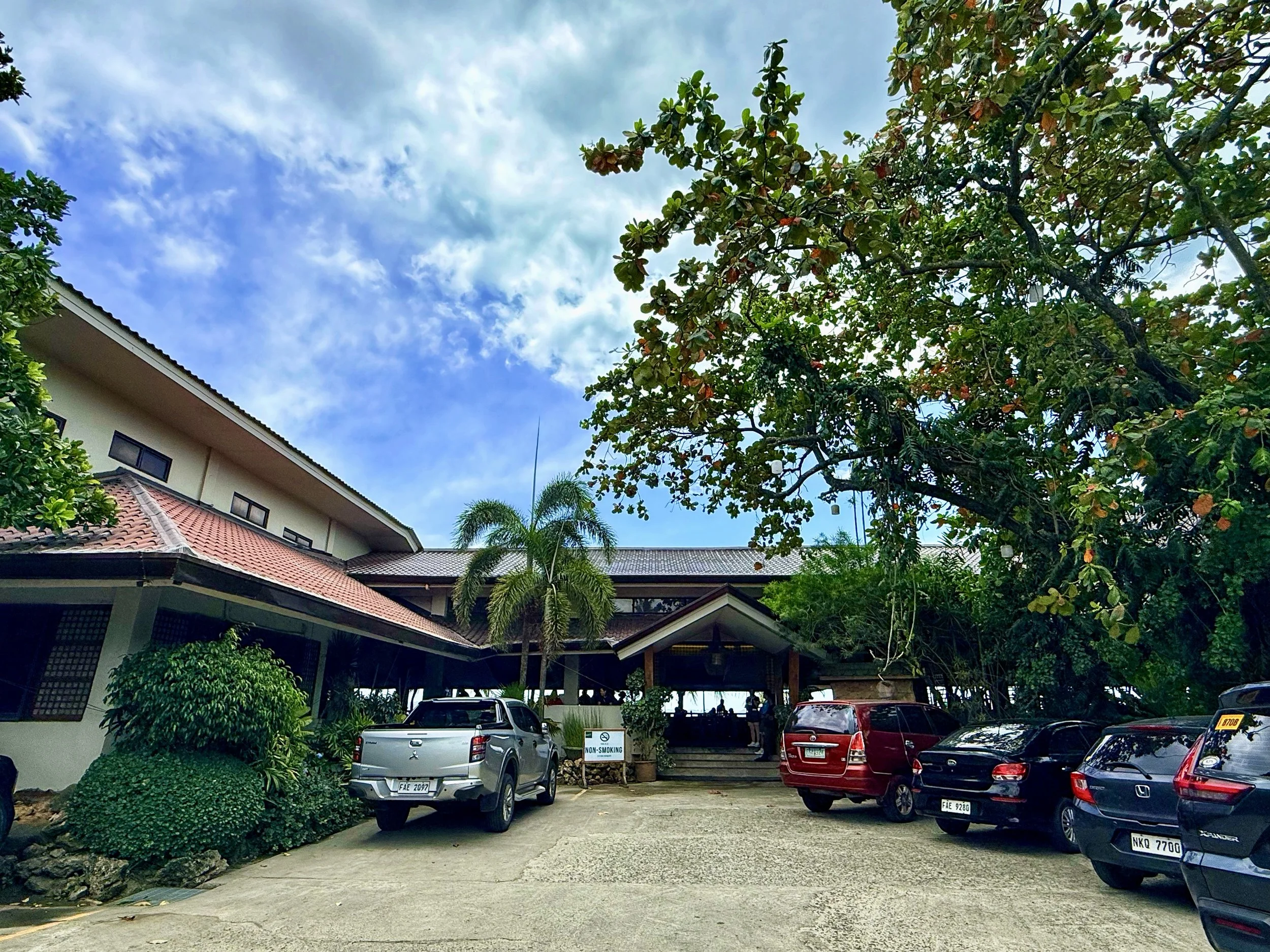
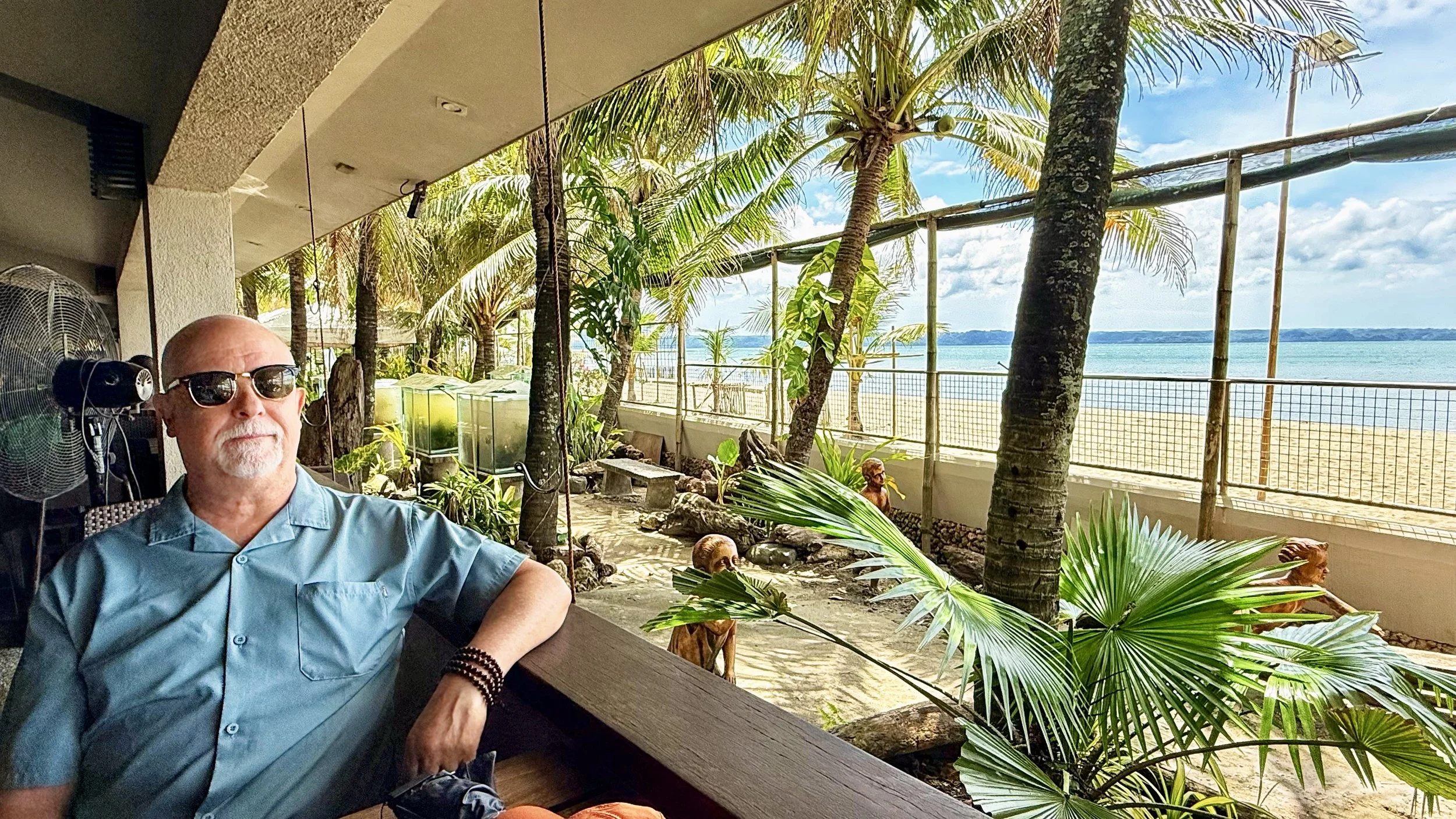
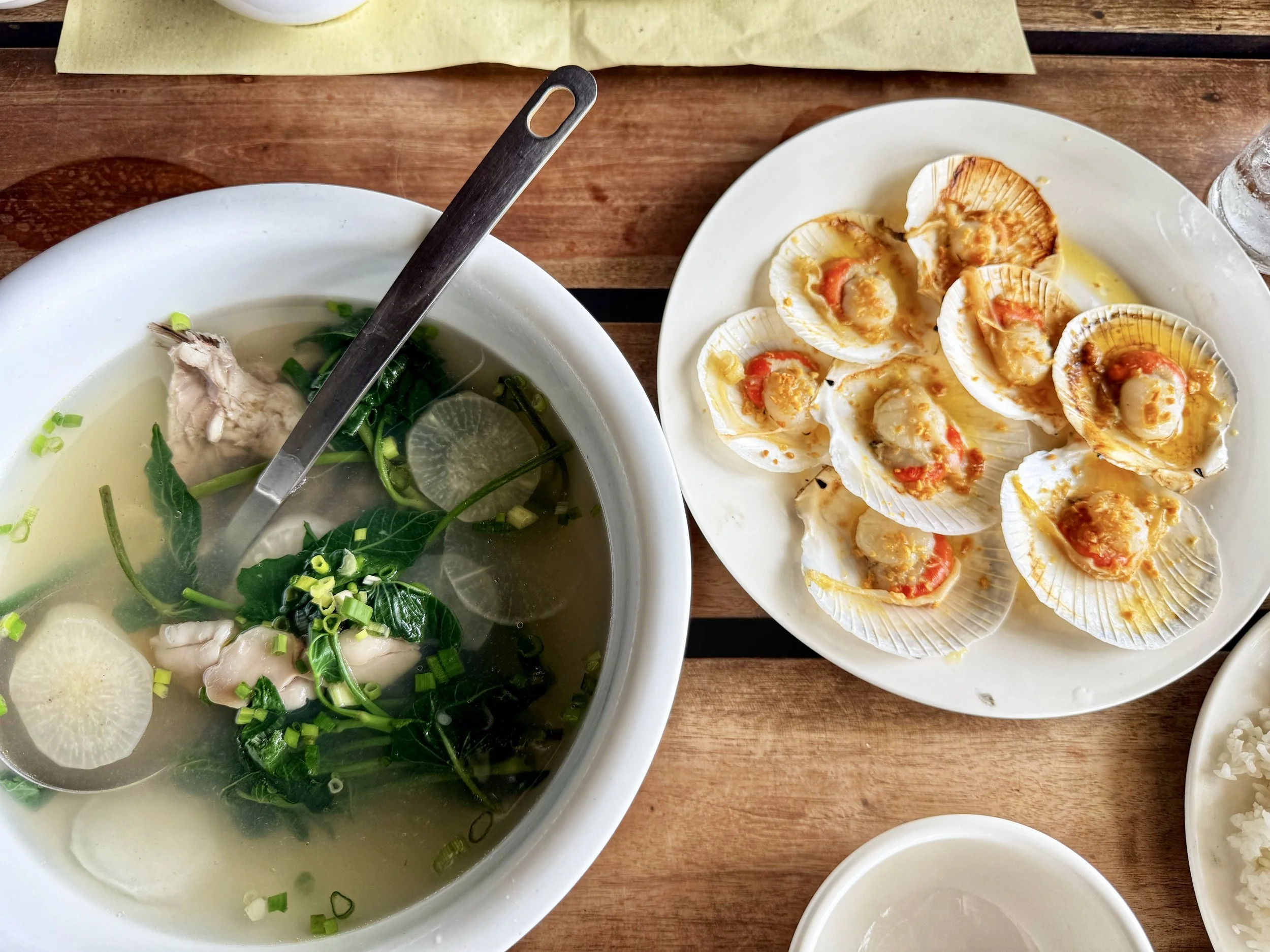
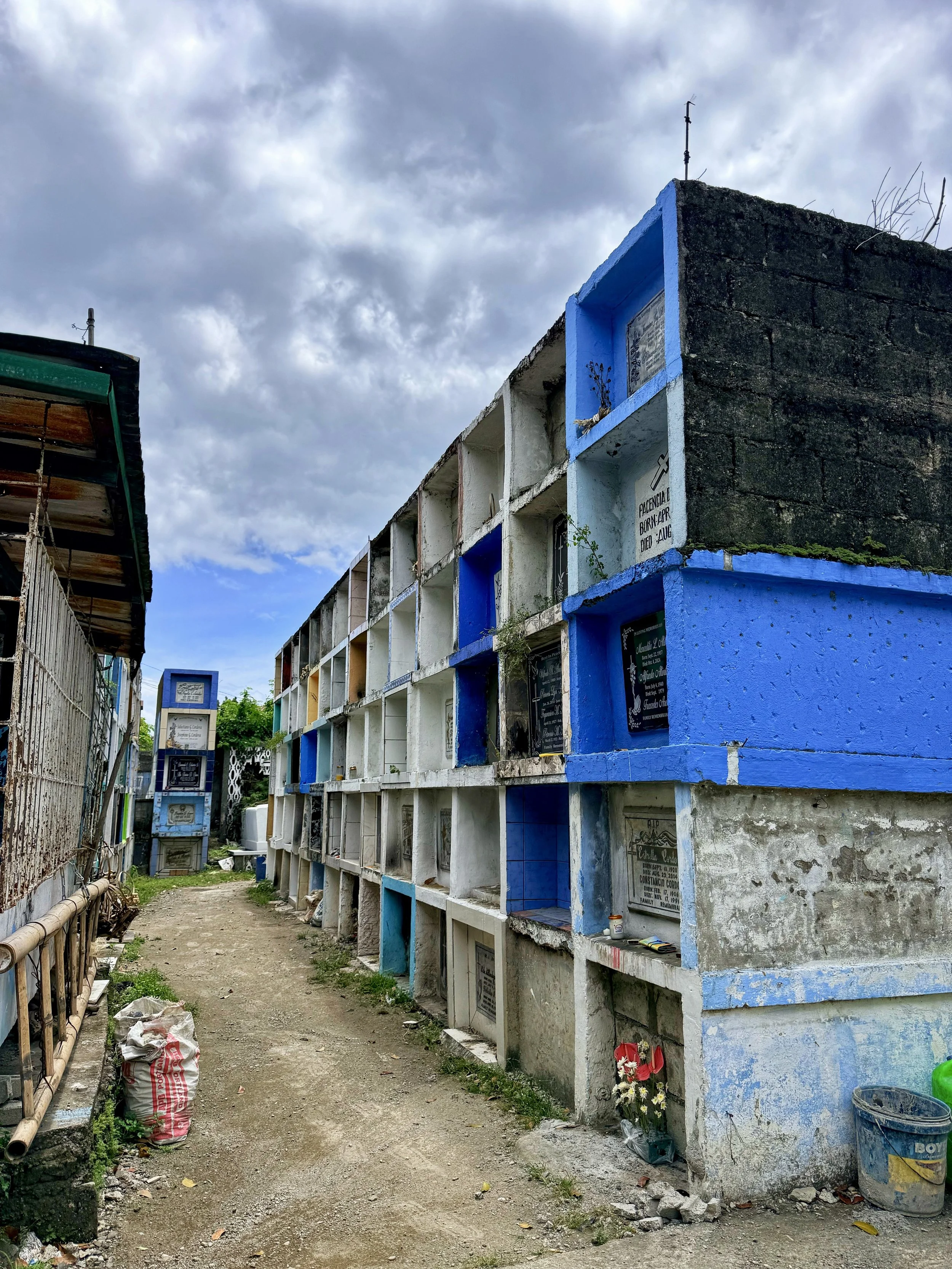
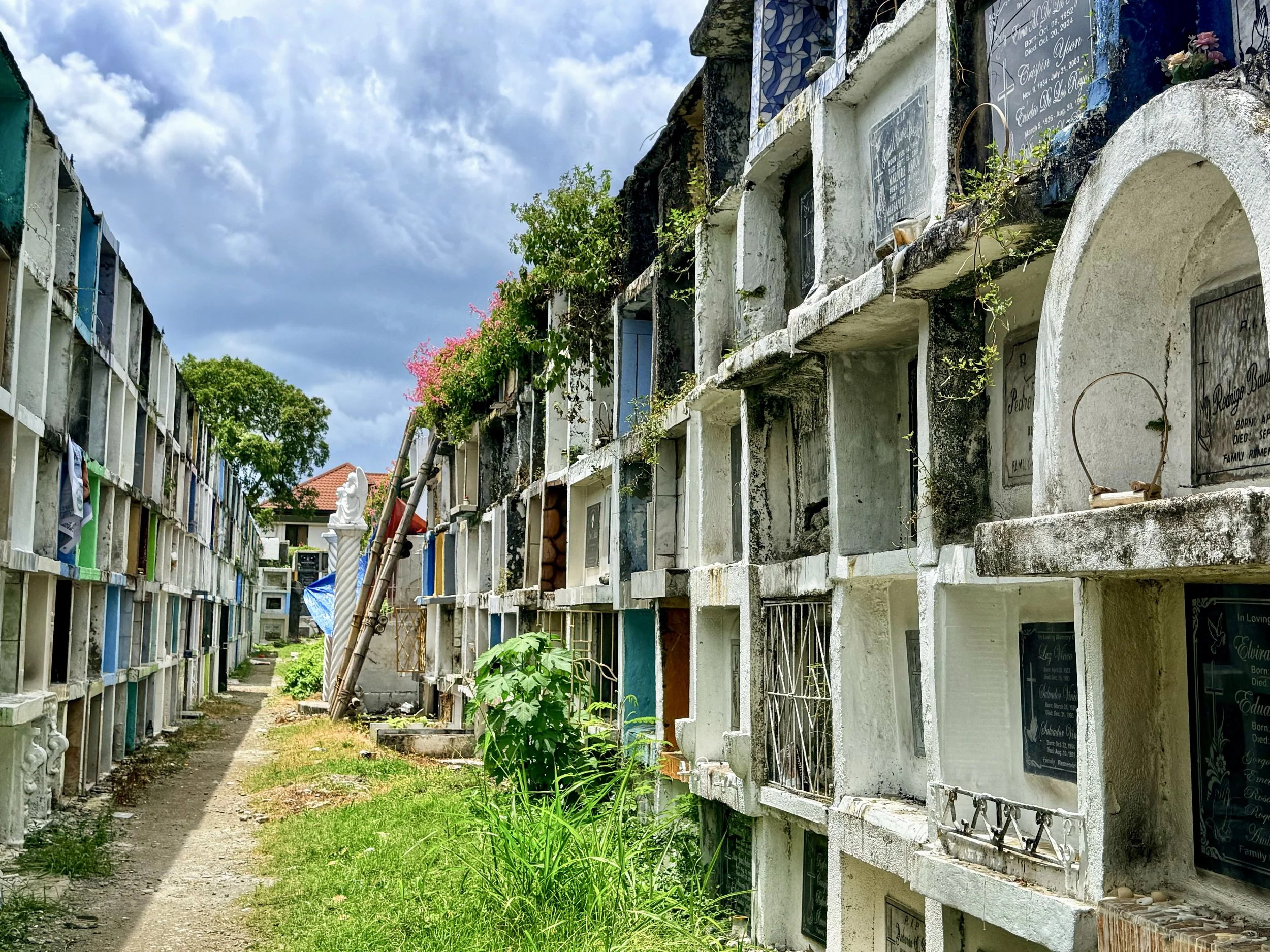
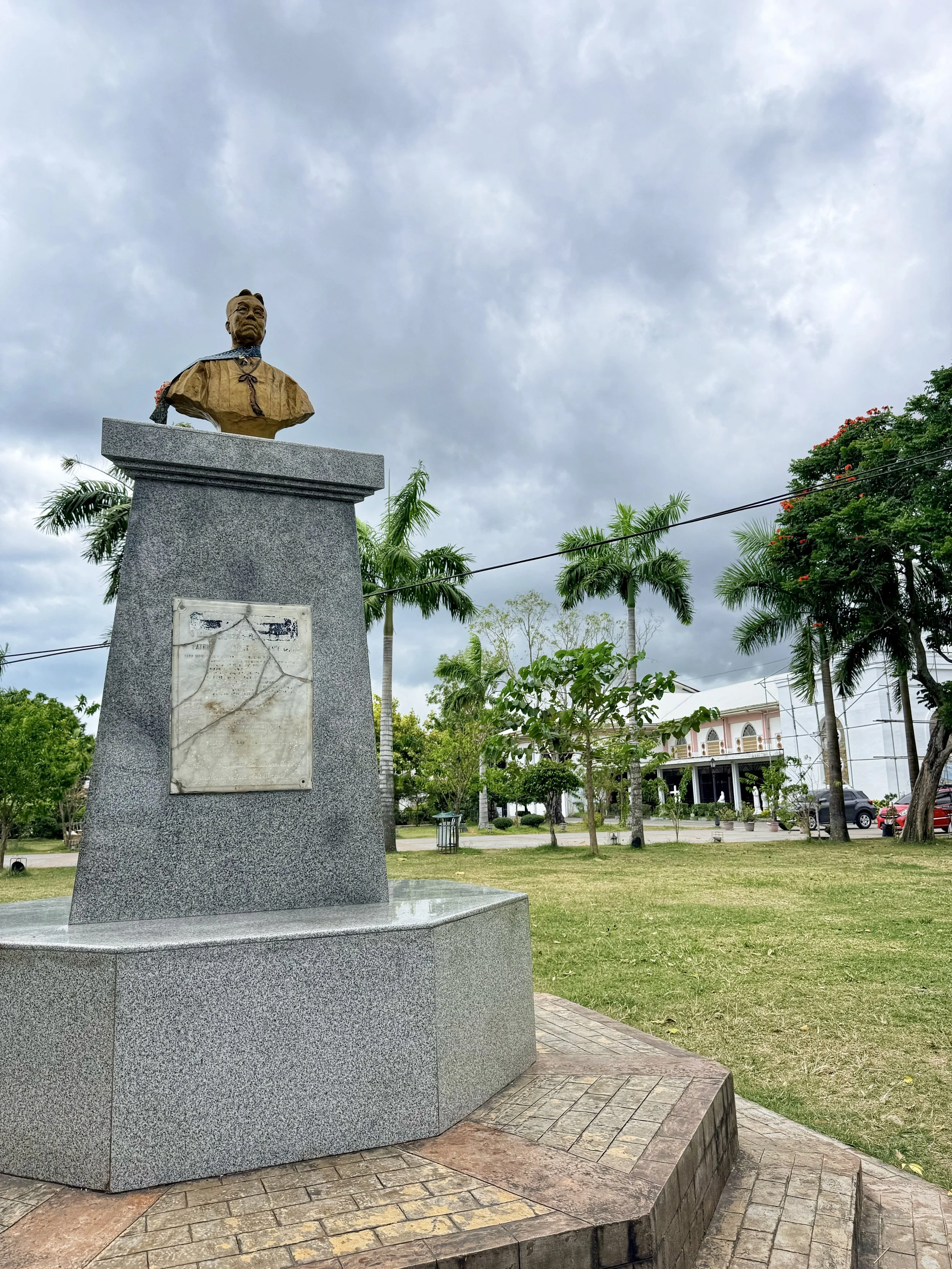
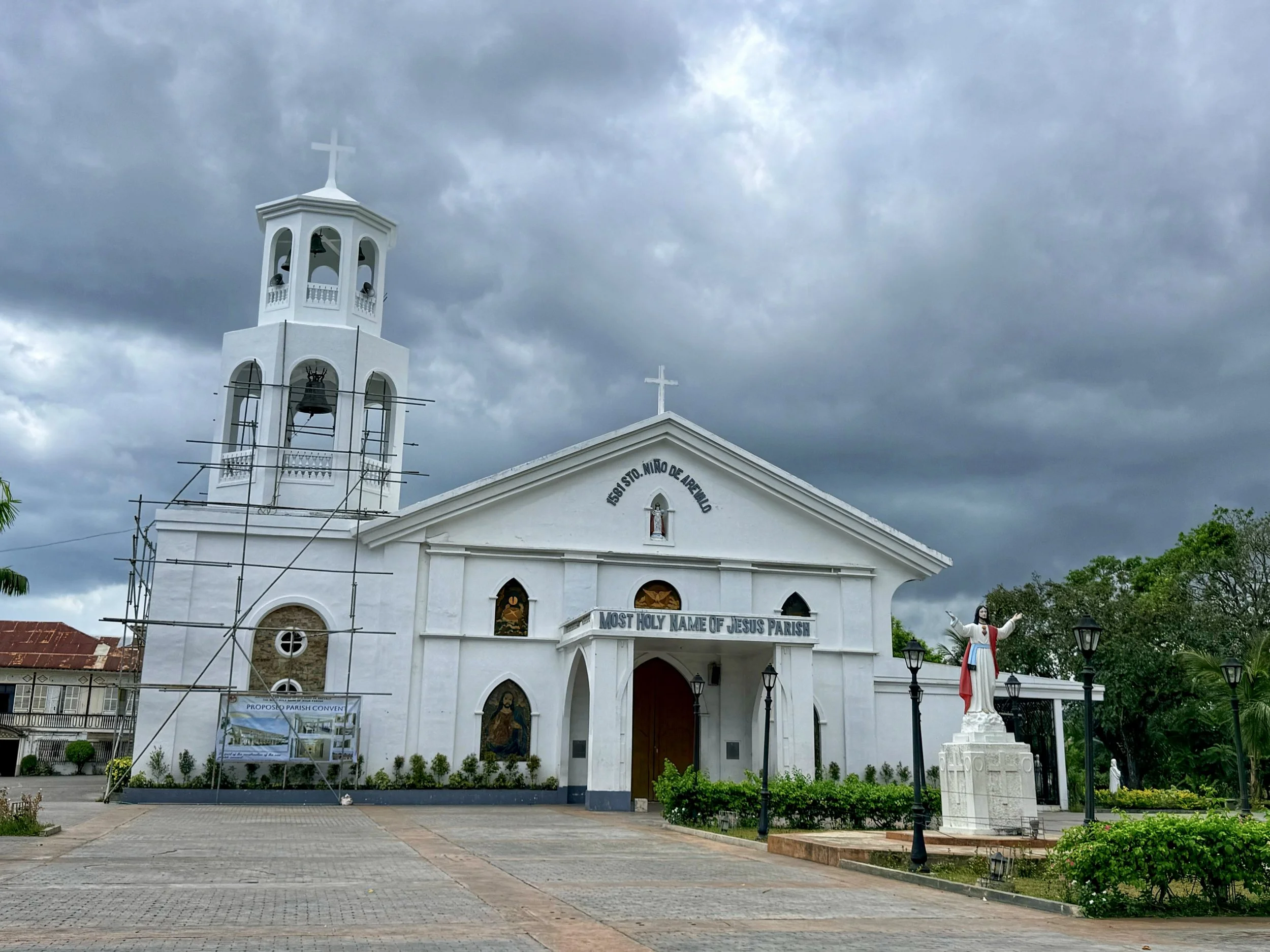
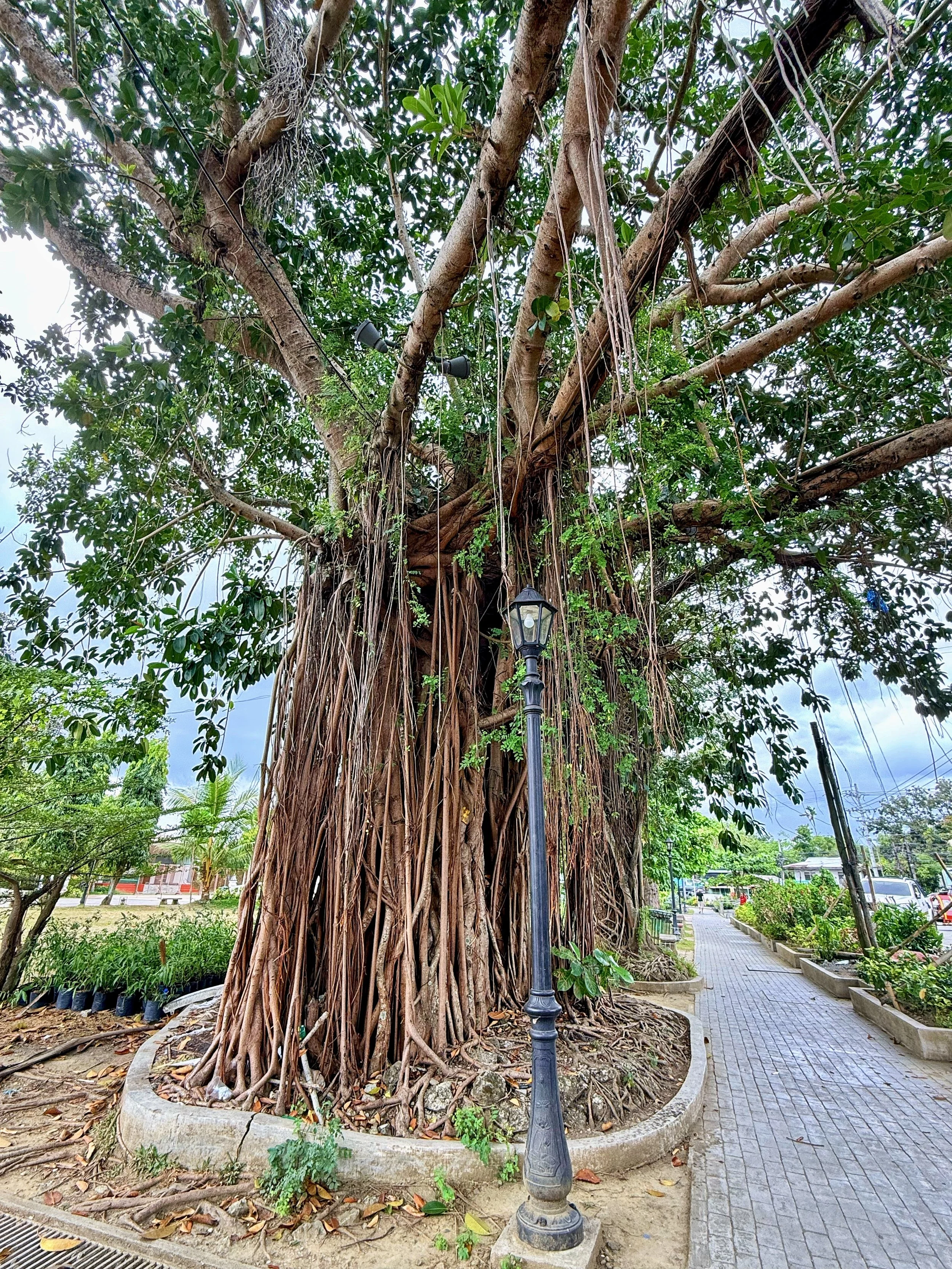
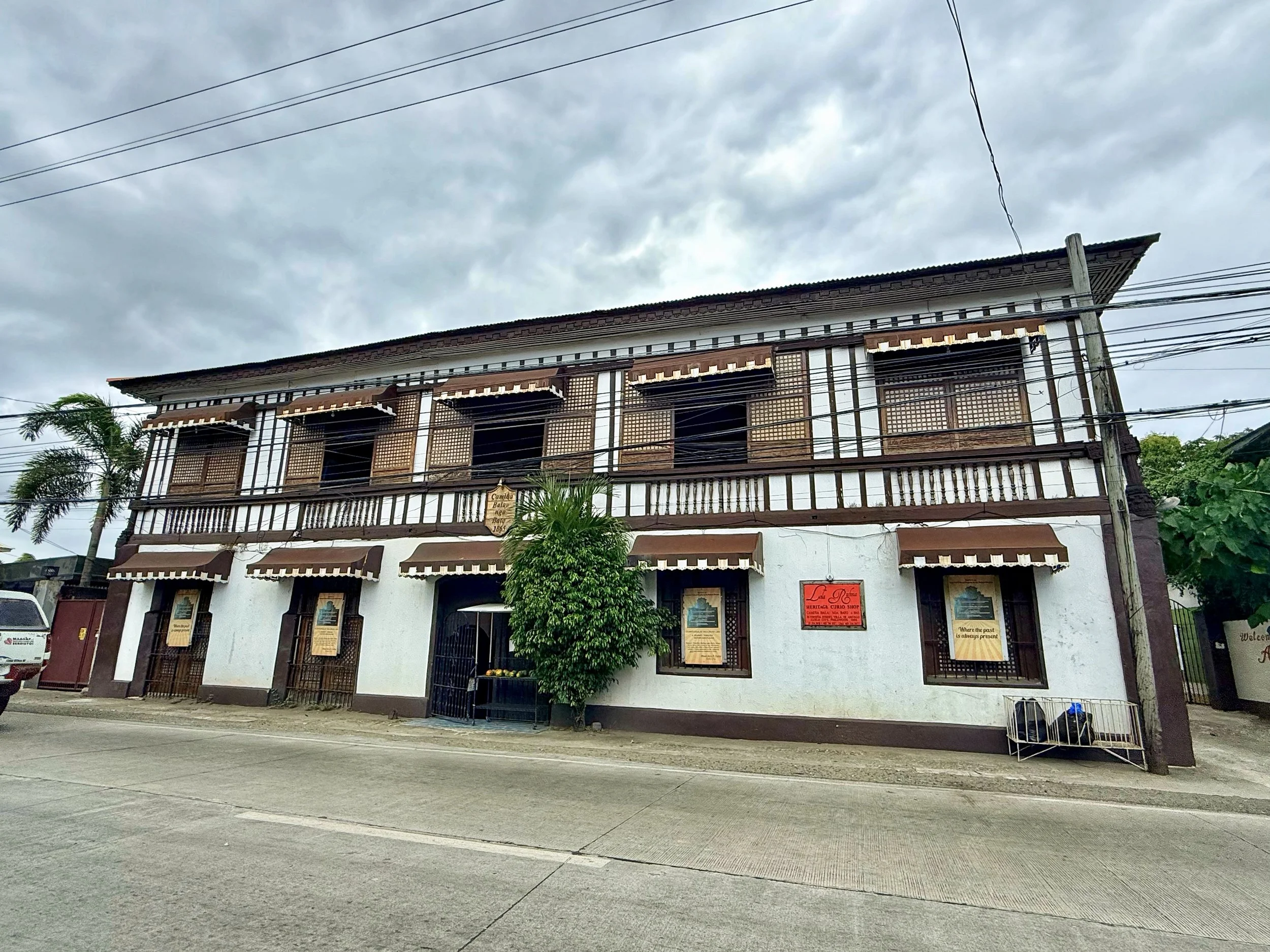
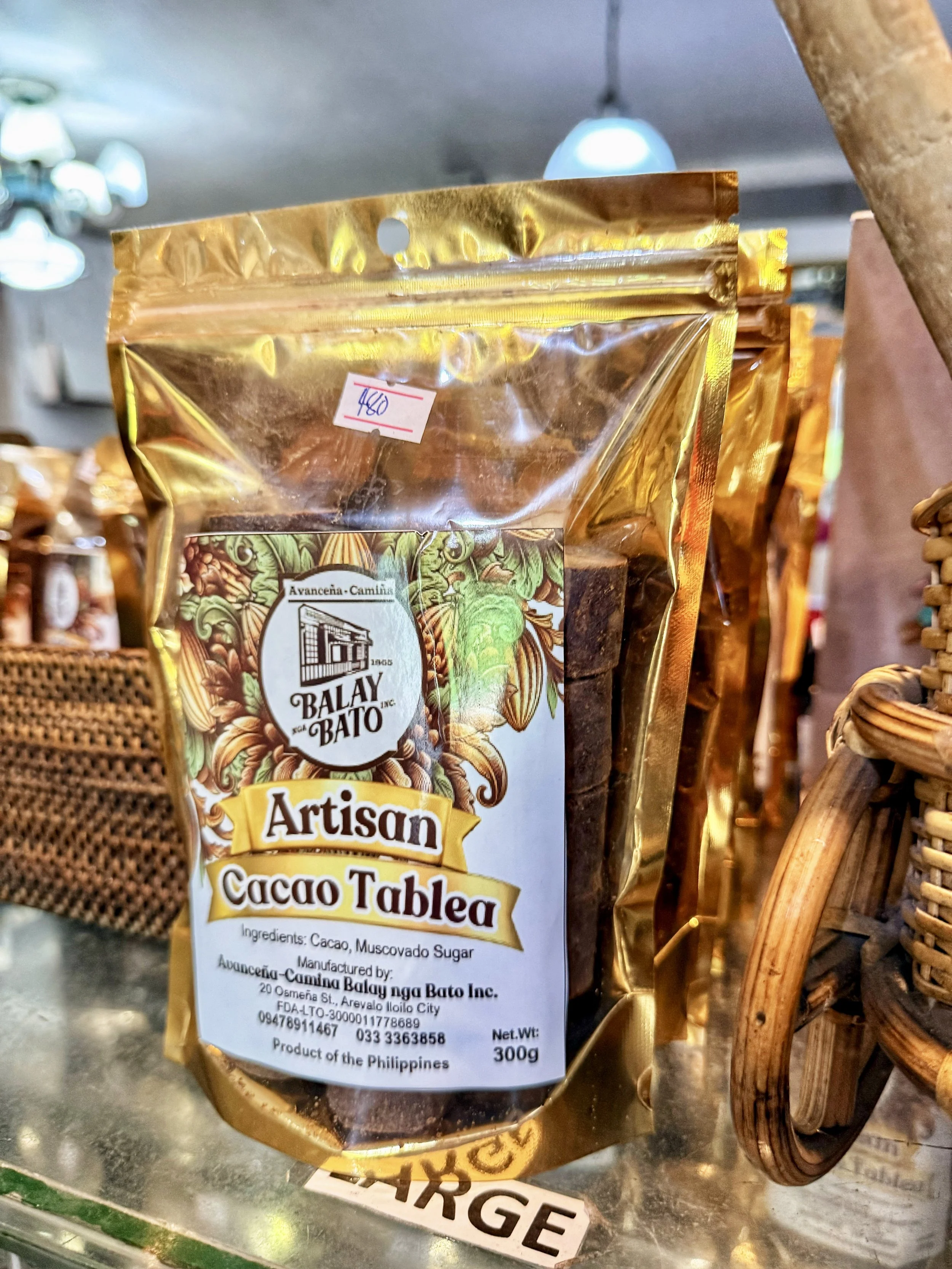
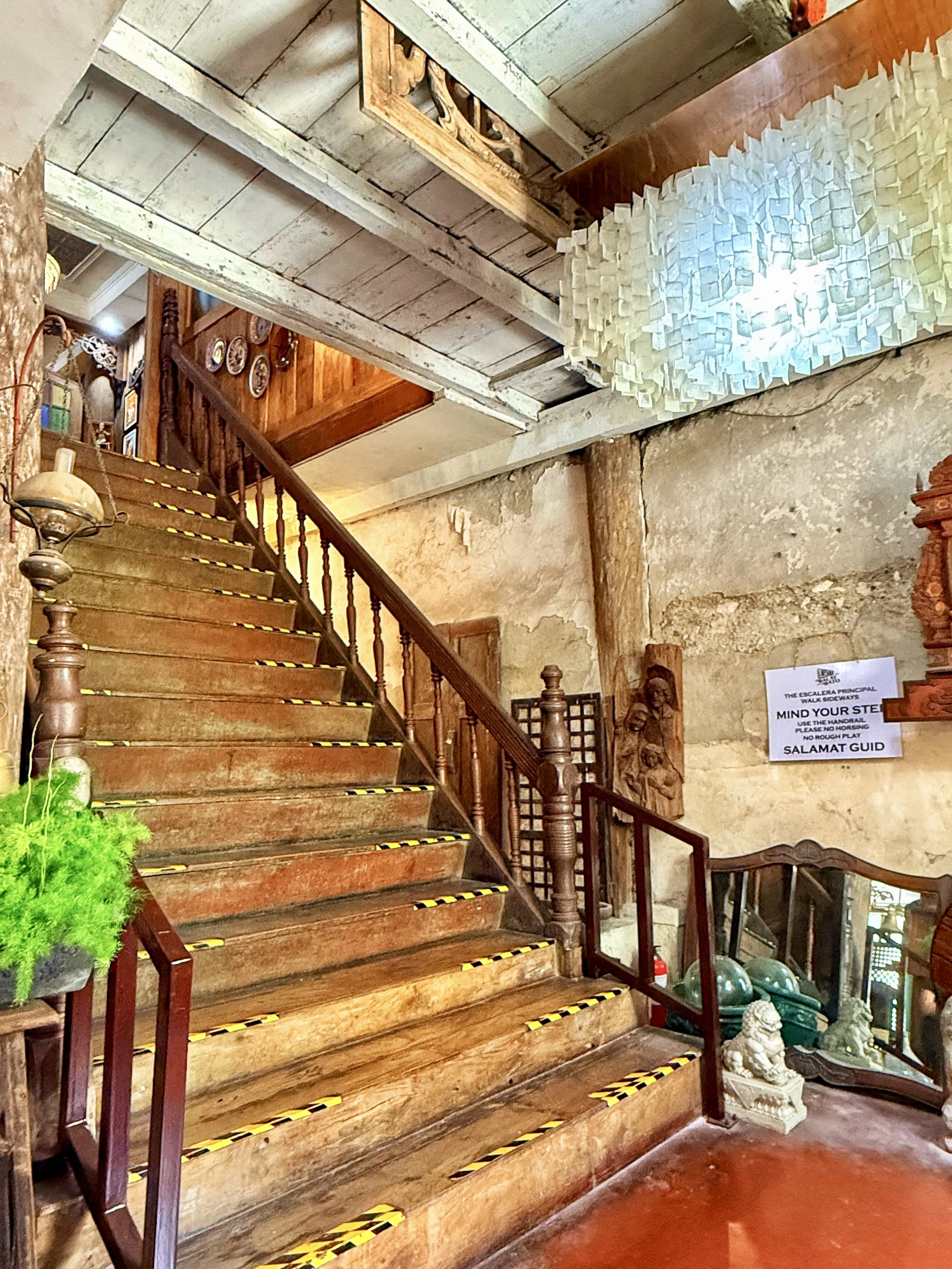
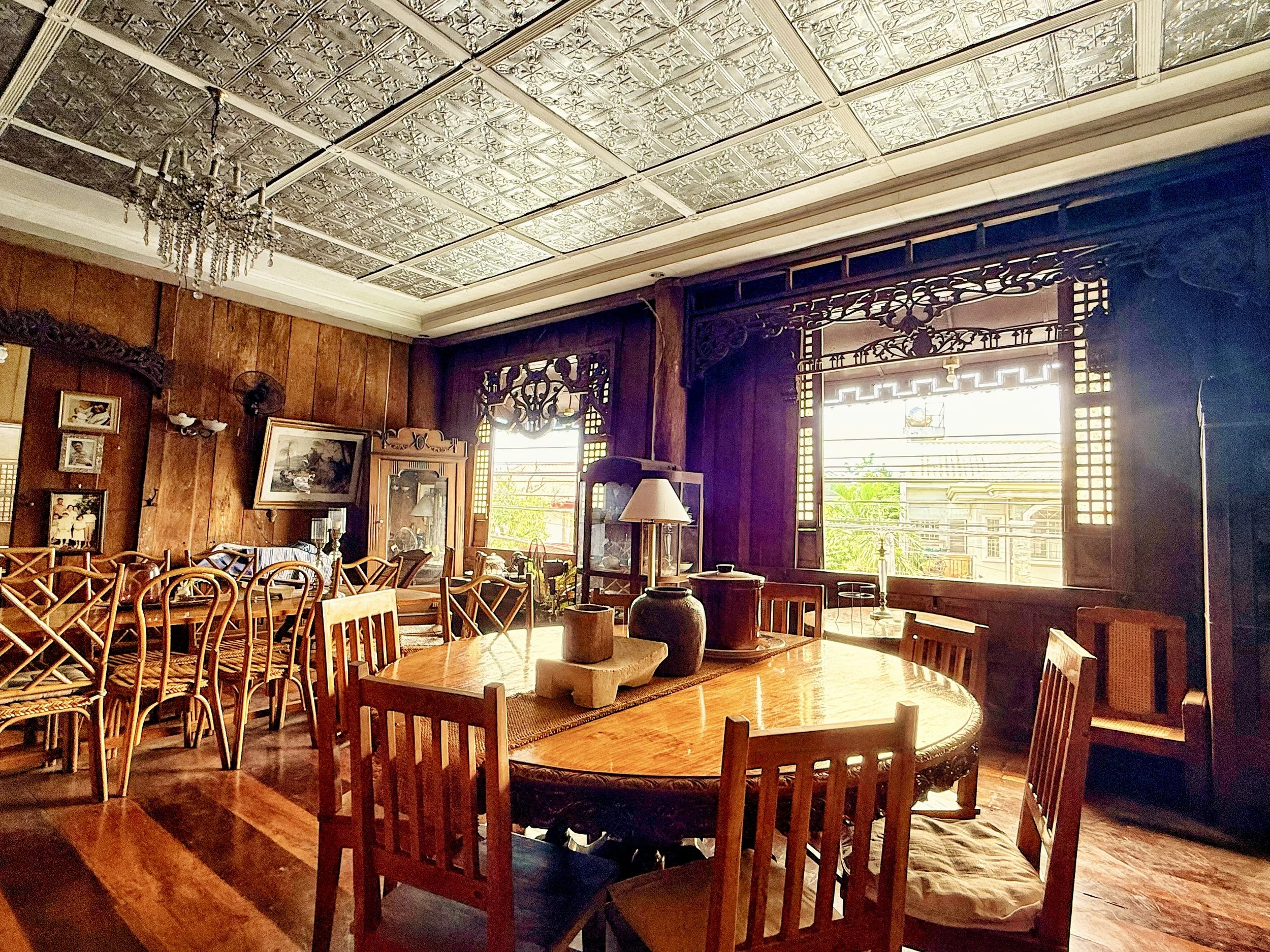
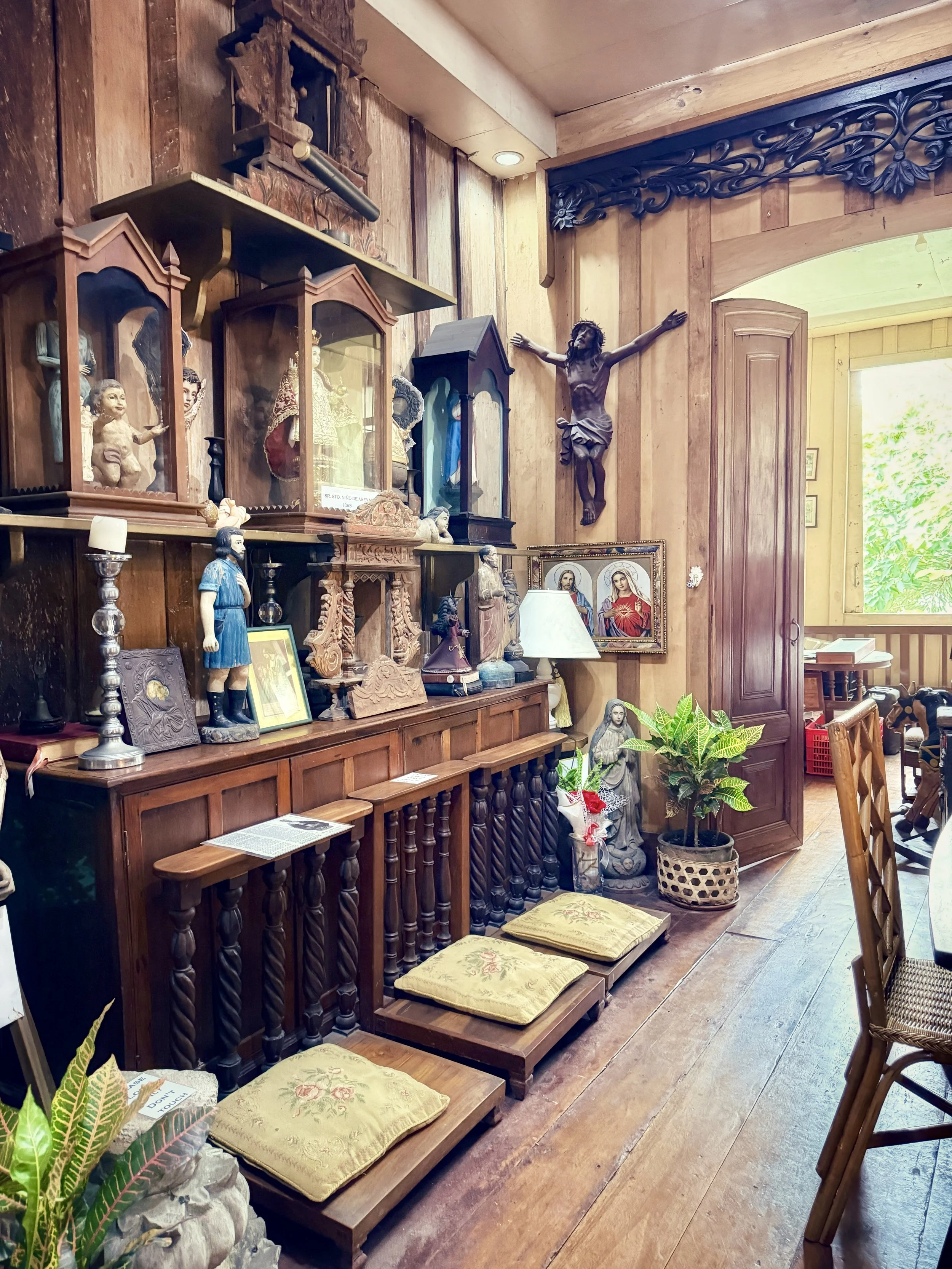
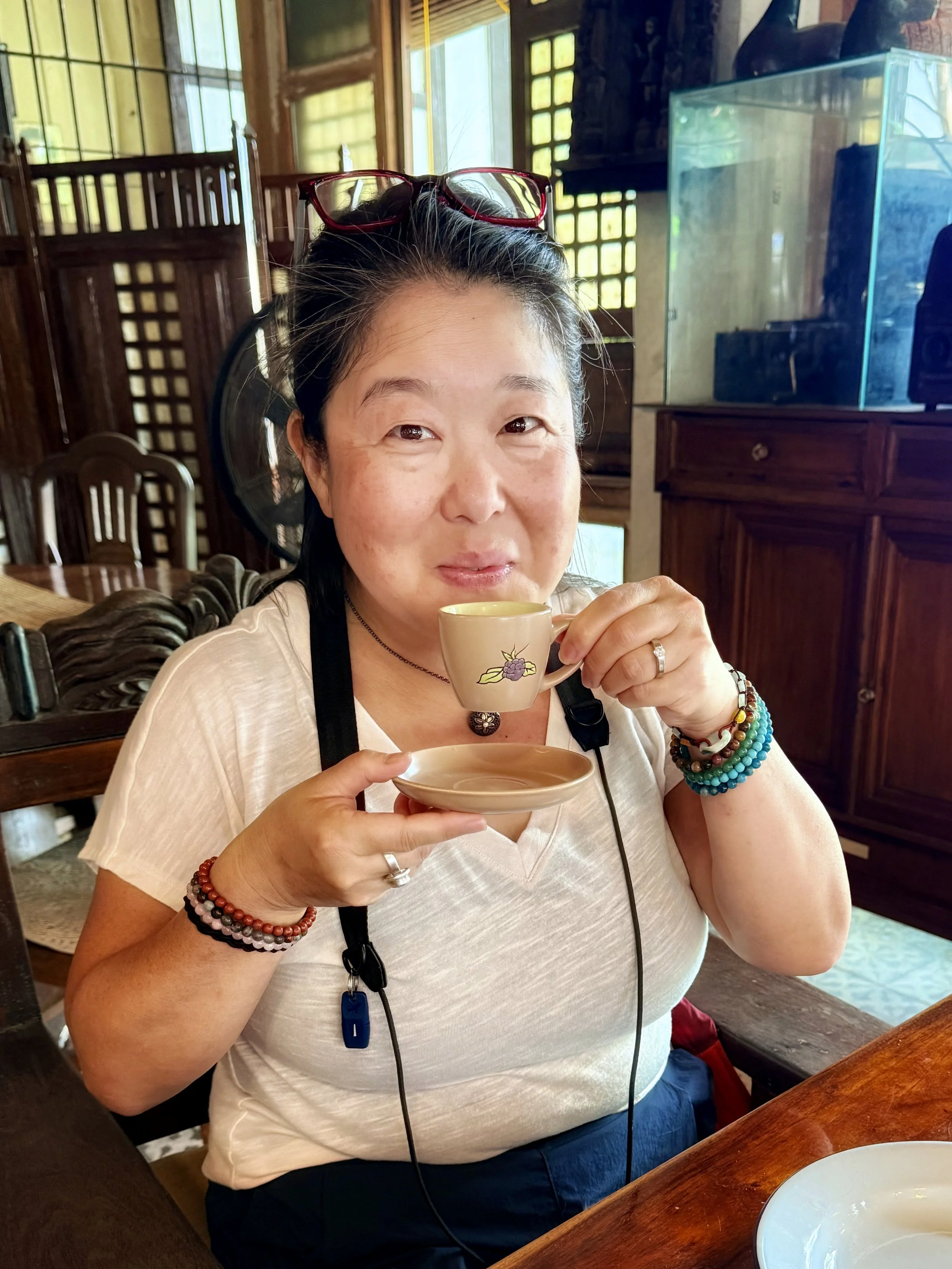
Arevalo or the "Villa" is the beachy district along the Strait of Iloilo, facing Guimaras Island. The two main seafood restaurants are Tatoy's Manokan and Breakthrough Restaurant. Both are open-air restaurants along the beach, have live seafood cooked-to-order, and highly recommended by the locals. We visited both during our stay. After a lovely seafood feast, we walked towards the Archdiocesan Shrine of Santa Nino de Arevalo, which houses the third oldest Santa Nino figure (image of the Roman Catholic Holy Child) in the Philippines. On the way, we encountered a cemeterythat is likened to a capsule hotel...but designed for a more permanent slumber (sorry)! The parish is close to a well-preserved Spanish heritage house from 1865, Camina Balay Nga Bato. The home is well-preserved with its original tree trunk posts, steep staircase, and shutters made of Capiz shells. The tour includes hot chocolate and heirloom cookies, a Spanish-era tradition, symbolizing hospitality for esteemed guests. Later, we went back to the “Villa” for Jr. Rawit’s famous chicken.
Jaro
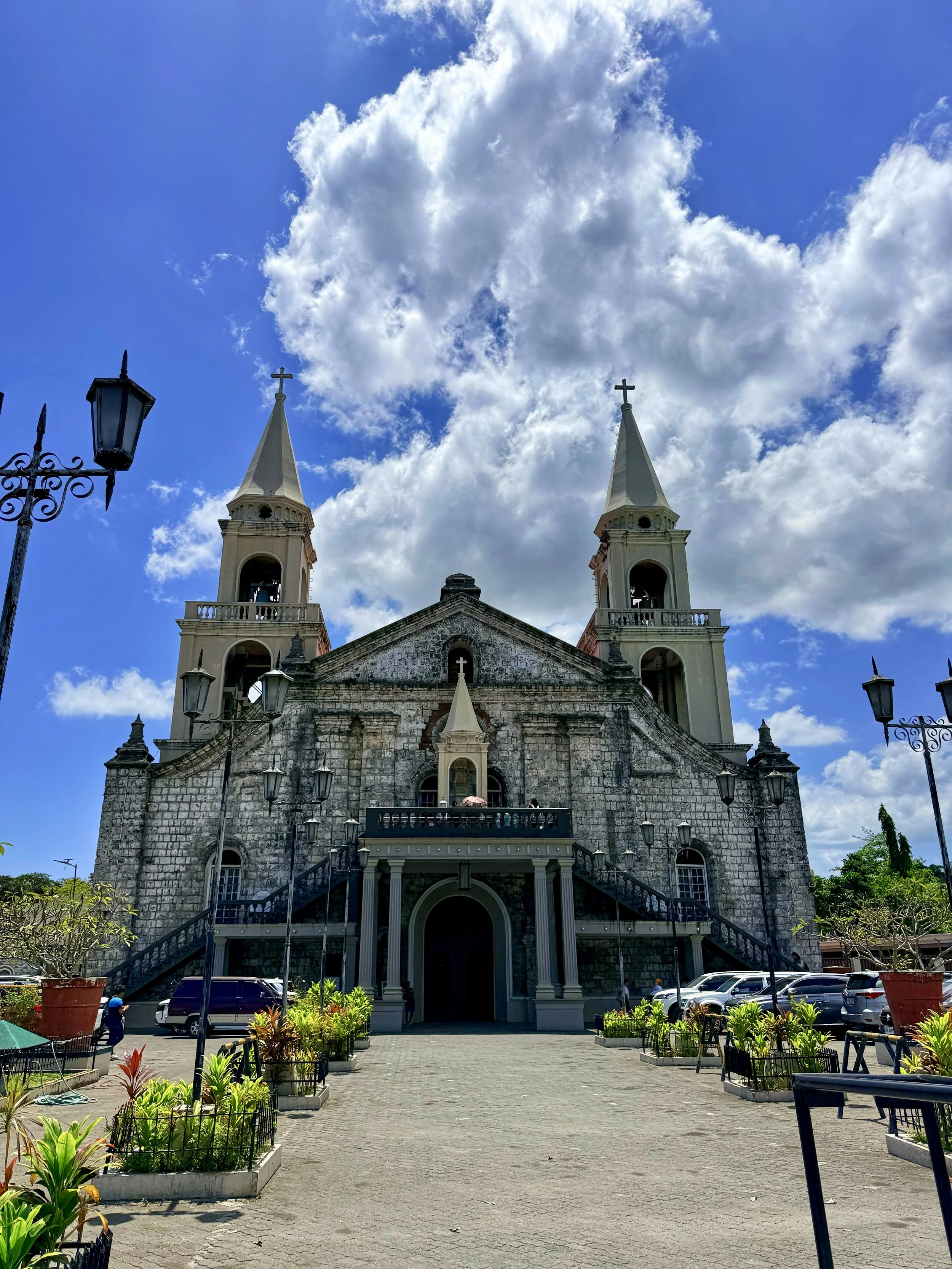
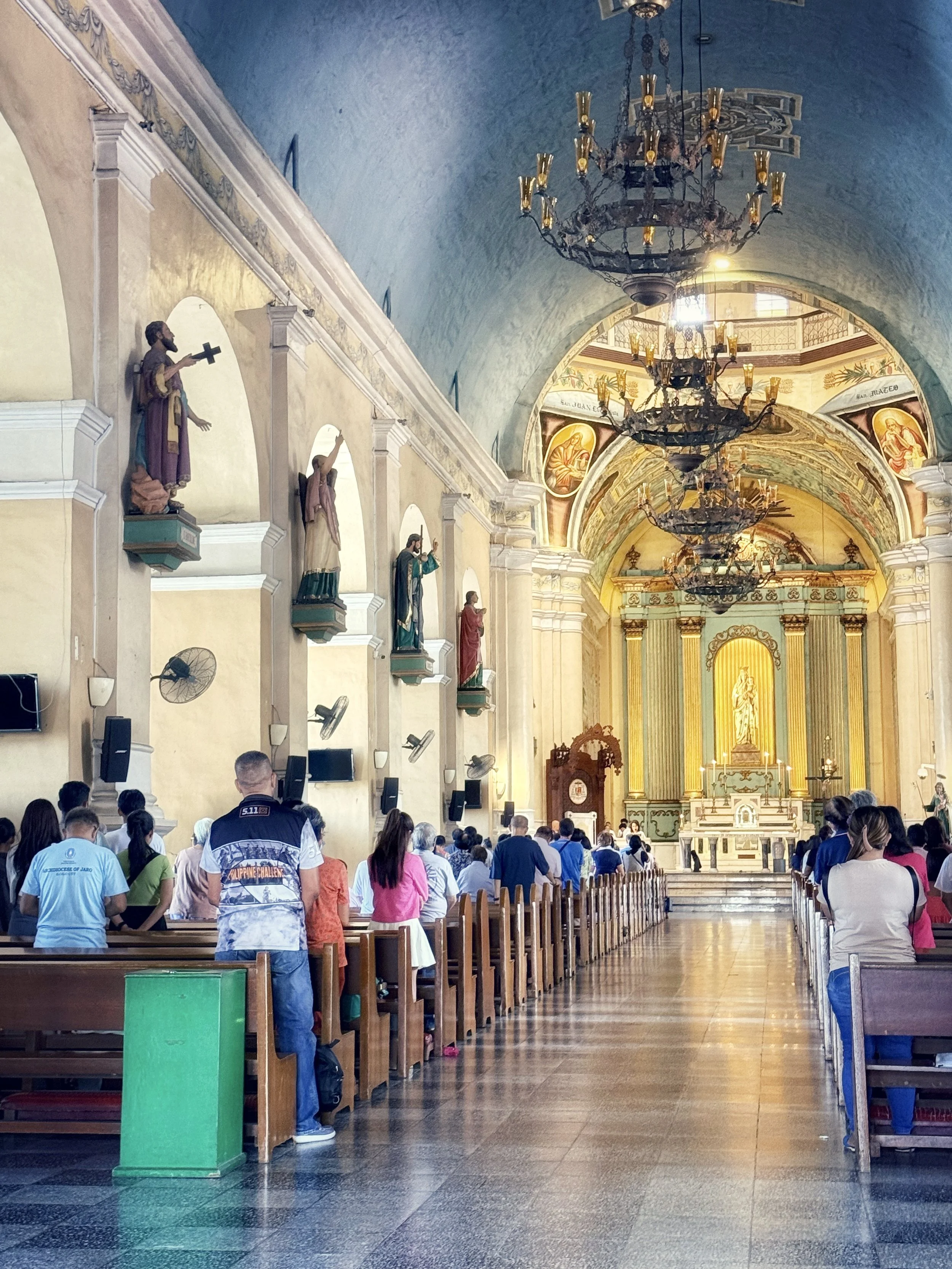
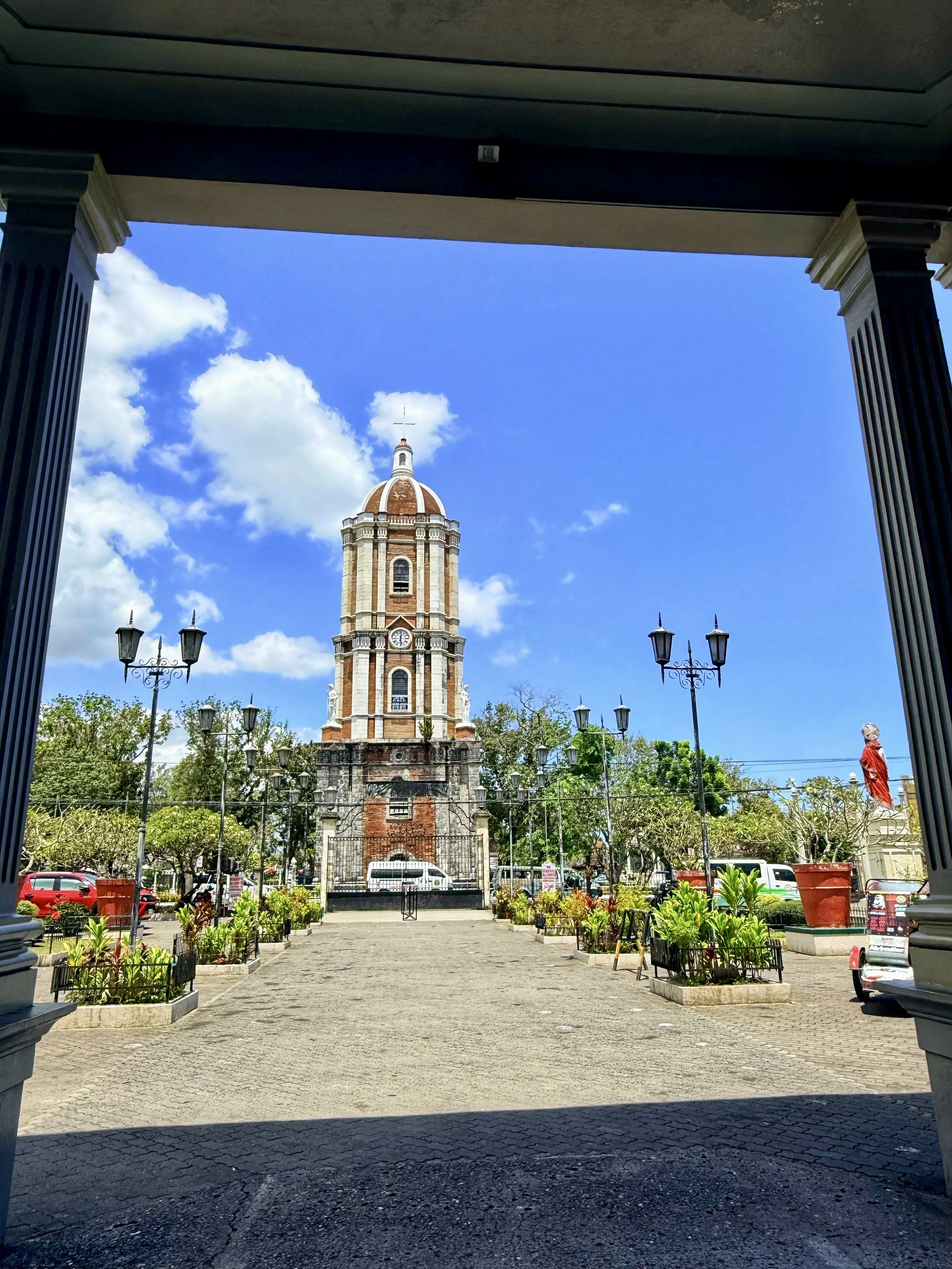
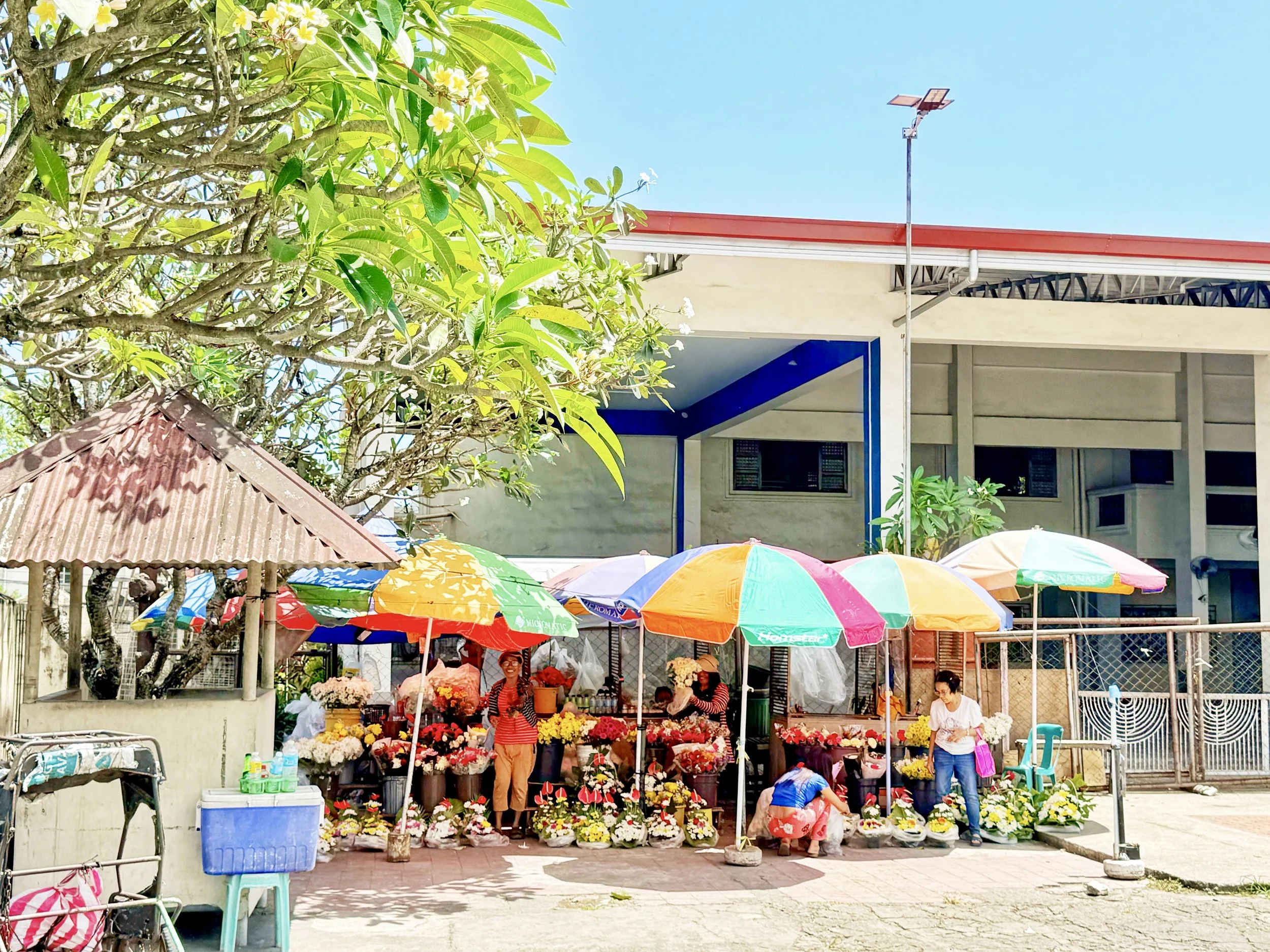
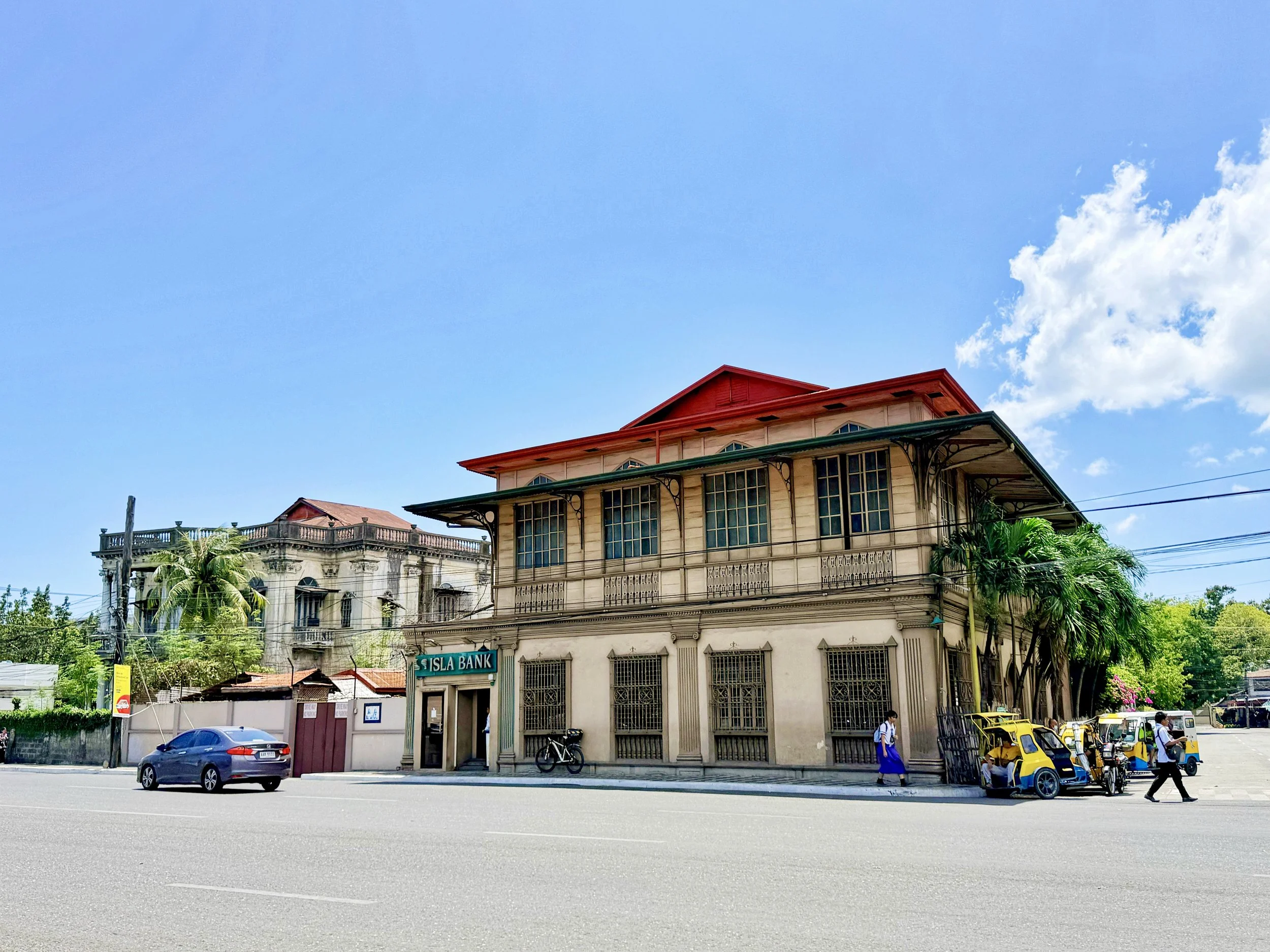
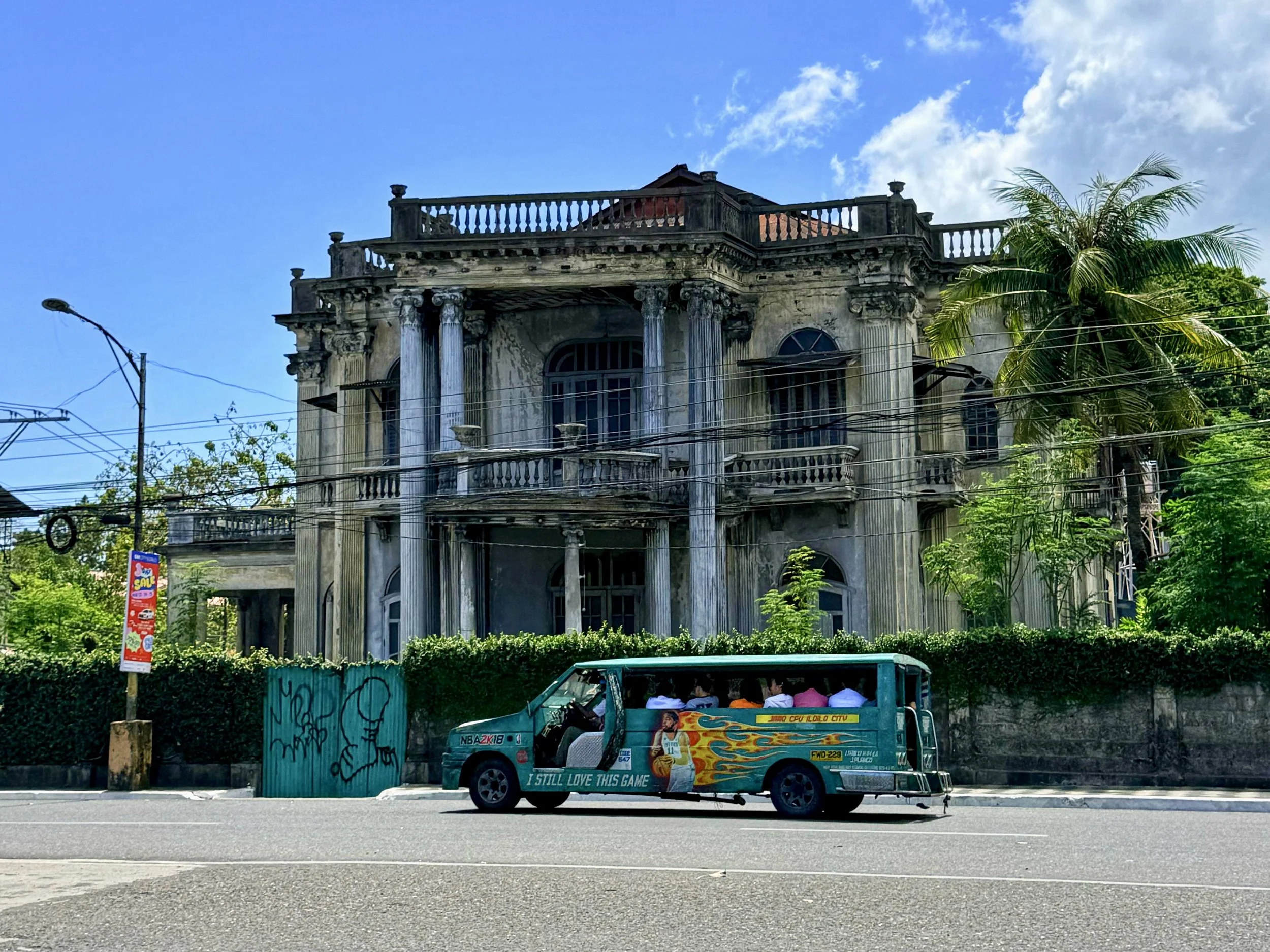
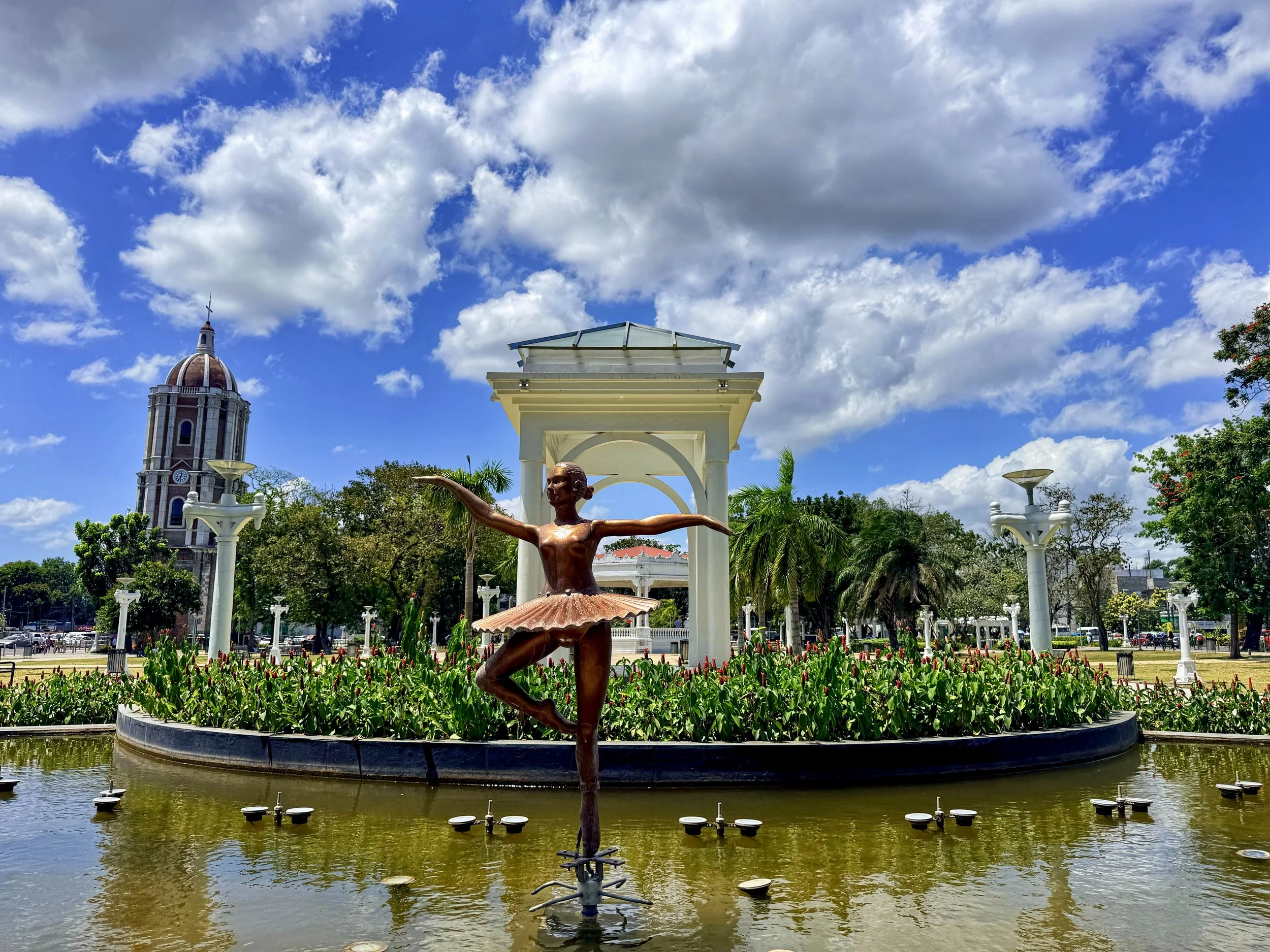
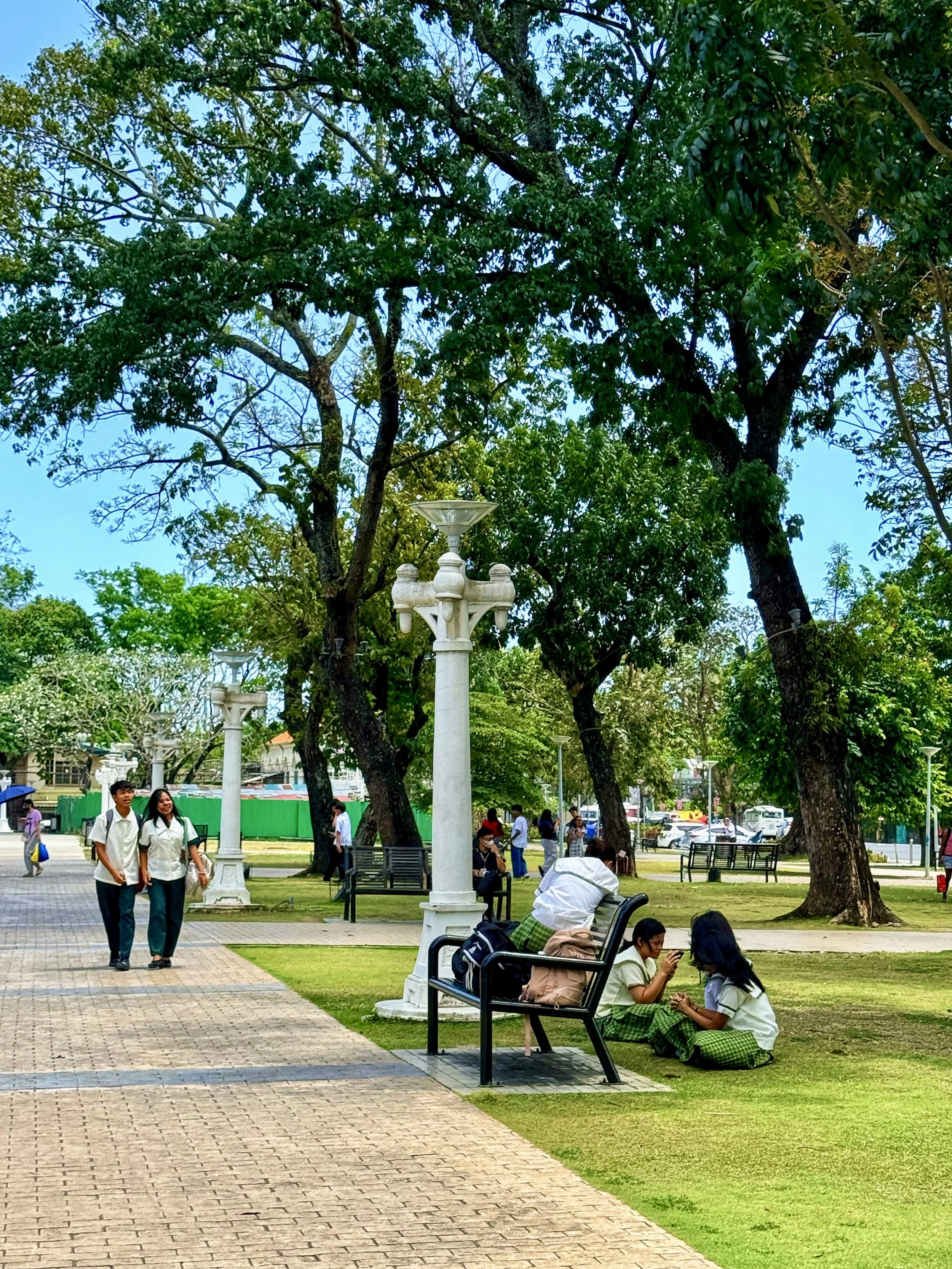
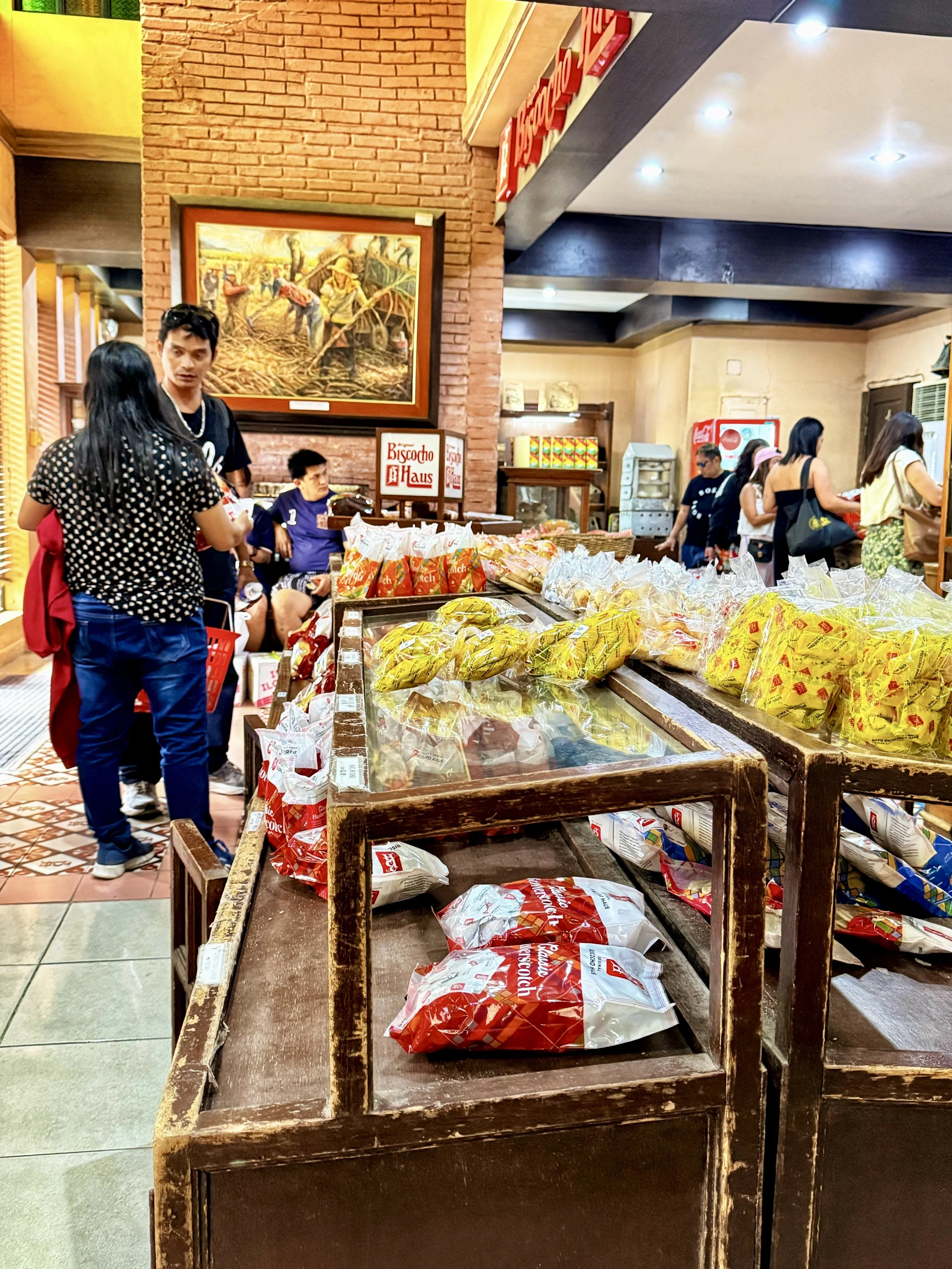
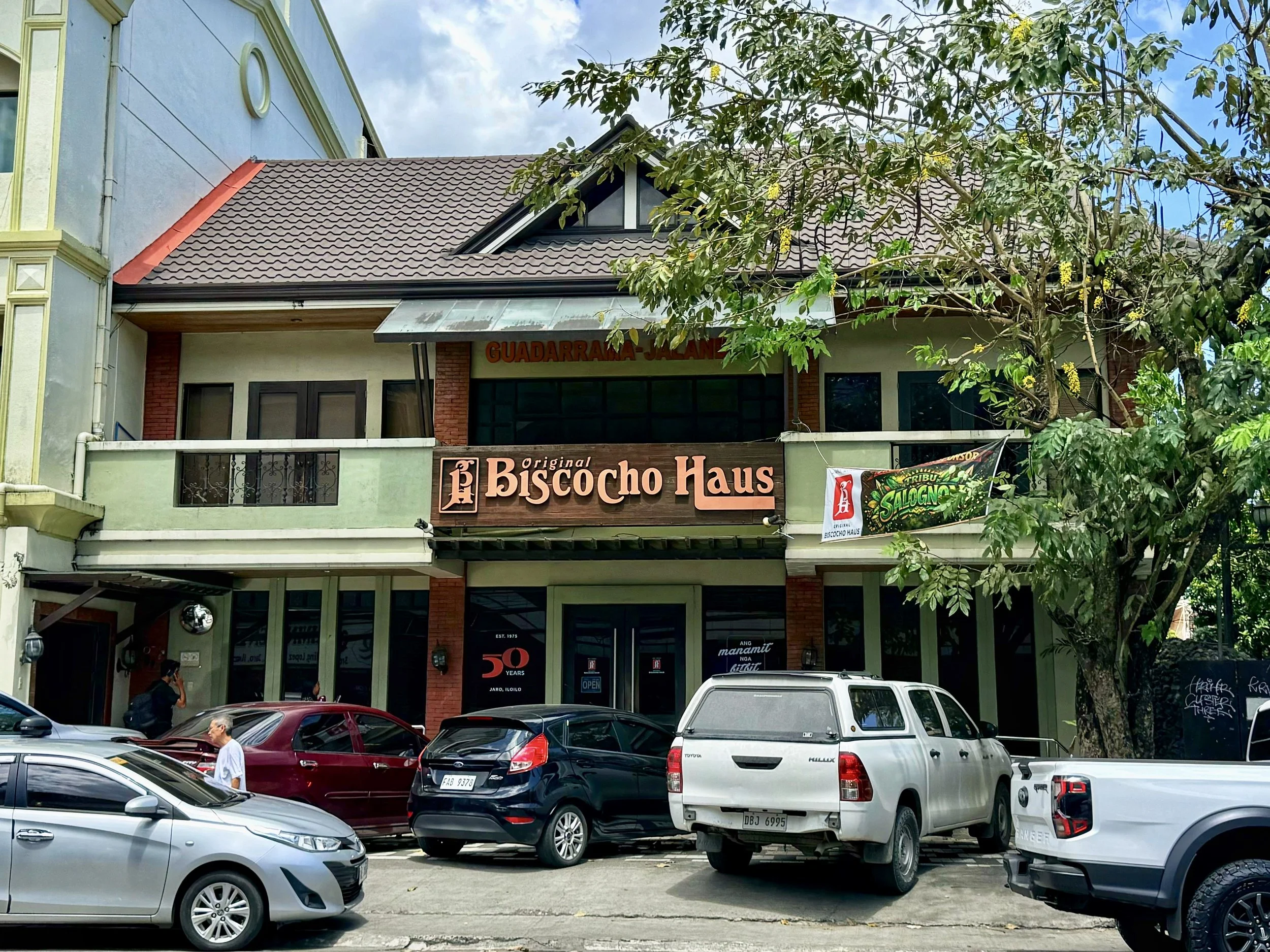
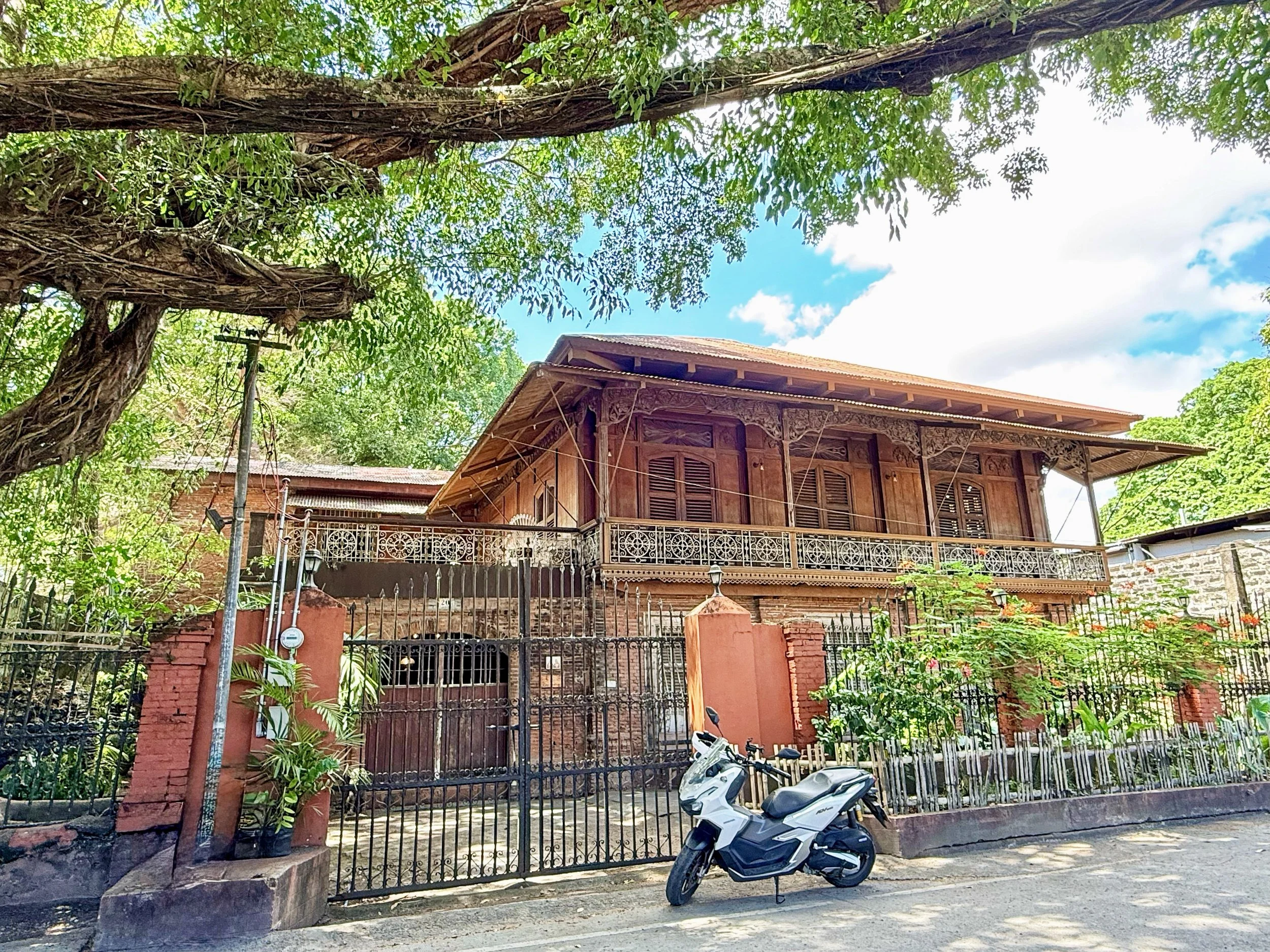
Jaro is considered the center of faith in Western Visayas, being home to the Jaro Metropolitan Cathedral and the seat of the Roman Catholic Archdiocese of Jaro. As a former area with a significant Spanish Filipino population, Jaro features many old mansions and heritage houses. We noticed dilapidated mansions or mansions and heritage homes converted to commercial buildings around Graciano Lopez Jaena Park. We tried to imagine how fancy and luxurious this area must have been back in the day. While in Jaro, we made the obligatory visit to the Original Biscocho Haus for Iloilo's most sought out pasalubong--a homecoming gift brought to family, friends or neighbors after traveling to a destination. There are many Original Biscocho Haus stores around the city, but the one in Jaro seems to be the biggest and nicest one with the most options for biscotti cookies, butterscotch cookies in many different flavors, biscuits, buttered bread, barquillos, etc.
La Paz
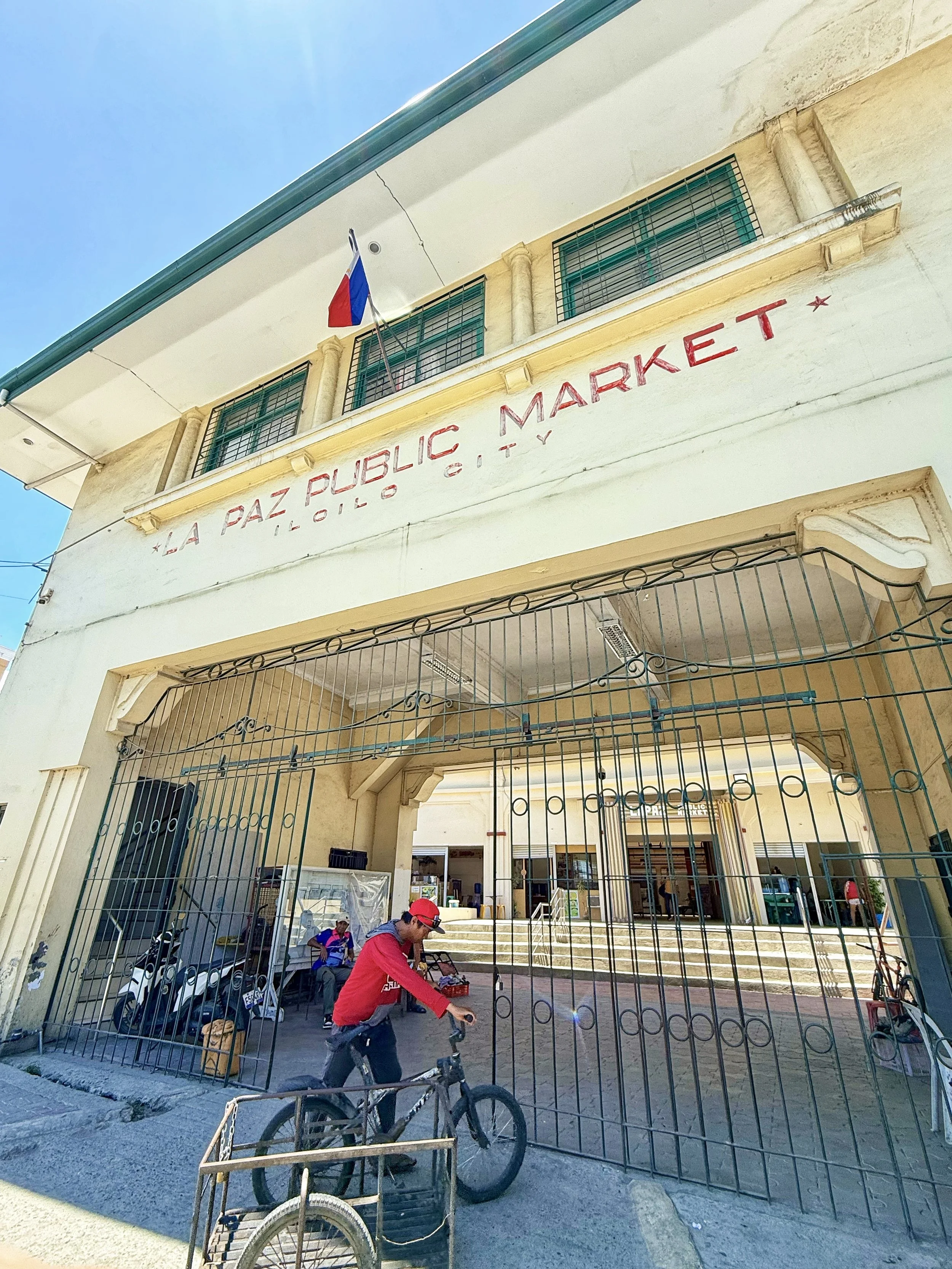
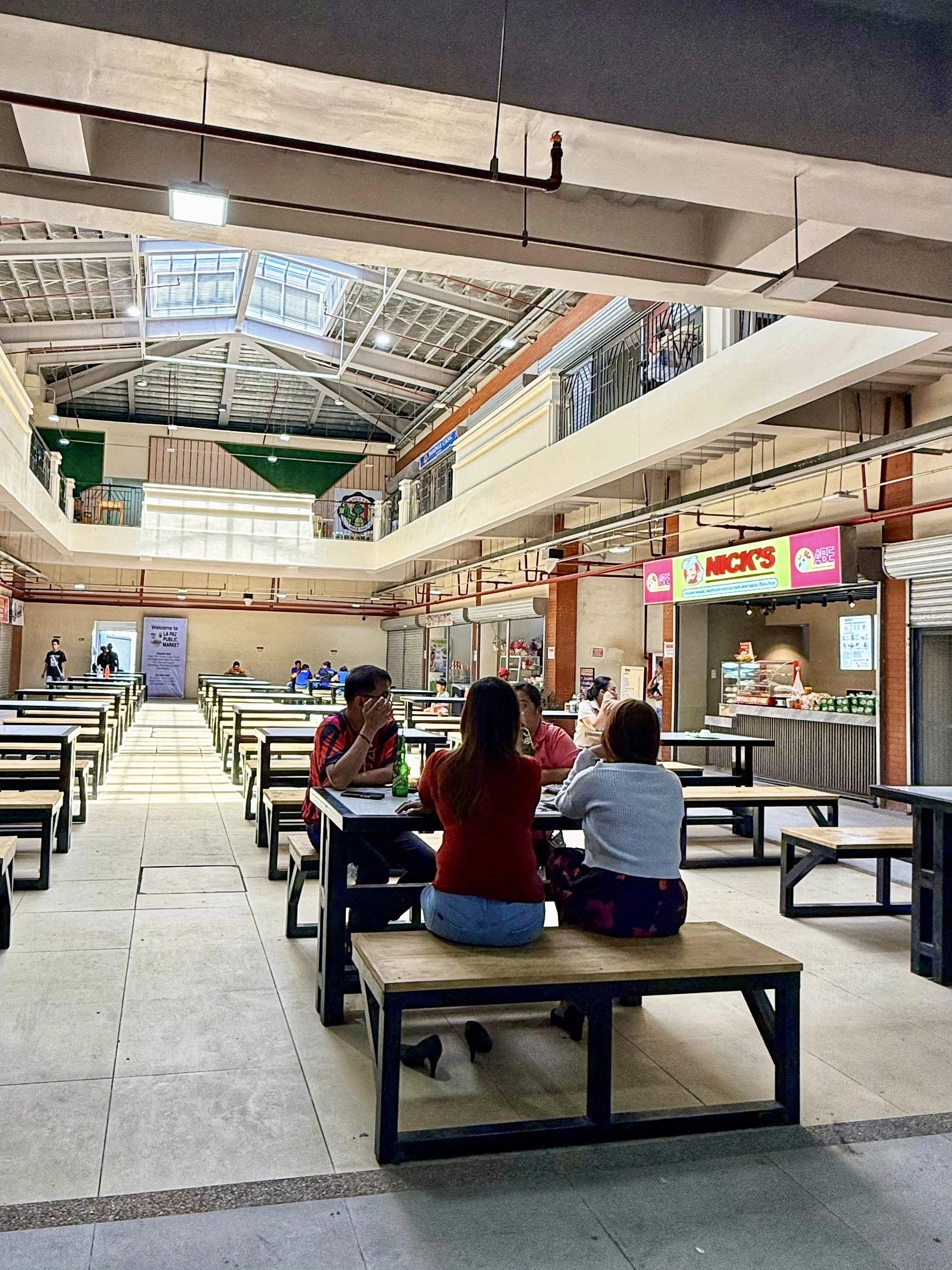
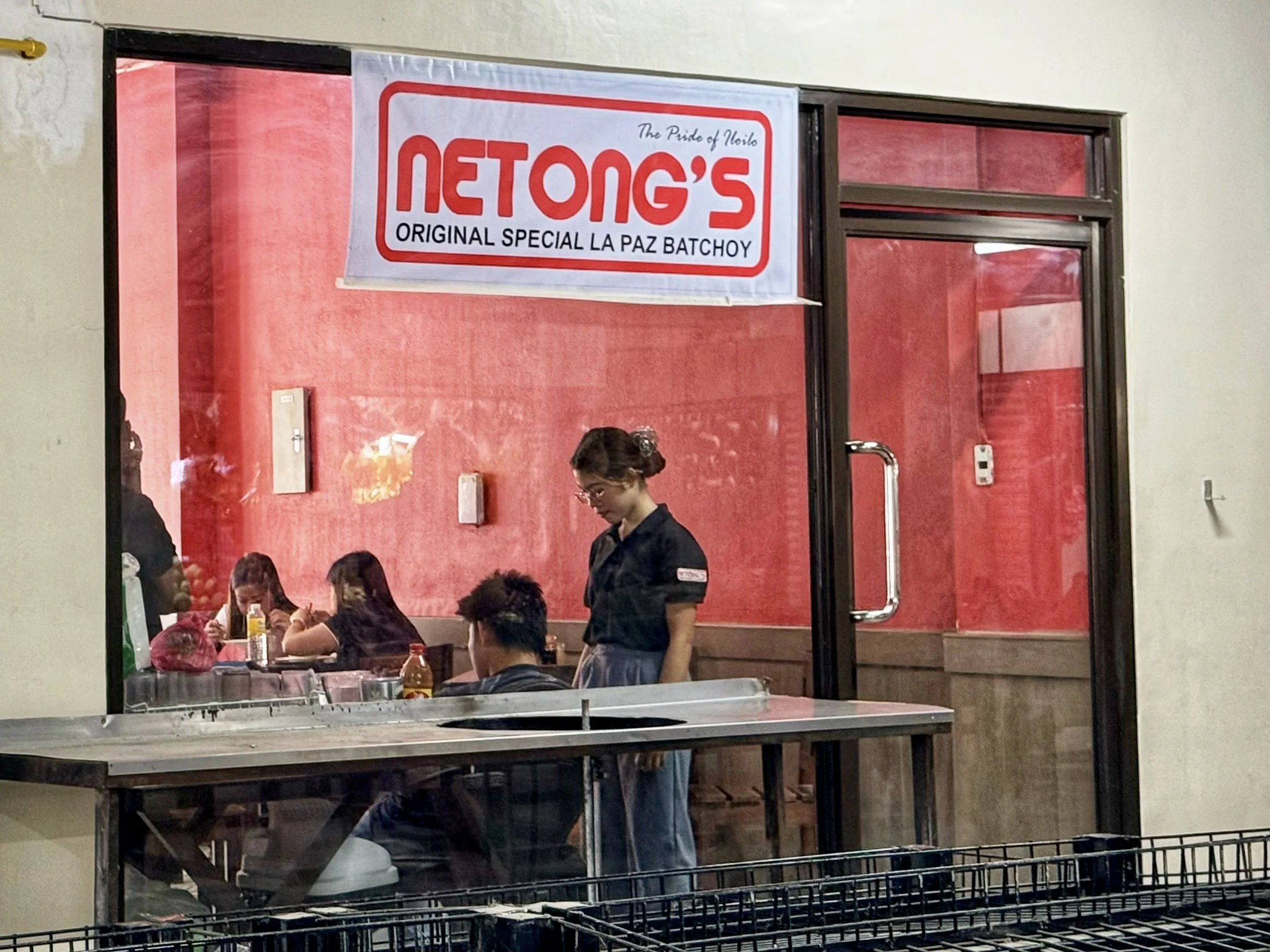
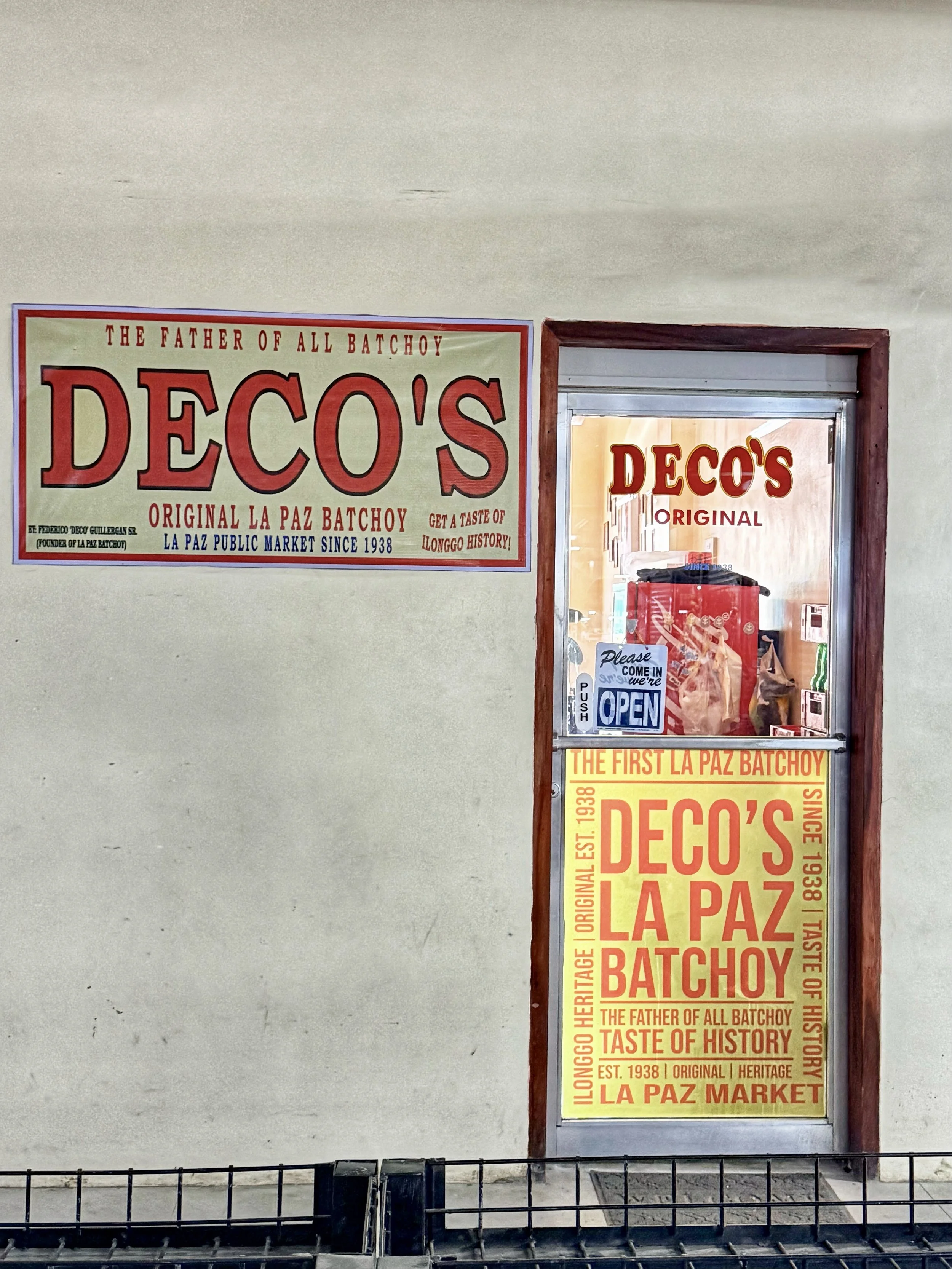
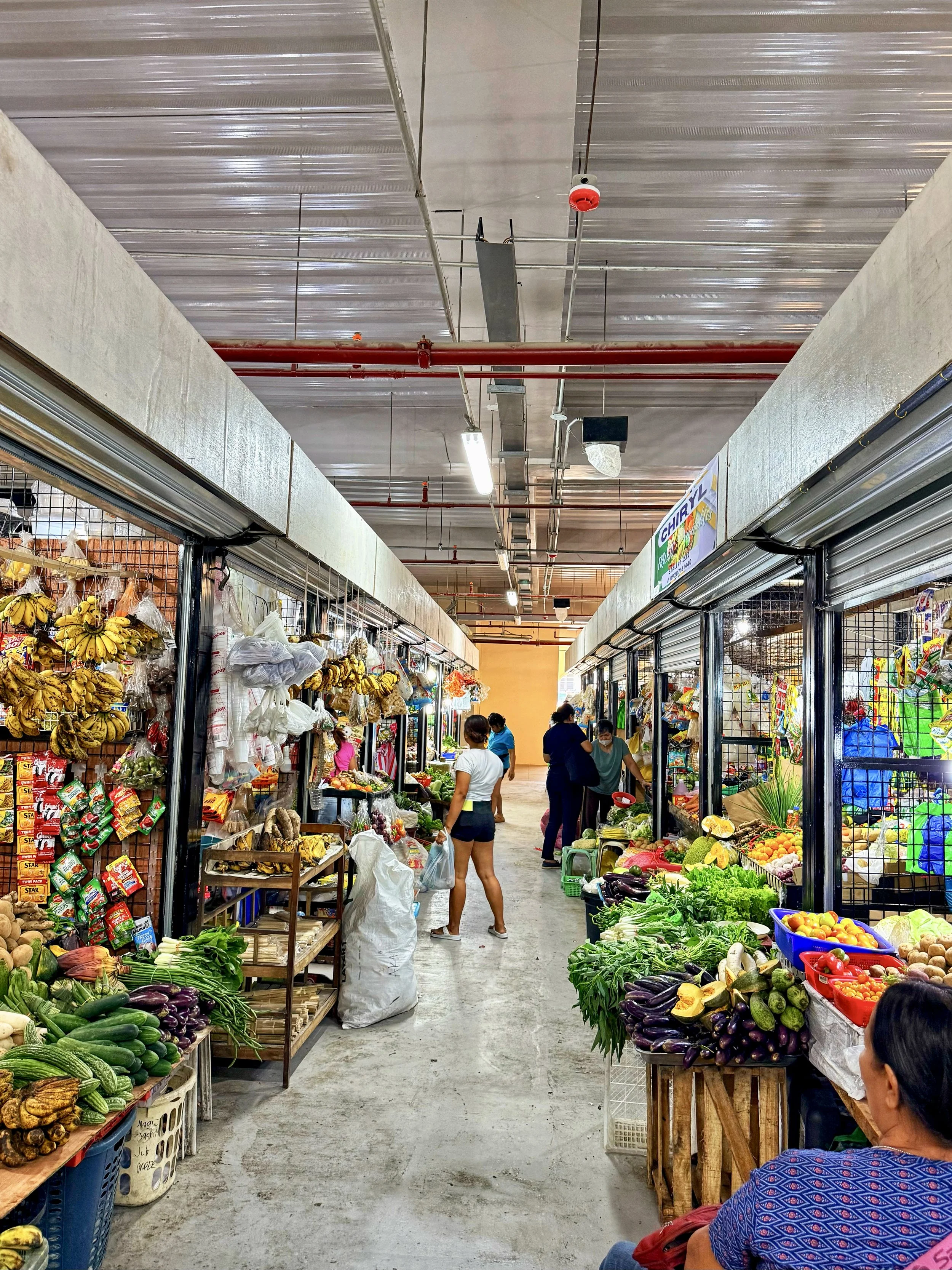
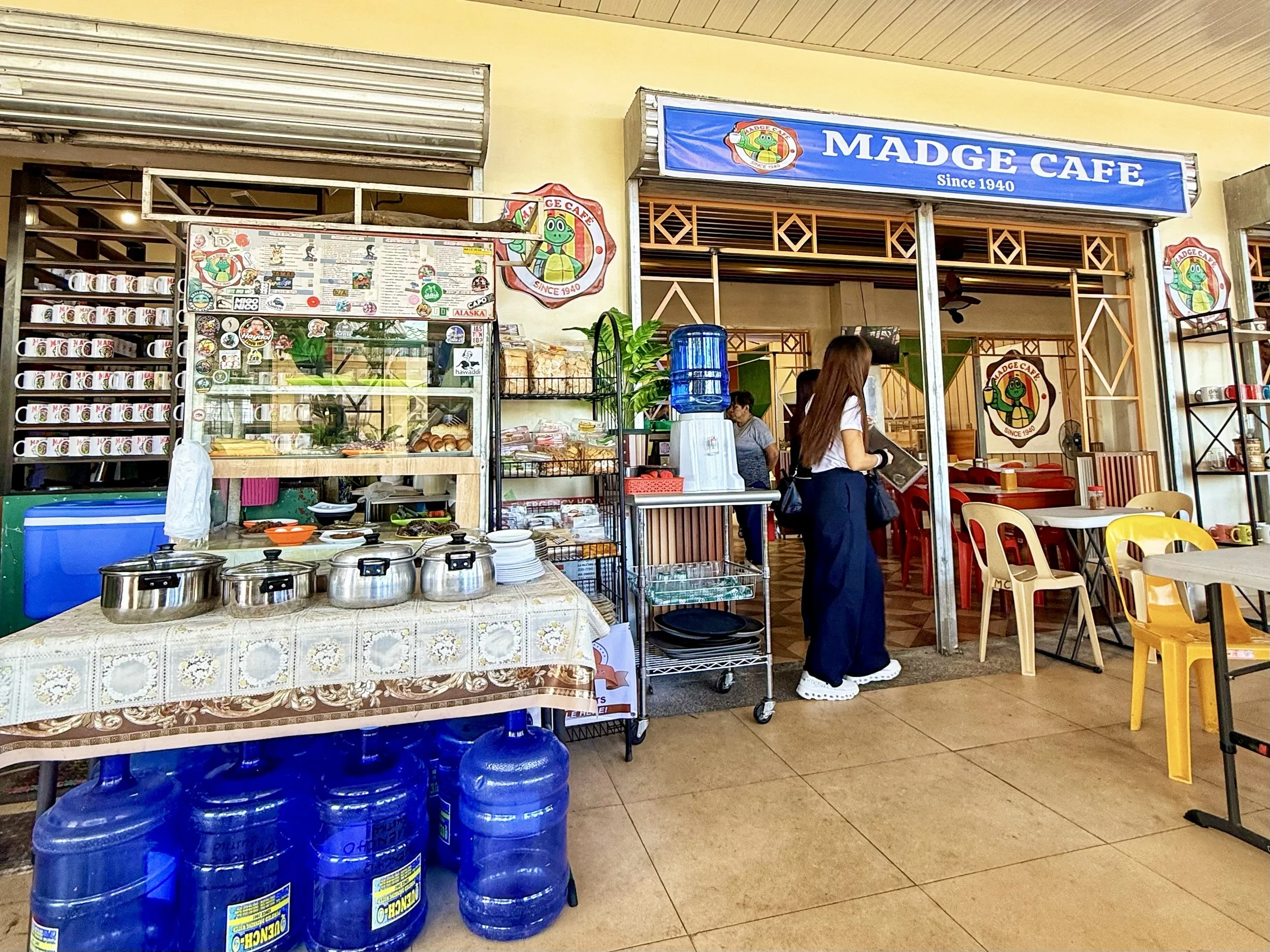
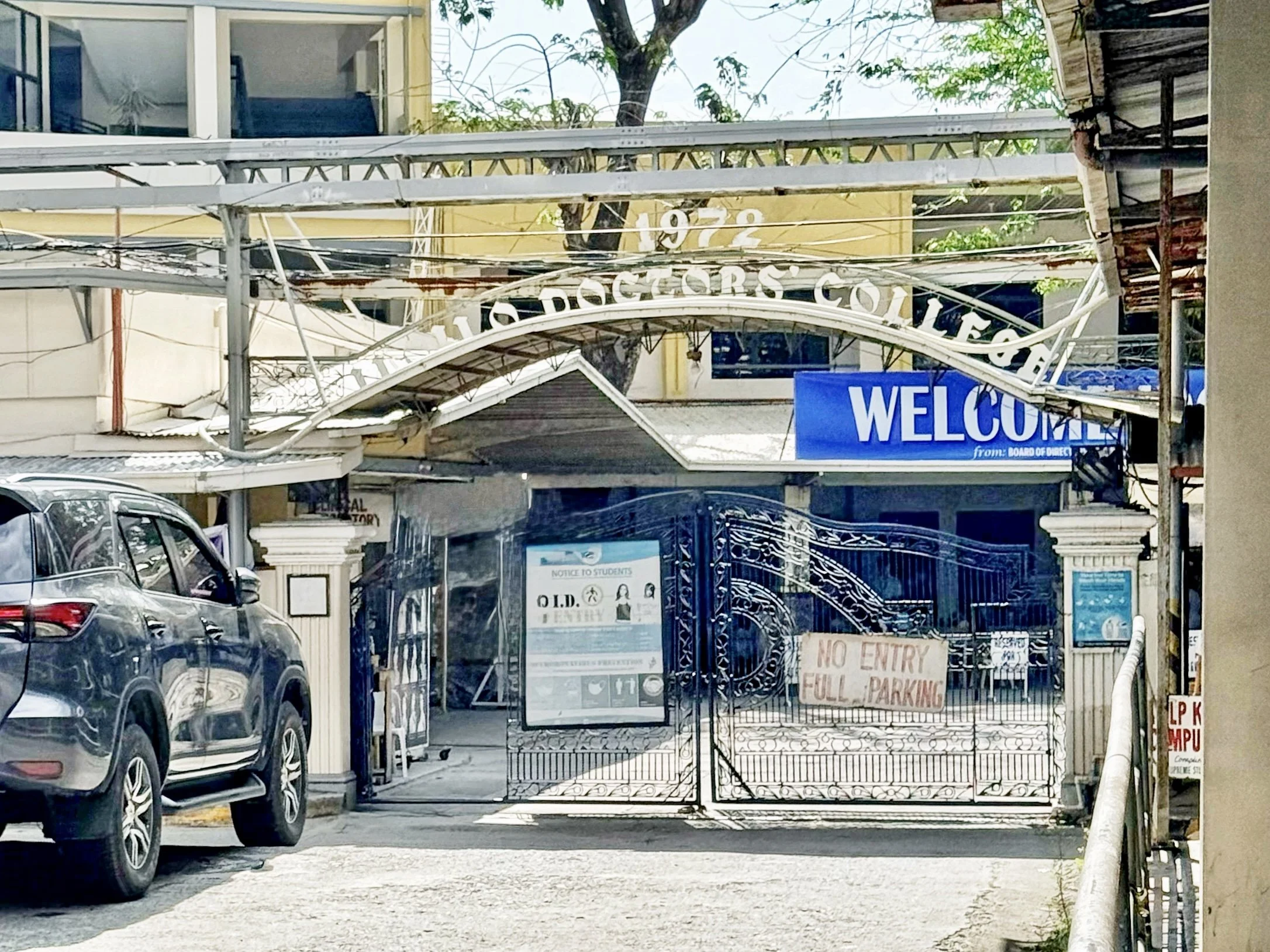
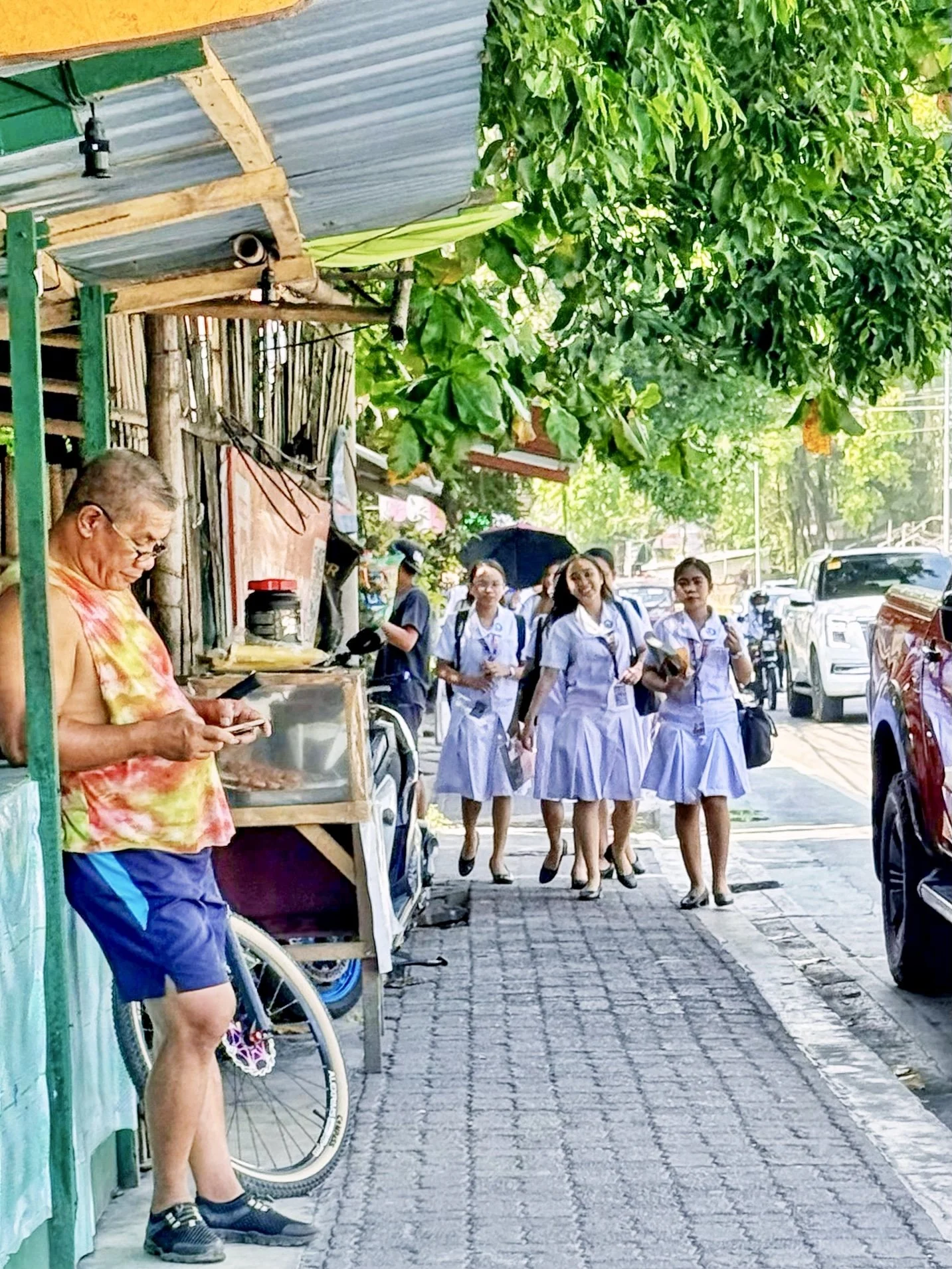
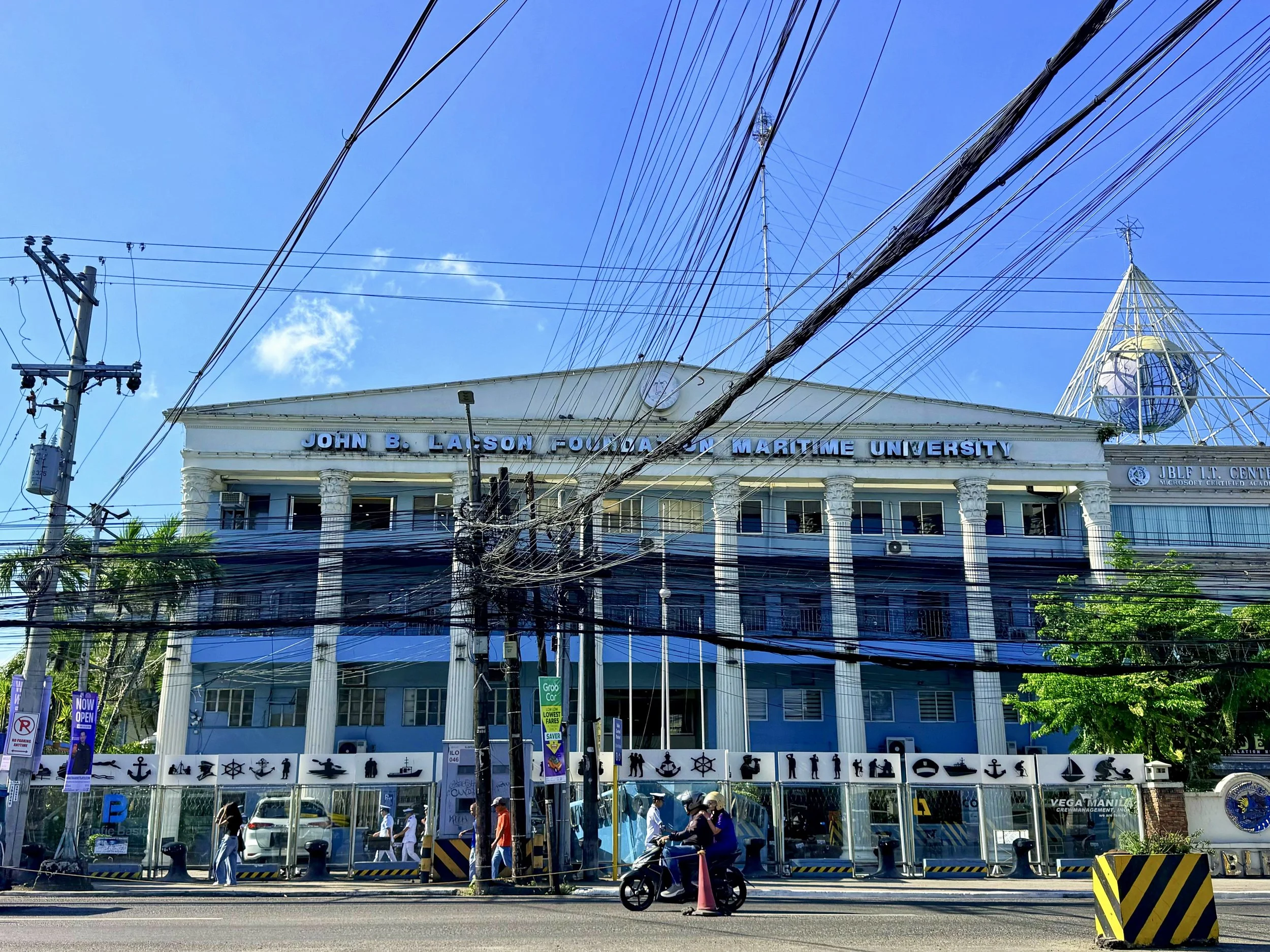
La Paz (and surrounding districts) is a major hub for higher education. It is home to many colleges and universities such as: John B. Lacson Foundation Maritime University, West Visayas State University, Iloilo Science and Technology University, Western Institute of Technology, St. Therese - MTC Colleges, Hua Siong College of Iloilo, Iloilo Doctors' College, University of San Agustin, St. Paul University, to name just a few. That makes La Paz and Iloilo an amazing college town full of young energy, inexpensive food, and live entertainment. La Paz is also famous for La Paz Batchoy, originating at La Paz Public Market. We explored the market and sat down at Madge Cafe for native coffee and Suman Latik, a sweet rice cake and coconut breakfast item.
Mandurriao
When expats think of moving to Iloilo City, they are most likely moving to Mandurriao District. It is home to the latest and greatest modern, large-scale, mixed-use business district and developments. Many of the city's high-rise buildings, western hotels, bars and restaurants, condos, and grand luxury malls are located here or being built. Next time we visit Iloilo, the skyline is going to look very different!
Until last week, we had no idea what business process outsourcing (BPO) meant. Philippines leads the world in BPO gig work—foreign companies that outsource call centers and data work to locations such as Iloilo. Recall that awhile back, there was a backlash towards US companies outsourcing call centers to India. India still leads in IT services and back office BPO work; however, Filipinos excel at soft skills and providing customer service that is more culturally aligned with American consumers. There are many BPO offices in the Mandurriao district. If interested in learning more, watch this episode of Asian Boss on YouTube.
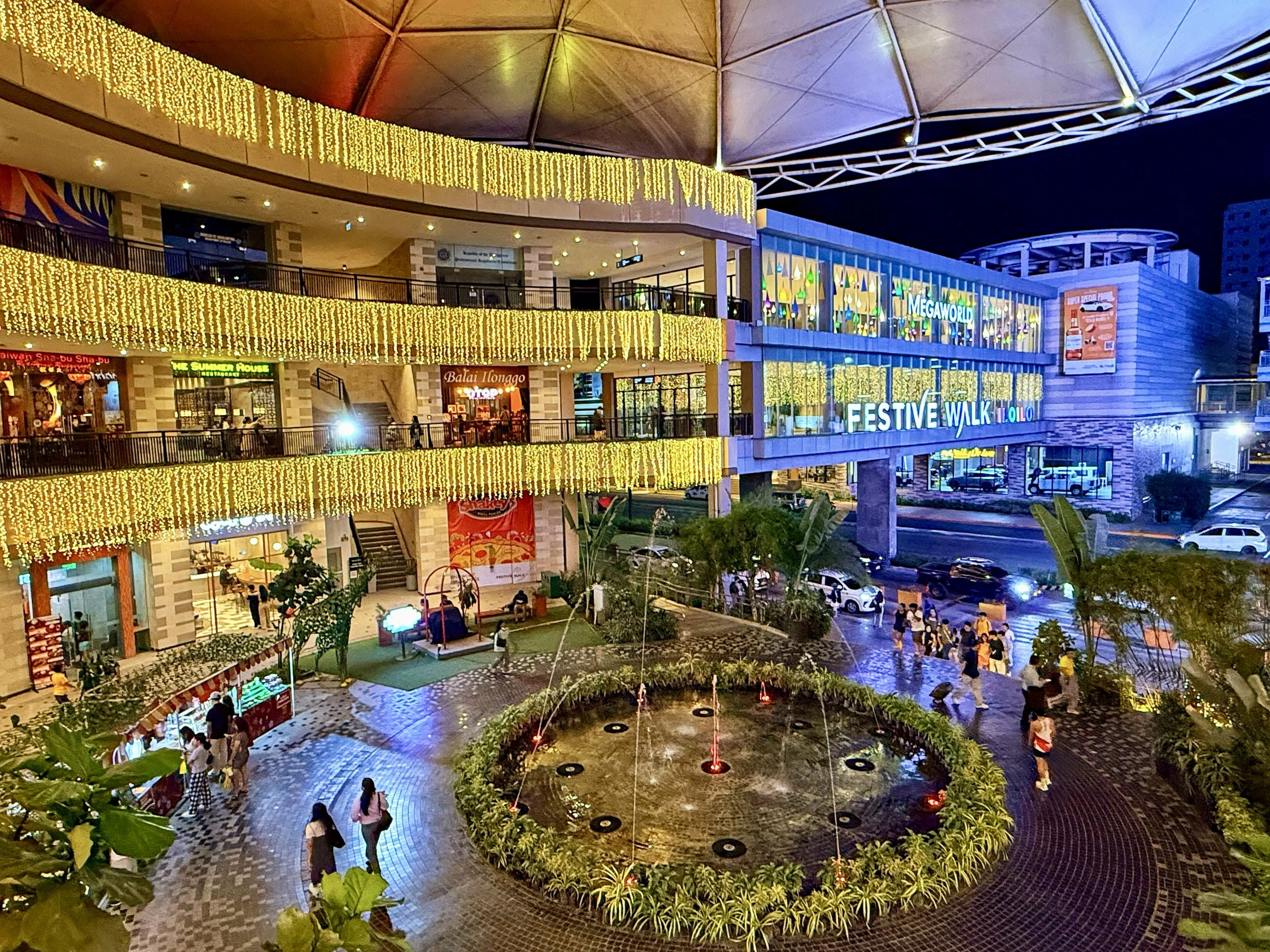
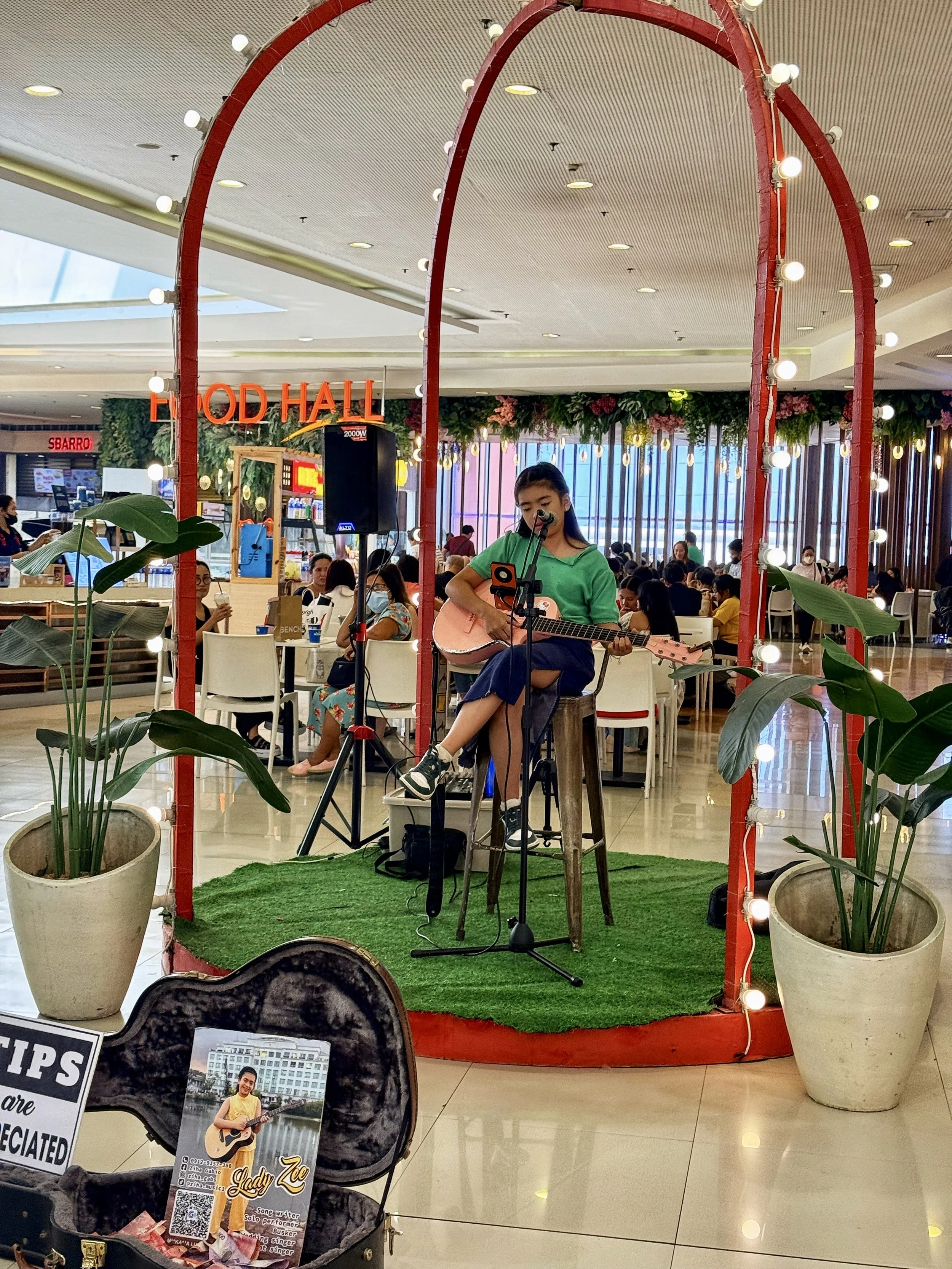
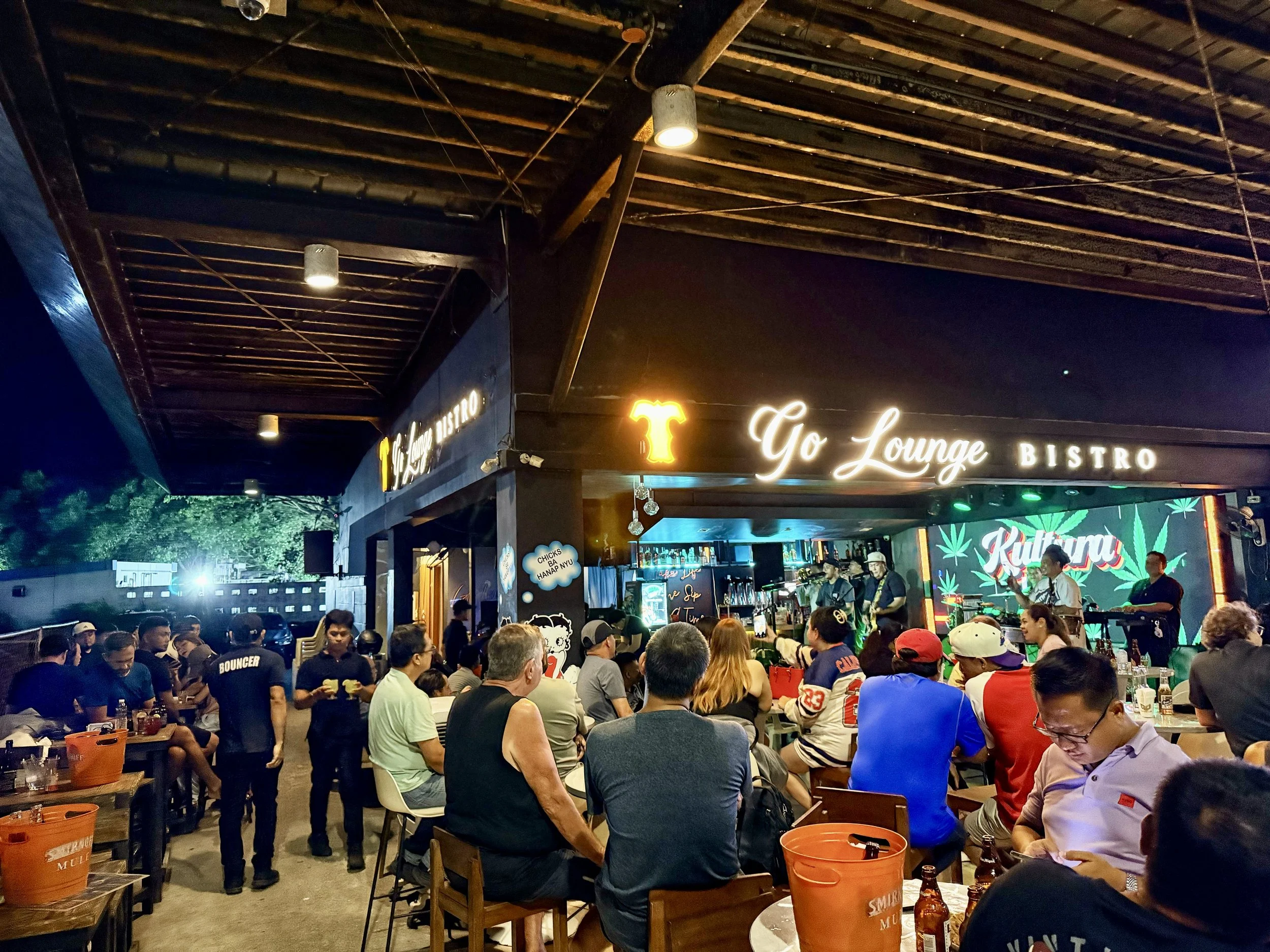
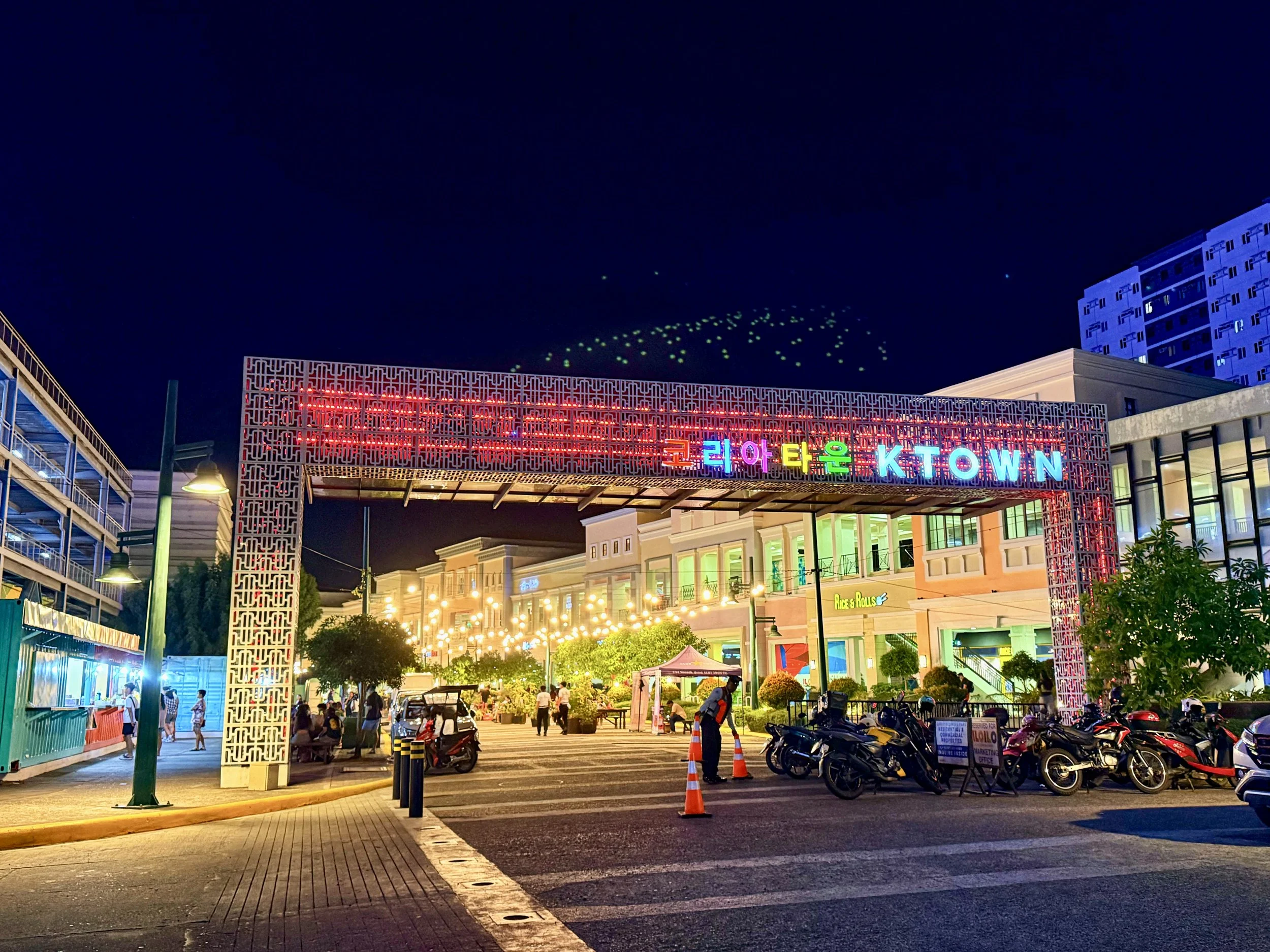
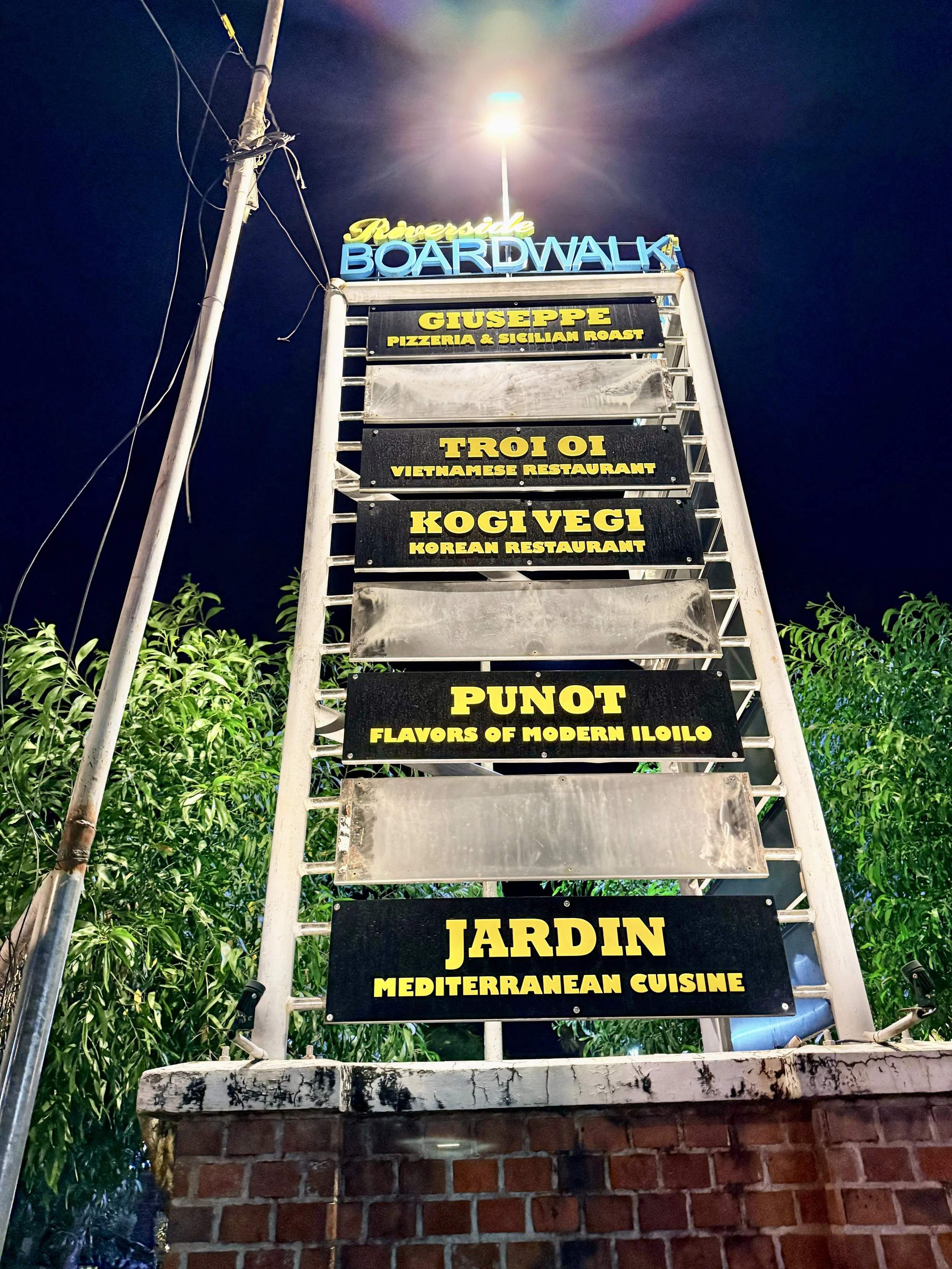
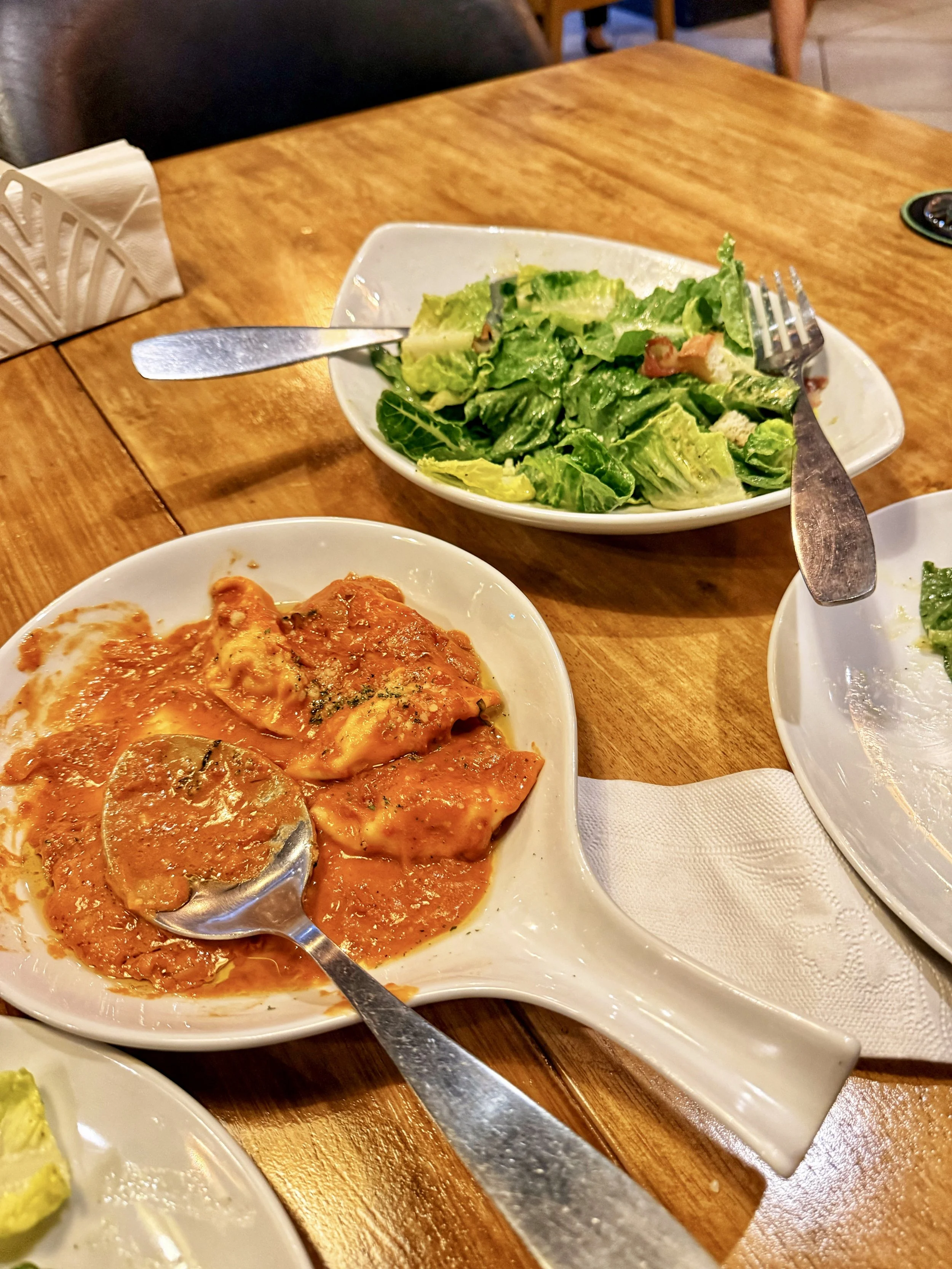
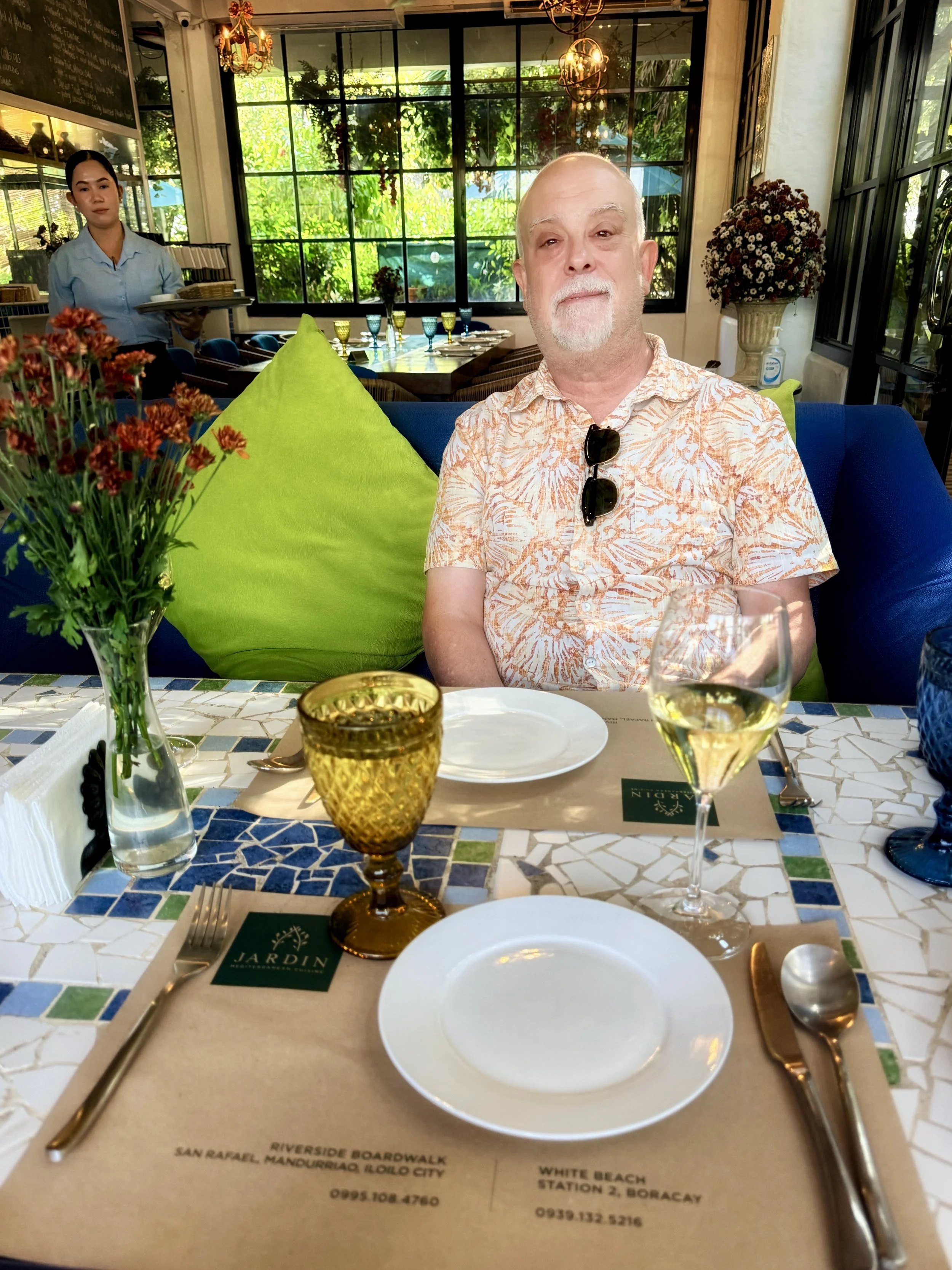
As Americans, Mandurriao is a wonderful bubble of comfort that we could easily never leave. Between SM City Mall and Festive Walk Mall, we can take care of most shopping needs and errands. We already have a favorite live music bar in the neighborhood of Smallville, called Go Lounge Bistro. One never has to leave the comforts of Mandurriao because all the best local restaurants from around Iloilo have an outpost in Atria, albeit it being a more modern sterile version of the original. Apparently, there are plenty of Koreans in Iloilo or love for Korean food because there's also K-Town. Our favorite place that we kept going back to for multiple meals was the Riverside Boardwalk. It was conveniently a 10-minute walk across the river from our hotel. Yet another great reason to stay at Hotel del Rio.
Overall, having a western-inspired district like Mandurriao in the midst of tradition, makes a city more livable for foreigners.
Ironically, the least number of photos for the least visually interesting district to photograph, IMO. :)

Lapuz
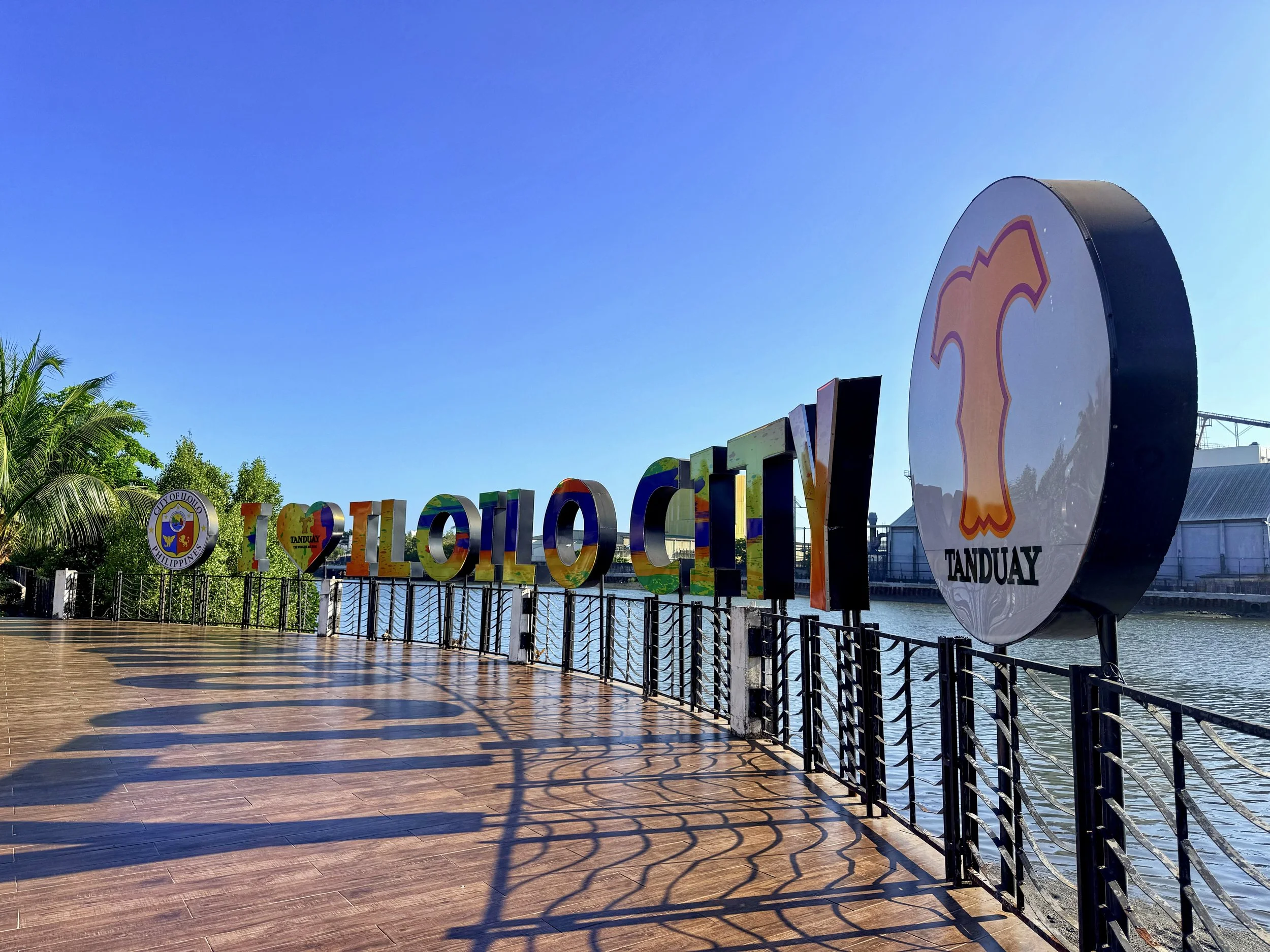
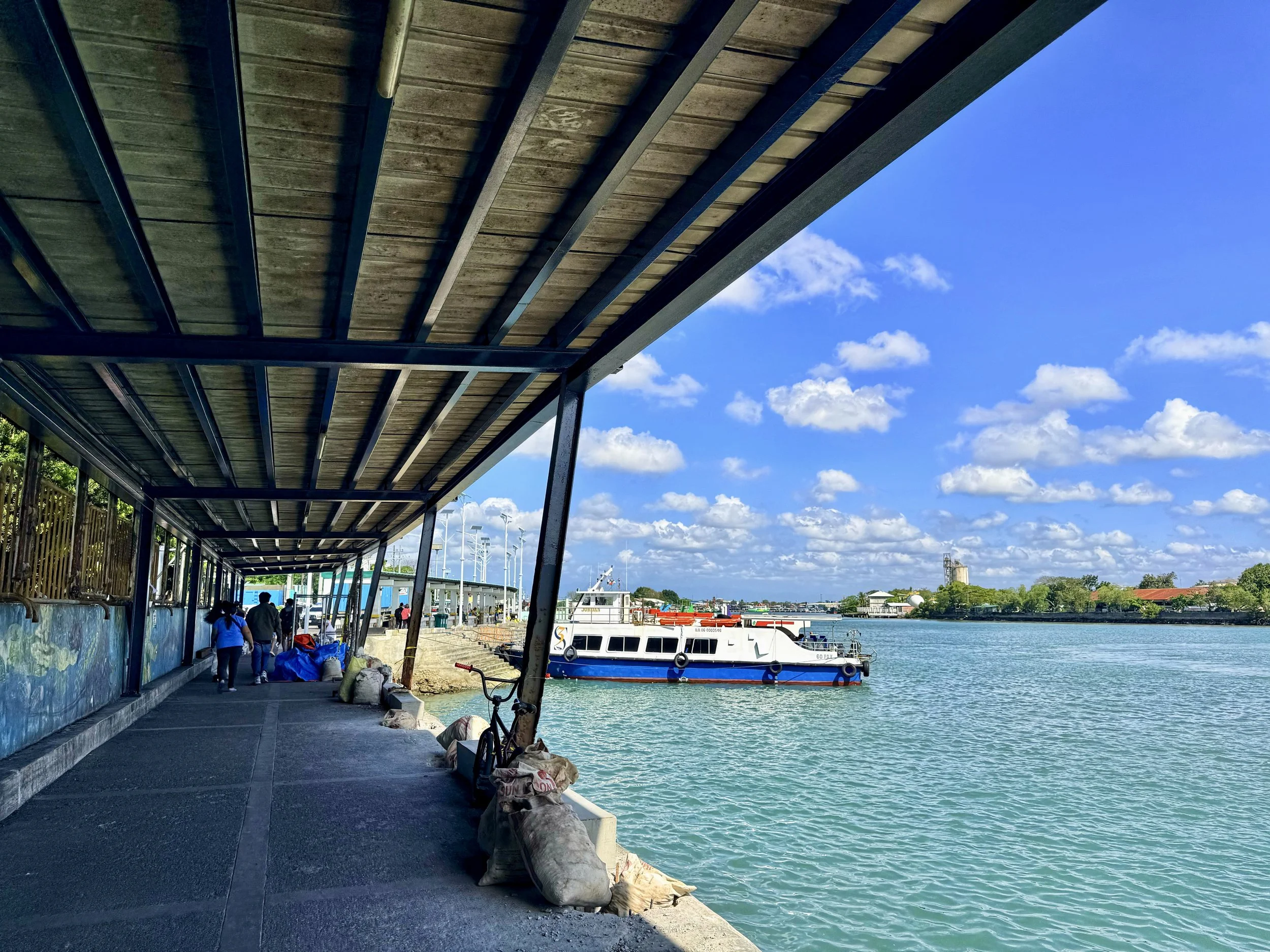
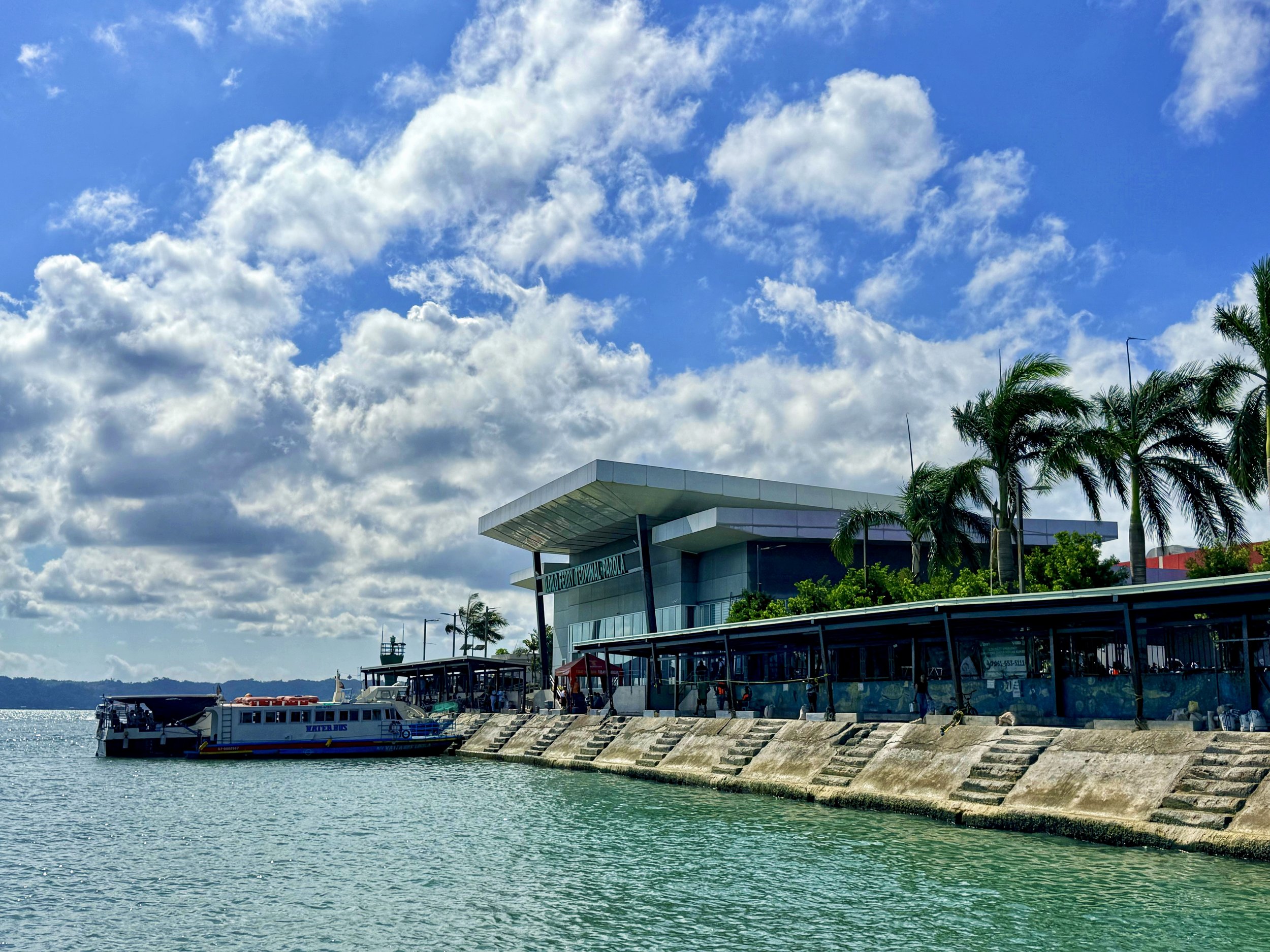
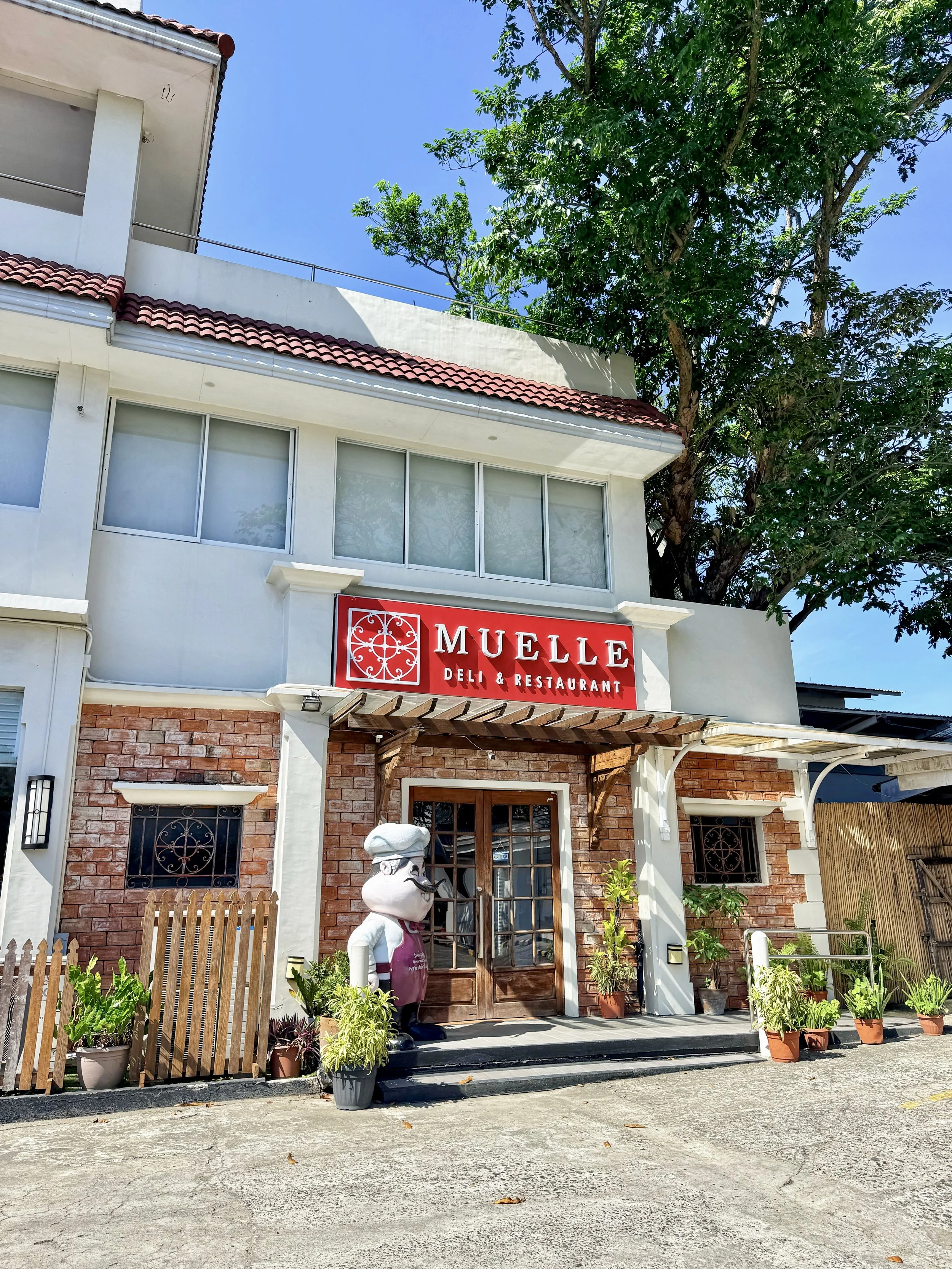
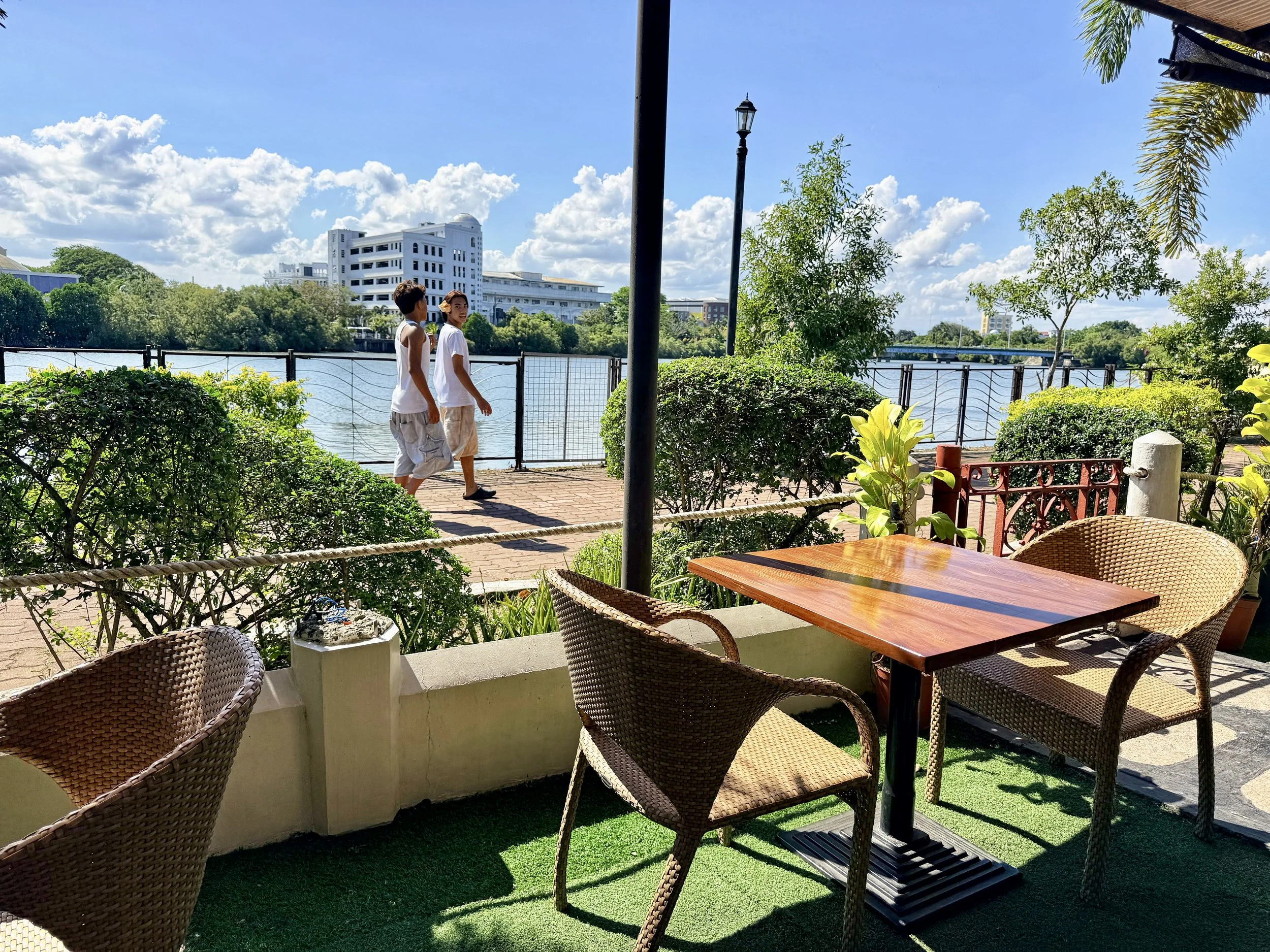
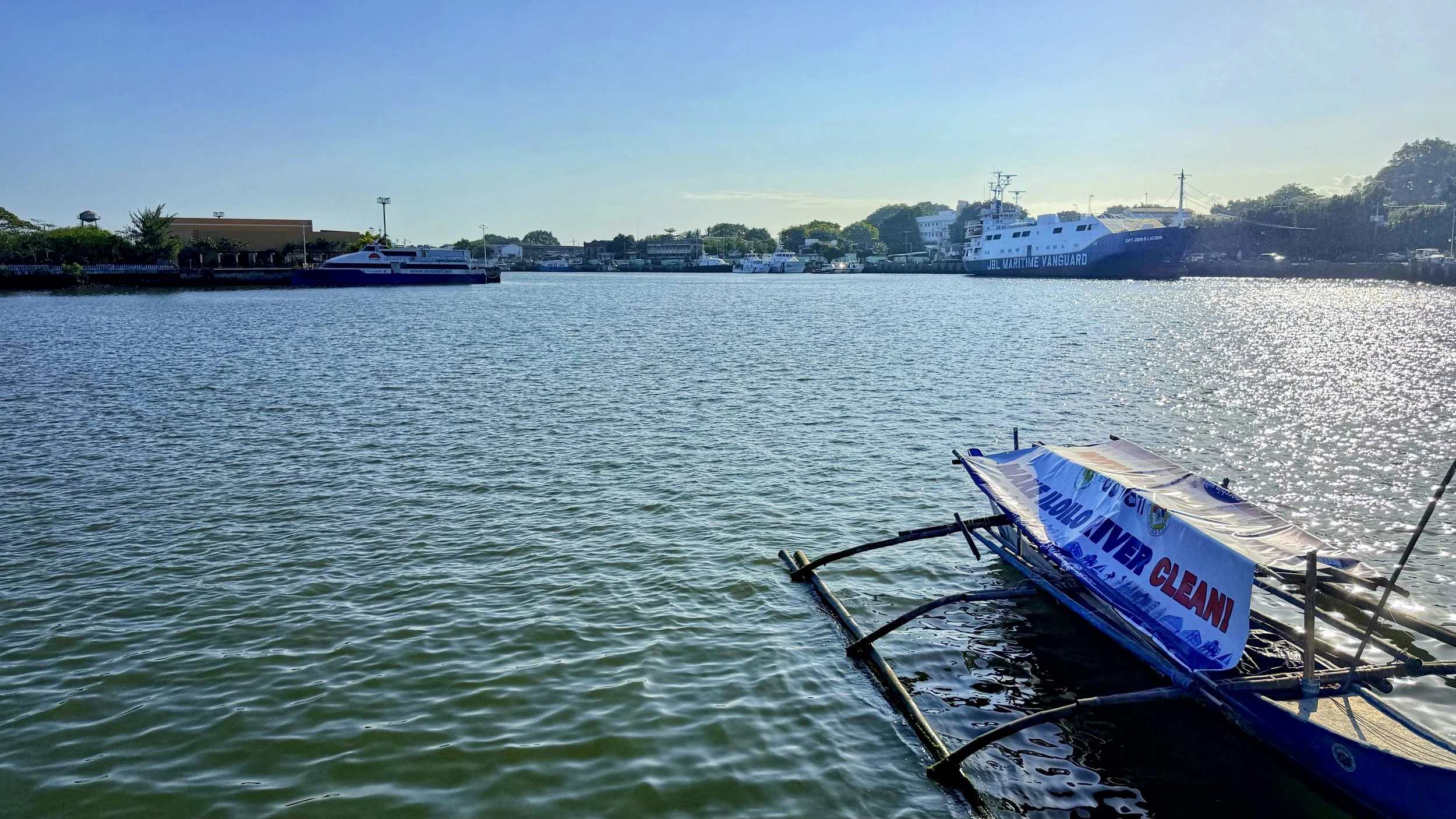
The main shipping ports and some ferry terminals are located in Lapuz. If one needs the car ferry or the Ro-Ro (roll-on, roll-off) Ferry to/from Guimaras Island, Lapuz District is the place to go. However, for the walk-on, walk-off boat to/from Guimaras Island, the port is located at the Iloilo Ferry Terminal-Parola on the other side of the river in City Proper. Other than that, the only time we stepped foot in Lapuz was going to a lovely riverview restaurant, Muelle Deli and Restaurant. It is worth noting that the river esplanade continues all the way to the port with a rewarding view of the Iloilo Strait and Guimaras Island.
We only scratched the surface of Iloilo City, but at least we feel confident that we know more than you about this place because no one’s ever heard of it! We hope this inspires you to make Iloilo City a stop in your Philippines adventures.
