When we decided to visit León, Nicaragua, we had one main reason for coming: volcano boarding at Cerro Negro. That was the big draw. But, as we’ve learned time and time again on this two-month journey through Central America, sometimes the places you visit for one particular experience end up offering so much more.
We spent five days in León, and while we didn’t come close to seeing everything this city has to offer, we got a taste of its fascinating history, explored a few cultural highlights, enjoyed a fun afternoon at a rum distillery, and, of course, spent more time than expected figuring out how to get ourselves to our next destinations.
León: Nicaragua’s Capital of the Revolution
One of the first things we noticed about León was how prominently the Nicaraguan Revolution is woven into the identity of the city.
León proudly calls itself the Capital of the Revolution. The city played a major role in Nicaragua’s revolutionary movement, serving as an important center of support for the Sandinista National Liberation Front (FSLN), which fought against the Somoza dictatorship. León was also the first major city to be liberated during the 1979 revolution.
The revolutionary history here isn’t tucked away in a museum or confined to the pages of a history book. It’s right out in the open.
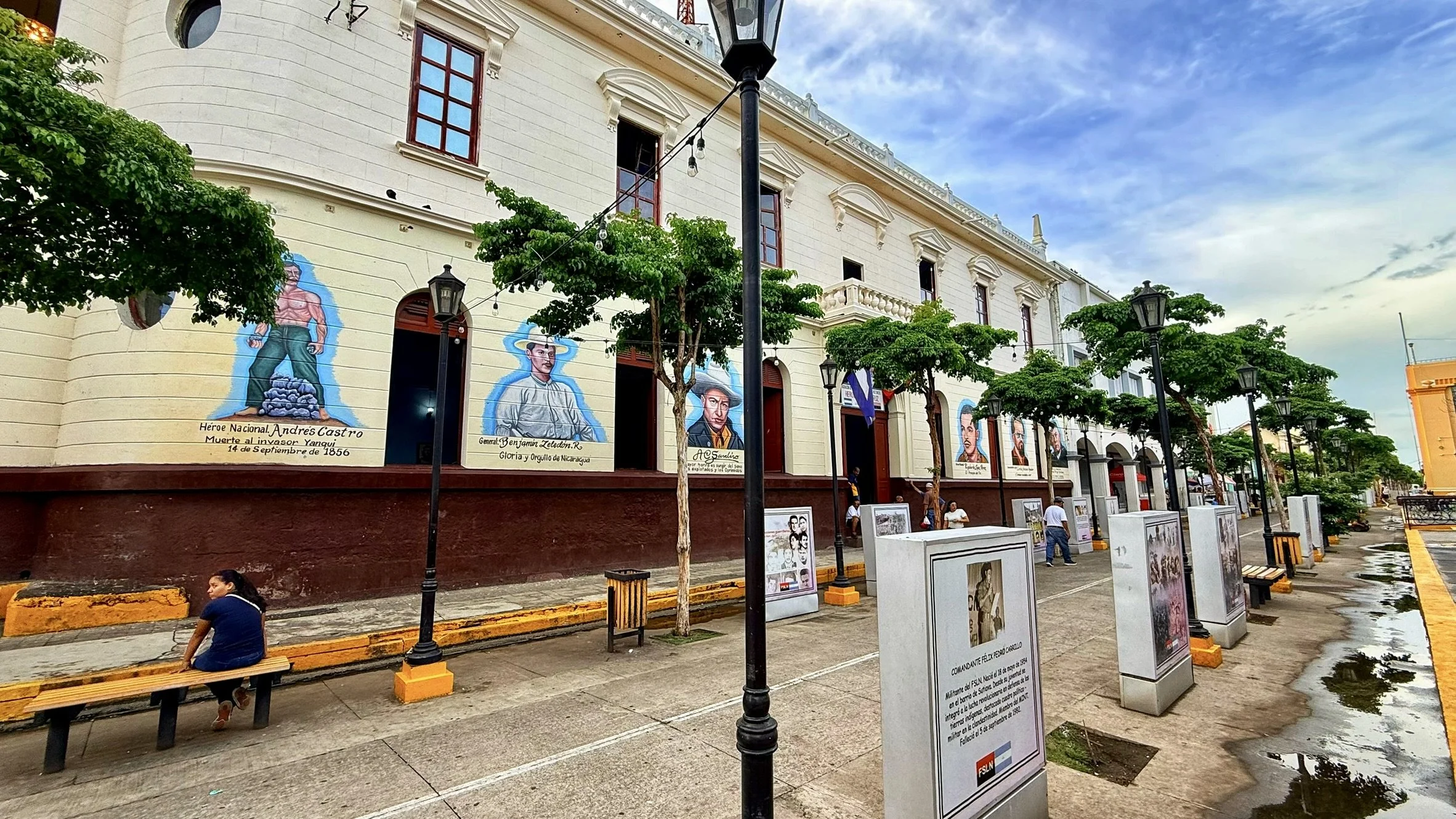
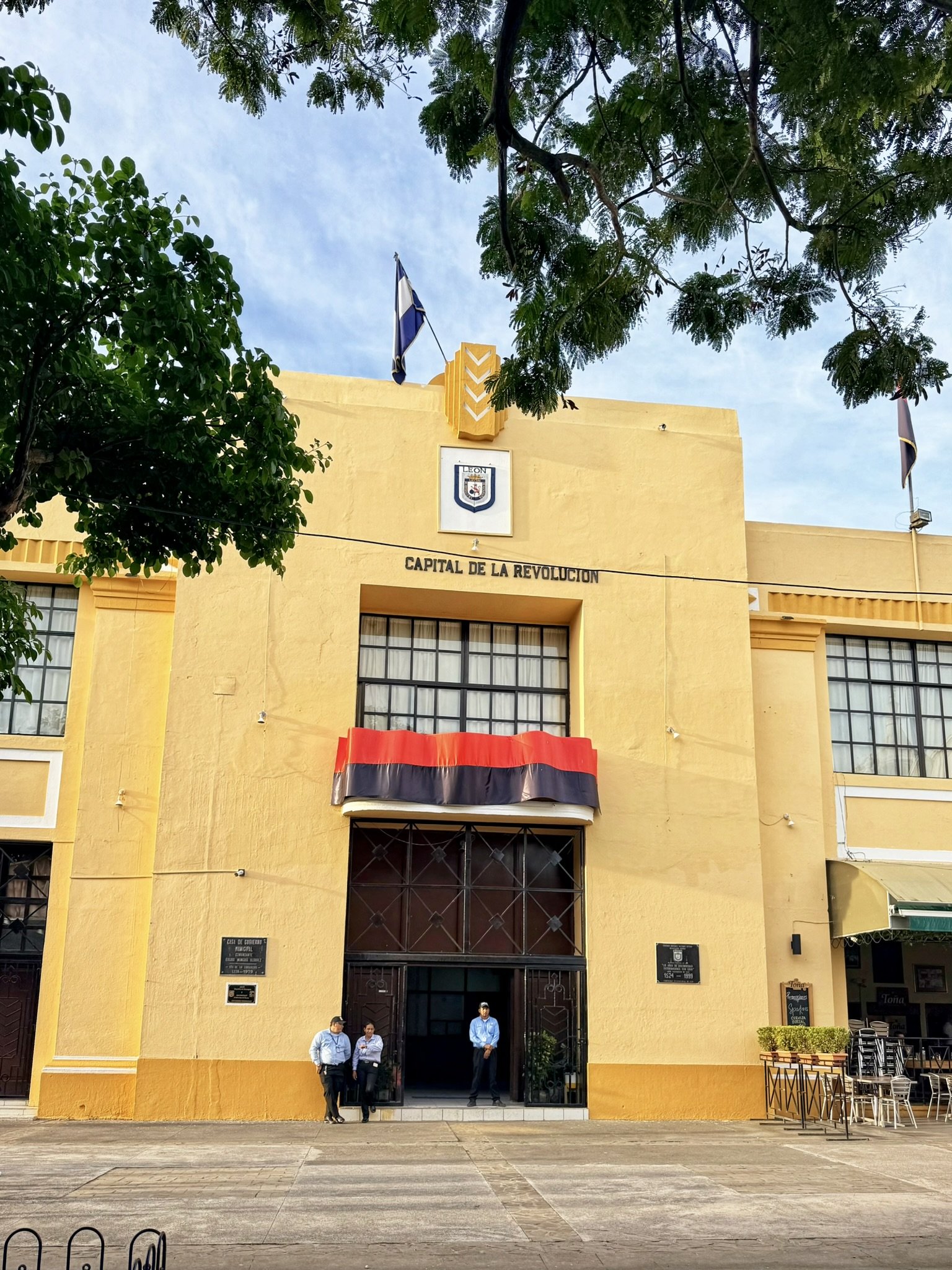
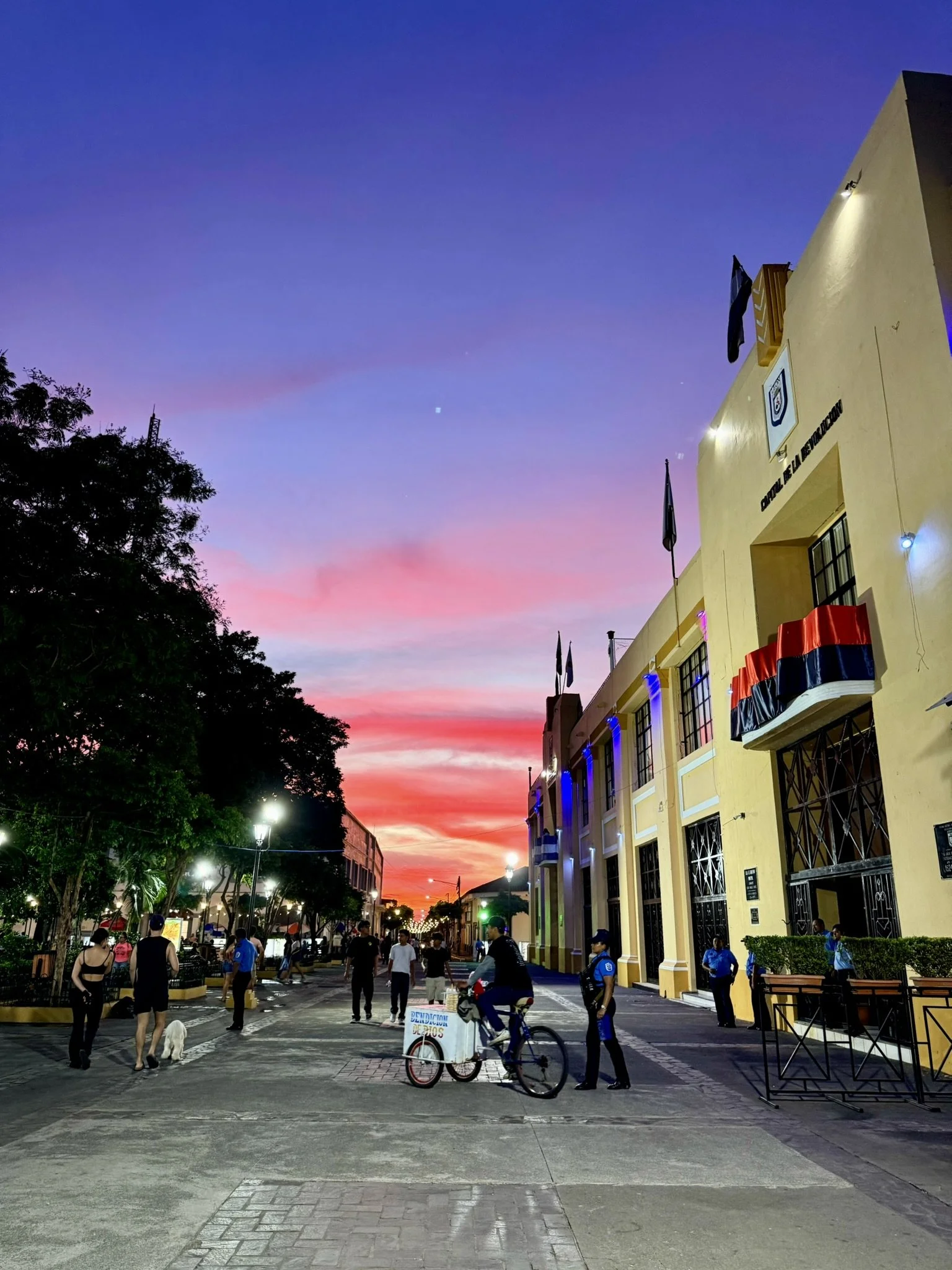
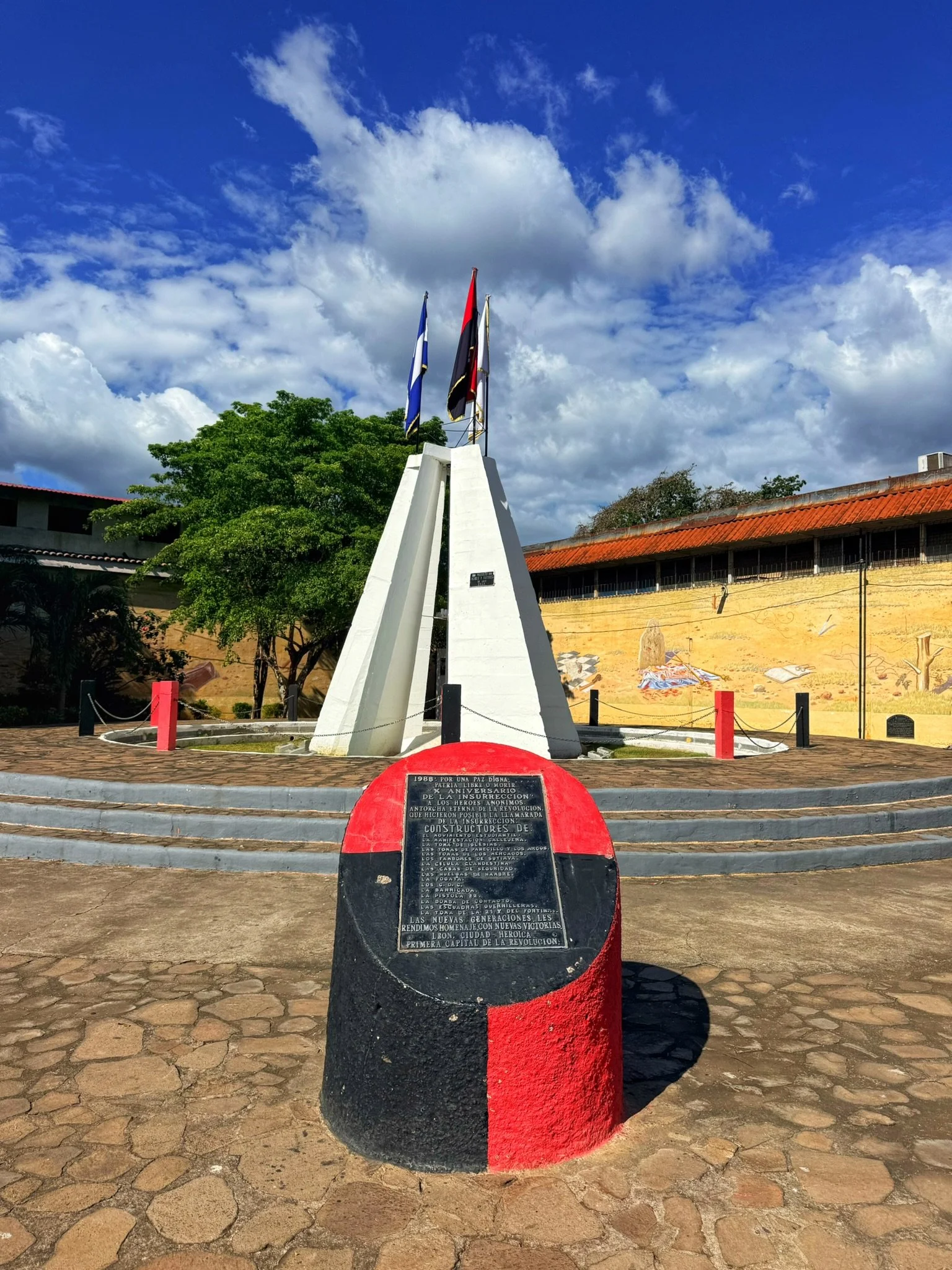
City Hall proudly displays its revolutionary identity, Sandinista flags are everywhere, and murals cover walls throughout the city. These colorful works of art honor revolutionary figures, including Augusto C. Sandino and Carlos Fonseca, as well as the students and other local residents who lost their lives in the struggle.
Even the pedestrian streets branching off Central Park serve as an outdoor history lesson. Photographs of revolutionary heroes line the walkways, accompanied by descriptions of their lives and contributions.
You could easily spend hours reading the displays and learning about the people and events that shaped modern Nicaragua.
We found it fascinating to see how openly the city preserves and celebrates this part of its past. Whether or not you’re familiar with Nicaraguan history before arriving, León makes it difficult to ignore.
León Cathedral: A Rooftop We Didn’t Quite Make It To
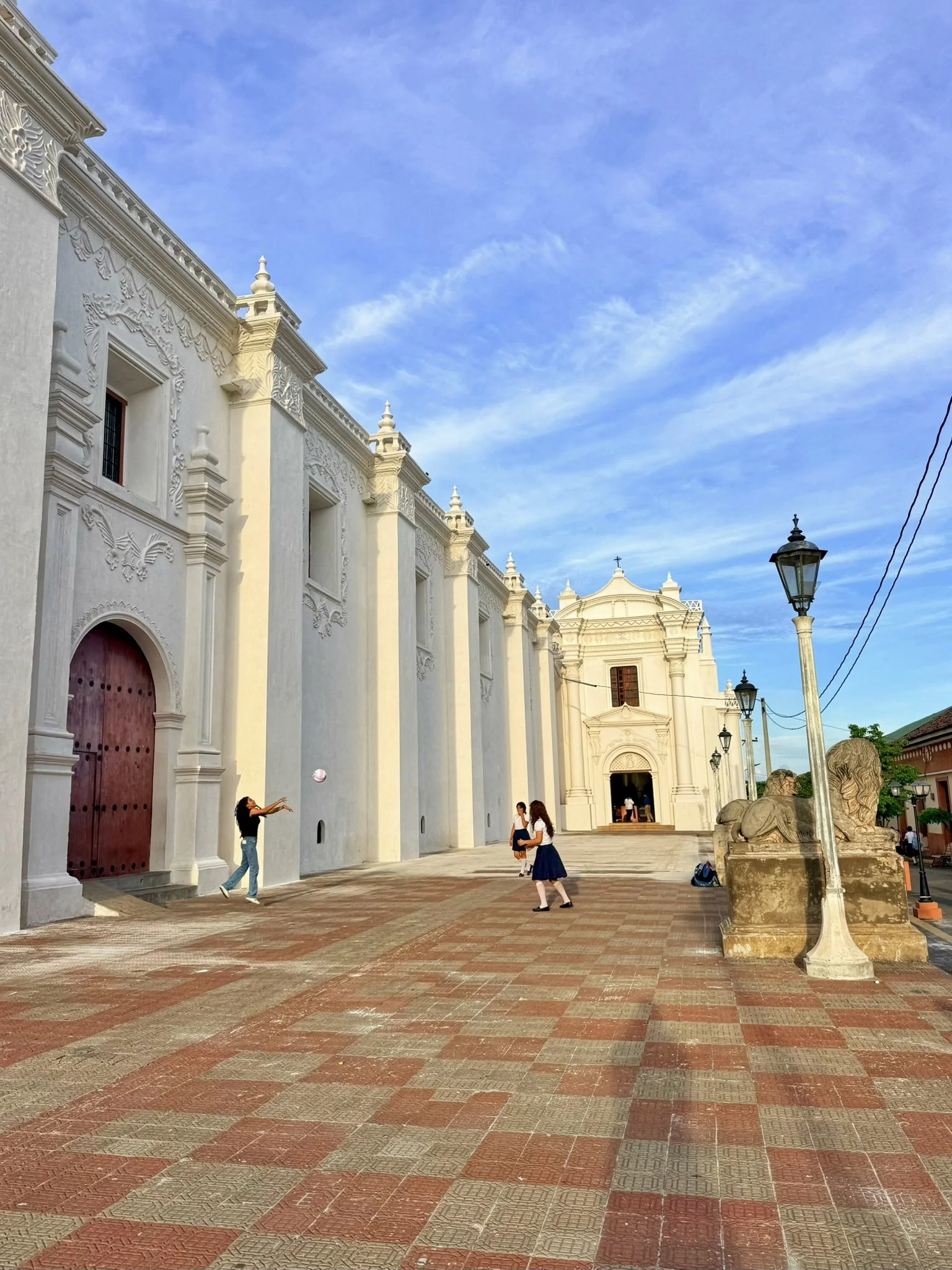
One of León’s most recognizable landmarks is the Cathedral-Basilica of the Assumption of the Blessed Virgin Mary, an enormous whitewashed structure that dominates the city’s skyline.
It’s an impressive building from the outside, but one of the things that makes it particularly interesting is the opportunity to visit the rooftop.
Visitors can climb up and walk across the white rooftop barefoot, taking in the architecture, the surrounding city, and the distant volcanic landscape. It’s one of León’s signature experiences, and the views are supposed to be spectacular, particularly around sunset.
Did we do it?
Nope.
Somehow, despite spending five days in the city, we never made it up there. And apparently, sunset is one of the best times to go.
Oh well. You can’t do everything, even when you have five days in one place!
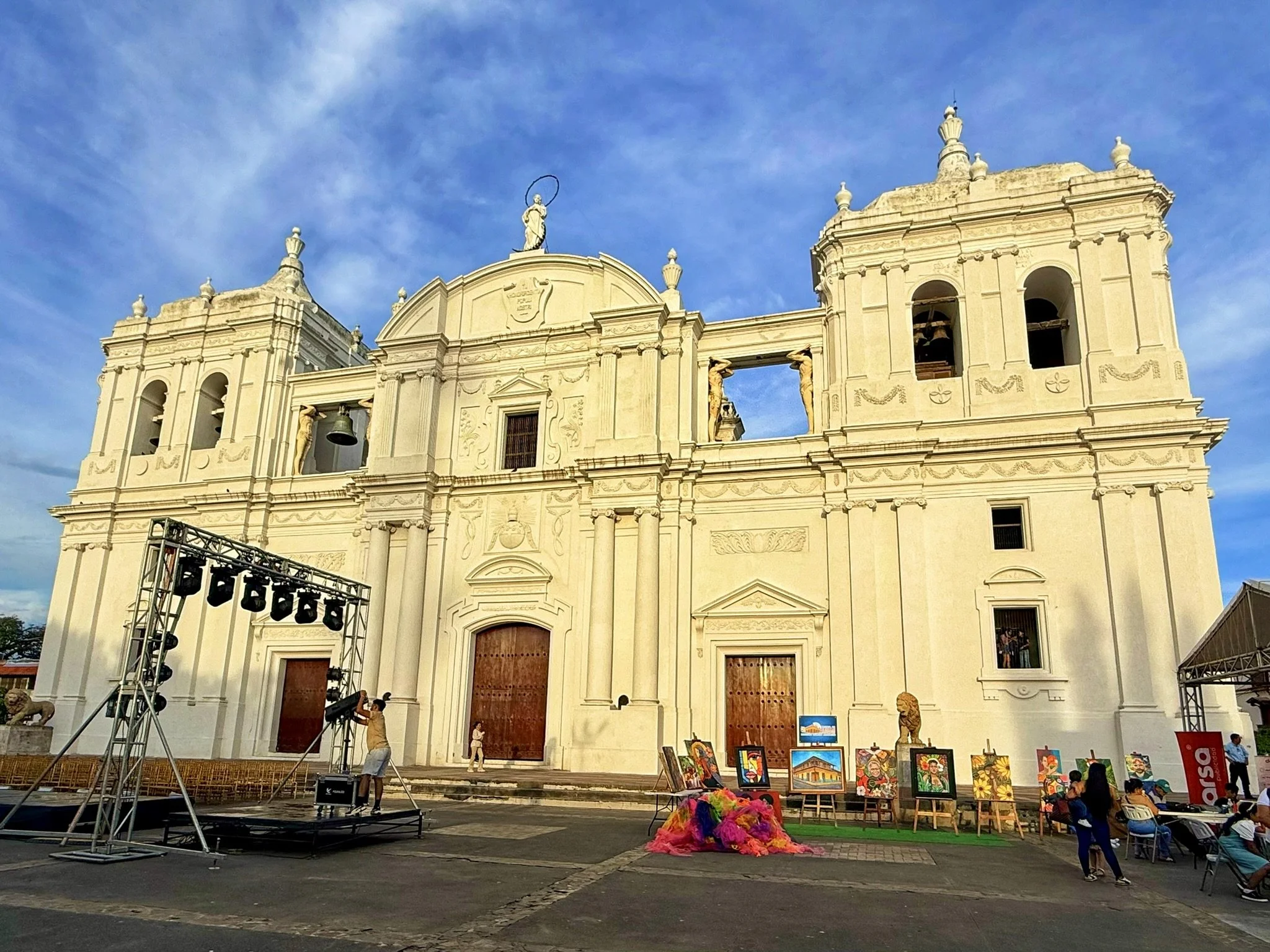
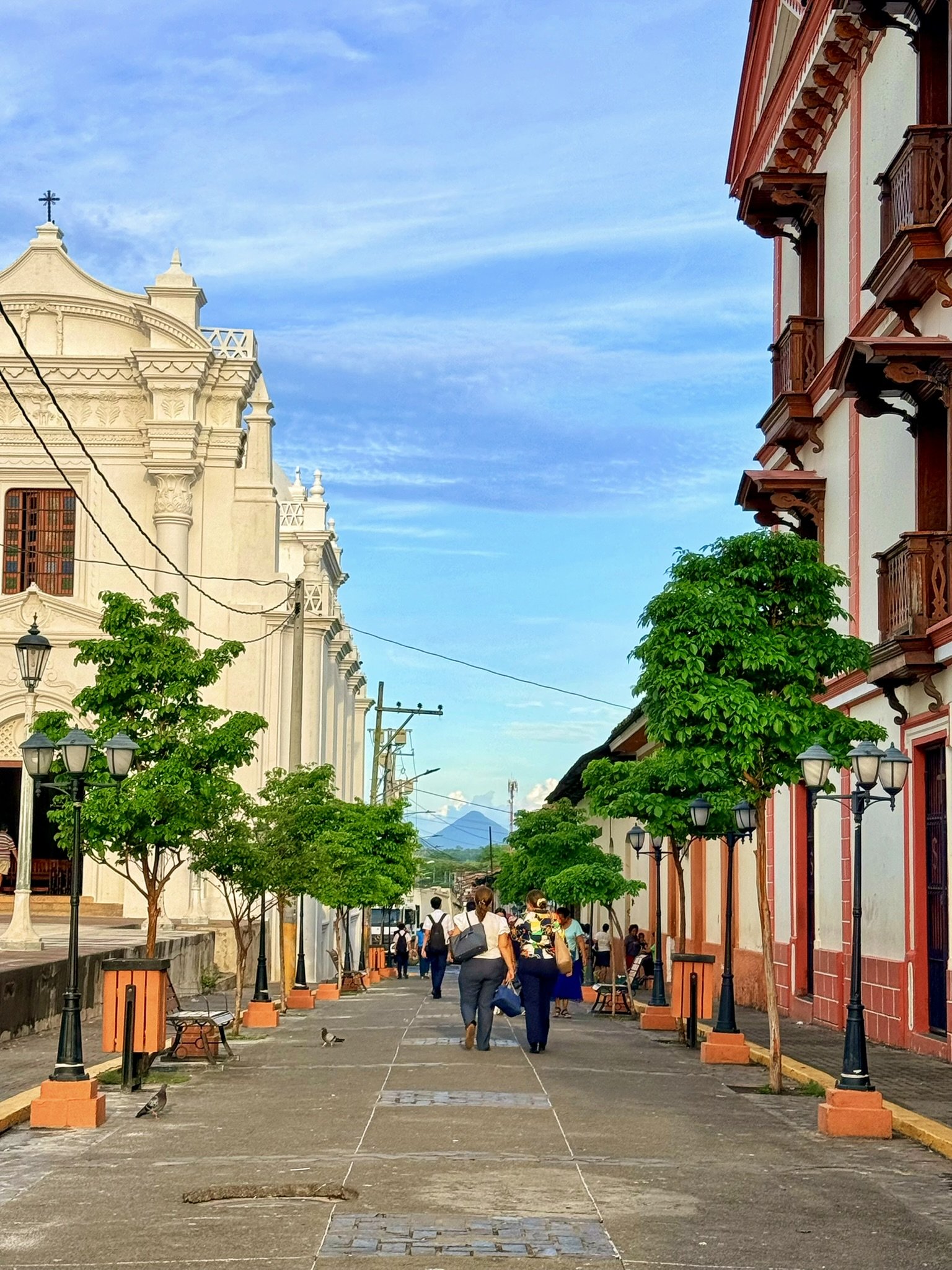
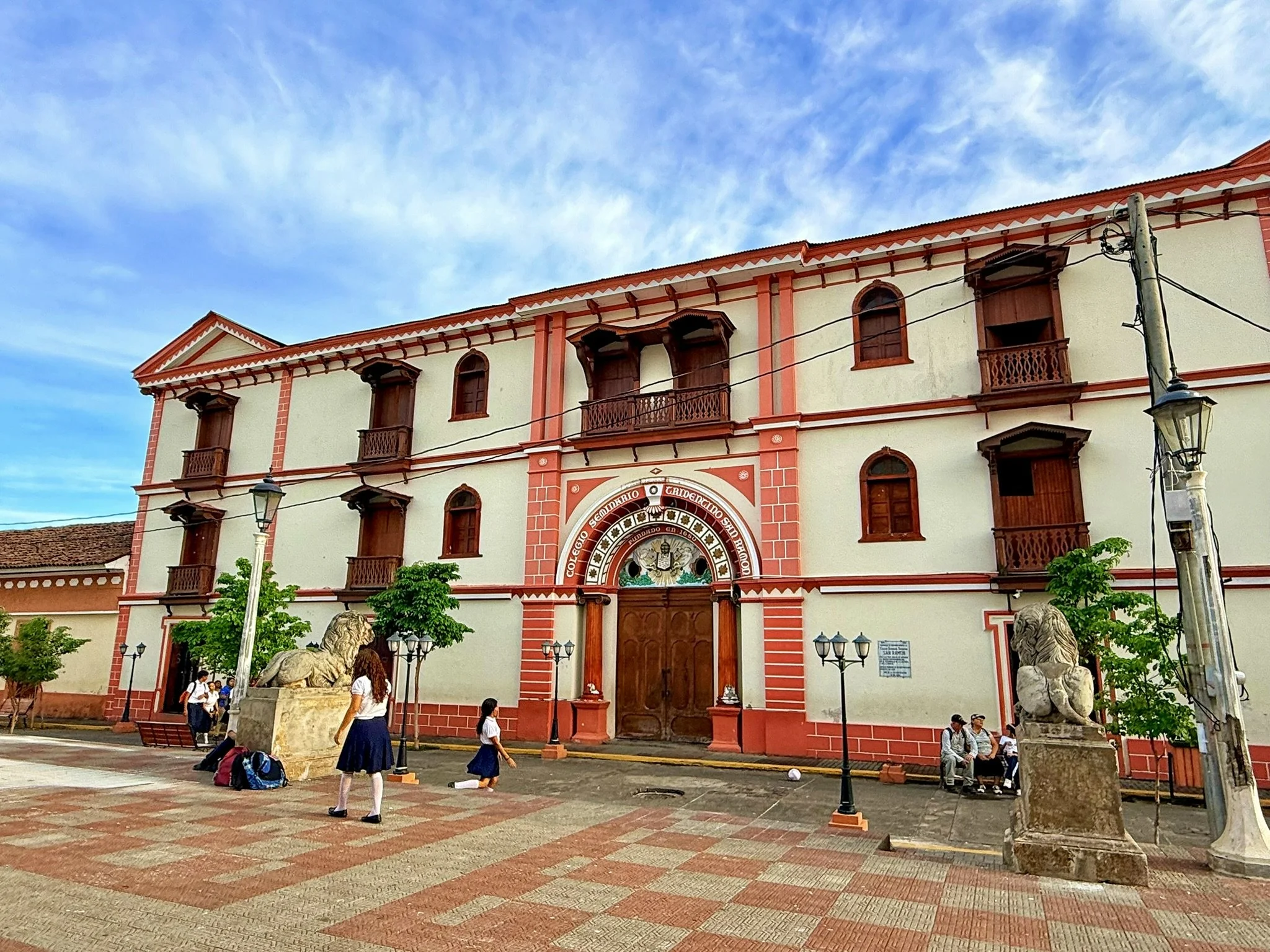
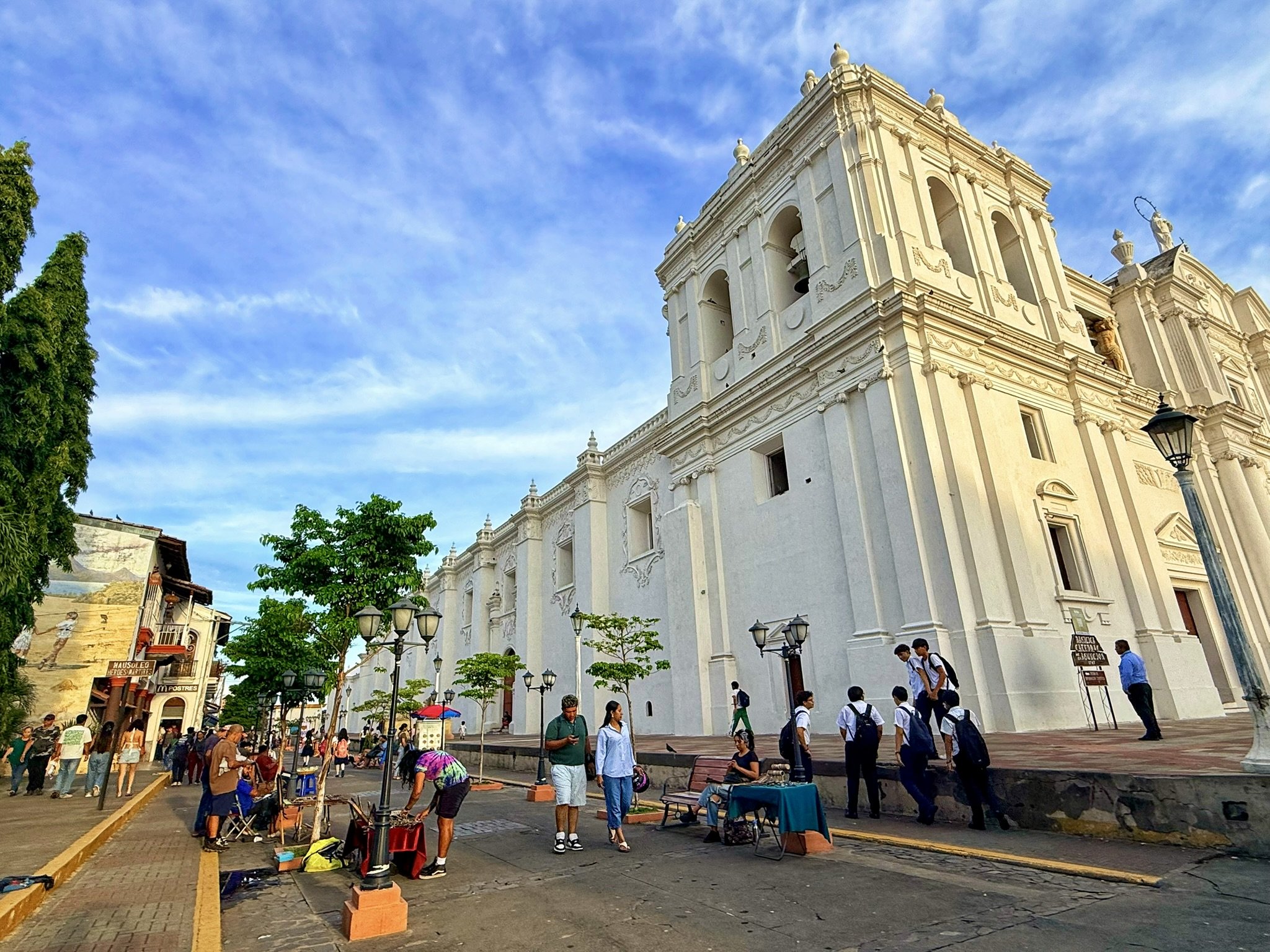
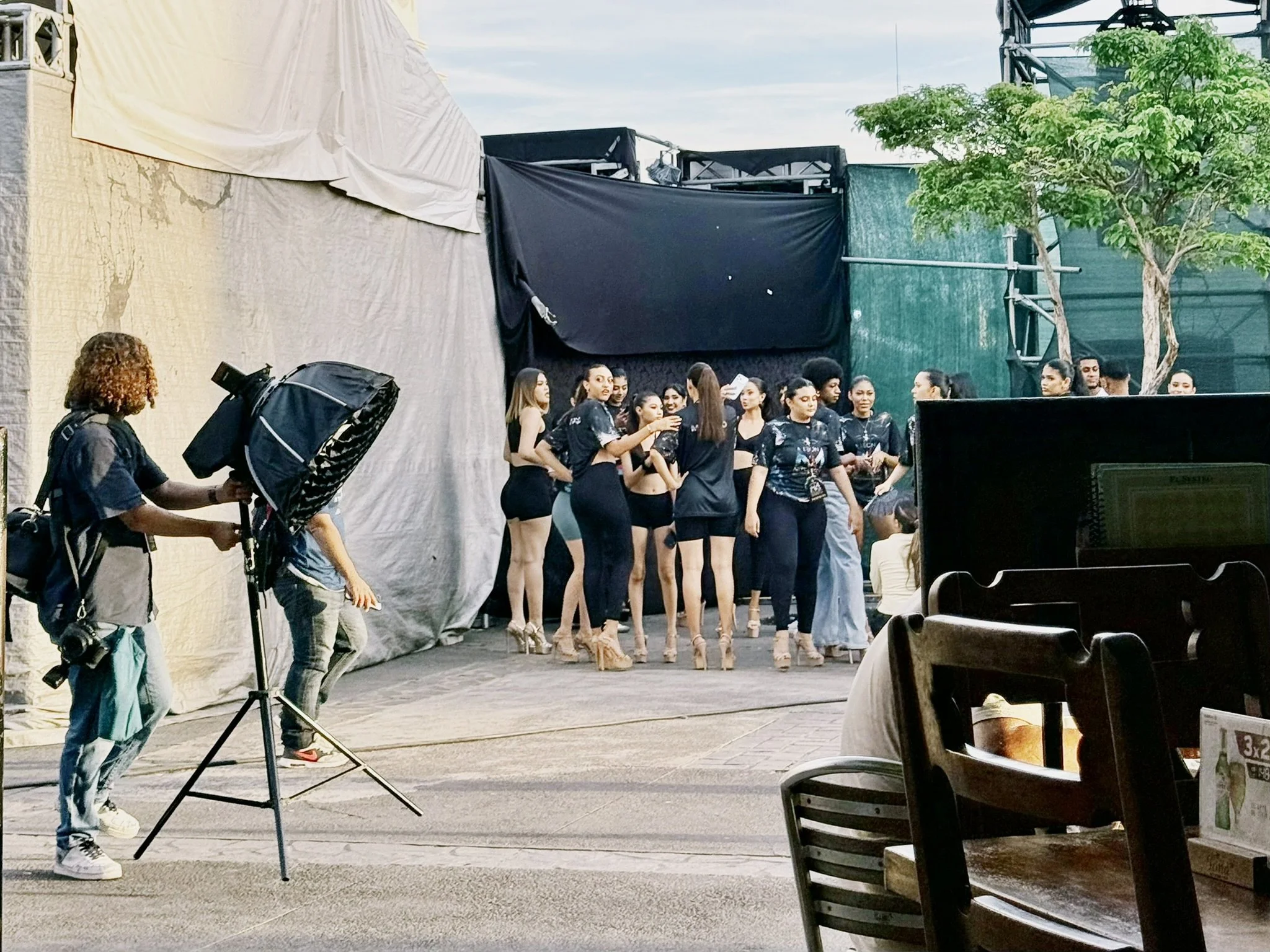
We did enjoy the Central Park in front of the cathedral, where a big catwalk and lighted stage was setup for a fashion show later that evening. We happened to be sitting behind the cordoned off stage area where all the models started showing up.
A Visit to the Childhood Home of Rubén Darío
Another worthwhile stop for anyone interested in culture and literature is the Museo Archivo Rubén Darío.
The museum occupies the childhood home of Félix Rubén García Sarmiento, better known as Rubén Darío, one of the most influential figures in Spanish-language literature. Born in Nicaragua in 1867, Darío became a poet, journalist, and diplomat and is widely regarded as the leading figure behind Modernismo, a literary movement that transformed Spanish-language poetry around the turn of the 20th century.
He was so influential that he earned the nickname Prince of Castilian Letters.
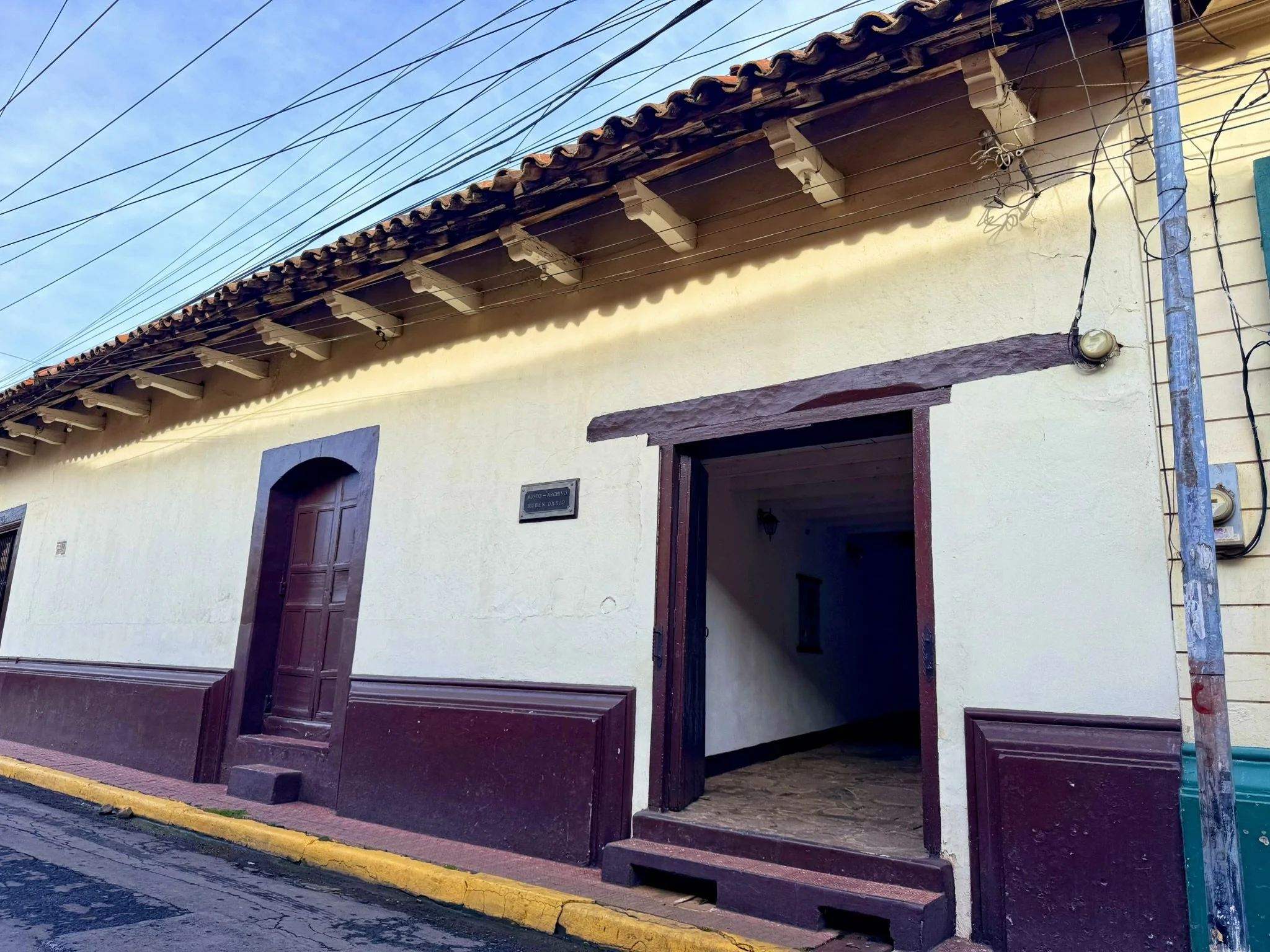
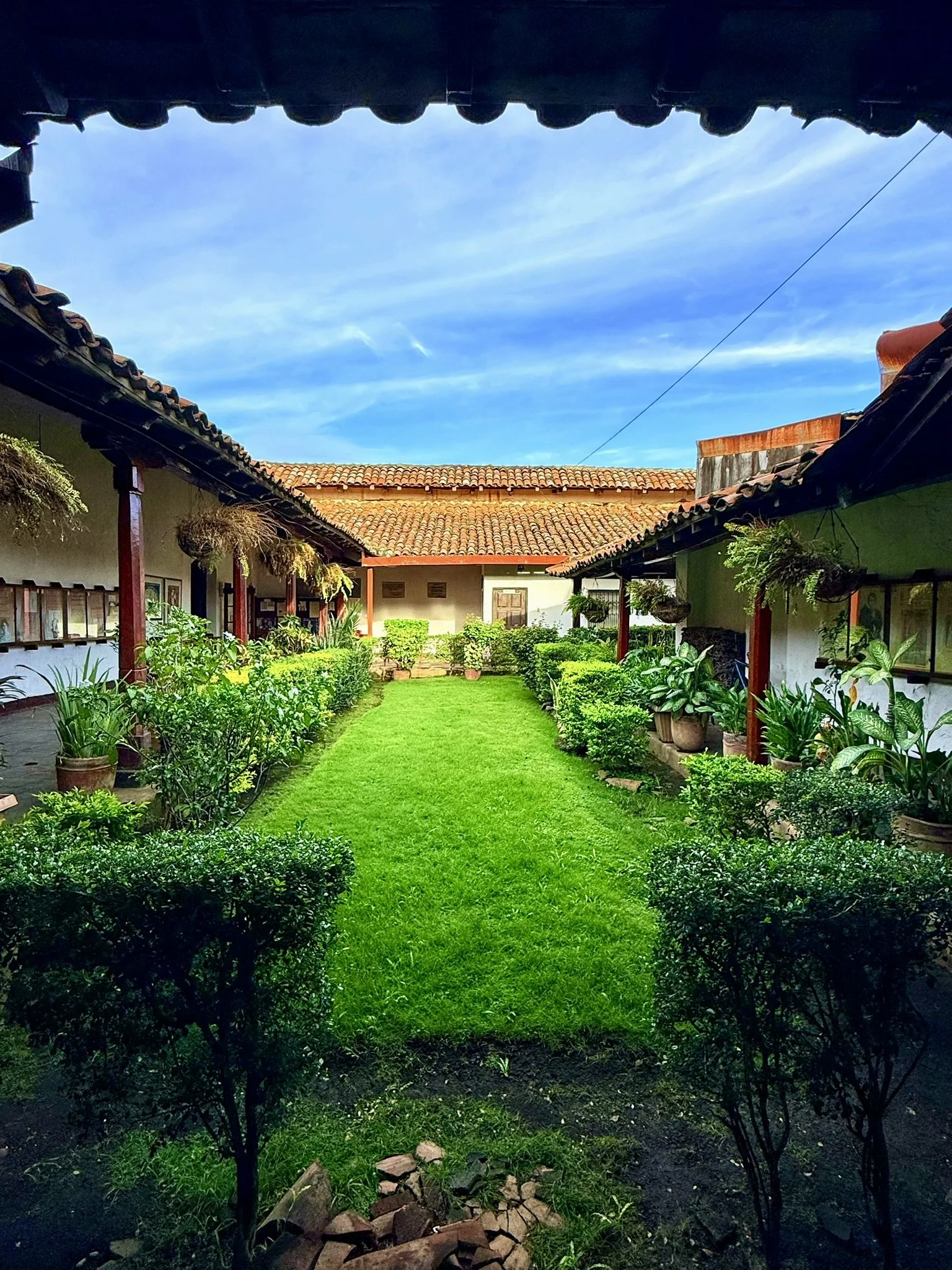
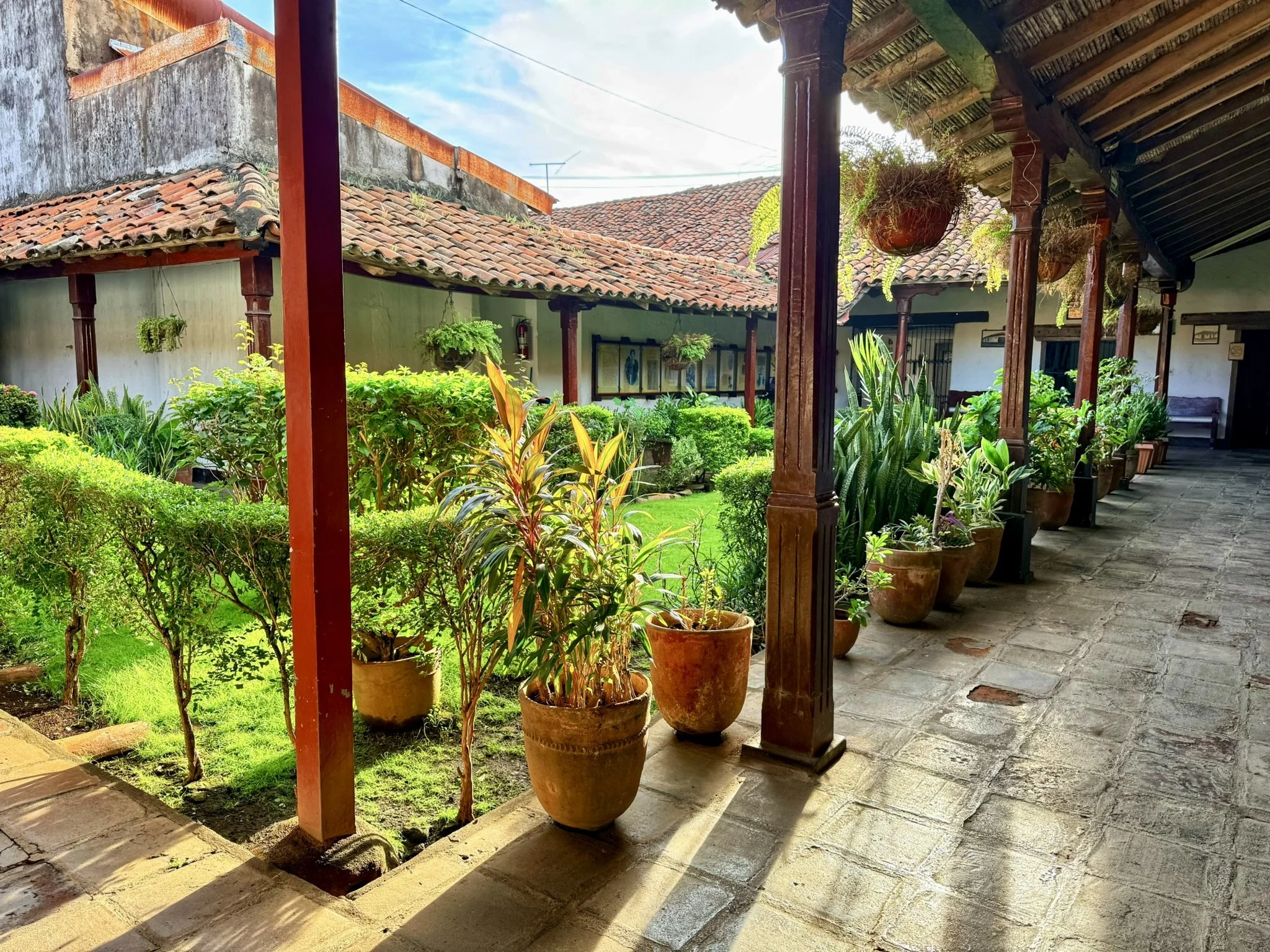
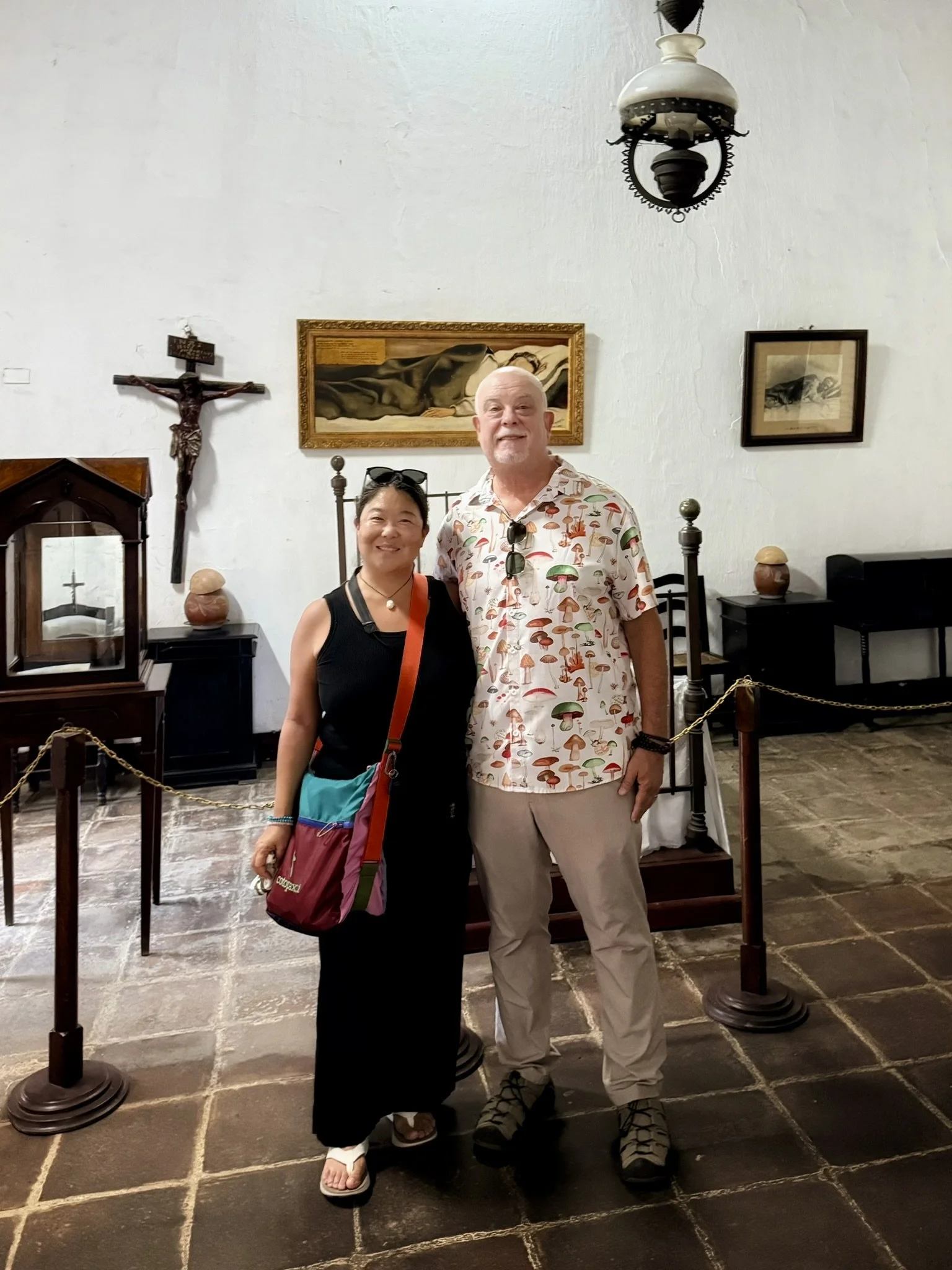
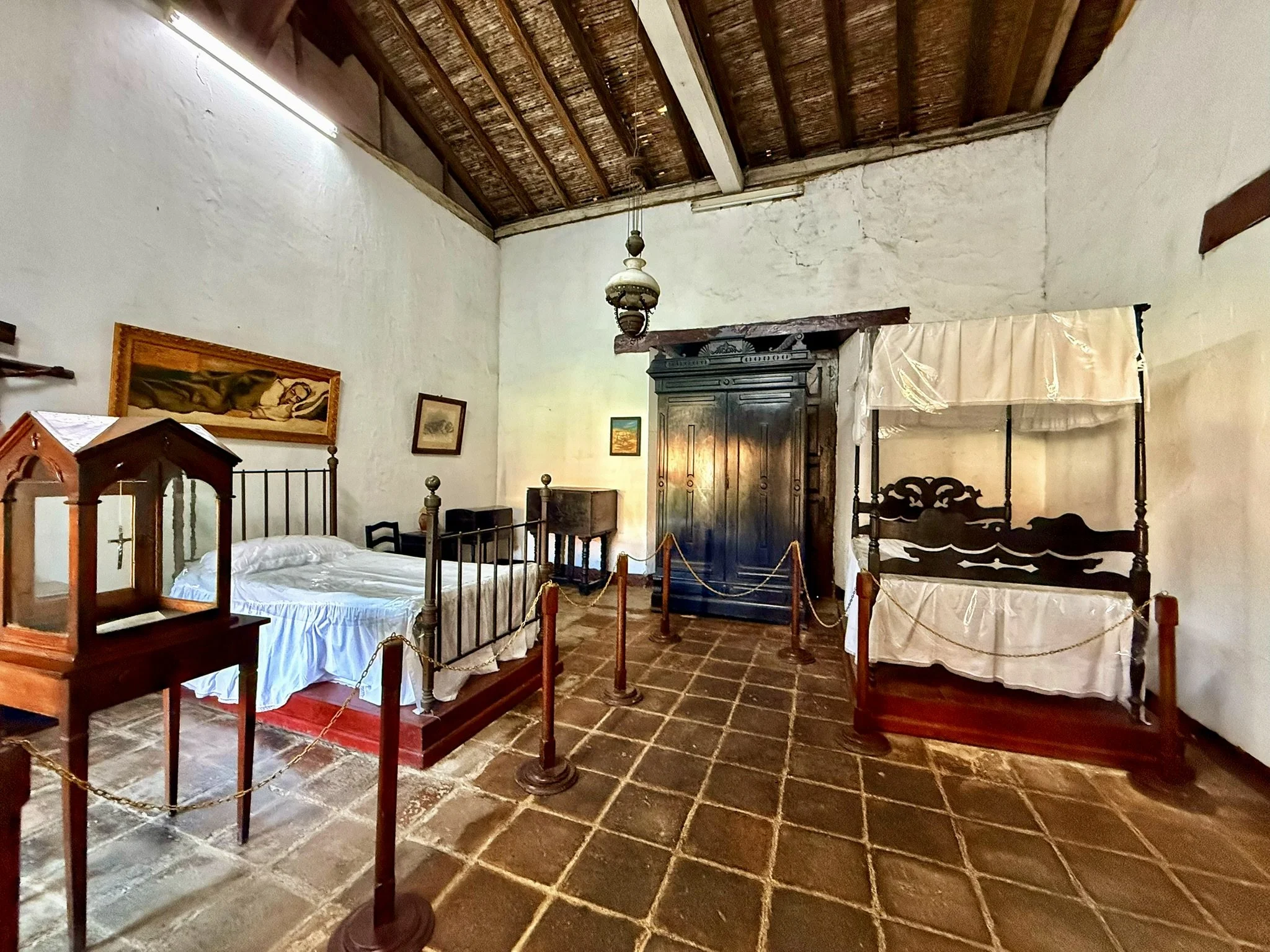
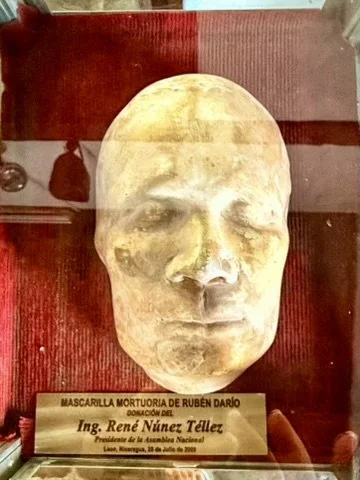
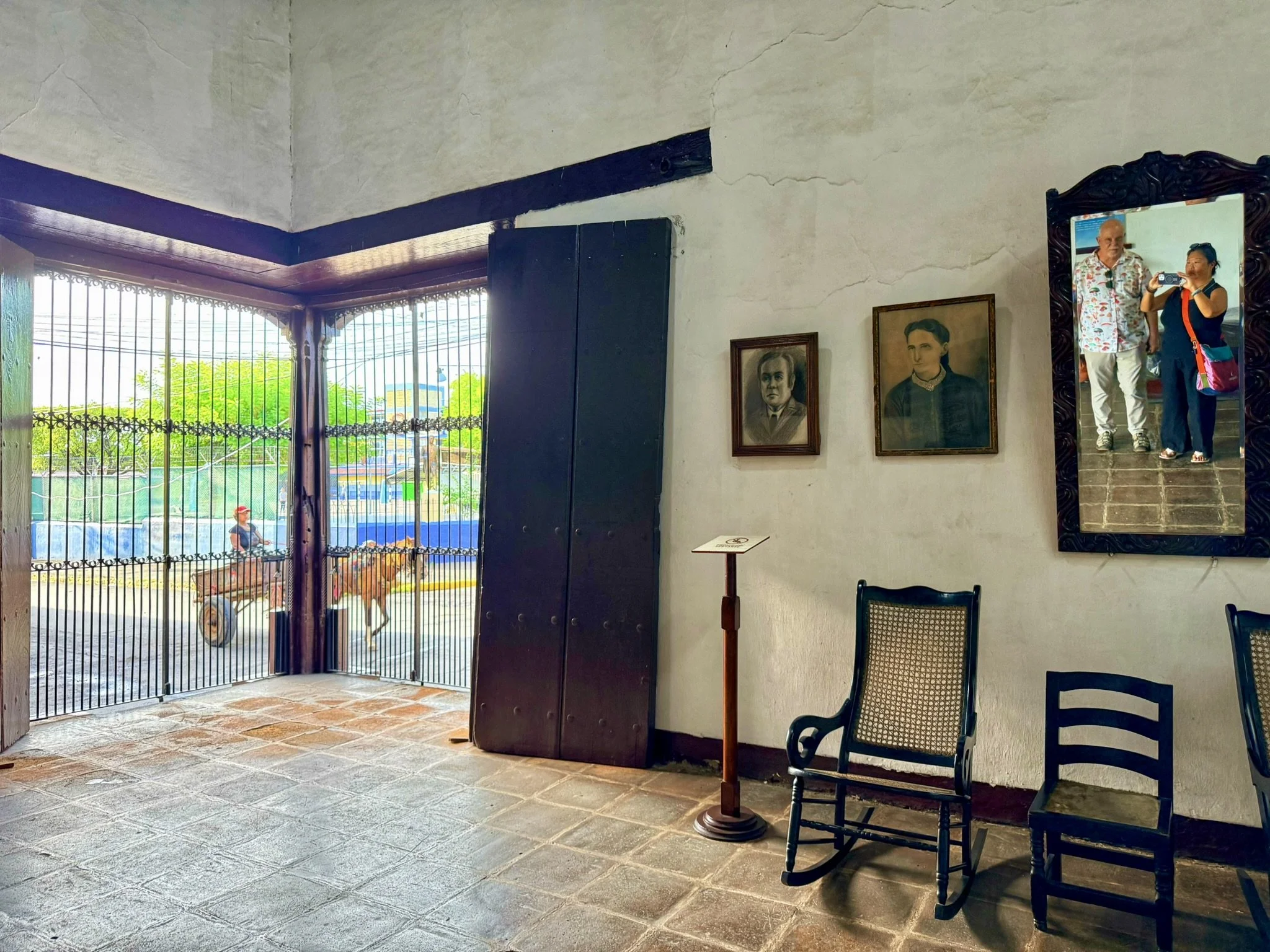
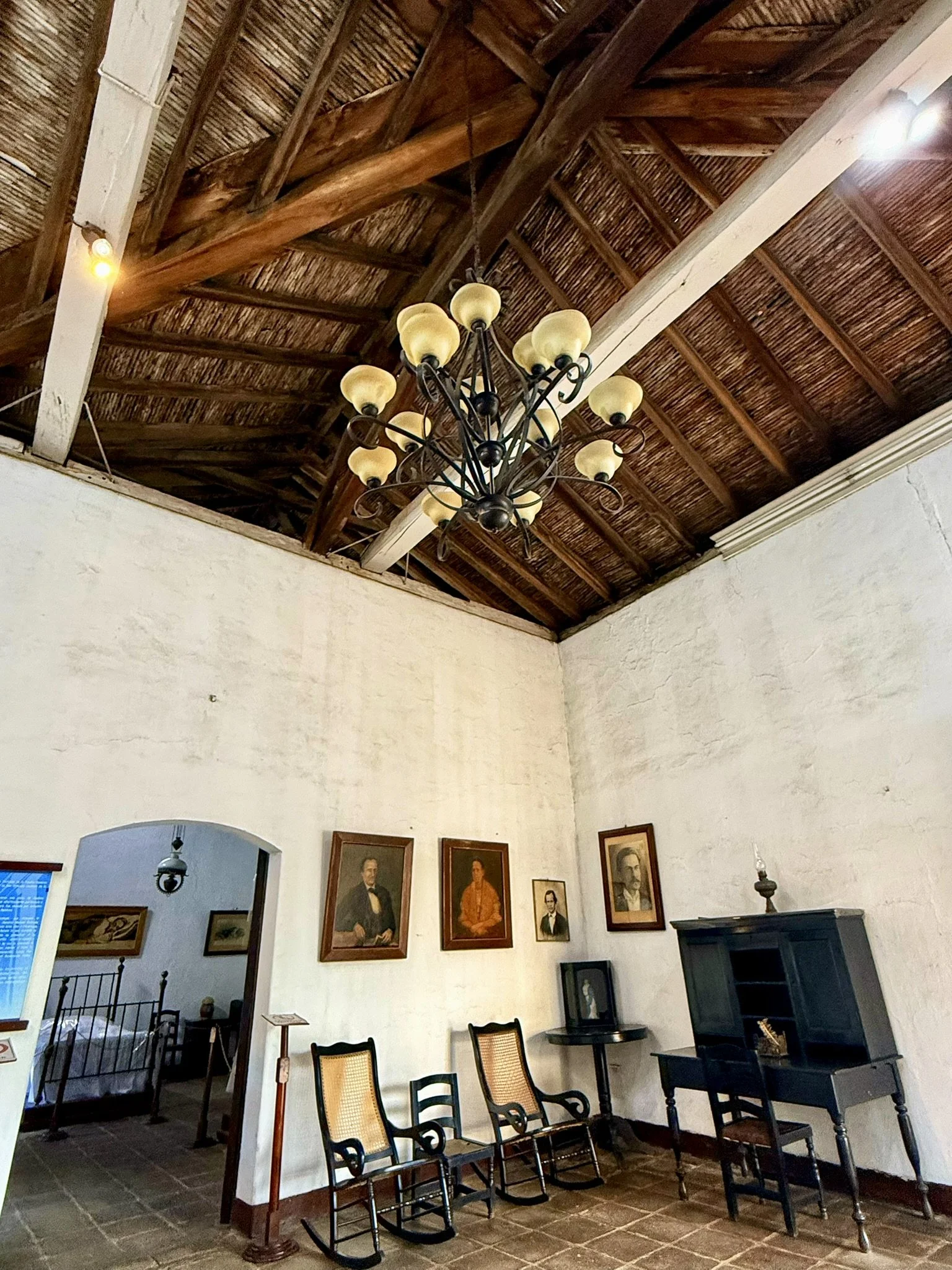
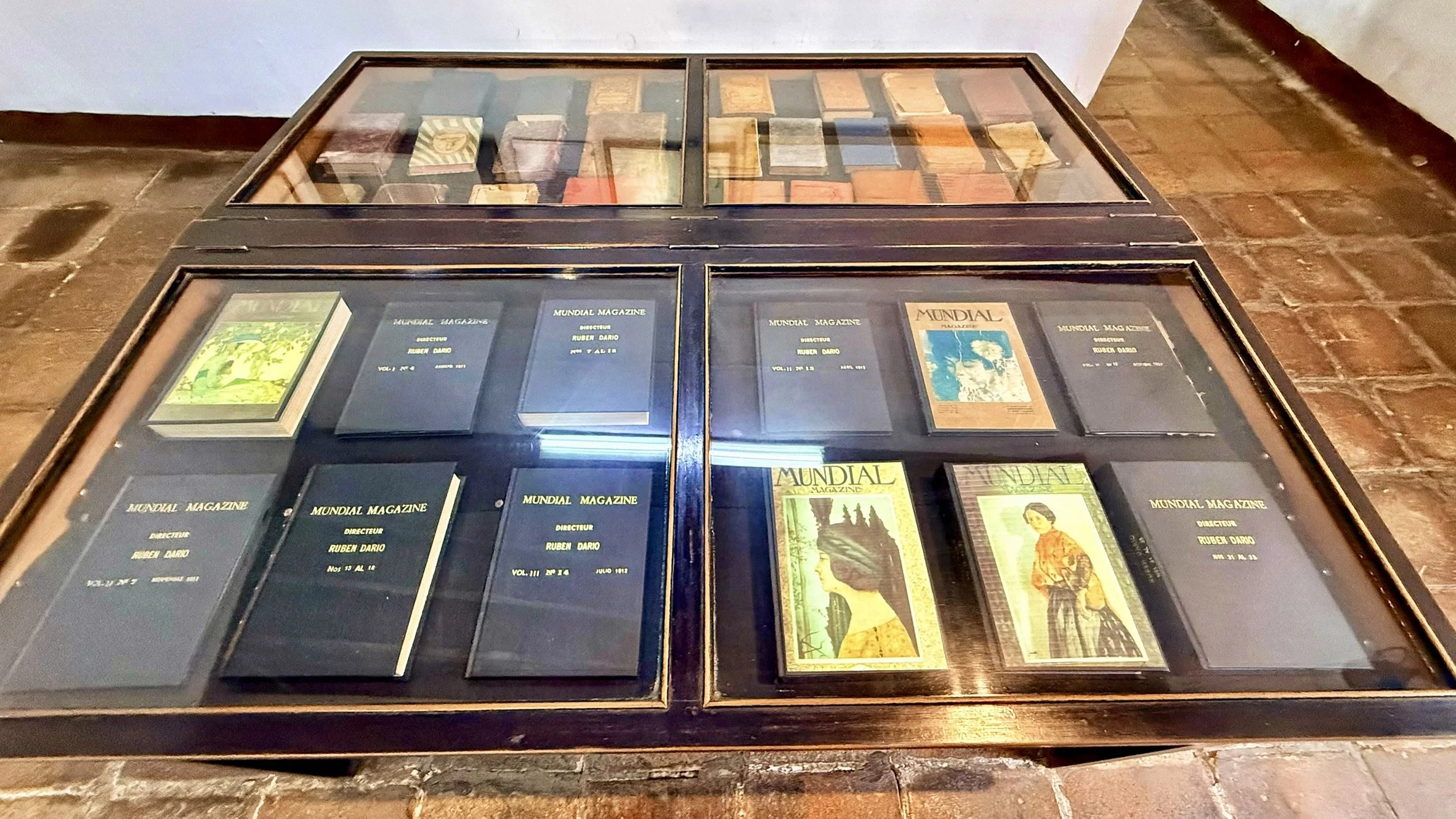
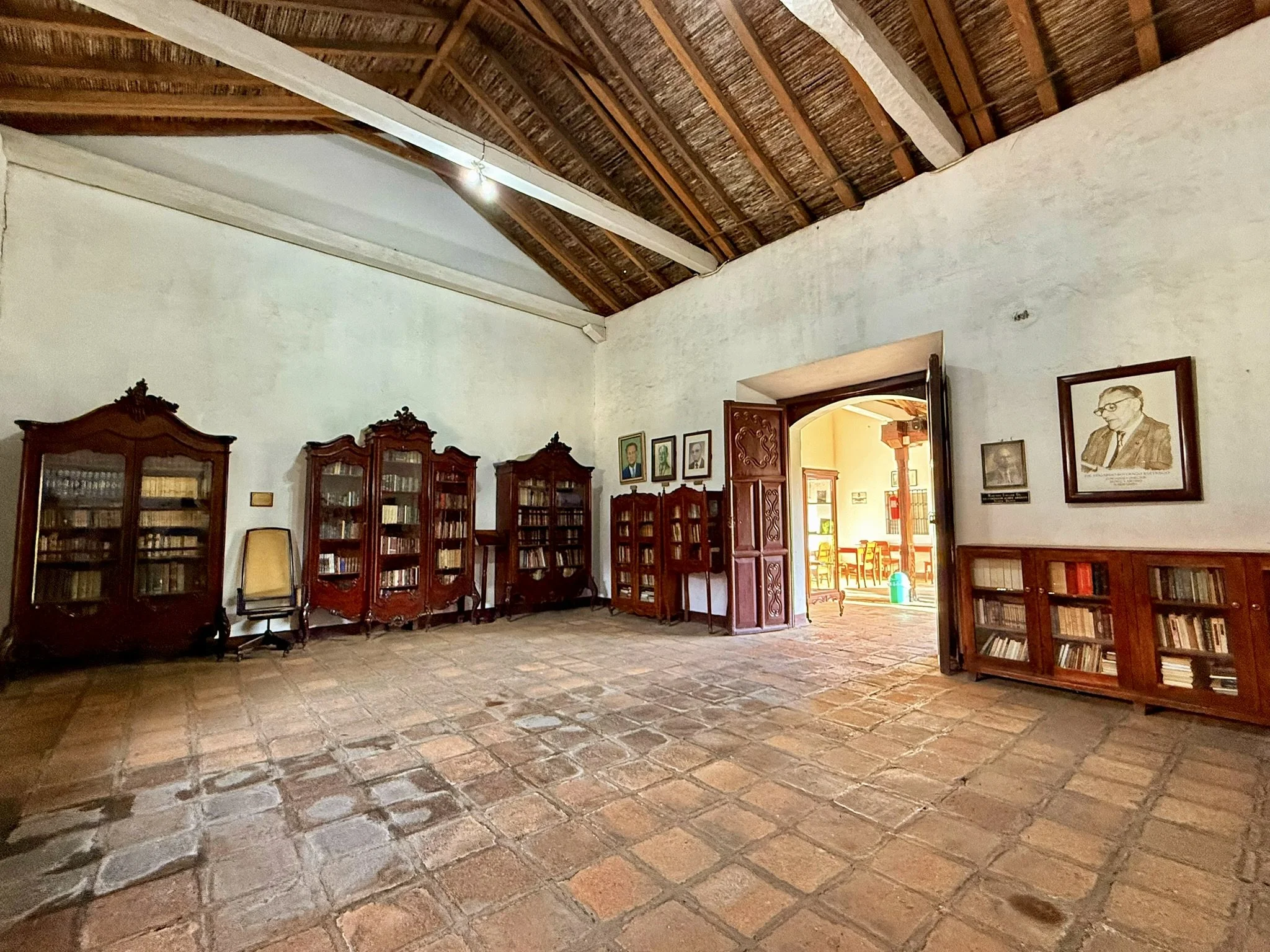
What makes this museum especially interesting is that it’s not simply a collection dedicated to a famous writer. It’s the home where Darío spent the first 14 years of his life, and where he began writing poetry as a young boy.
Inside, visitors can see family portraits, personal belongings, historical photographs, and other objects connected to his life and career. The collection also includes items associated with his later diplomatic life, offering a glimpse into the man behind the literary legacy.
Even if you’re not a devoted poetry enthusiast, it’s a chance to learn about a Nicaraguan whose influence extended far beyond his home country.
León has a lot to offer beyond its revolutionary history, and places like this help tell the story of its contributions to literature, art, and culture.
A Morning of Rum at Flor de Caña
One of our other outings took us outside León to Chichigalpa, about 40 minutes away, for a tour of the Flor de Caña rum distillery.
And this turned out to be a lot of fun!
We joined a tour group that included a bunch of Costa Rican tourists and another rather rowdy group of partygoers. Let’s just say the atmosphere was lively to begin with, and downright raucous the more free rum shots we had throughout the tour. Our tour guide was incredibly accommodating, too. Since the tour was primarily in Spanish, he was kind enough to repeat the entire tour in English just for the two of us.
Now that’s service!
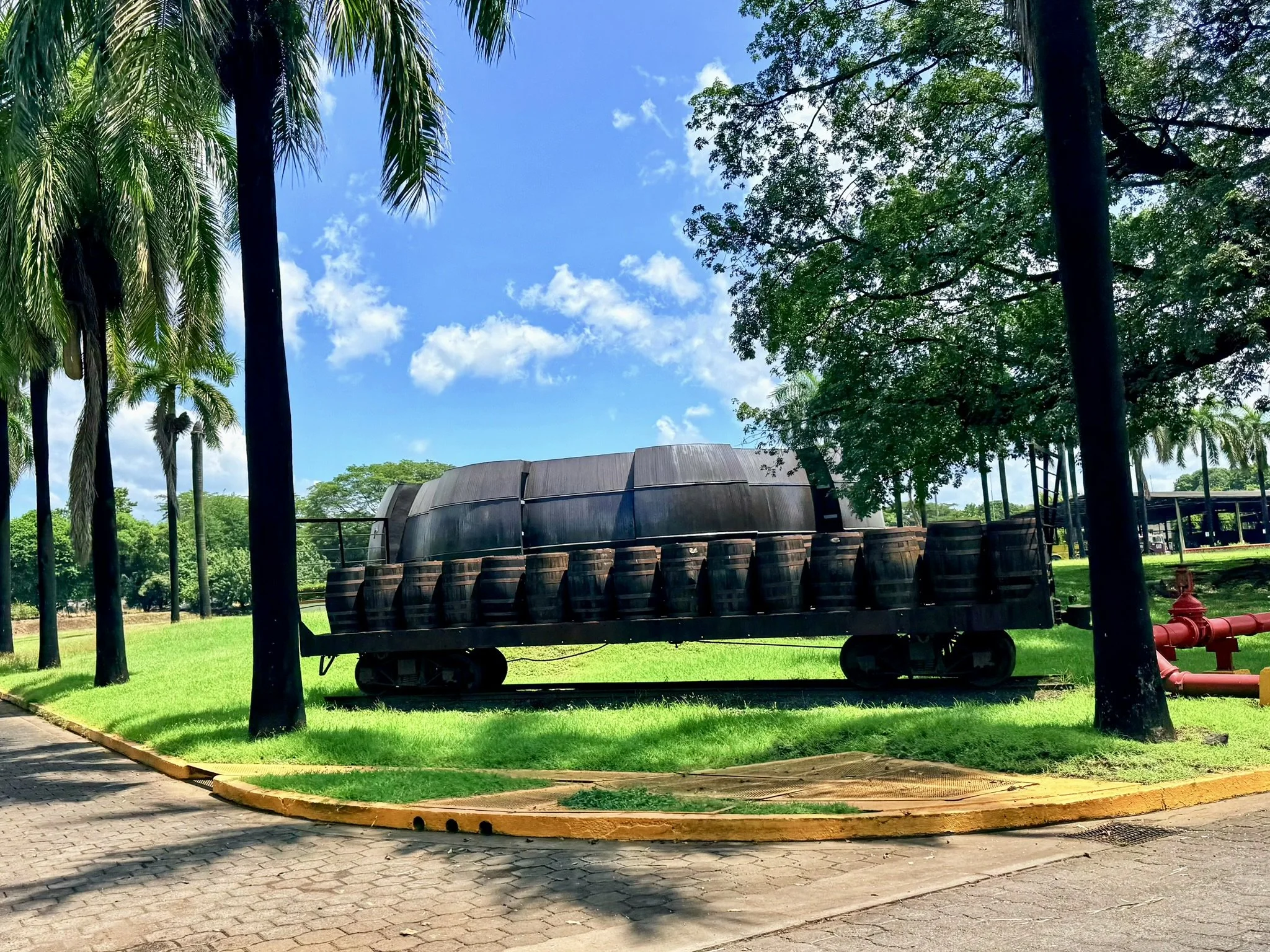
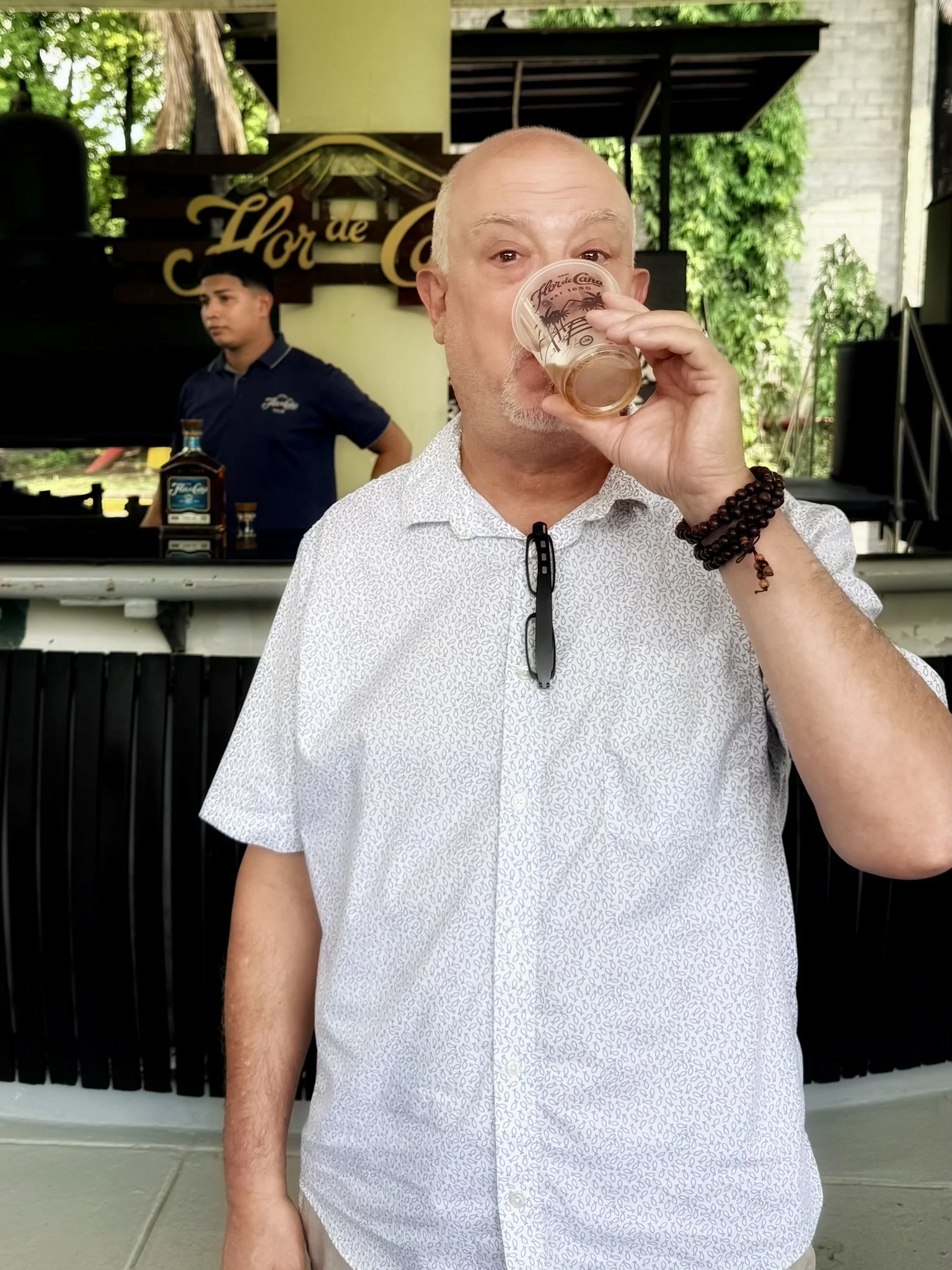
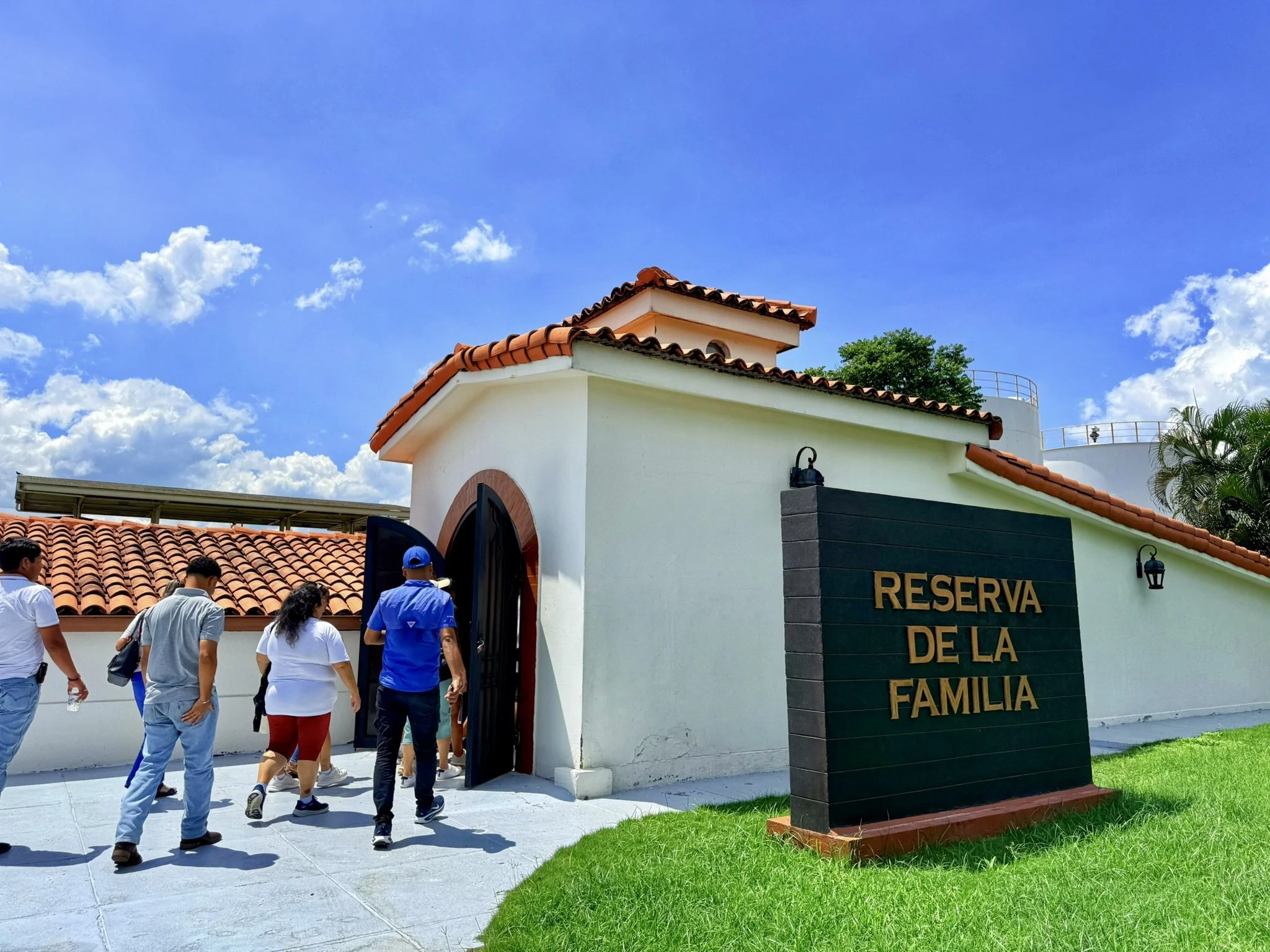
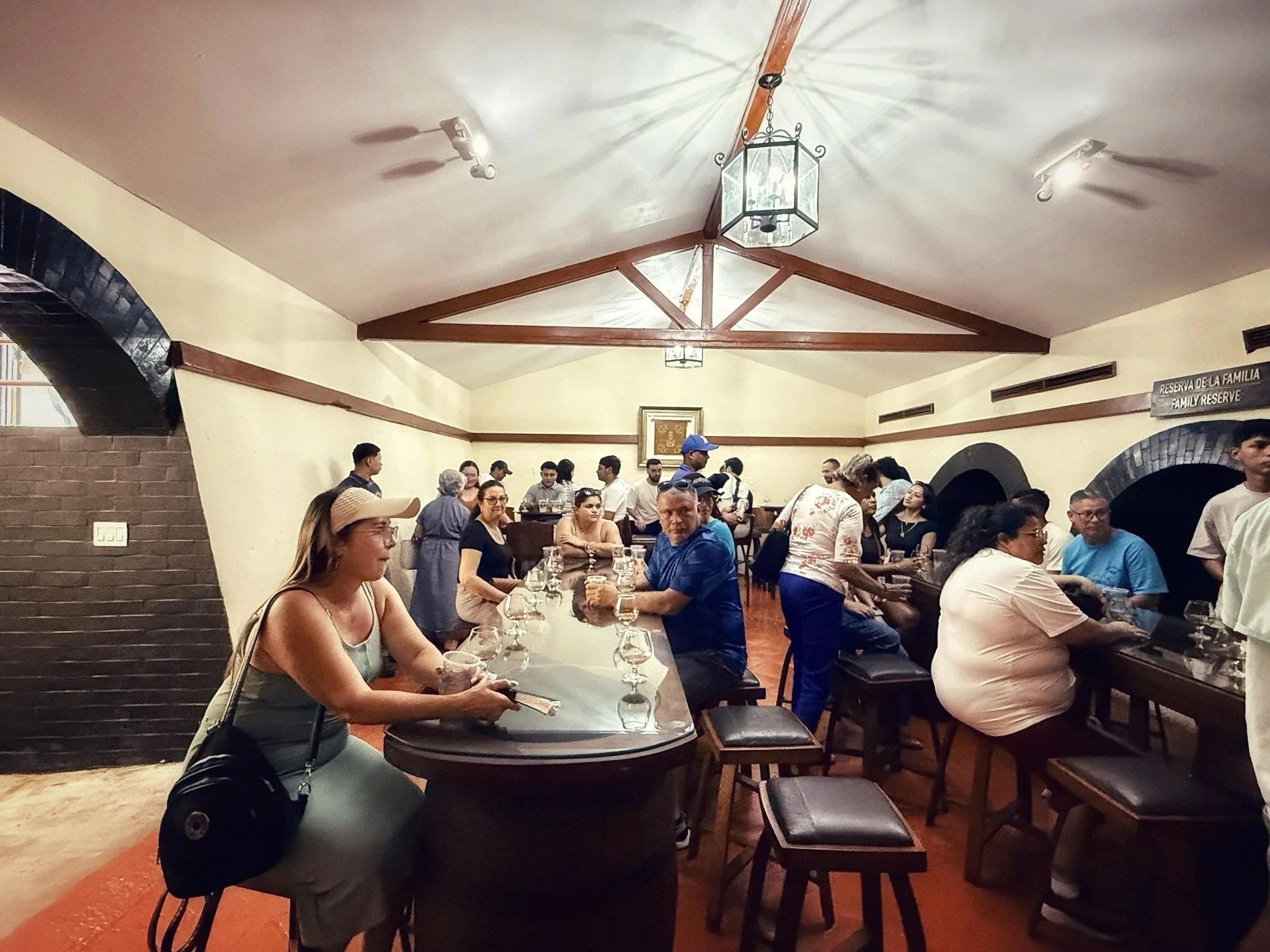
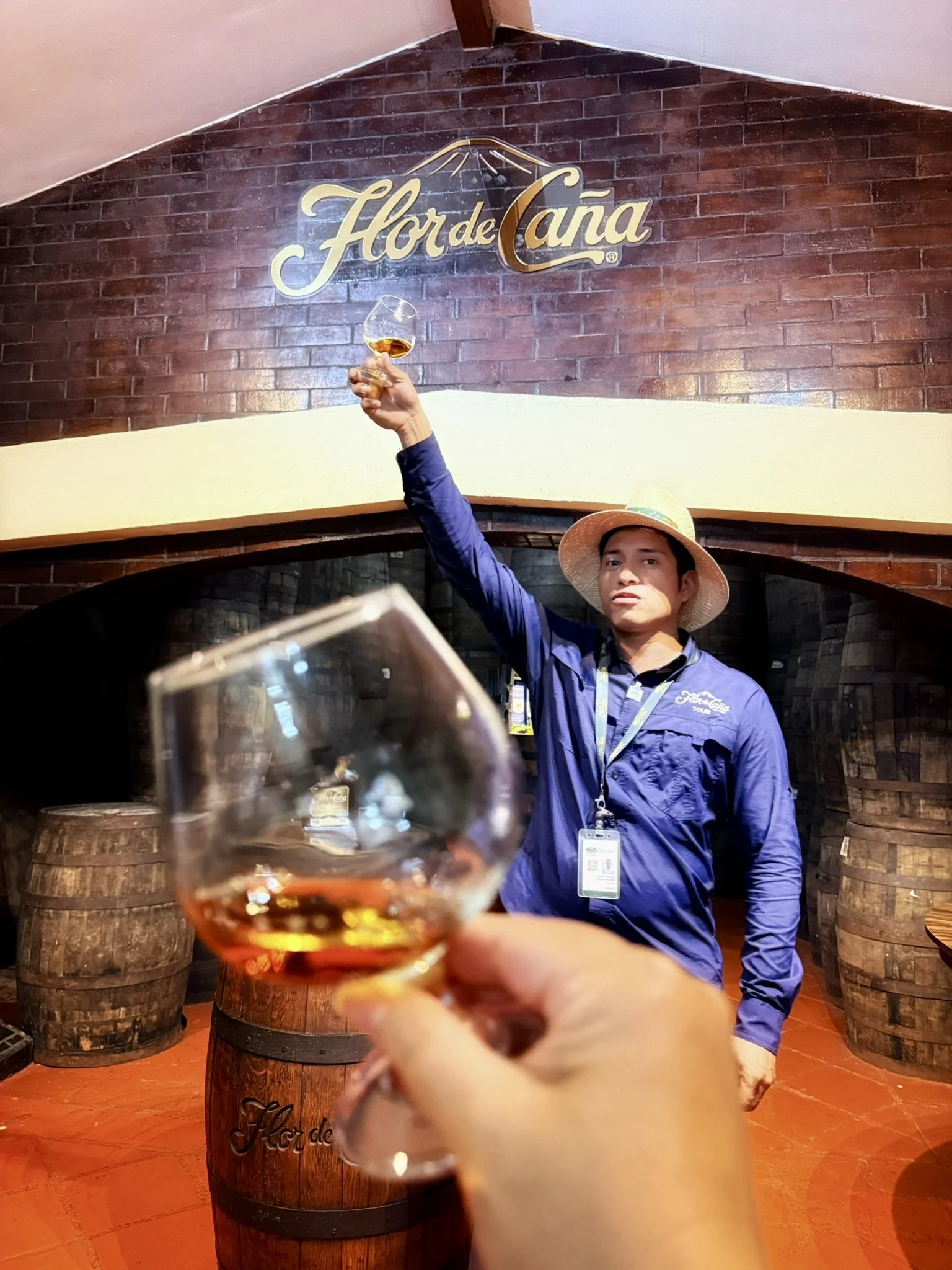
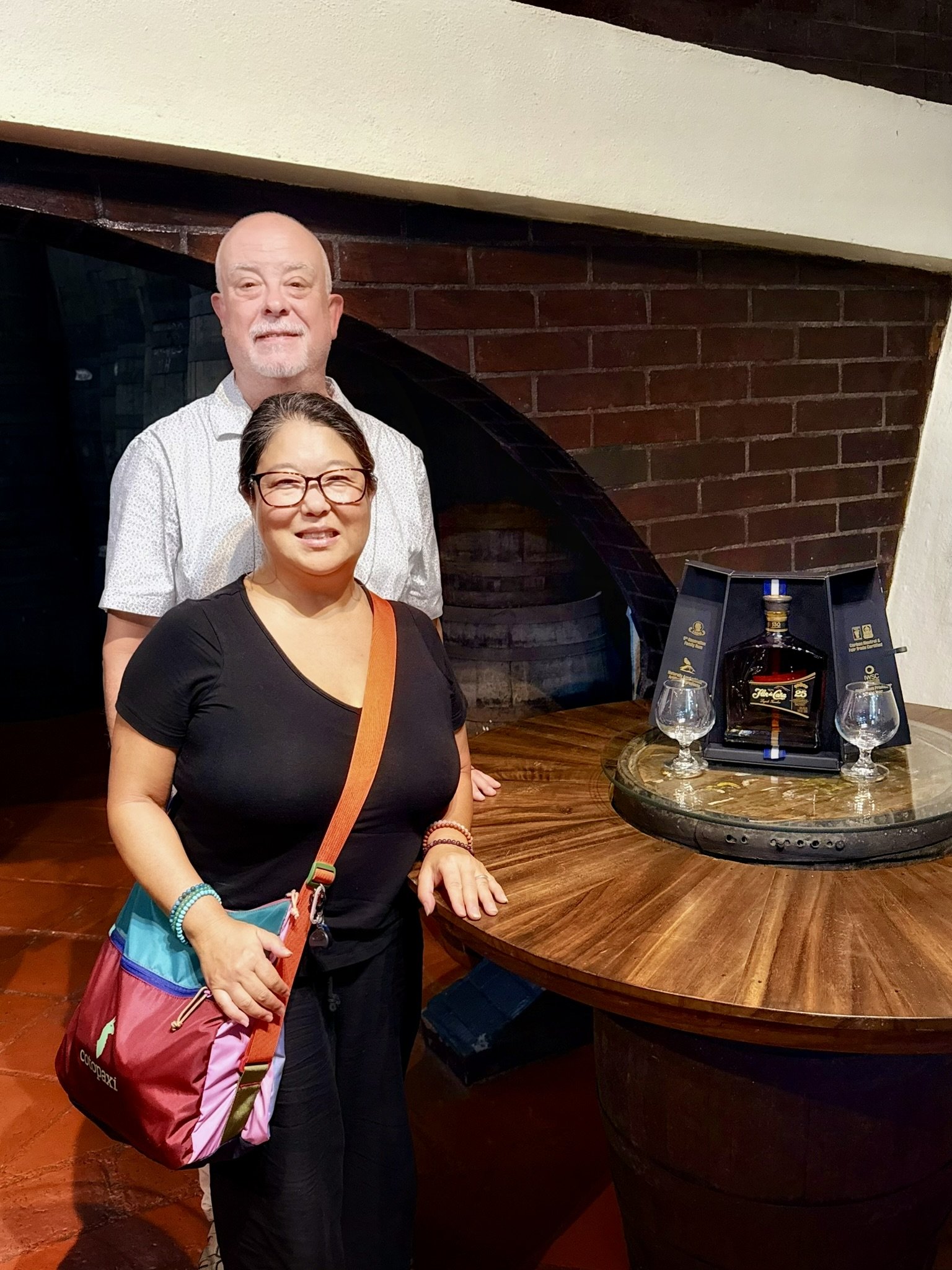
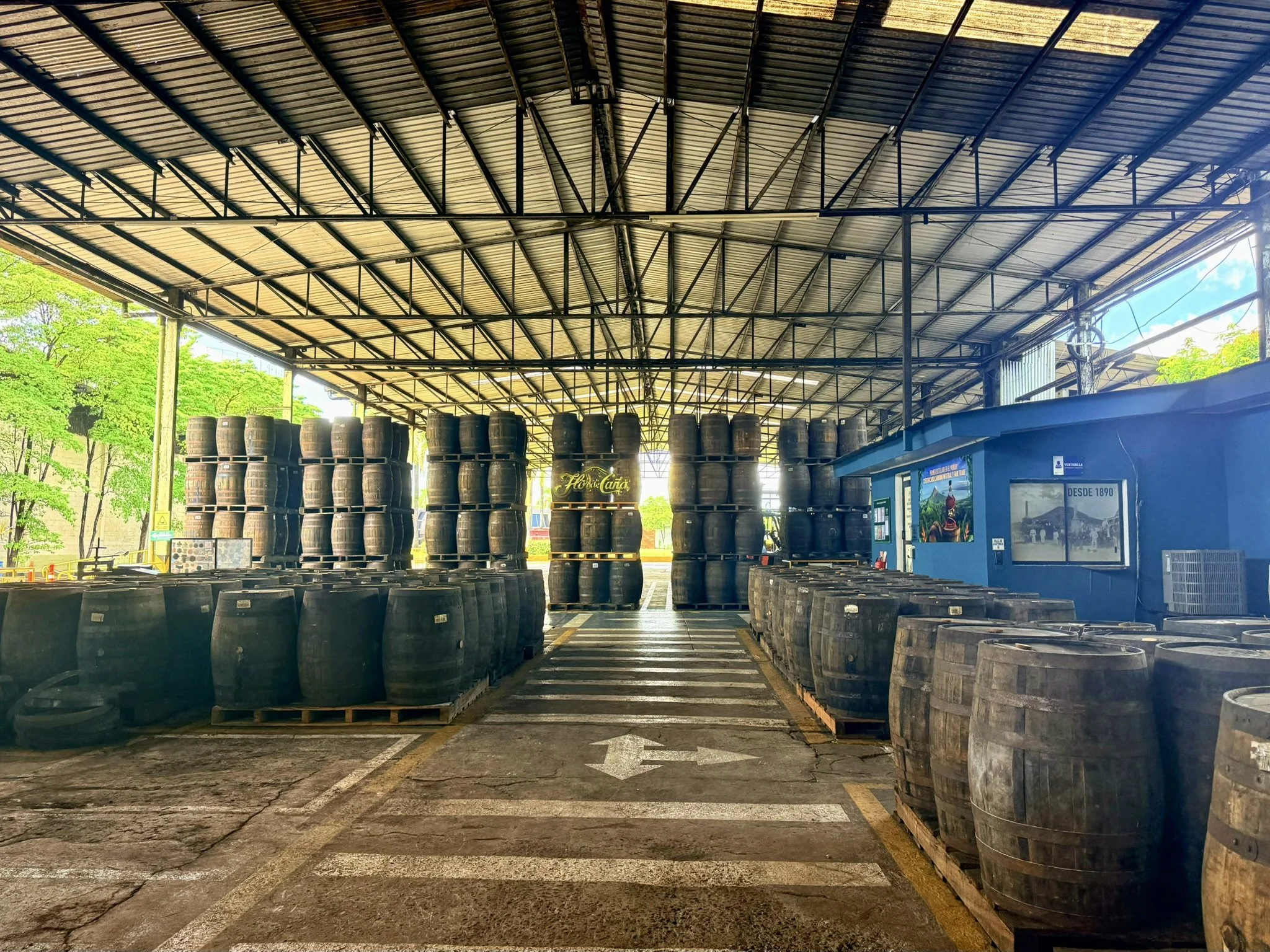
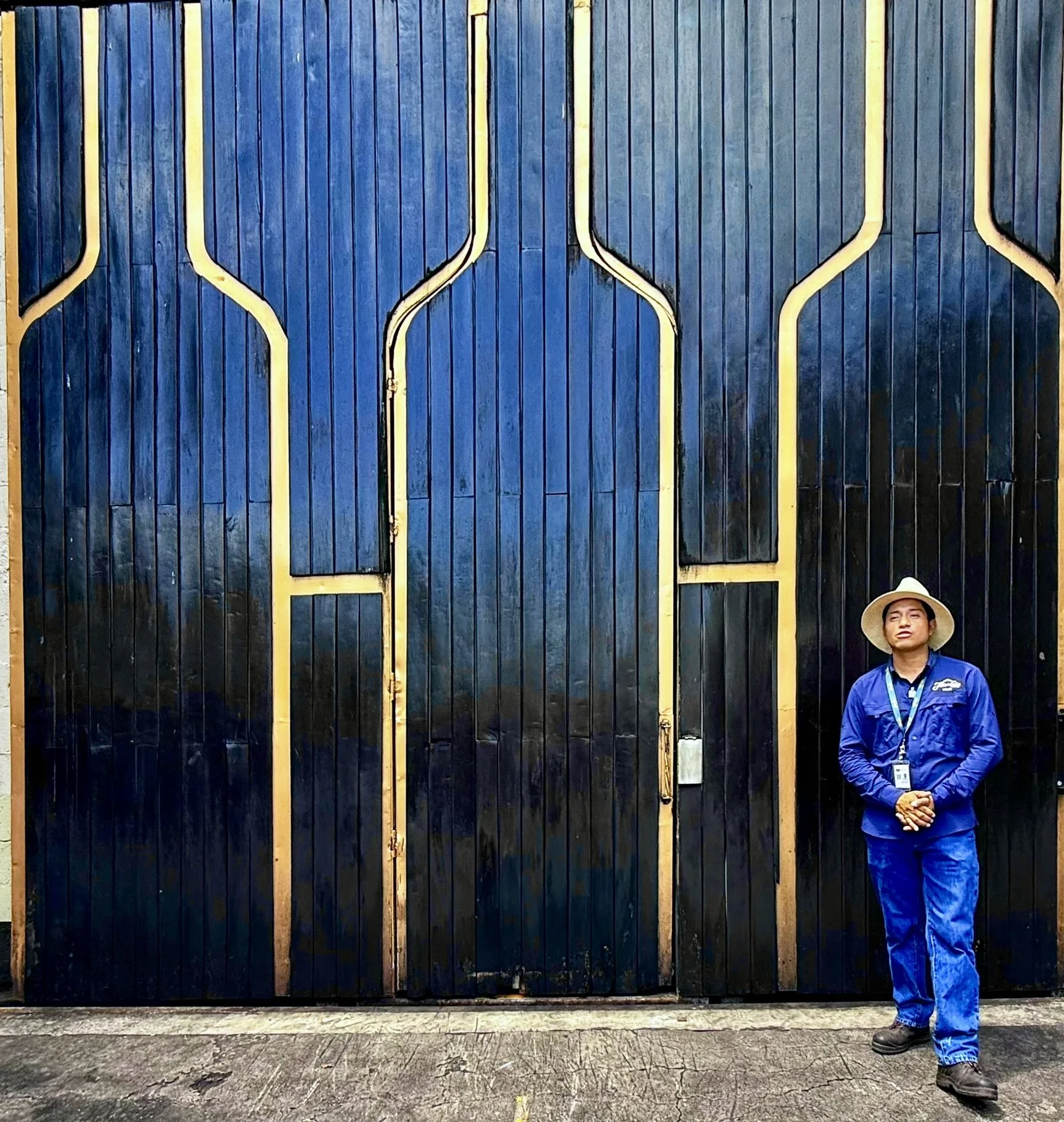
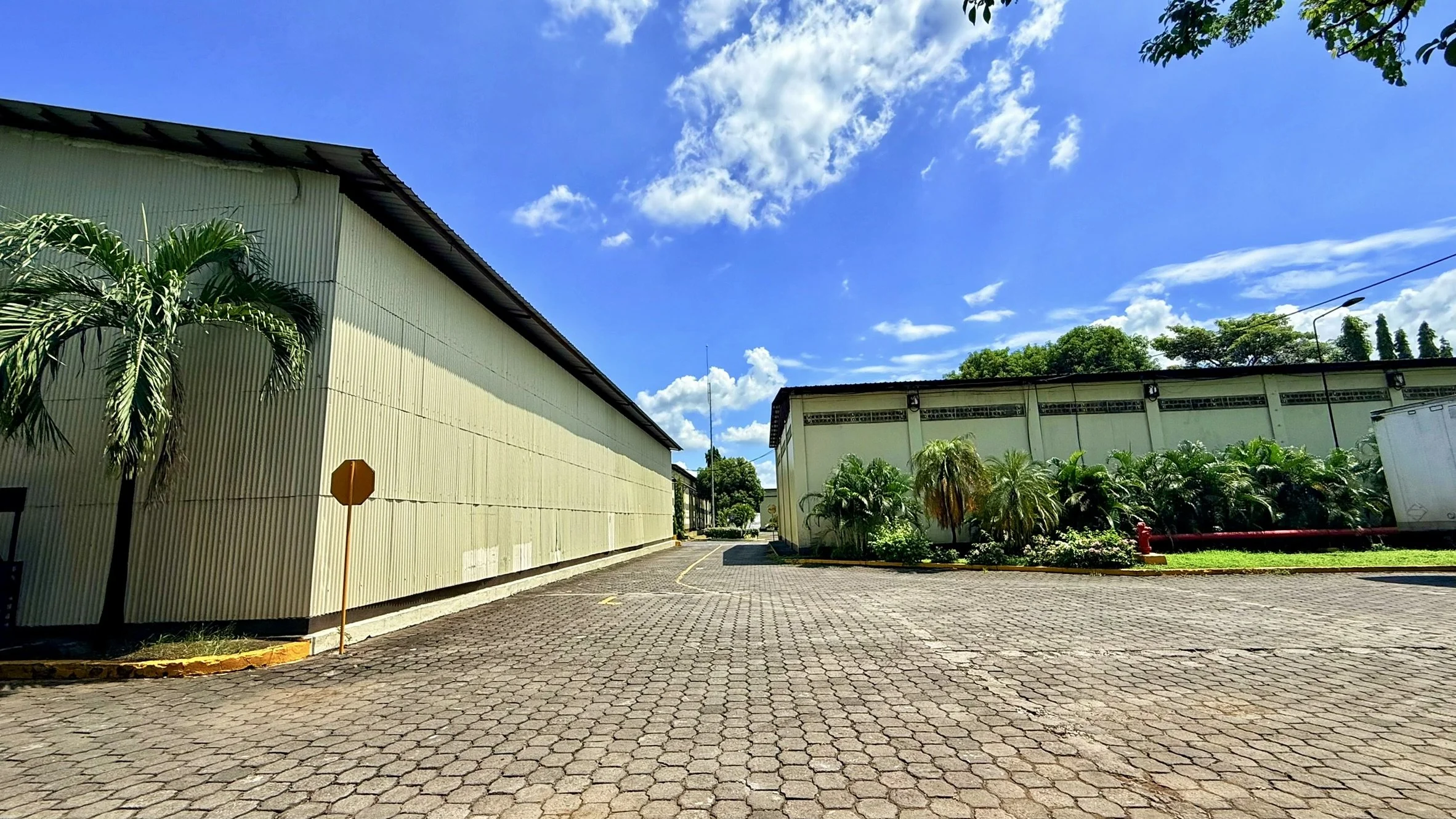
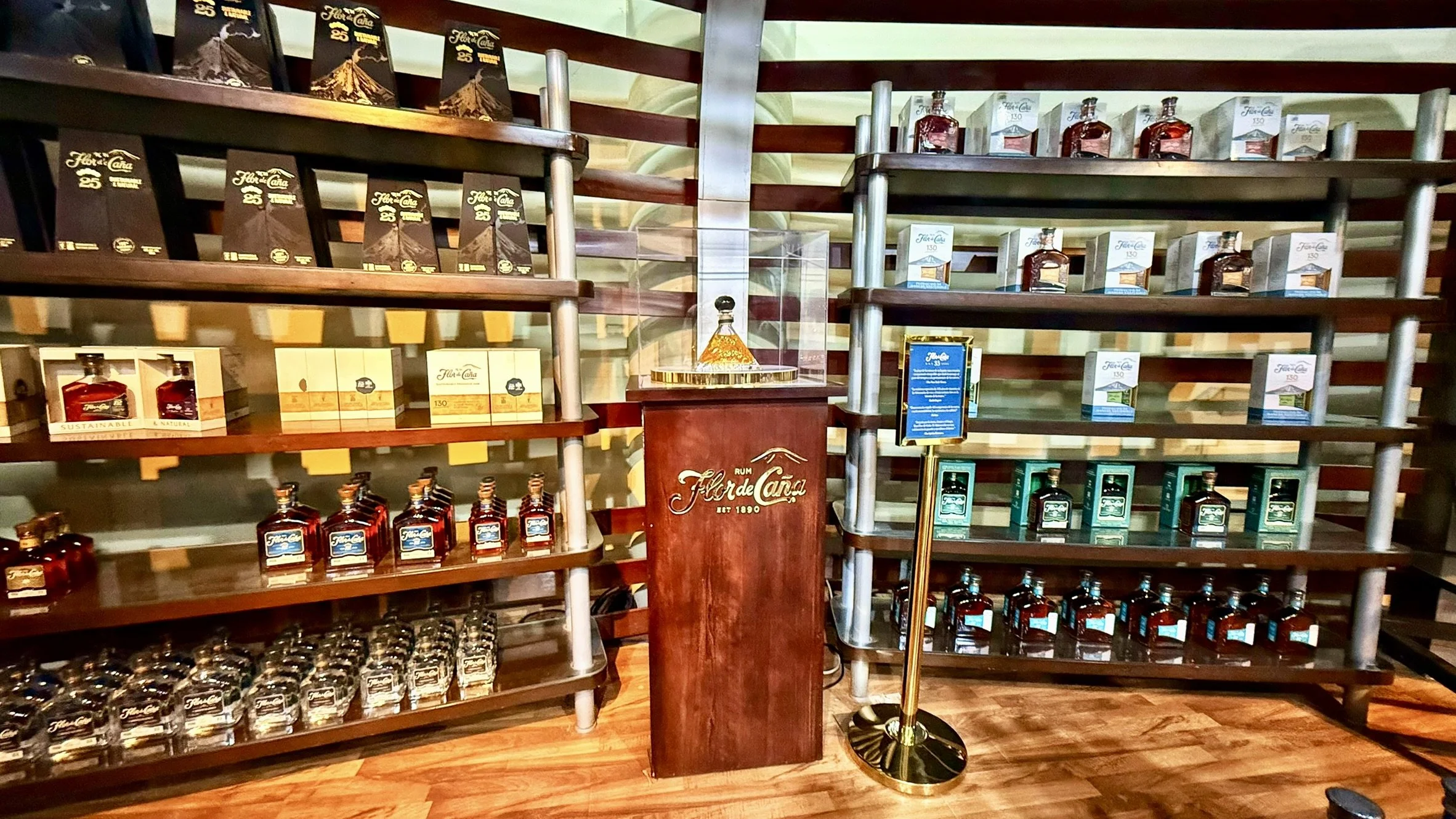
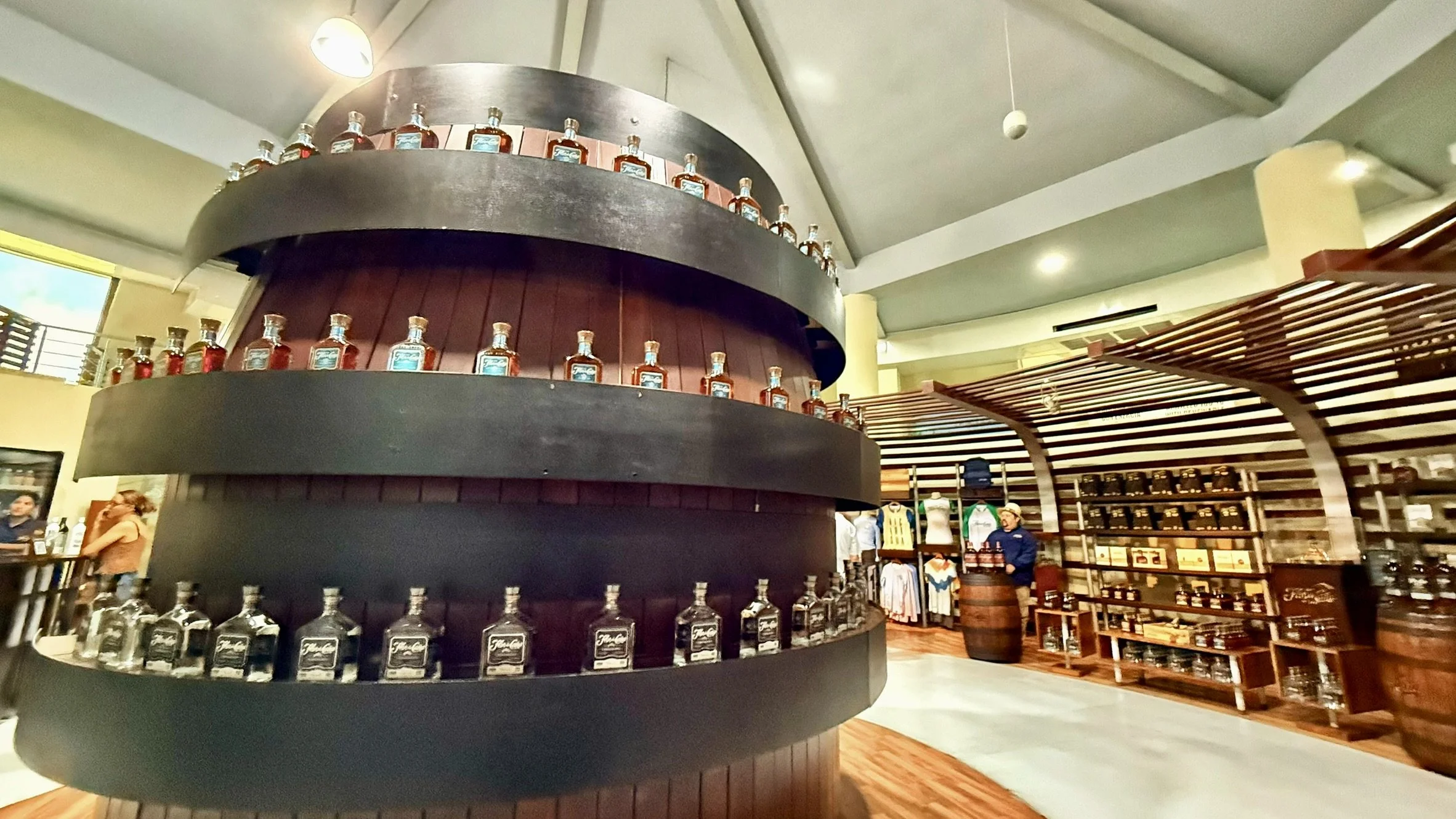
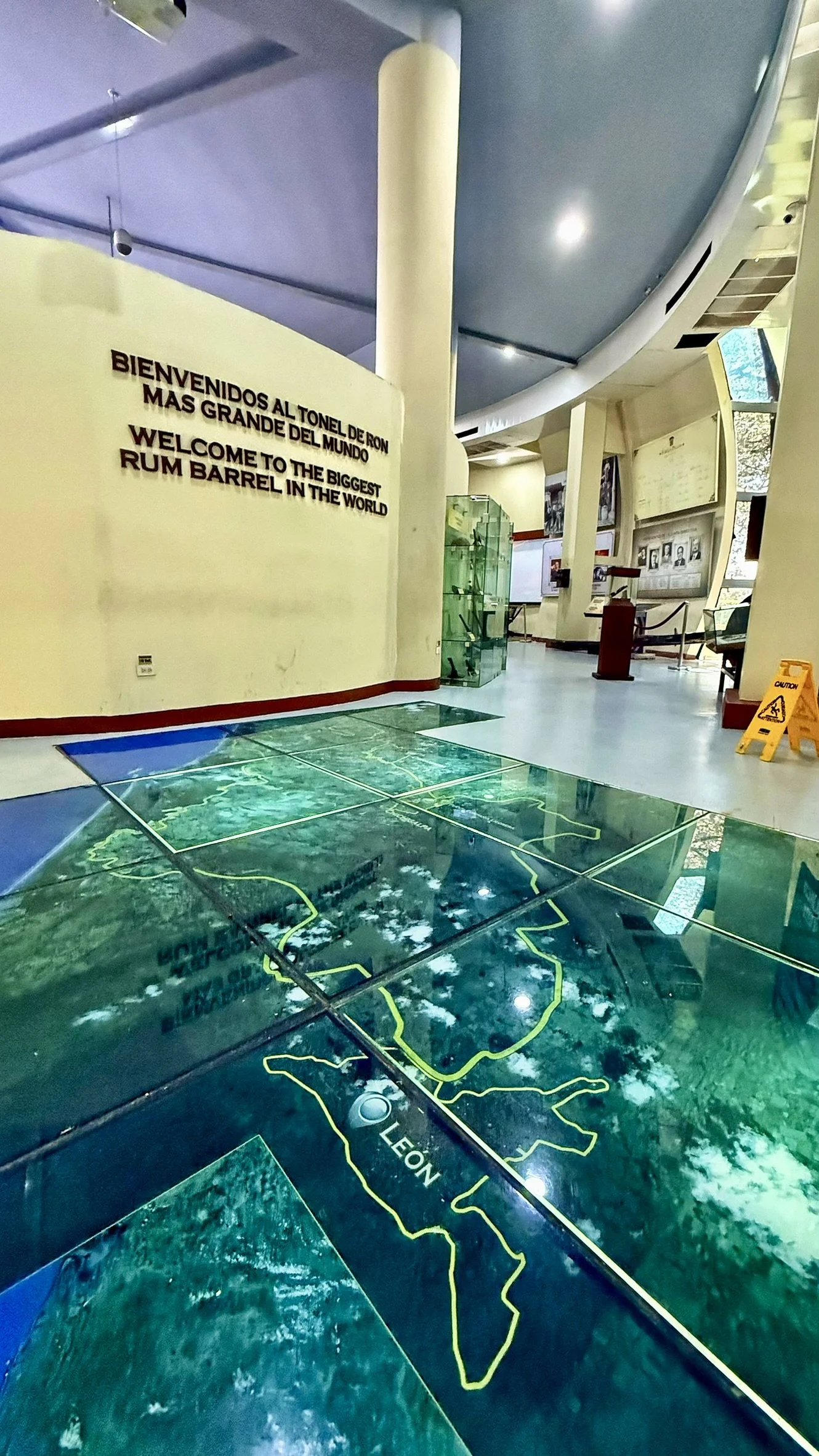
Flor de Caña is tied to the Pellas family, whose involvement in the business stretches back generations. The family originally came to Nicaragua from Italy, and the story goes that the country’s fertile volcanic soil helped inspire a move into sugarcane cultivation and, eventually, rum production. The rum is produced near the base of San Cristóbal Volcano, Nicaragua’s highest and one of its most active volcanoes.
The company describes its rum as a single-estate spirit made from estate-grown sugarcane molasses. Its production and aging process are central to the brand’s identity, and Flor de Caña has also built a reputation around its sustainability initiatives.
The Main Event: Cerro Negro Volcano Boarding
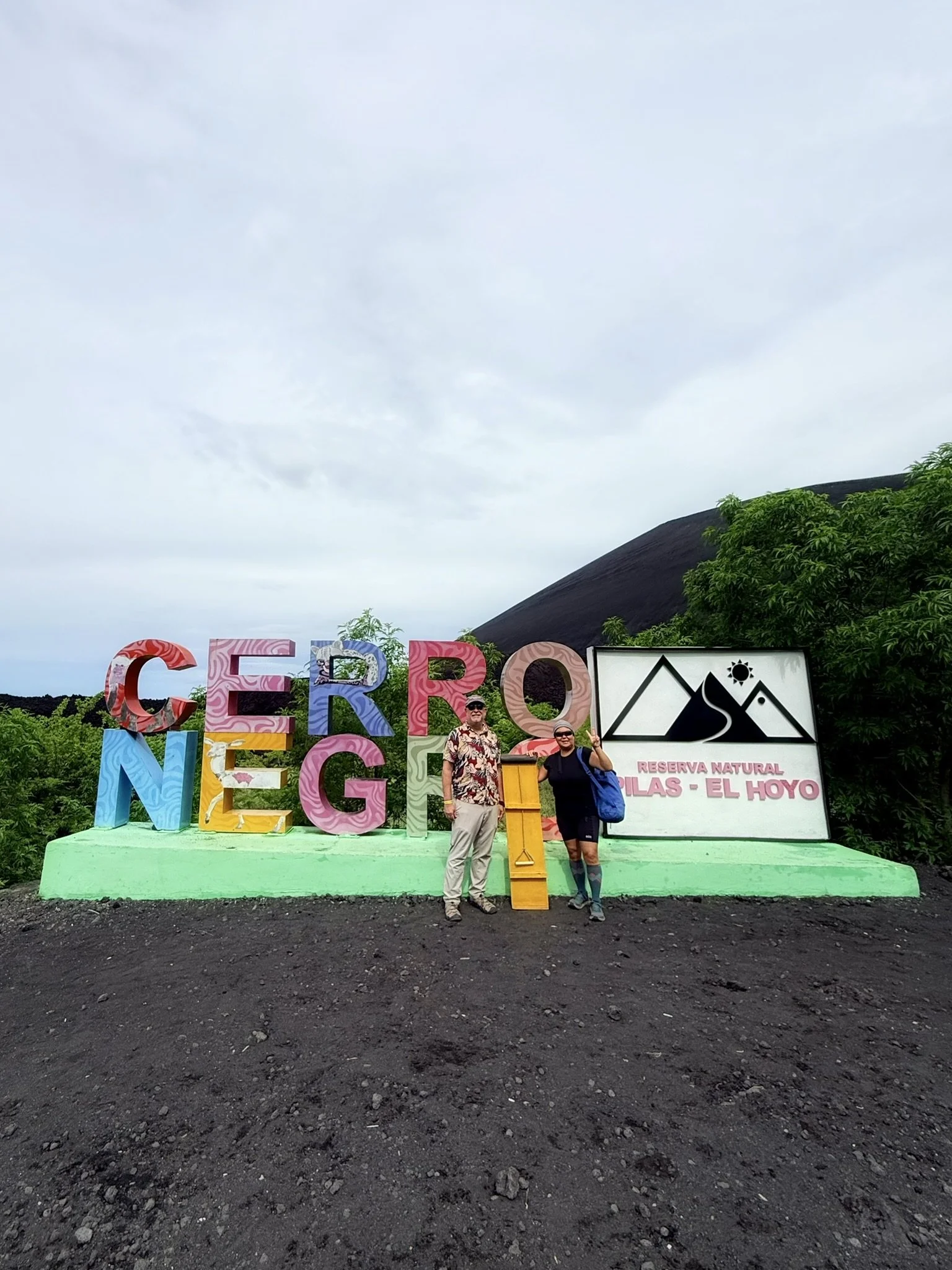
Of course, we can’t talk about our time in León without mentioning the reason we came here in the first place: Cerro Negro volcano boarding!
This was the big adventure on our León itinerary. We went with Next Adventure Nicaragua, hiking up the dark volcanic slopes before taking on the descent. And while the volcano boarding itself was the main attraction, the views along the way were spectacular in their own right.
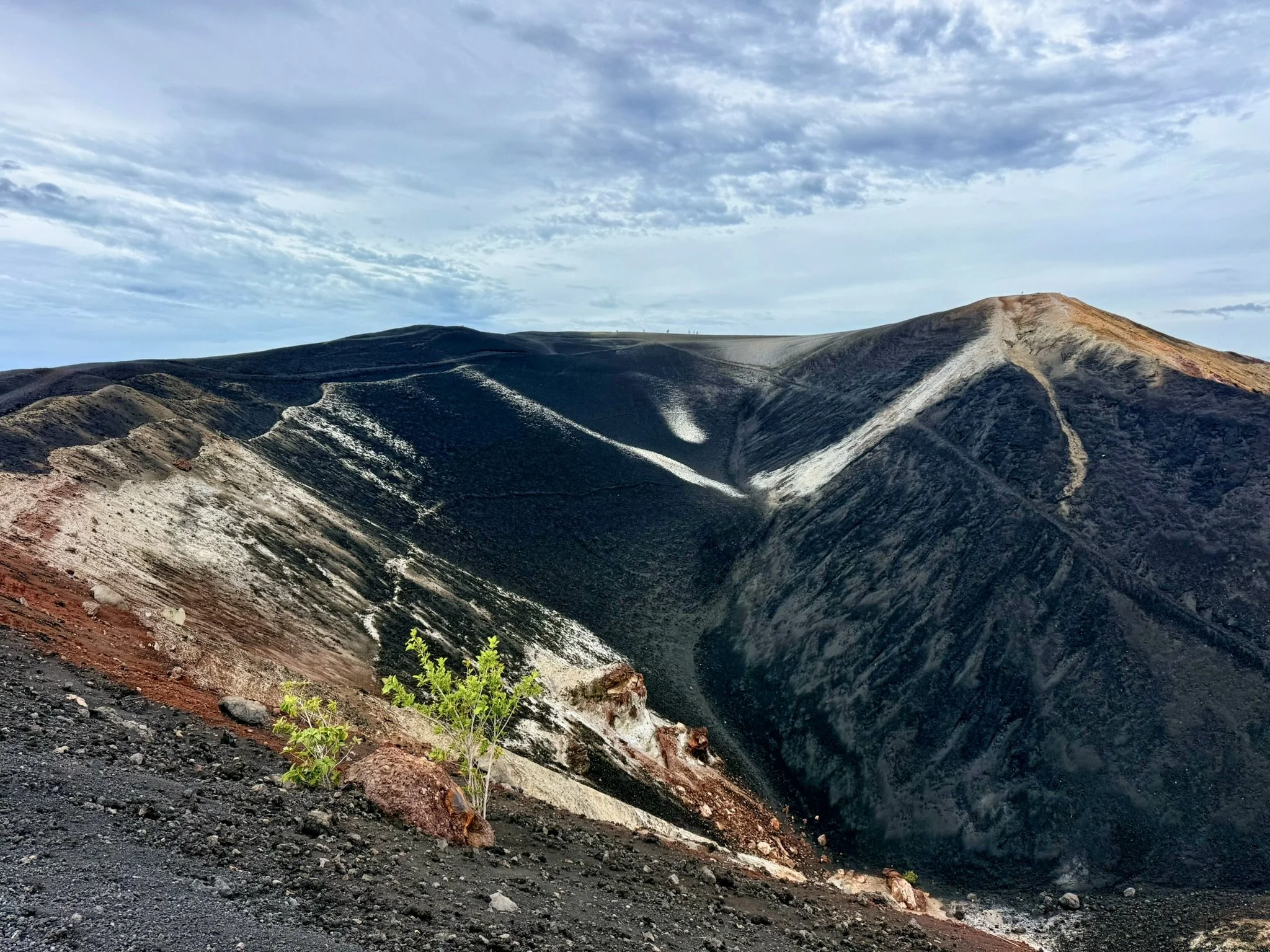
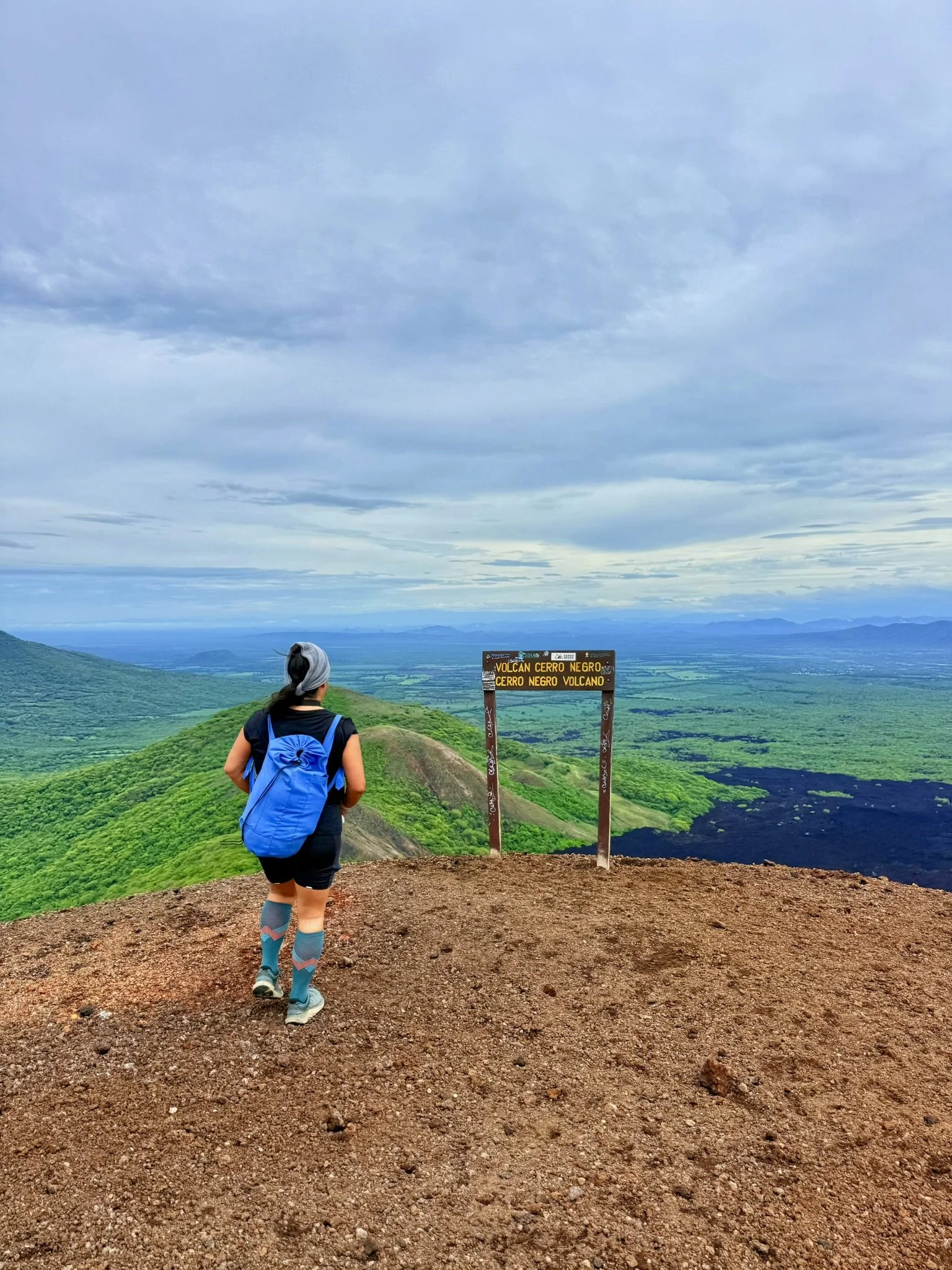
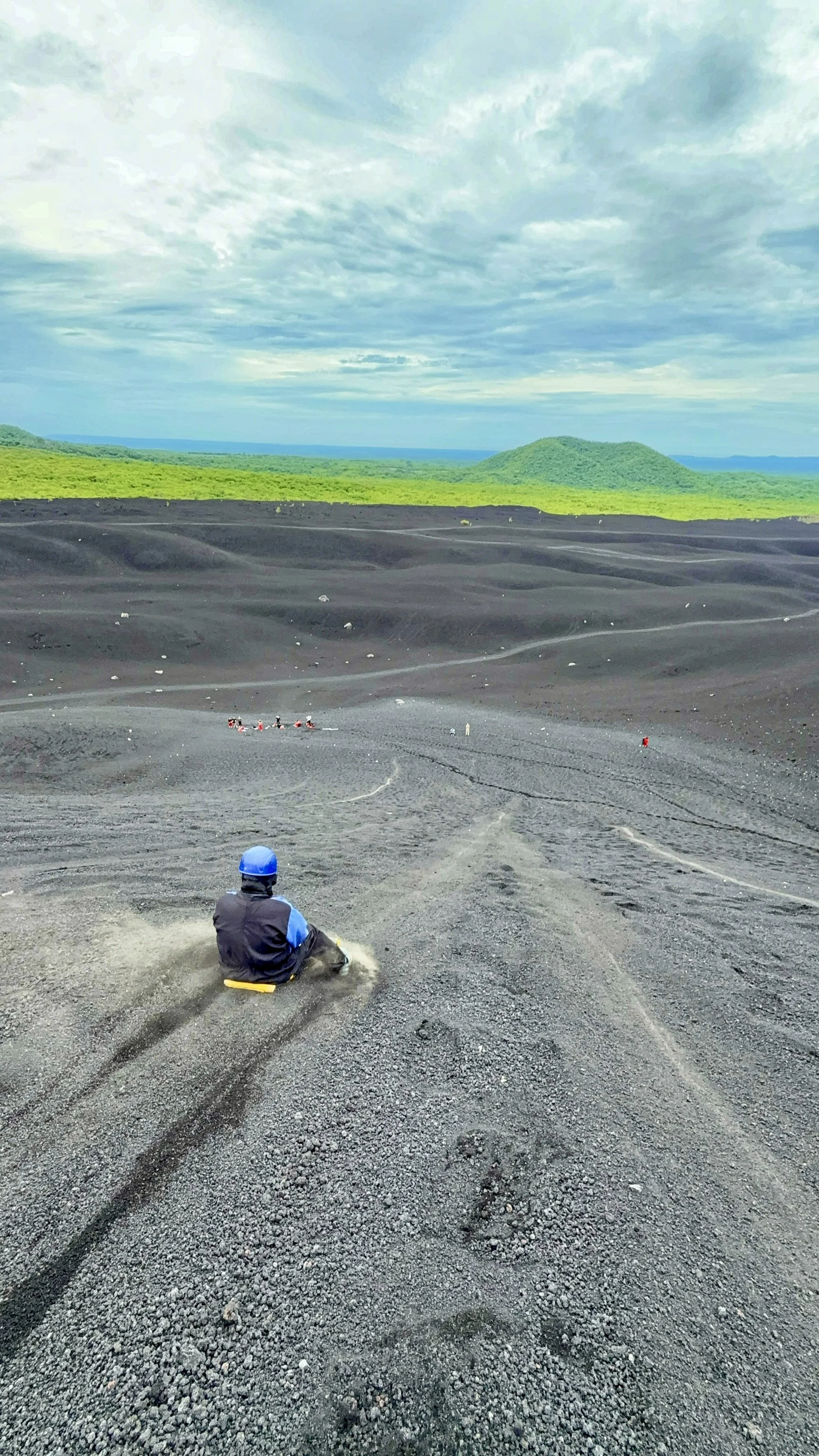
From above, the landscape opens up to sweeping views across Nicaragua, with other prominent volcanic peaks stretching into the distance. The hike alone would have made the trip worthwhile.
Then came the part I’d been waiting for: strapping in and sliding down the volcanic slope.
We’ve already shared a blog and video of the experience, so we won’t repeat the whole adventure here. But if you’re planning a visit to León and looking for something memorable to do, put Cerro Negro on your list.
Five Days in León… and a Lot of Time Behind the Scenes
Here’s the funny thing about our five days in León: despite all the attractions and activities available, we spent a good chunk of our time doing something that probably doesn’t make it onto many travelers’ lists of favorite vacation activities: organizing transportation and accommodation for the next leg of our journey.
Fortunately, we had a lovely, modern Airbnb with great Wi-Fi and air conditioning. And if you’re going to spend hours researching transport options, contacting operators, comparing routes, and trying to coordinate multiple border crossings, having a comfortable place to work makes a big difference!
Our plan was to continue north through Honduras and El Salvador, and figuring out the logistics turned out to be considerably more complicated than we’d expected.
The details are all captured in my Instagram rant!
It’s a good reminder that slow travel isn’t always about leisurely mornings, wandering around town, and checking out every attraction. Sometimes it’s about giving yourself enough time to sort out the practical stuff so you can keep moving without everything becoming a last-minute scramble.
Not particularly glamorous, perhaps, but very much part of the reality of traveling independently through Central America.
After five days, we’re leaving with some great memories, a better understanding of Nicaragua’s history and culture, and our next stretch of travel finally coming together.
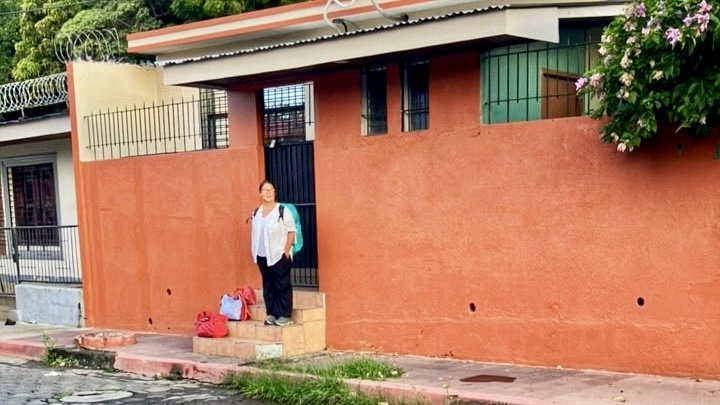
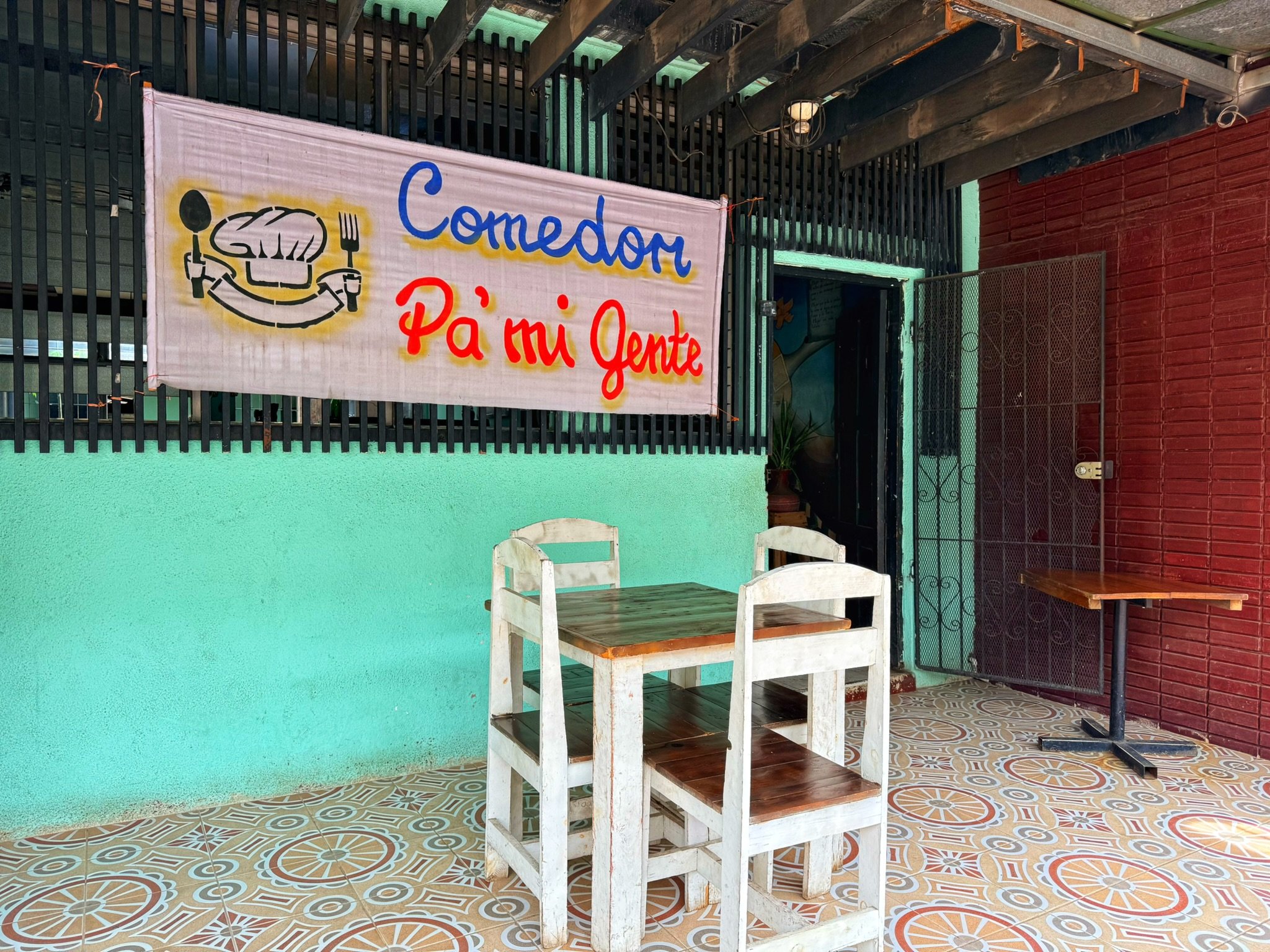
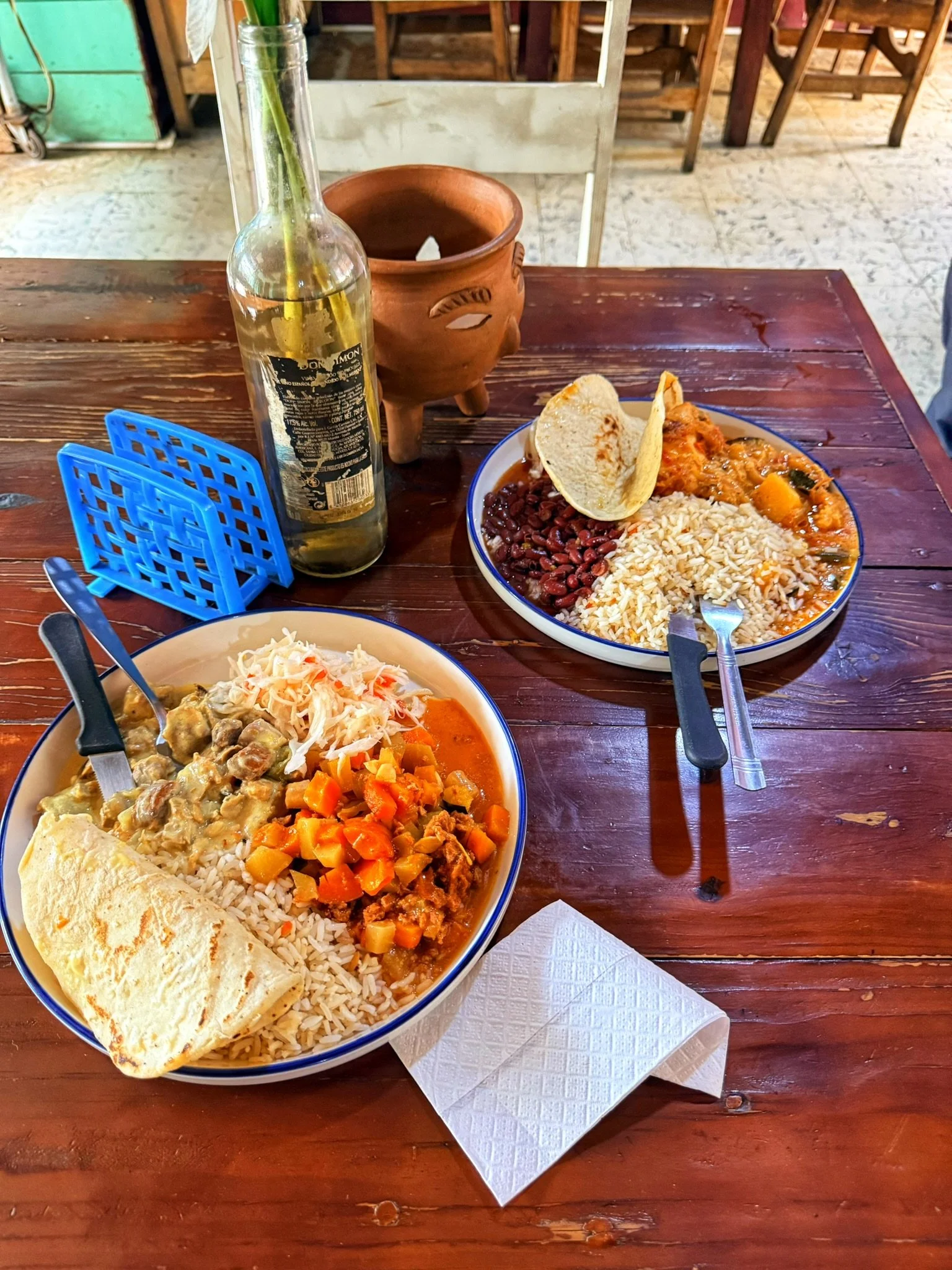
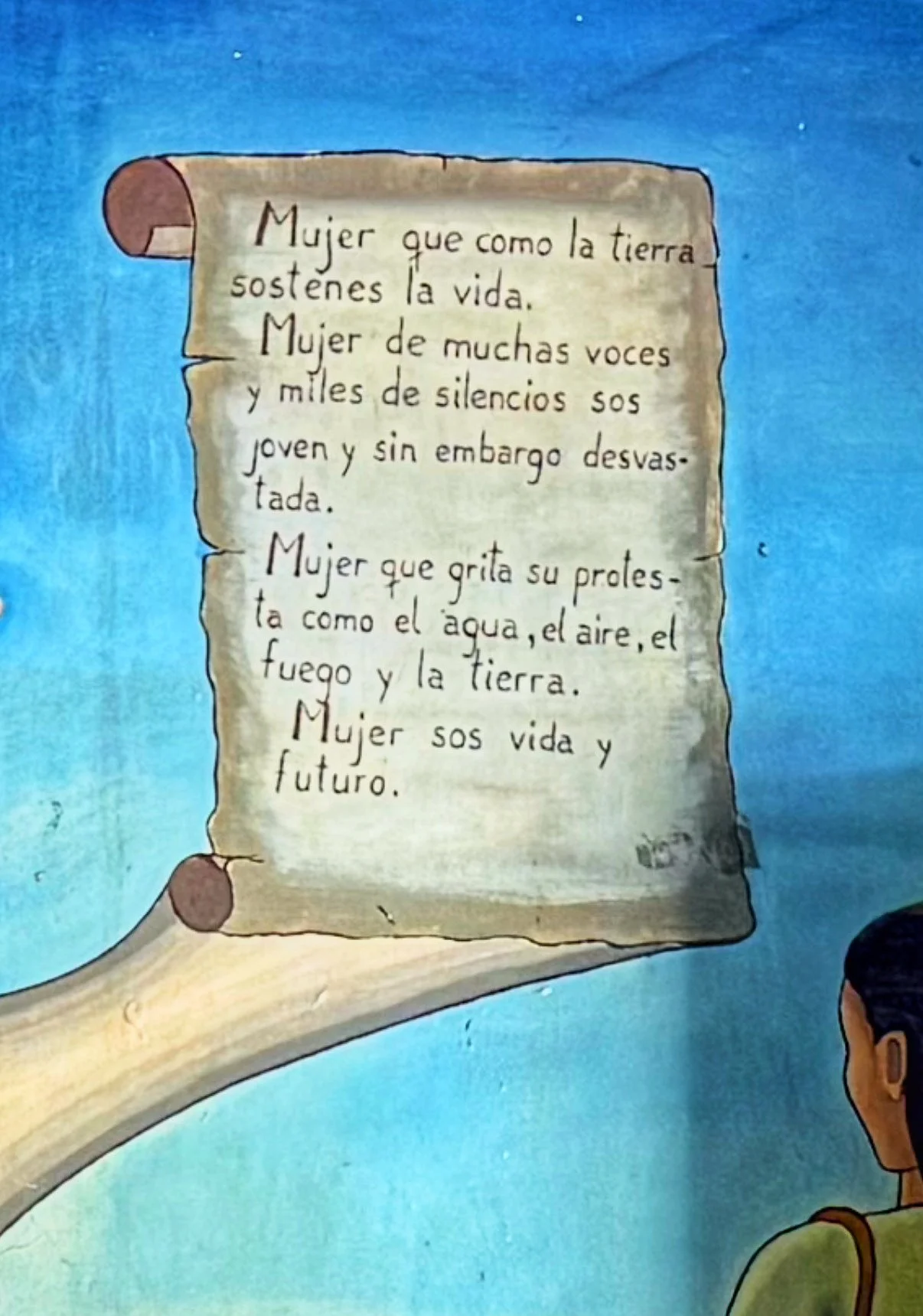
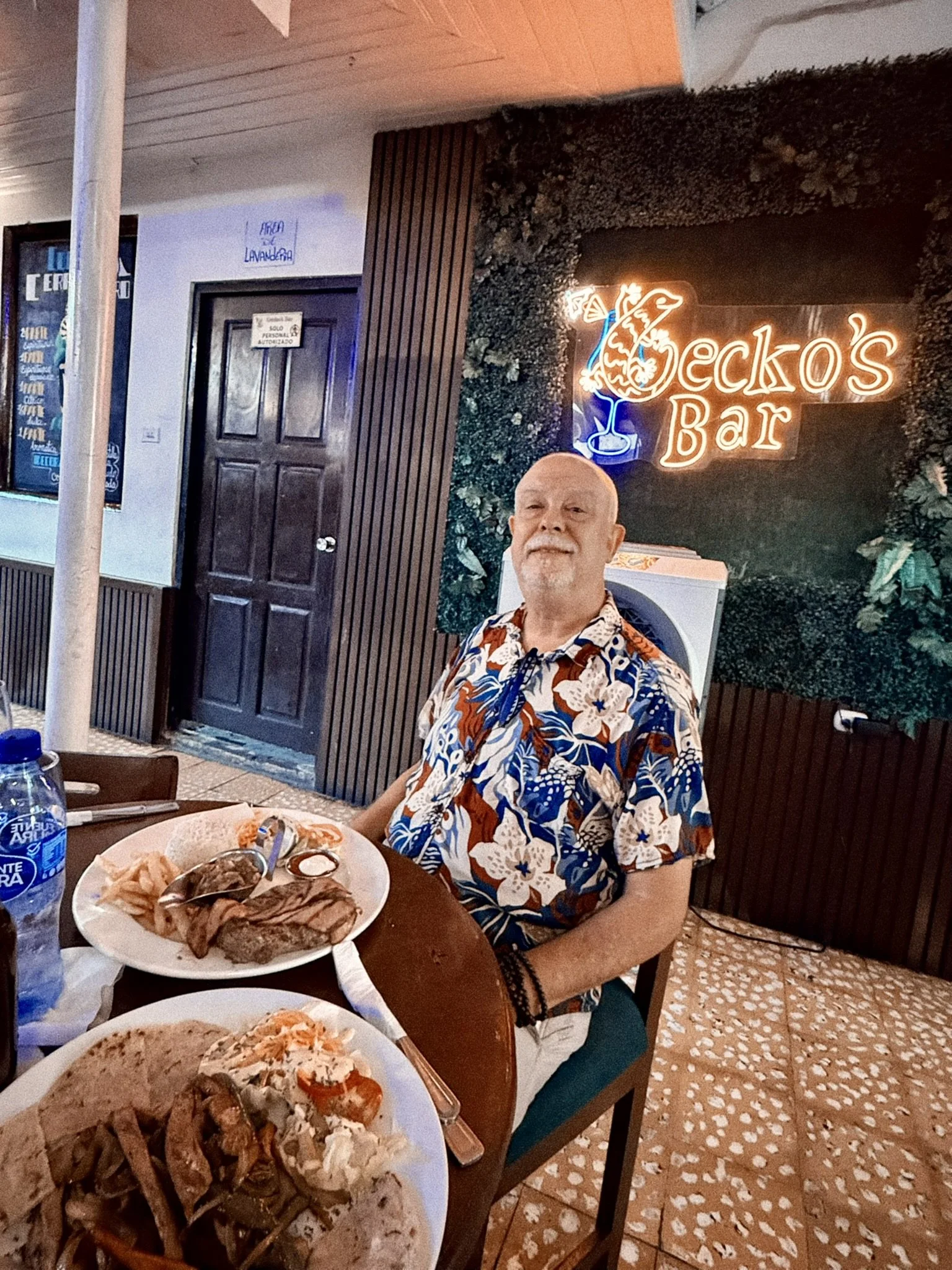
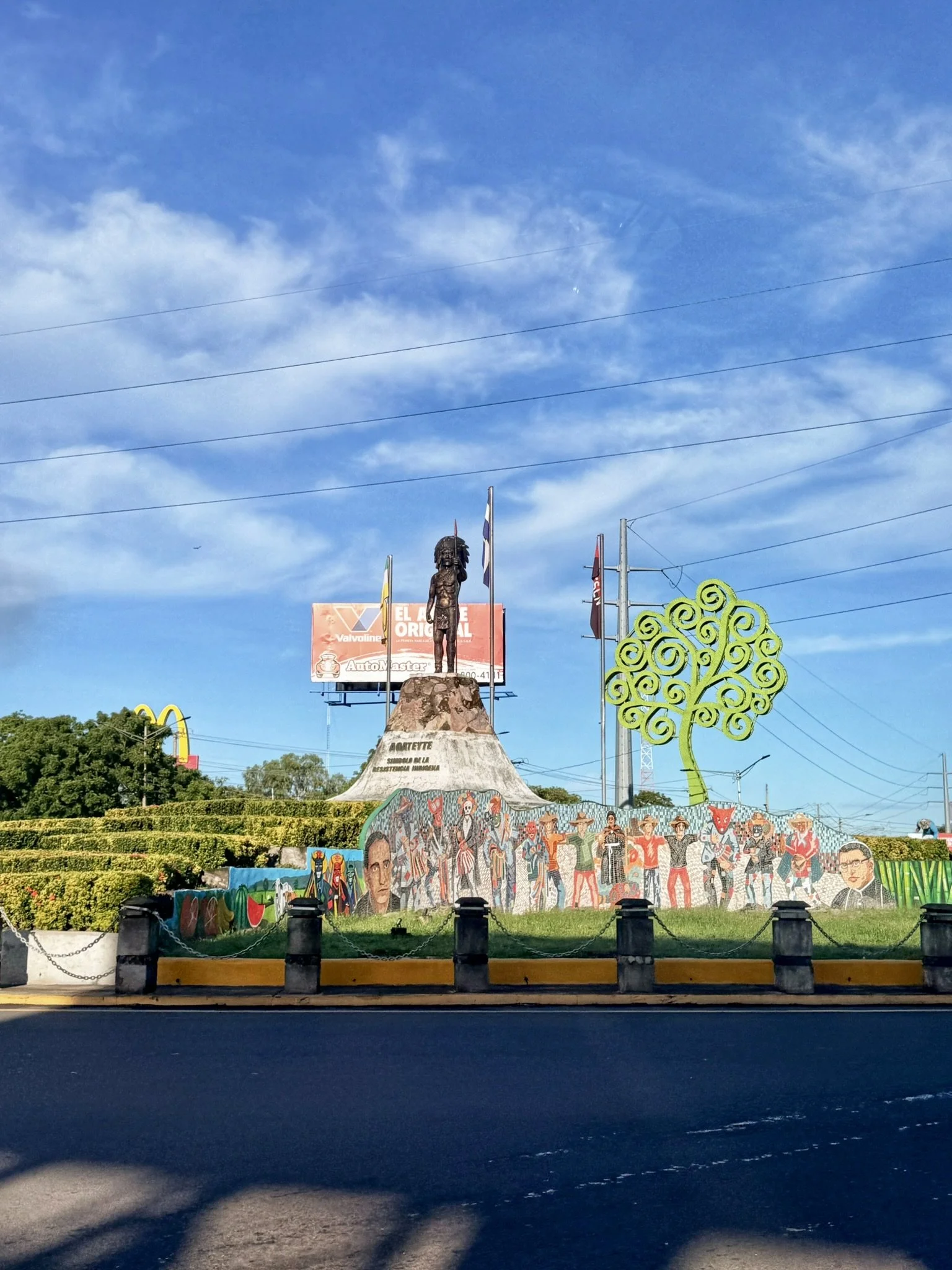
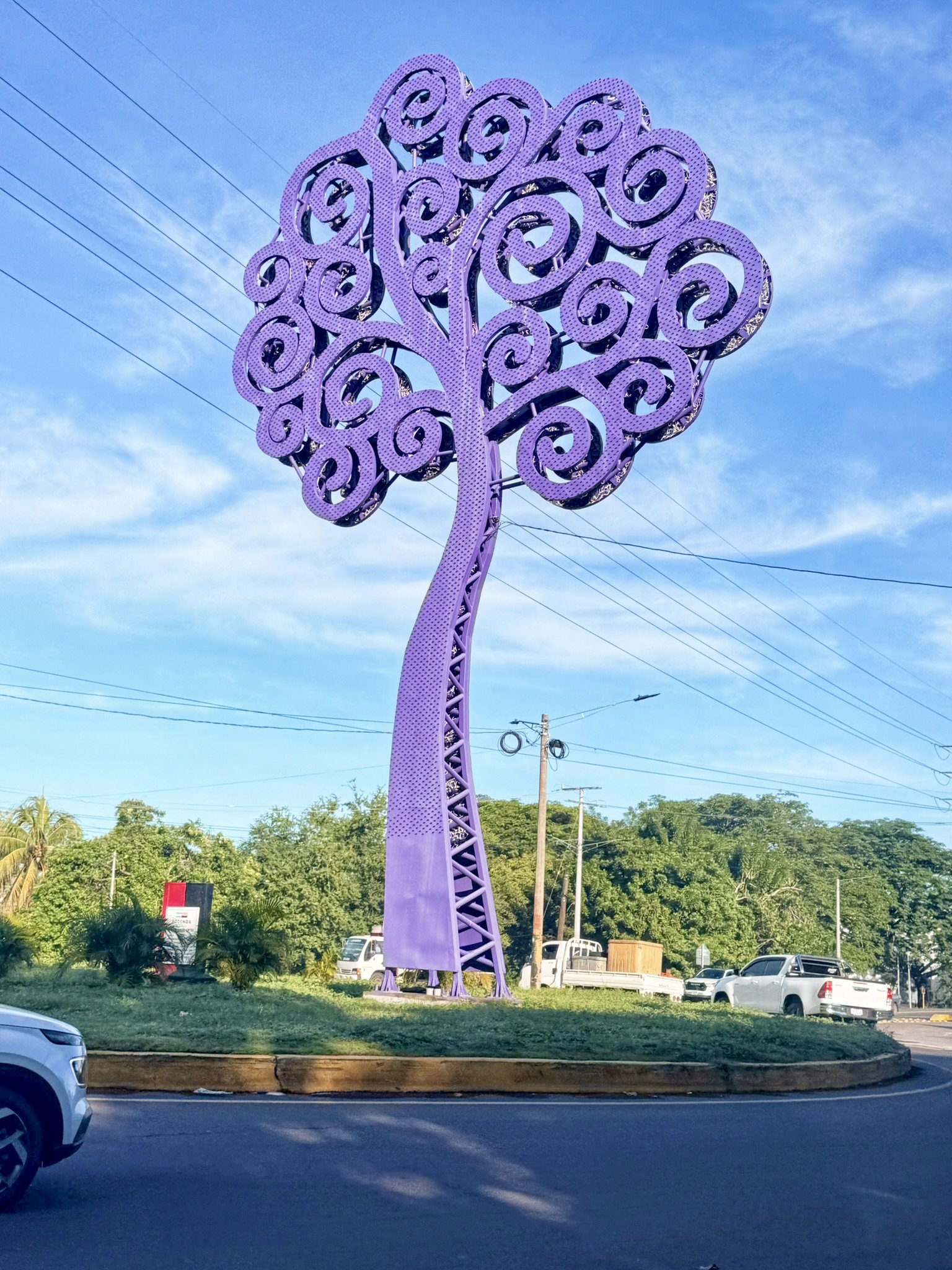
We did leave the comforts of our BnB to enjoy a variety of restaurants: a local cafeteria style comedor (Comedor Pa' mi gente l) with gigantic portions for $6 for the two of us: a nice bar, Bar La Fabrica that had the BEST buffalo style wings; a vegetarian vegan restaurant—Coco Calala—(still unsure how they source all the ingredients!) with a pool for lounging; and we accidentally came upon Sunday Funday full of families celebrating, drinking, dancing with the live band, and eating at Gecko’s Bar. But by far, the best food was Tacubaya, a Cuban restaurant with grandma cooking lechon dishes in the back. It was comfort food that warmed our souls.
Next stop: Honduras, followed by El Salvador, as we continue our journey north toward Mexico City.
