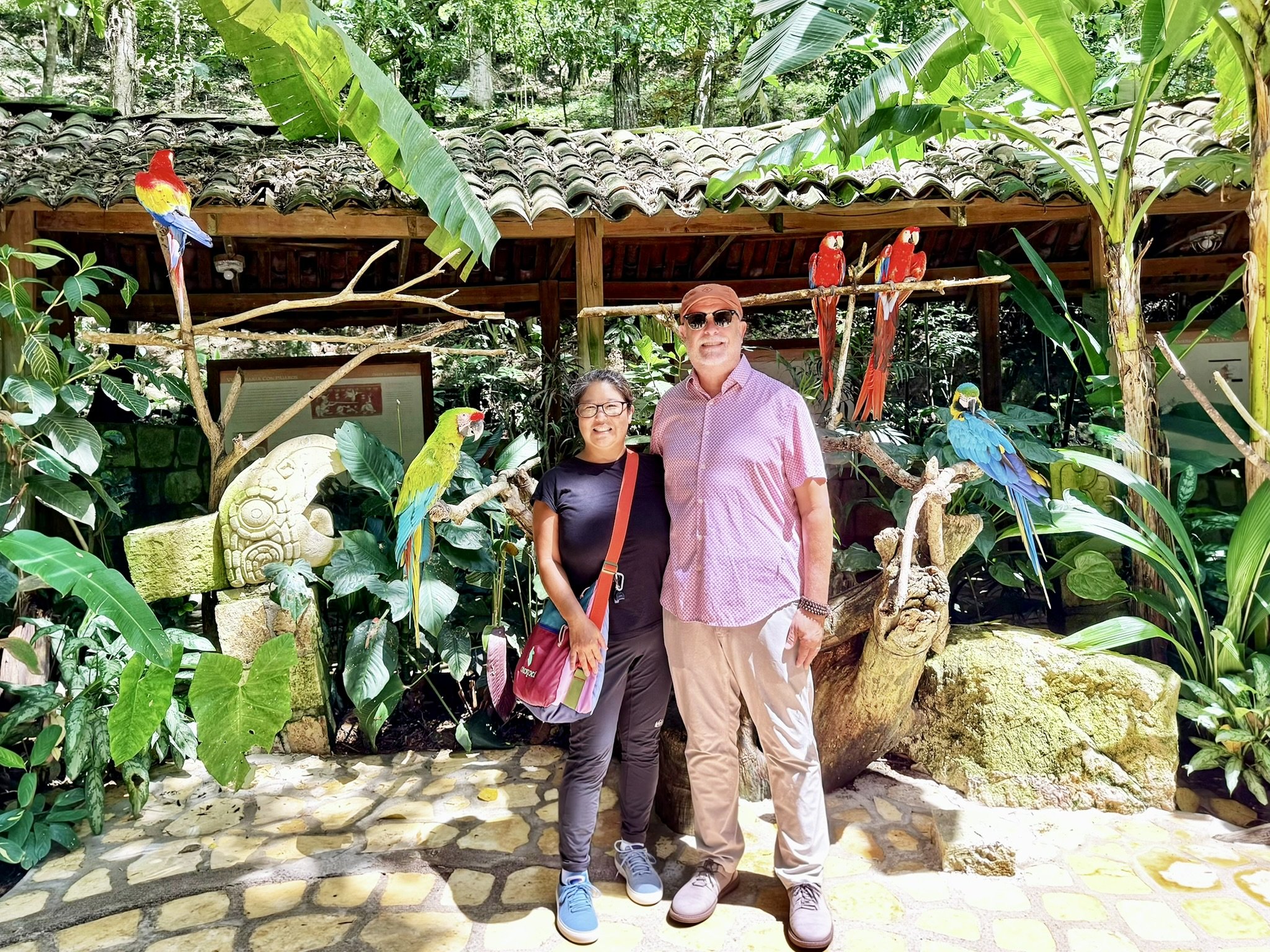
Tucked into a lush, stream-fed valley near Copán Ruinas, Honduras, Macaw Mountain Bird Park and Nature Reserve is much more than a sanctuary for colorful birds. It’s a conservation project built around giving rescued birds a second chance—and, whenever possible, returning them to the wild.
The story began on Roatán in the 1980s, when Mandy Wagner started caring for unwanted parrots and macaws abandoned by expatriates leaving the island. The collection eventually grew, and Lloyd Davidson took over their care, developing what became the Roatán Bird Park. After years of learning how to care for, breed, and rehabilitate these birds, he found a more suitable long-term home for them in the mountains near Copán. In 2001, approximately 90 birds made the journey from Roatán to their new home at Macaw Mountain.
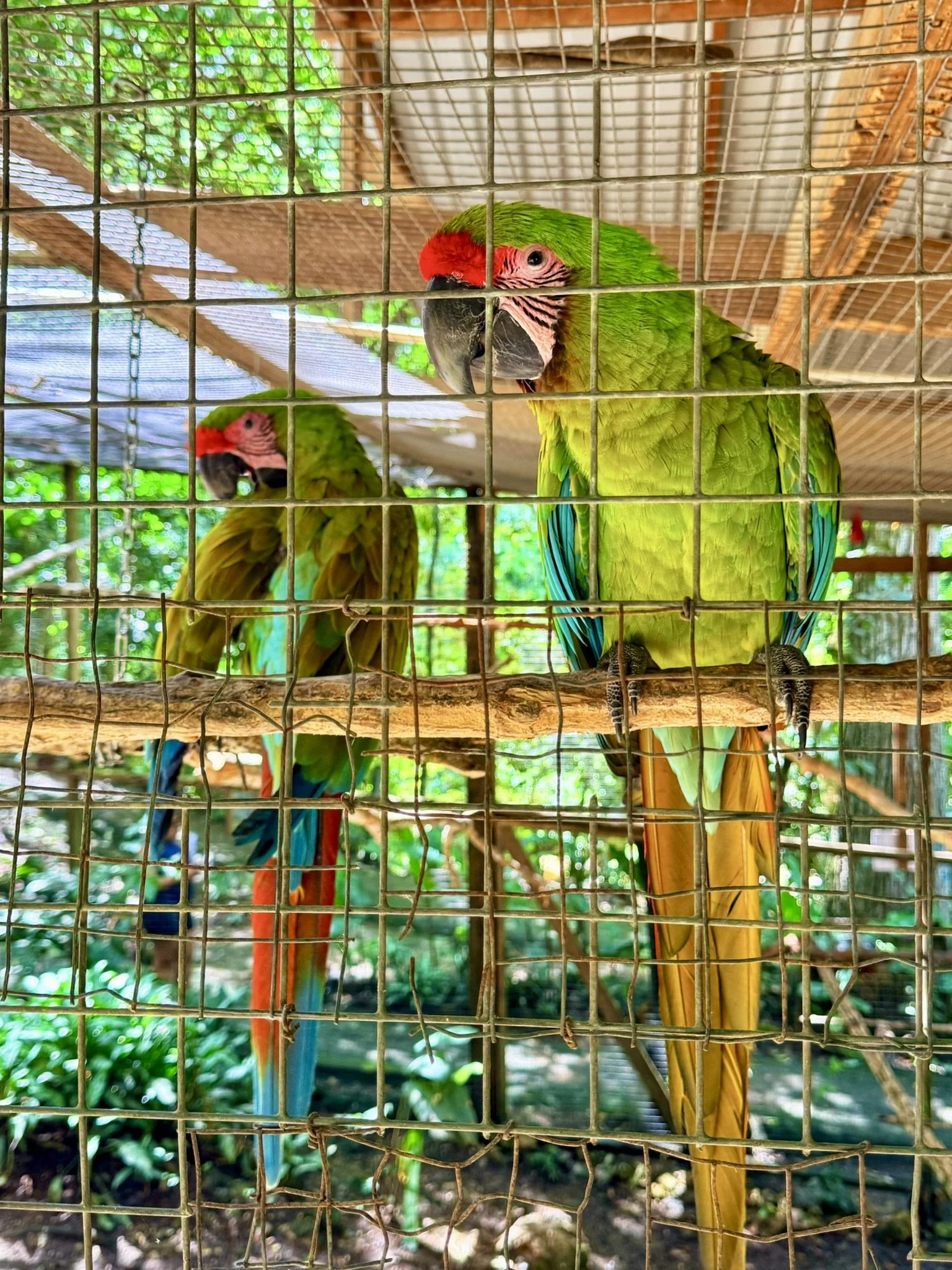
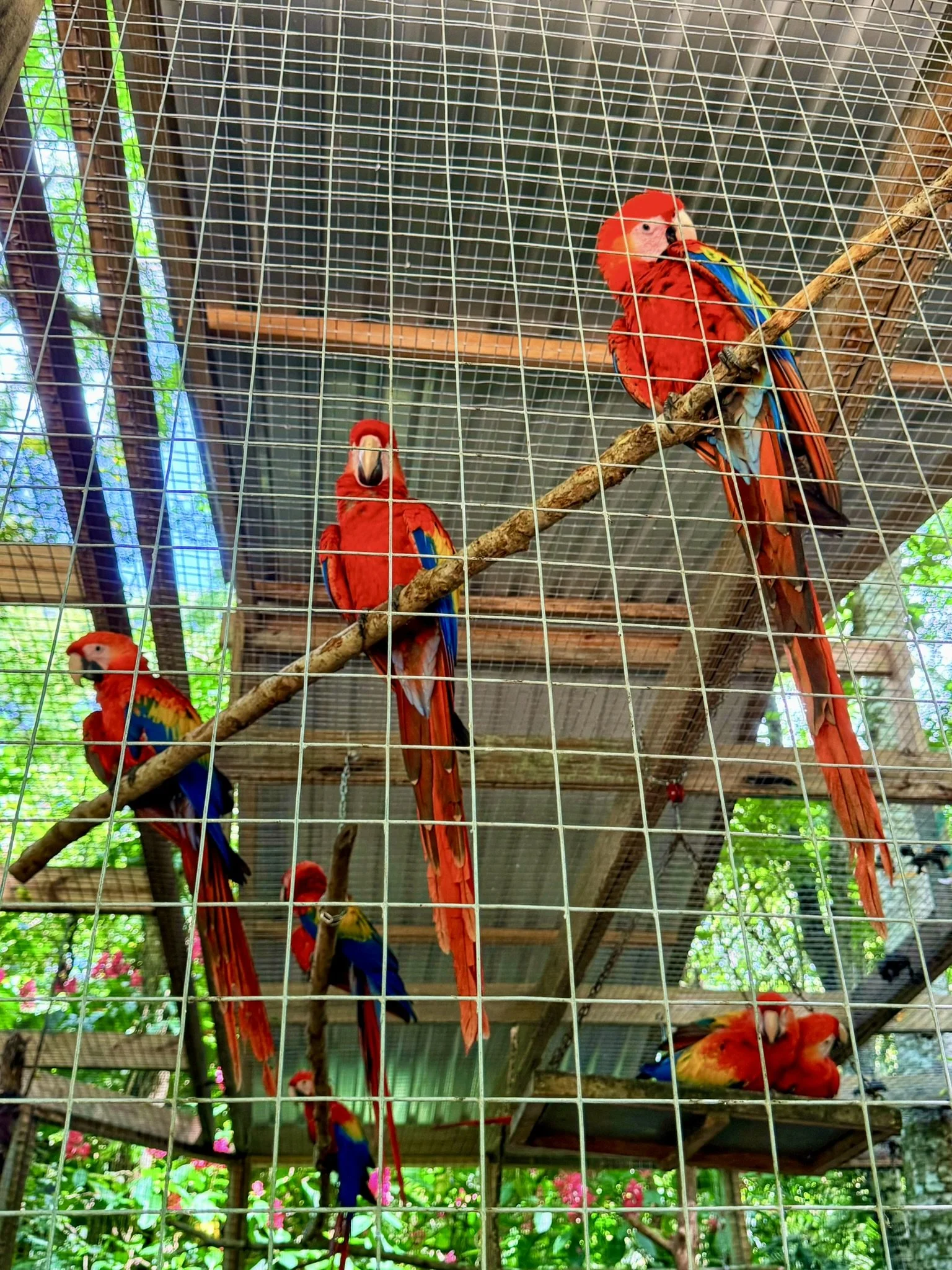
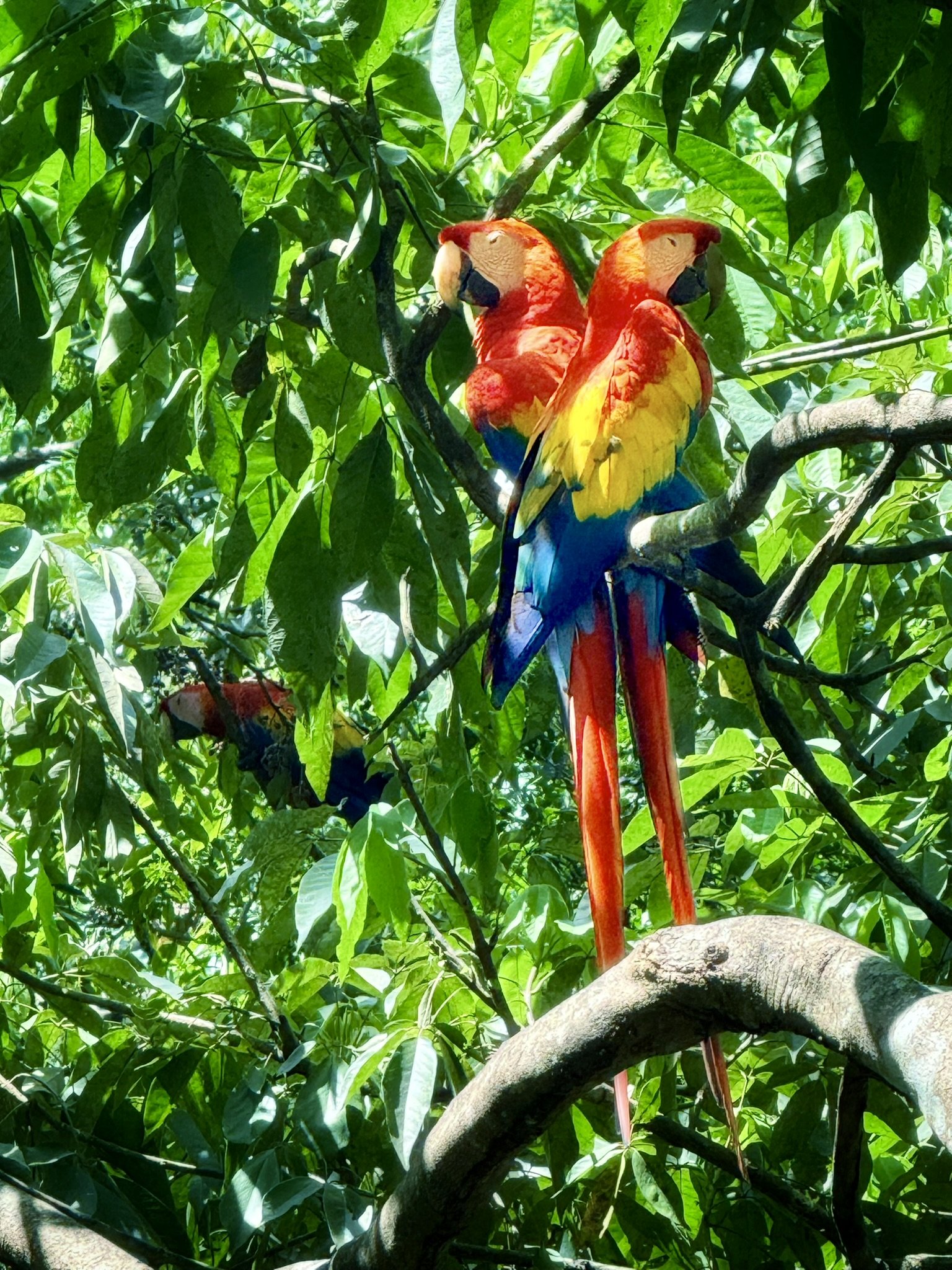
At first, we weren’t entirely sure how “interesting” it would be to visit a park where the main attraction was birds in captivity. We love seeing wildlife in its natural habitat, so the idea of viewing birds behind enclosure barriers gave us a little pause. But as we learned more about Macaw Mountain’s mission, we quickly understood why the sanctuary is so important.
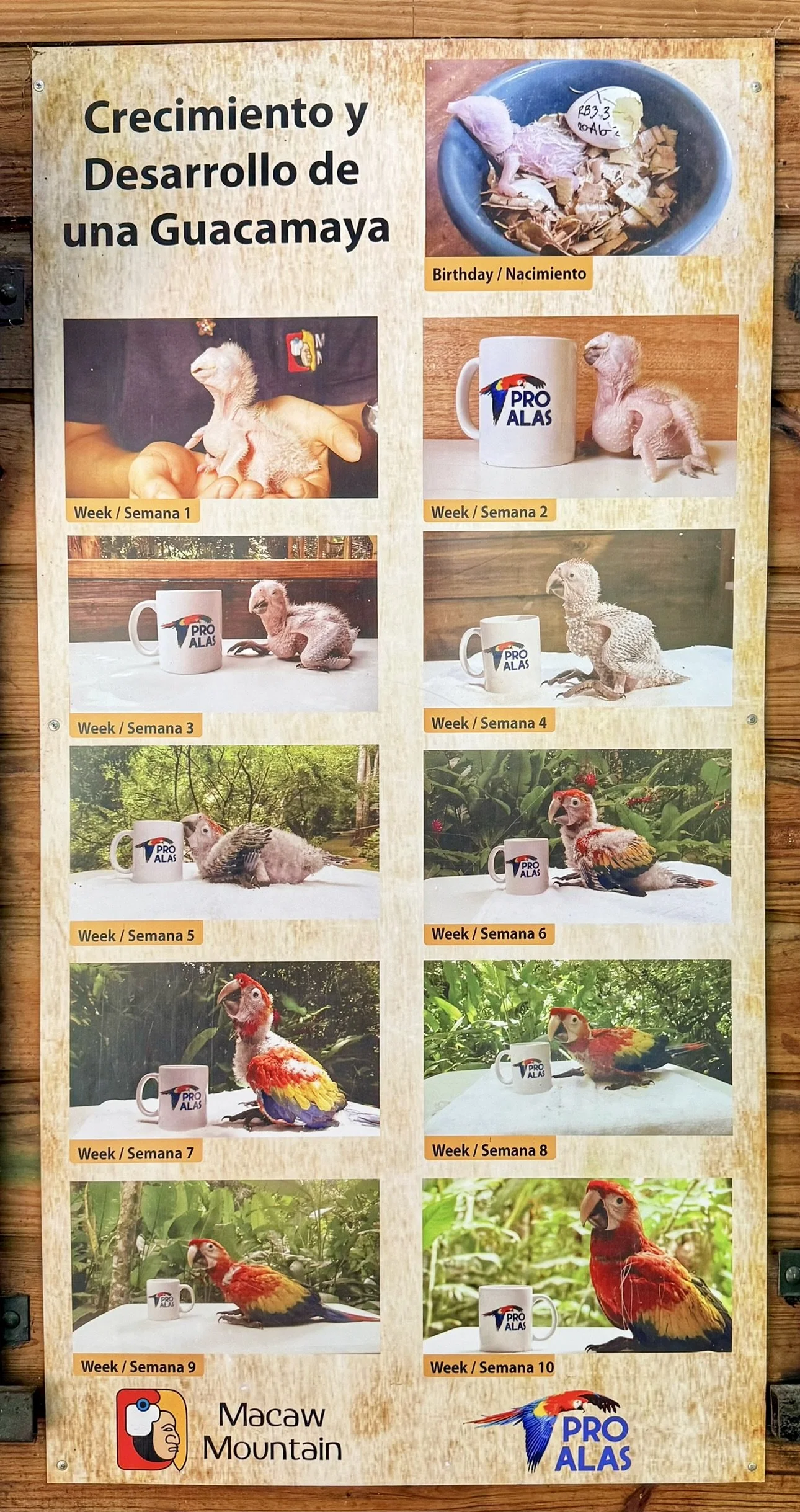
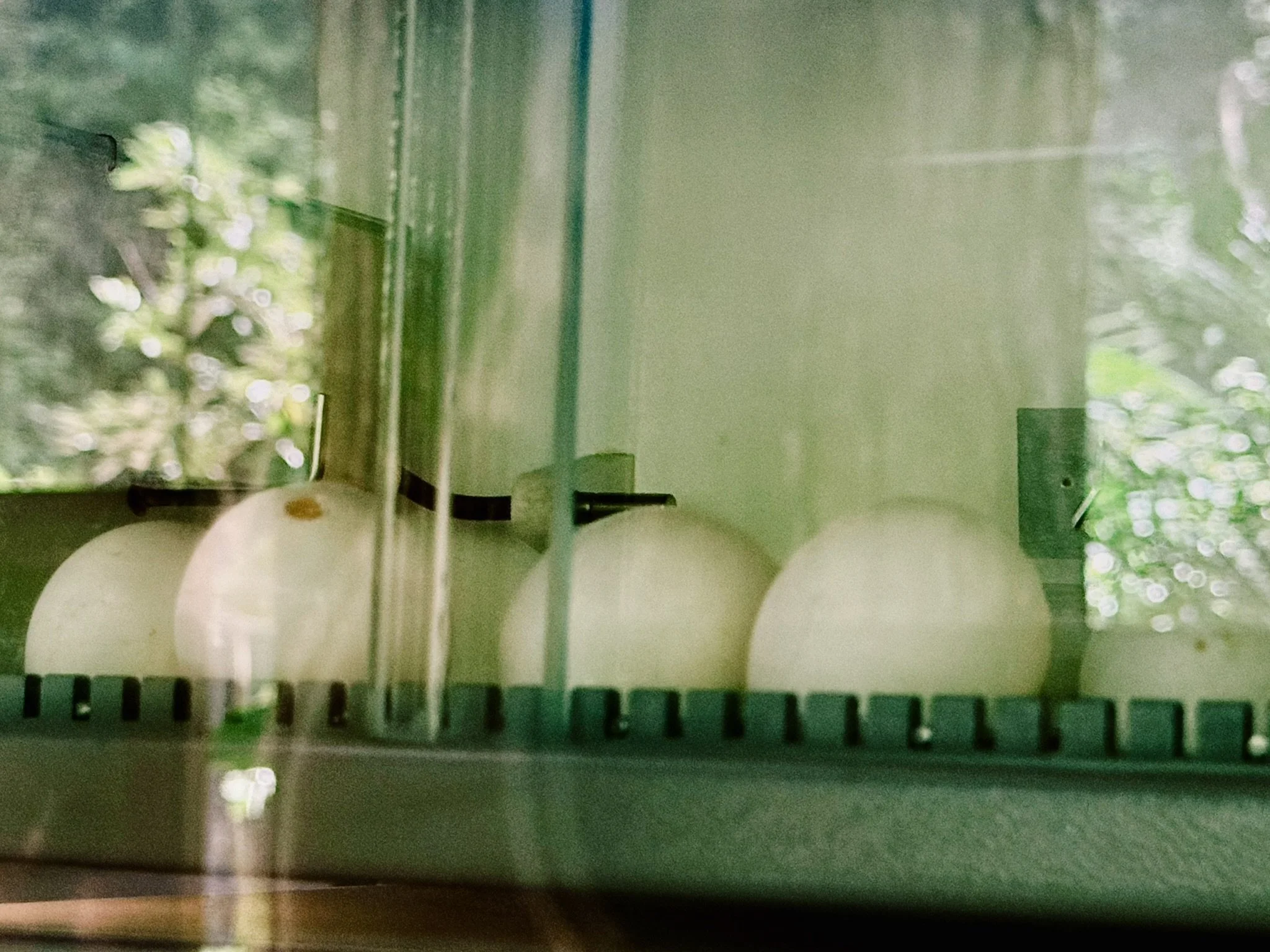
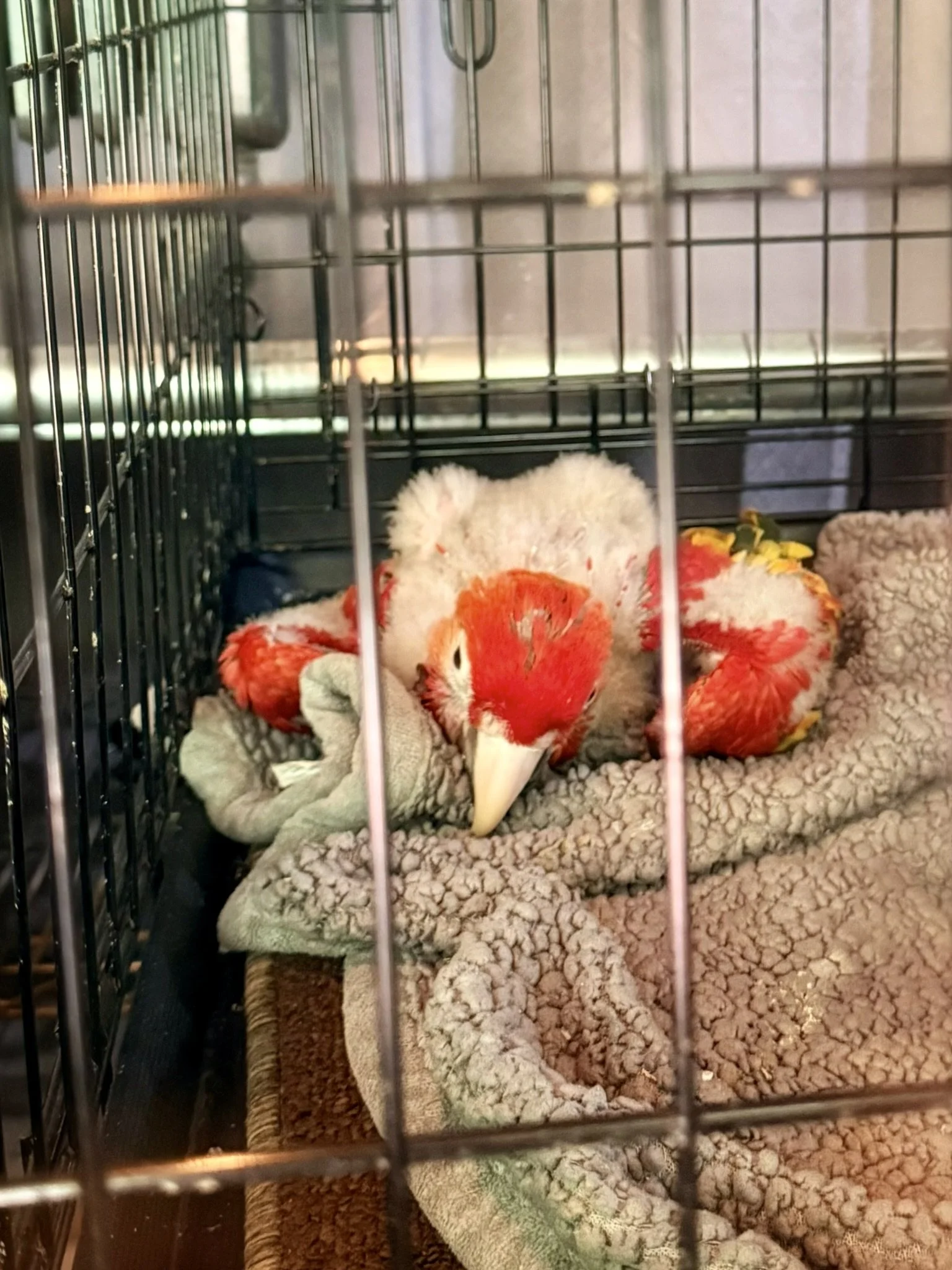
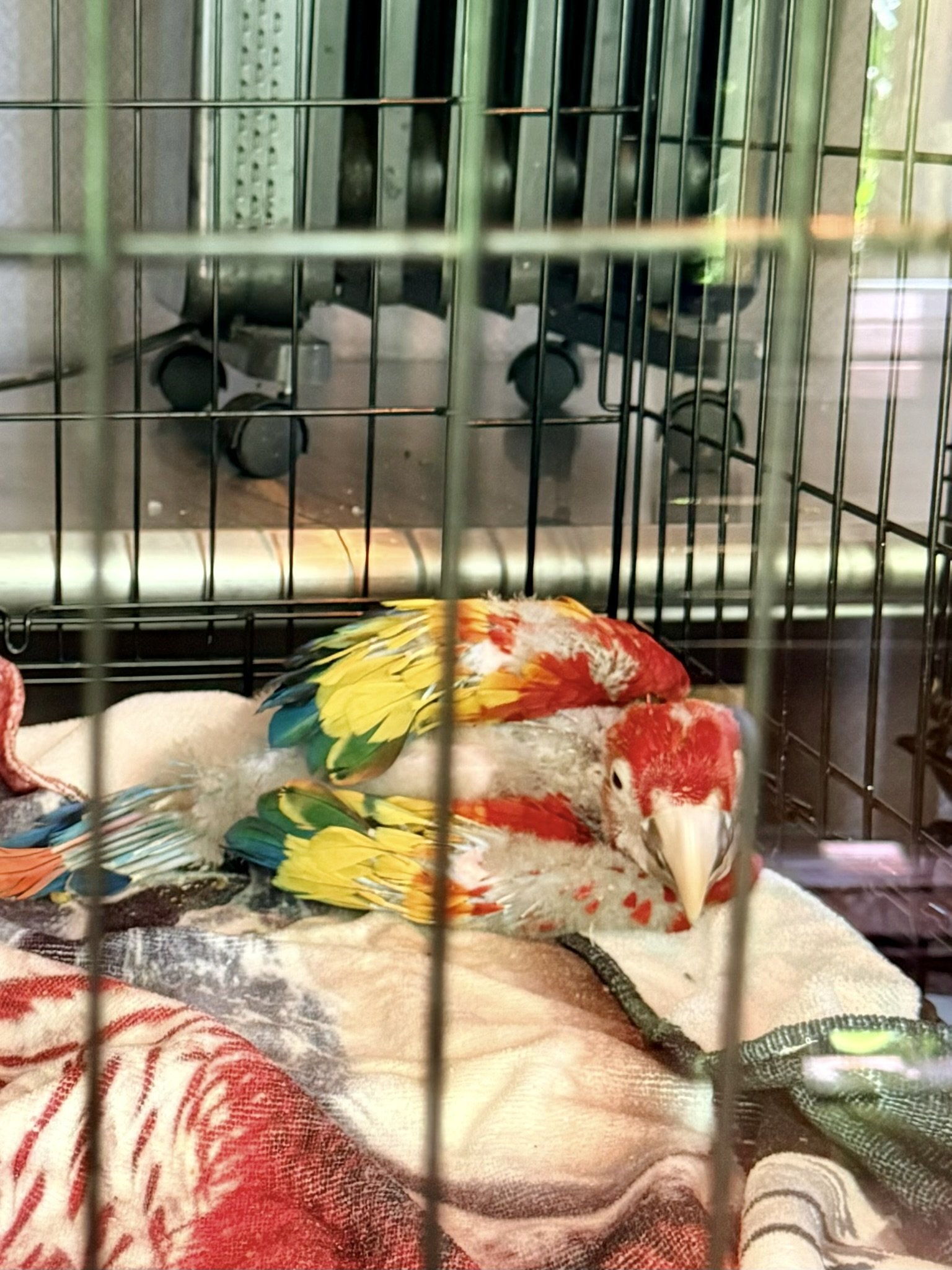
Many of these birds were born in captivity or spent so much of their lives dependent on humans that simply opening the cage door and wishing them good luck wouldn’t exactly be a successful reintroduction strategy. They need protection, proper care, and, where possible, rehabilitation and flight training to help them develop the skills needed to survive in the wild—including finding their own food.
Macaw Mountain’s work focuses on four key efforts: rescue, rehabilitation, breeding, and release. The goal isn’t simply to provide a comfortable home for captive birds. It’s to give eligible birds the best possible chance of returning to a life in the wild.
And speaking of release, every June, the park holds a release event for macaws ready to take that next step. A release party! No, not an album launch. These feathered residents get to leave home and head out into the big, wide world. We imagine it must be quite a sight to see a group of brilliantly colored macaws take flight together, especially knowing the work that went into getting them there.
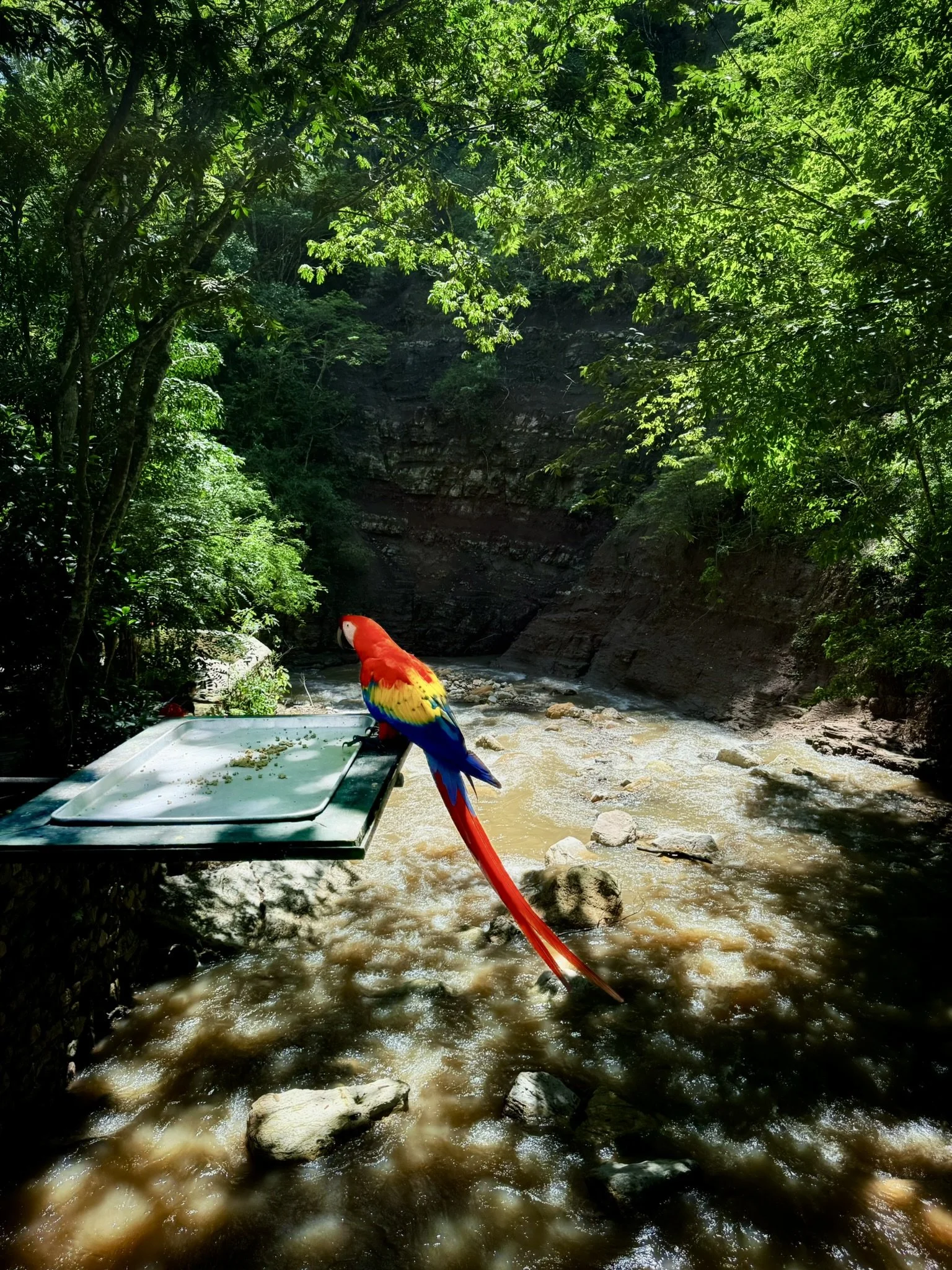
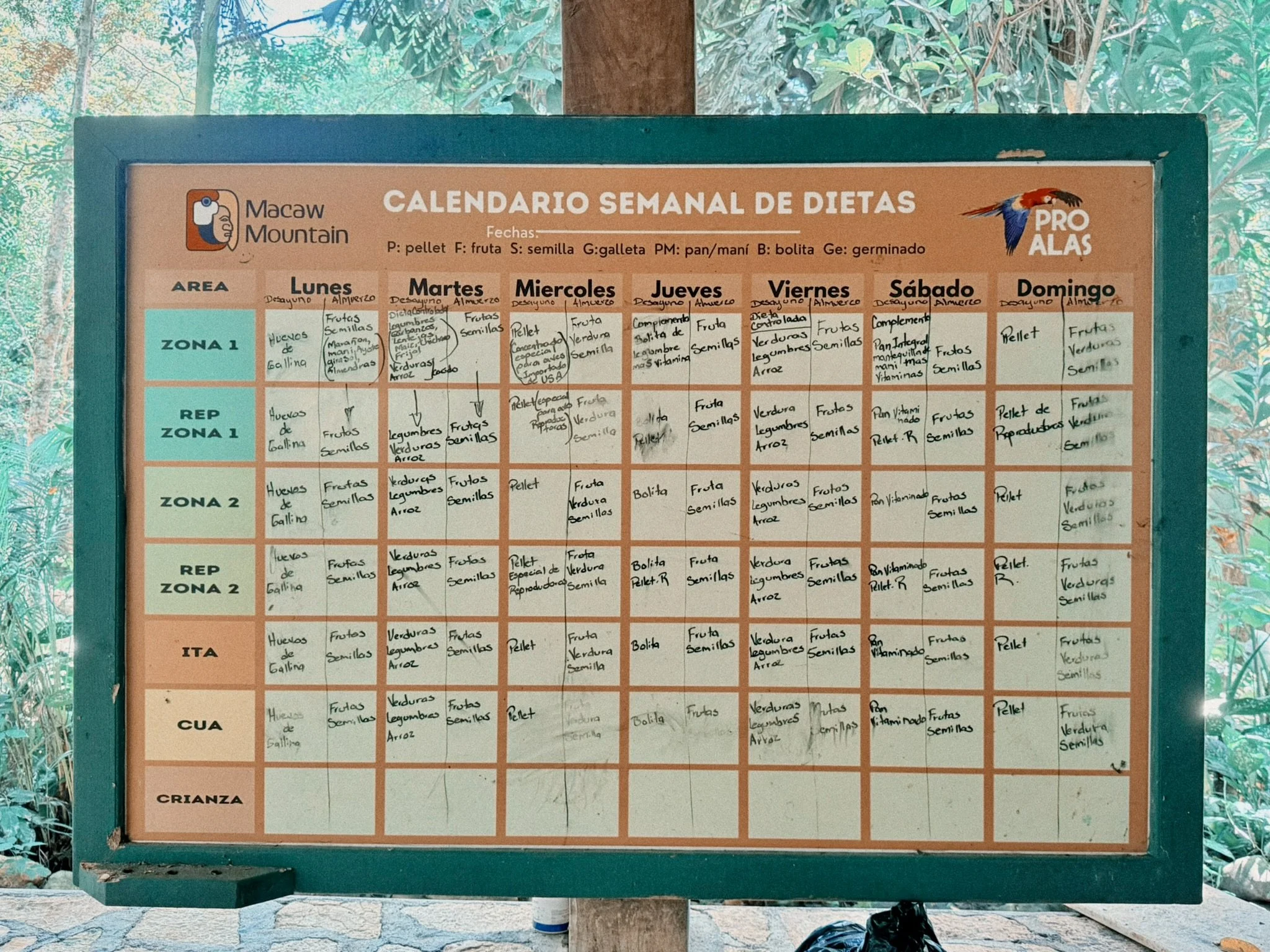
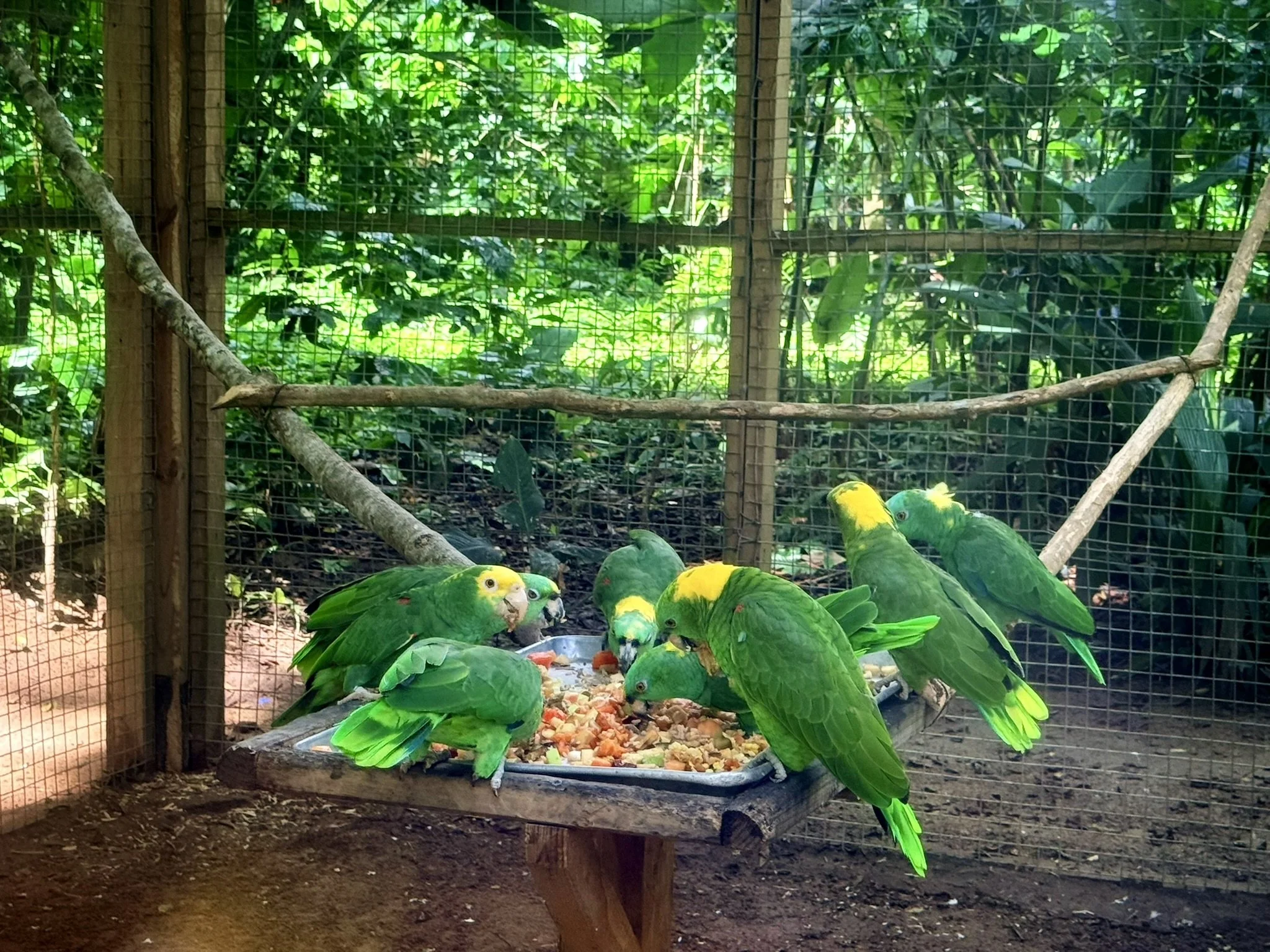
Interestingly, not every bird you encounter around the park is behind an enclosure. Some birds fly freely around the grounds but stick around for the hospitality—and, apparently, the food. We spotted the feeding schedule posted on a large monthly calendar, and we were in awe! Who knew bird care came with such an organized meal plan? Apparently, even free-flying birds appreciate a reliable restaurant.
Beyond caring for individual birds, Macaw Mountain has helped restore wild populations of Scarlet Macaws in the Copán Valley. The Scarlet Macaw, known locally as the guara roja, is Honduras’s national bird, making its conservation especially meaningful.
Working with conservation partners, Macaw Mountain began releasing macaws at the Copán archaeological site in 2011. The birds gradually established themselves in the valley, and successful breeding in the wild helped the population grow. By 2016, more than 40 Scarlet Macaws were flying around the ruins and surrounding valley.
The result is pretty spectacular. Visitors exploring the ancient Maya ruins may see and hear these brilliant red, yellow, and blue birds flying overhead—a beautiful connection between Honduras’s natural heritage and its ancient history. Their return has also helped inspire local pride and broader conservation efforts, including the establishment of a protected area known as the Sacred Valley of the Scarlet Macaw.
Our visit gave us a new appreciation for the work that goes into wildlife conservation. What initially sounded like a simple bird park turned out to be part sanctuary, part rehabilitation center, and part effort to bring an iconic Honduran species back where it belongs.
Macaw Mountain is a reminder that conservation isn’t just about protecting animals in captivity. Sometimes, it’s about giving them the care and skills they need until they can spread their wings and fly free.
