On Day 4, we decided to stay another night in Tham Lod, so there’s no major driving update from the Mae Hong Son Loop today. Instead, we spent the day exploring one of the region’s most famous attractions: Nam Lod Cave.
And what an adventure that turned out to be.
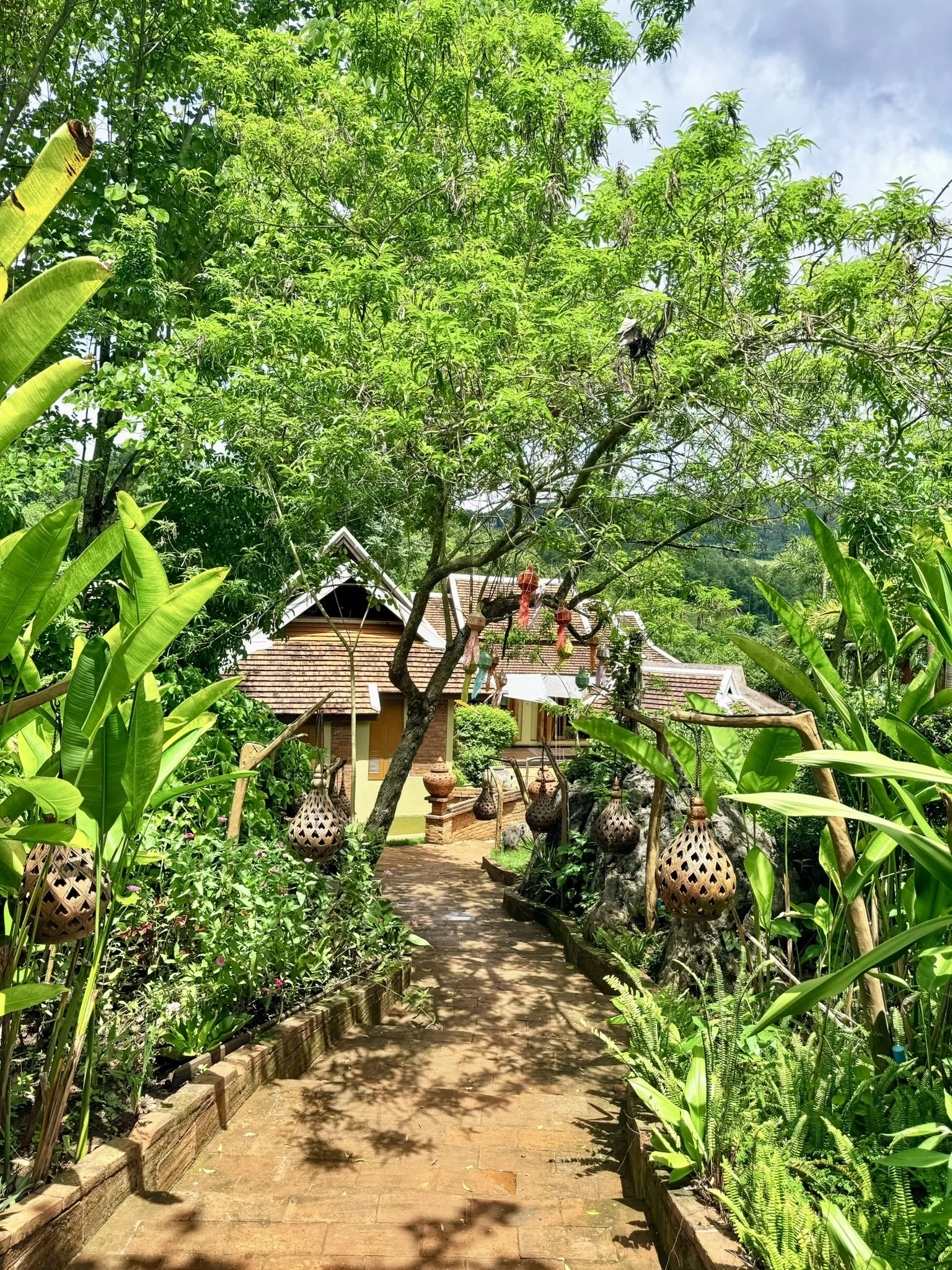
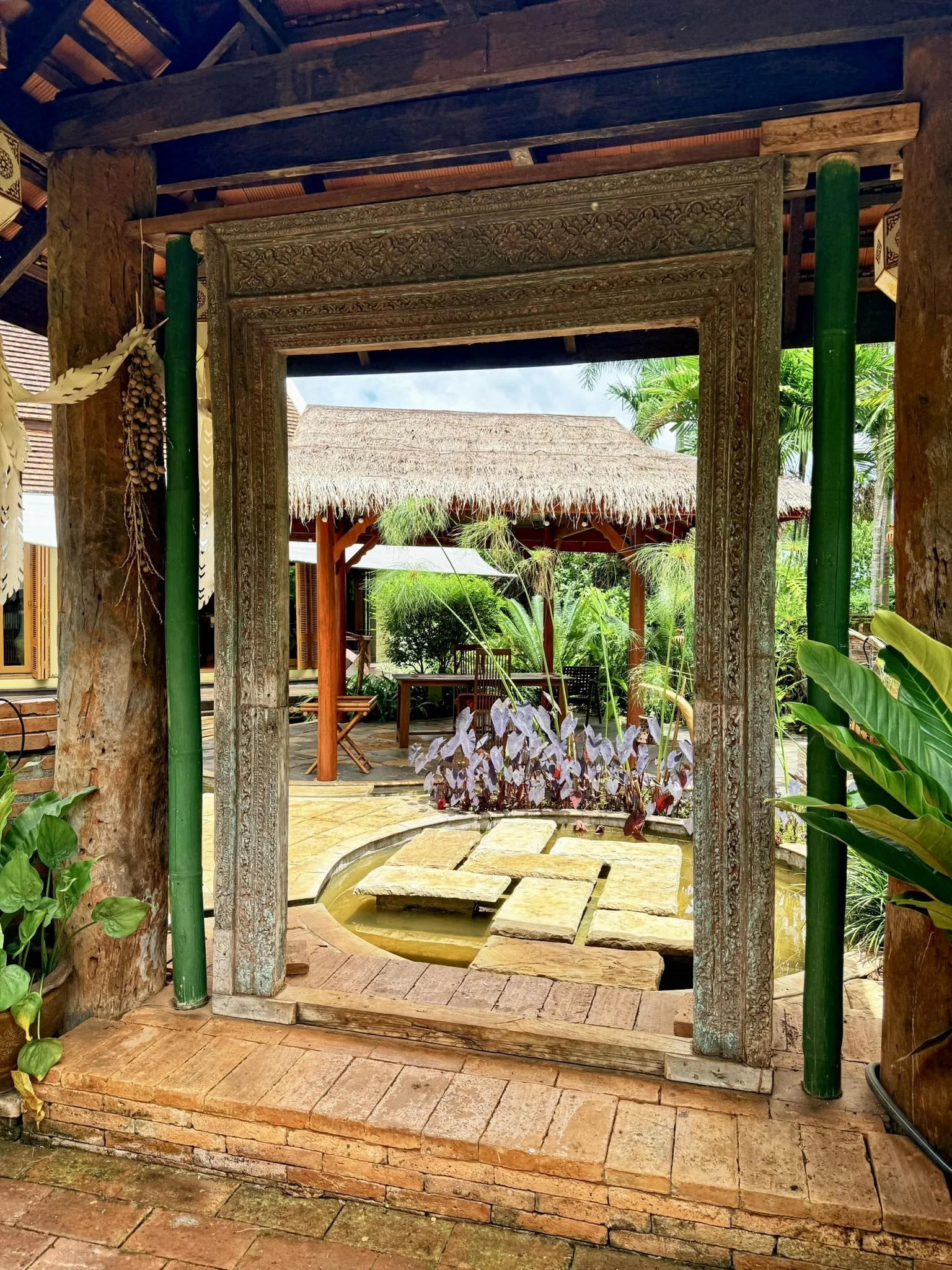
But first, we promised a tour of our accommodations!
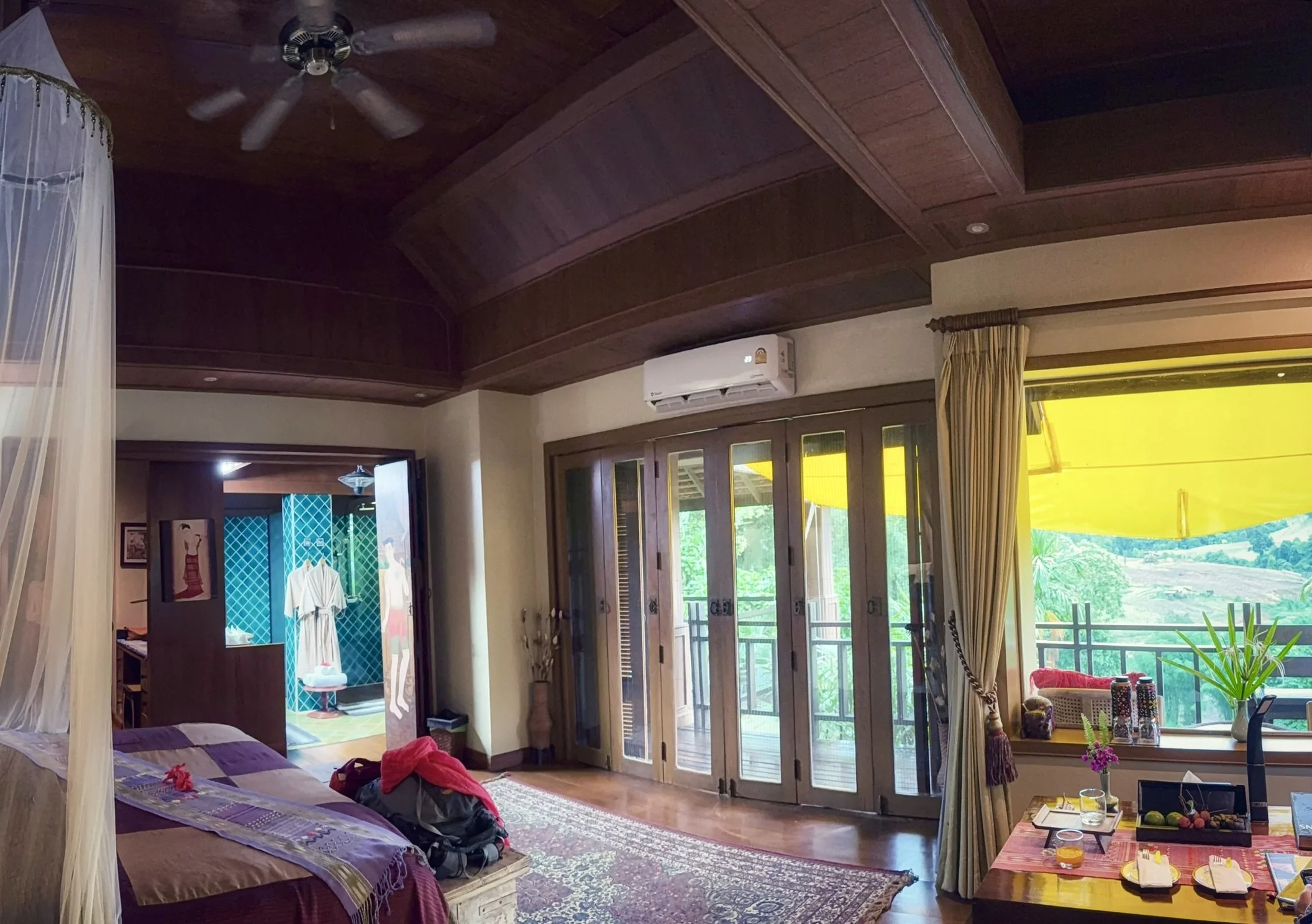
A Honeymoon Villa!
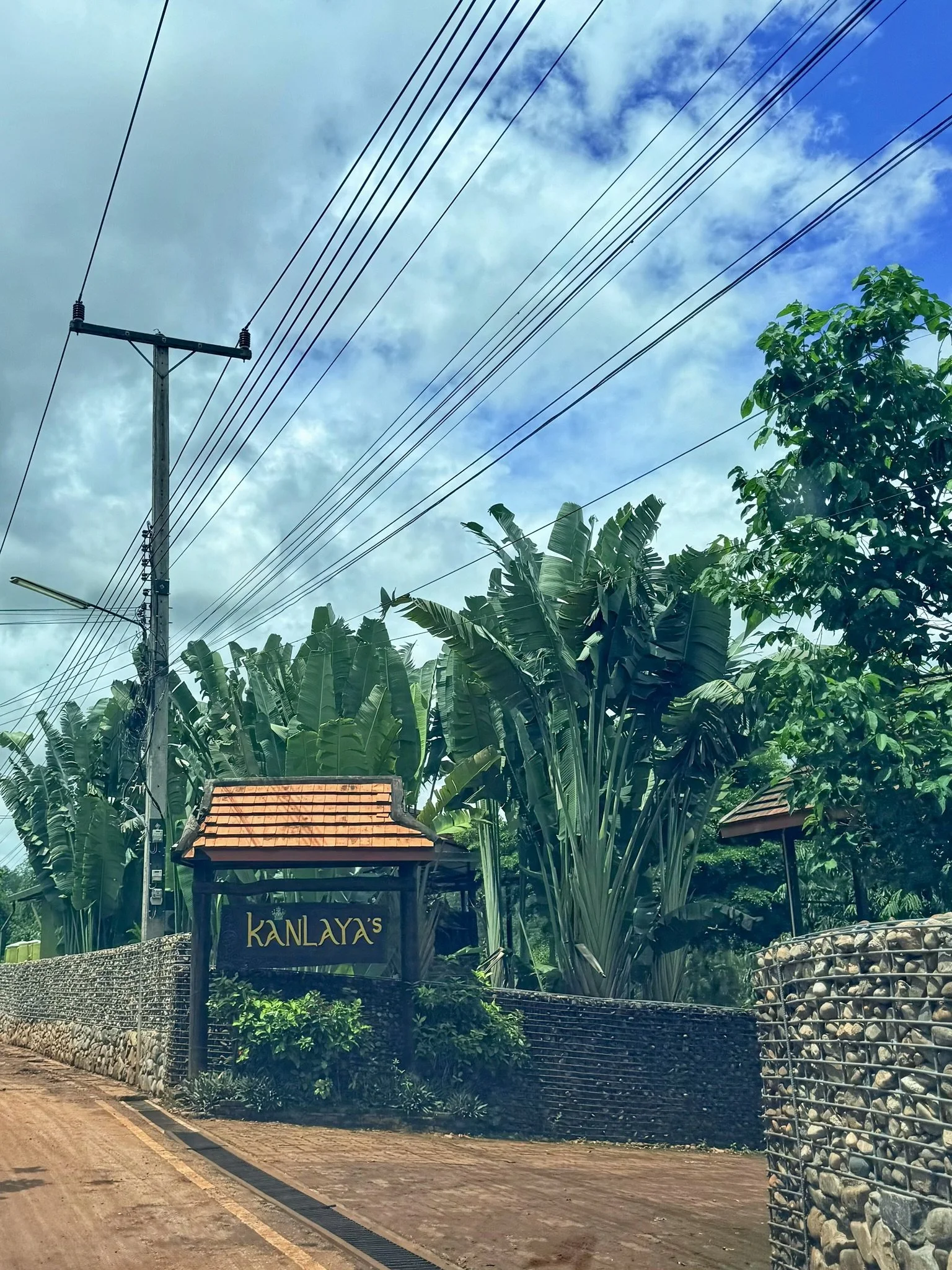
We stayed at Kanlaya’s Eyrie Luxury Homestay, where our hosts surprised us with an upgrade to their honeymoon suite.
The reason? At the moment, we’re their only guests.
Over carafes of wine on the terrace, we chatted with our host, Pen, about tourism in the region. Normally, all five of their suites would be occupied this time of year. But with the ongoing fuel crisis tied to the Iran war, international tourism has slowed dramatically and bookings have largely evaporated.
Their loss became our gain.
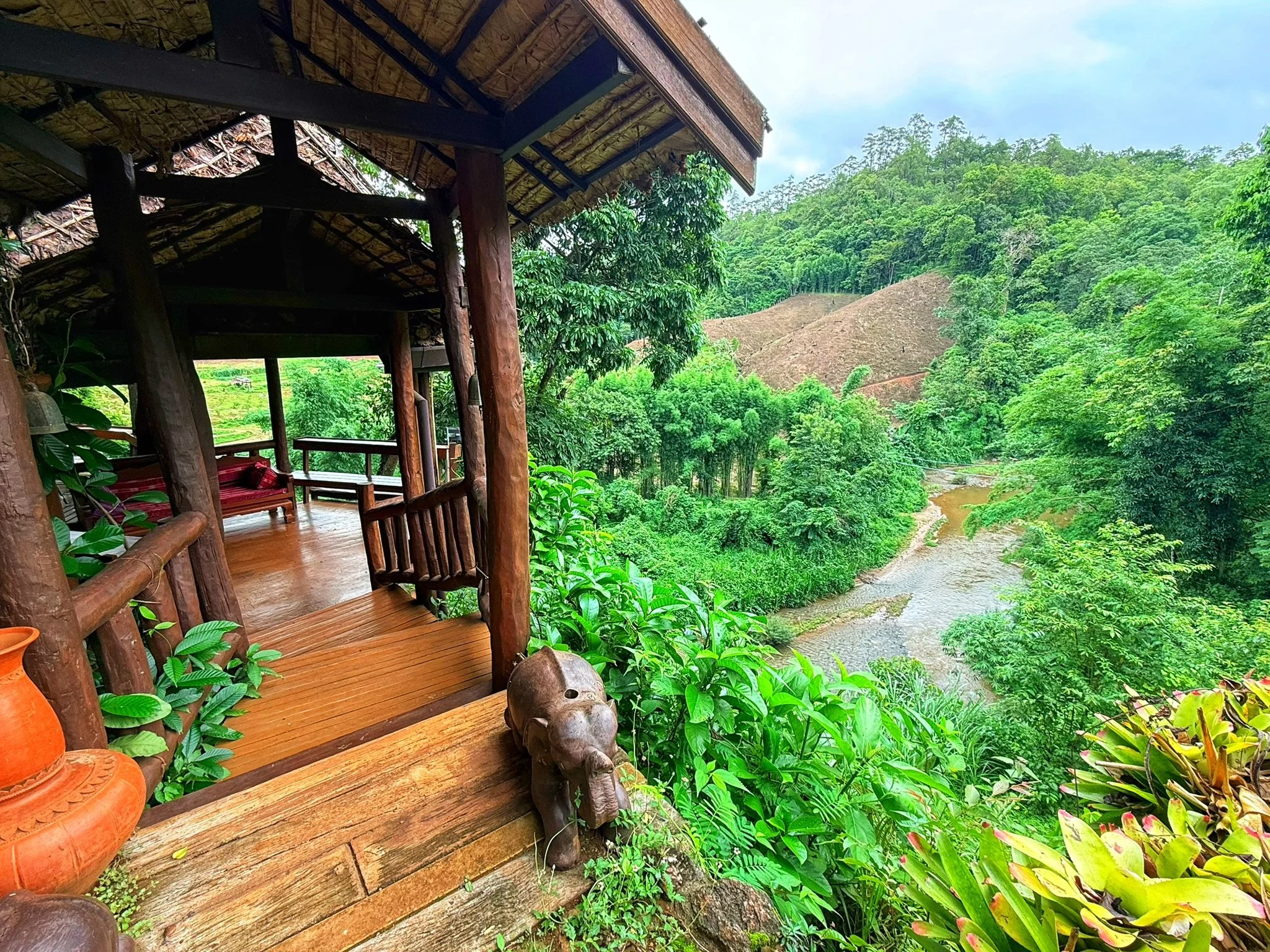
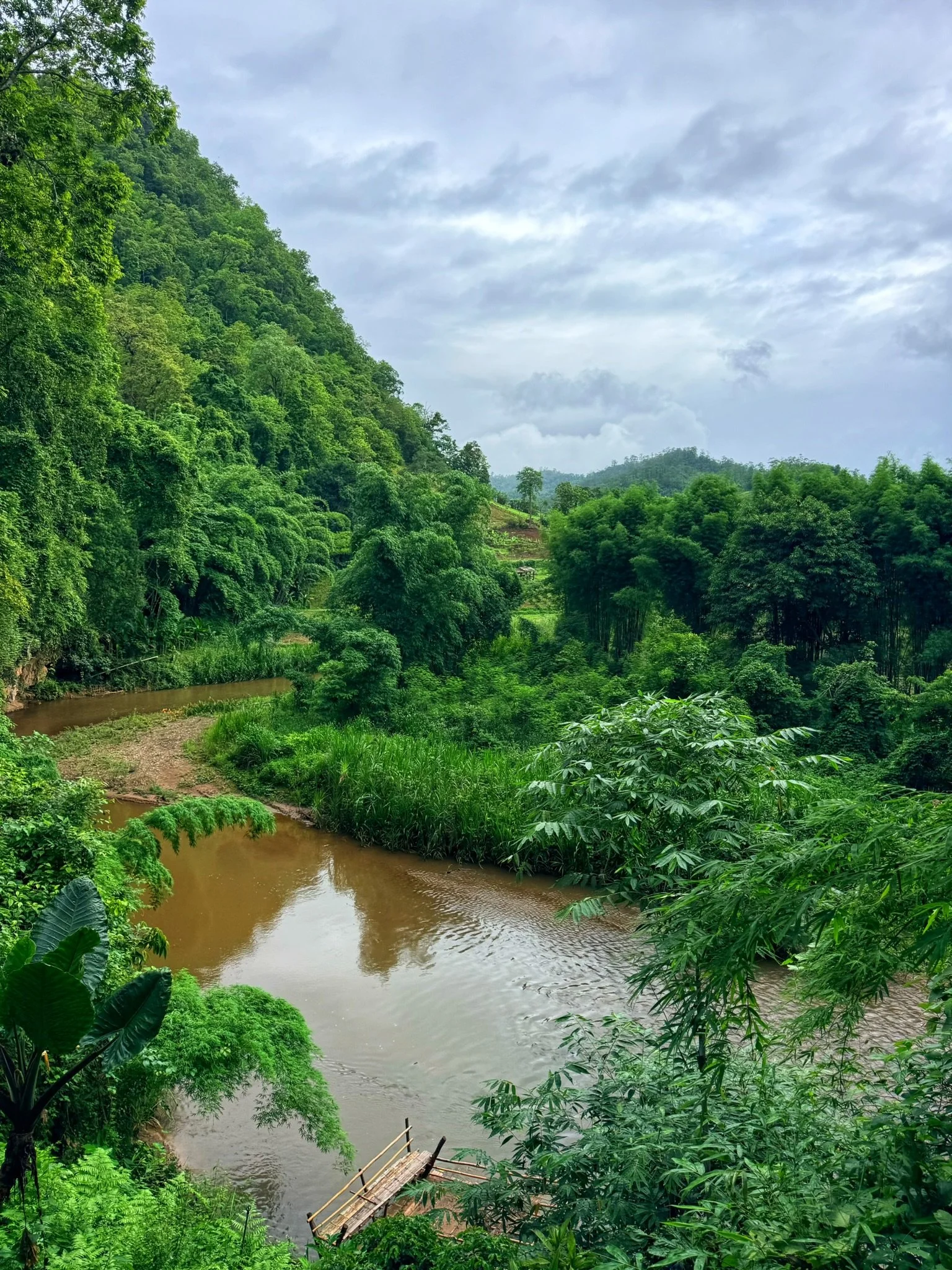
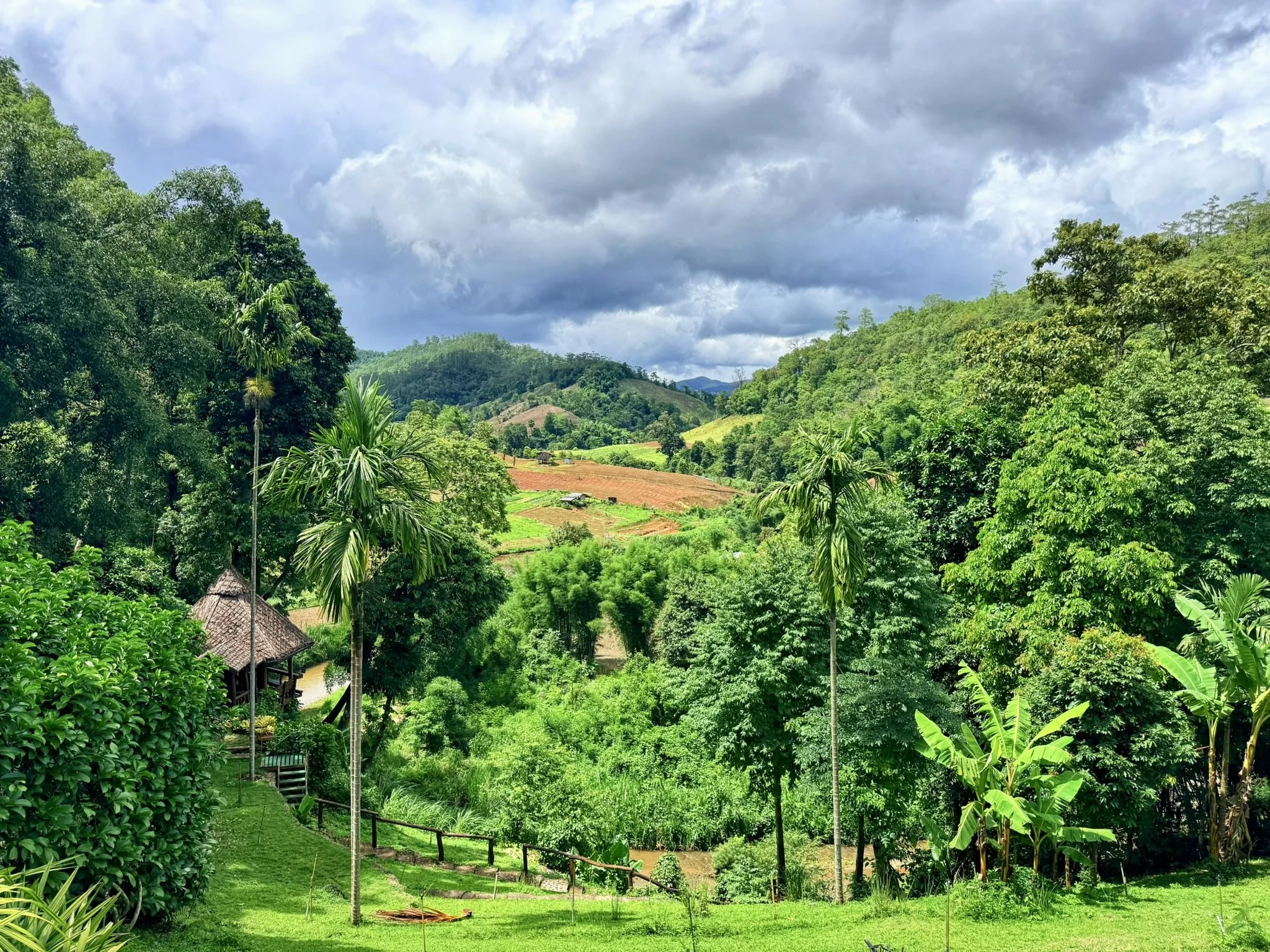
The honeymoon suite was spectacular, perched above farm terraces, a river flowing through the valley, surrounded by mountains peaks. It felt less like a hotel room and more like being welcomed into someone’s dream.
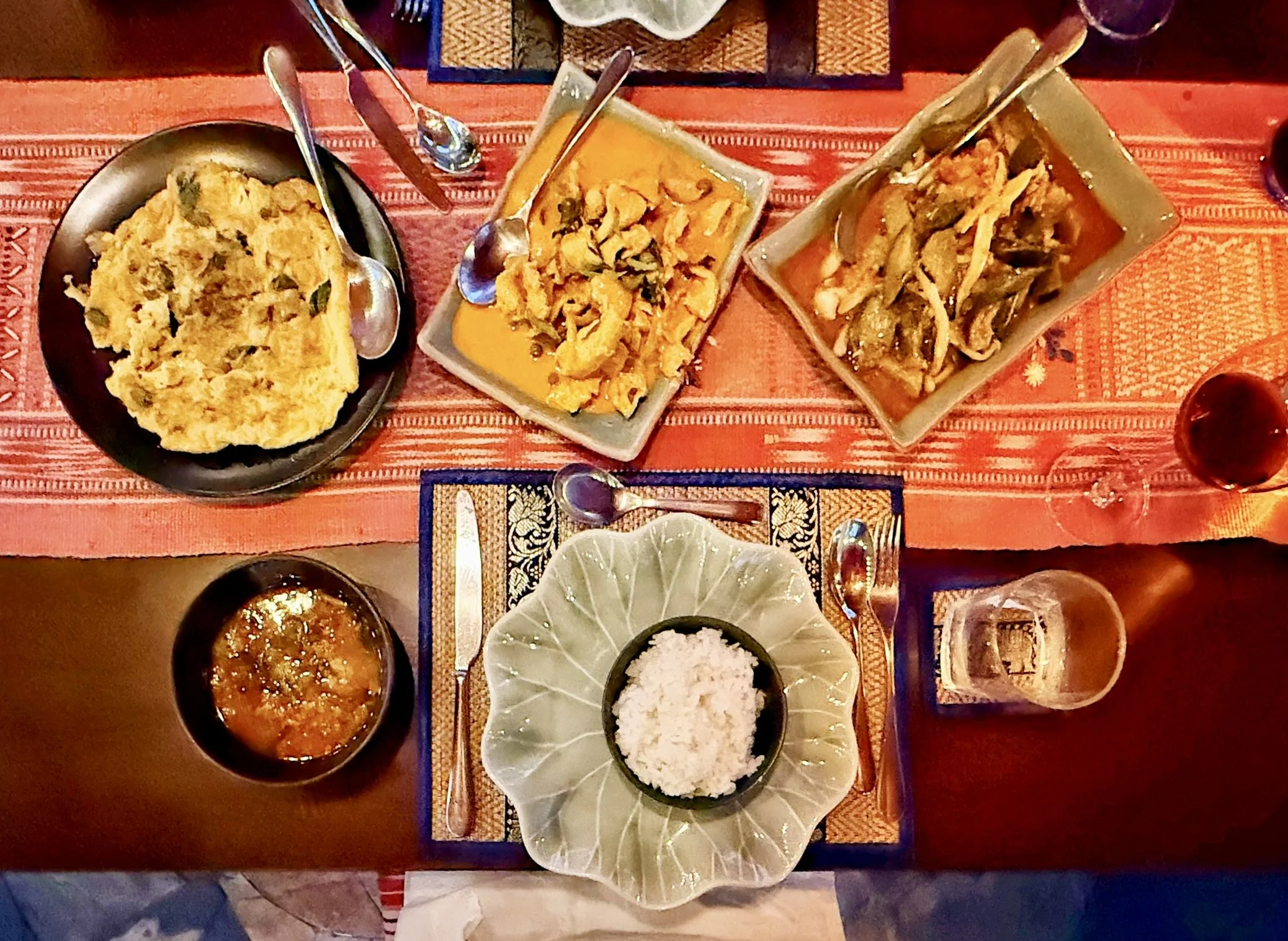
Dinner that evening was equally memorable. Our hosts prepared a feast of indigenous Karen and Shan hill tribe dishes—super local. Couldn’t get more “farm-to-table”, lovingly made from recipes and ingredients familiar to their families for generations.
No tourist menu. No photo boards. Just people sharing the food they grew up eating.
After dinner, we sat outside listening to an orchestra that no city could ever reproduce.
Frogs croaked from nearby ponds. Cicadas buzzed in the trees. Lightning bugs drifted through the darkness like floating embers.
Eventually, we climbed into bed and fell asleep to the sounds of rural northern Thailand.
Into the Darkness of Nam Lod Cave
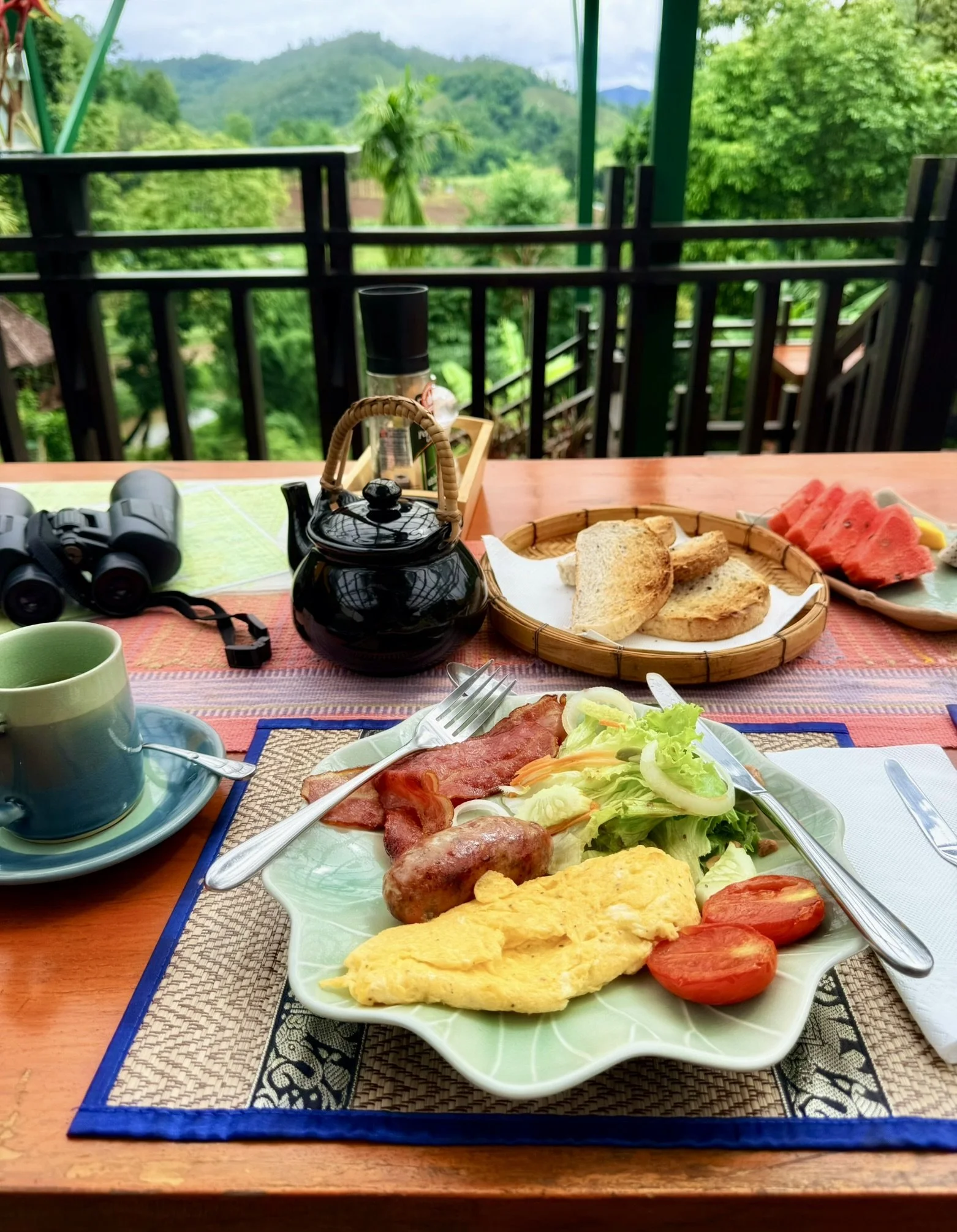
The next morning, we woke to stunning views of the countryside and enjoyed a hearty Western breakfast before driving to the nearby Nam Lod Cave.
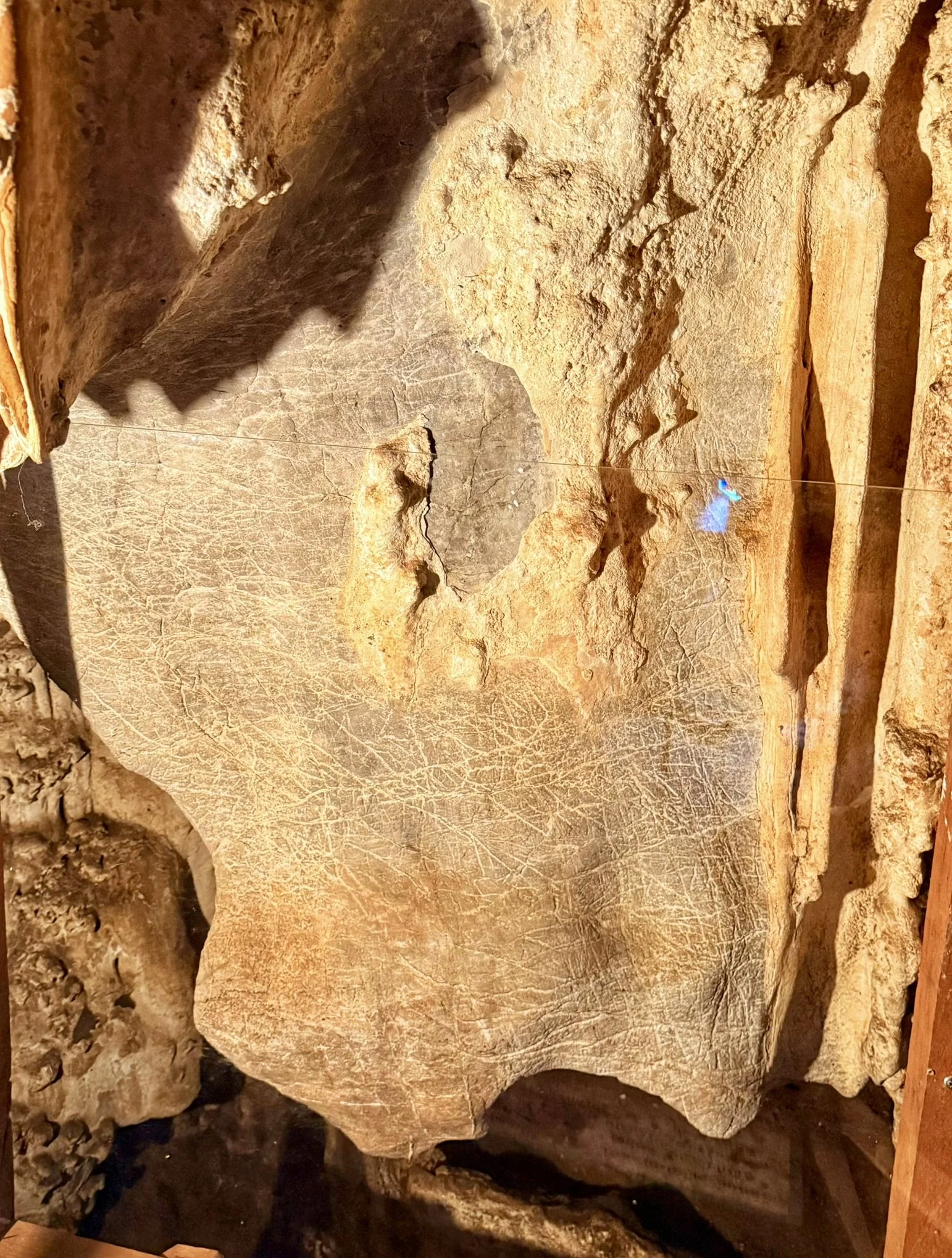
Nam Lod is a massive limestone cave system carved by the Nam Lang River, which flows directly through it. Archaeological discoveries suggest the cave was once inhabited by prehistoric Hoabinhian people. Ancient rock paintings have been found inside, along with remarkable teak coffins estimated to be over 2,000 years old, believed to have been created by the ancient Lawa people.
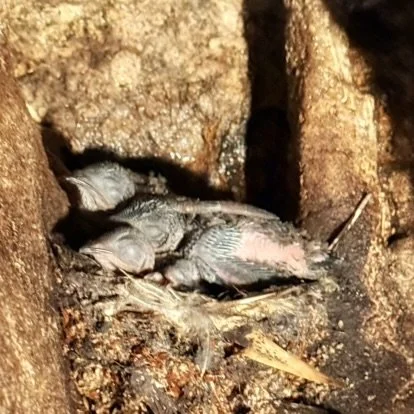
The cave is also home to thousands of bats and Himalayan swifties (birds!).
At dusk, visitors can witness one of nature’s great daily exchanges: swifts returning to their nests while bats pour out of the cave to begin their nightly hunt.
The cave entrances are lined with swift nests, which means the floors are covered with feathers, fallen nests, bird droppings, and the occasional baby bird. During our visit, our guide repeatedly stopped to rescue half-grown chicks that had tumbled from their nests, gently relocating them to safer locations.
Visiting Nam Lod requires hiring a guide, and for good reason. There are no lights. Only the guide’s kerosene lantern. There are few obvious paths. All guides are local hill tribe residents, and the tour fees help support the surrounding communities.
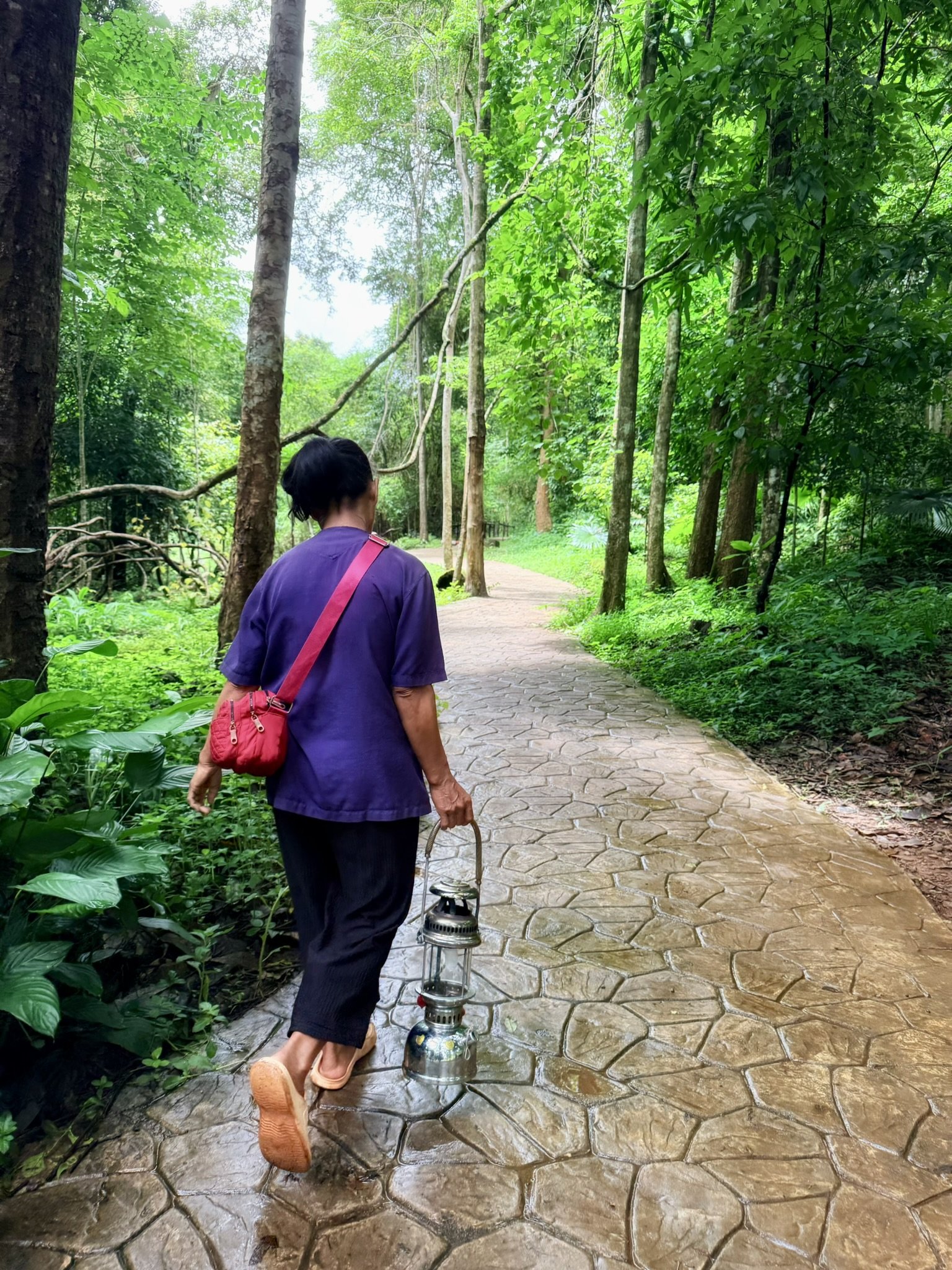
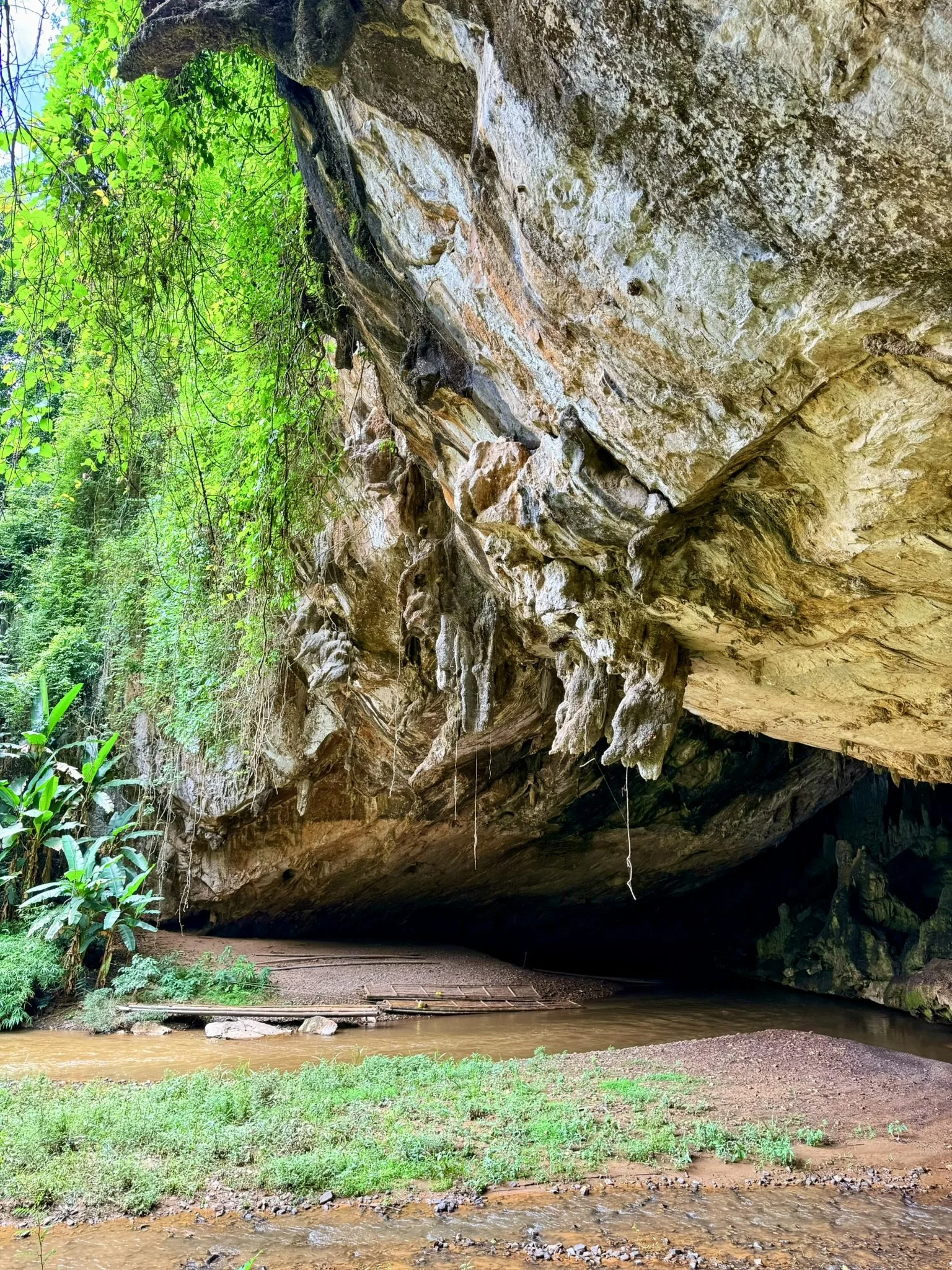
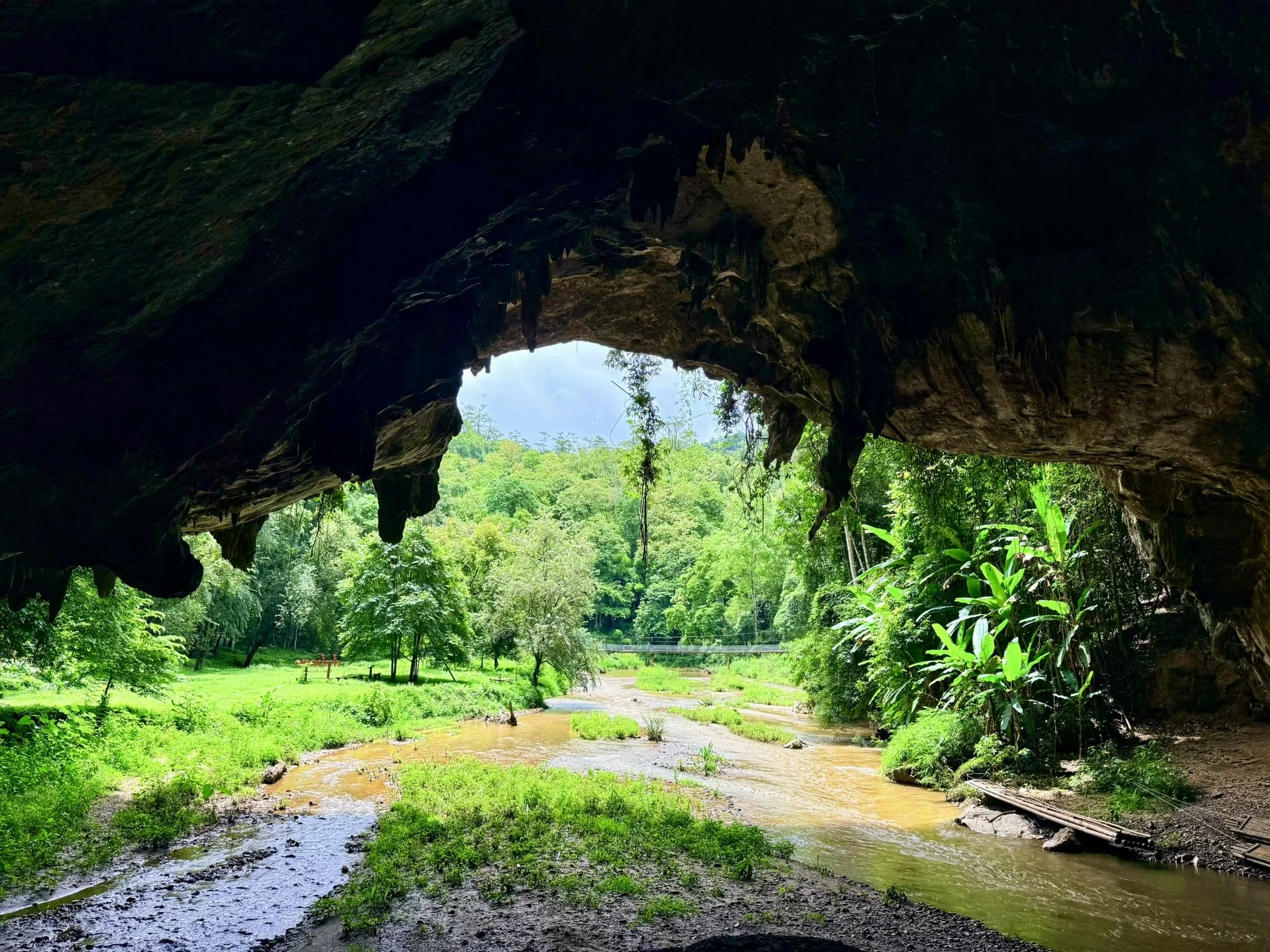
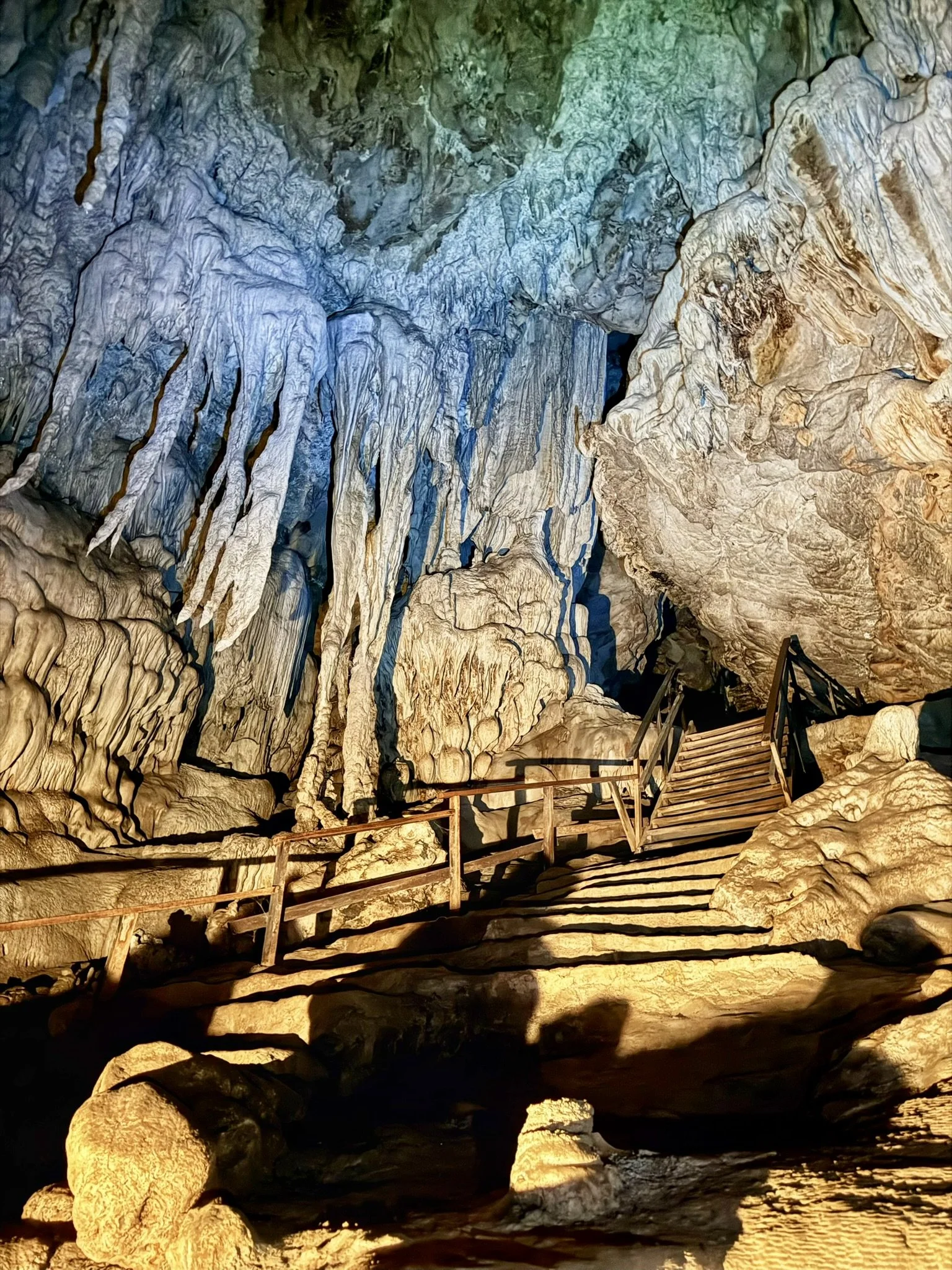
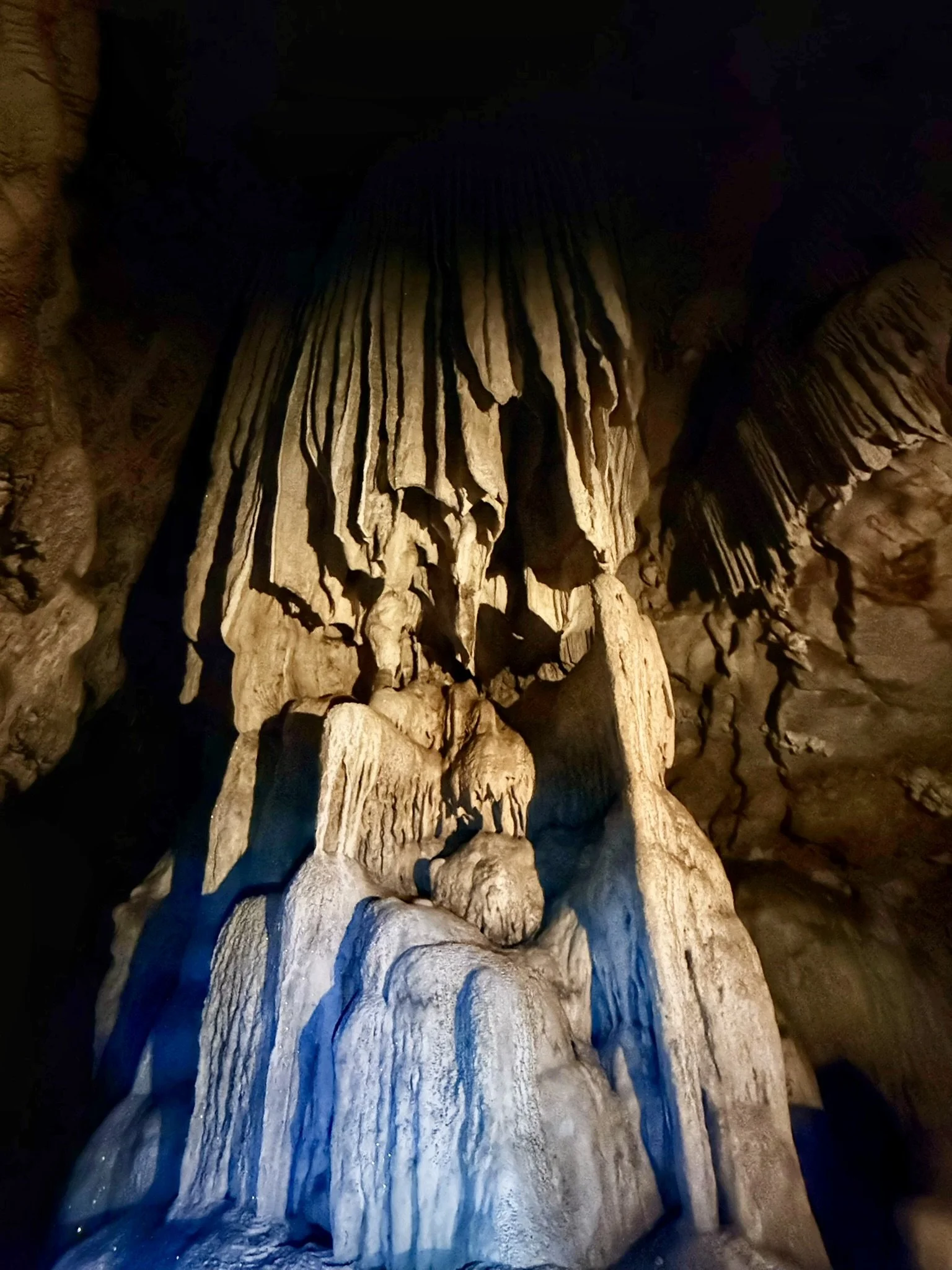
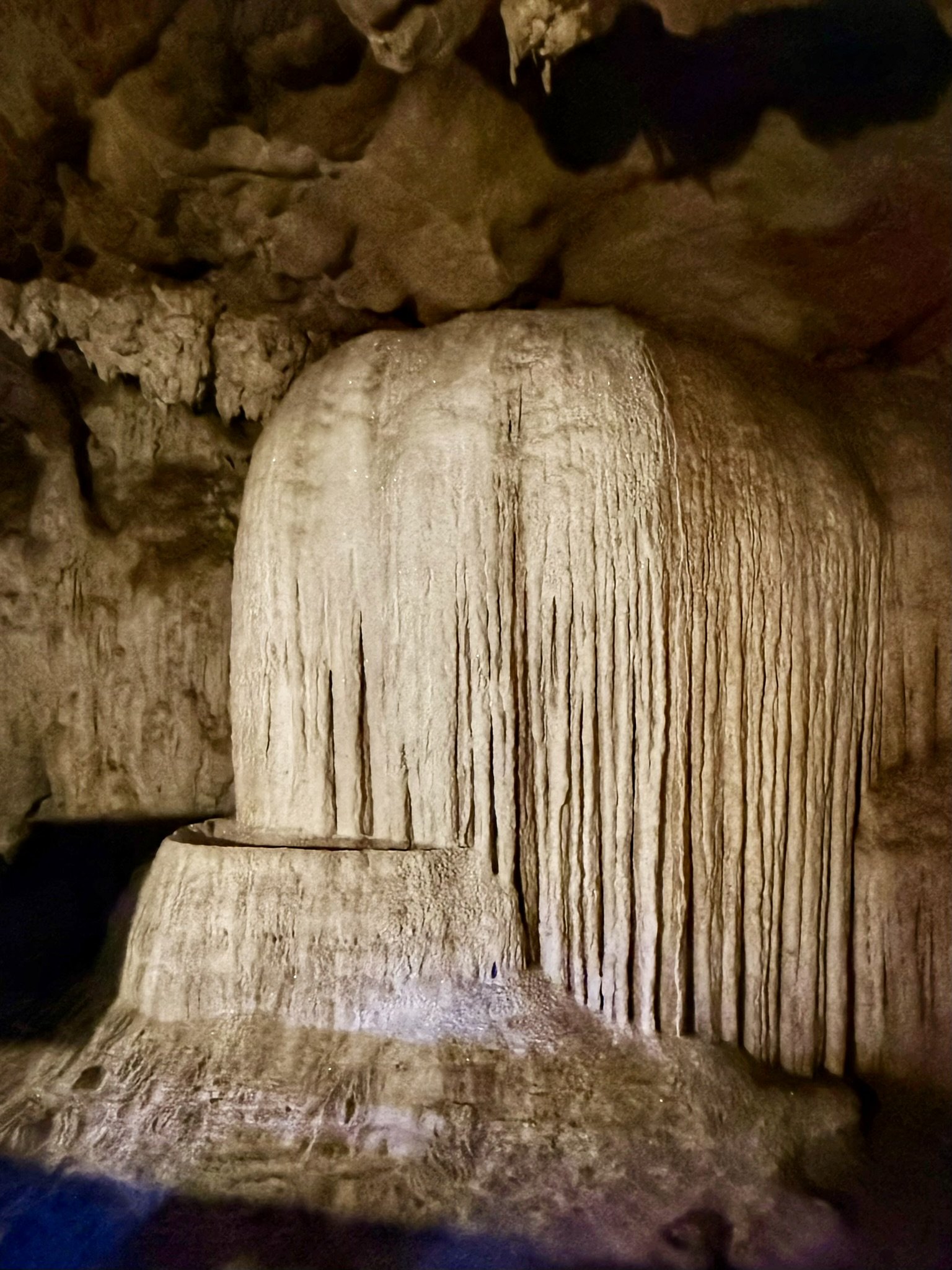
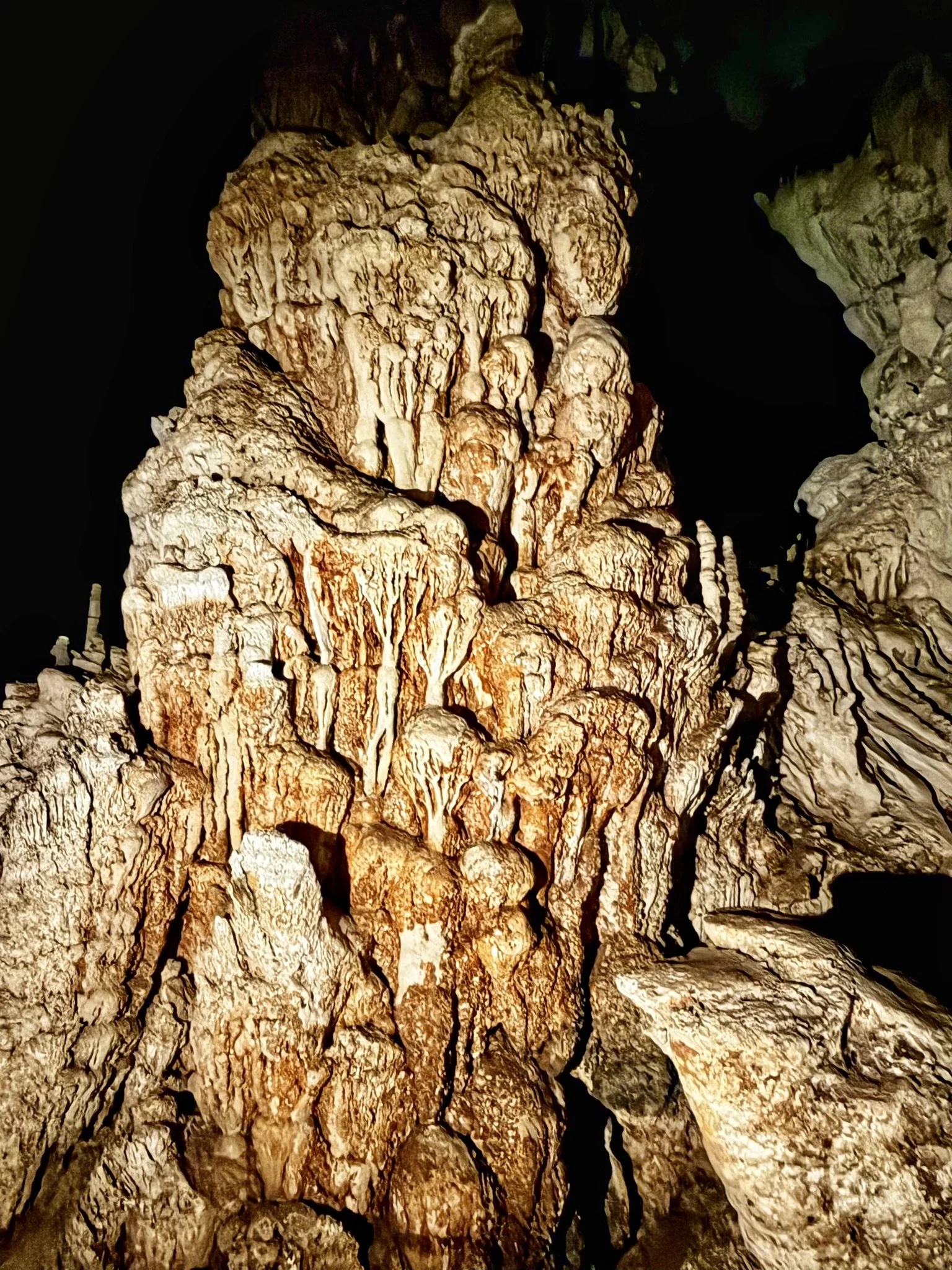
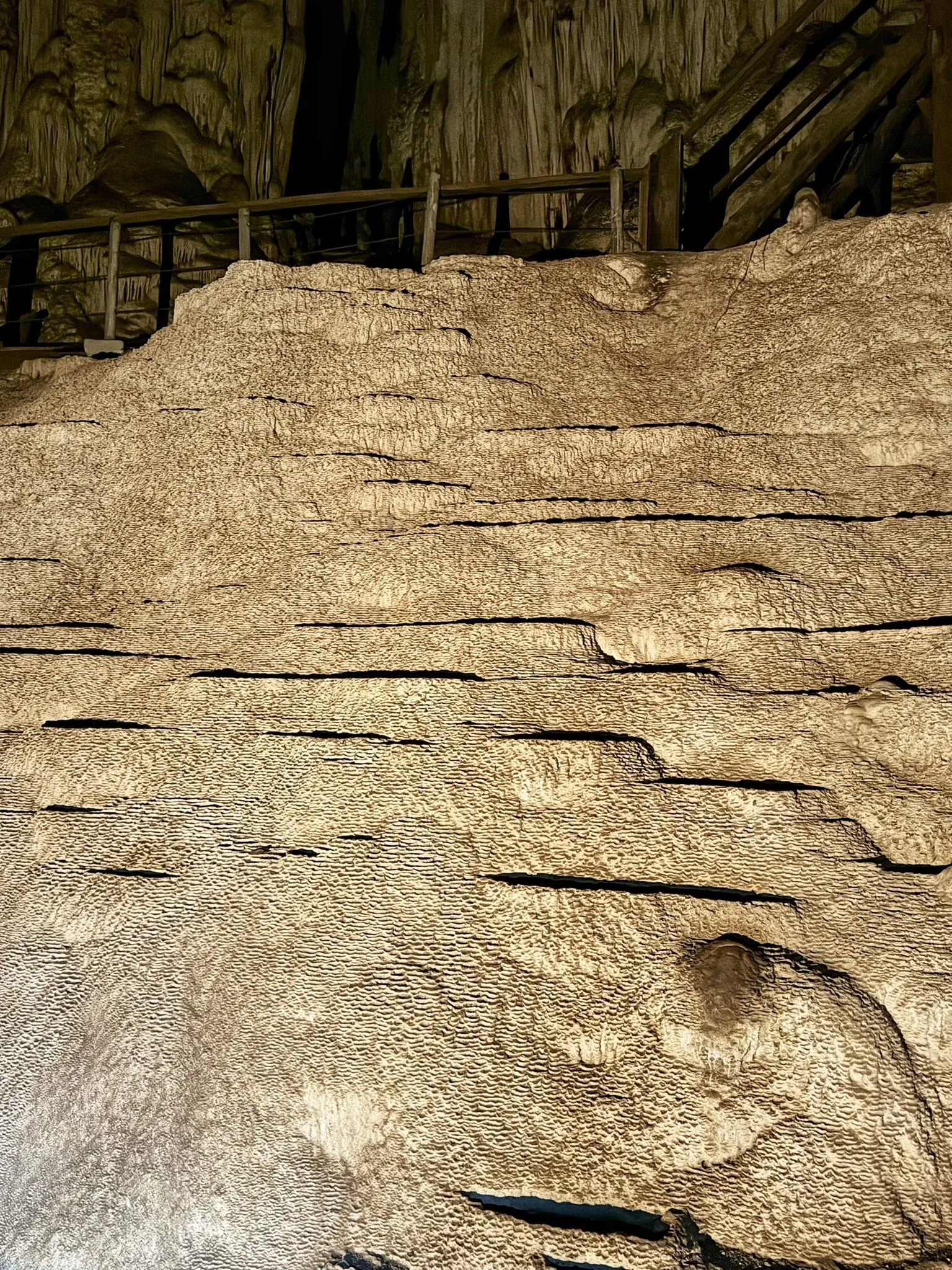
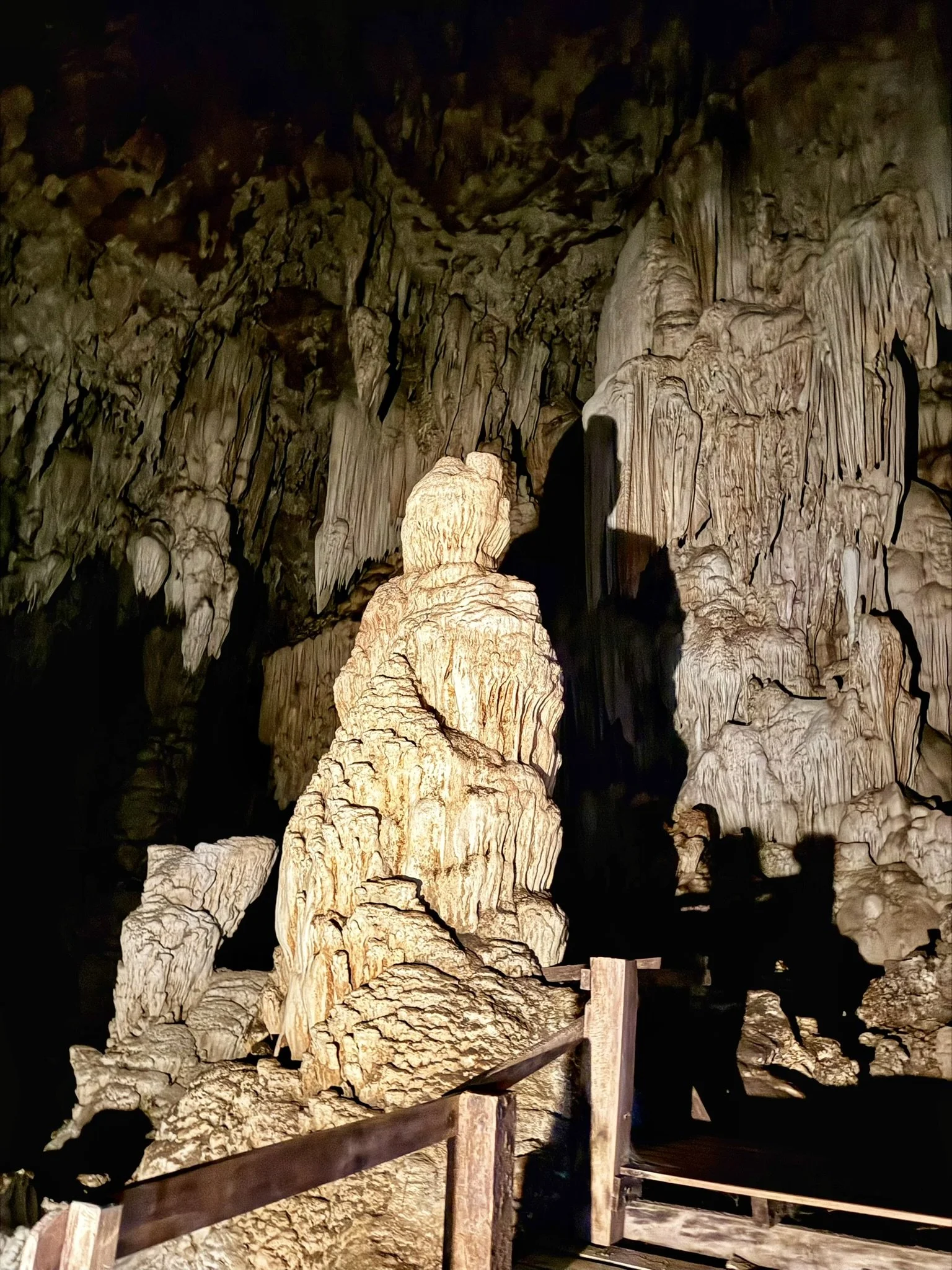
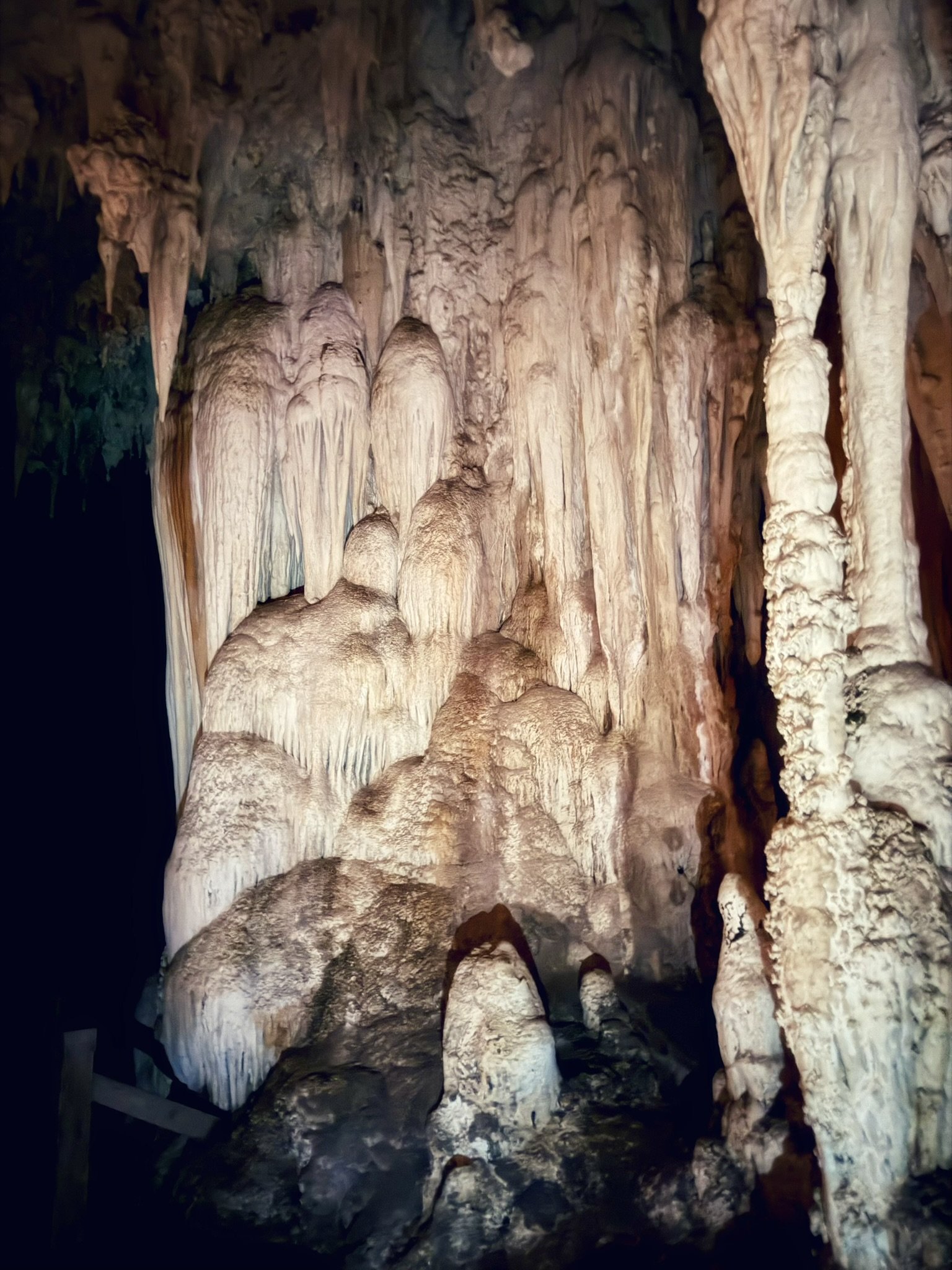
The first two caves are explored on foot. The terrain is uneven, perpetually wet, and frequently slippery. There are countless steep rickety wooden staircases, narrow passages to squeeze through, and handrails that may—or may not—be entirely coated in bird droppings.
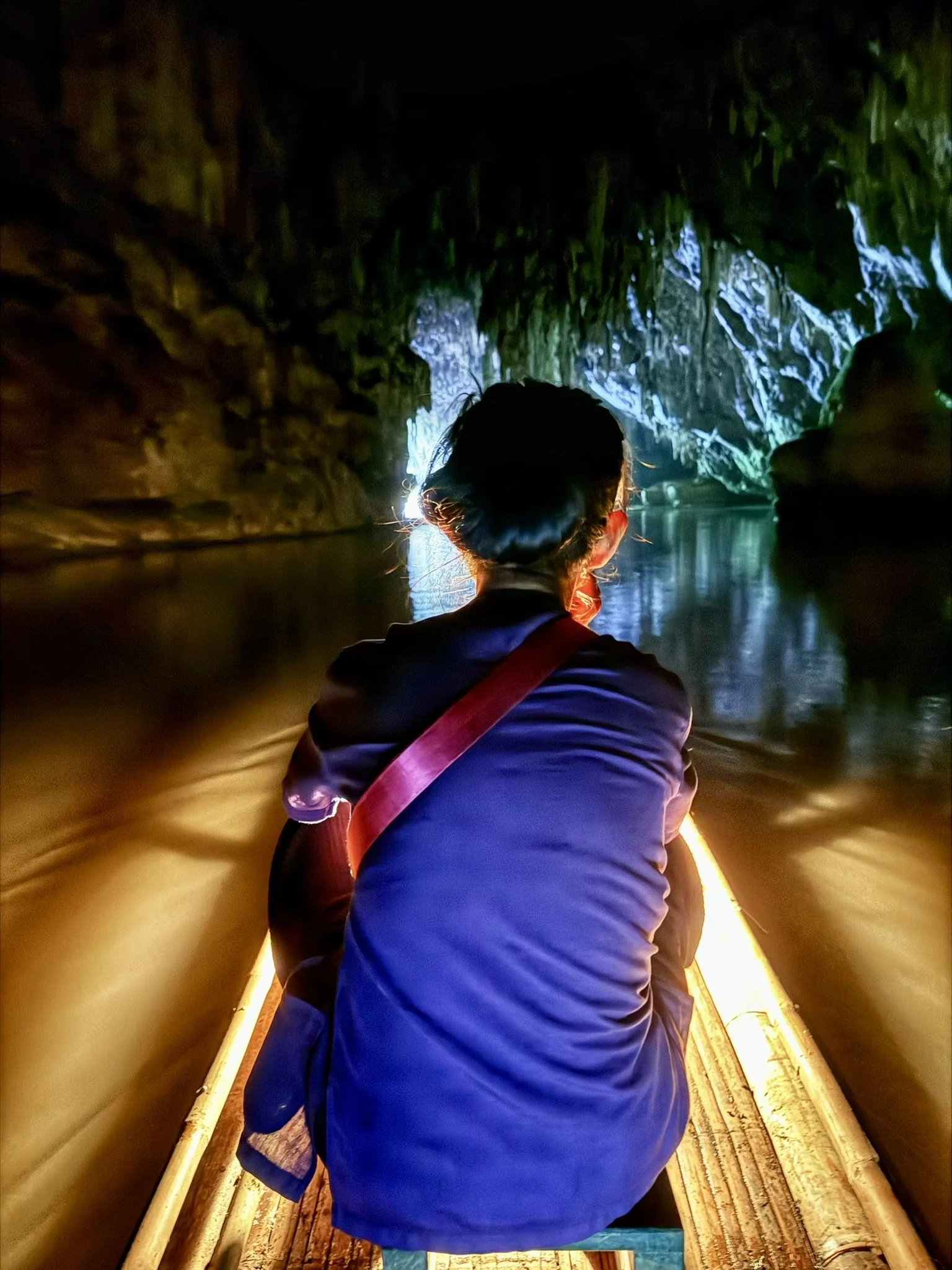
The third cave introduced a new level of adventure. We boarded a narrow bamboo raft and floated through darkness on the river-through-the-cave while bats slept overhead. After disembarking at another cave entrance, we continued on foot to view the ancient teak coffin sites before returning by raft and retracing our steps back to the main entrance.
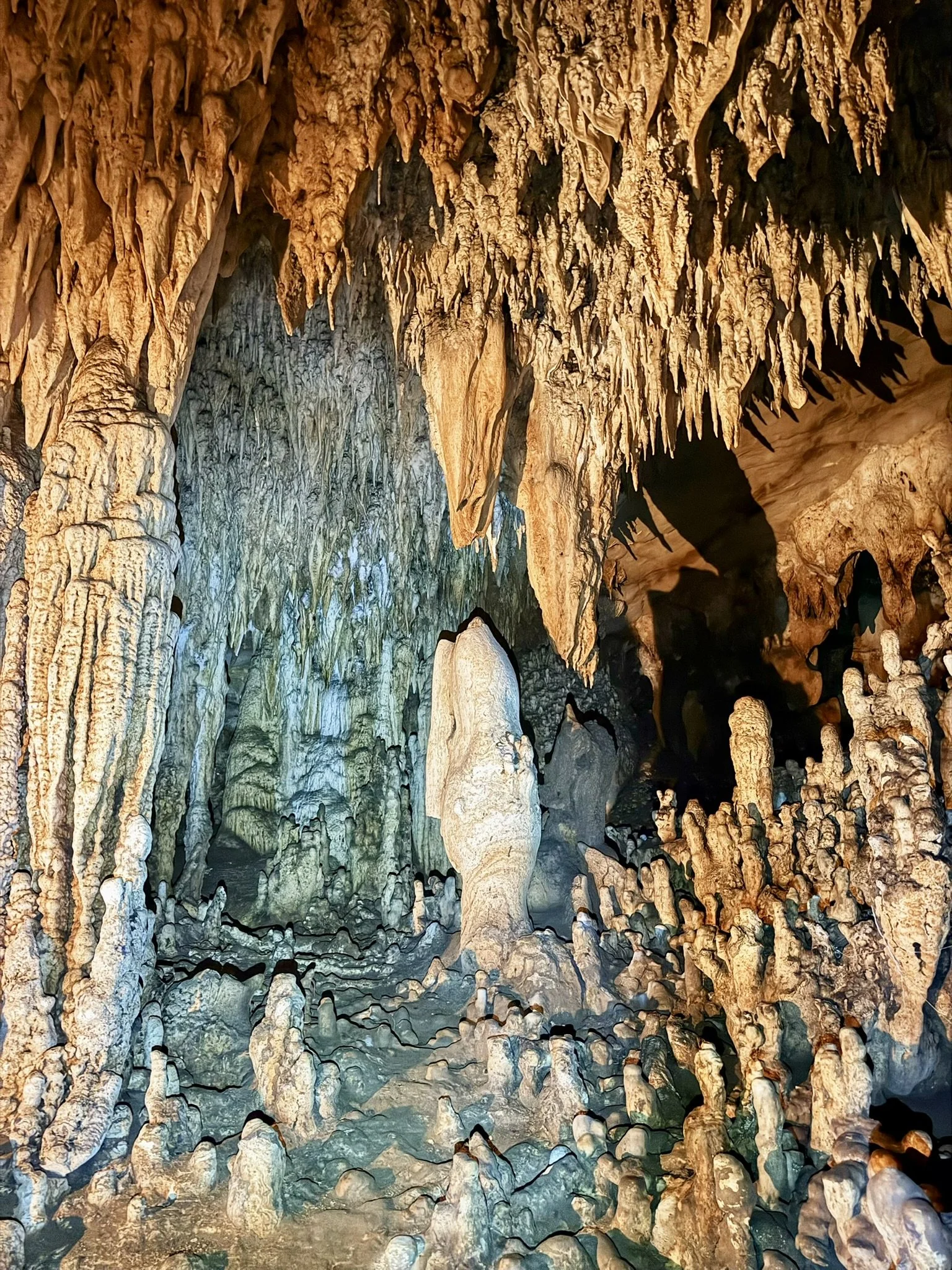
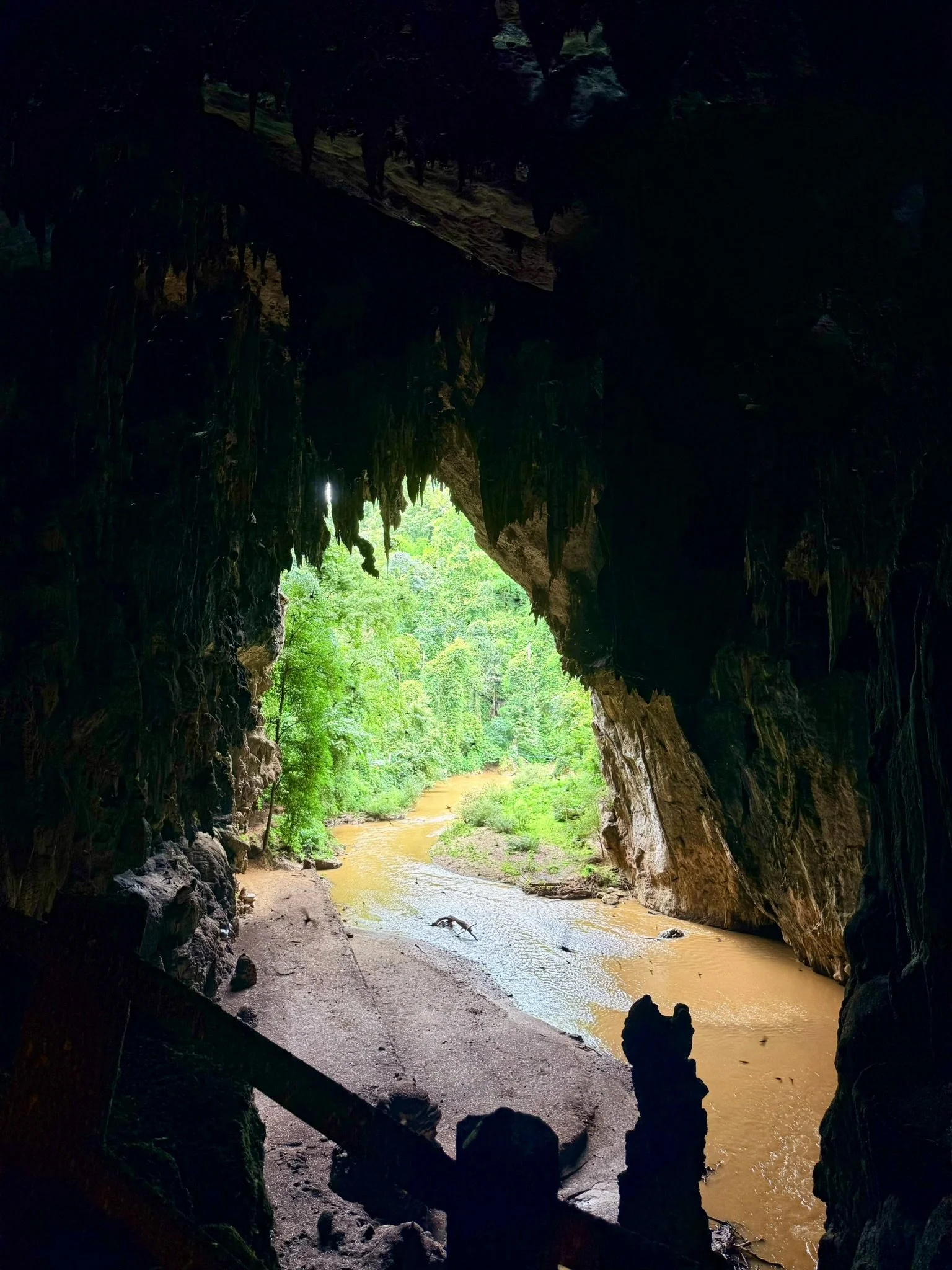
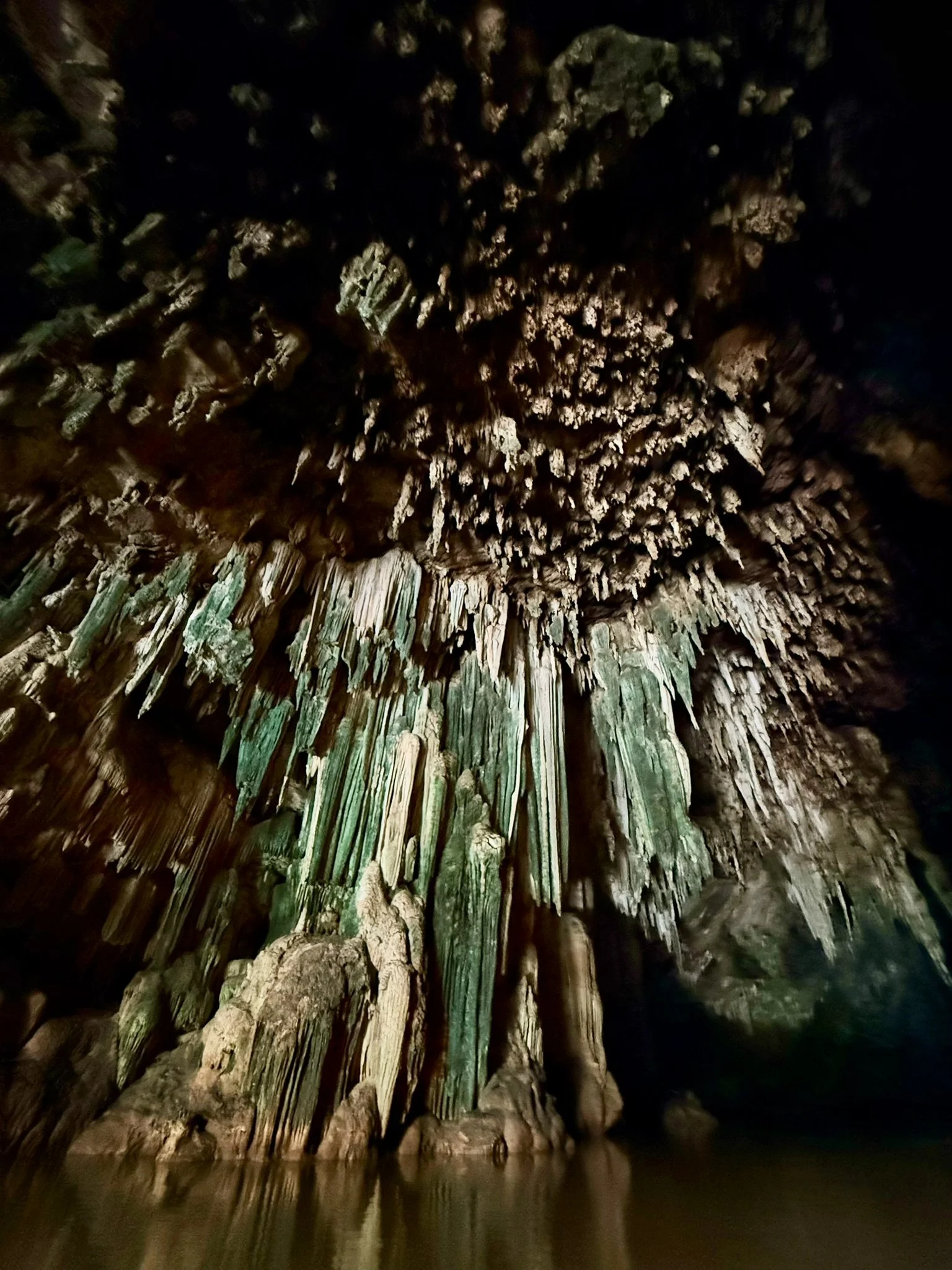
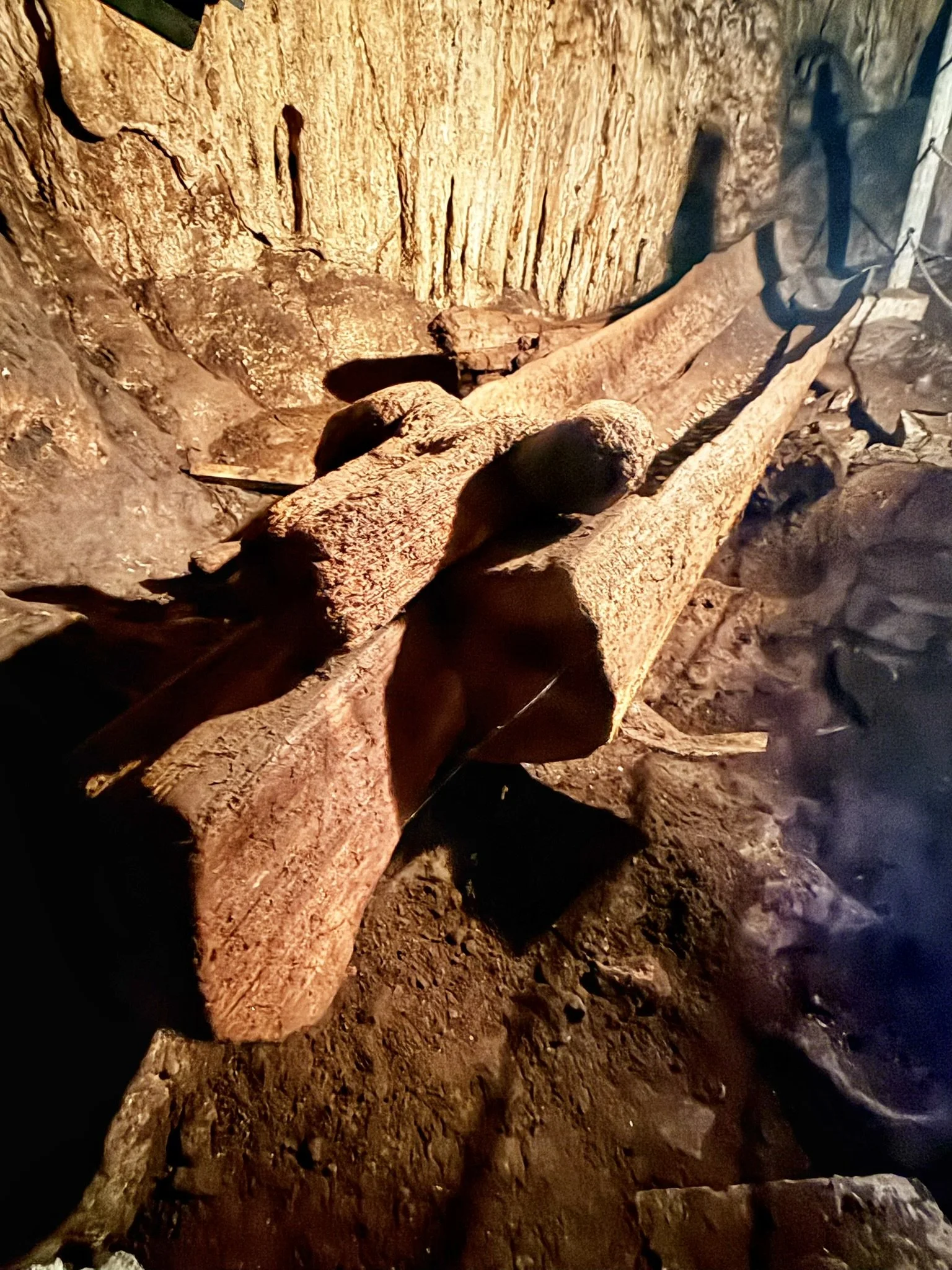
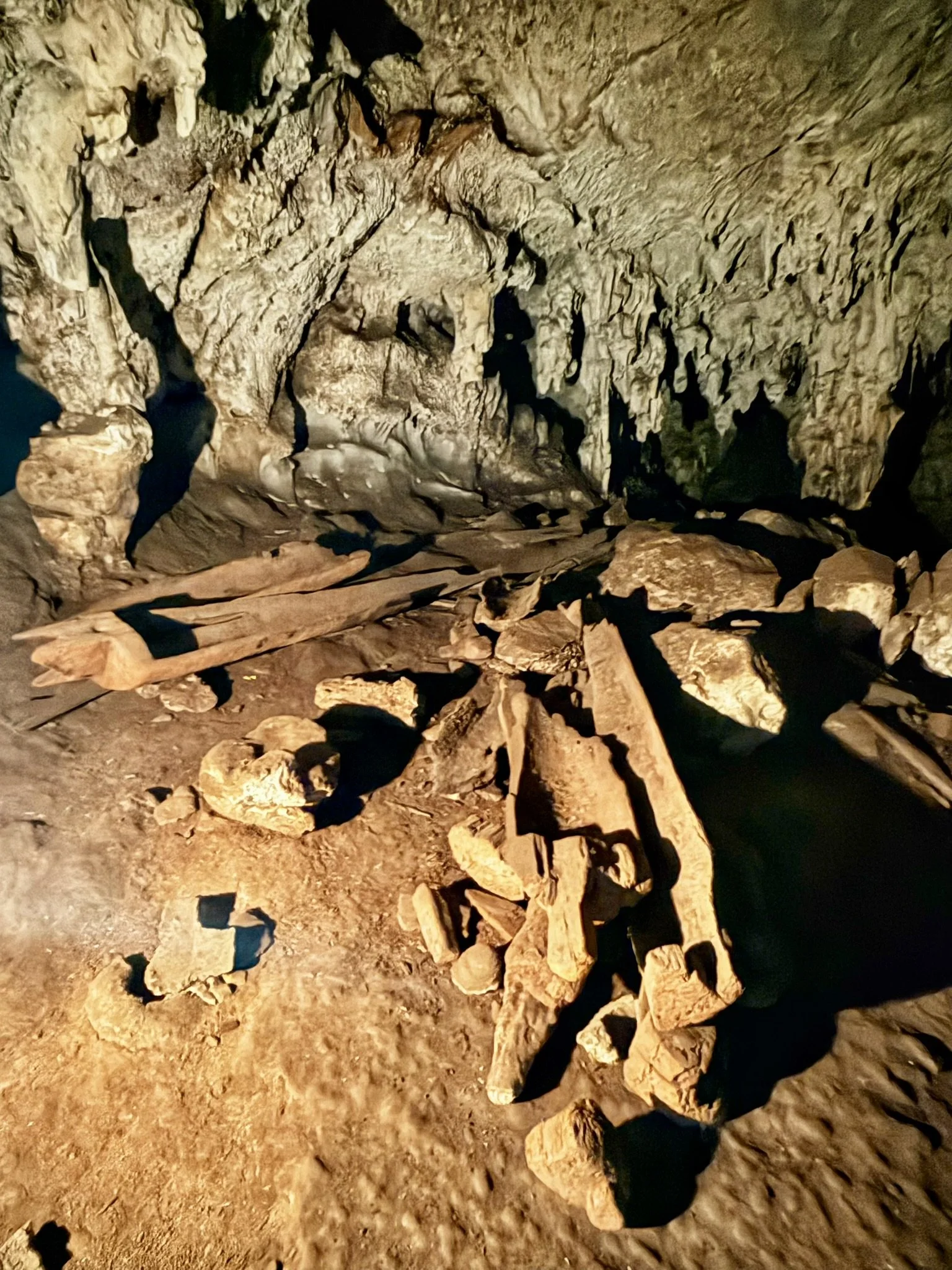
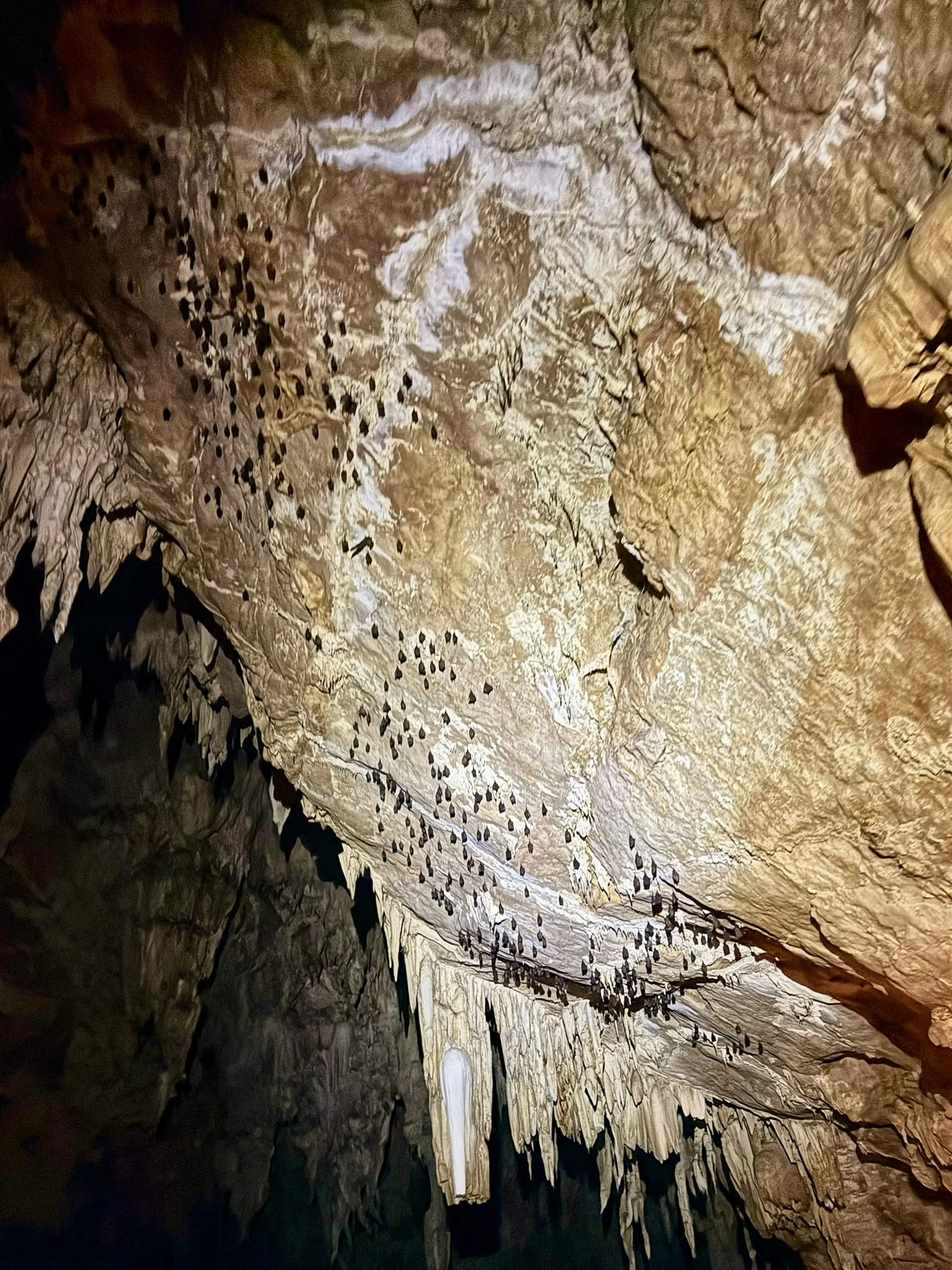
It was equal parts archaeology, nature documentary, and obstacle course.
Despite the slippery footing, bird poop, humidity, insects, and occasional claustrophobic squeezes, we highly recommend visiting Nam Lod Cave. In fact, all of those things are part of what makes it feel authentic.
This isn’t a heavily developed tourist attraction with concrete walkways and colored lights. It’s a living cave system where nature still largely dictates the terms of your visit. Come prepared, bring the right gear, and embrace getting a little dirty.
You’ll be rewarded with one of the most memorable adventures in northern Thailand.
