June 11, 2026 — Mae Hong Son Town → Ban Rak Thai → Tham Lot, Pang Mapha District
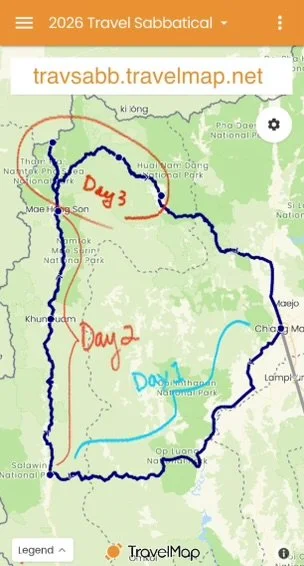
One thing we’ve learned on the Mae Hong Son Loop is that every day seems to have a completely different personality.
Yesterday was about remote mountain roads and disappearing English. Today began with a bamboo bridge, detoured through a Chinese village in Thailand, driving behind overfilled cabbage trucks, and ended in what might be the nicest place we’ve stayed on this entire trip...maybe ever!
A Bridge of Fulfilled Prayers
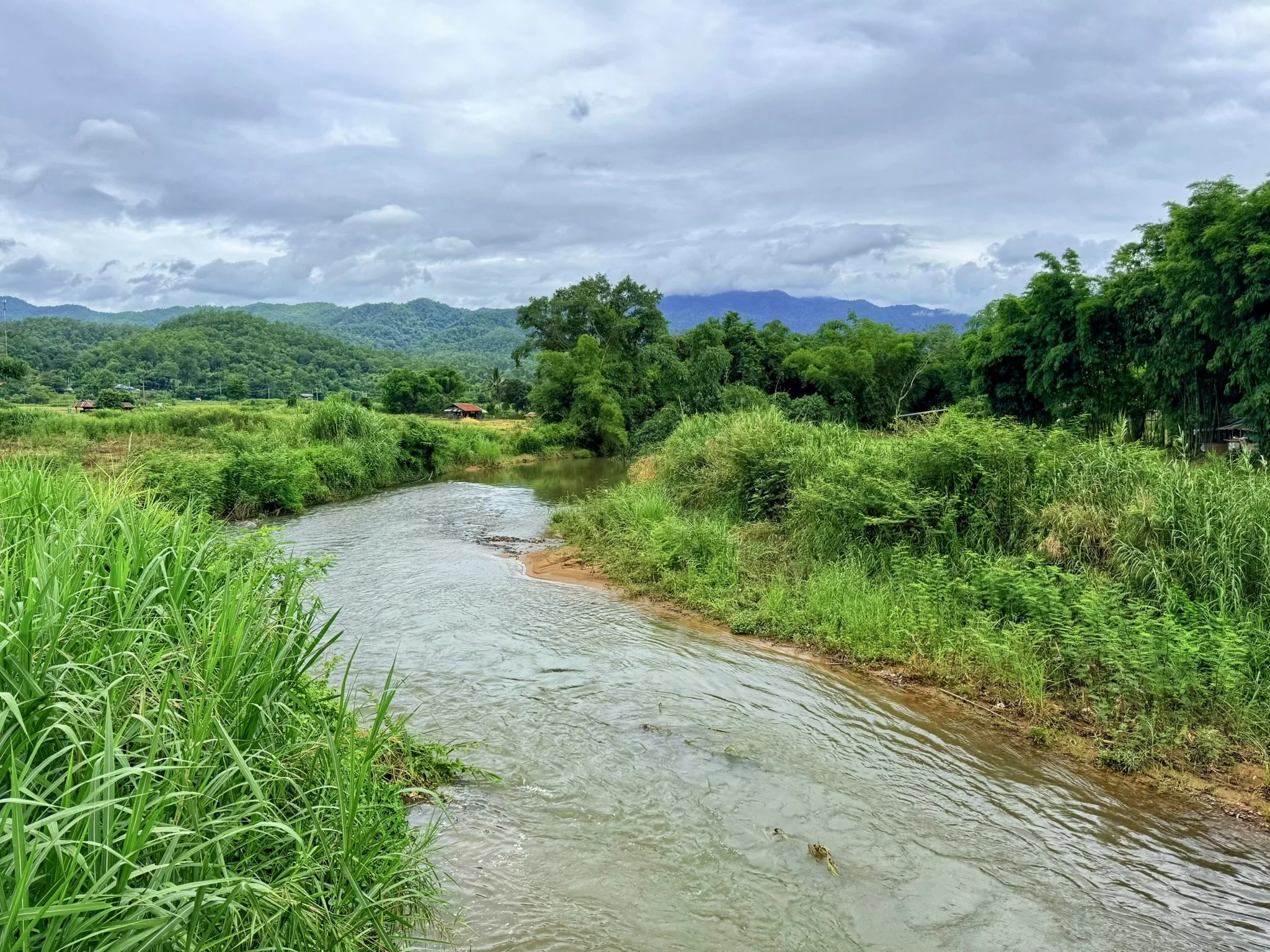
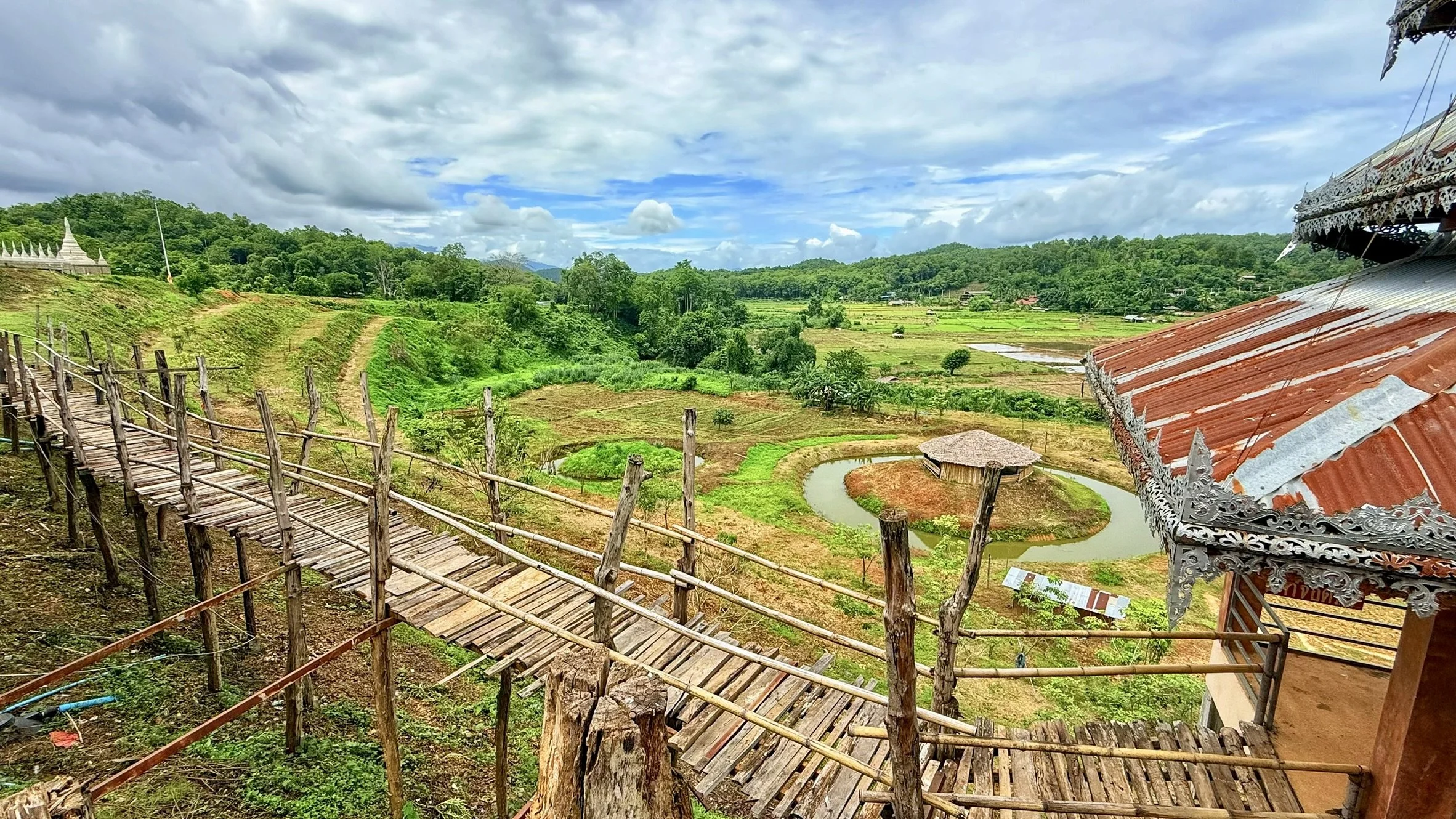
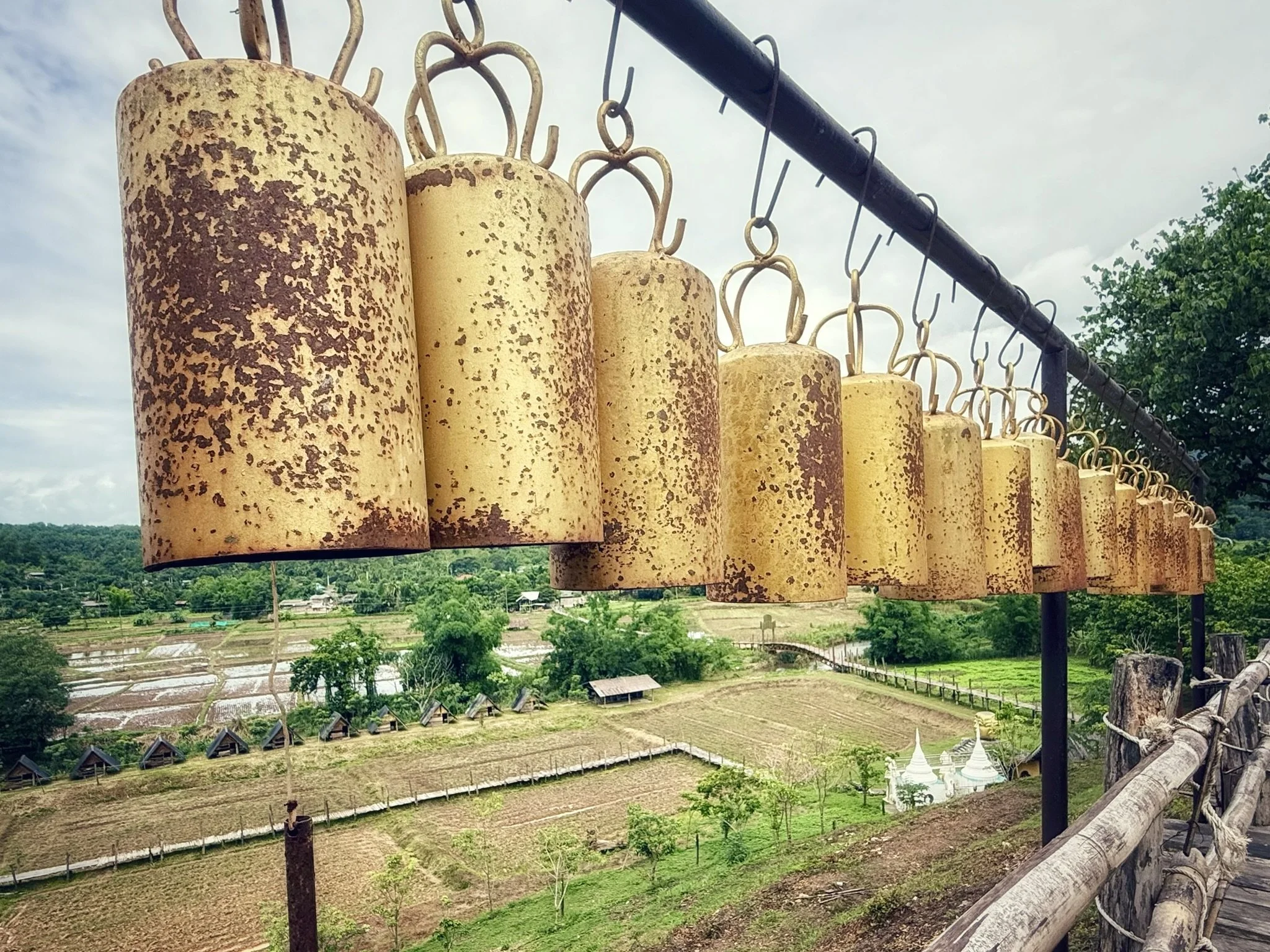
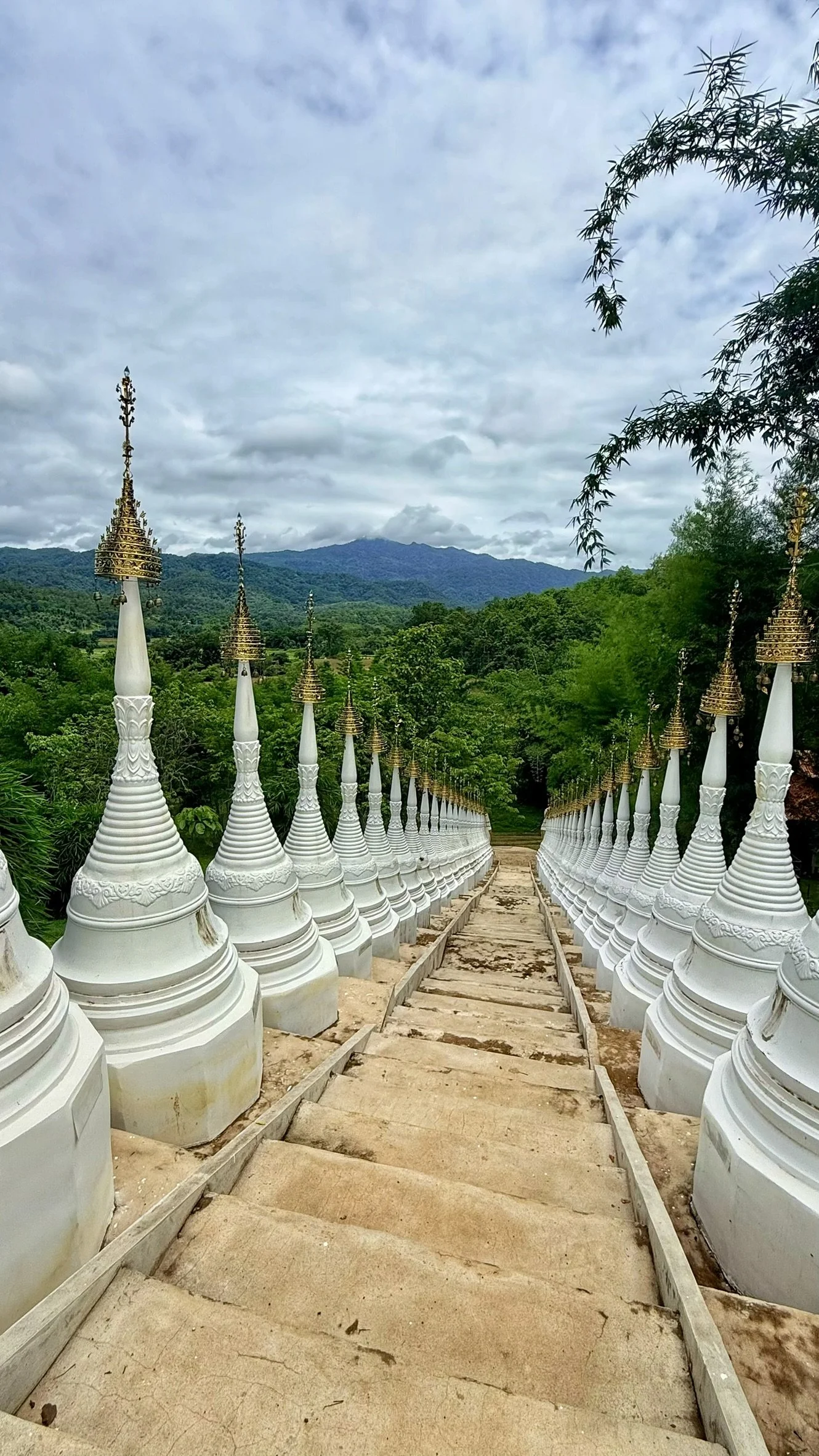
Our first stop was the Su Tong Pae Bridge, just outside Mae Hong Son town. Stretching 500 meters across rice fields and the Mae Sa Nga stream, the handmade bamboo bridge connects the village of Ban Kung Mai Sak with Wat Tham Poo Sa Ma temple on a nearby hill.
The name Su Tong Pae translates roughly to “fulfilled prayer” in the Tai Yai dialect. Local belief says that if you walk the entire bridge while making a wish, it will come true.
No wishes will be granted for us since we didn’t know this nugget of info until after we walked the bridge!
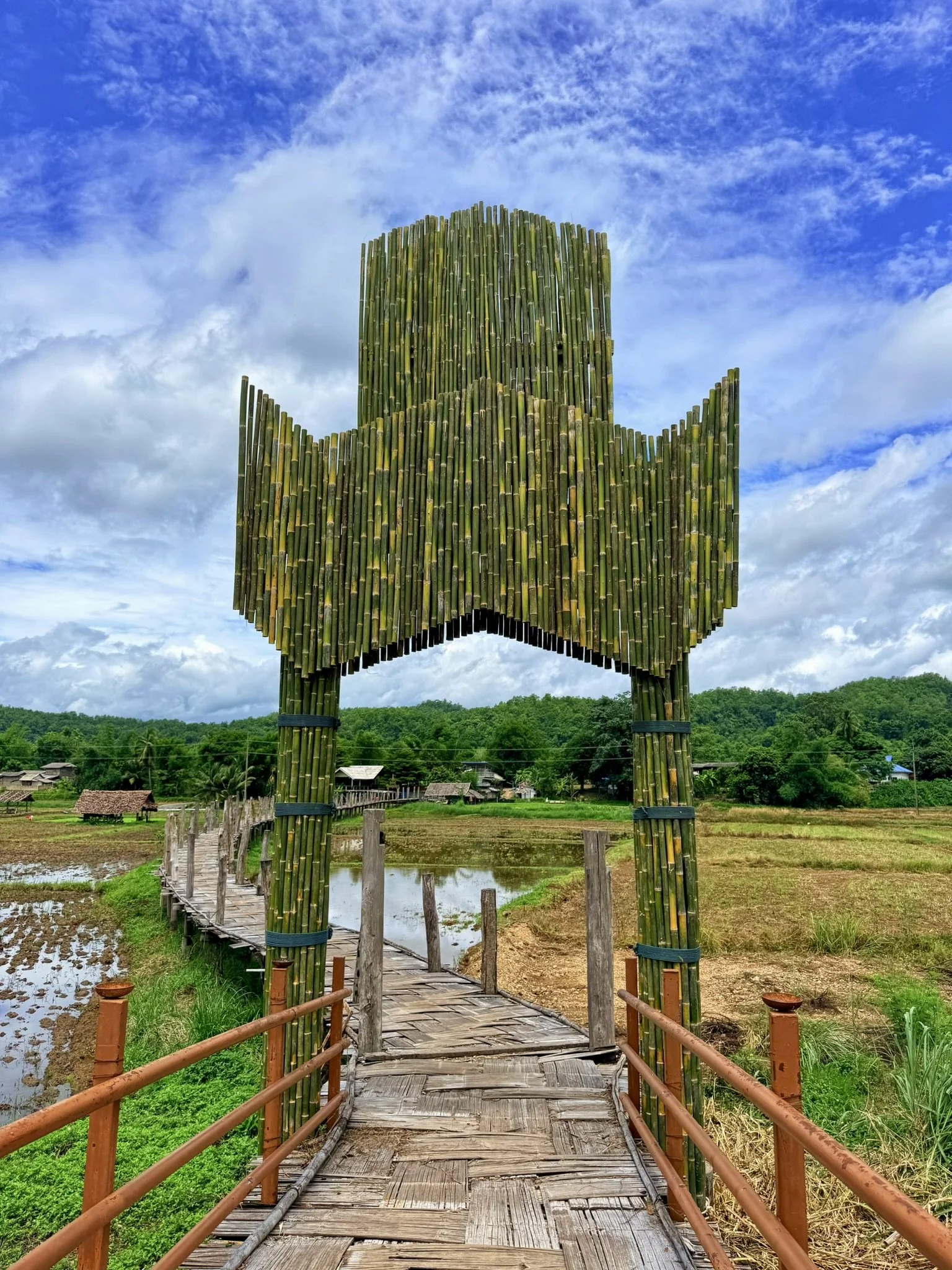
The bridge itself was beautiful, but what caught our attention most was one of the gates constructed entirely from fresh green bamboo and looked surprisingly elegant for something made from what is essentially giant grass.
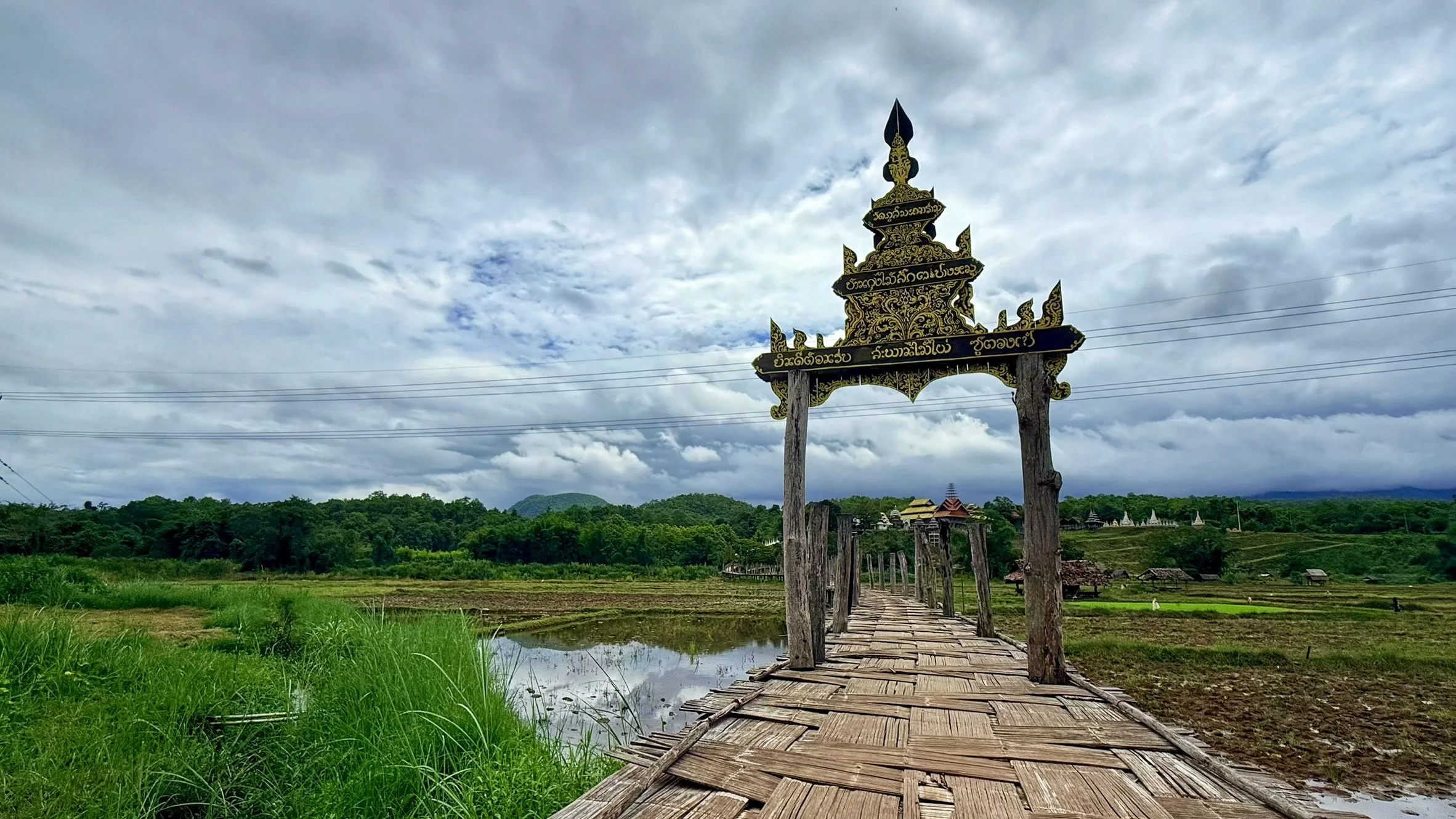
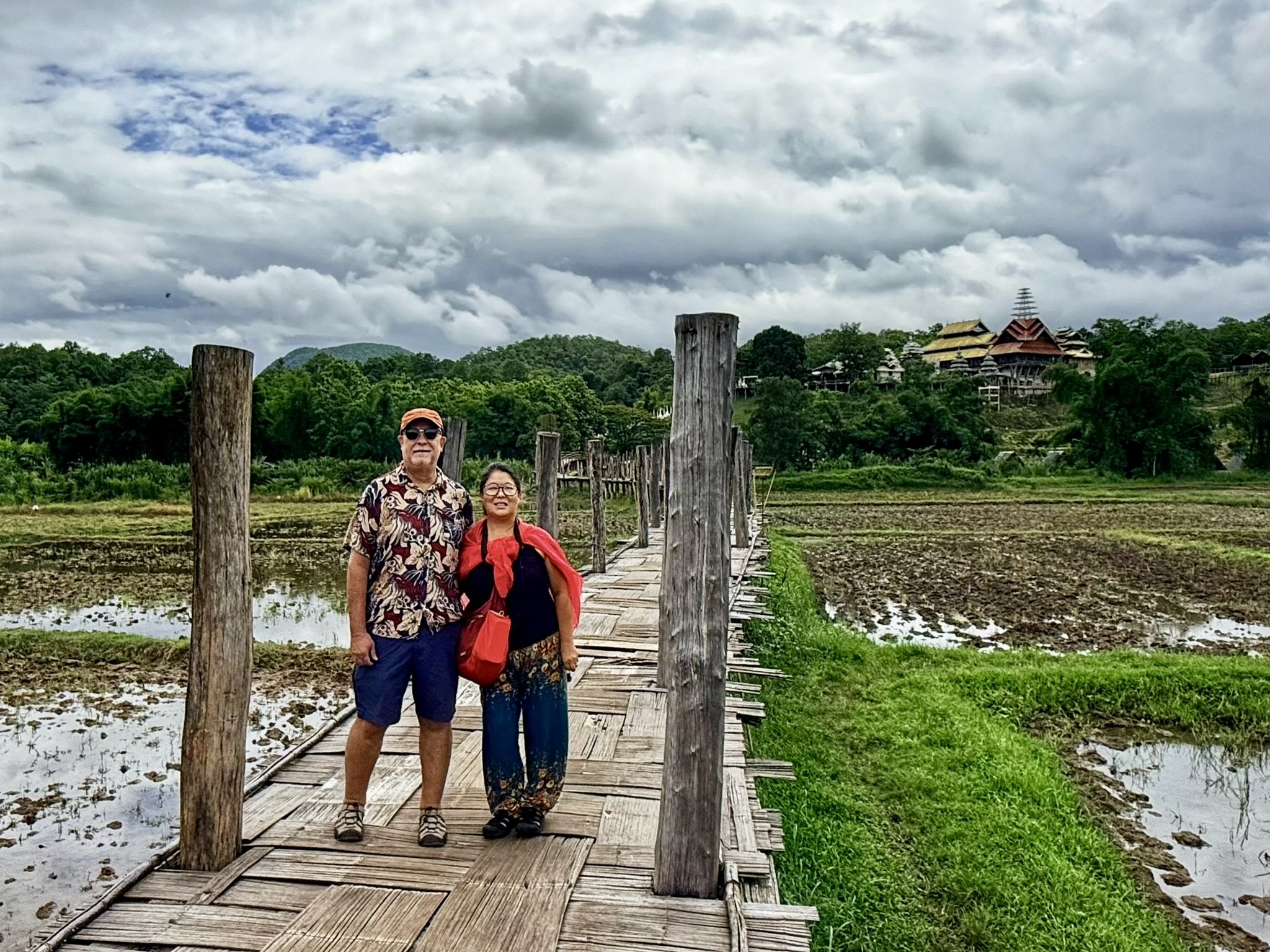
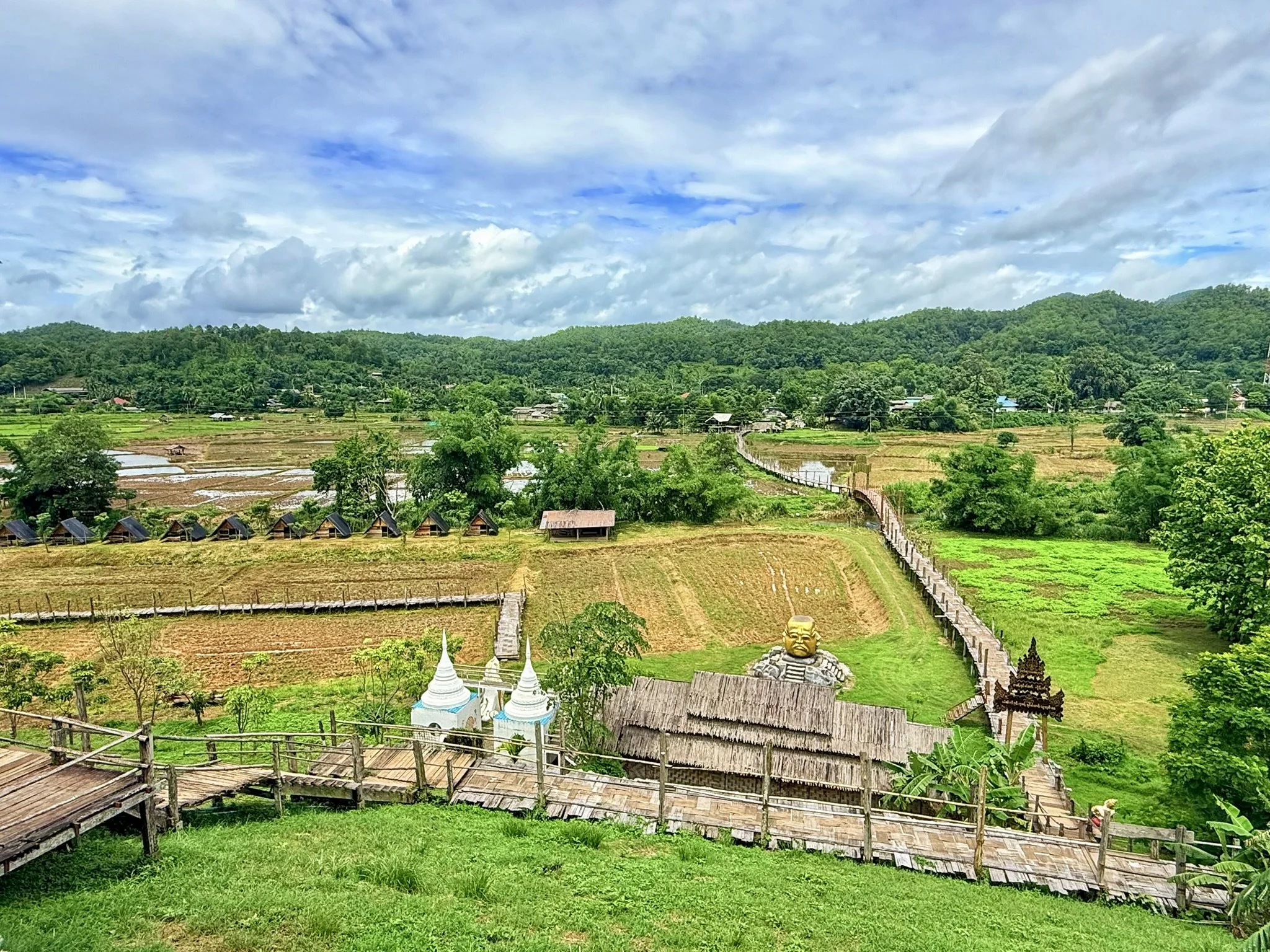
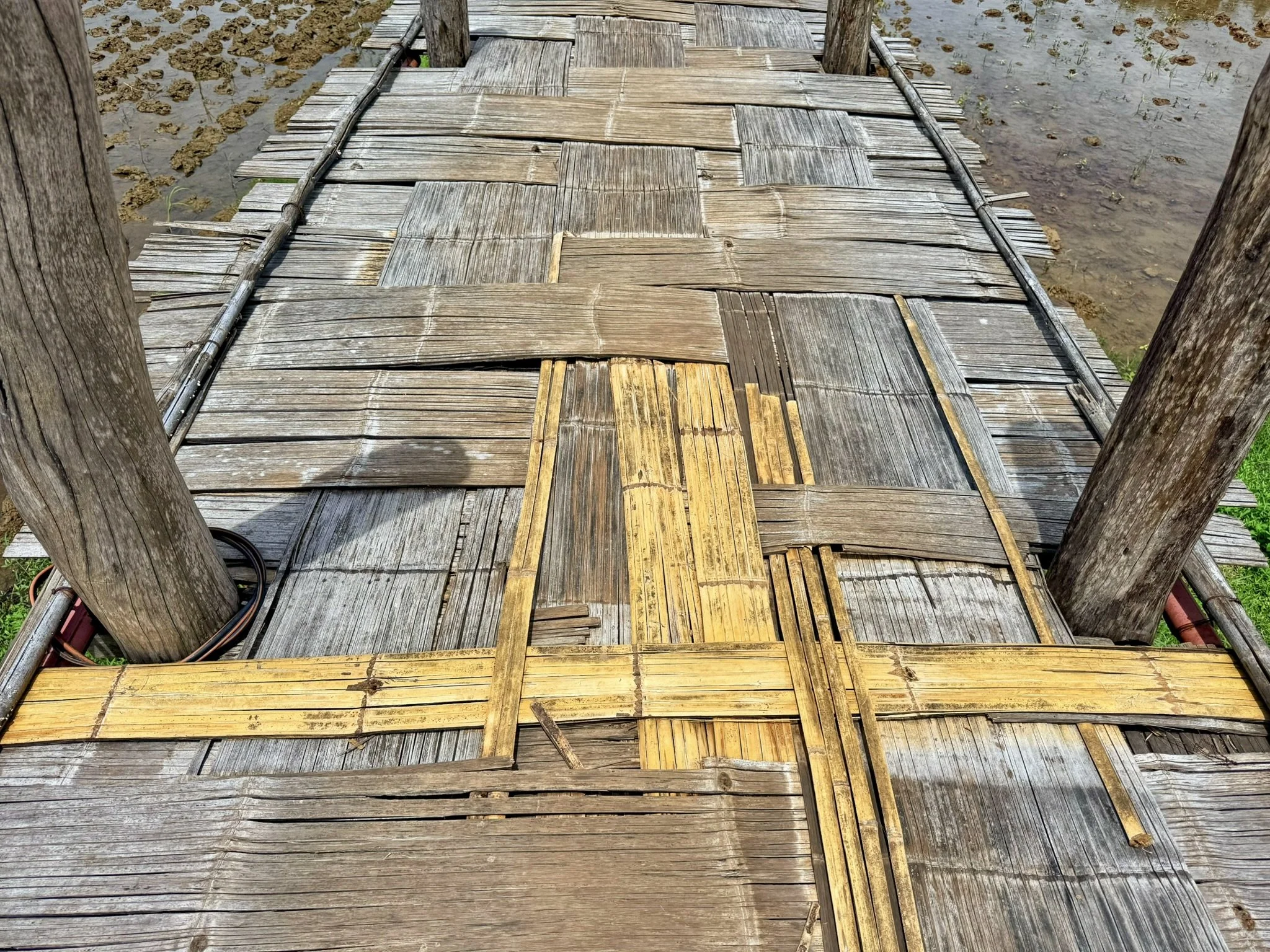
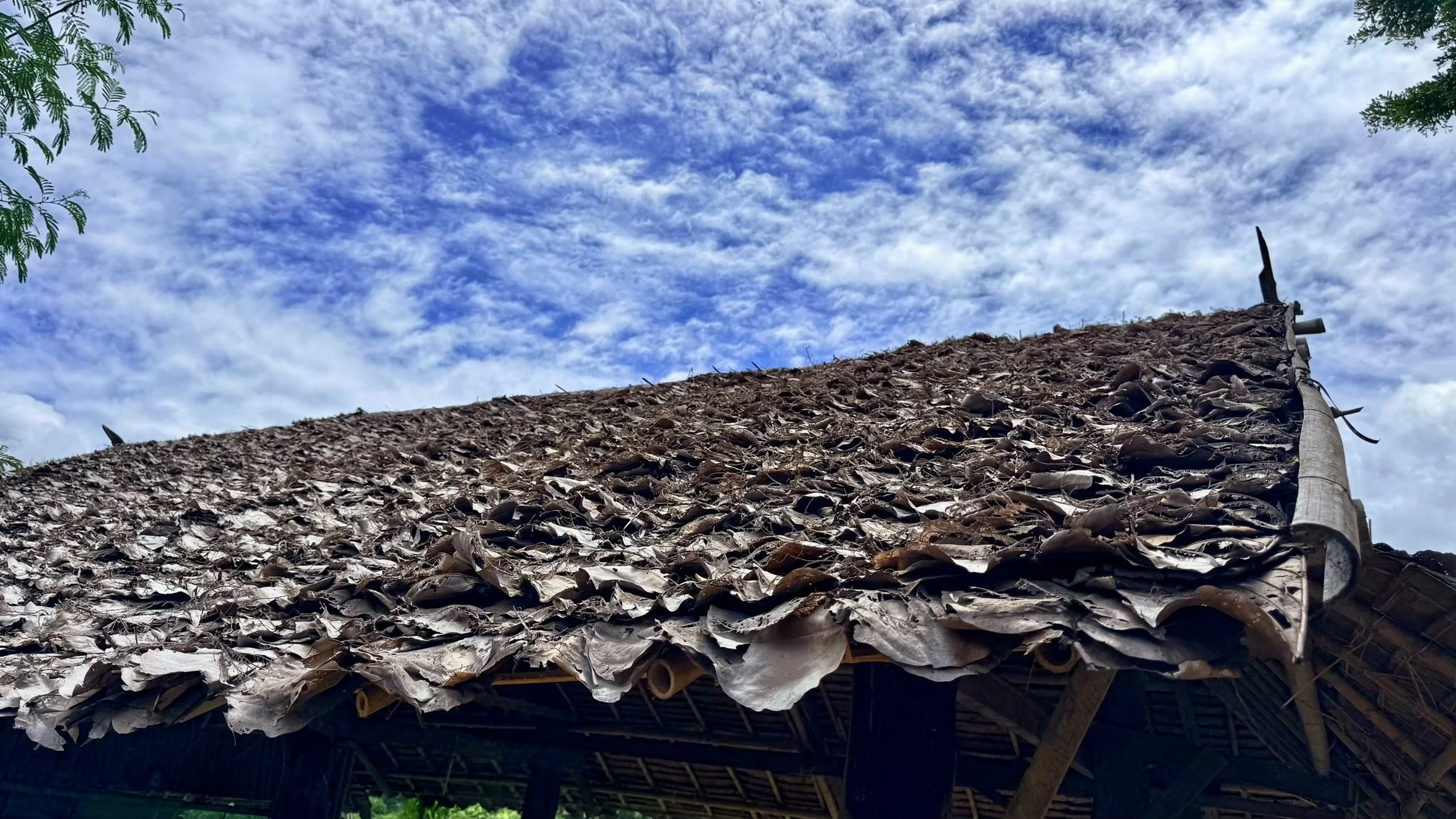
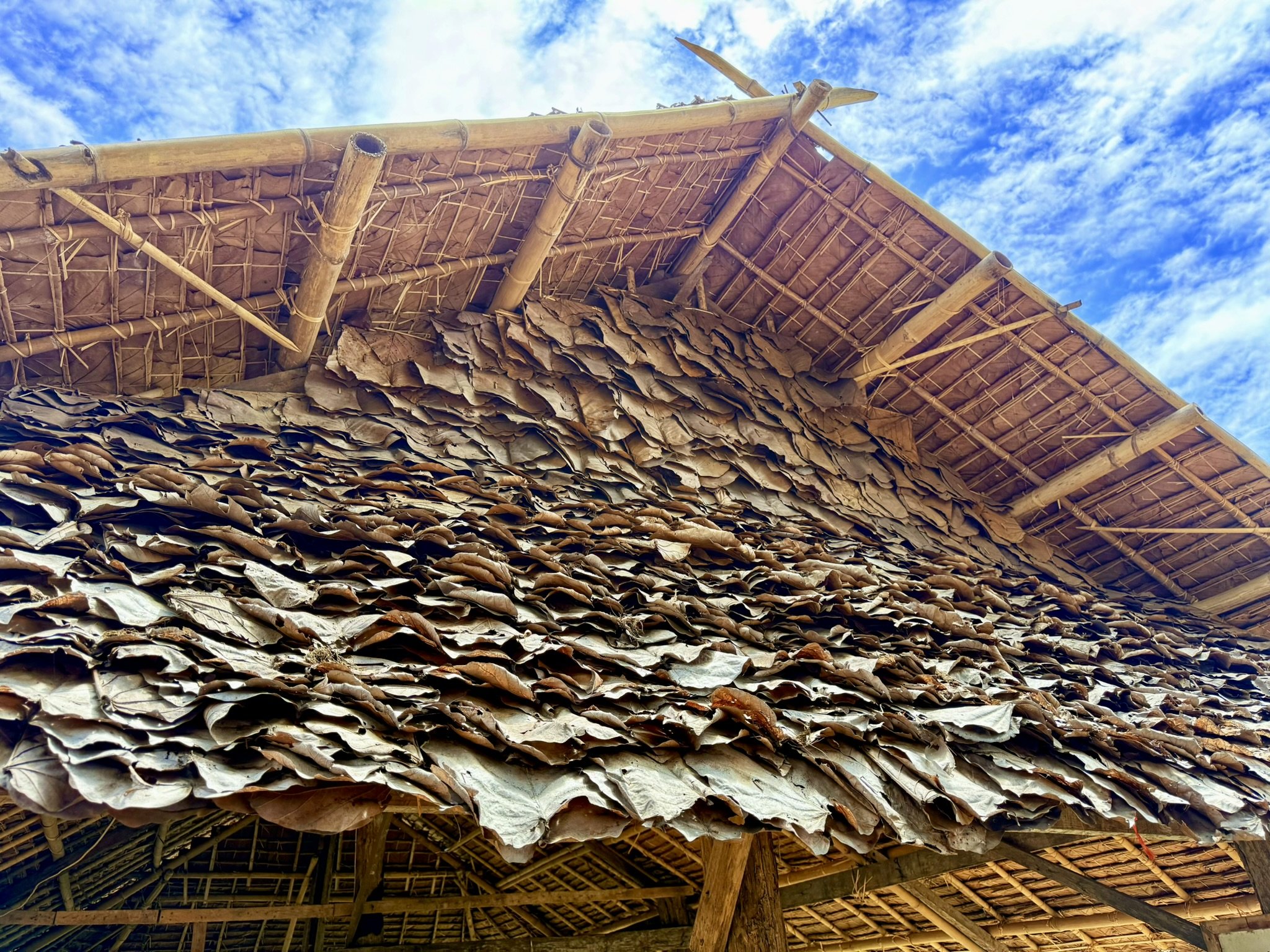
We were also in awe of the thatched roofs made of large dried teak tree leaves. They are naturally waterproof and are shingled with bamboo strips as roofing in northern Thailand. Amazing.
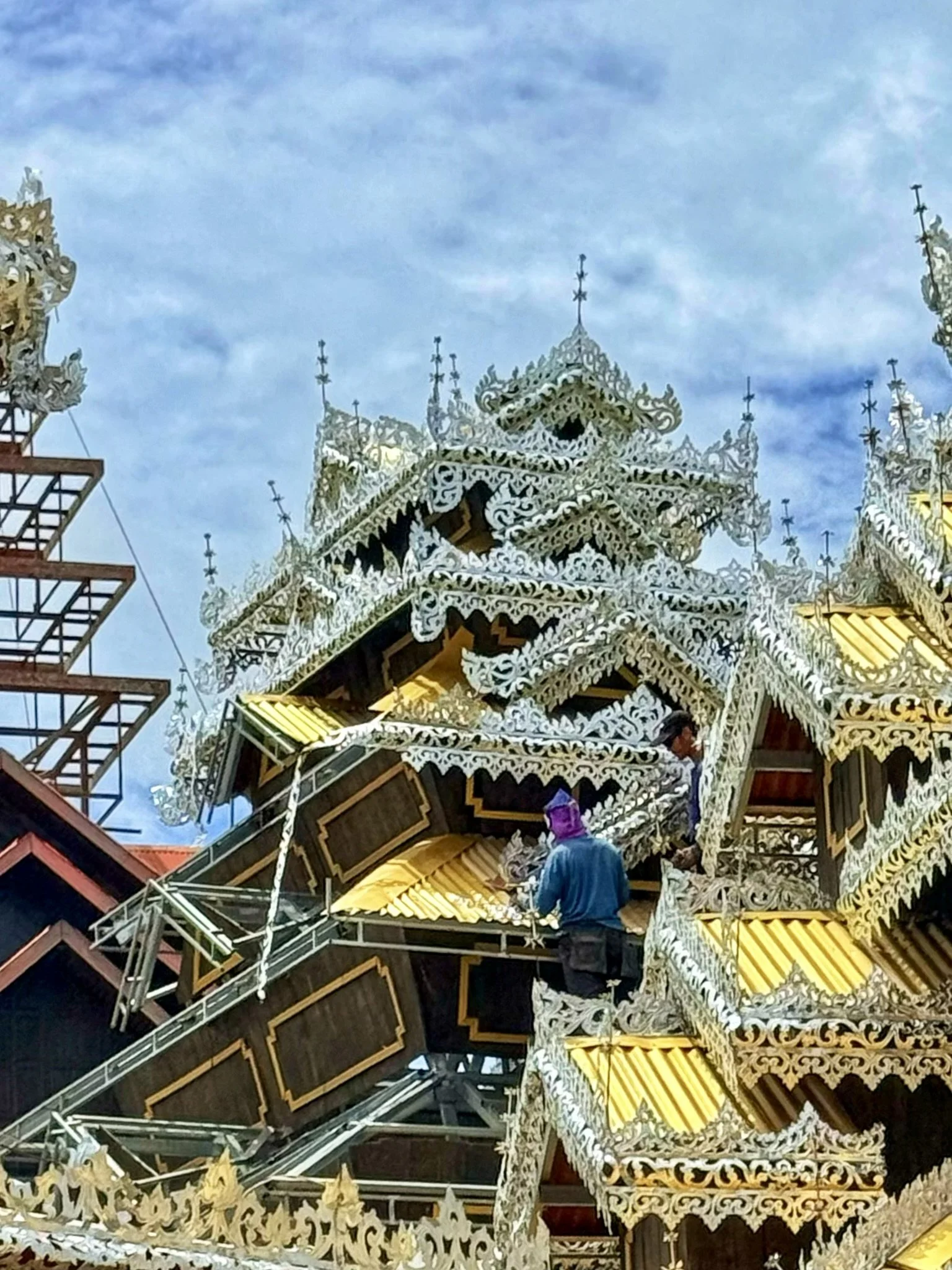
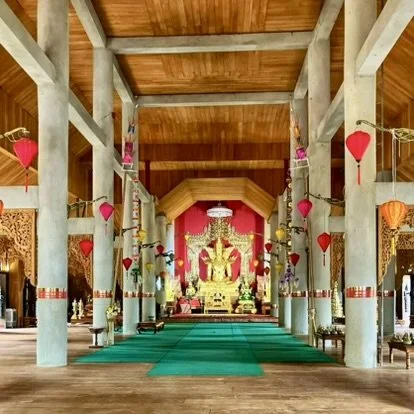
The temple was also buzzing with maintenance activity. We watched workers installing intricate silver decorative elements beneath the roof eaves while other repairs were underway. Traveling during the low season often means fewer crowds, but it also means seeing places in the middle of their annual refresh before visitors return.
Ban Rak Thai: China, Reimagined for Tourists
From there we drove north to Ban Rak Thai, close to the Myanmar border, for lunch.
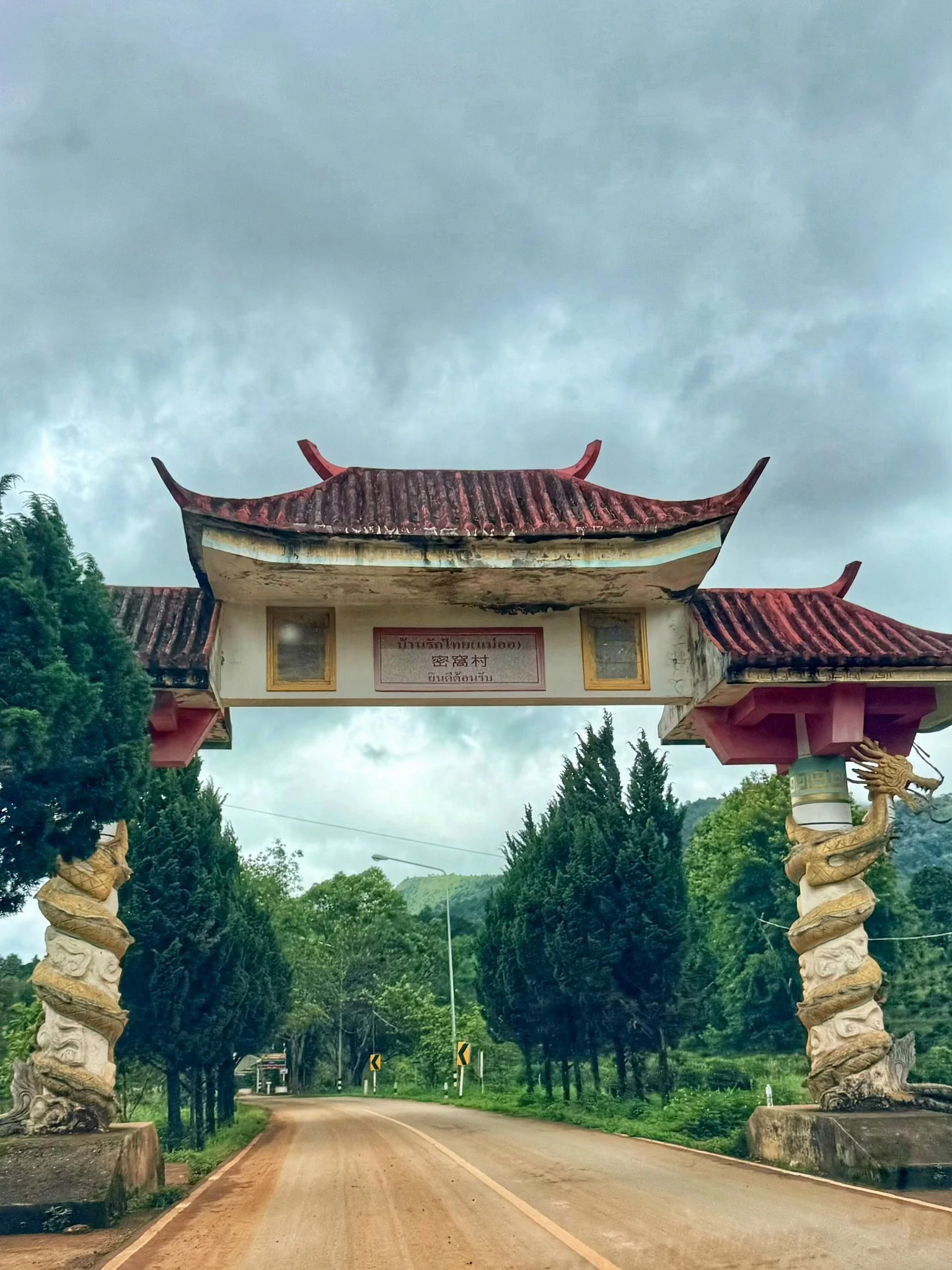
Ban Rak Thai was founded by Kuomintang soldiers who fled China after the Communist Revolution in 1949 and eventually settled along the Thai-Myanmar border. Over time, many families received Thai citizenship, and the village later shifted from opium cultivation (heard of the Golden Triangle?!) to tea production through Royal Development Projects.
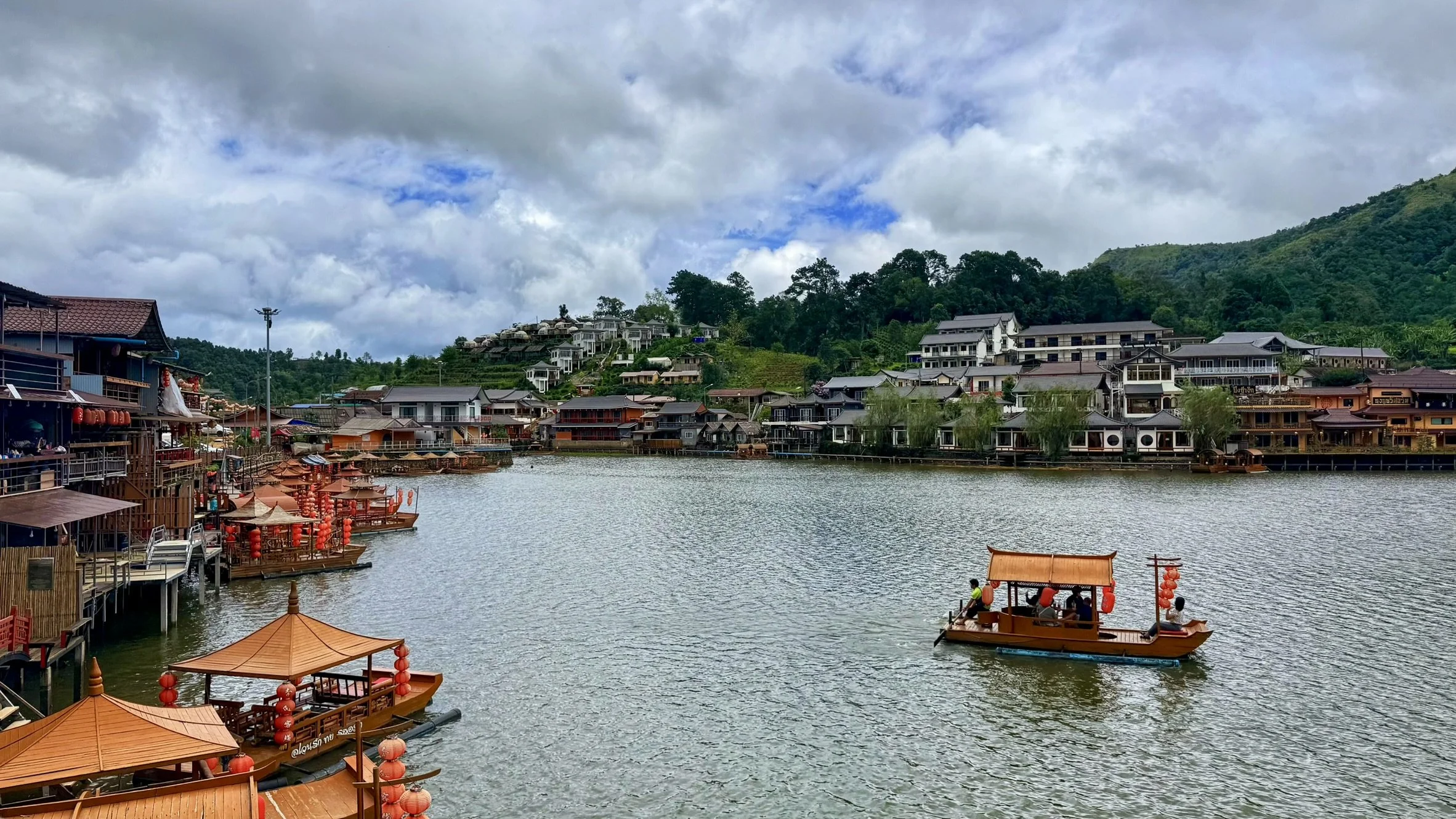
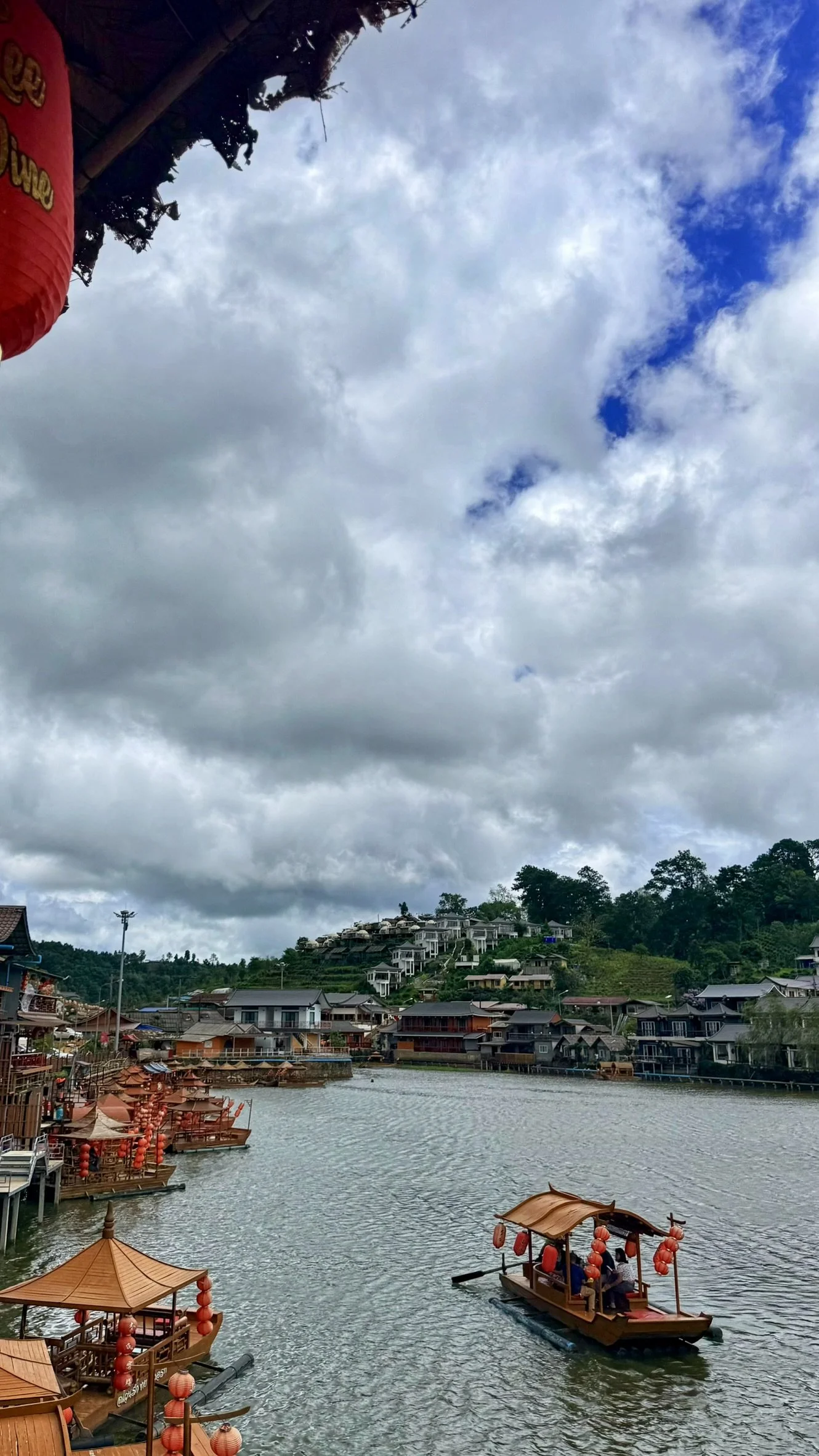
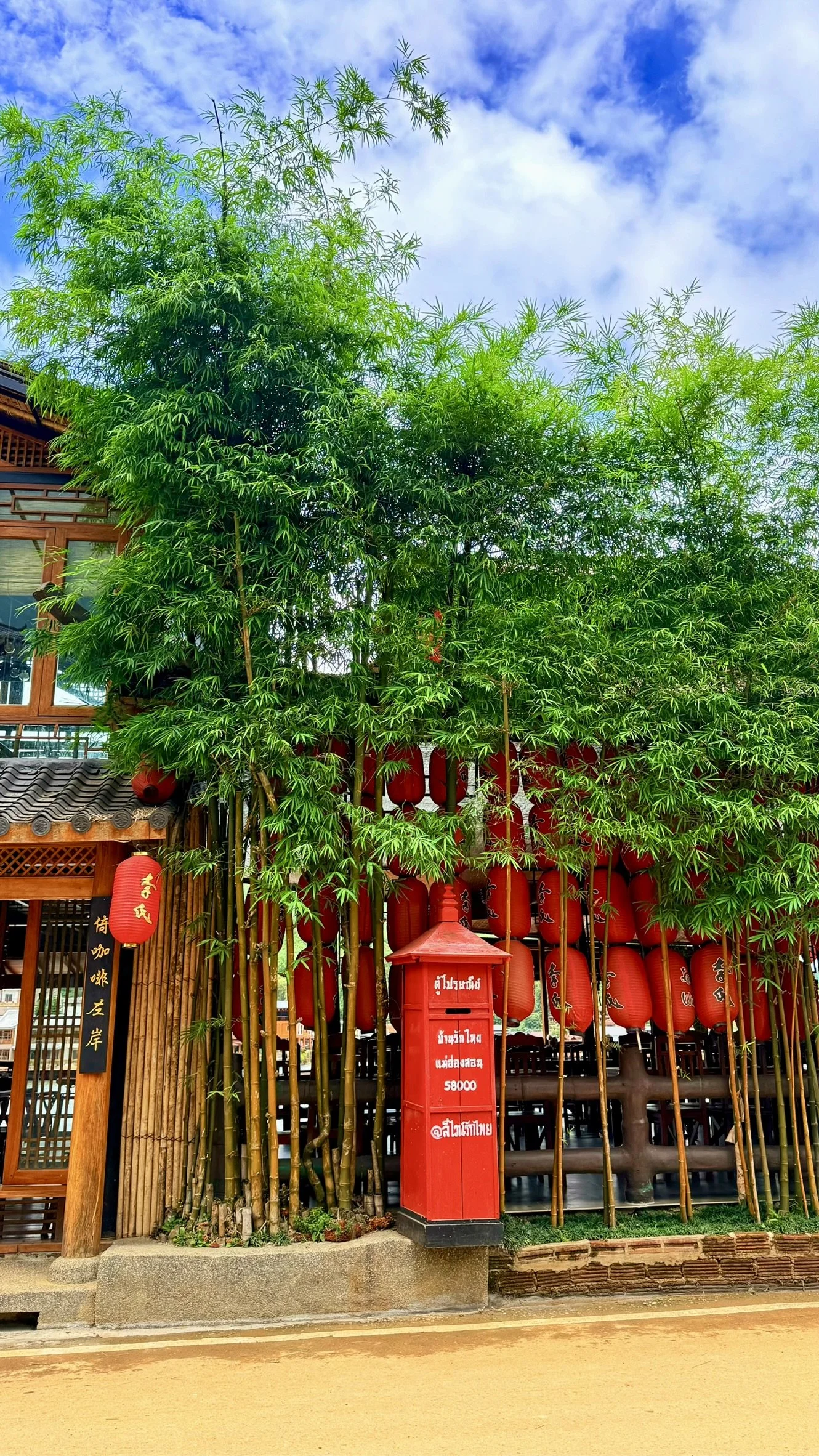
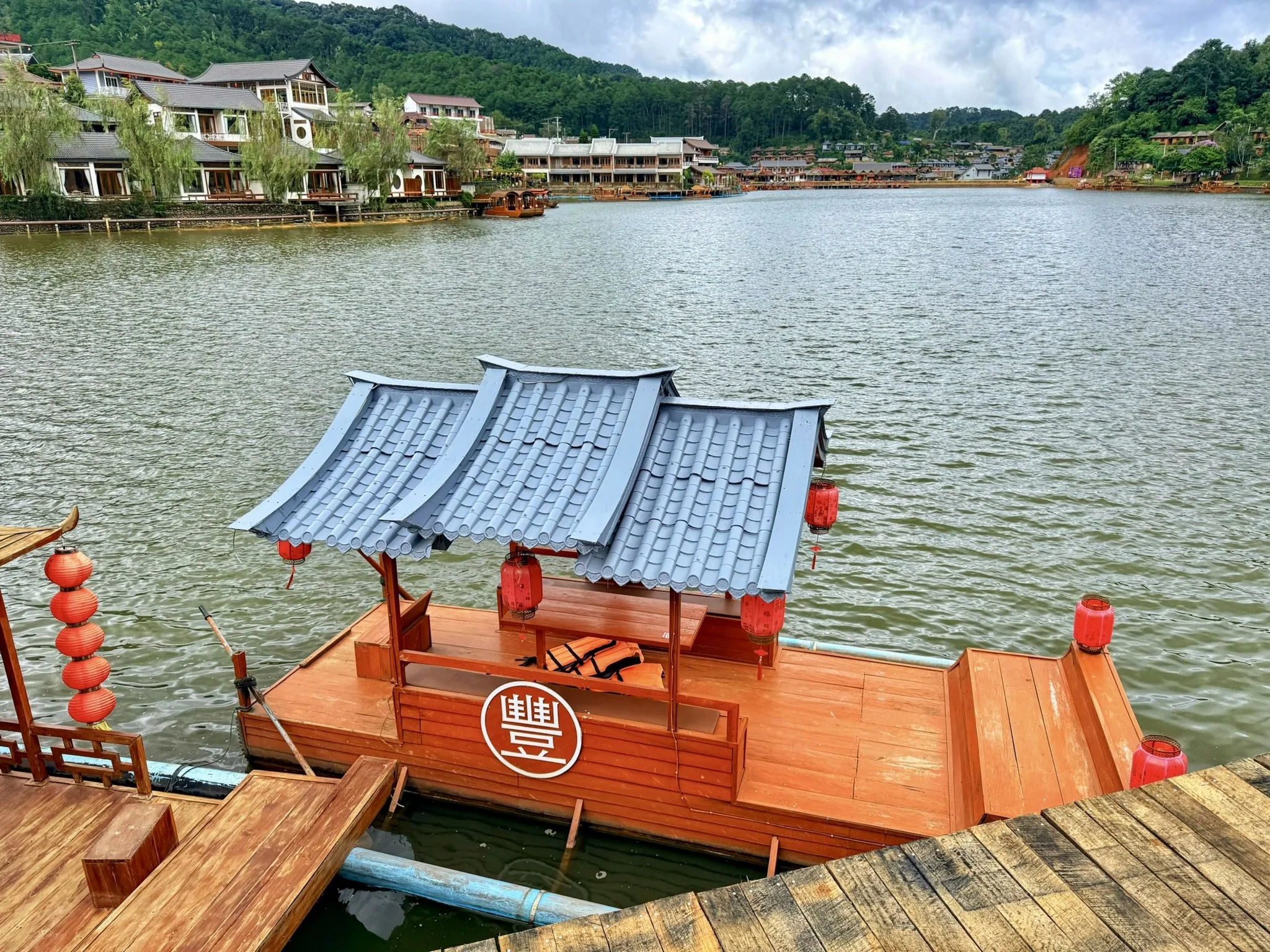
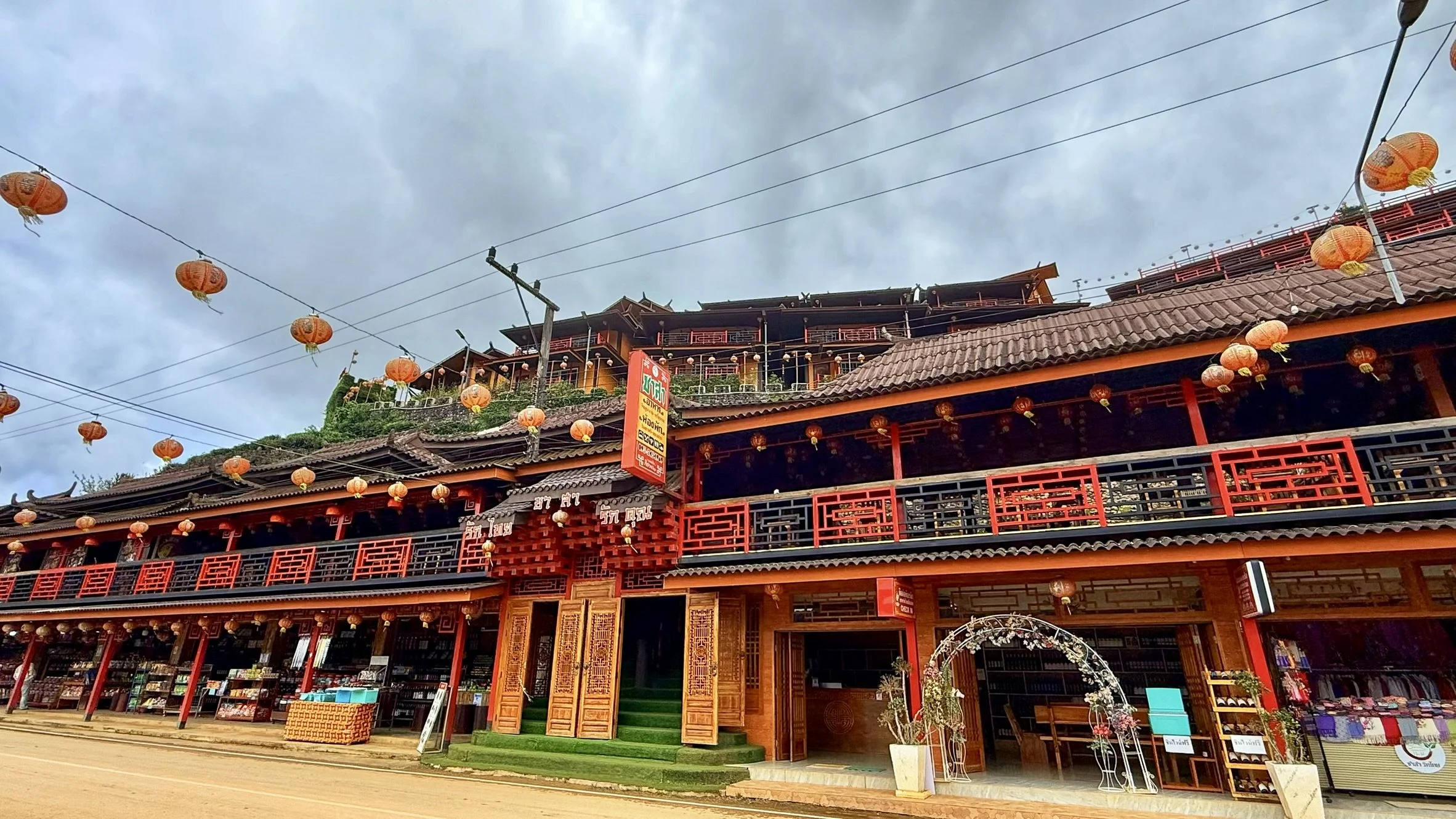
Today, that history forms the backdrop for a village that feels very much like a Chinese tourist destination. Around a man-made lake sits a carefully curated collection of Yunnan-style buildings, tea shops, restaurants, rental boats, and endless photo opportunities. Everything feels intentionally designed, manufactured, and optimized for tourism.
That’s not necessarily a criticism. It just wasn’t really our thing.
The tea, however, absolutely was.
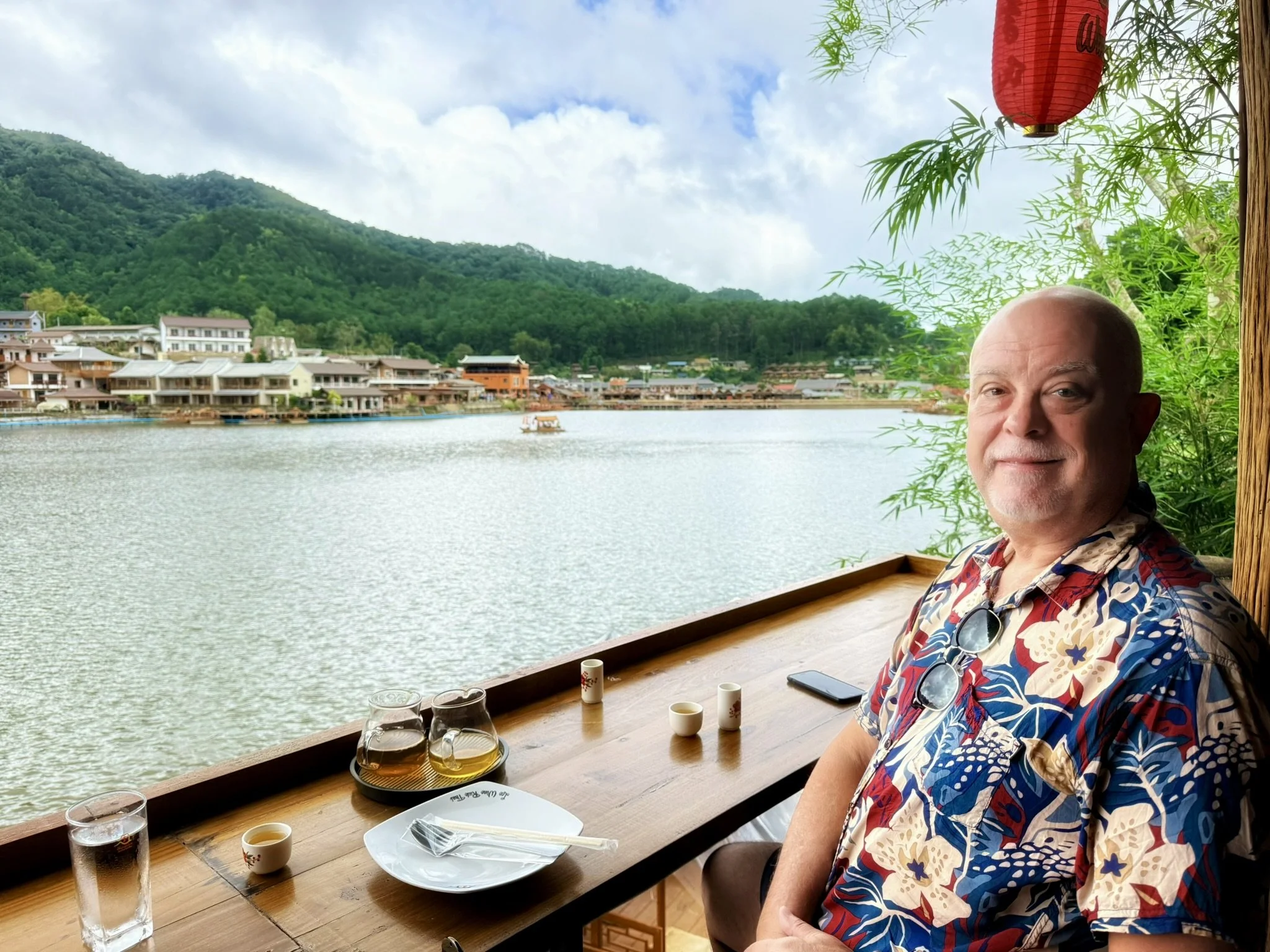
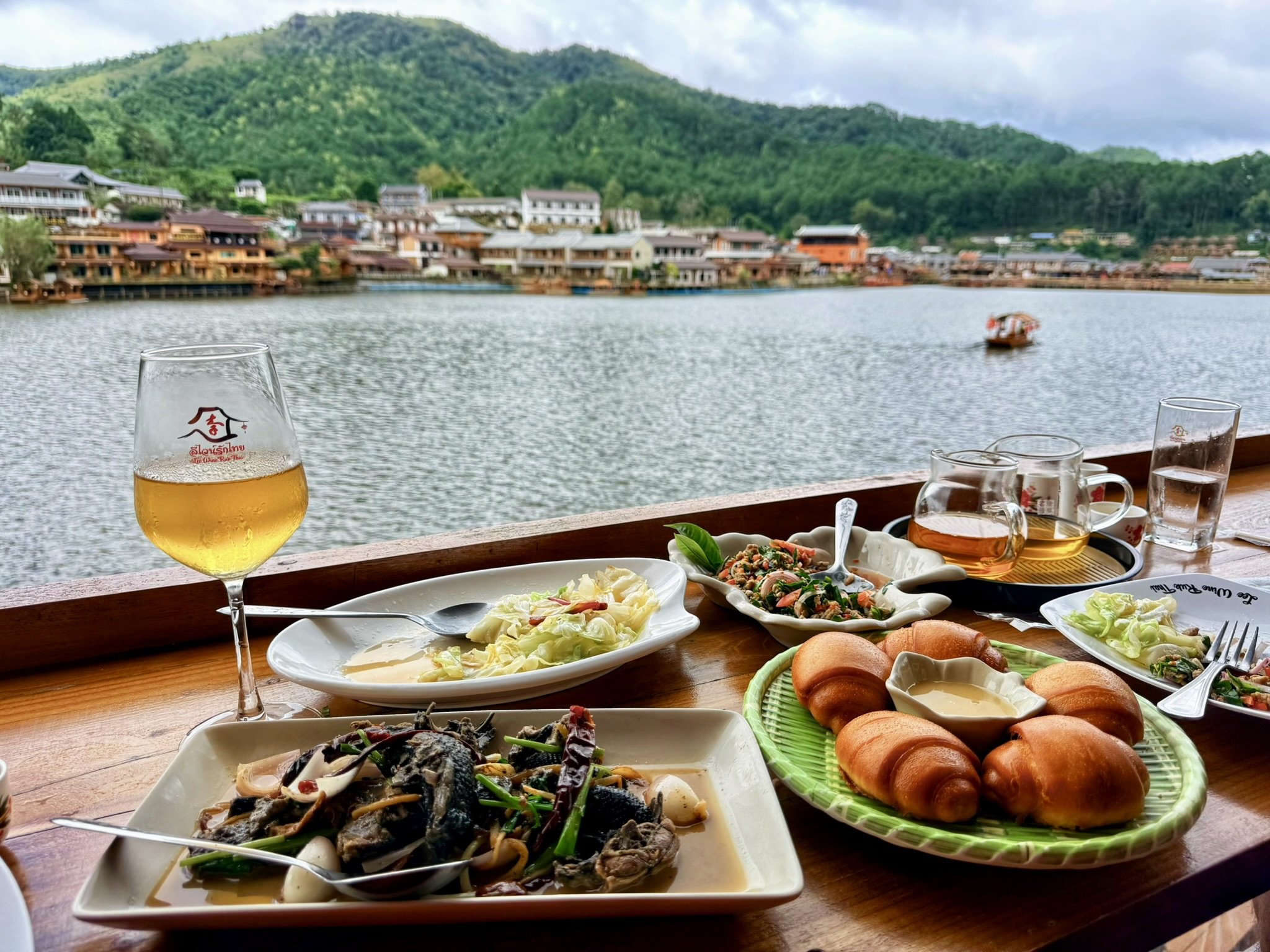
We sampled several locally grown varieties, all fragrant, smooth, and surprisingly complex. If Ban Rak Thai has one attraction worth lingering over, it’s the tea. The region’s cool climate and mountain terrain have clearly created ideal growing conditions.
Cabbage Trucks
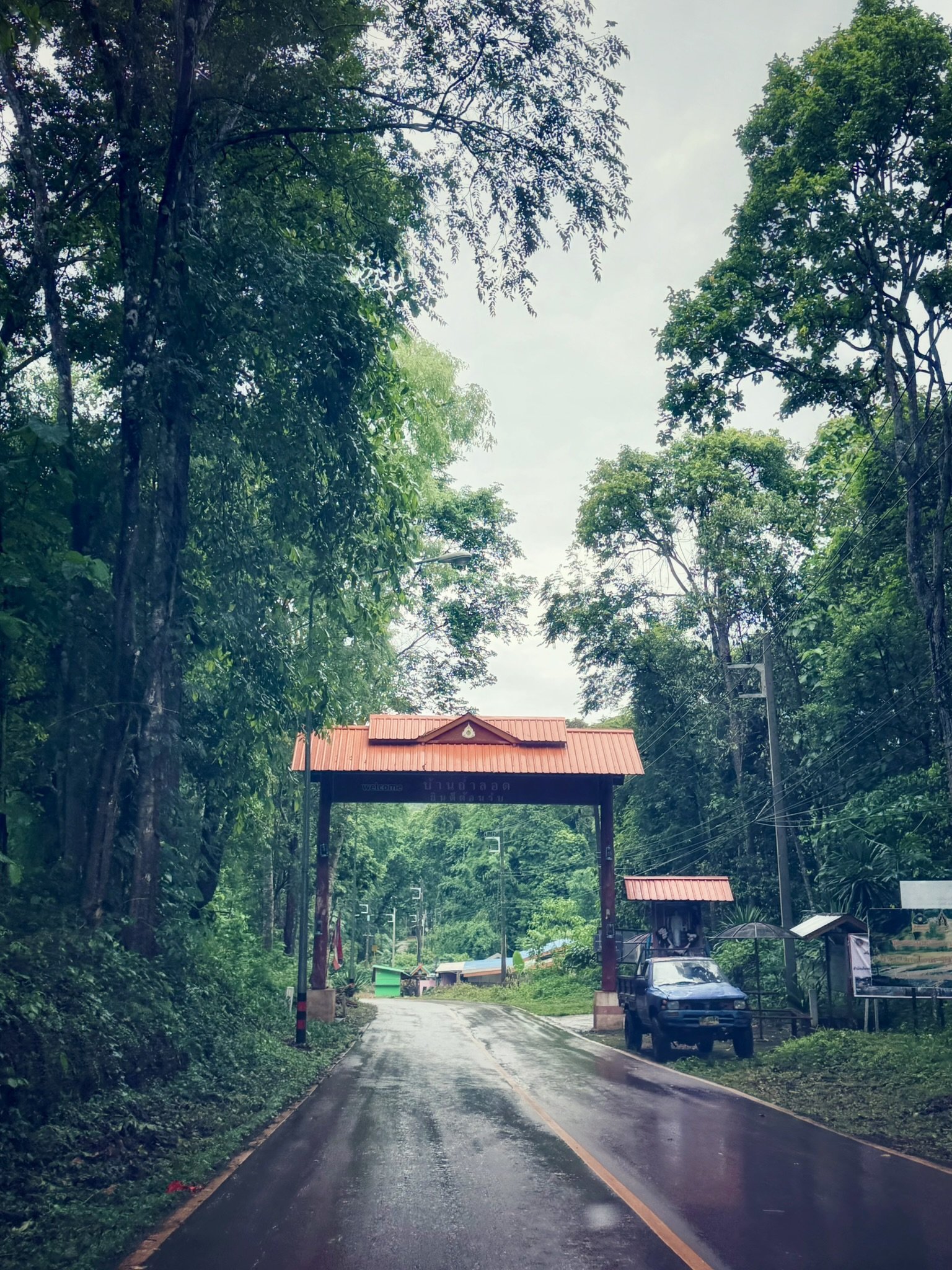
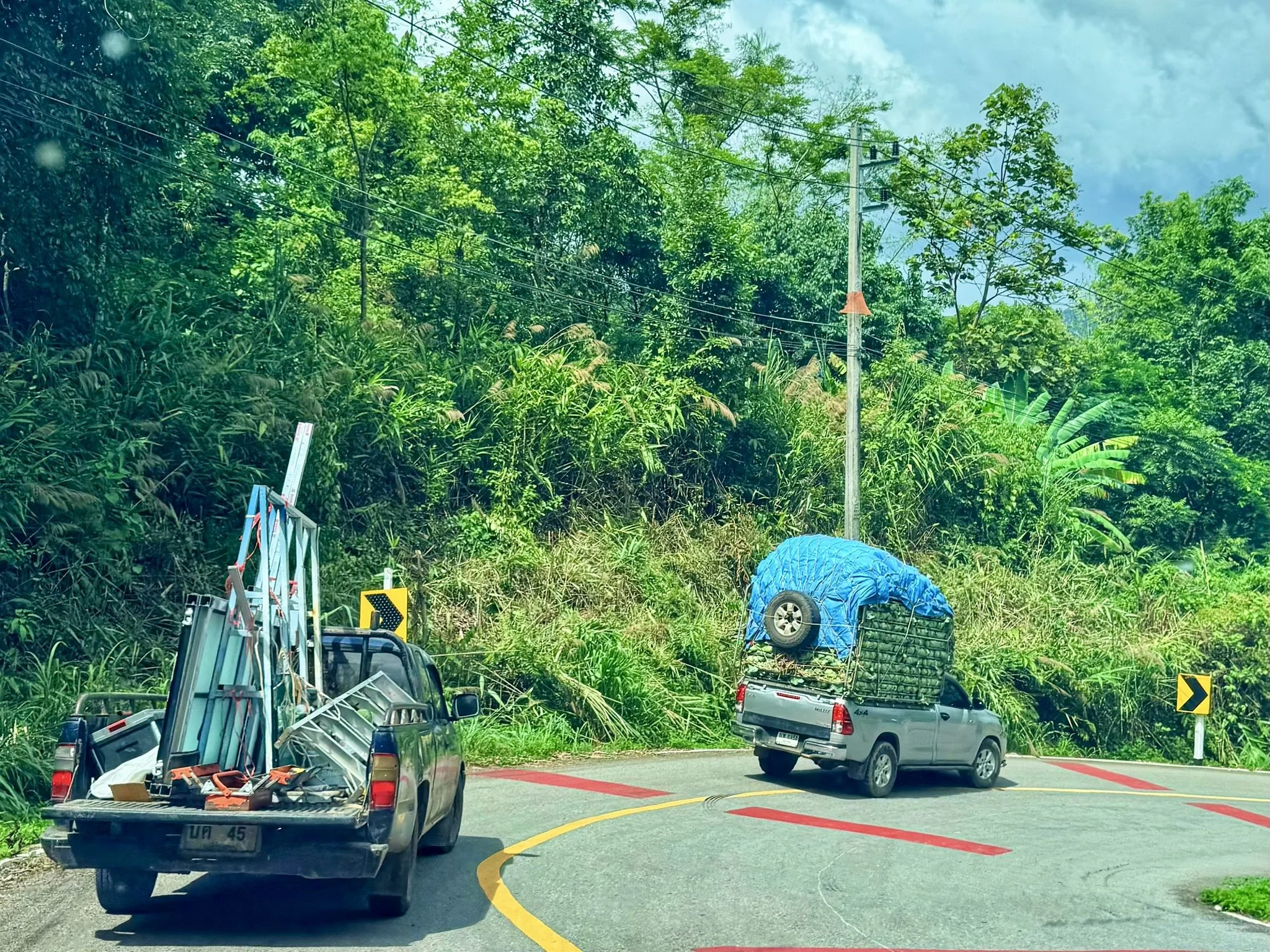
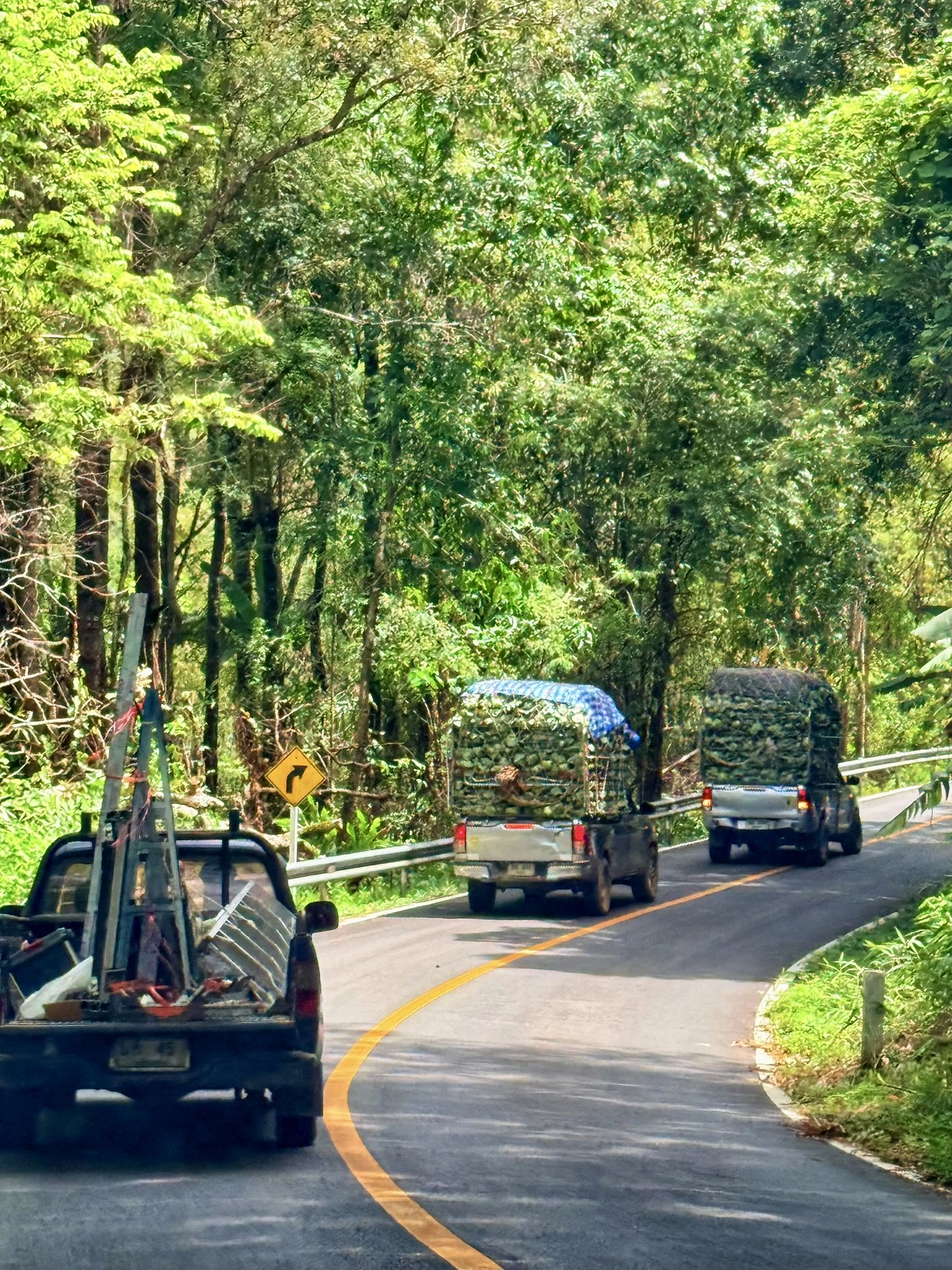
The drive from Ban Rak Thai to Tham Lot turned out to be an adventure of its own. For long stretches we found ourselves trapped behind trucks overflowing with freshly harvested cabbages, crawling along at a snail’s pace through endless mountain switchbacks. Passing opportunities were rare, so we settled in, admired the scenery, and accepted that northern Thailand was operating on cabbage time that afternoon.
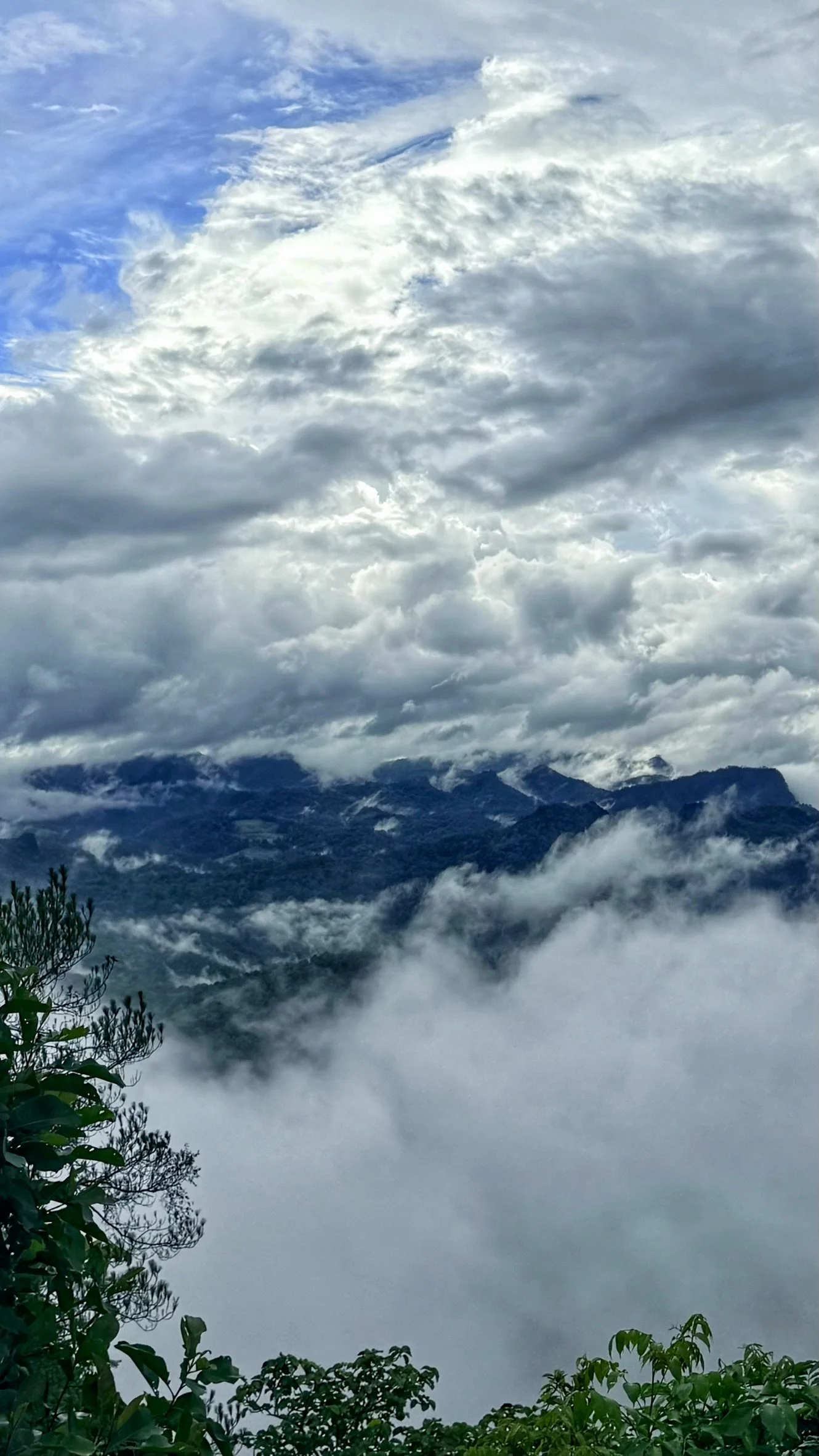
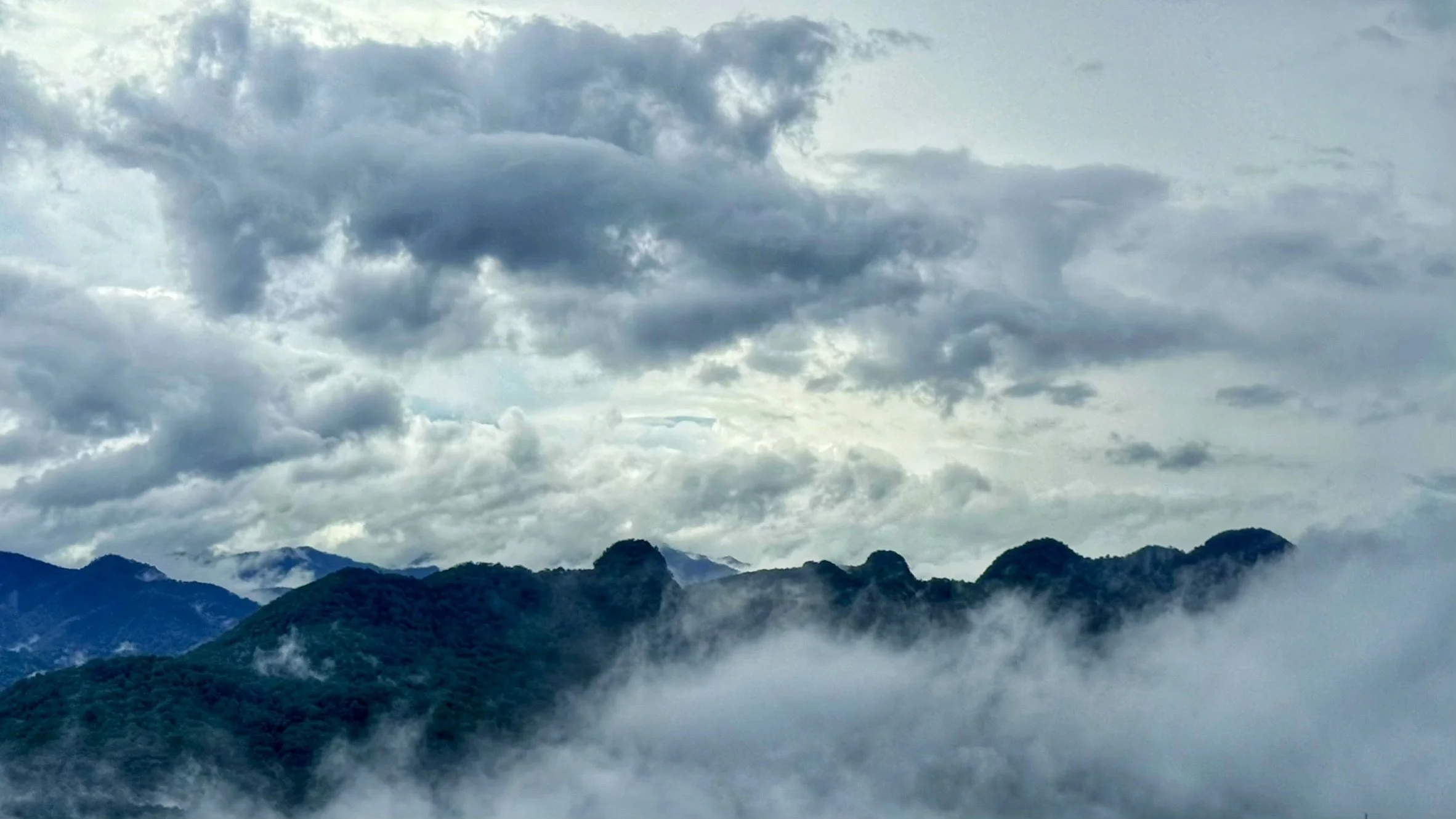
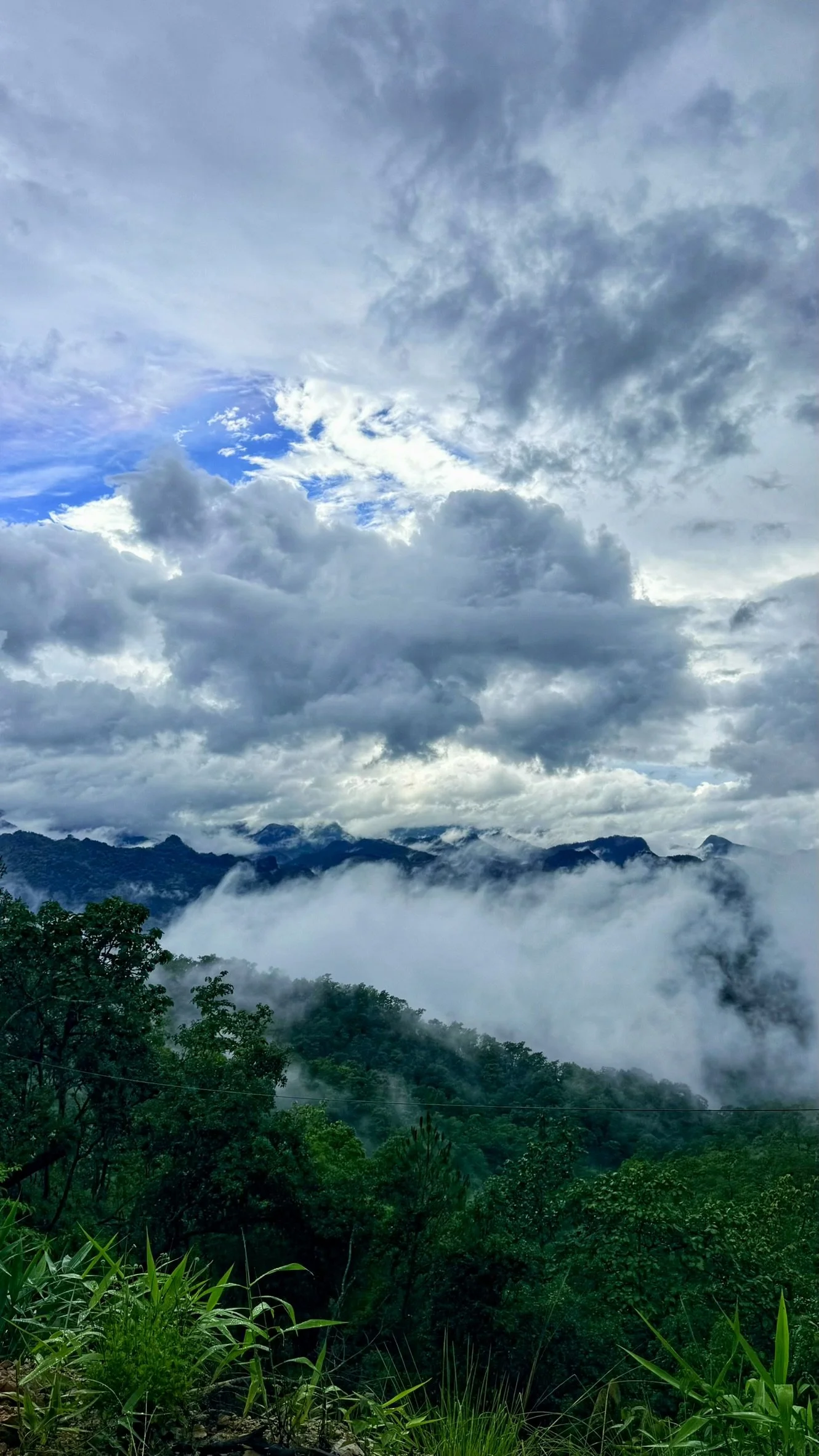
A rain shower rolled through during the drive, but the payoff came immediately afterward. As the clouds began to lift, the landscape opened up to reveal some of the most spectacular views we’ve seen on the loop. Mountain peaks emerged in the distance while wisps of cloud settled into the valleys below, creating an ethereal, almost otherworldly scene that looked more like a painting than real life.
Finding Paradise in Tham Lot
By late afternoon we arrived in Tham Lot village in Pang Mapha District and checked into Kanlaya’s Eyrie Luxury Homestay.
The property is owned by Kanlaya, a woman from the local Karen hill tribe community, and her British partner, Phillip. They’ve been running the place for fourteen years.
At the moment, we’re their only guests.
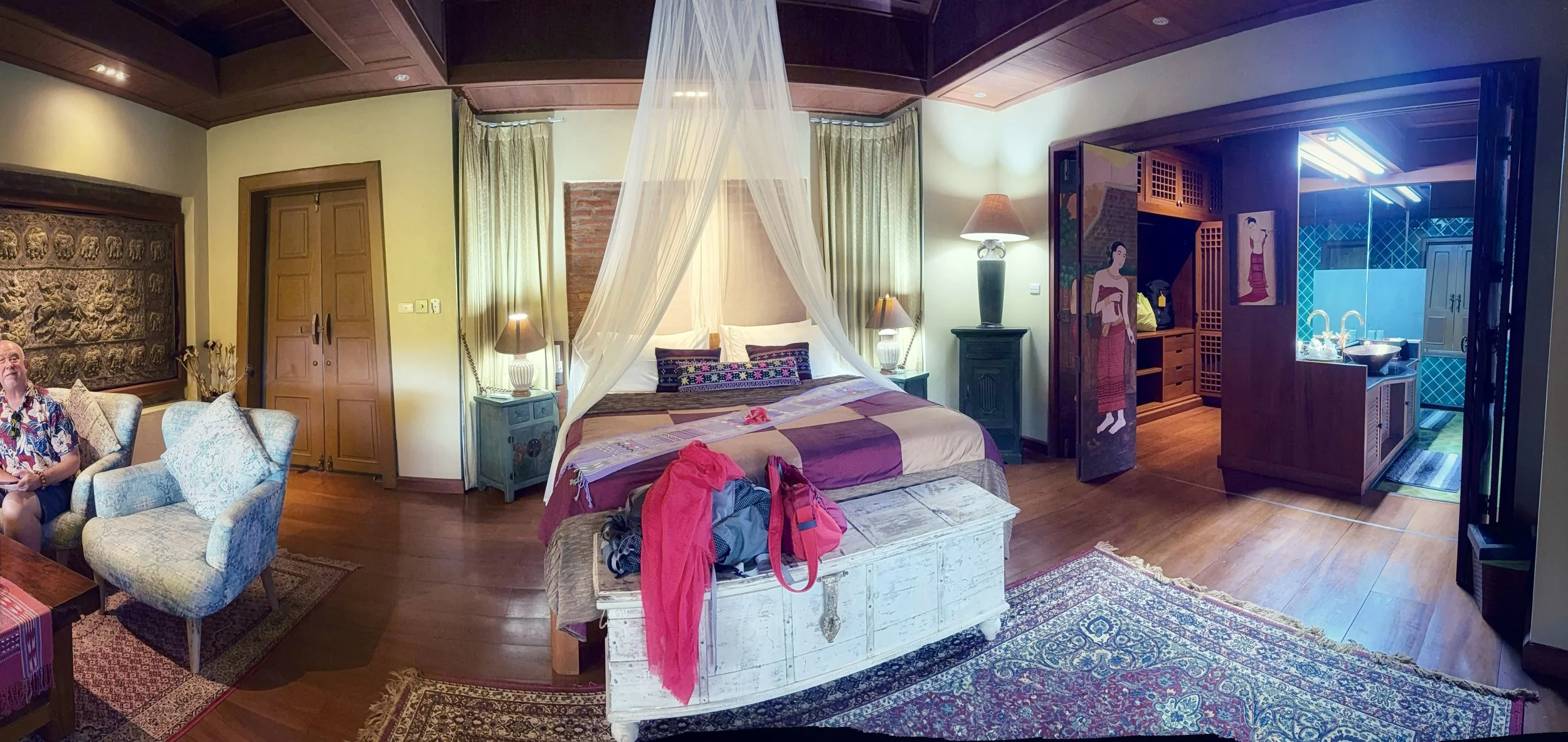
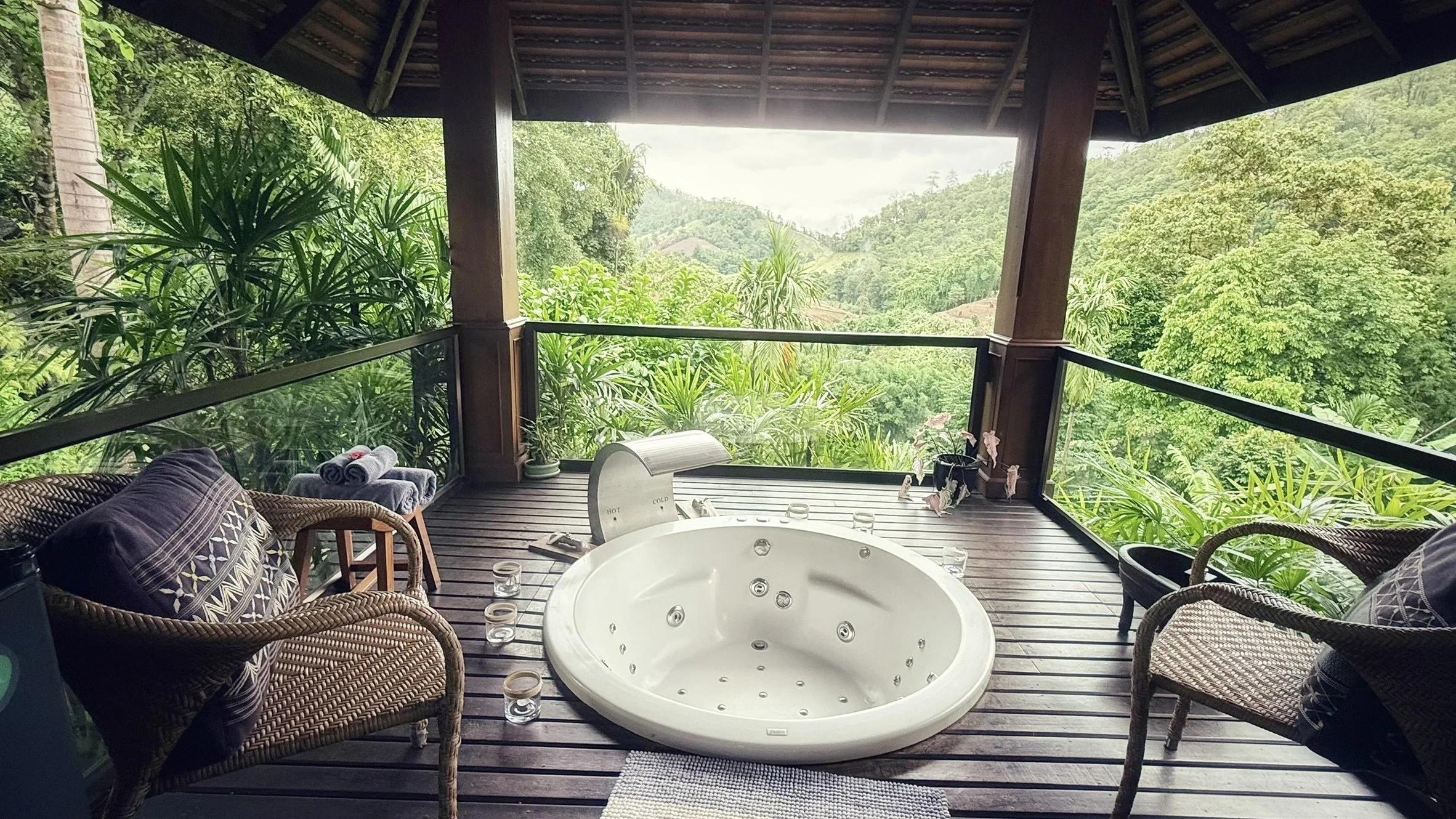
With no one else around, Pen—our host—generously upgraded us to their honeymoon suite—a 900-square-foot sanctuary complete with an outdoor jacuzzi and sweeping views of the surrounding countryside.
Not exactly roughing it in the mountains.
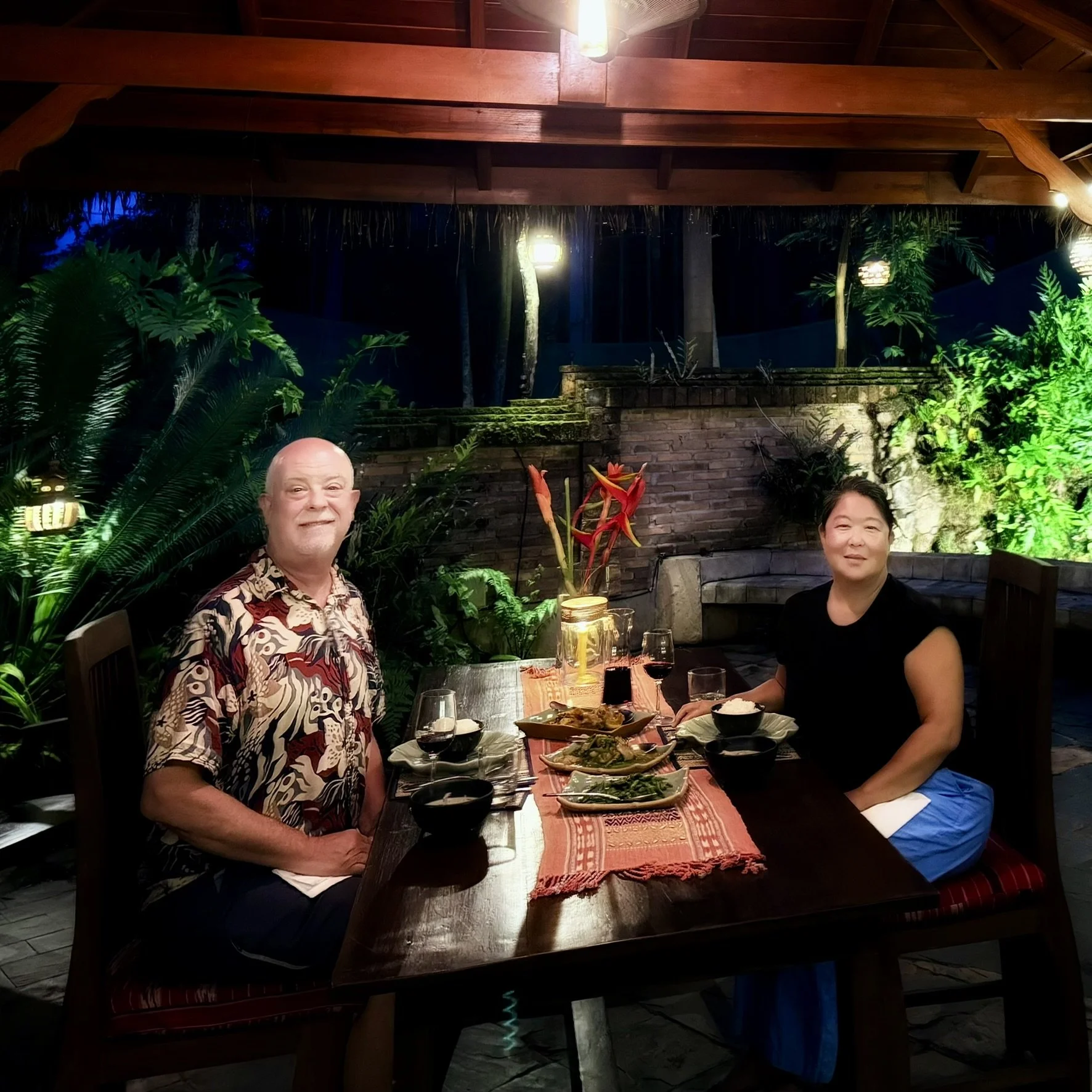
We’ll show you around the honeymoon suite, the hill-tribe dinners, and beautiful property next time! This is just a teaser…