This time, we had more discretionary days in Japan so we headed somewhere new-to-us. Kyushu is the southwestern island / region of Japan, comprised of seven prefectures: Fukuoka, Saga, Nagasaki, Kumamoto, Oita, Miyazaki, and Kagoshima.
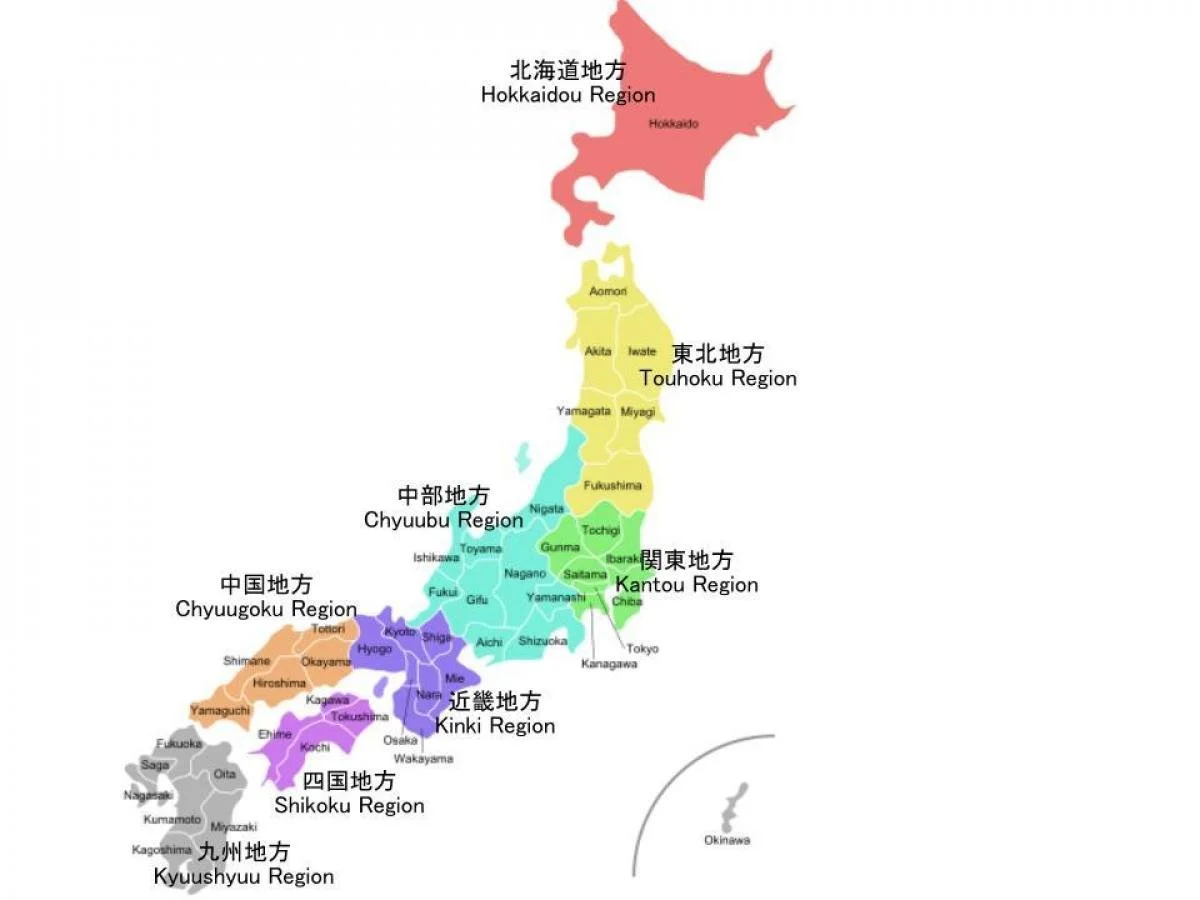
Our destination was Fukuoka so we could take the ferry across the sea to Busan, South Korea. We added Nagasaki as a side trip.
Why Nagasaki?
As Westerners, we were particularly intrigued by Nagasaki’s unique history. While all of Japan isolated itself from 1633 to 1853, Nagasaki was the only port allowed to be open to trade with the outside world during the 220 years. It also became known as the “Rome of the Orient” - a major hub of Christianity when it was introduced to Japan by Portuguese catholic missionaries in 1549. We wanted to experience the cosmopolitan cultural blend of Nagasaki today. It did not disappoint!
Transportation
To get around Kyushu, most travelers may gravitate towards finding a series of high speed trains, and we were initially as well. However, there’s a well-connected Nishitetsu (西鉄) Highway Bus system that we almost overlooked. While the train is faster, the bus system has a lot of availability, is direct with no transfers, also quite a bit cheaper than the high speed trains, not crowded, and super comfortable. For more information on the logistics of where to go and how to buy tickets, we wrote a couple of detailed reviews in Google.
Bus from Fukuoka Airport to Nagasaki Station Bus Terminal || Bus from Nagasaki Station Bus Terminal to Hakata Station Bus Terminal (Fukuoka)
Highlights of Our 2-Day 3-Night Stay in Nagasaki
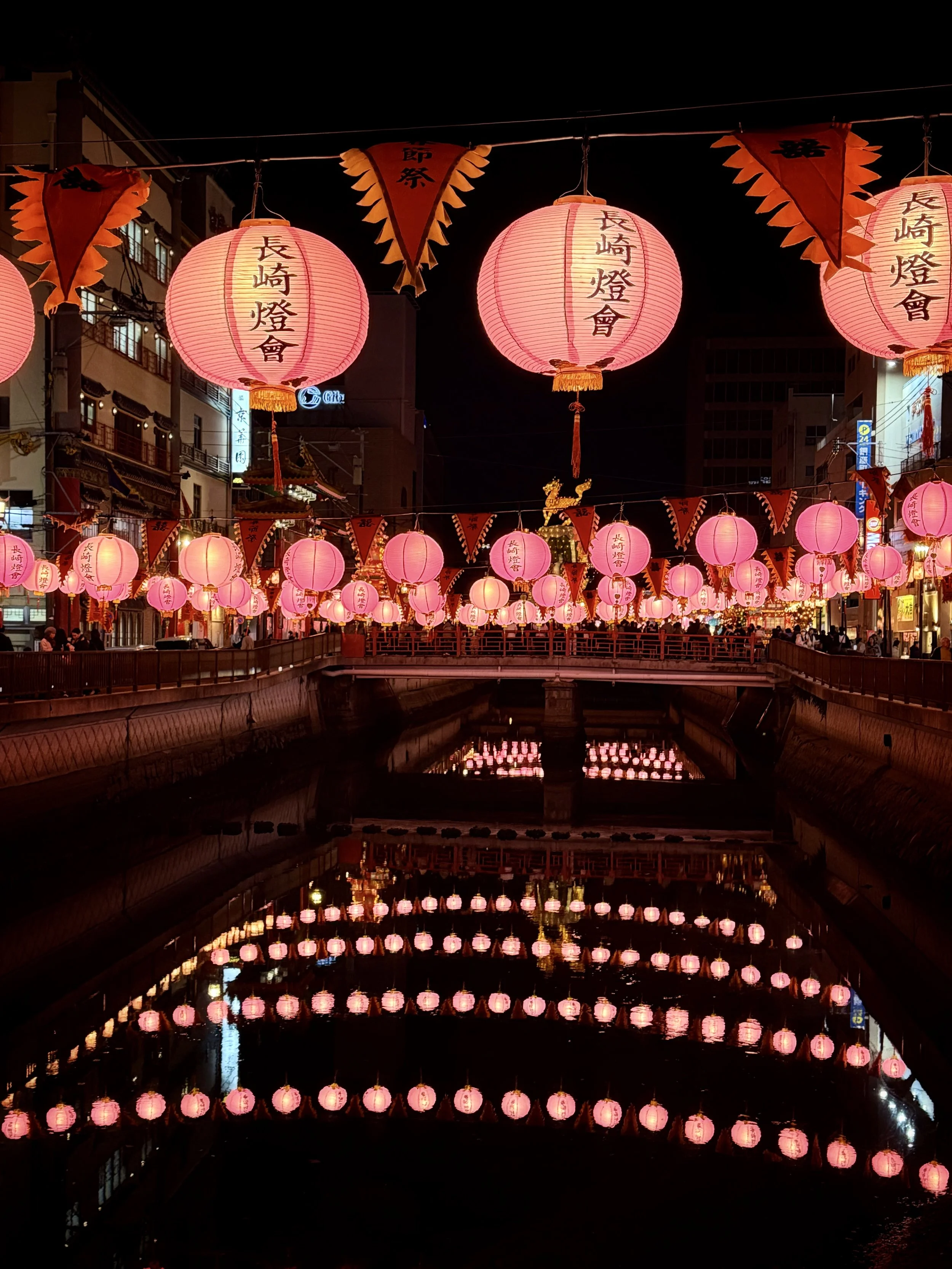
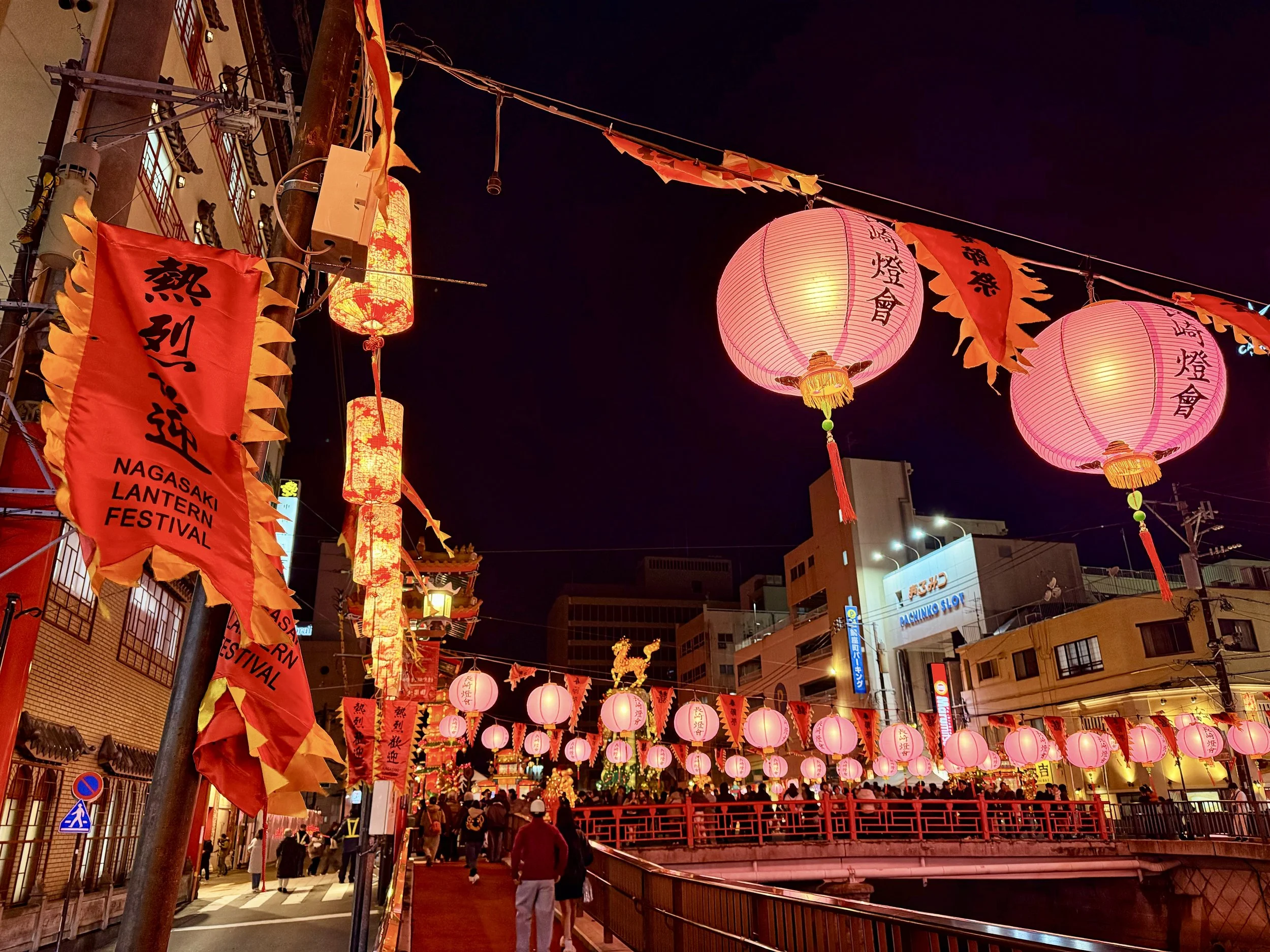
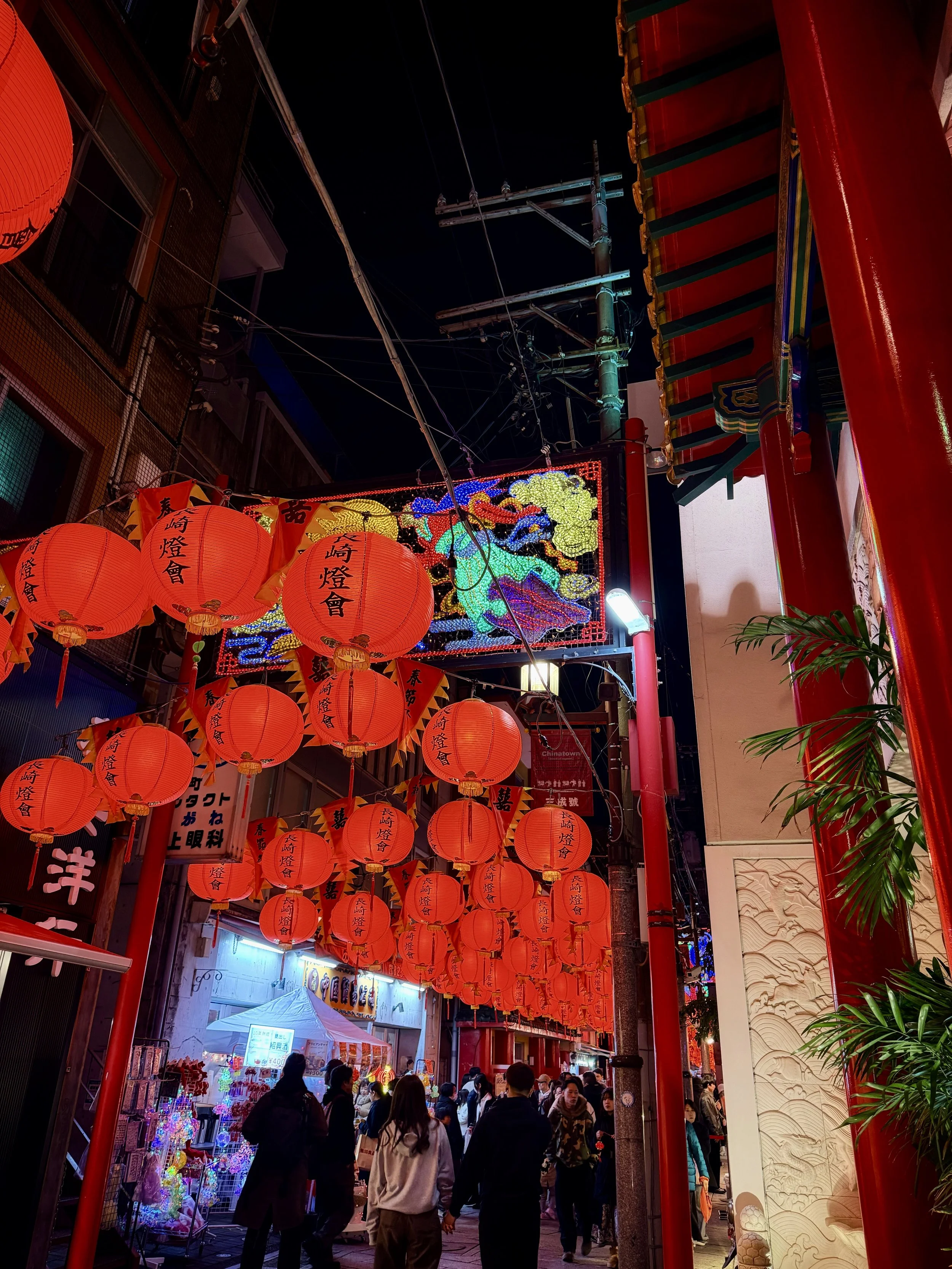
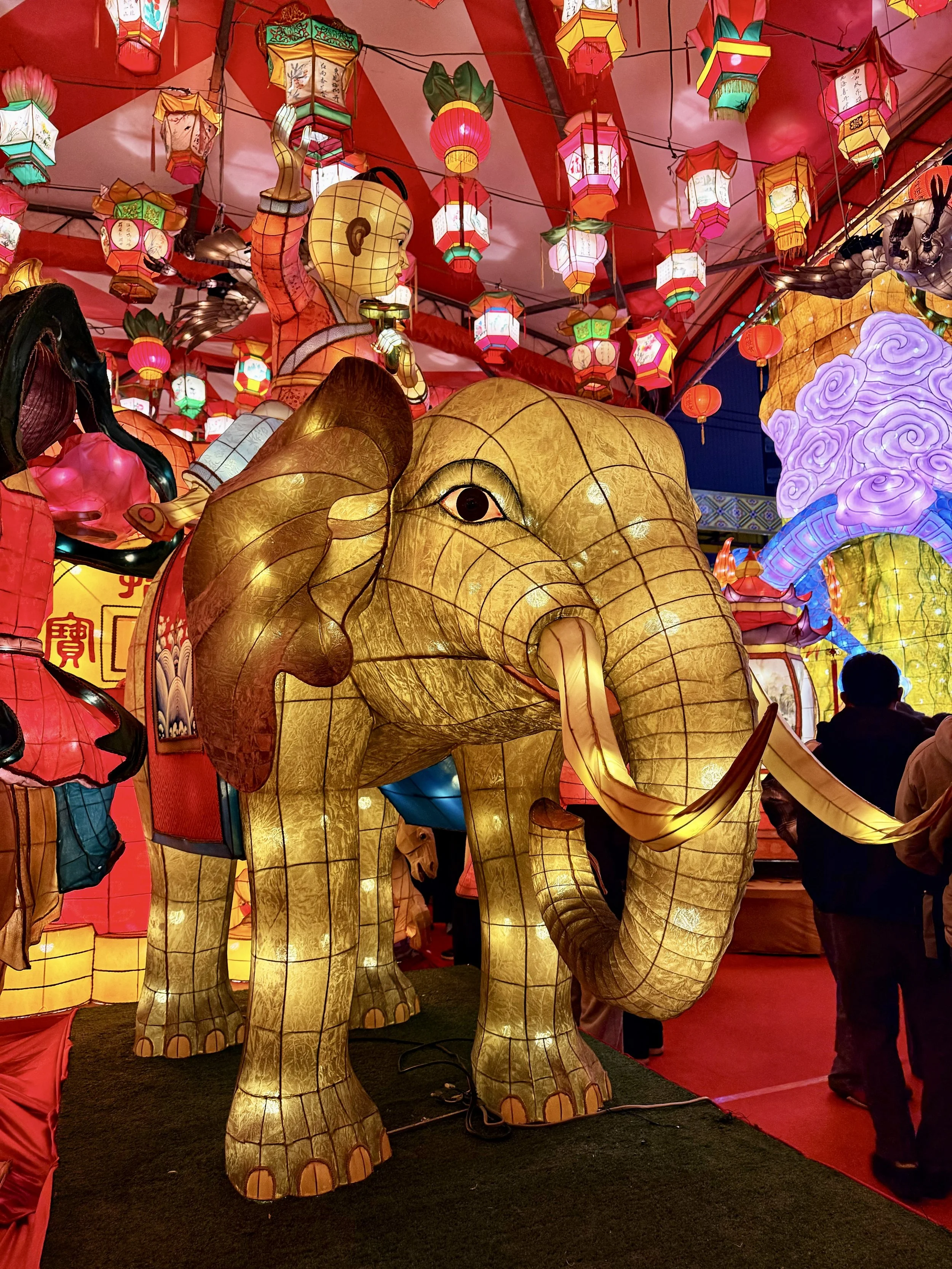
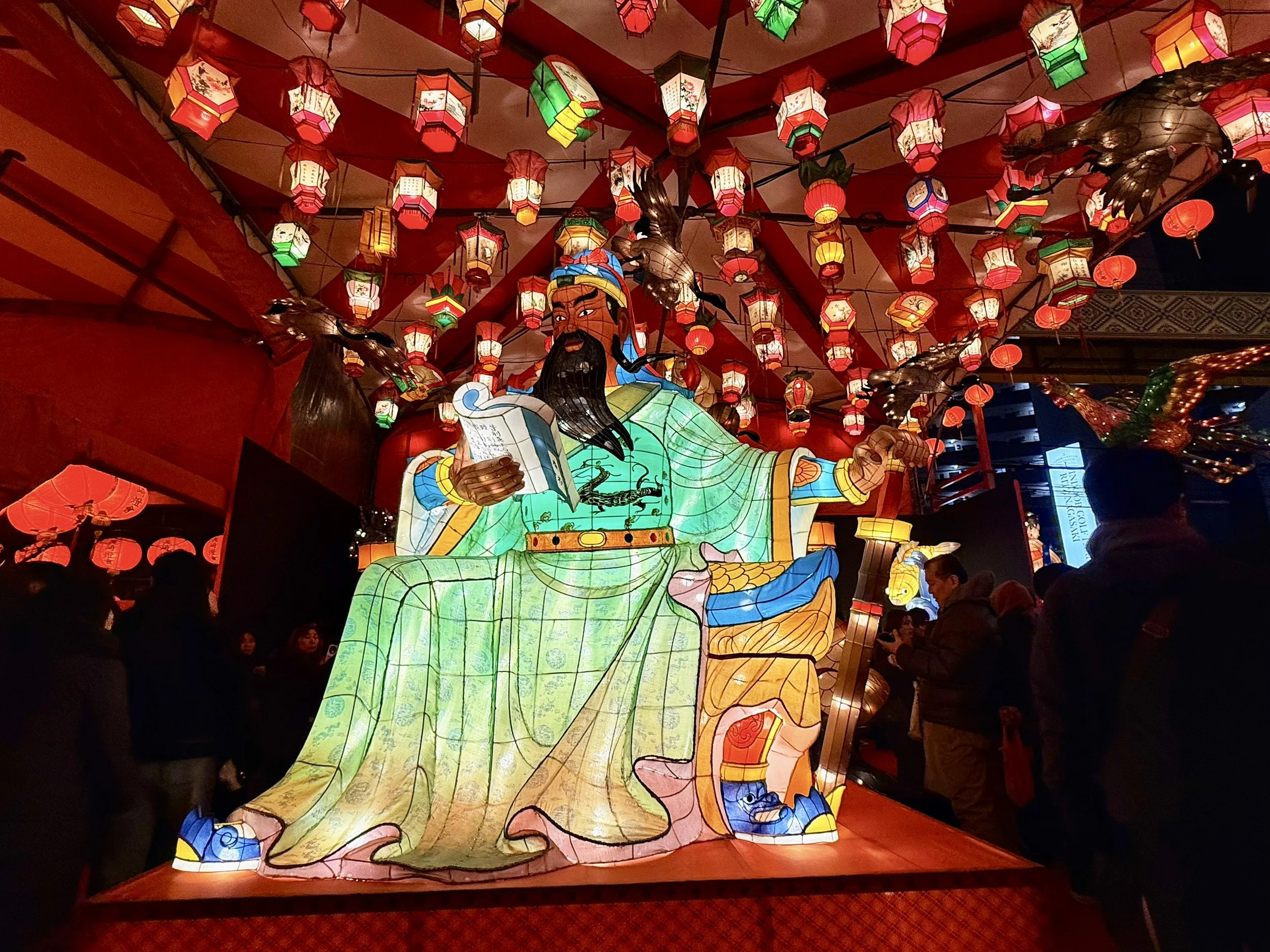
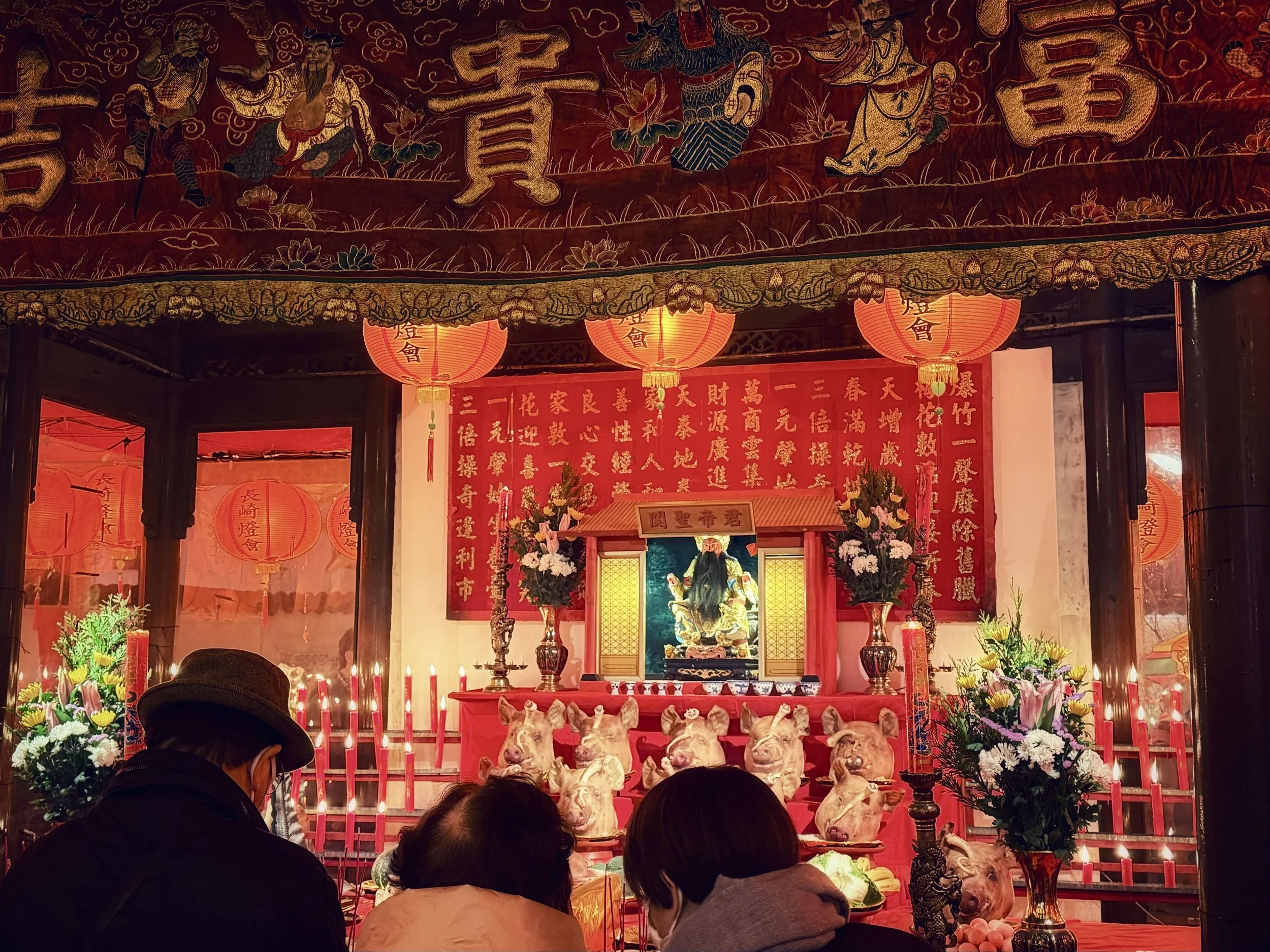
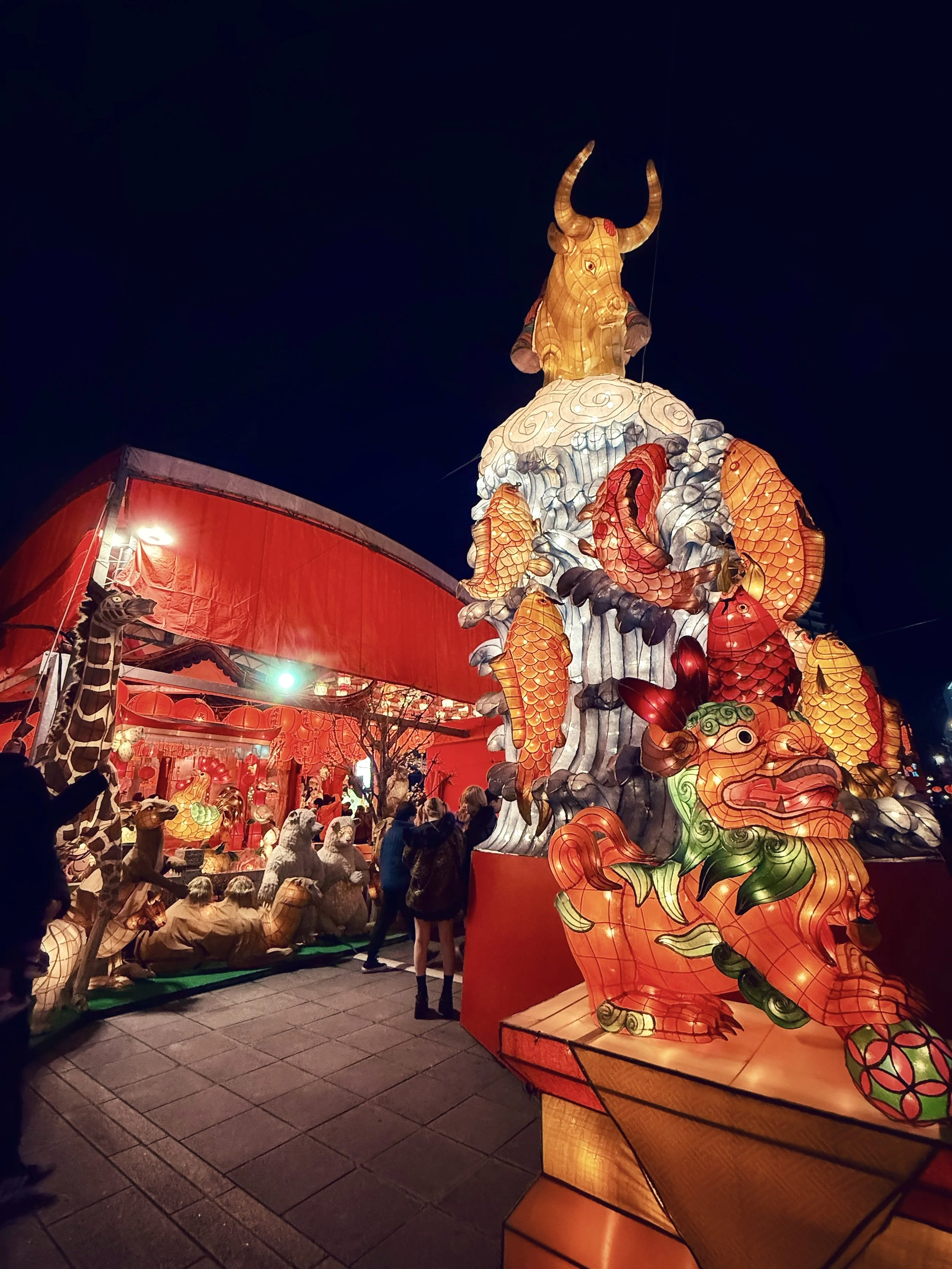
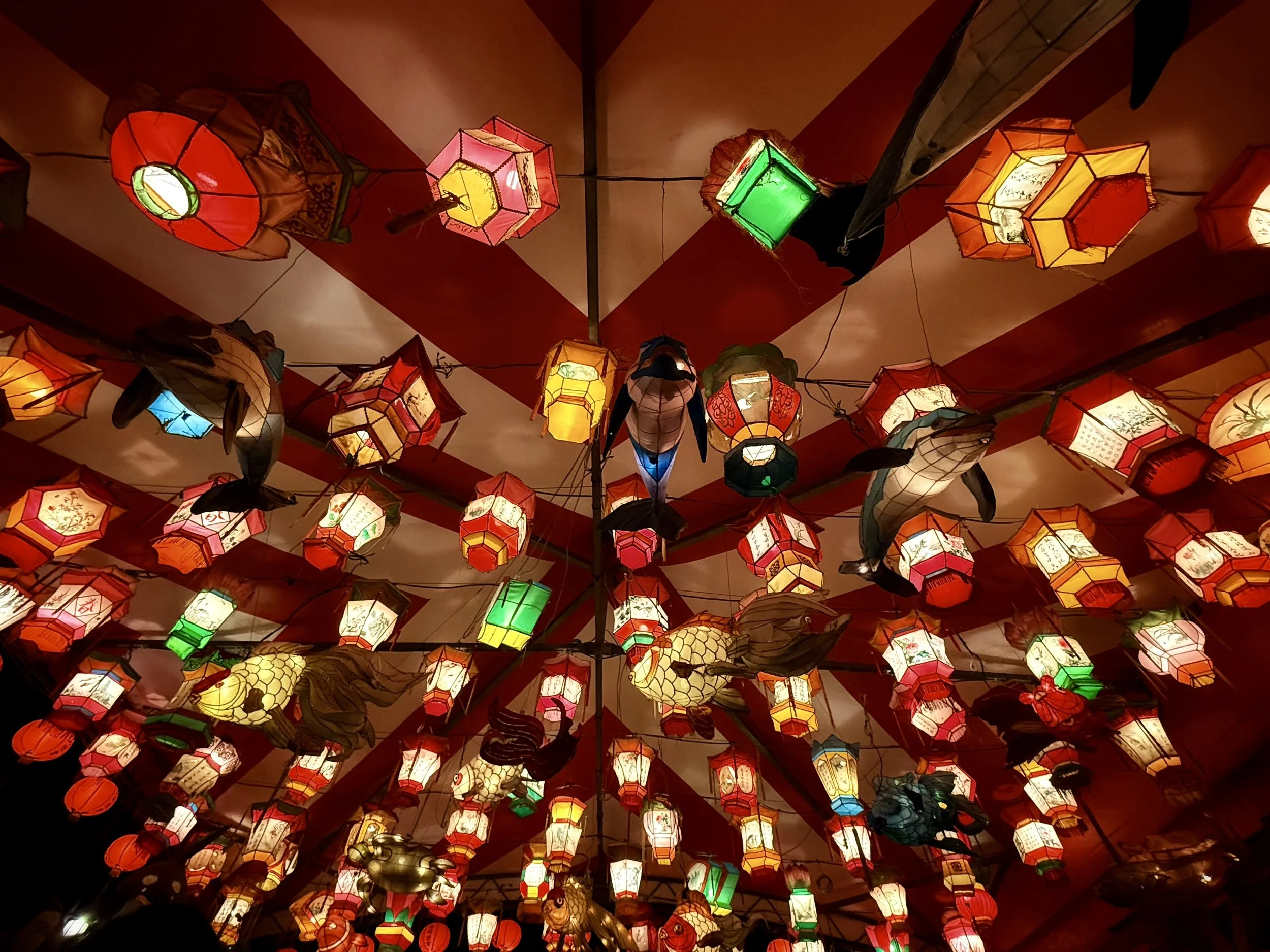
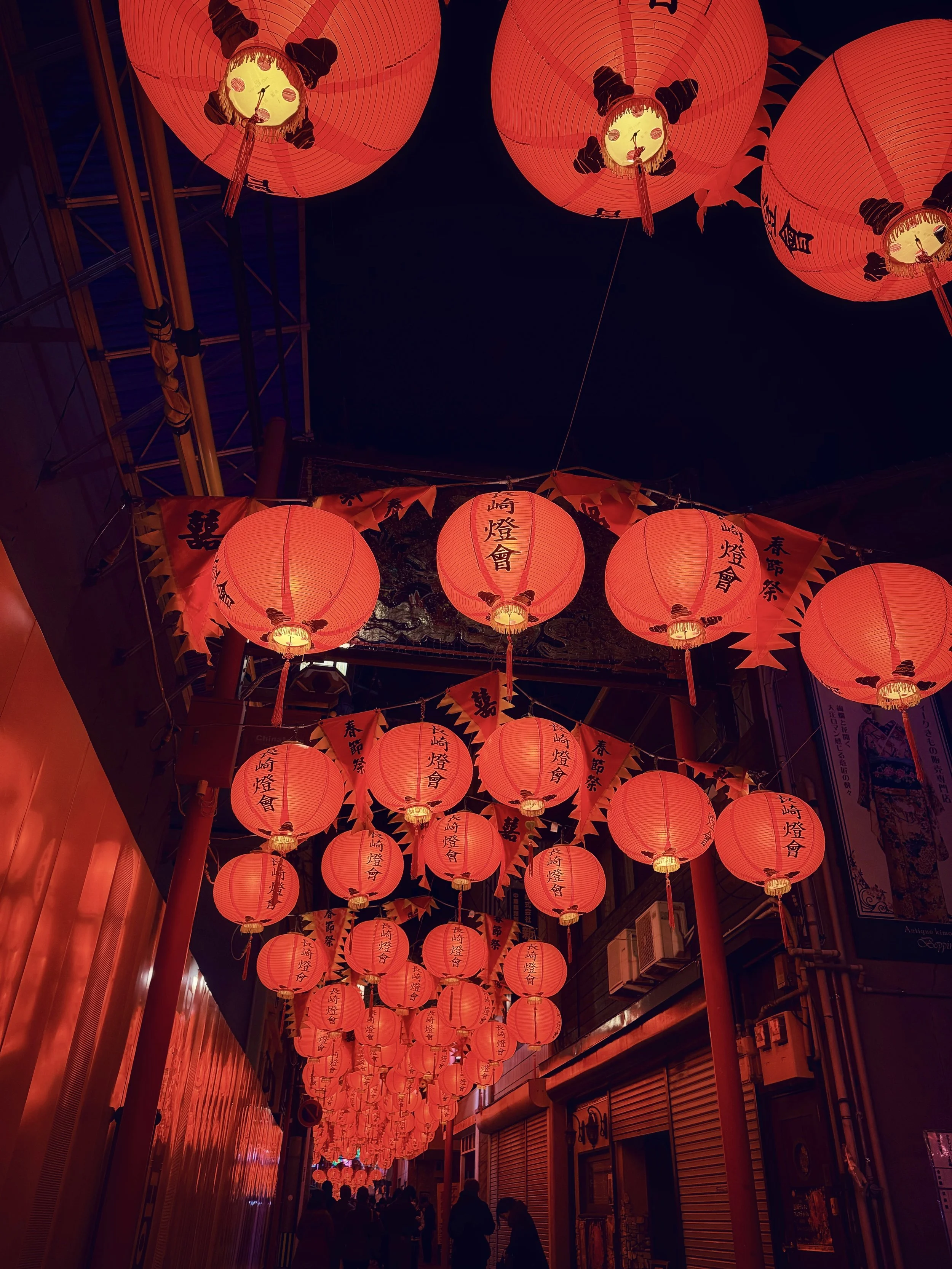
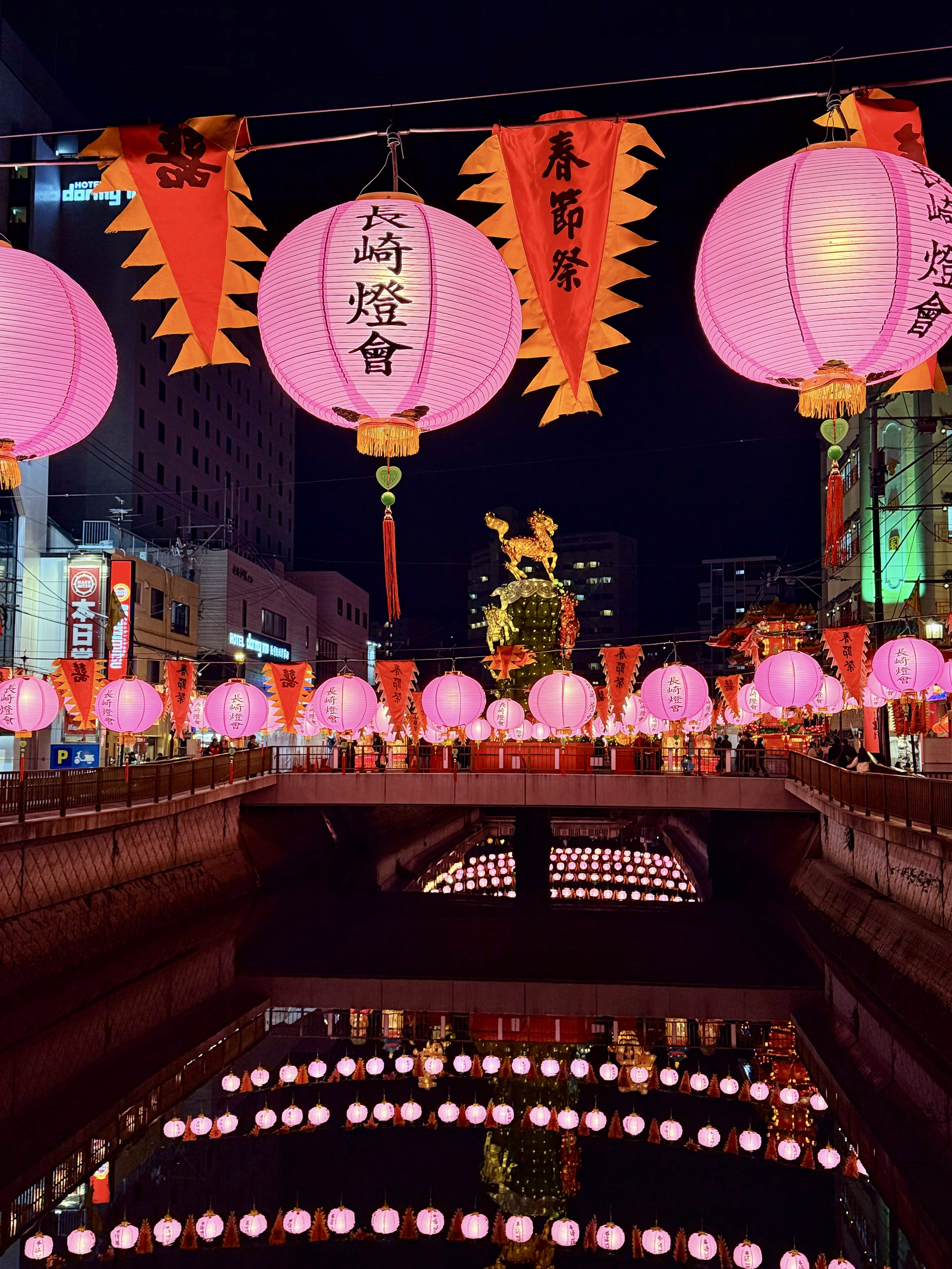
Nagasaki is a walkable hilly city on the bay, complete with streetcars. It reminded us of Lisbon, Portugal and San Francisco, California. We stayed at Hotel Forza, right next to Japan's oldest Chinatown, and on our first night, we were welcomed by the Nagasaki Lantern Festival going on for Chinese New Year. The lanterns lit up the entire city at night and the huge lantern sculptures at the temple were a sight to behold!
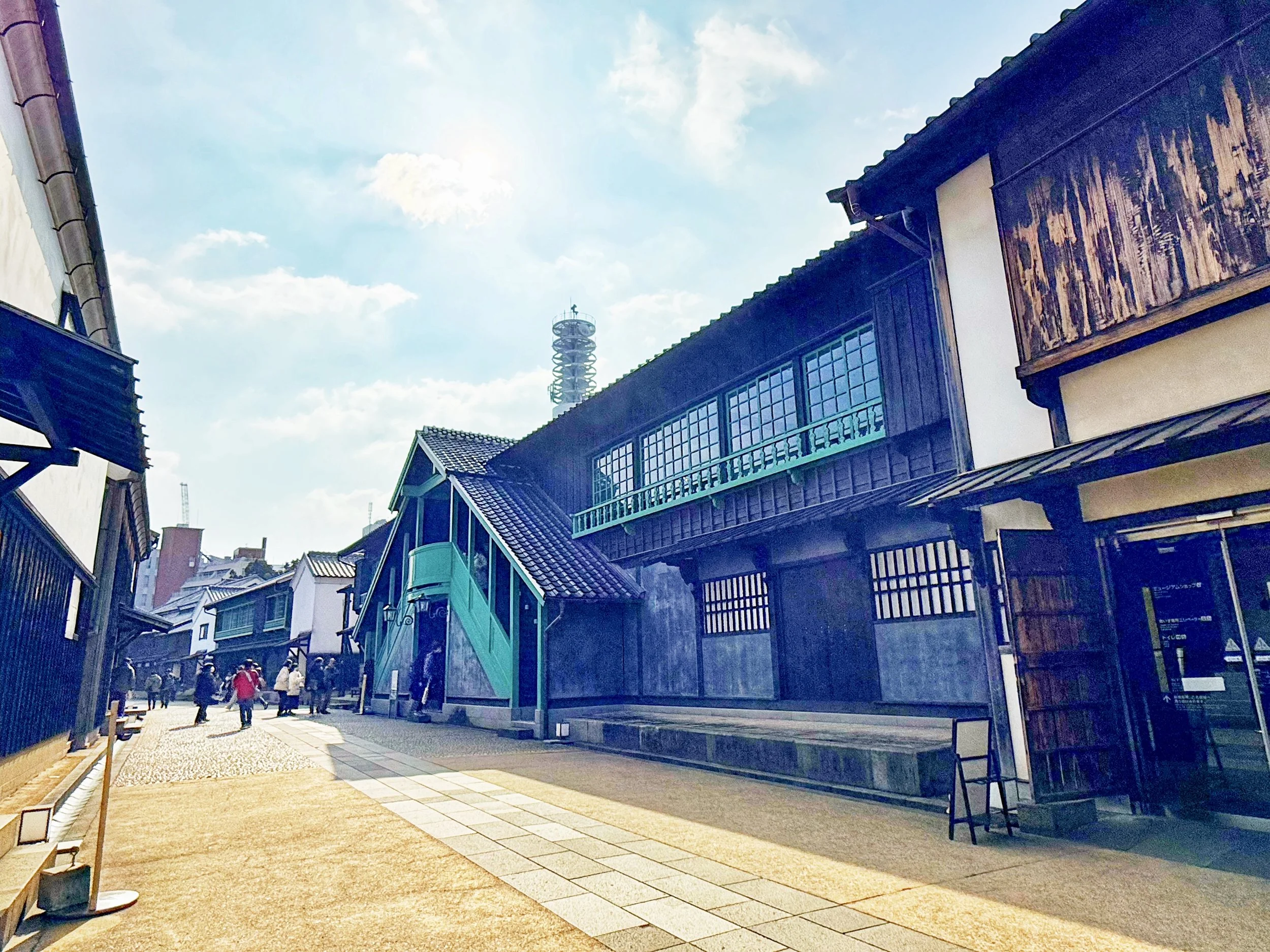
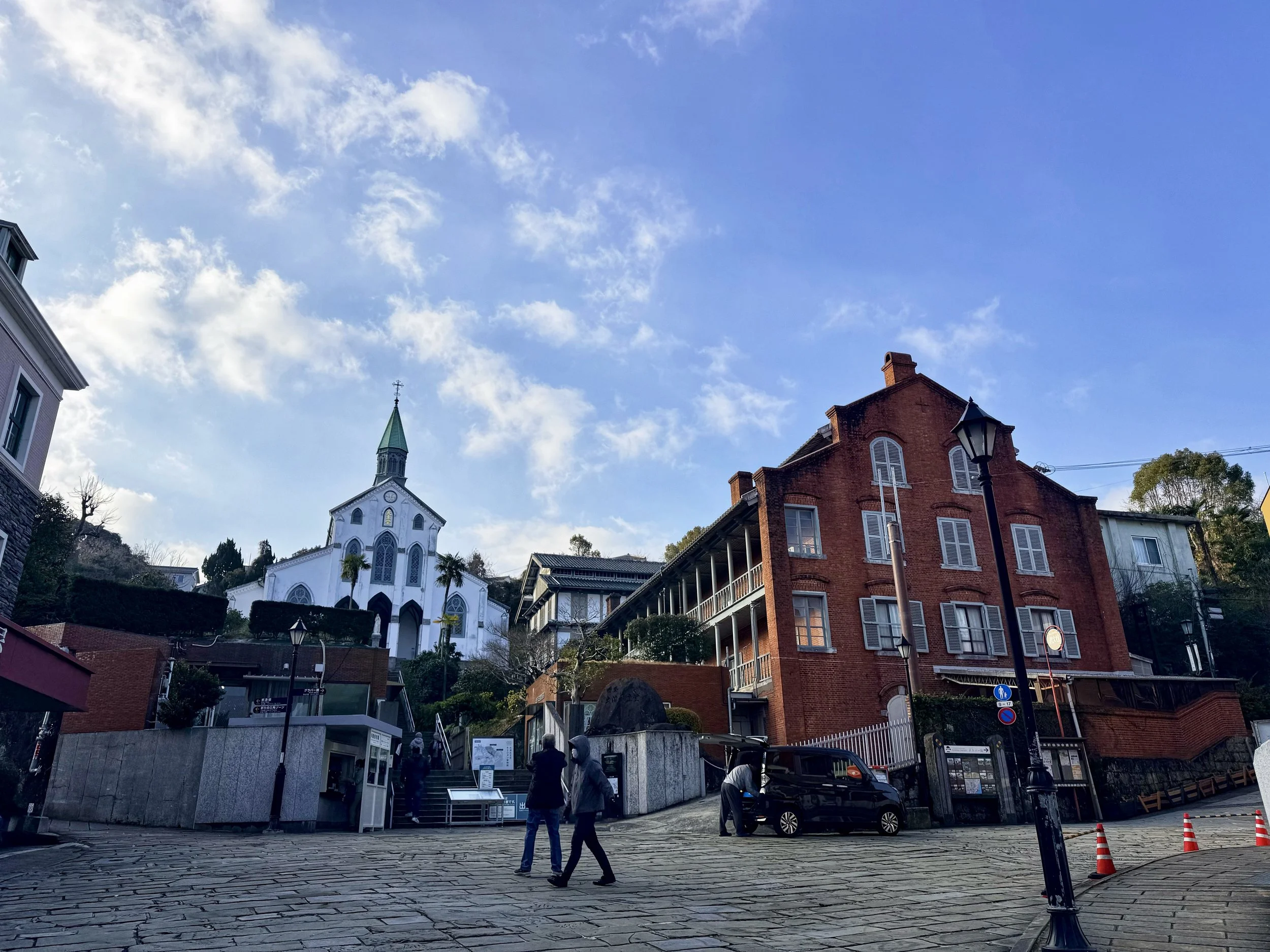
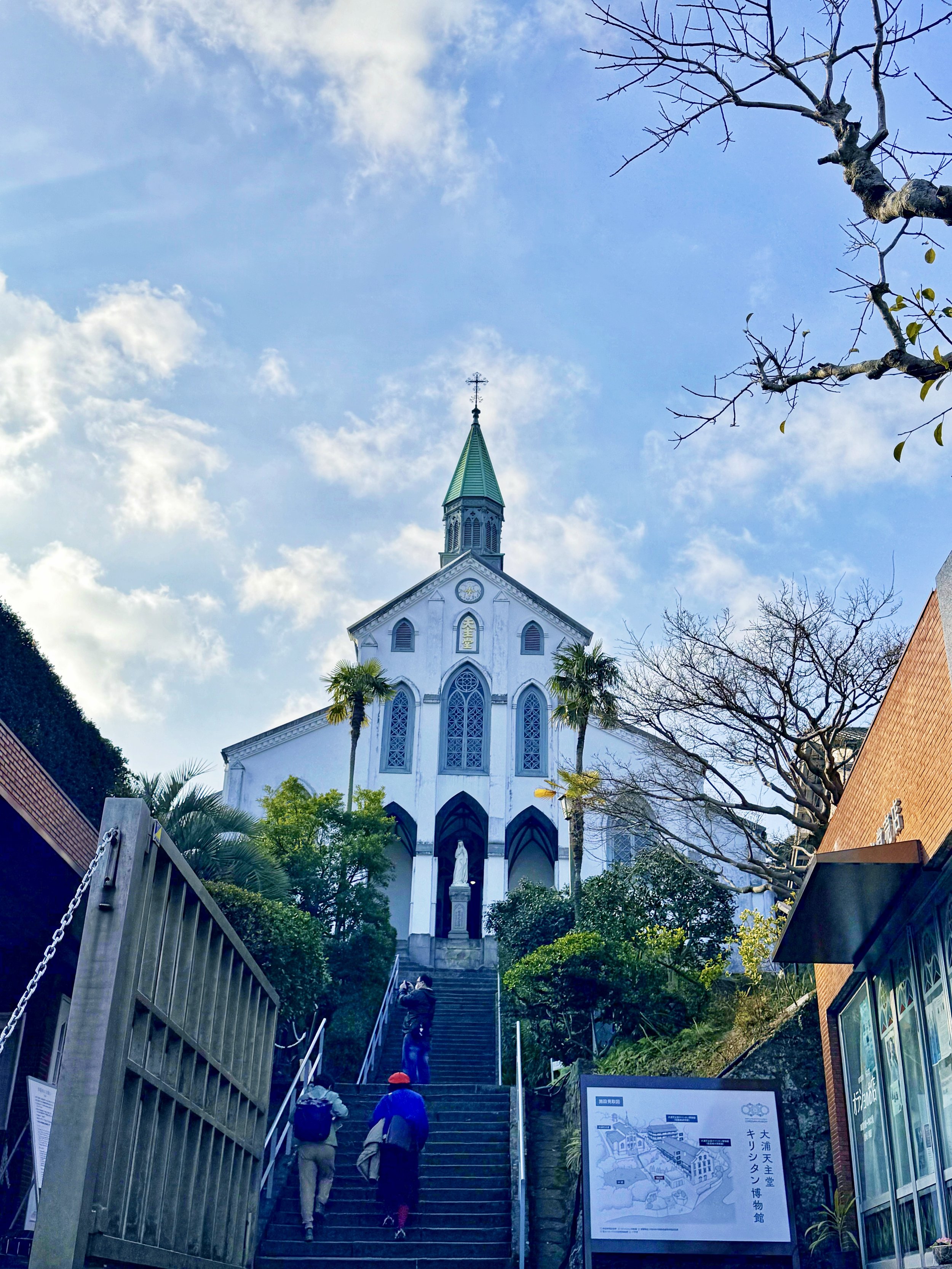
Dejima Island was originally built in 1634 to segregate the Portuguese and curtail the Christian influence. Eventually, the Portuguese were expelled from the country and the Japanese Christians went underground. The Ōura Cathedral is the oldest surviving church in Japan, built by French missionaries in 1864. The church is famous for the place where Japanese Catholics who had practiced in secret for over 250 years, revealed themselves to French priest Bernard Petitjean.
After the Portuguese left, Dejima Island proved to be useful for the Dutch East India Company, the only Europeans permitted to trade with Japan during Tokugawa Shogun’s “Sakoku” isolationist period. Why only the Dutch? Because they prioritized commerce over religious proselytizing, and brought scientific books, technology and knowledge that were highly valued. Japan continued to also trade with China. All goods such as silk and sugar that came from abroad went through Dejima Island. Japan’s main exports were silver, copper, and marine products.
Eventually in 1854, merchants from the UK were permitted to trade in Nagasaki. Paving the way was Commodore Perry of the United States Navy who forced the opening of other Japanese ports to American trade through the use of “gunboat diplomacy”, threatening to blow up and burn the capital city of Edo.
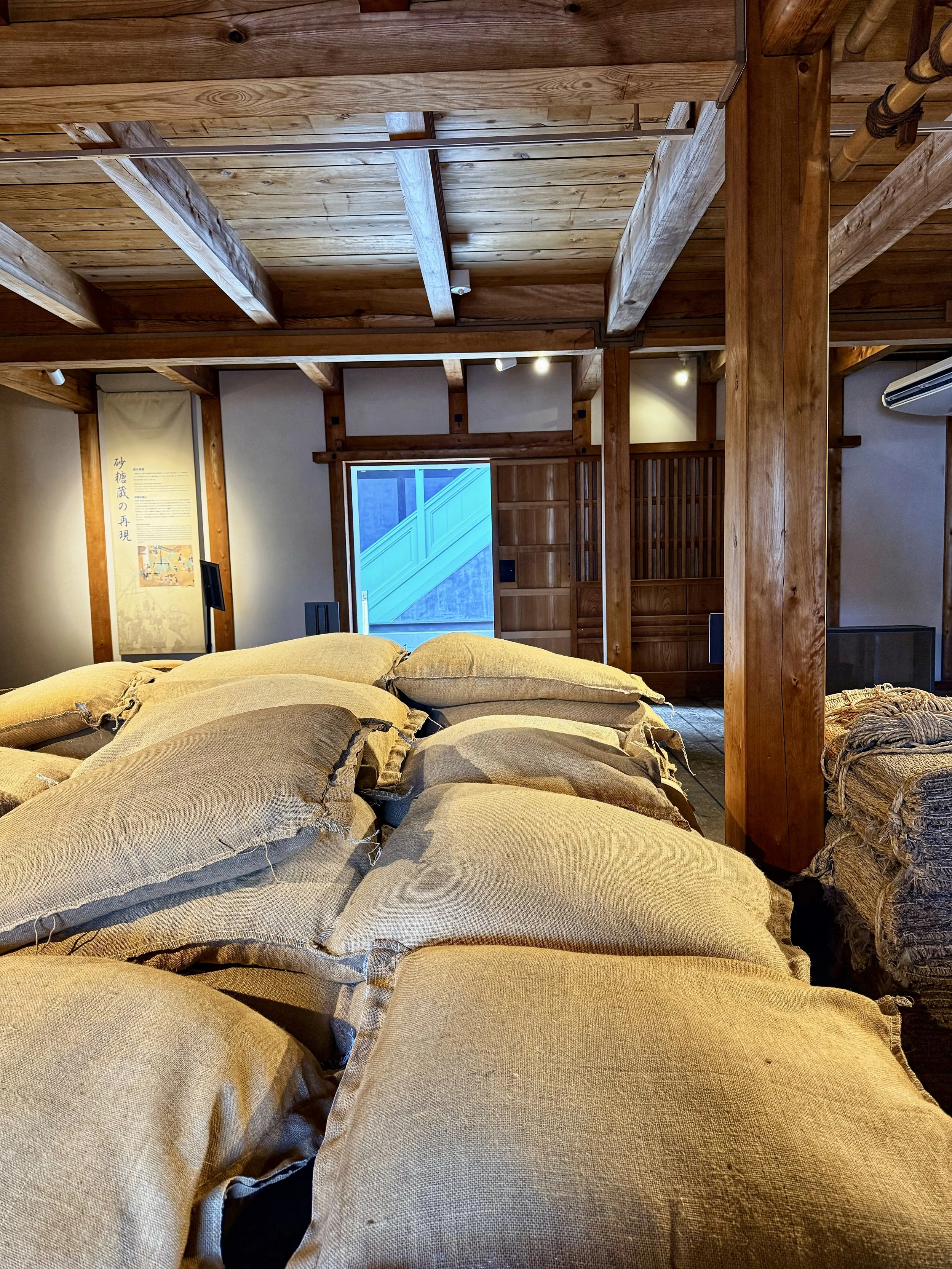
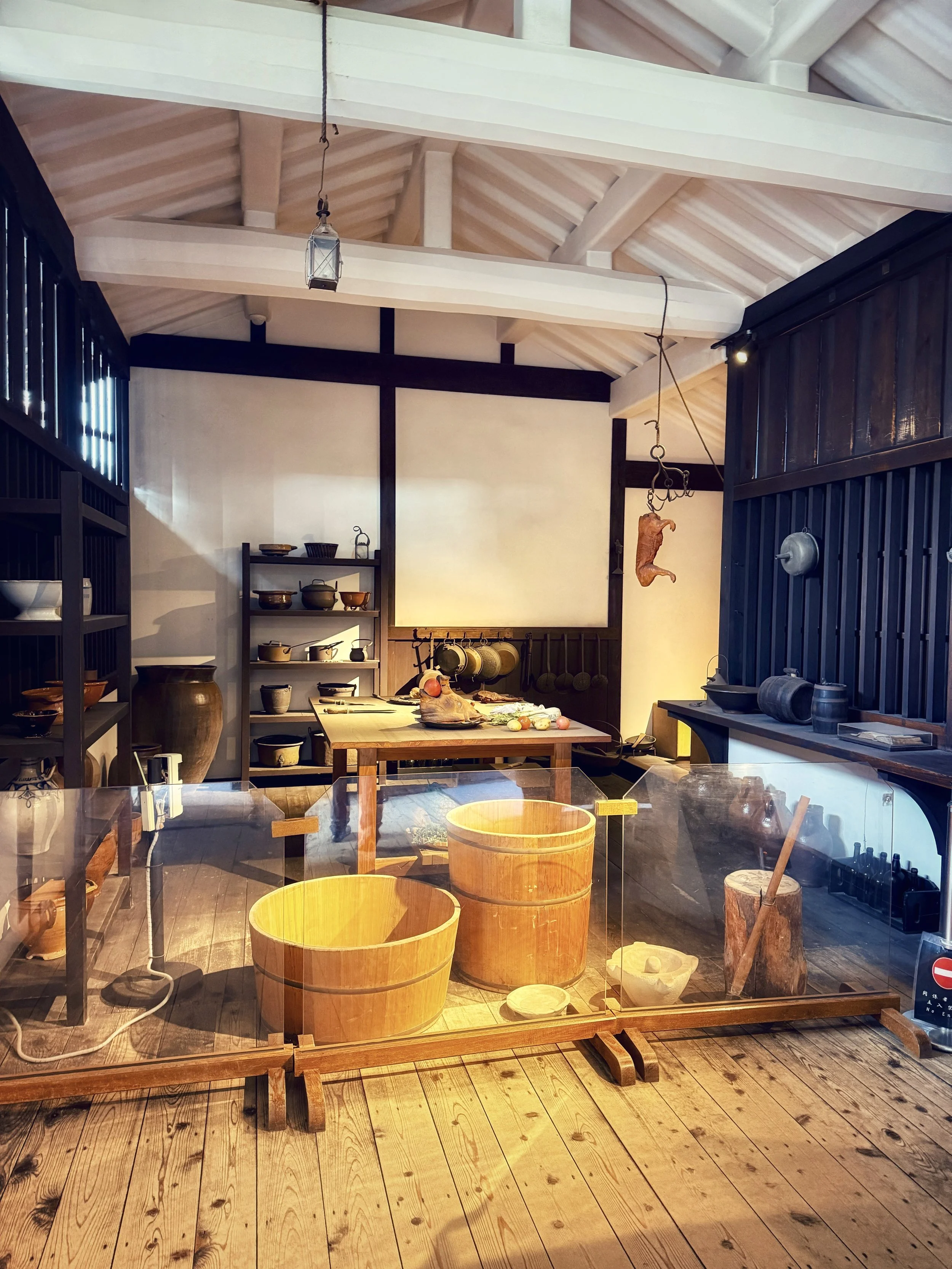
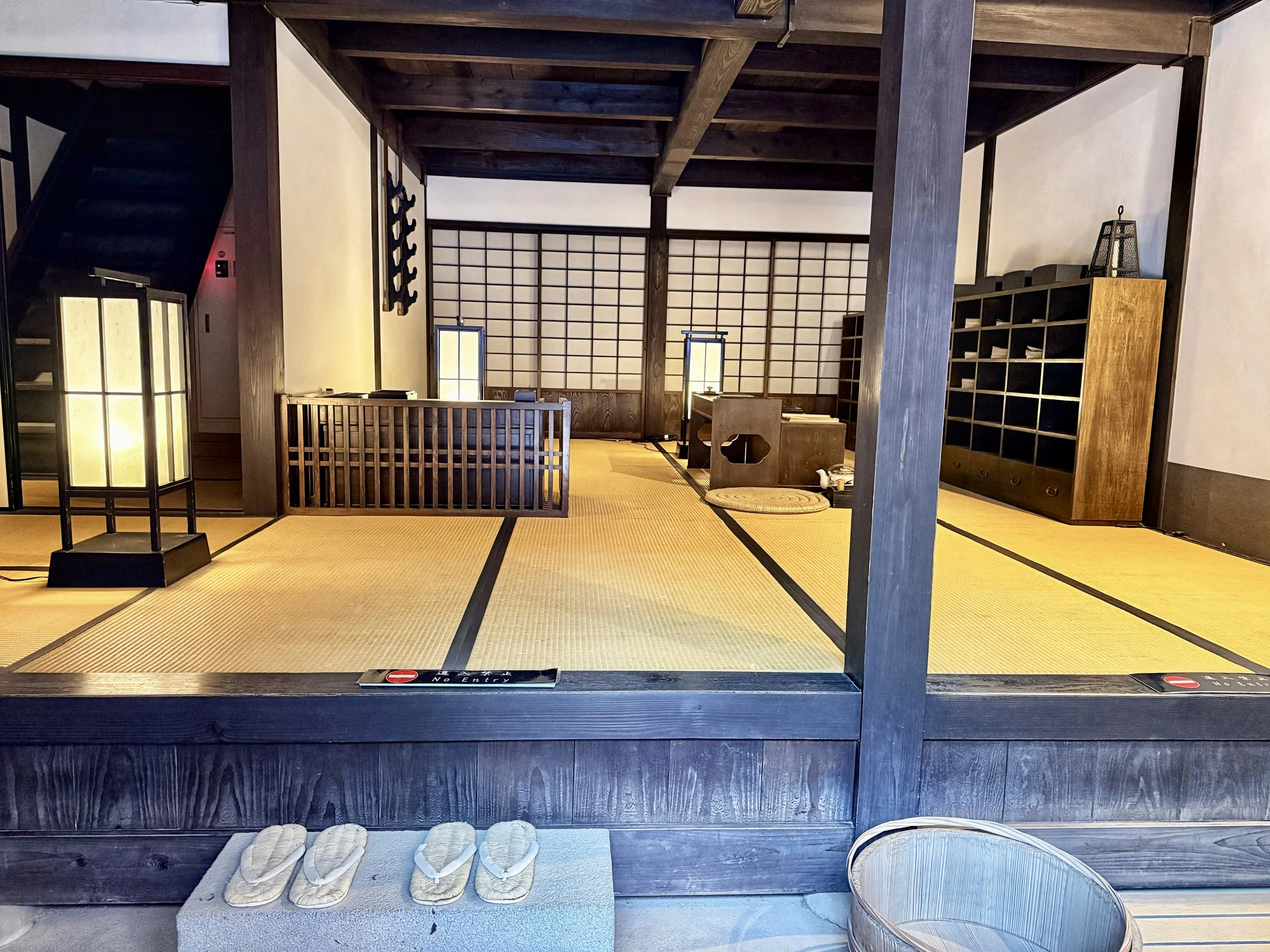
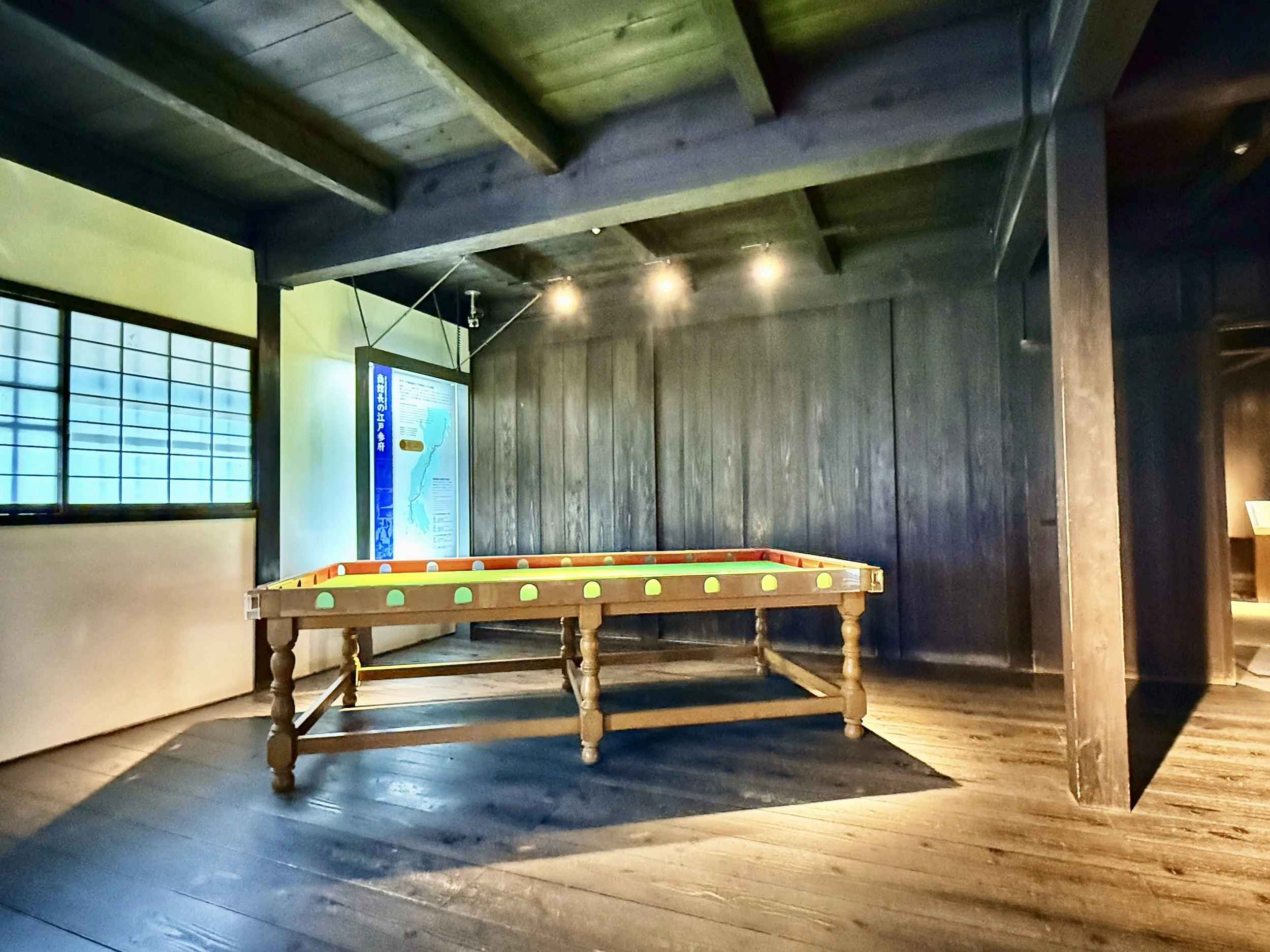
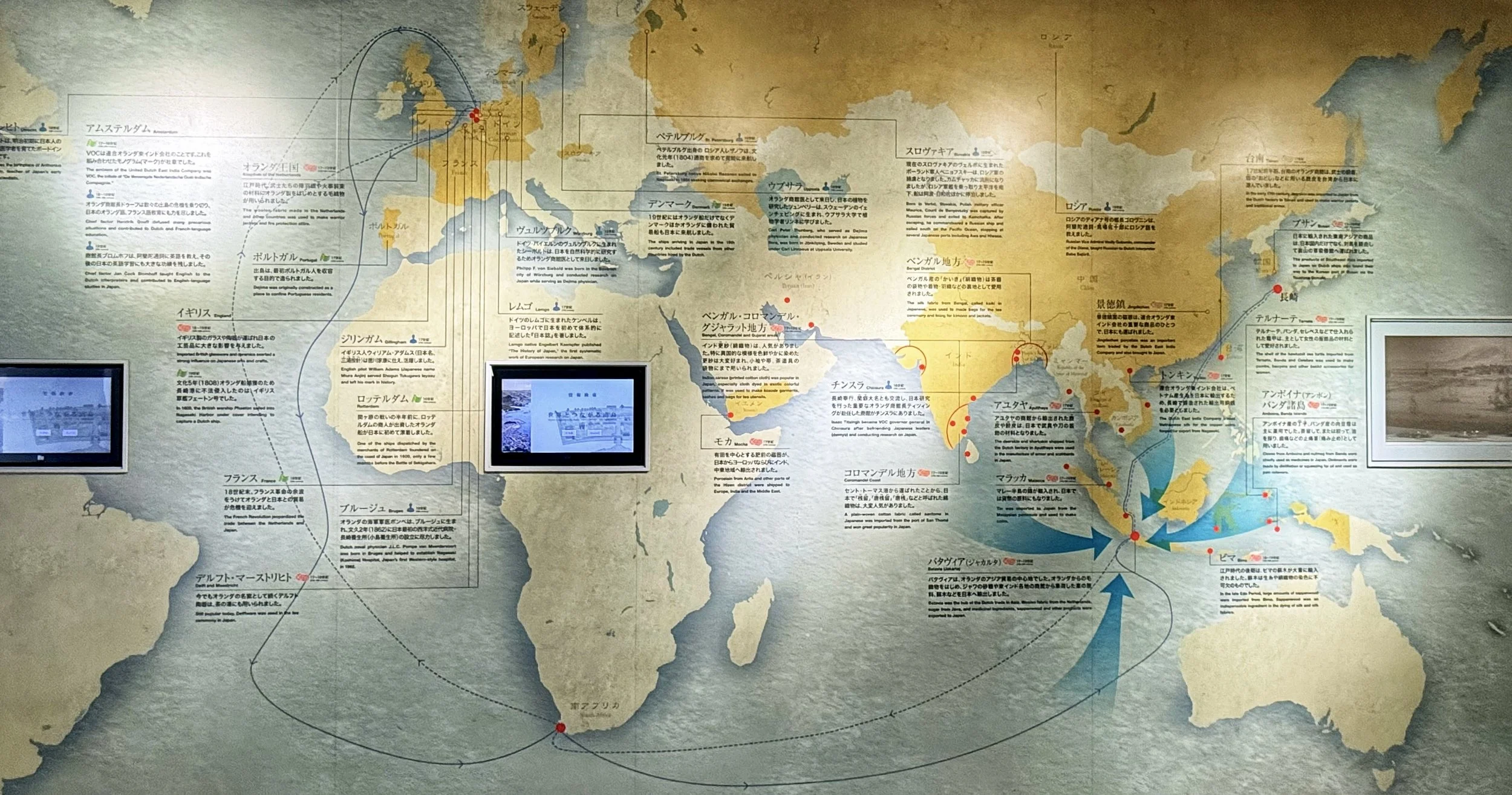
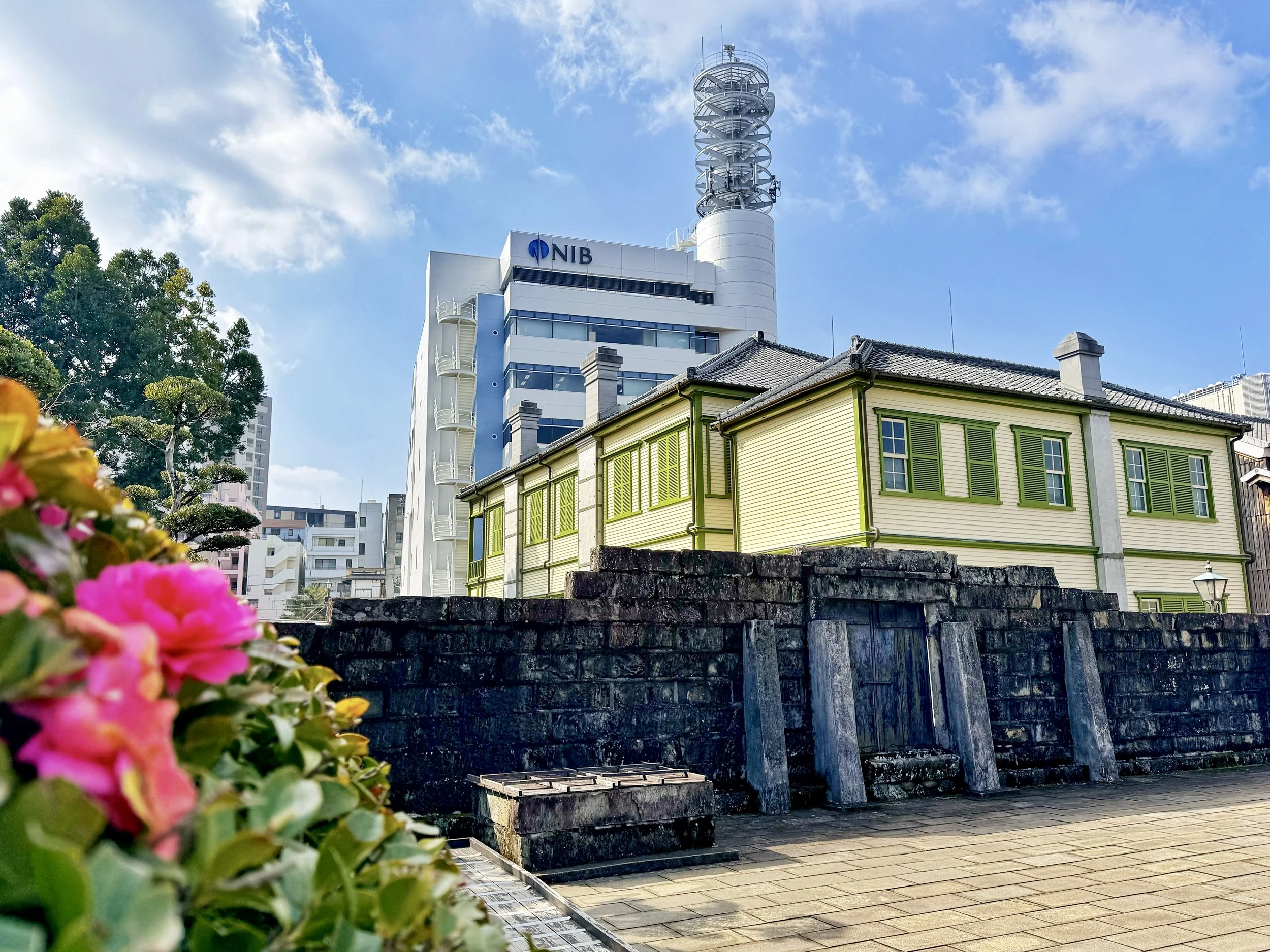
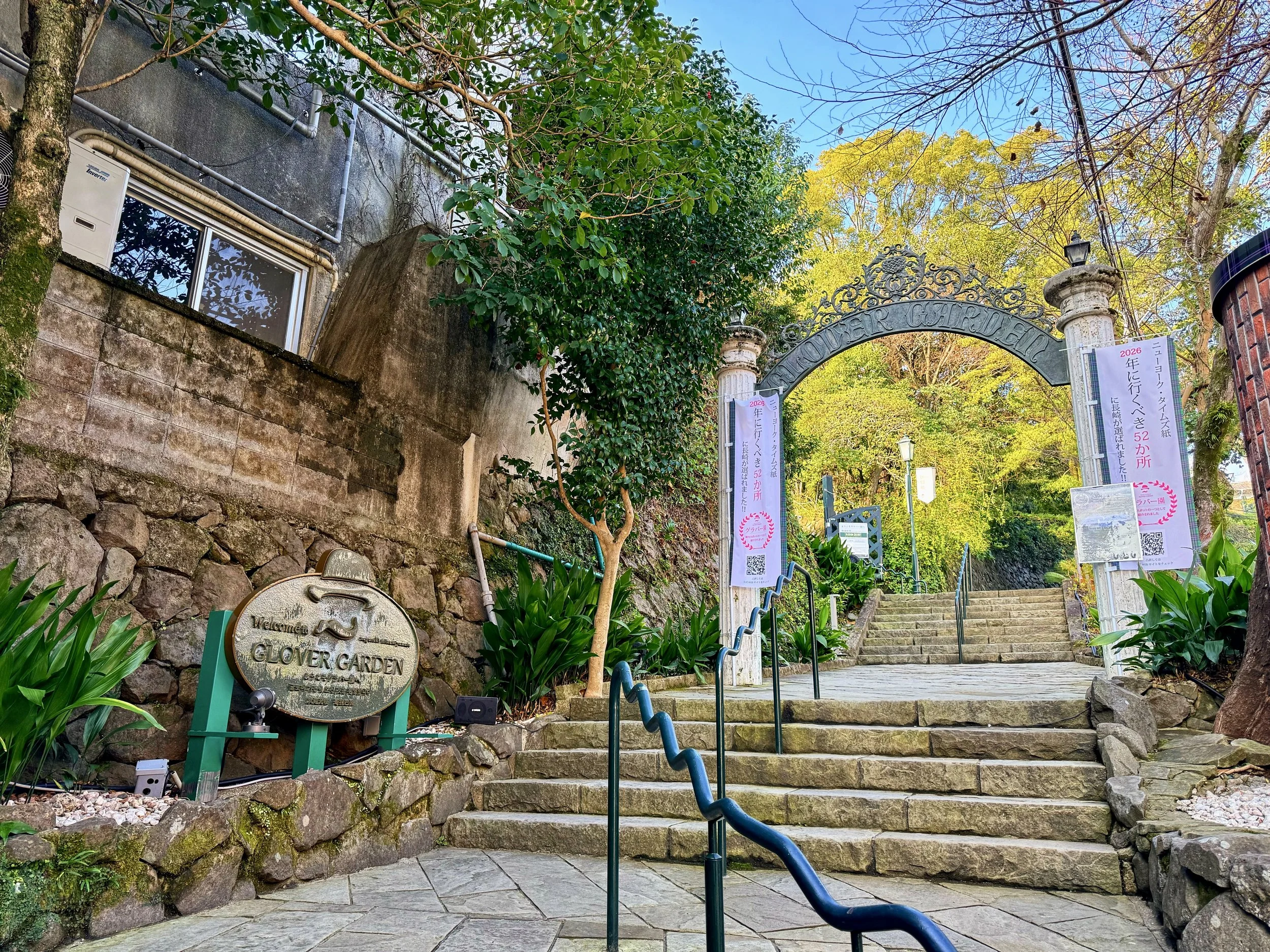
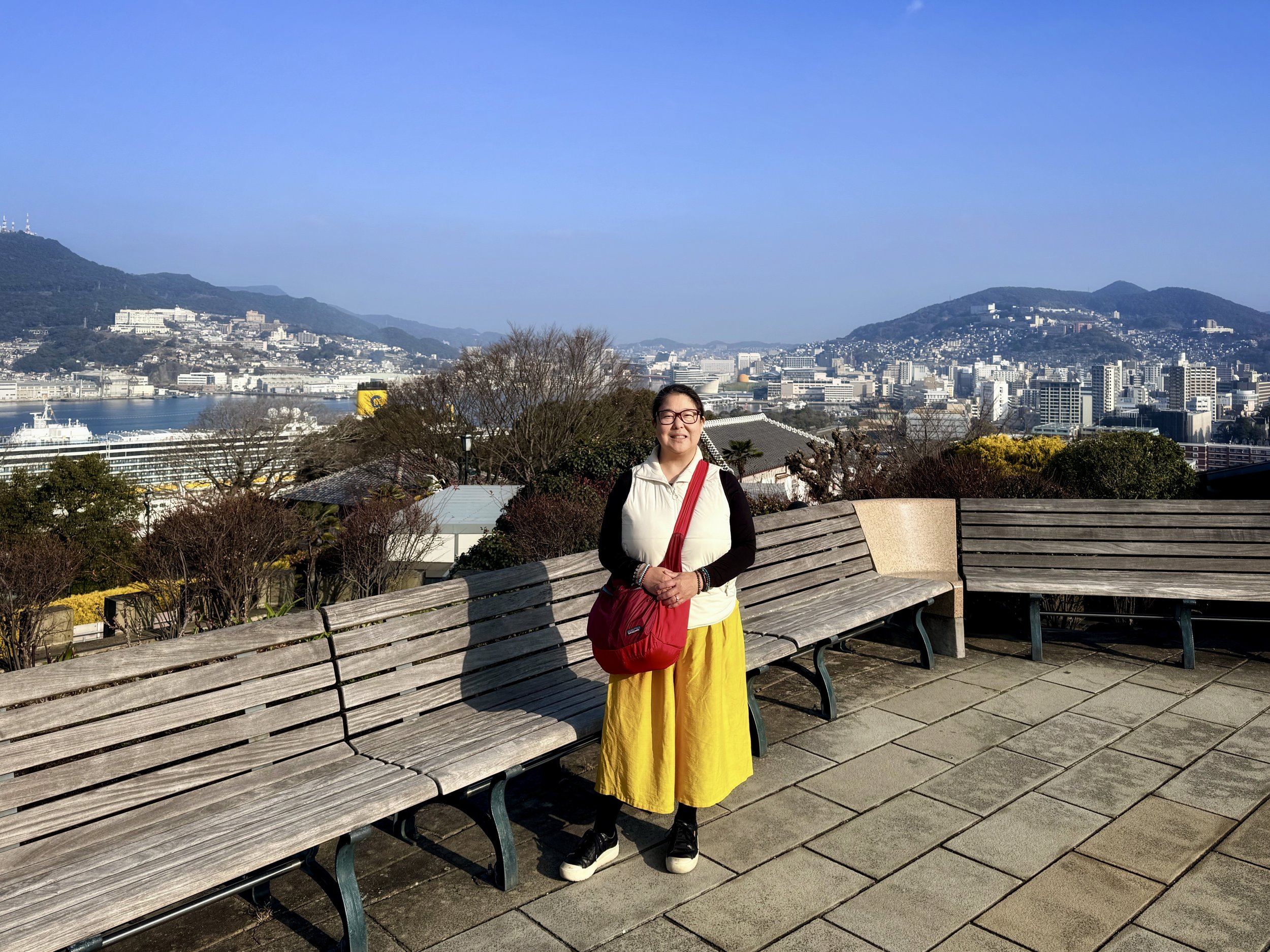
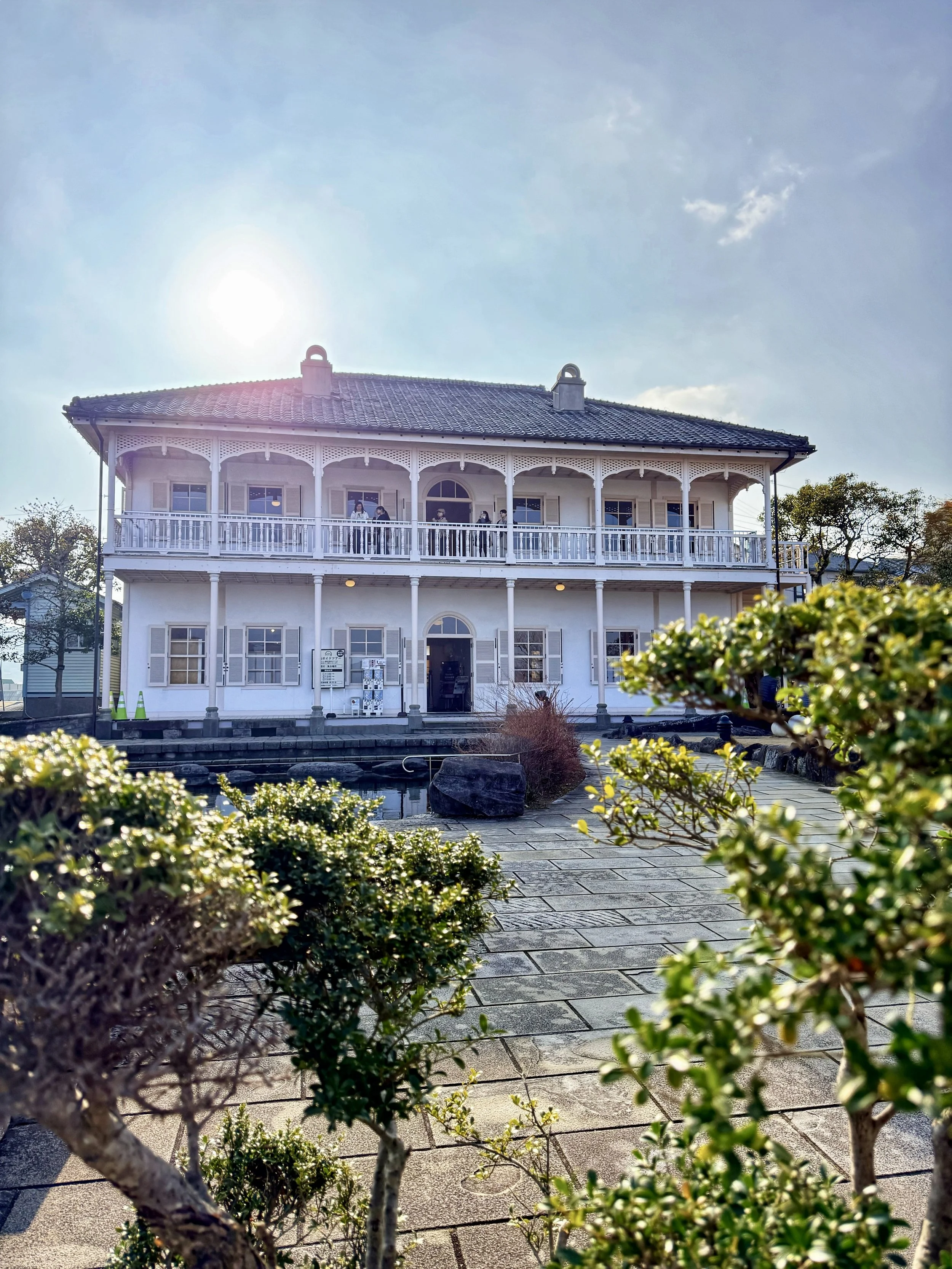
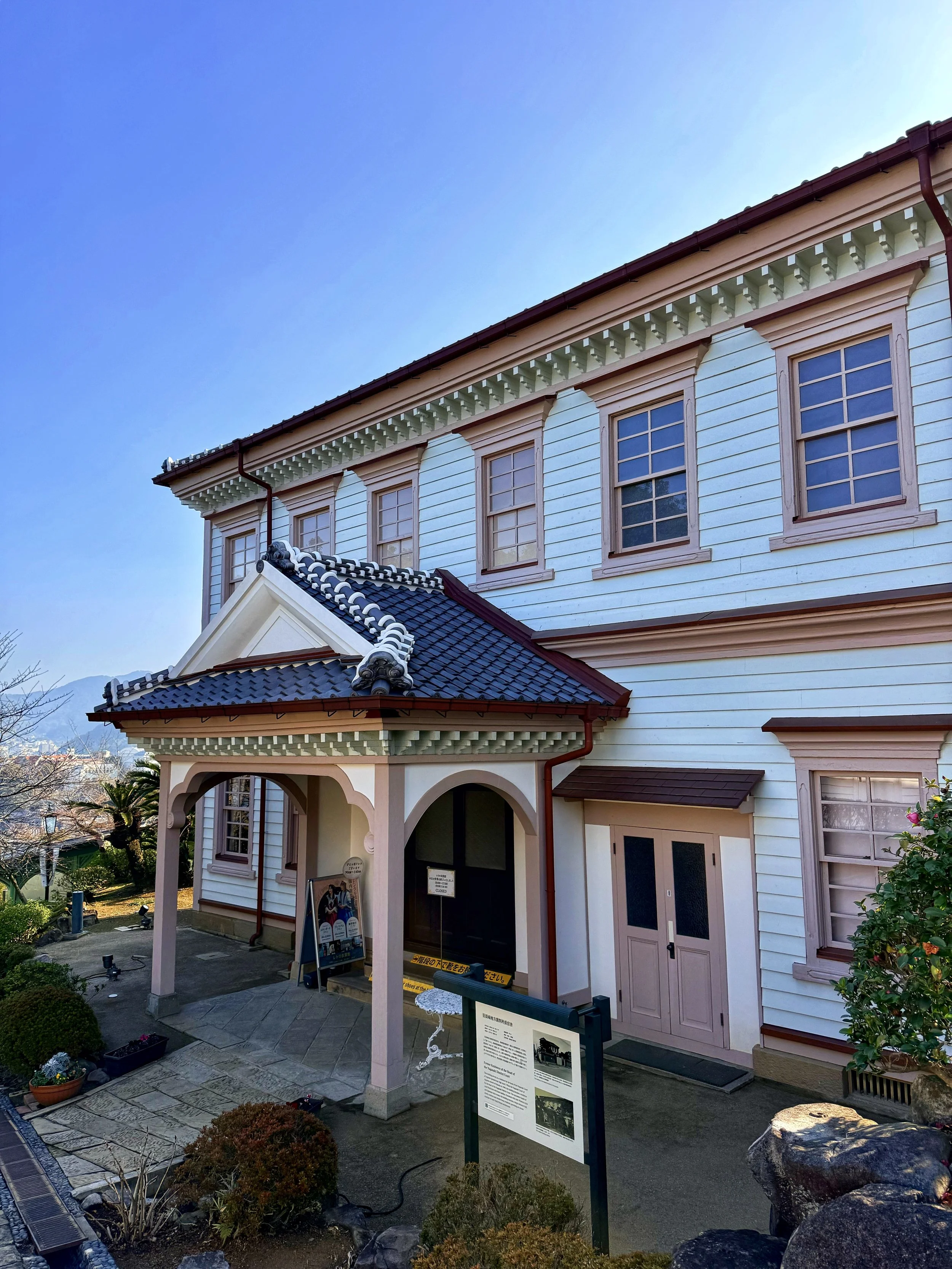
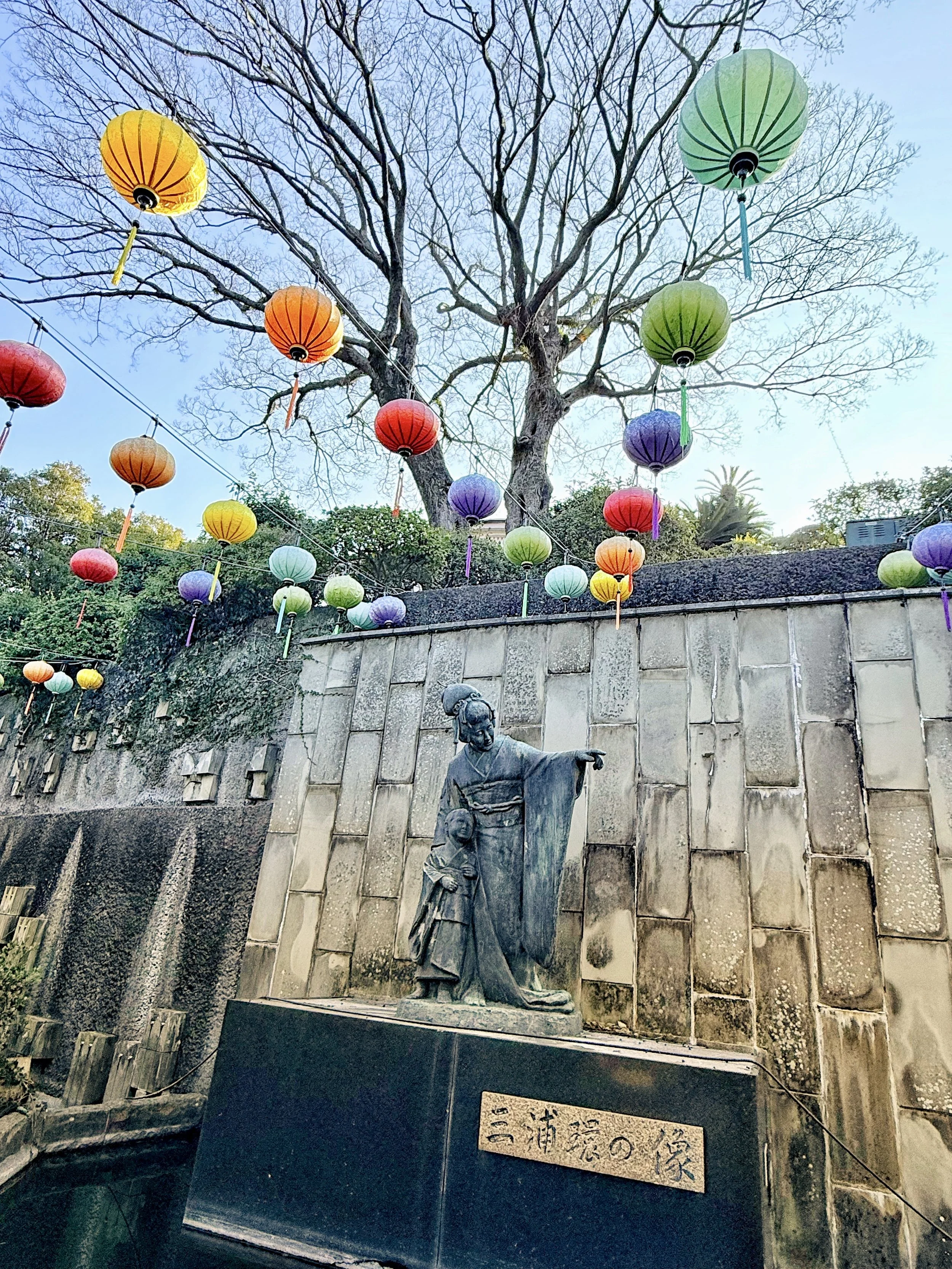
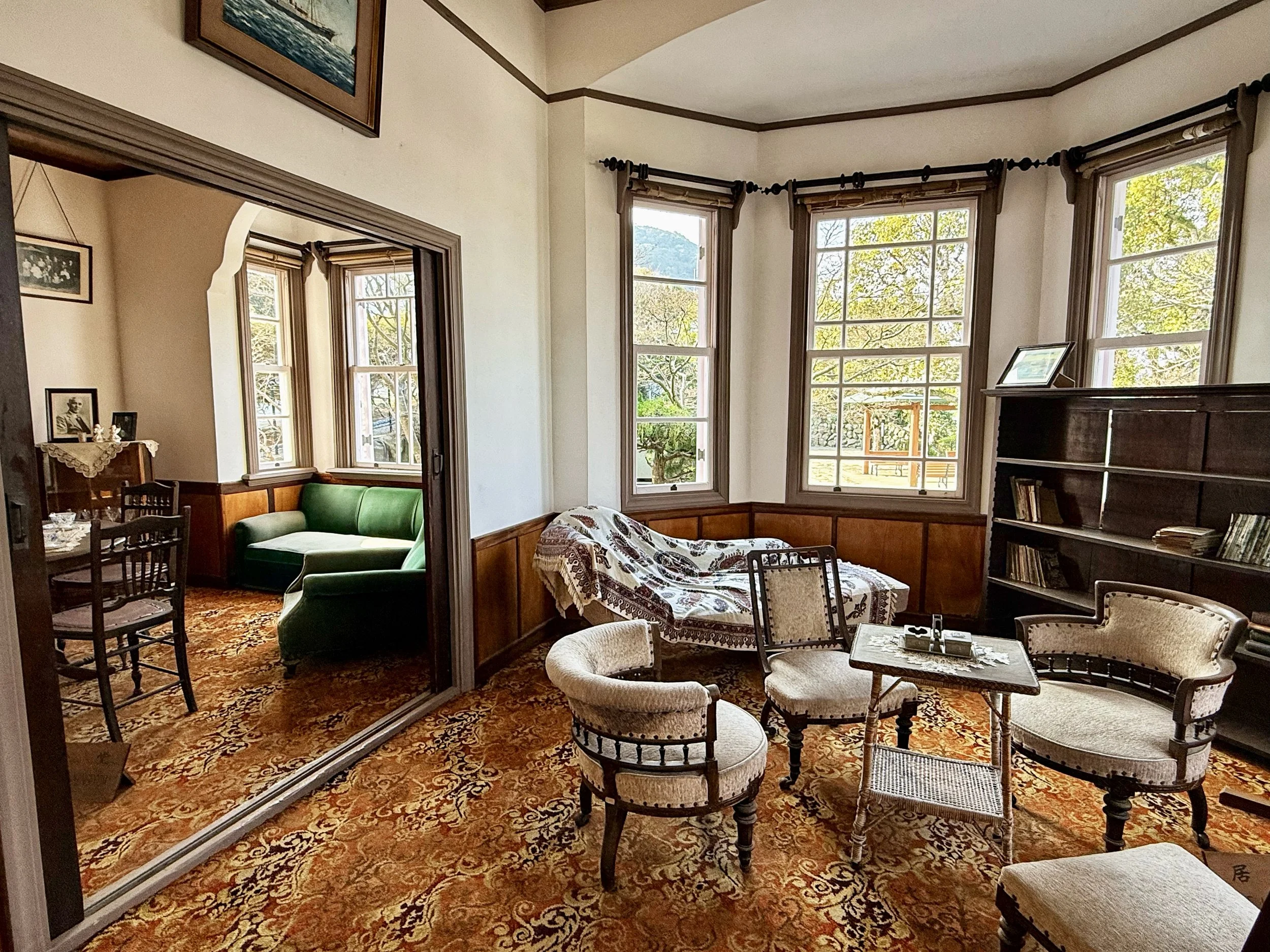
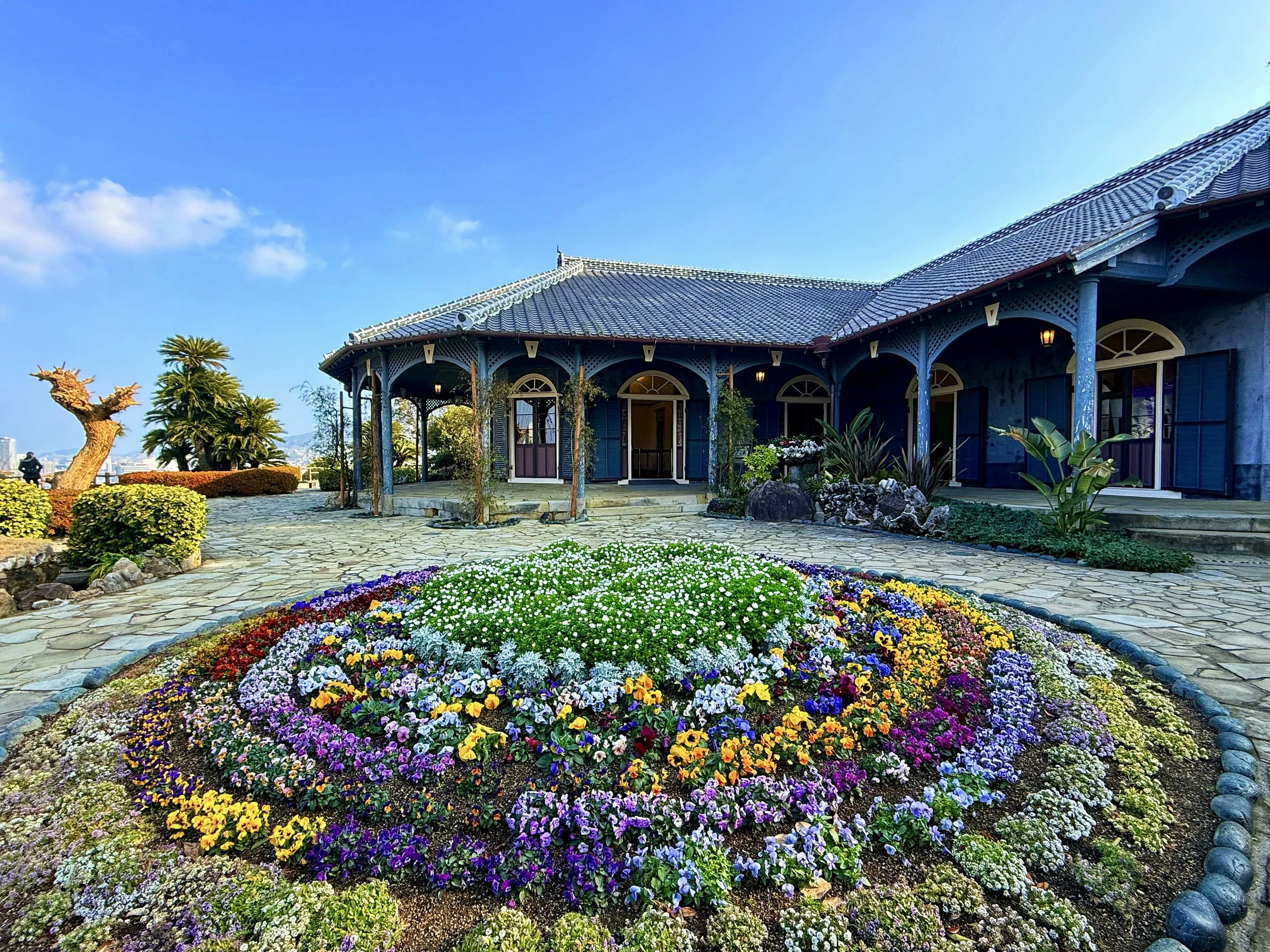
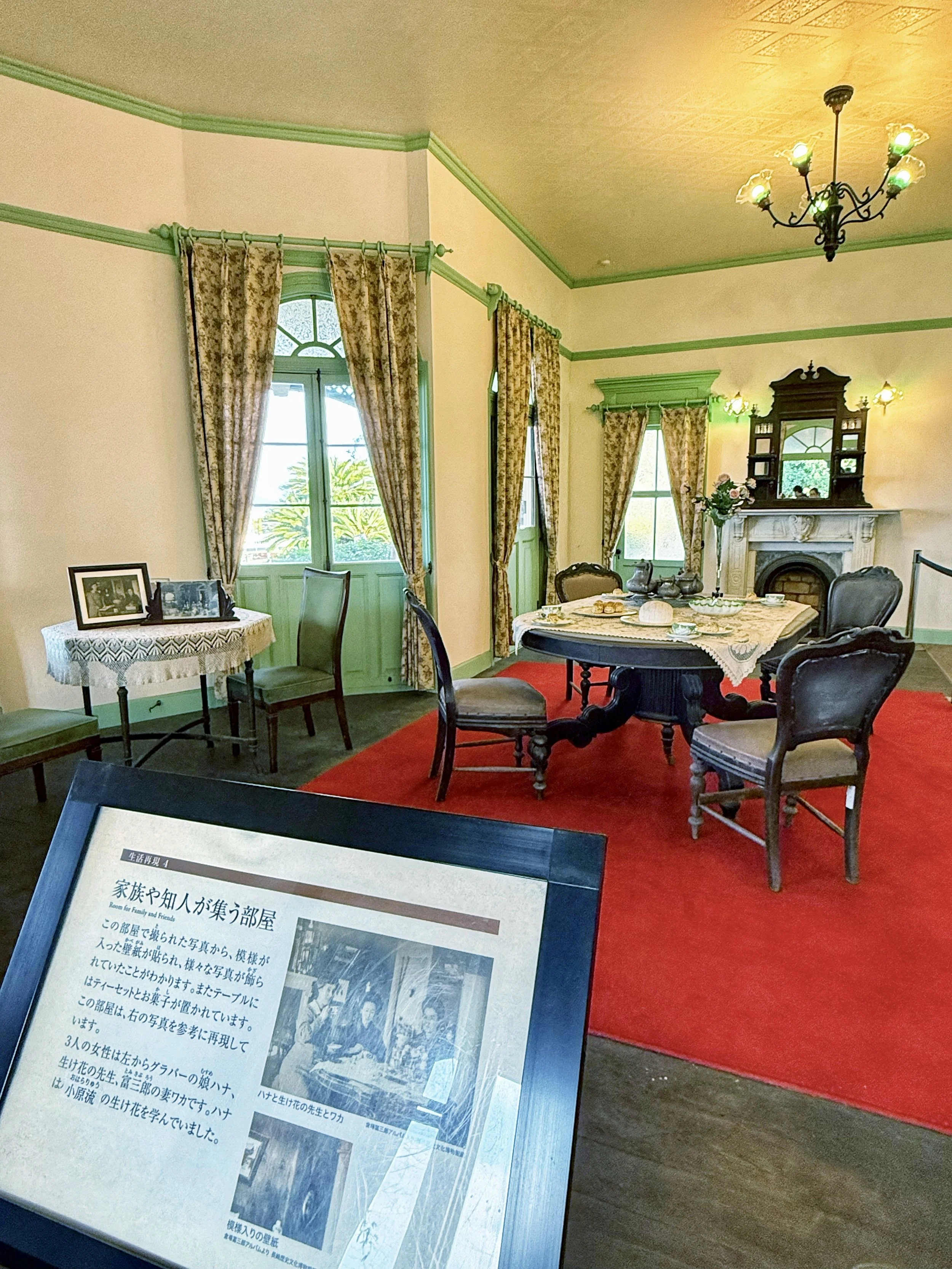
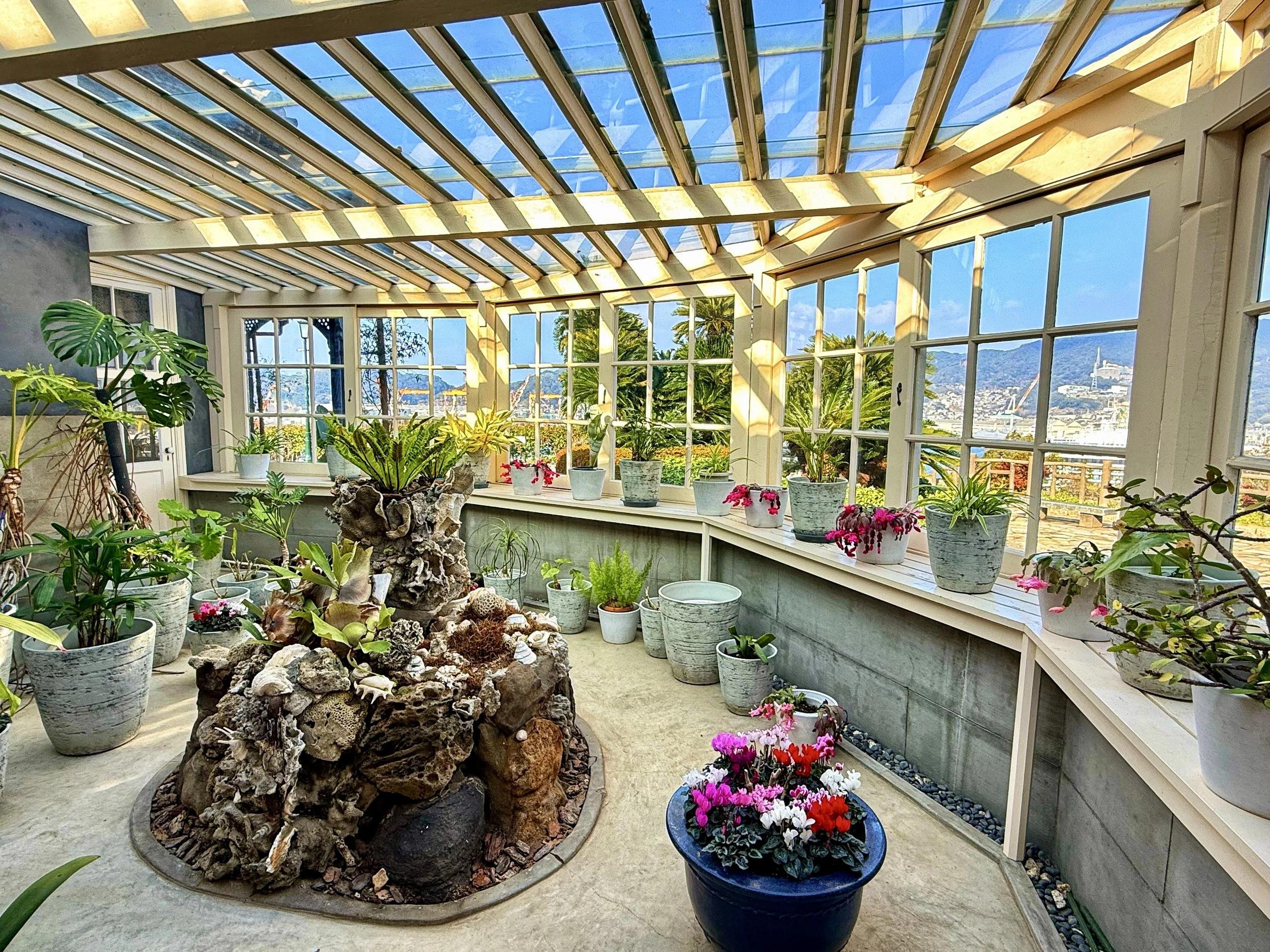
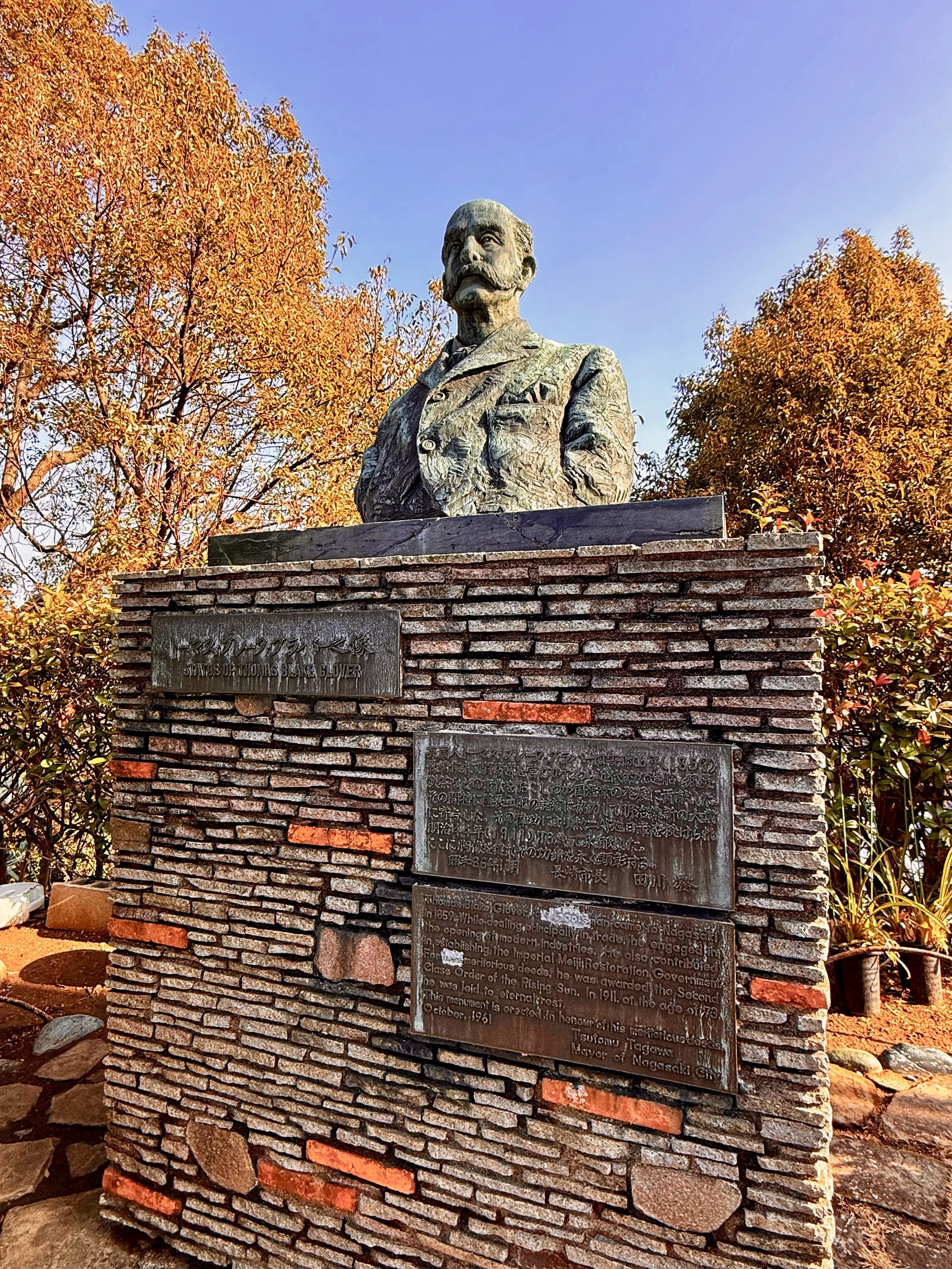
In the former foreign settlement area of Nagasaki, an influential Scottish merchant by the name Thomas Glover, eventually built his home there and visitors can tour the Glover House and Garden - the oldest Western-style building in Japan. The whole area is on a hill overlooking the bay and has many other western buildings to explore, such as: the Dock House (a crew-house dormitory with the very best view of the bay…in our opinion), the residence of the founder of Kirin Brewery, Robert Walker, and Steele Academy (a private school). Also, there are two statues of Giacomo Puccini and Tamaki Miura - the Japanese soprano for her principle role as Cio-Cio-San in Puccini’s opera, as this place was significant to the Madame Butterfly’s story. It was worth the cost of admission and took approximately an hour to explore the whole settlement.
If we had more time, we would have visited the following places that we did not get to:
Atomic bomb museum and peace park. We were just at Hiroshima A-bomb dome a few months ago and chose to forego re-living this reminder again.
Mount Inasa for night views of the city.
26 Martyrs Memorial Museum for the hidden Christians.
Suwa Shinto Shrine: Tokugawa shogun built this shrine in 1614, the same year as the edict against Christianity, as a strategic measure to counteract the spread of Christianity and bring people back to Shintoism. The 277 step stone staircase and the huge shimenawa sacred rope would be worth the visit!
Nagasaki Food is So Fusion!
This is a short list of iconic foods with a western influence in Nagasaki.
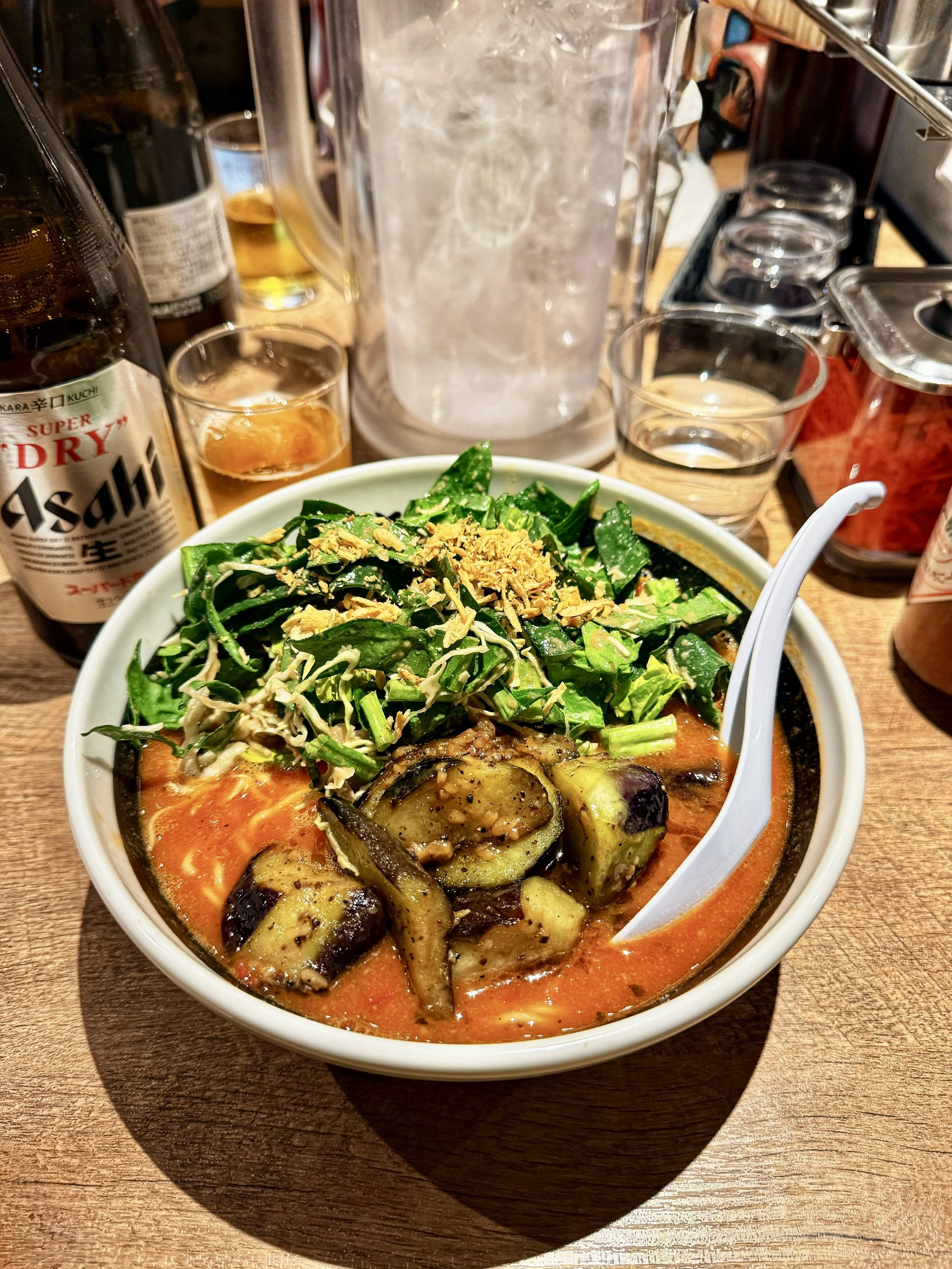
Tomato ramen: A renowned, specific style of tomato ramen is a specialty of Nagasaki, particularly famous at a local shop called Ramen Hiiragi in the Dozamachi area. This popular dish features a rich, savory, and tangy tomato-based broth often paired with roasted eggplant and pork, representing a modern, unique culinary, fusion, rather than a traditional, ancient, specialty.
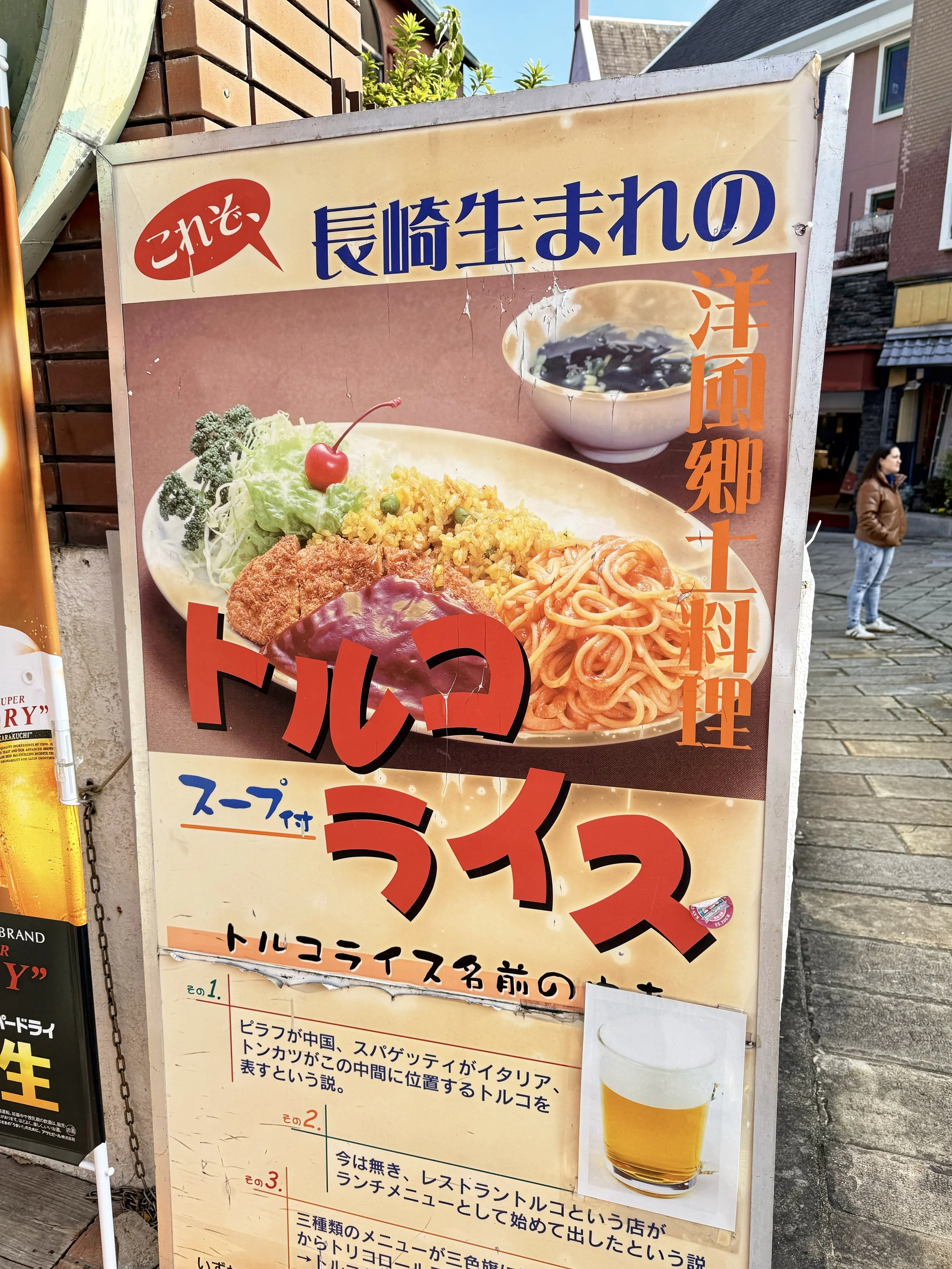
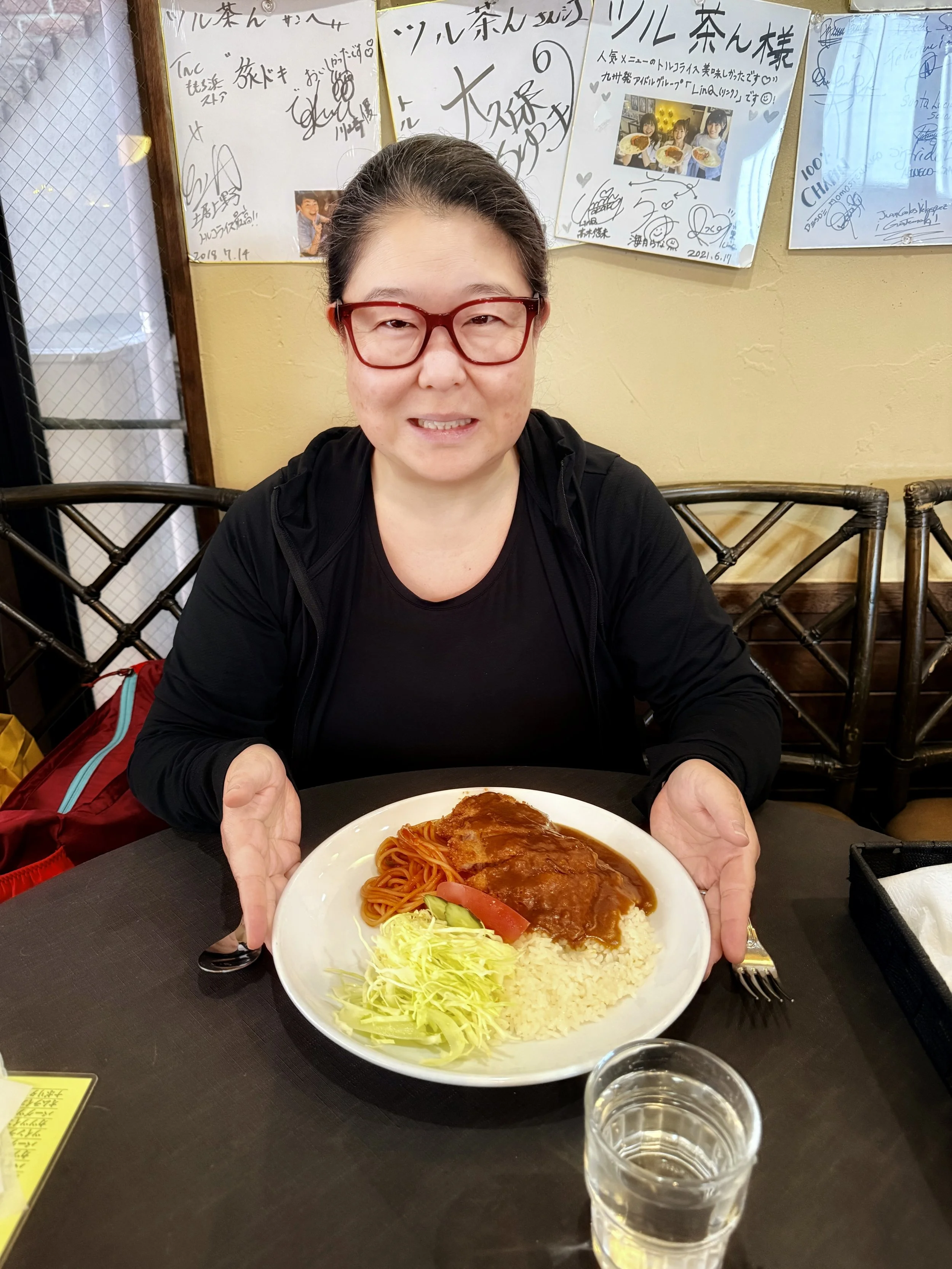
Turkish rice: There’s nothing Turkish about this. A nostalgic and unique dish that only Nagasaki could have conjured up from all the exotic foreign influences! Turkish rice imagined by a Japanese includes spaghetti neapolitan (ketchup-y) + pilaf rice with curry-like sauce + tonkatsu + cabbage salad. This article in Tenpos Star describes it best as an adult version of a kid’s meal. Haha. We ate at Tsuruchan, the cafe that has the claim to originating turkish rice.
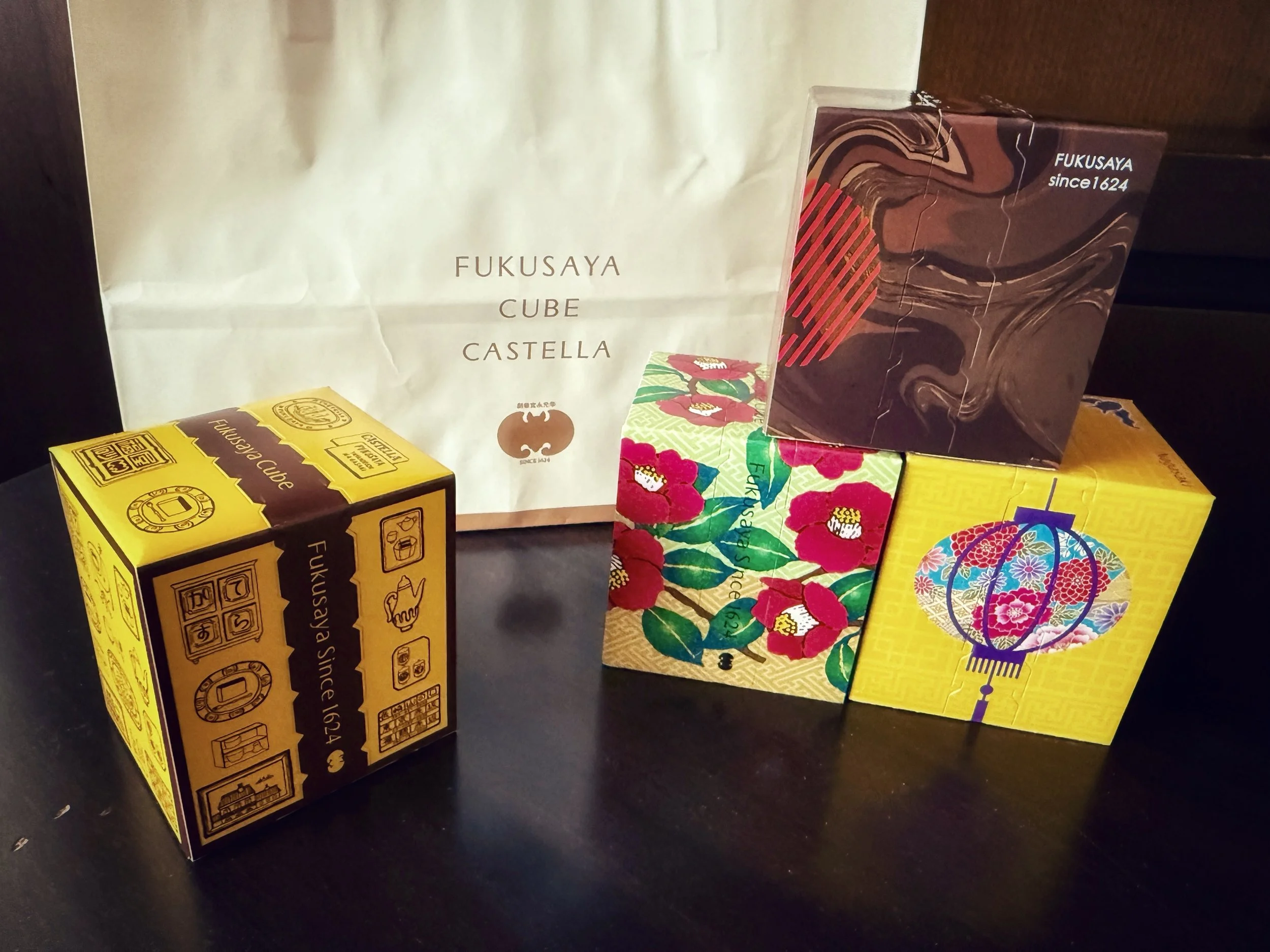
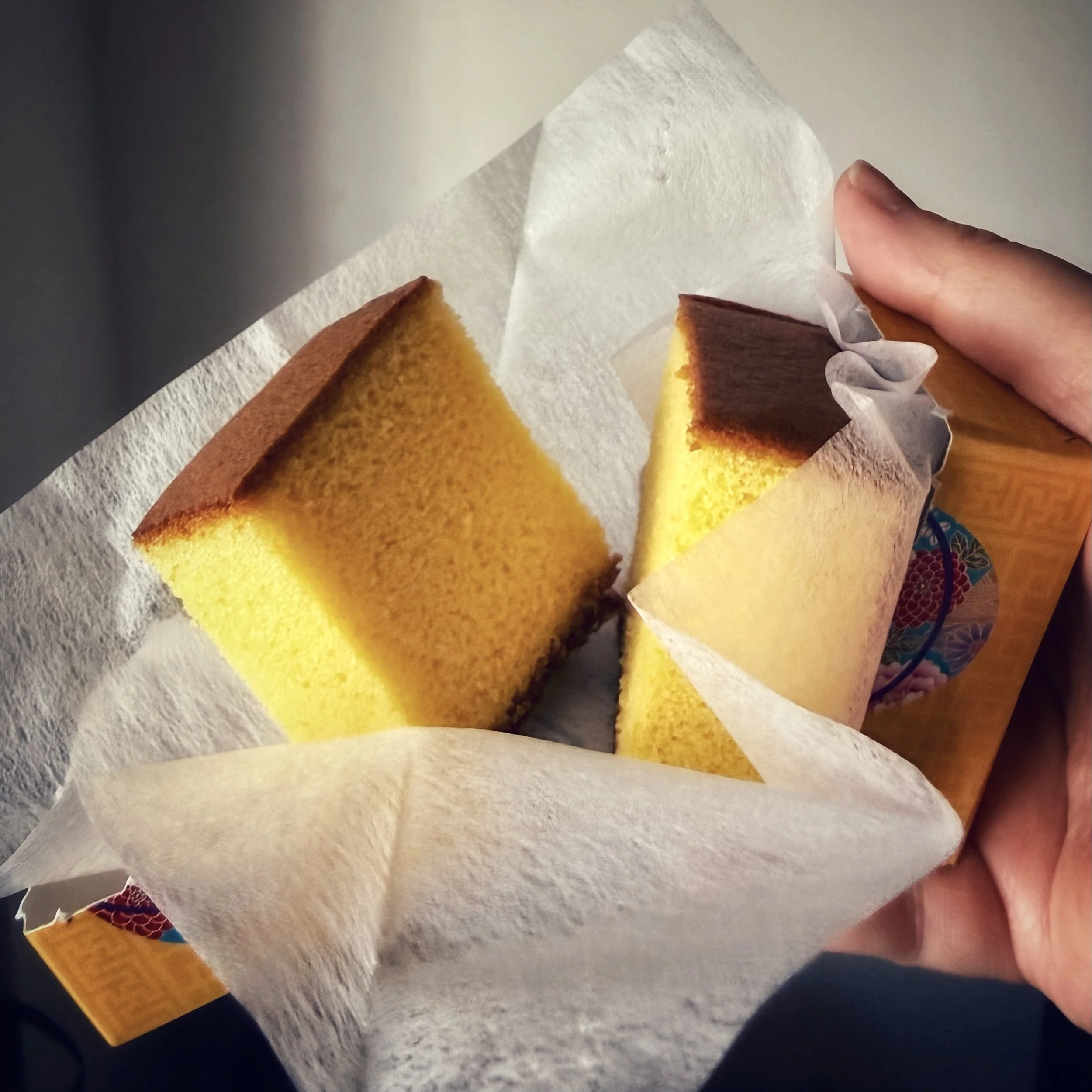
Castella: The Portuguese merchants and missionaries introduced a sponge cake, Pão de Ló, to Nagasaki and a bread called Pão de Castela (bread from Castile). Nagasaki “japanized” the name castella and made the cake lighter and more moist, often using honey or starch syrup to suit Japanese tastes. Fukusaya is the OG castella house in Nagasaki since 1624. They just celebrated their 400 year anniversary! I had to try out the castella from the flagship store.
Champon: sorry, we didn’t eat the obligatory Nagasaki dish of Chinese influence consisting of thick chewy noodles in broth with stir fried veggies. We want to pace our noodle-based dishes (we have a lot of Asia to get through in the next few months!) and this wasn’t the dish to spend our noodle “ration.” 😉🍜
Sara udon: we also skipped this dish for the same noodle reasons. 😬 They say it’s similar to Chinese chow mein.
Now, on to Fukuoka via Nishitetsu Highway Bus!
