The infrastructure for living is definitely not setup for nomads. Convention assumes a person has a home-base to conduct daily life such as banking, healthcare, connectivity, favorite streaming shows, etc. Good news is, unconventional solutions do exist for people like us and is ever evolving. Start digging around YouTube and there’s a plethora of advice on how to accomplish this. Here’s Part 3 of the behind-the-scenes look at how we chose to structure our nomad life operations…for now.
Nomad Life Ops Part 3: Resupplying Necessities in the Travel Wilderness
We’re 3 months in to our travels and need to re-supply some necessities!
What sorts of necessities, you ask? Thankfully, the list is quite short because…we don’t have much to begin with and we aren’t very particular about most brands. If we can, we’ll just use what is available locally.
Contact lens cleaning and storage solutions specific to the manufacturer or lens type.
Certain tried-and-true skincare and cosmetics. It’s overwhelming to try and decipher a new equivalent every time. 😱
Mosquito repellant with DEET. So far, most repellent in Southeast Asia does not contain DEET. This is a problem for Akiko who can experience severe skin reactions to bites and the more “natural” repellents simply do not work well.
CPAP machine filters
Floss. Shockingly, floss was difficult to find in at least one country (Philippines) we’ve already visited. 🤔 We had to go to a western mega mart and eventually found some hidden at the checkout lane, in a place we’re used to impulse buying our candy and gum…not floss.
Etc.
DHL Express from the States. Costly. Customs Prohibitions.
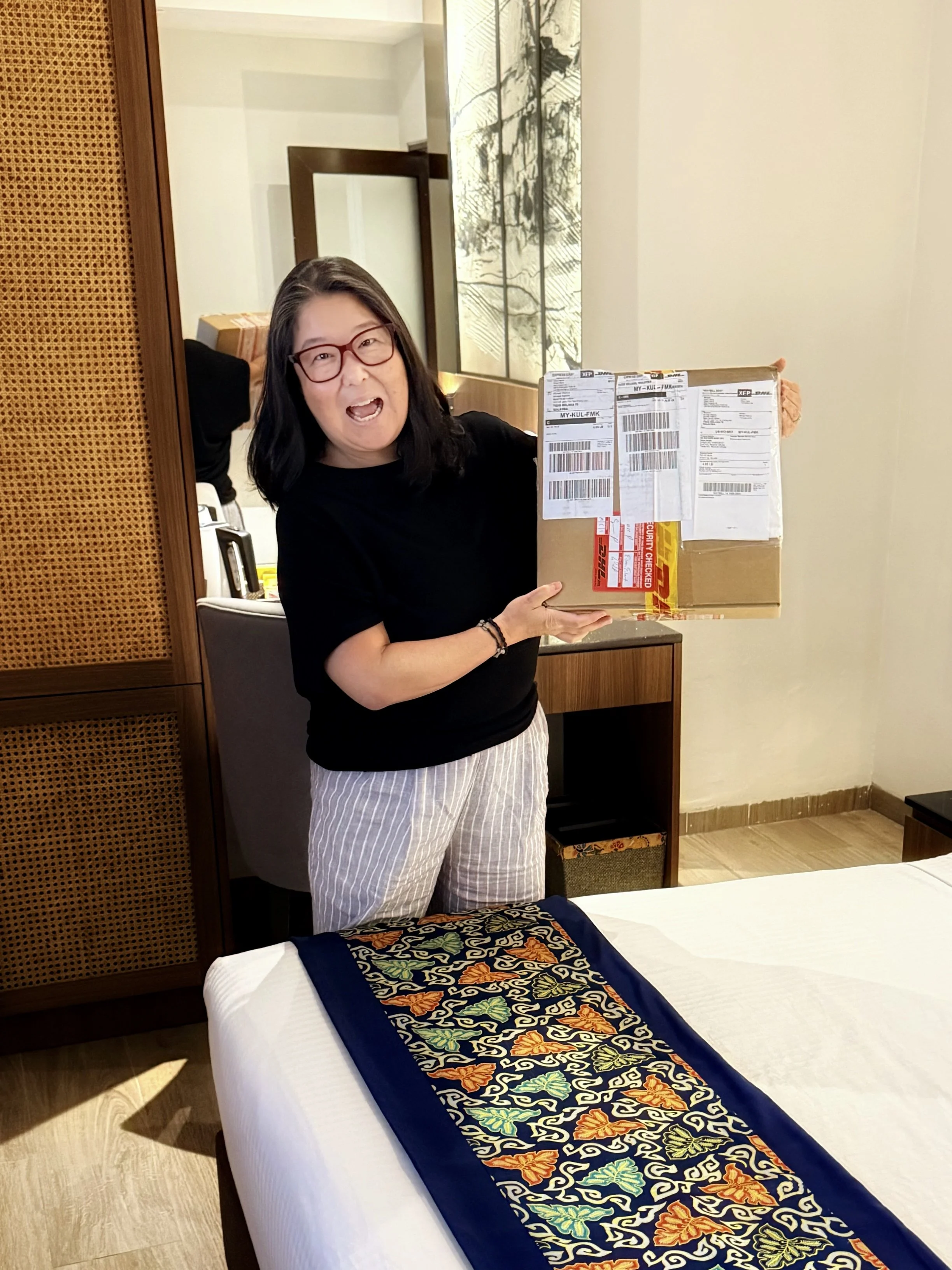
For our first round, we already had extra supplies waiting at our friends’ house, and we wanted to experience the process of shipping a package from the States. Per our prior blog post, this is not a sustainable option for at least two reasons.
The Cost (and Time). At USD$200 for a small package, that’s going to add up. Our package arrived on time, but there’s no guarantee if it gets hung up in customs.
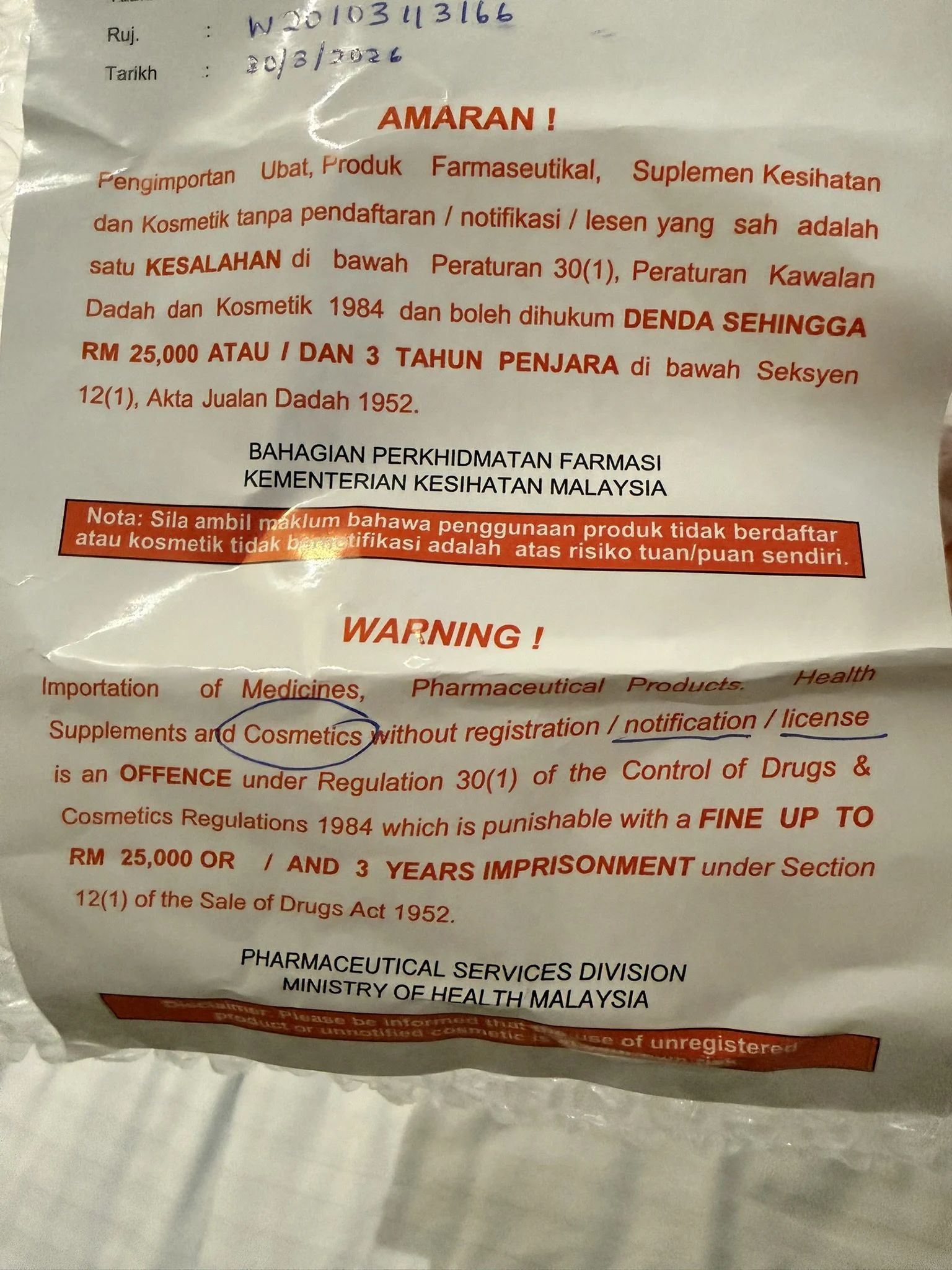
Customs prohibits shipping “medications, pharmaceutical products, health supplements, and cosmetics” (What?! Cosmetics, too?!) without going through some major red-tape. That’s basically everything we need. 😂 We are eternally grateful to our brave “smuggler” friend who shipped stuff to us anyway.
Shopping at Local Stores. Inefficient. Lacks Inventory.
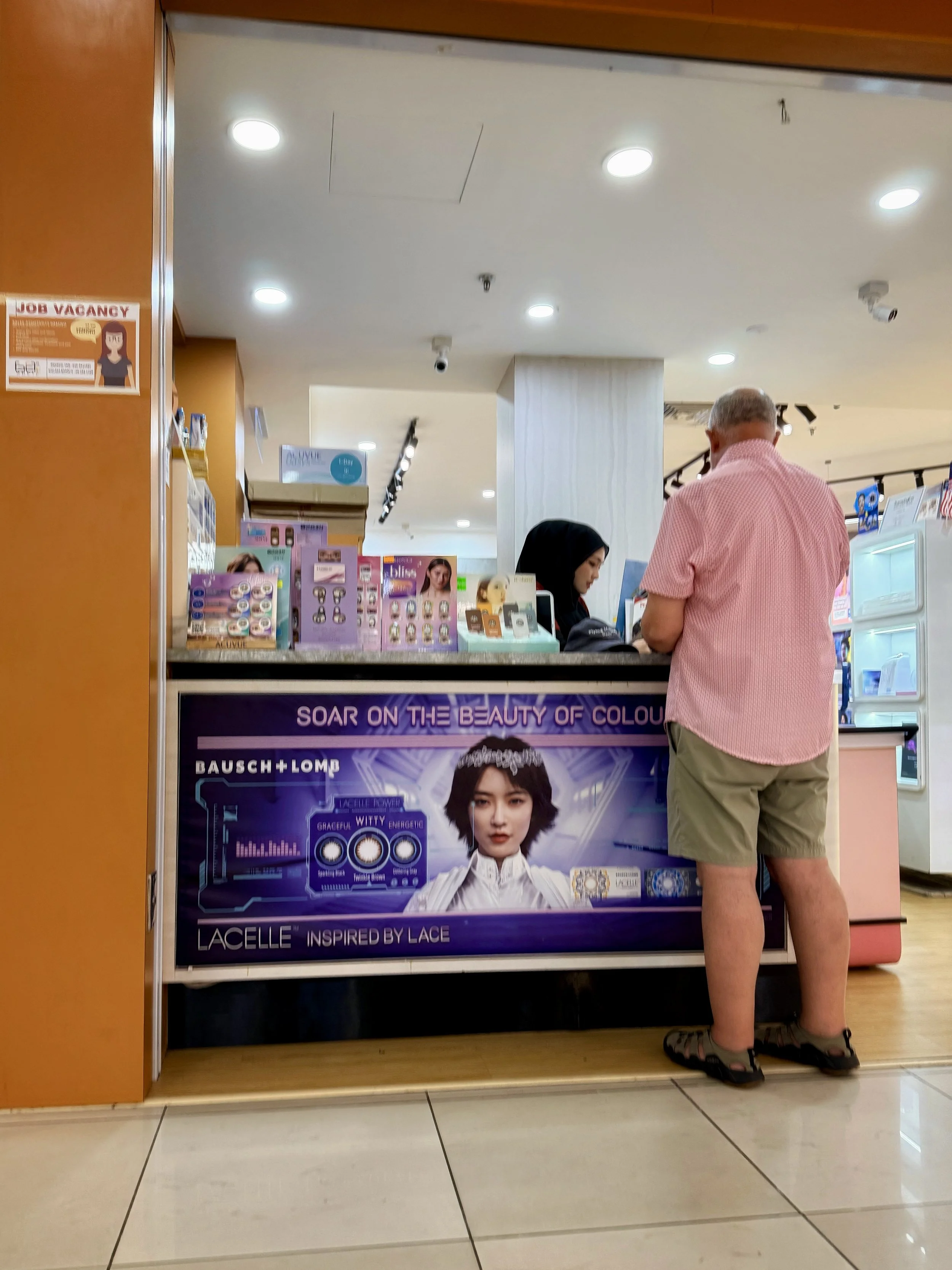
Often, we are going on a wild goose chase for basic needs. This has become part of our daily life. Sometimes we’re pleasantly surprised. Oftentimes, we’re striking out.
Online Shopping. Local Phone Numbers and C.O.D. Requirements.
Does anyone here even recall what C.O.D. means?! A small historical digression: Believe it or not, a long time ago, packages were delivered as “cash on delivery” (C.O.D.), meaning you met the delivery guy and had to pay cash in that moment to receive your package. Hold that thought while we get back to our regular programming…
Good news is, these days—just like in the States—most people shop online. We could continue using Amazon but since their distribution is not localized, the shipping cost seemed expensive and didn’t have all the inventory. So, we looked for online retailers that are most common where we’re currently at—Malaysia and/or Southeast Asia.
Need to Stay Put For Awhile. First, we needed to stay put in one place long enough that we can receive packages. Malaysia has been the perfect place to try online ordering!
Quest for a Local Number. Second, we needed a local phone number. Yup. The main online retailer, Shopee and many others we discovered, require a Malaysian phone number to be able to order stuff. (Then, the order may still not accept credit card payments and require C.O.D.).
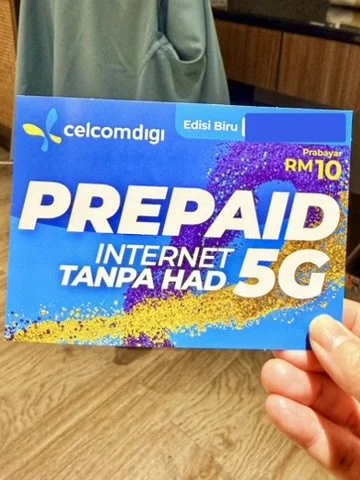
A SIM card with a local number to the rescue! A few caveats.
eSIMs will not work because they only provide data without a local phone number.
We needed to buy a physical SIM card that comes with a local number, specifically.
Most newer smartphones don’t take a physical SIM card anymore.
Fortunately, we are traveling with an older model iPhone as backup that still takes a physical SIM card. Why? Because some countries only have physical SIM cards, such as Cuba.
Even if our primary smartphone could take a physical SIM card, we wanted to avoid intermingling the two phone numbers and data accounts. Nor, did we want to toggle between our Popcorn international cellular and data plan and a temporary local number or data plan, using the same phone. Having the backup “burner” phone has been helpful.
Registering the SIM card. The 7-Eleven stores sell SIM cards. We learned that many are data only. A few come with a phone number, so be sure to buy the correct SIM card! Getting a local phone number wasn’t as easy as popping in a new SIM card. In Malaysia, we had to register the card by sending a photo of my passport, a selfie, a physical address of where we are staying, and the blood of our first born fur baby.
Online Retailers
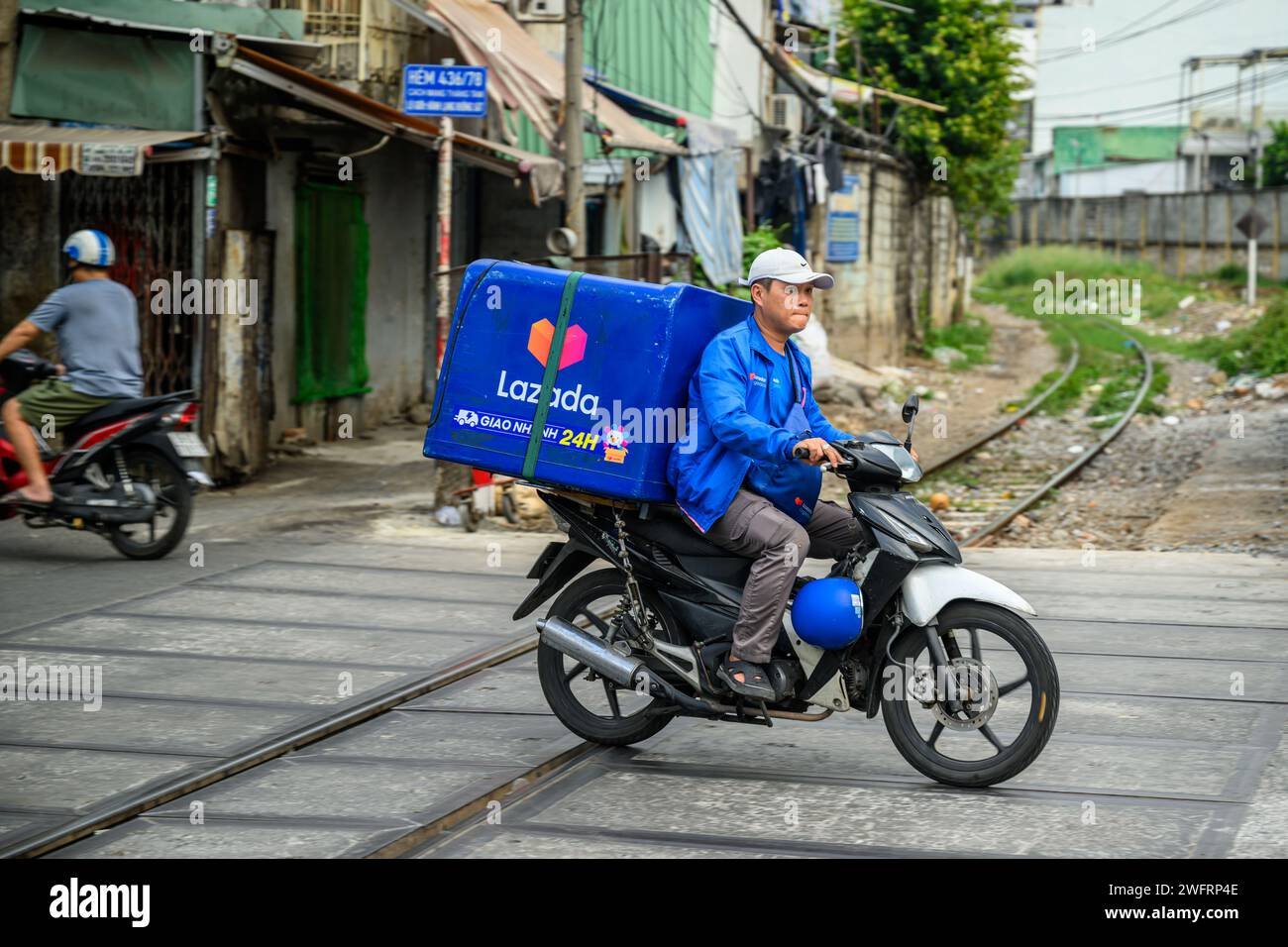
Finally, armed with a local number, we successfully created a Shopee account…only to encounter the C.O.D. issue. Shopee accepts other non-credit card bank payment options (similar to PayPal or Venmo equivalent in Malaysia), which we don’t have and cannot setup without a local bank account. So we scrapped Shopee as an option.
Bama Mike found an alternate online retailer, Lazada, which has an option to pay in advance via a foreign credit card, and not C.O.D. Yay! We have been freed from the stone ages.
Success! Major success to finally having an “Amazon-like experience” in Malaysia! The exact items we needed arrived in a couple of days to our hotel without incident.
Game Changer!
Hacking our way to shopping through a local online retailer is a game changer for us to as we move about the world. Stay tuned.
~~~~~~~~
Read Nomad Life Ops Part 1: Where Is Our Residency and Address?for more tips on the logistics of being a world nomad.
Read Nomad Life Ops Part 2: Reliable Global Connectivity for the pros and cons of various cellular service, data, talk, and text plans around the world to stay connected.
