Panama Is Synonymous with the Panama Canal (And More!)
To the rest of the world, Panama is pretty much synonymous with its famous canal. But that’s a bit like saying Kansas City is synonymous with barbecue — technically true, but you’re missing a whole lot of the story.
Panama is a country of incredible biodiversity, a cultural melting pot of indigenous tribes and Afro-Caribbean roots, and a hyper-modern financial and logistics hub for the Americas. In our one week here, we barely scratched the surface of what Panama City has to offer, and we already know we’ll be back to explore beyond the tourist highlights.
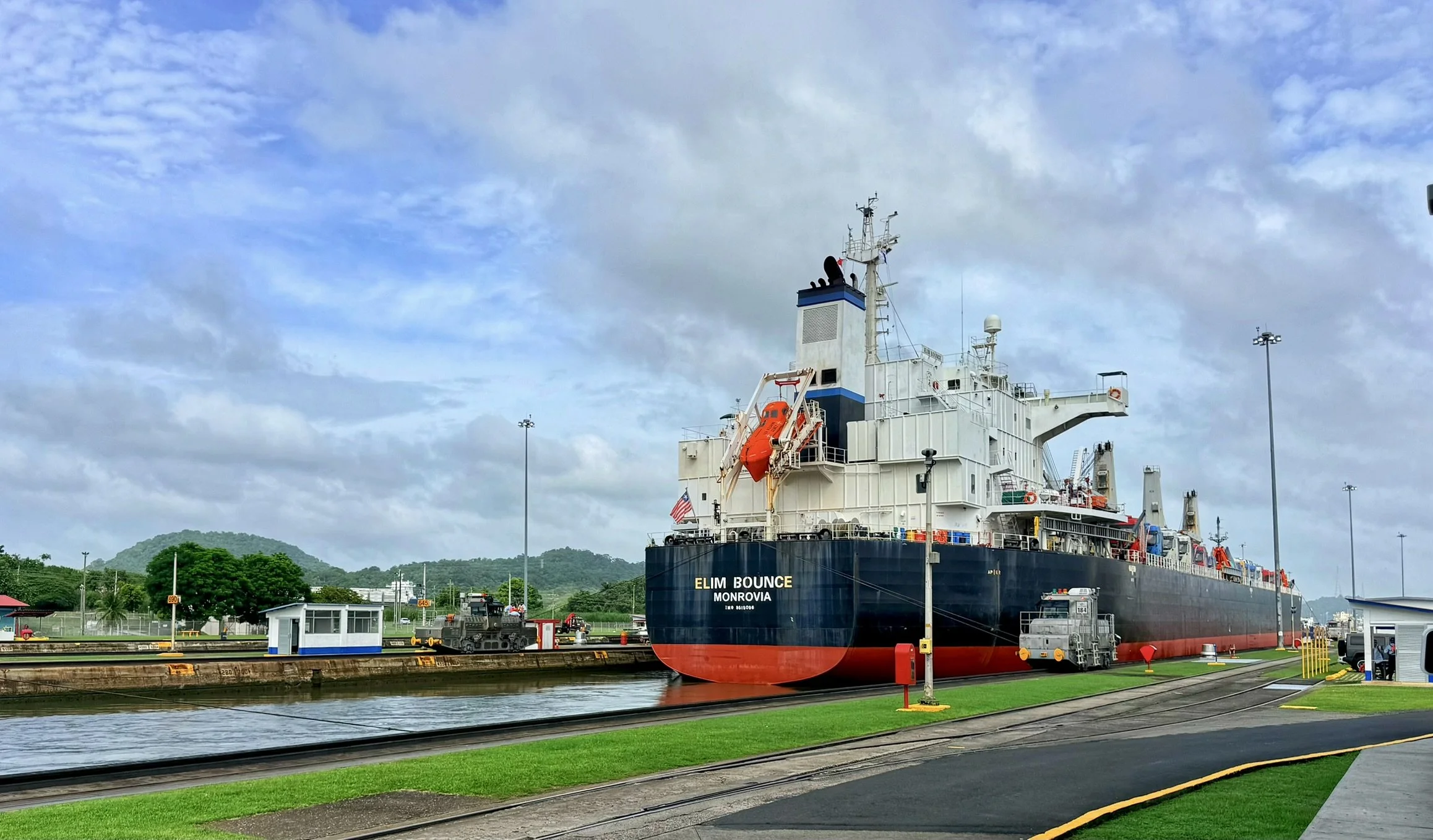
What we didn’t expect was for one of the highlights of our Panama City visit to be something as mundane as…watching a ship go through a lock.
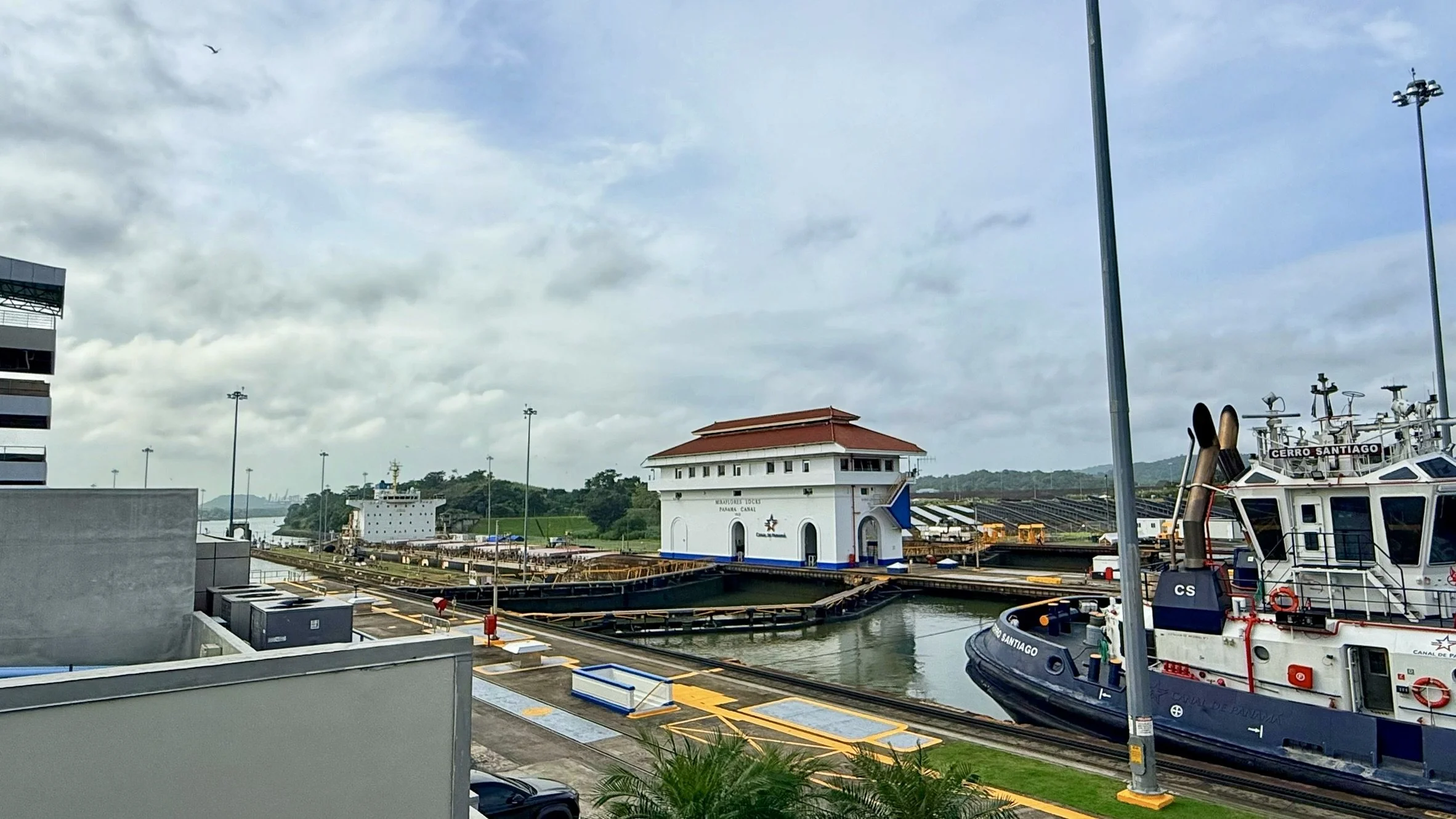
And yet, there we were at the Miraflores Locks, completely mesmerized.
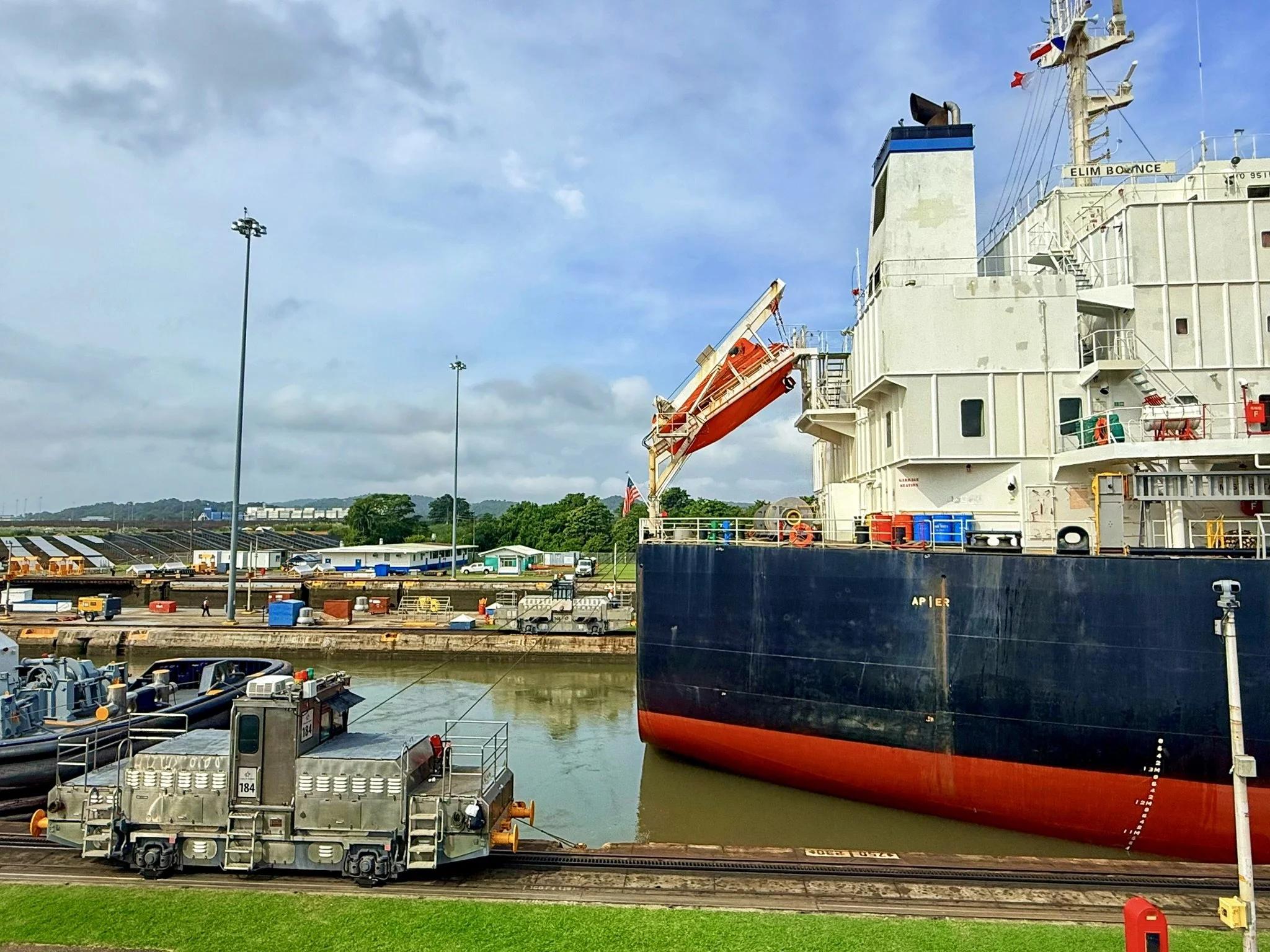
Watching the locks fill with water at what seemed like warp speed, and then seeing a massive ship — flying a Liberian flag and carrying dry bulk cargo (think grains, coal, iron ore, fertilizer, etc.) — gingerly make its way through the narrow passage was seriously cool. The ship was guided by electric “mules” and tugboats, and the whole operation was a fascinating combination of massive machinery, precision and, apparently, a lot of patience.
Before visiting the Museo del Canal in Casco Viejo, we were embarrassingly ignorant about how the Panama Canal actually works. We knew there was a canal. We knew there were locks. Ships went through it. Done.
Who else thought the Panama Canal was basically one long string of dug-out channels and locks stretching from one ocean to the other? 🙋♂️🙋🏻♀️
Yeah…not quite.
So How Does the Panama Canal Actually Work?
The story gets much more interesting.
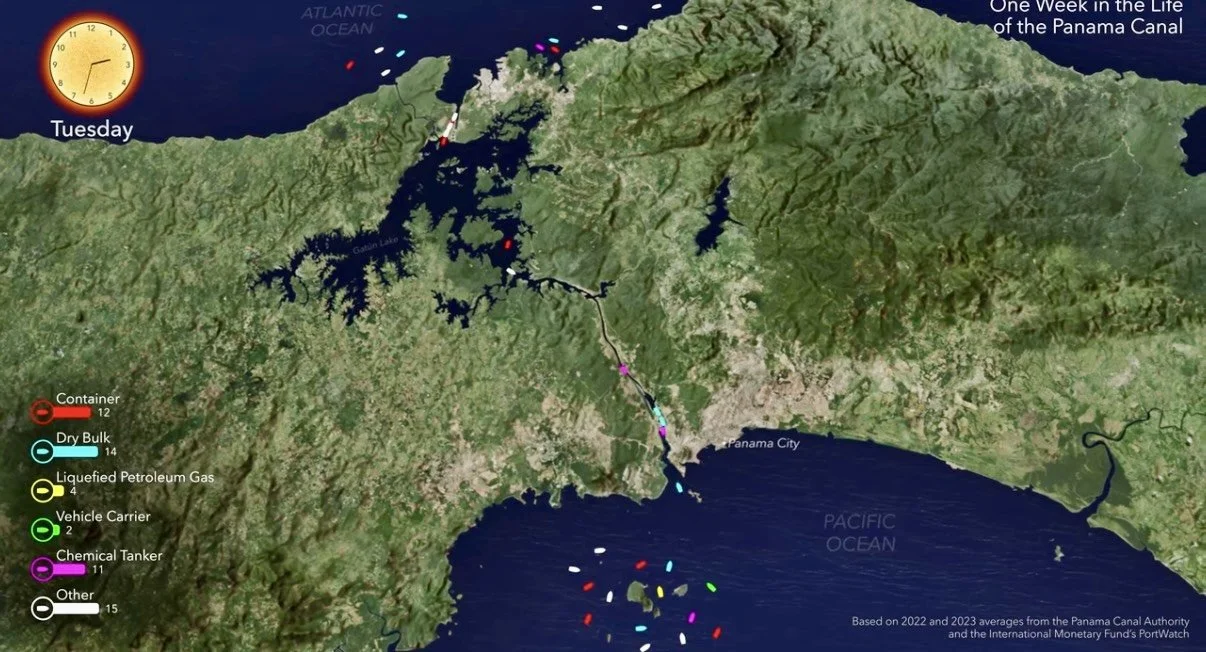
The French made the first attempt at building the canal in the late 1800s, essentially trying to apply the same basic playbook they had used for the Suez Canal: dig a giant ditch through the land and connect the two oceans.
Unfortunately for the French, Panama was not Egypt.
The jungle, terrain, disease and, most importantly, the Chagres River made that plan considerably more complicated than expected. The French effort ultimately failed.
When the United States took over the project, they came up with a completely different approach. Instead of trying to fight the Chagres River, they decided to use it to their advantage.
They dammed the river and flooded a huge area, creating Lake Gatún, an enormous artificial lake that would allow ships to sail across much of the isthmus rather than traveling through one continuous man-made trench.
Then came the locks — essentially giant water elevators — that raise ships from sea level up to the lake and then lower them back down to the opposite ocean.
Genius.
And somehow, watching it all happen in person made us appreciate just how insane an engineering project this really was.
A Few Panama Canal Facts We Didn’t Know
The First Official Transit. The first official transit was August 15, 1914, when the steamship SS Ancon passed through the canal. Unfortunately for the canal, its grand opening was somewhat overshadowed by another little event happening in Europe at the time: World War I.
Canal Time. The canal stretches about 50 miles across the Isthmus of Panama. A typical transit through the canal itself takes roughly 8–10 hours, although a vessel can spend 24–30+ hours in canal waters once pre-transit inspections, scheduling and potential delays are factored in.
Water is the key ingredient. Of course, but how much water? Every time a ship passes through the locks, enormous quantities of freshwater from Lake Gatún are used. A single transit requires an average of about 98 million liters (~25 million gallons) of water.
And that creates a problem. Despite Panama’s abundance of rivers and tropical rain, prolonged droughts have reduced water levels in the canal’s reservoirs. During recent periods of water shortage, authorities have had to reduce daily canal transits from around 40 vessels to 32.
The newer locks are designed to recycle much of the water used during each transit and use about 7% less water than the original locks.
Naval Engineer, Ilya Espino de Marotta. By the way, the newer expanded locks opened in 2016 and was part of a roughly $5.25 billion project designed to accommodate much larger ships. The engineering effort was led by a badass woman, Ilya Espino de Marotta, a naval engineer who directed the expansion project and became the first woman to hold the Panama Canal Authority’s top engineering leadership role. And as if overseeing a $5+ billion canal expansion wasn’t badass enough, she has now become the first woman to lead the Panama Canal Authority. Go Panama!
Prioritization and Toll. Not every ship gets to jump to the front of the line. Large container ships and natural gas tankers that book well in advance generally get priority, particularly because they generate some of the highest toll revenue.
And those tolls are no joke. The biggest commercial vessels can pay more than $1 million for a single transit.
Smaller vessels and other cargo ships can find themselves waiting for an opening. The canal also holds short-notice auction slots, allowing ships that need to move quickly to bid for an earlier passage. And yes, those bids can reach into the millions of dollars.
So basically, the Panama Canal is part engineering marvel, part logistics operation, part water-management challenge…and apparently part very expensive version of cutting in line.
Metropolitan Natural Park
Our final stop was a hike through the green lung of Panama City — Metropolitan Natural Park. Smack in the middle of this very modern, very busy city is a 650-acre wildlife refuge filled with lush forest, trails, overlooks, and the possibility of spotting a sloth. It’s also the only protected tropical forest of its kind located within a major city in Latin America.
Every inch of the trail seemed to disappear beneath a thick forest canopy, which was a blessing because this was basically a two-hour sweat sesh in tropical humidity. At least we weren’t baking directly in the sun!
Sadly, the sloths were not accepting visitors that day. Instead, we were greeted by a large guinea-pig-like rodent called a ñeque, turtles, millipedes, and armies of very busy leaf-cutter ants who clearly had places to be.
And then there was the payoff.
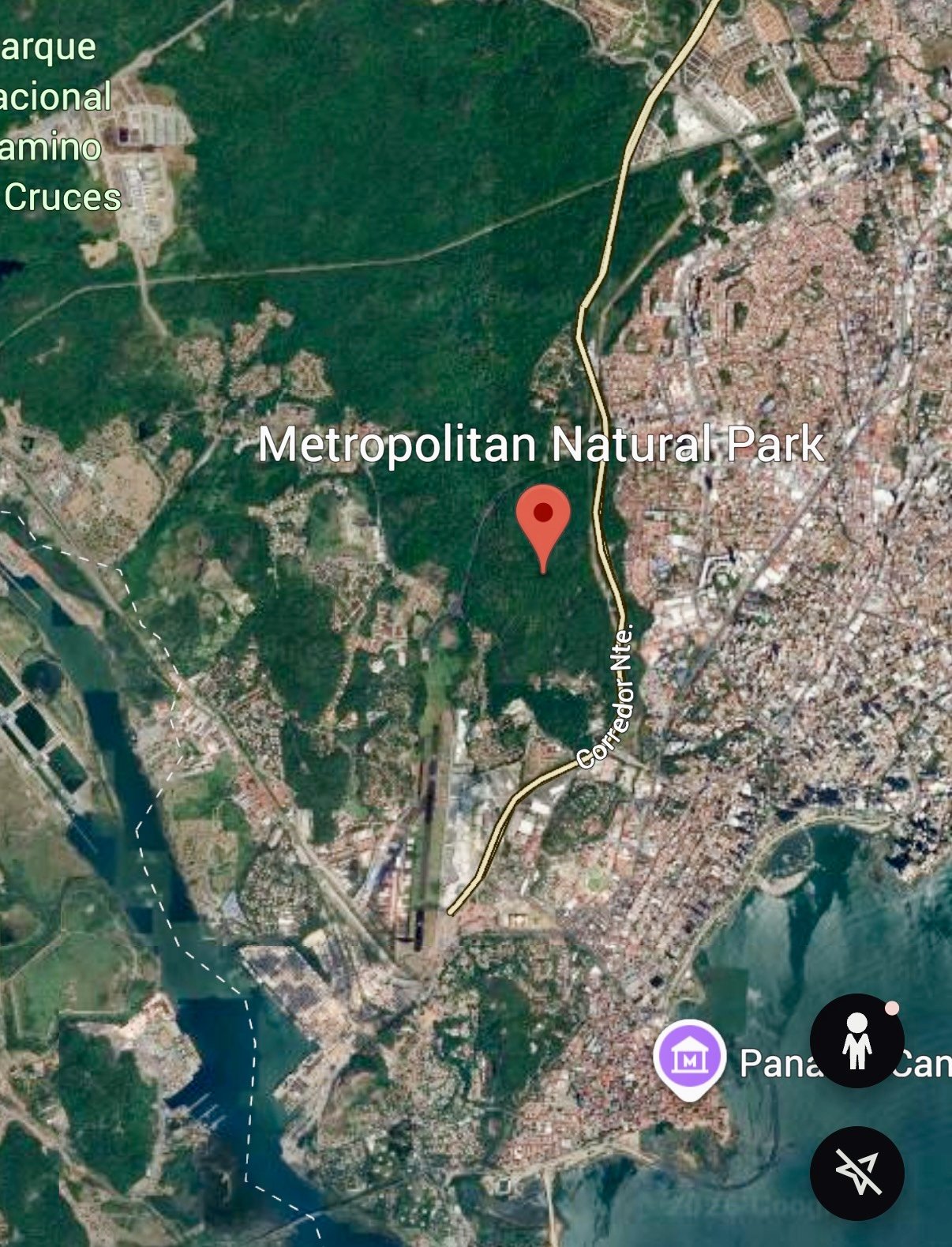
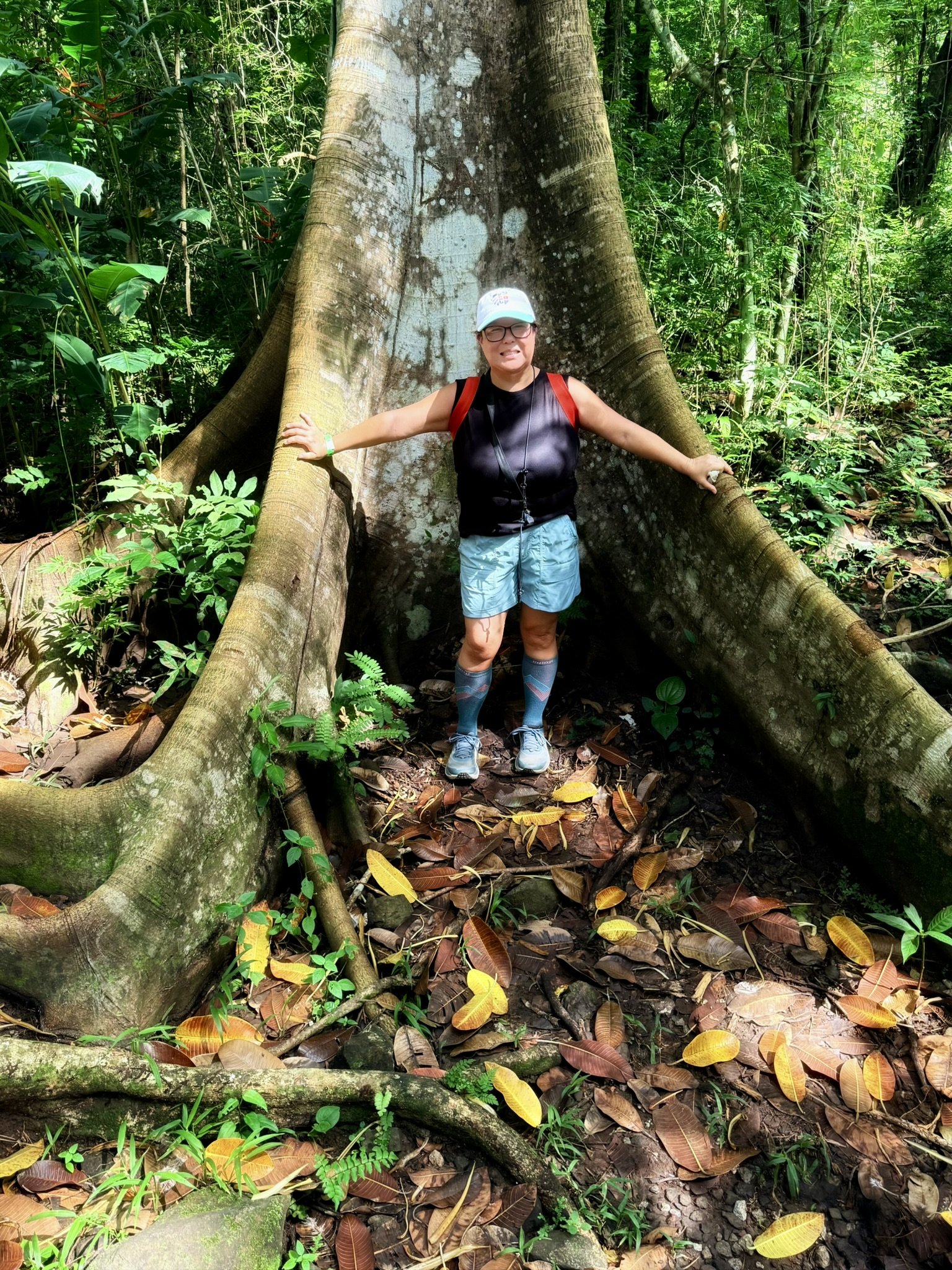
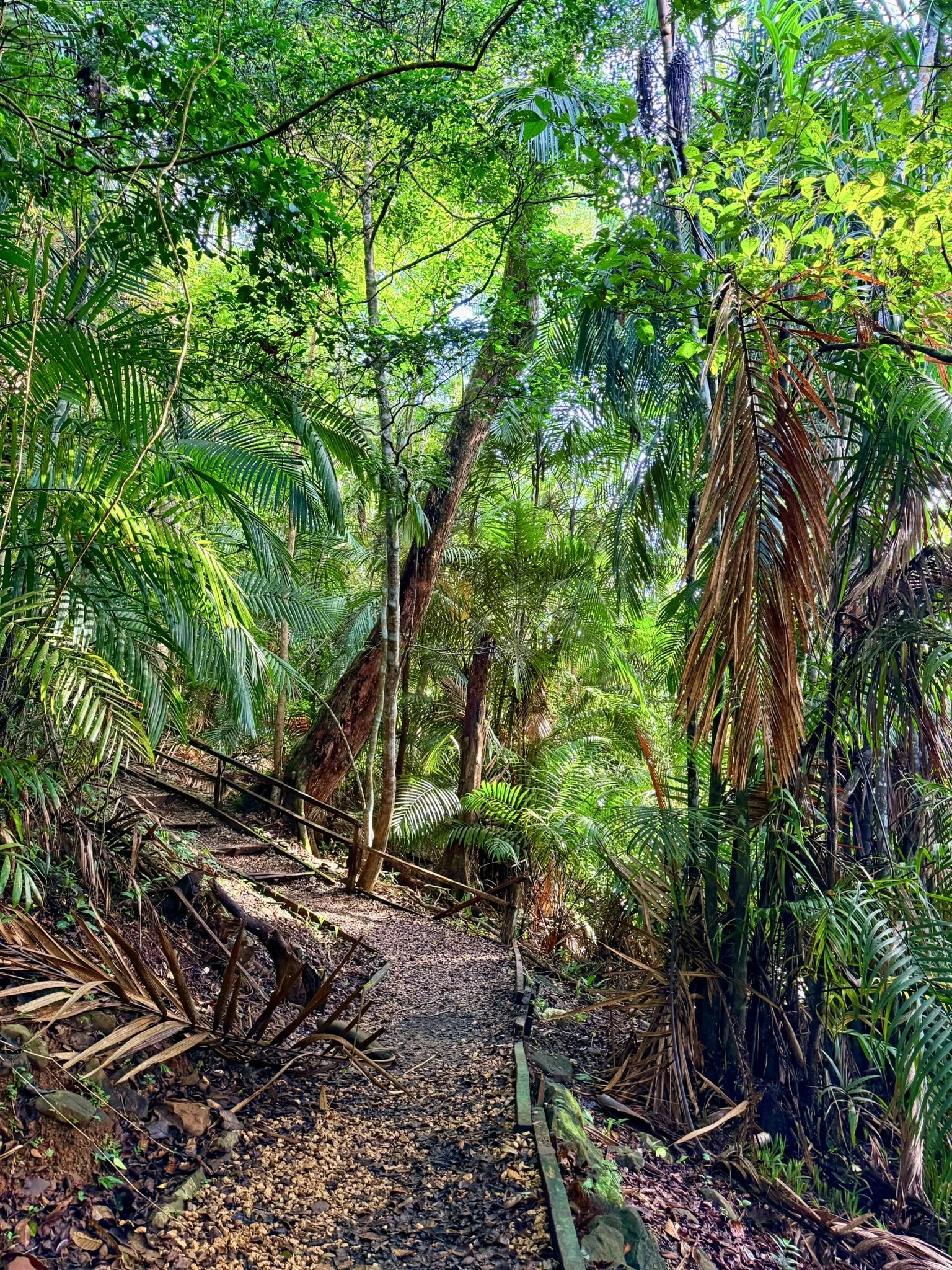
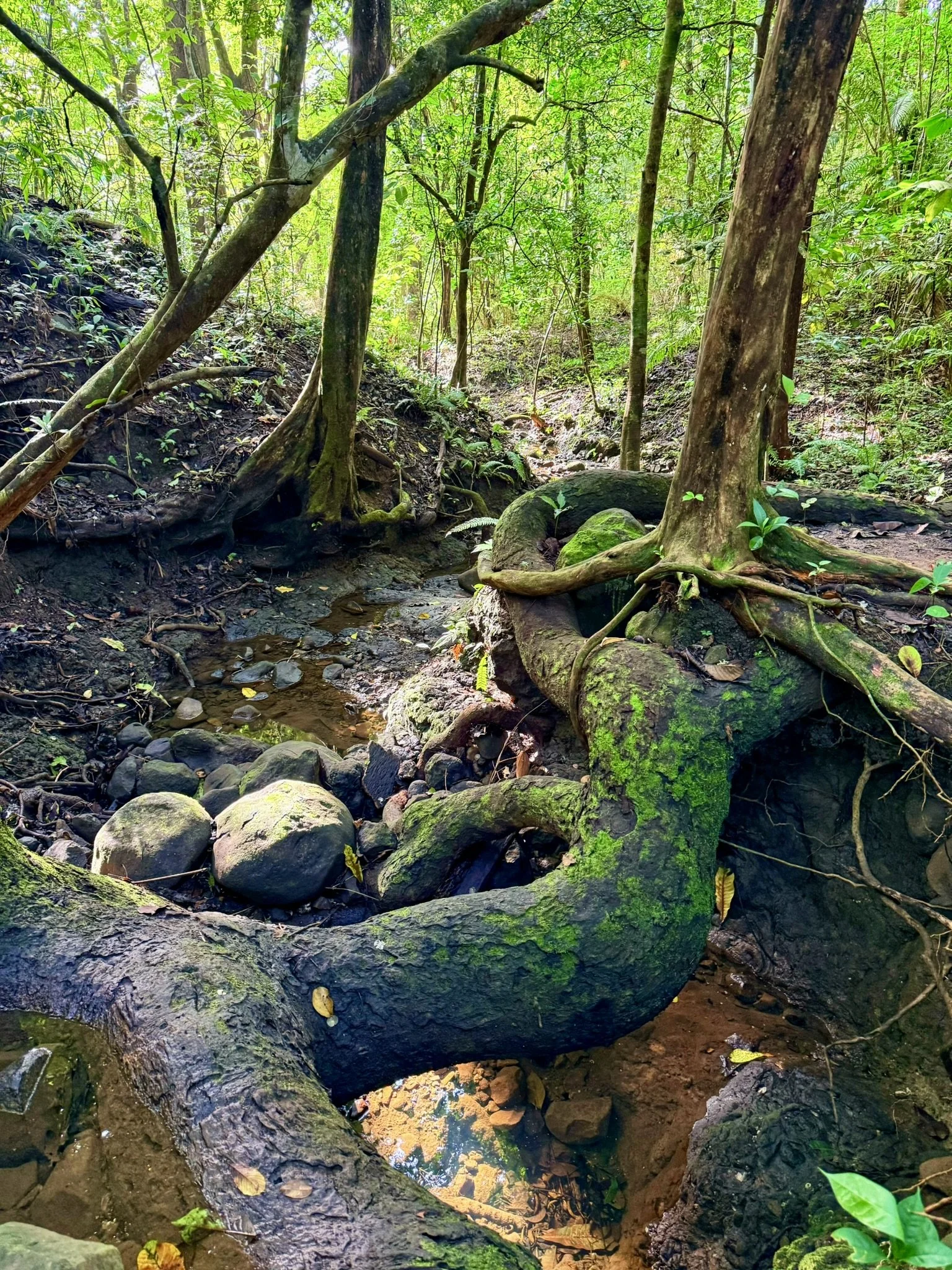
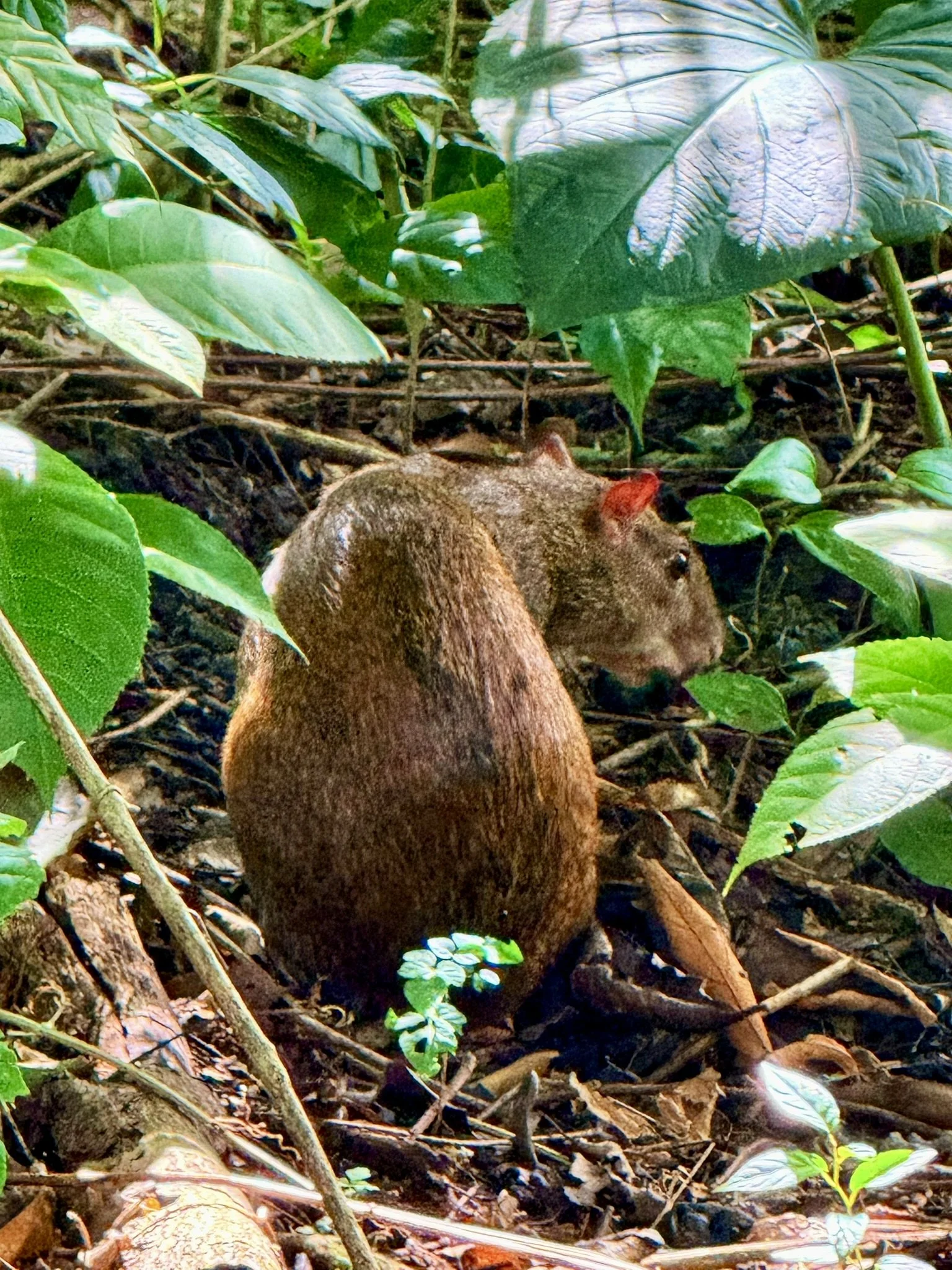
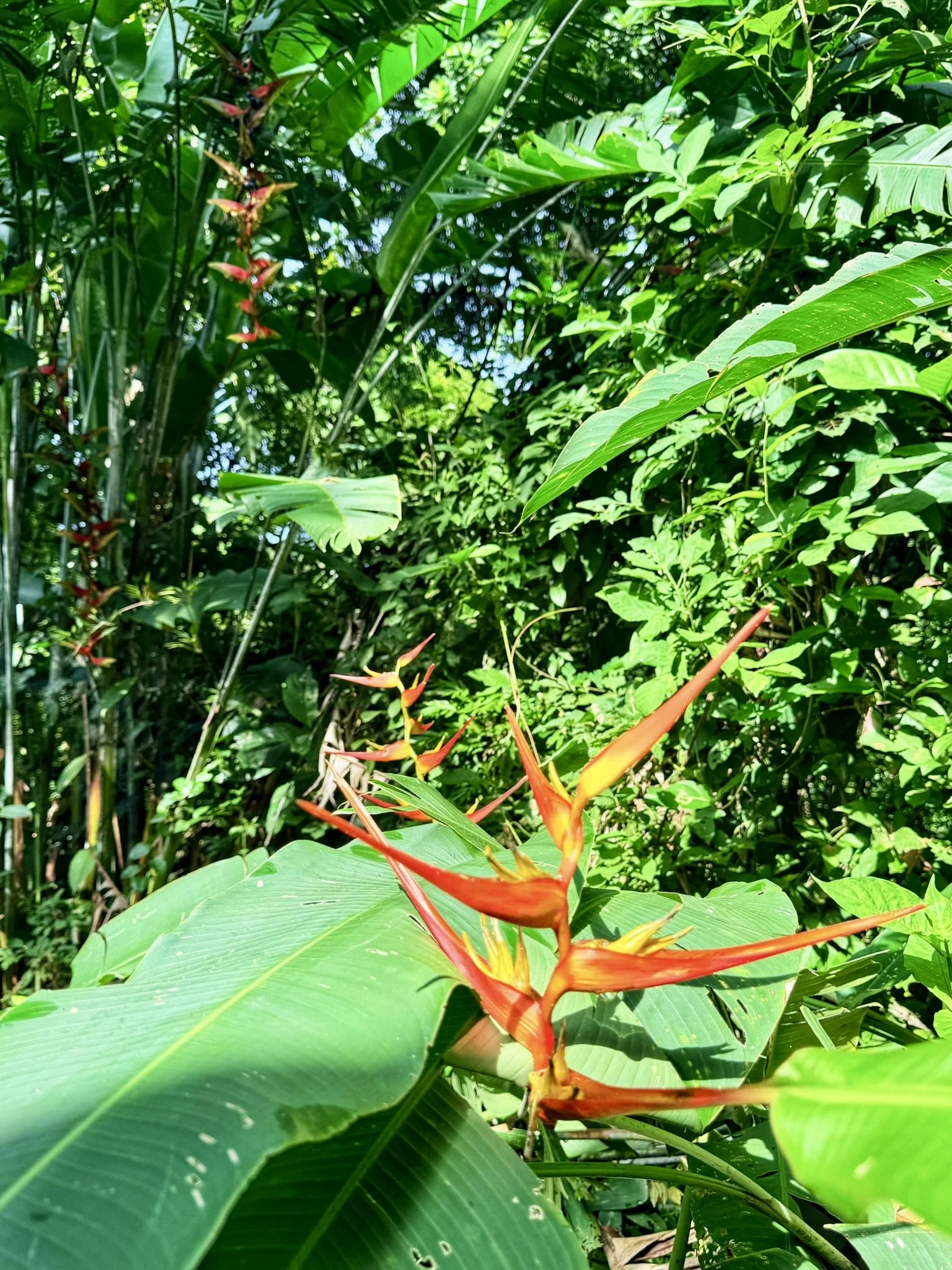
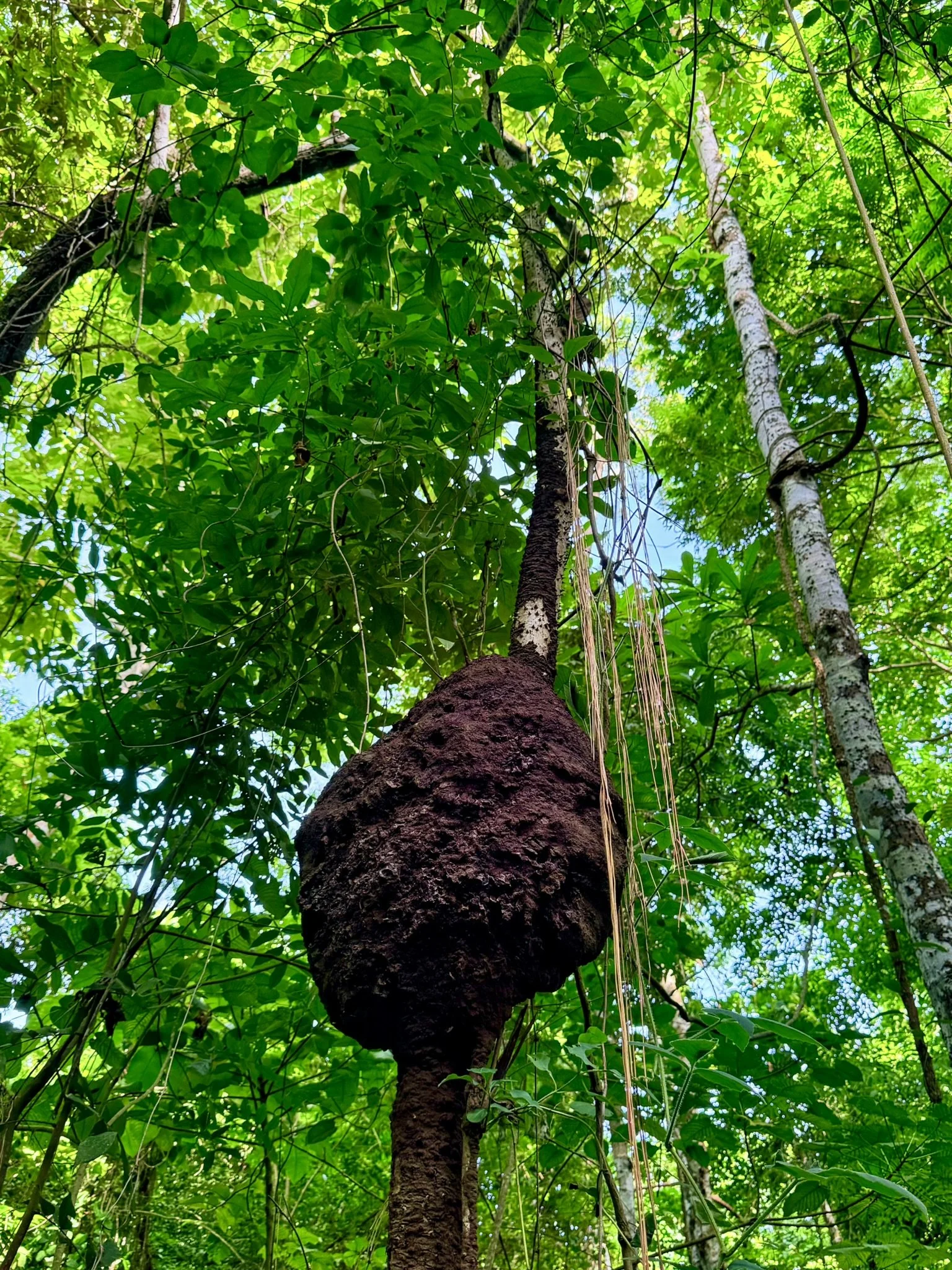
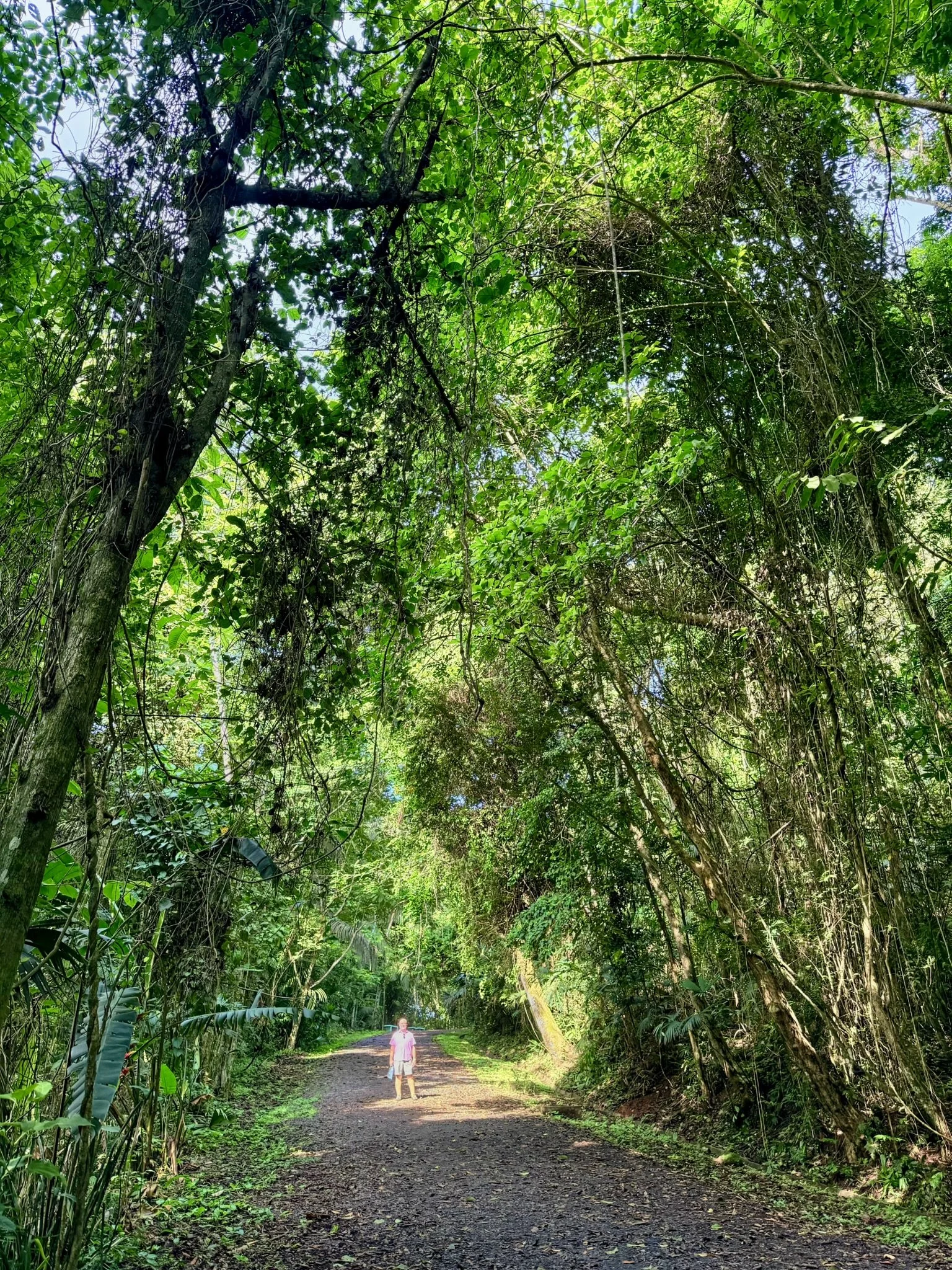
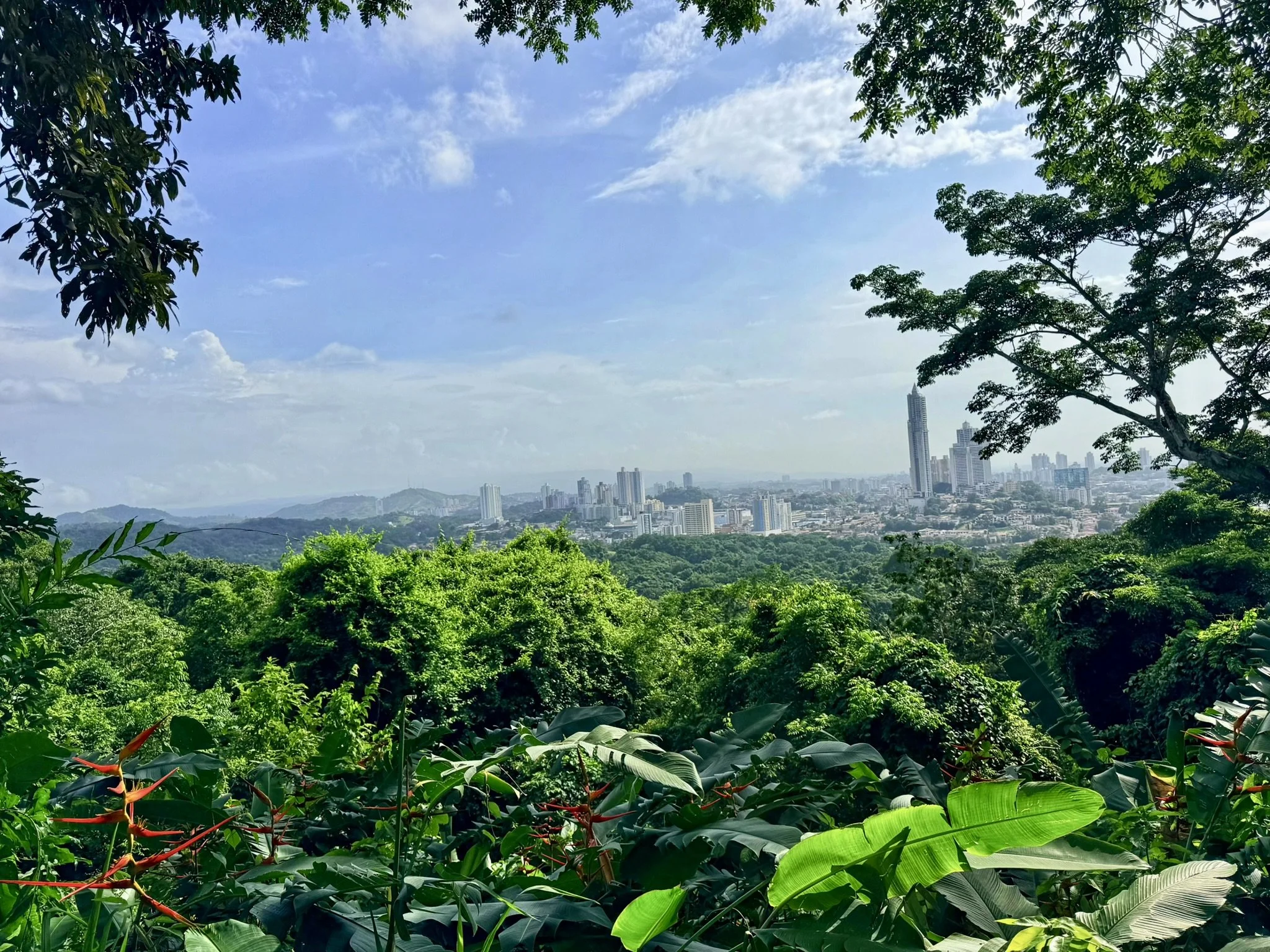
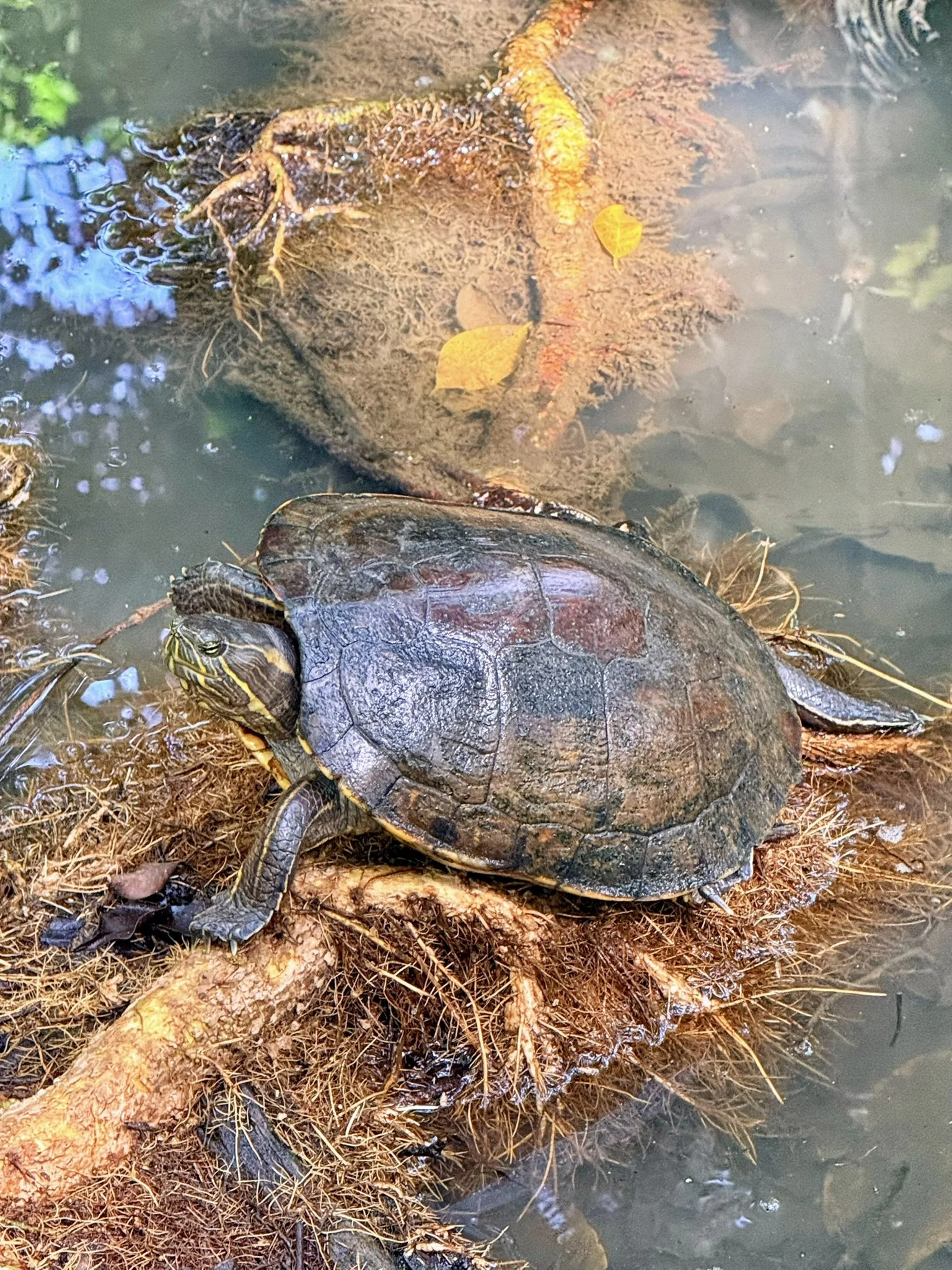
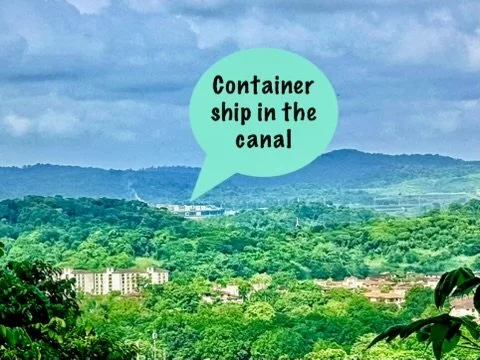
From Mirador Cerro Cedro, we could look out over the Panama City skyline and, in the distance, get another panoramic view of the massive container ships making their way through the Panama Canal.
It was a pretty perfect way to wrap up our time in Panama City — jungle, wildlife, skyline and the canal, all in one view.
We came to Panama thinking mostly about the canal. We left realizing that the canal is just one very impressive piece of a much bigger picture.
Panama Documentary
For more information about Panama, here’s a nice free documentary just published 3 months ago titled “Earth Untold: Panama, Hidden Tales from the Land Between Oceans.”
Next stop: the Panamanian highlands of Boquete, where we trade city streets and canal locks for mountains, geisha coffee and cooler temperatures.
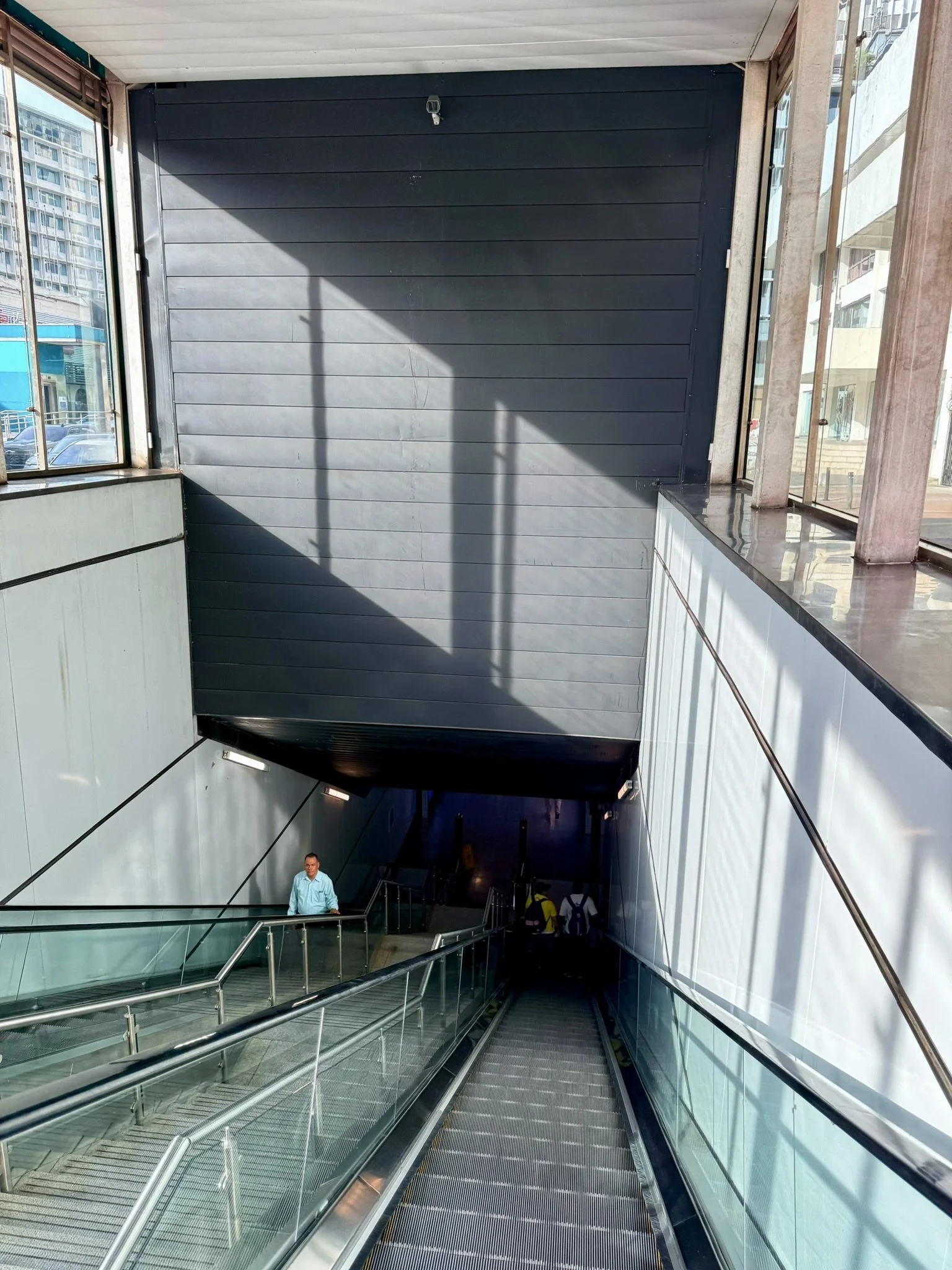
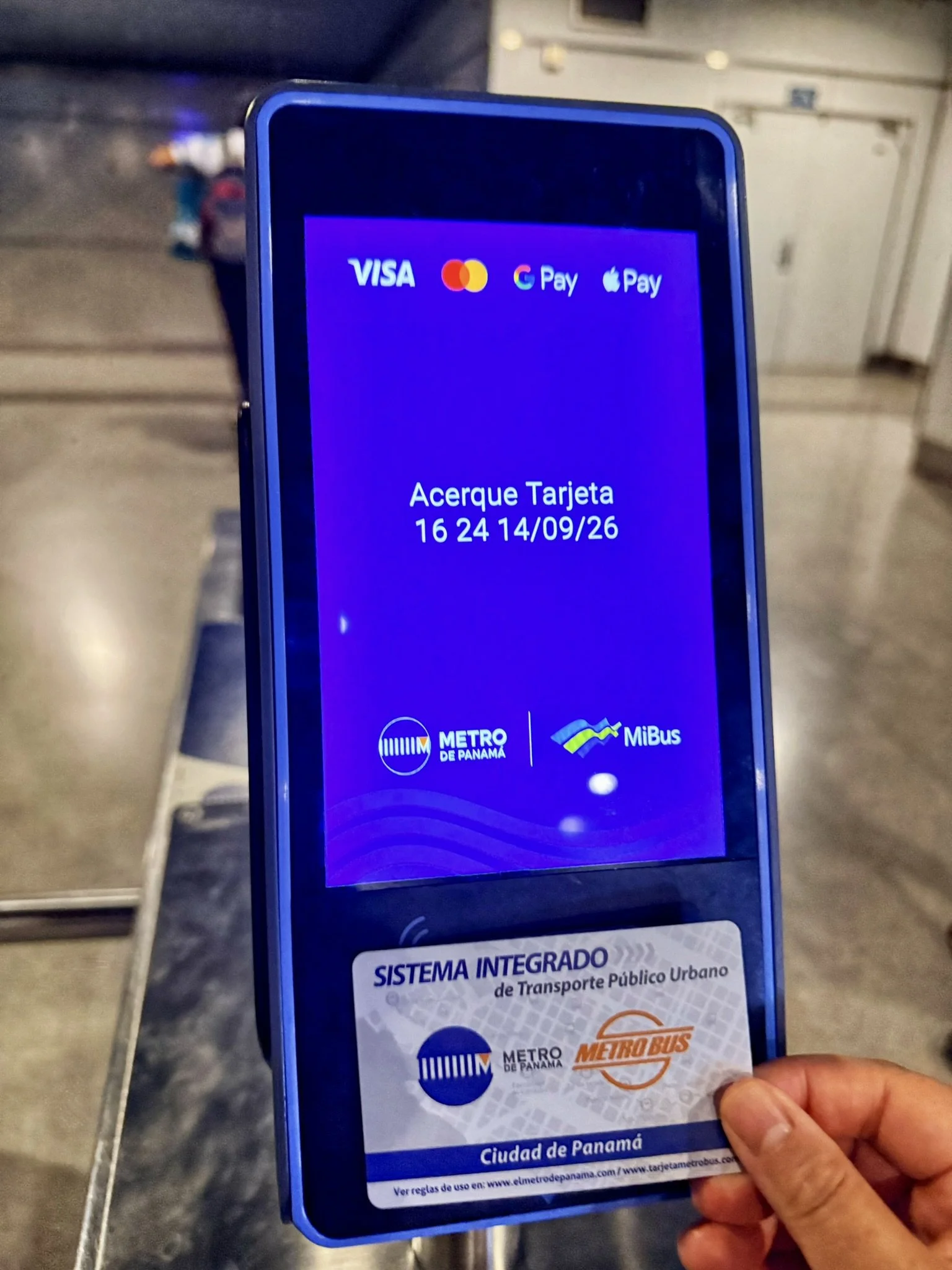
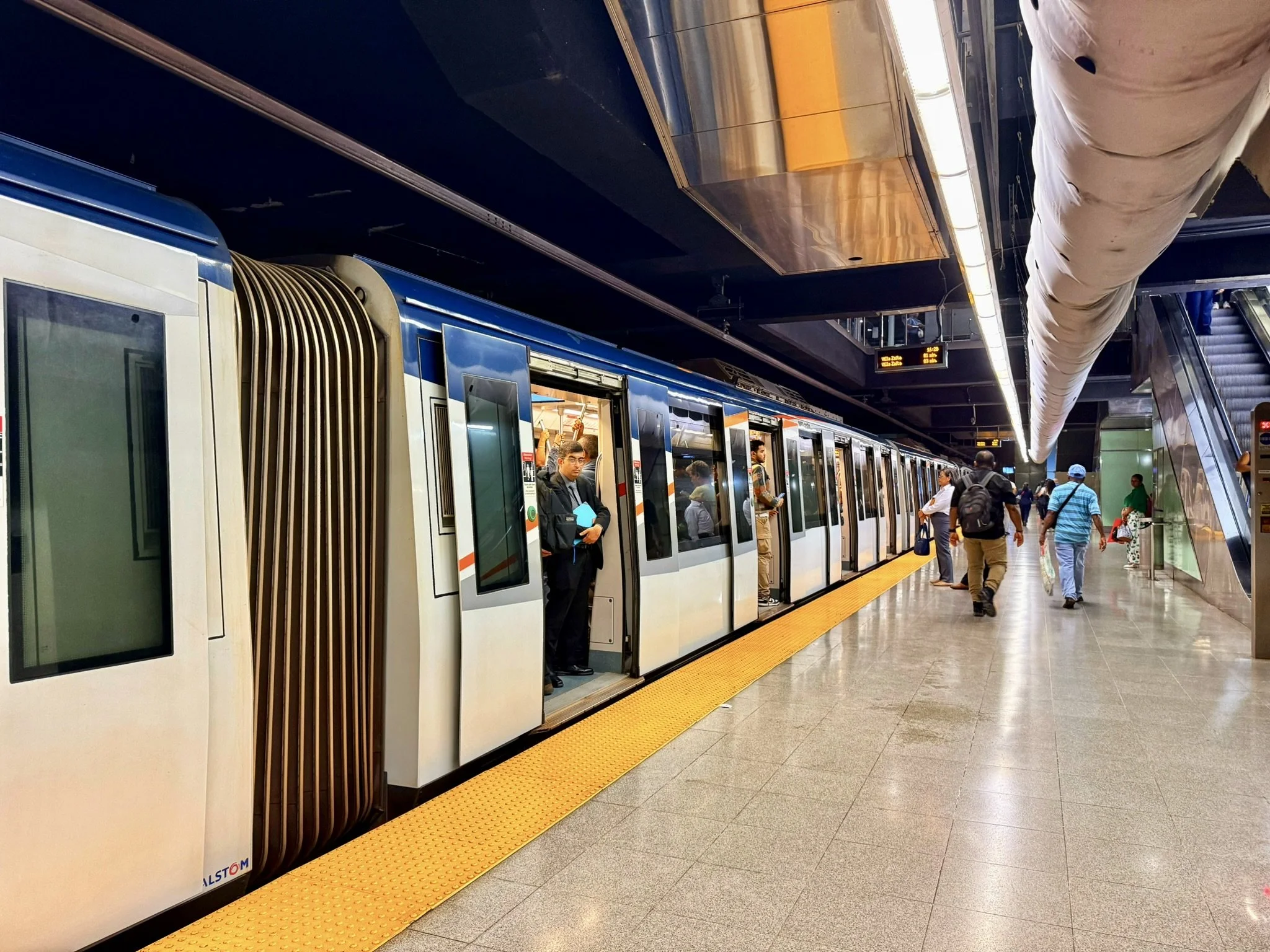
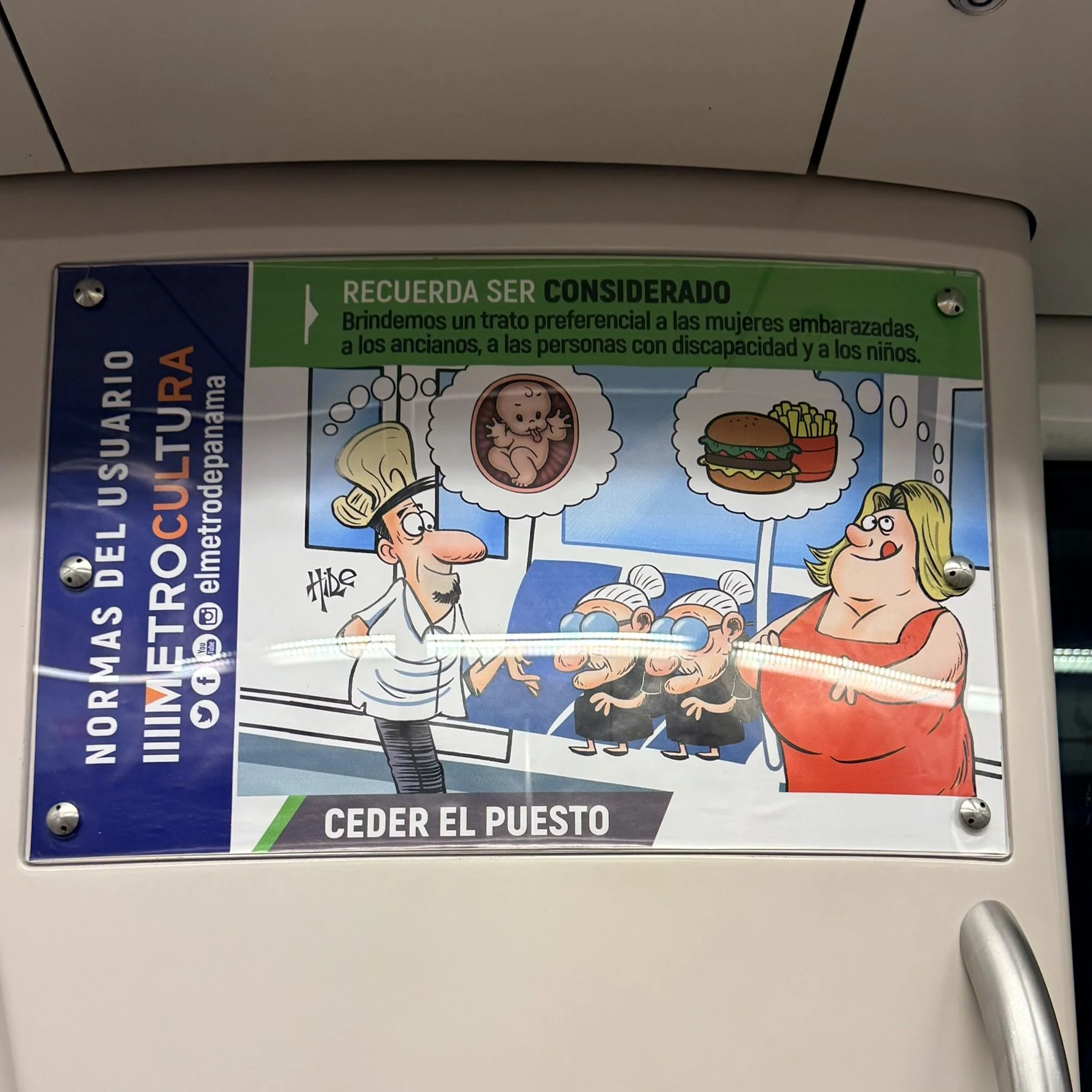
P.S. The Panama City Metro system is super inexpensive (35 cents!), clean, air-conditioned, and modern.