For a few days, we got to experience a slice of Filipino fishing village life in Pilar, Capiz Province on Panay Island.
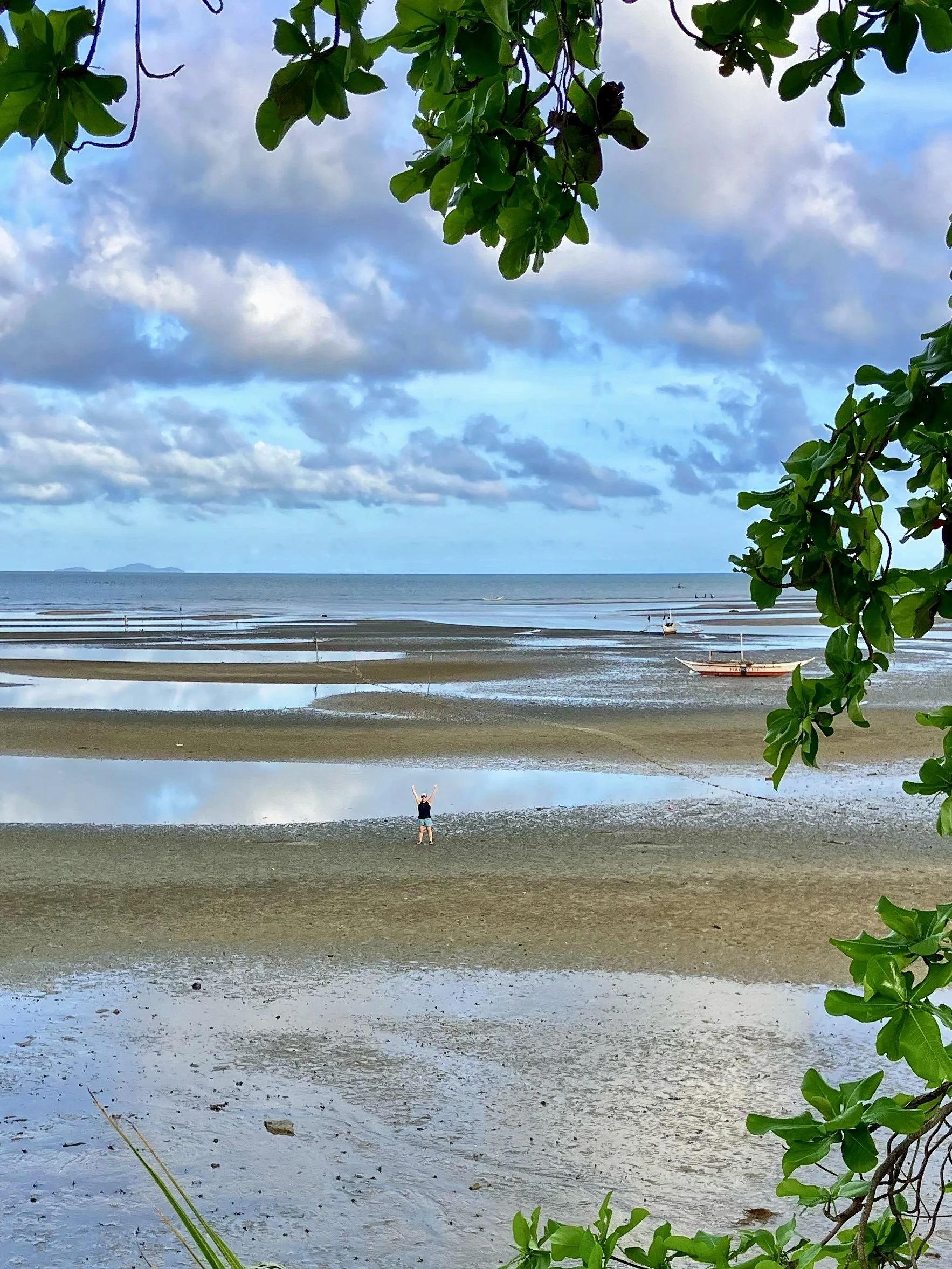
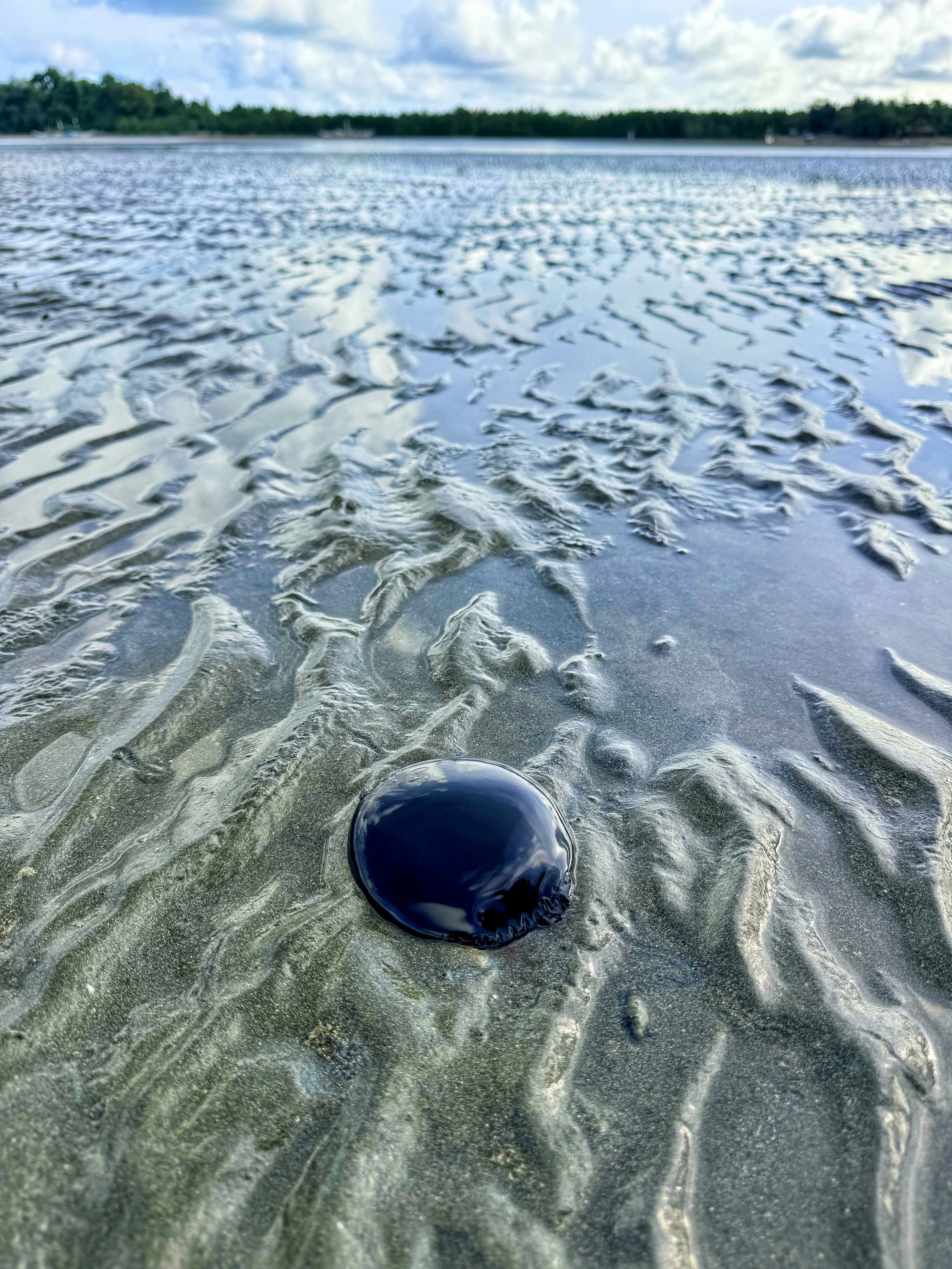
Pilar coast line from the seabed during low tide
Chandelier made from capiz oyster shells
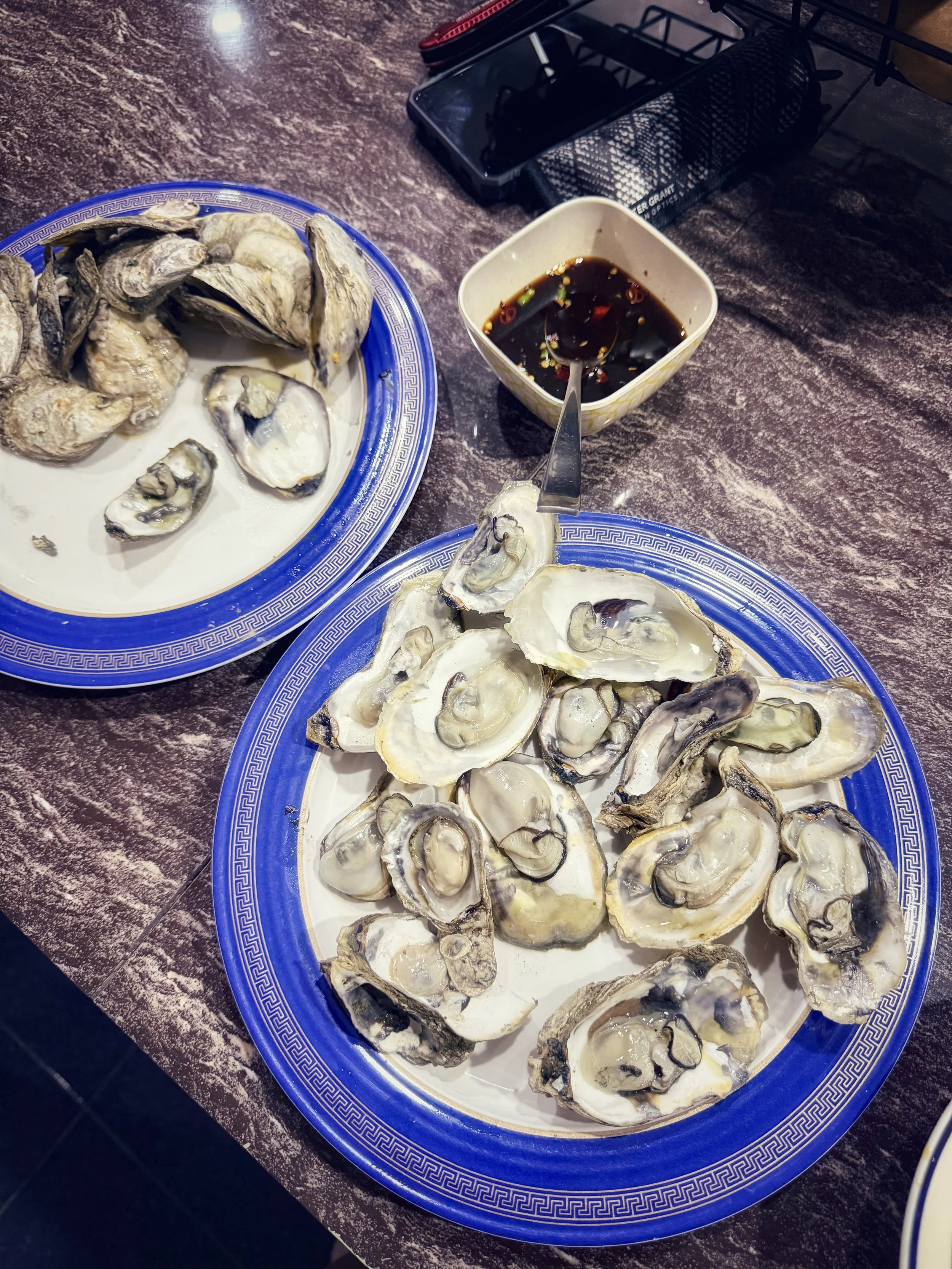
Capiz Province is named after the capiz oyster shells harvested in this area, also called windowpane oyster. It’s a very unique, translucent world-renowned (you’d know it if you saw it!) shell, used for centuries as a substitute for glass in windows, lamps, and crafts due to its thinness and ability to let light through while providing privacy.
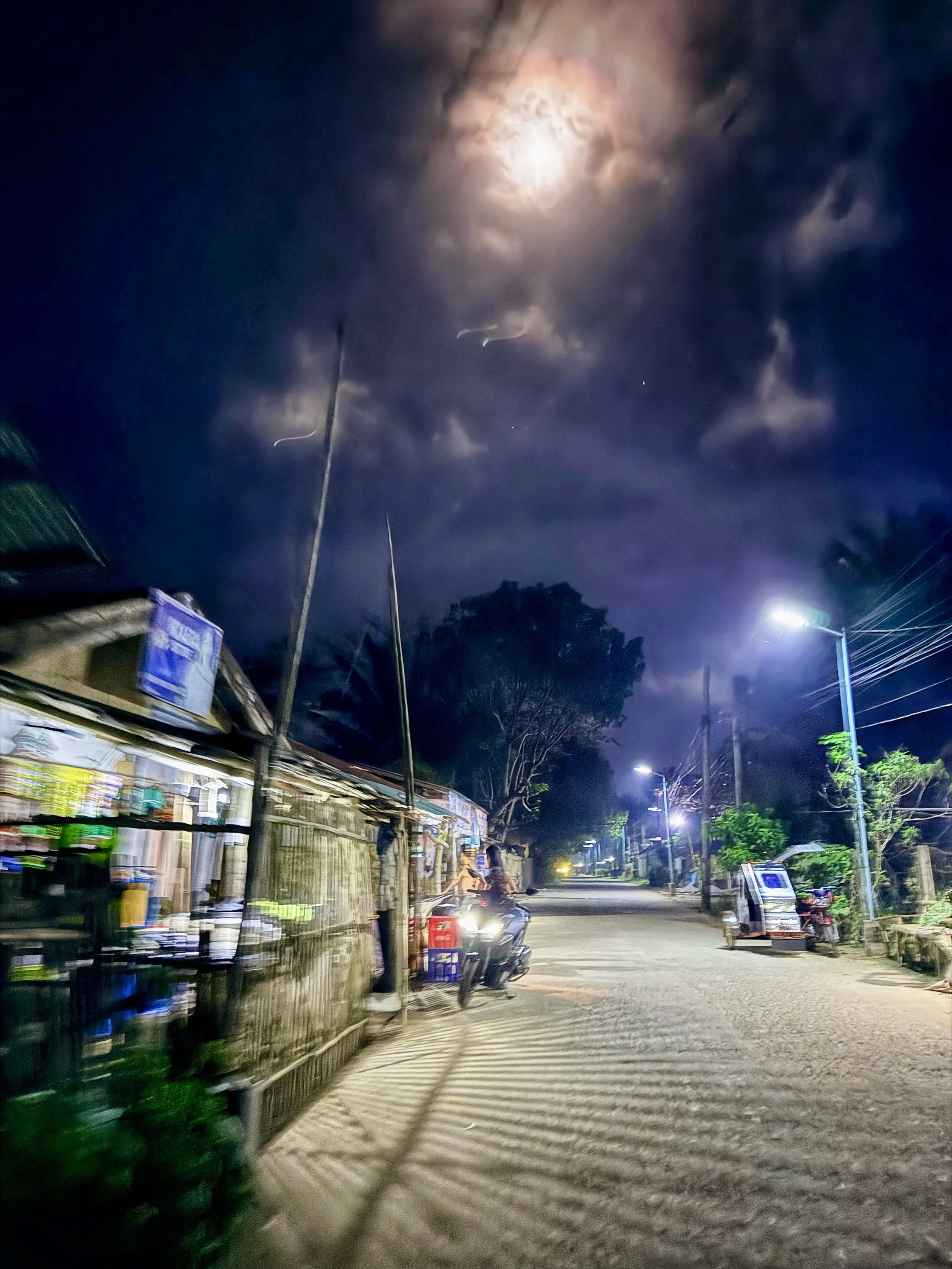
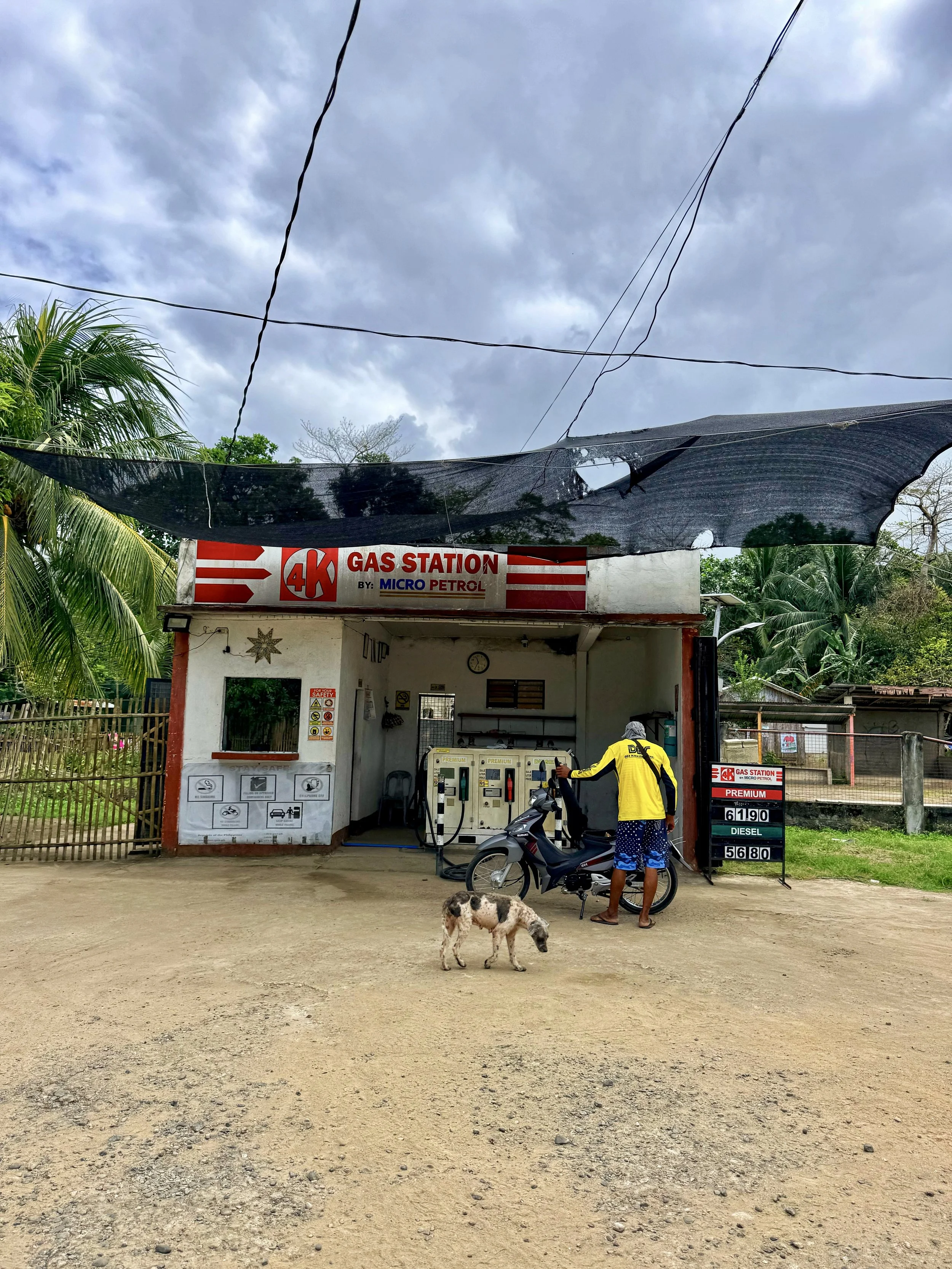
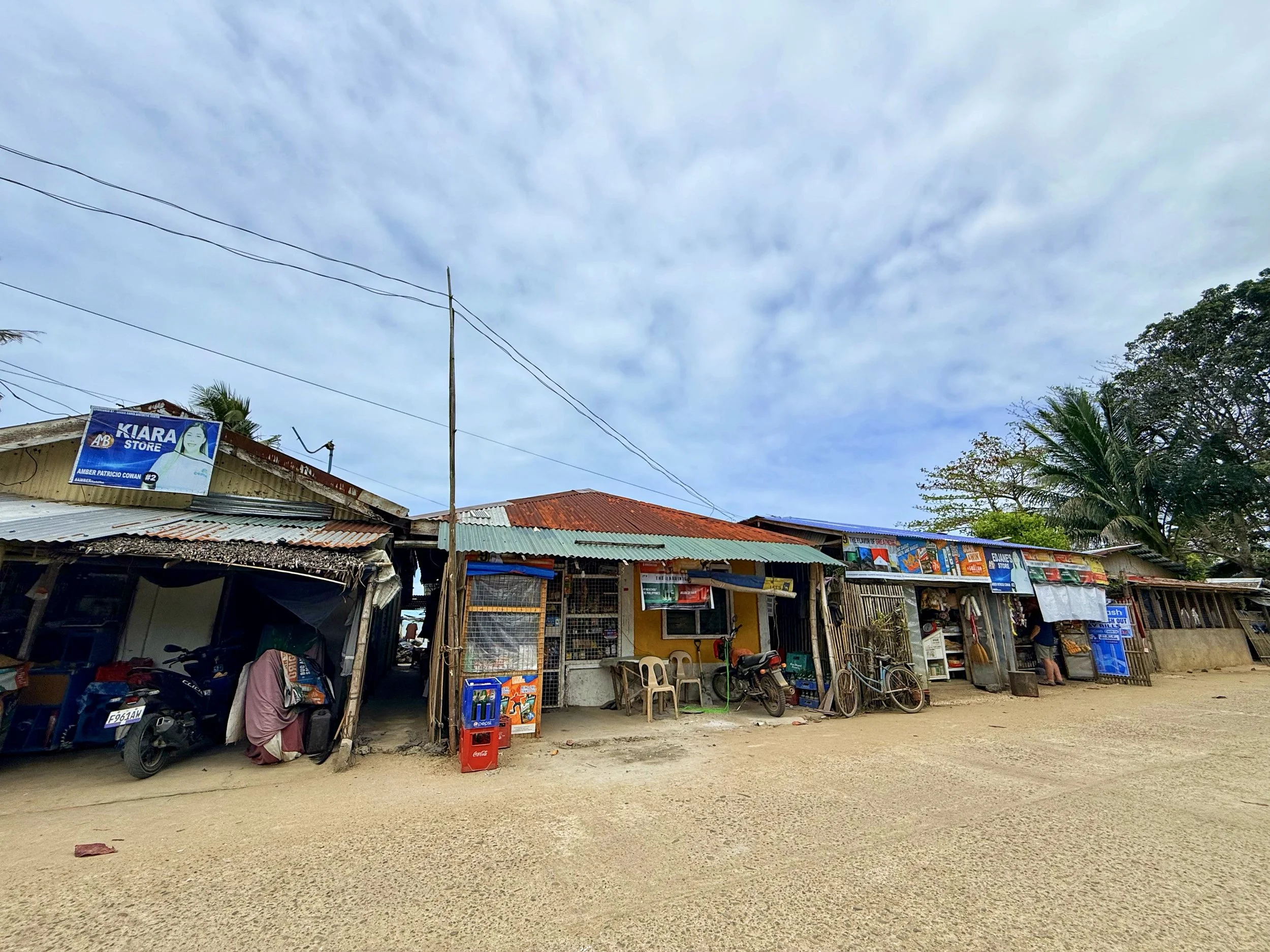
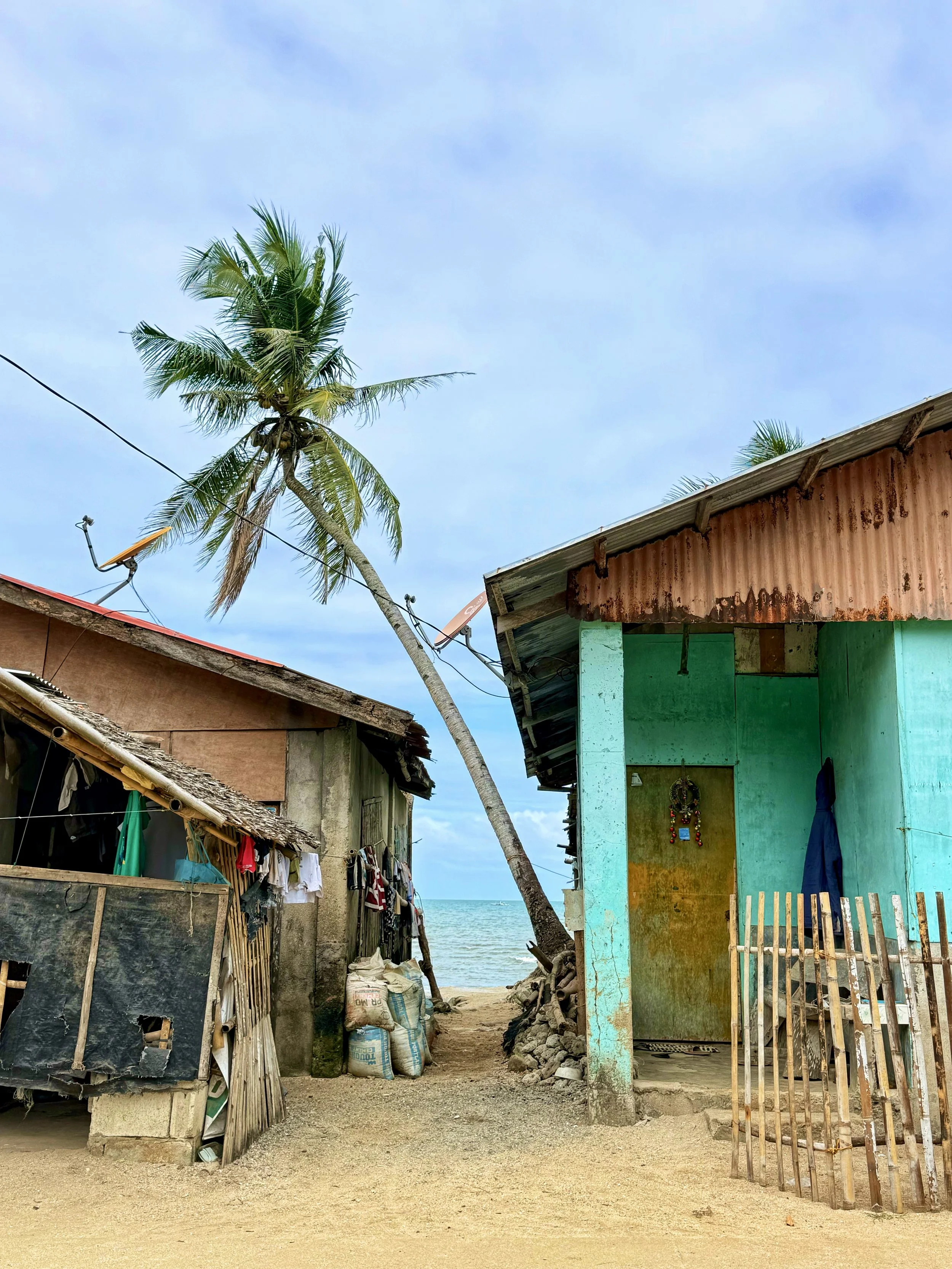
Pilar is rural and way off the beaten path. There’s one dusty semi-paved dirt road in the village on the shoreline with leaning fishing shacks alongside a few concrete homes and a small resort or two. On one end of this road is the town with a fishing port, a coast guard station, a short esplanade, central market, city hall, shops, and a few restaurants. Our friends’ compound is on the other end of this semi-dirt road about 1.5 miles from town.
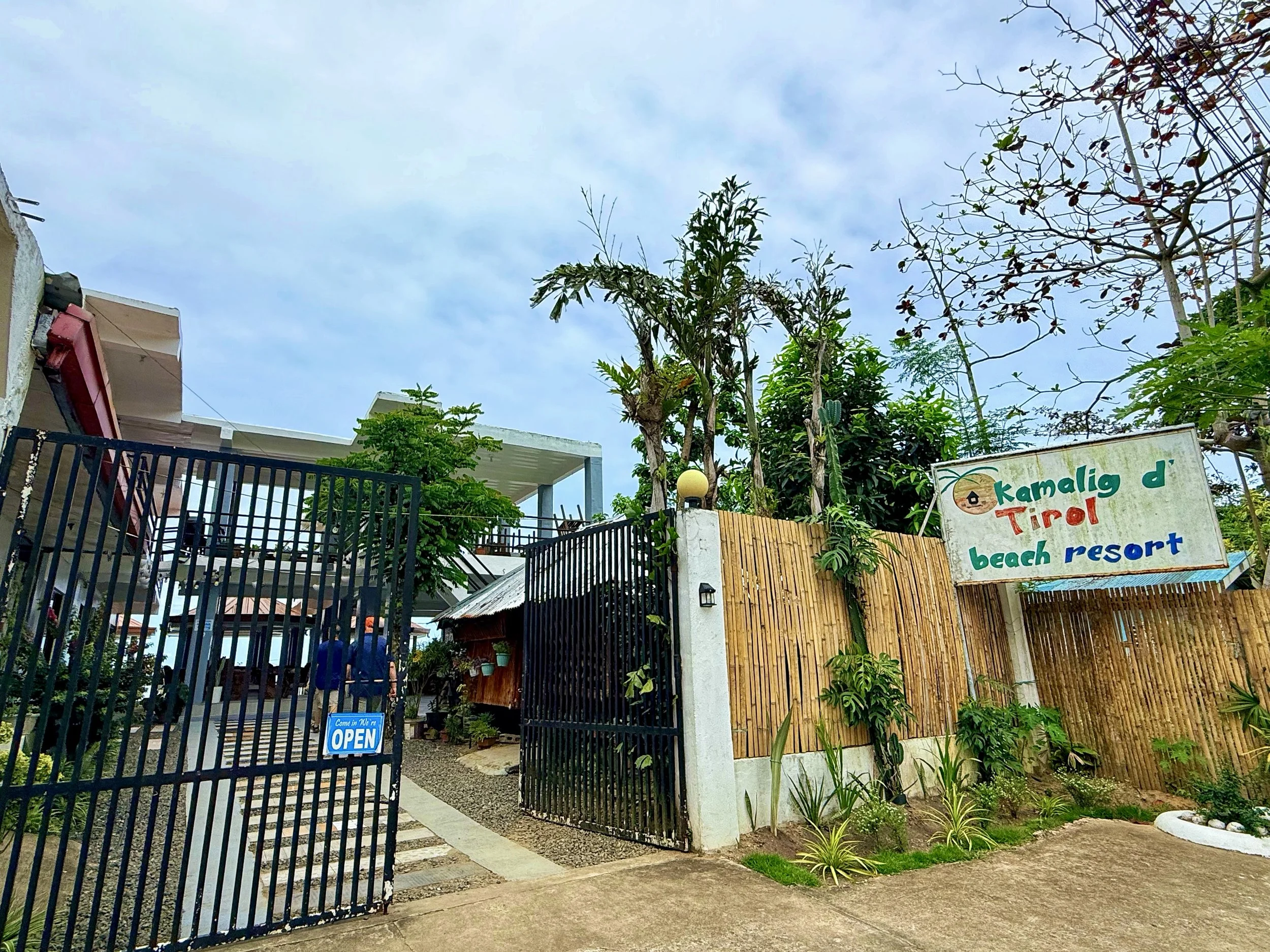
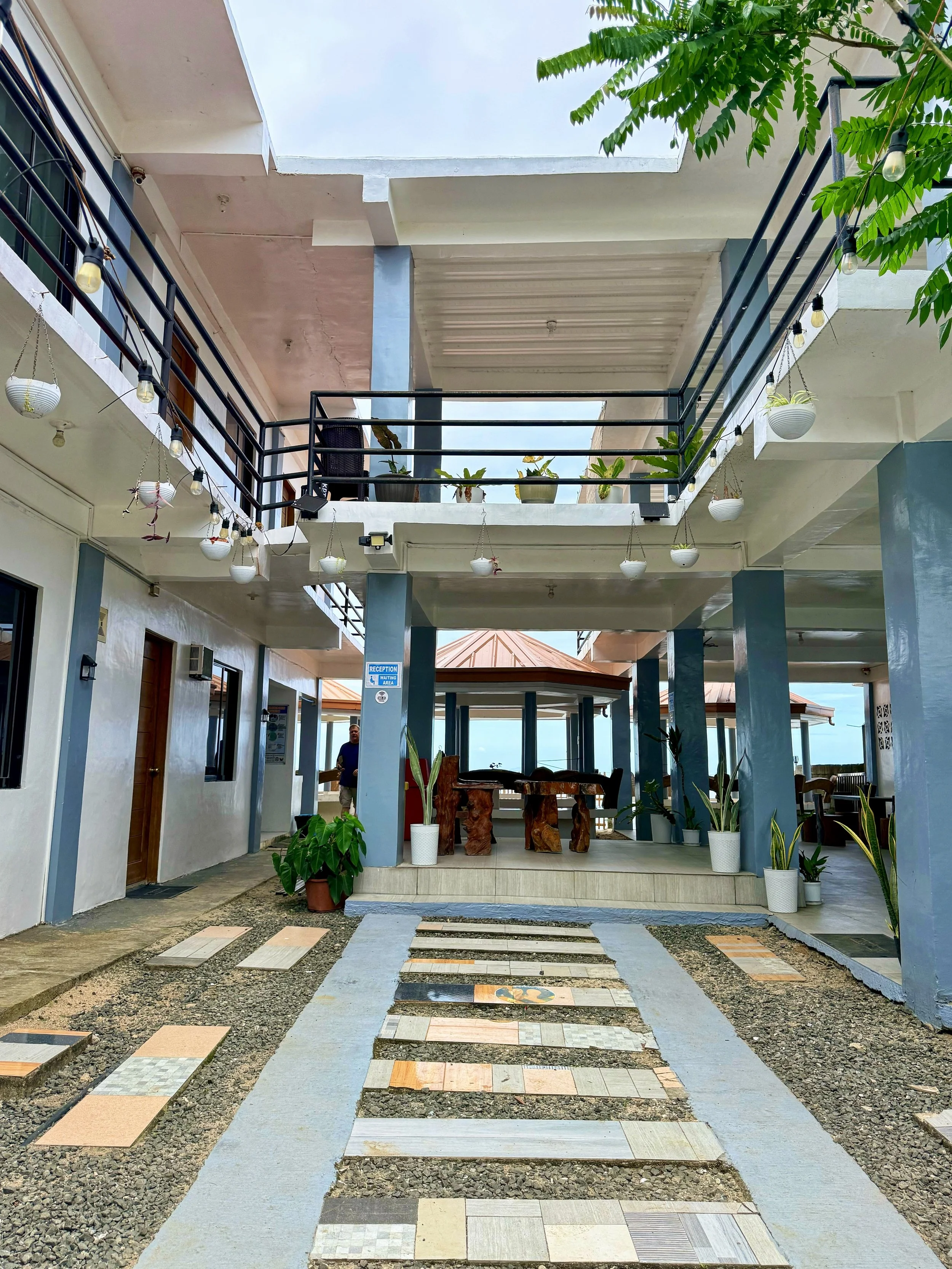
You may have guessed why we went to Pilar! Our friends from the States own a beachfront compound here, close to their Filipino family, and for years and years, we said we’d love to come visit. And if we say we’re going to visit, we will eventually show up! Among other businesses such as a sugarcane farm and running a local bus service, our friends run a small 6-room motel next to their home. It’s called Kamalig D'Tirol Resort and mostly Filipinos from the region come stay here for 1500 pesos (~US$25) a night.
A busier paved road leads in and out of Pilar and connects to the other cities on Panay Island. They just got a 7-Eleven on this road and a brand new central market structure is being built on the outskirts of town, so things are up and coming in Pilar!
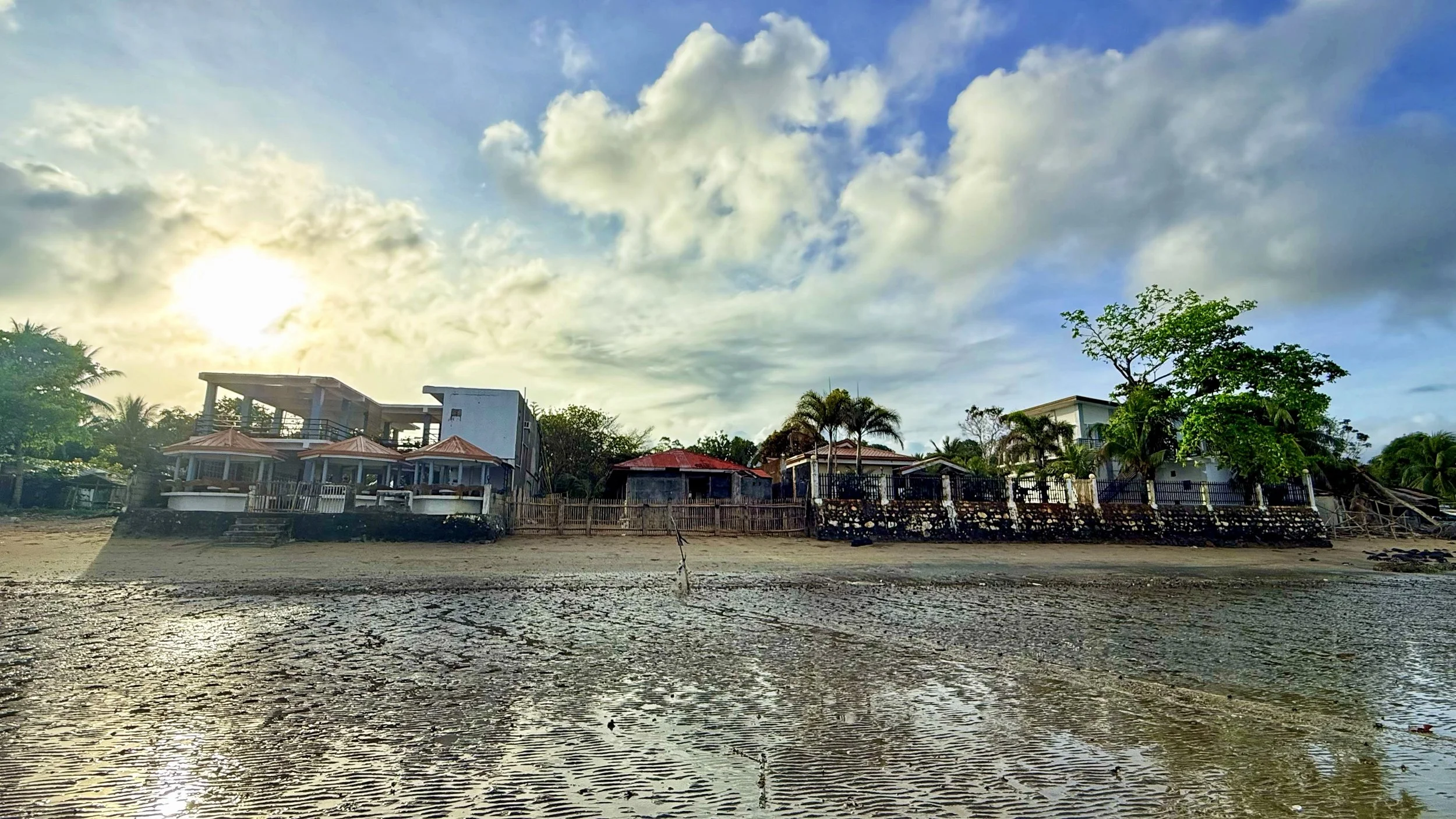
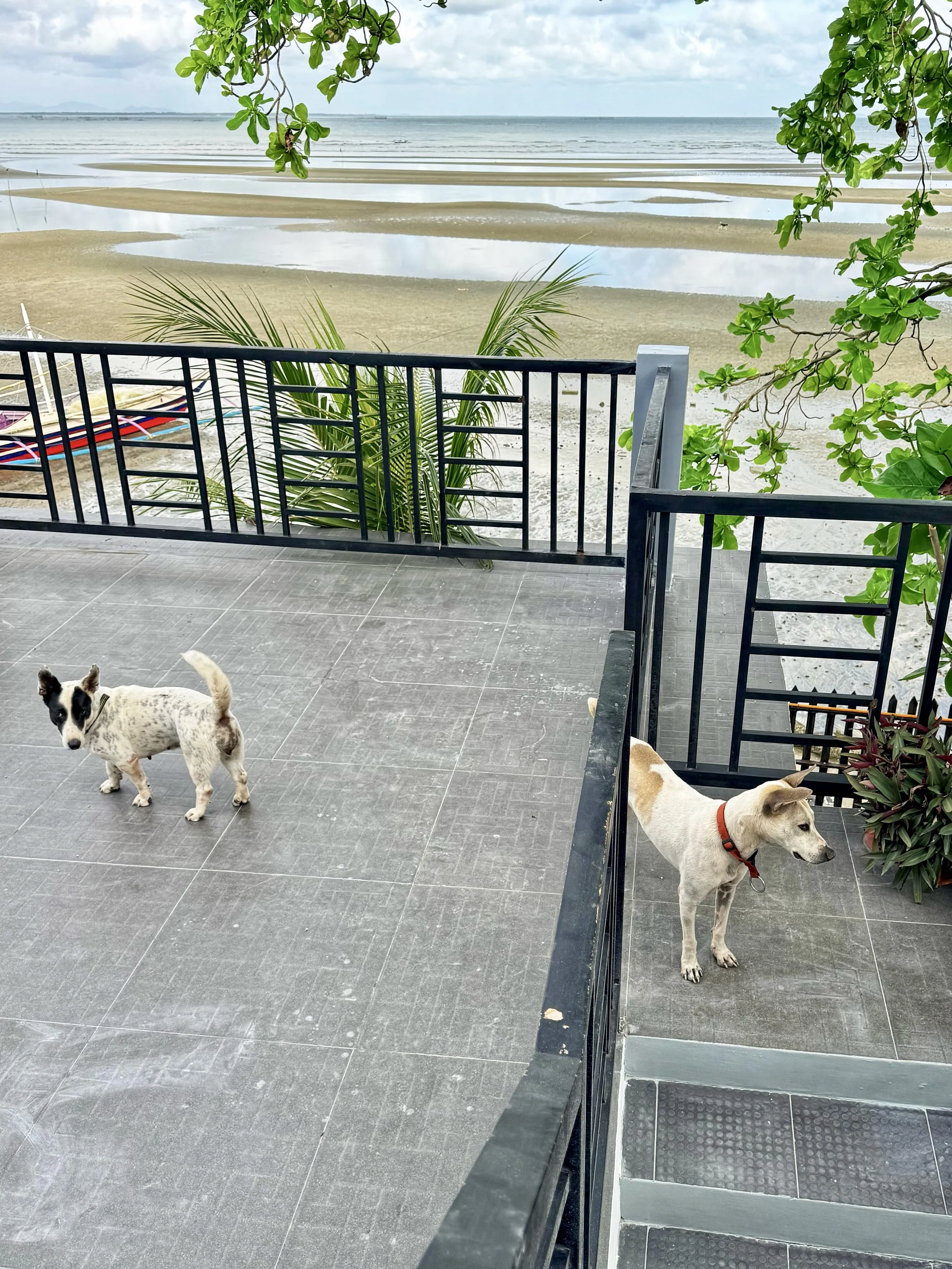


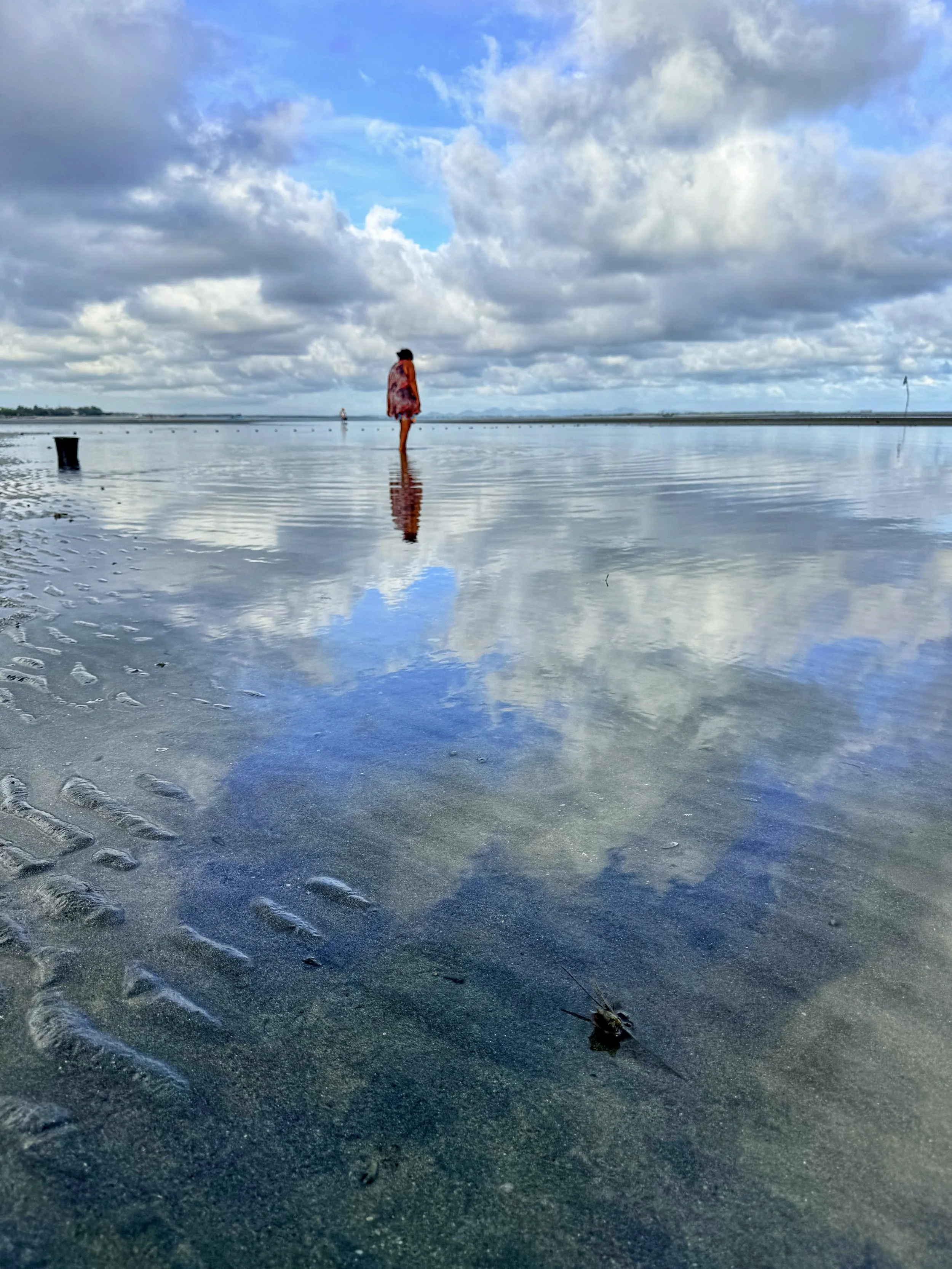
There was nothing but relaxation to be done here. Our guesthouse above the garage was right on the beach and we witnessed the most beautiful sunrises and sunsets, listened to the waves, and waded waaaaaaaay out across the seabed during low tide to look for sea critters.
Our friends informed us that a friendly troll lives in the tree in front of our guesthouse, and it’s been seen smoking on its favorite branch with gleaming beady red eyes multiple times by family members. It also likes to play games by moving people’s stuff around without any earthly explanation. One evening, we had all our doors and windows open, and the most foreign high-pitched laugh—a definite laugh—could be heard. I thought it was a video playing on my phone. It wasn’t. The sound was not coming from the TV either. It was coming from the direction of the tree! When I opened the screen door to investigate further, sadly, it stopped. We’ll never know for sure.
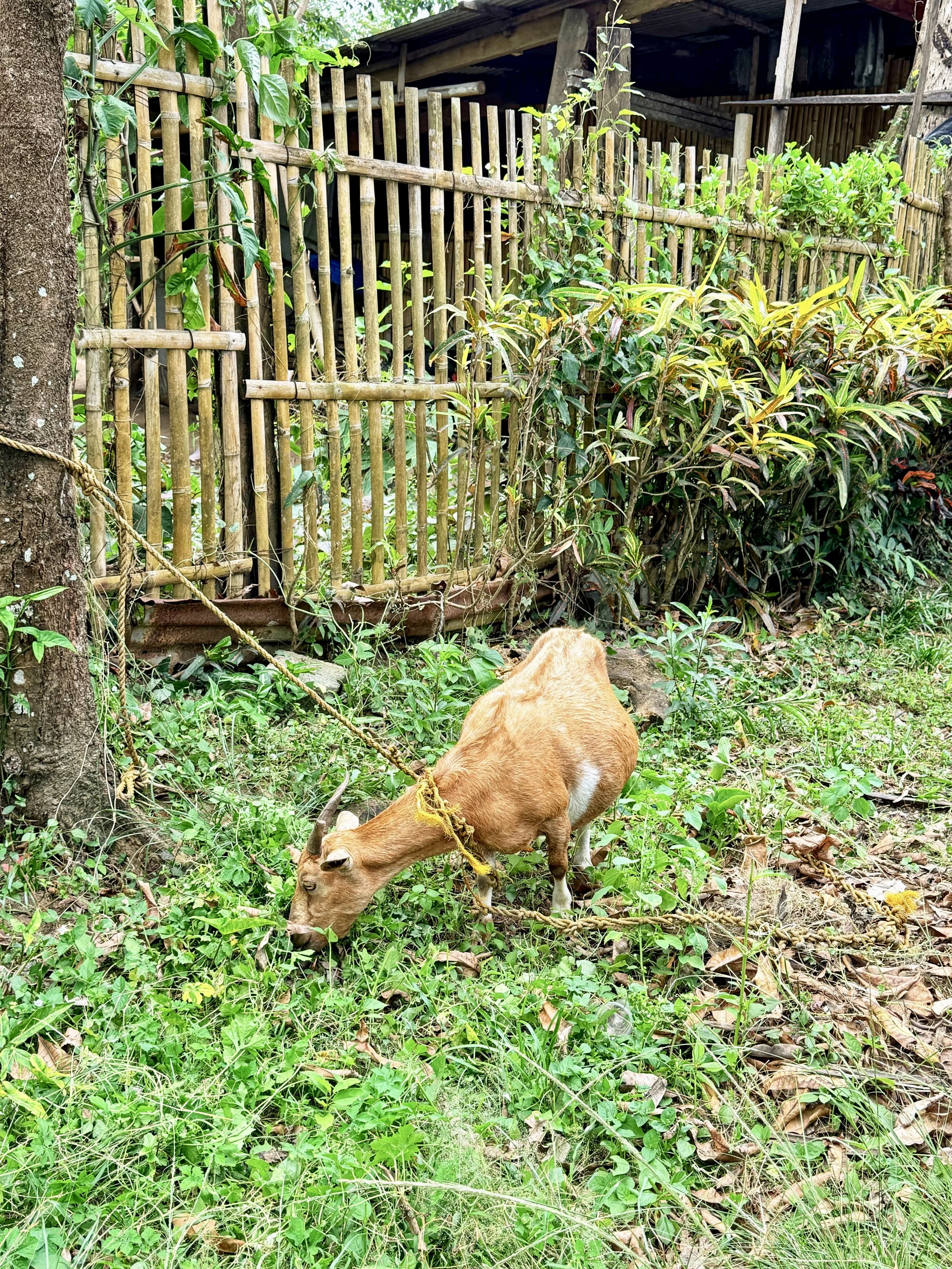
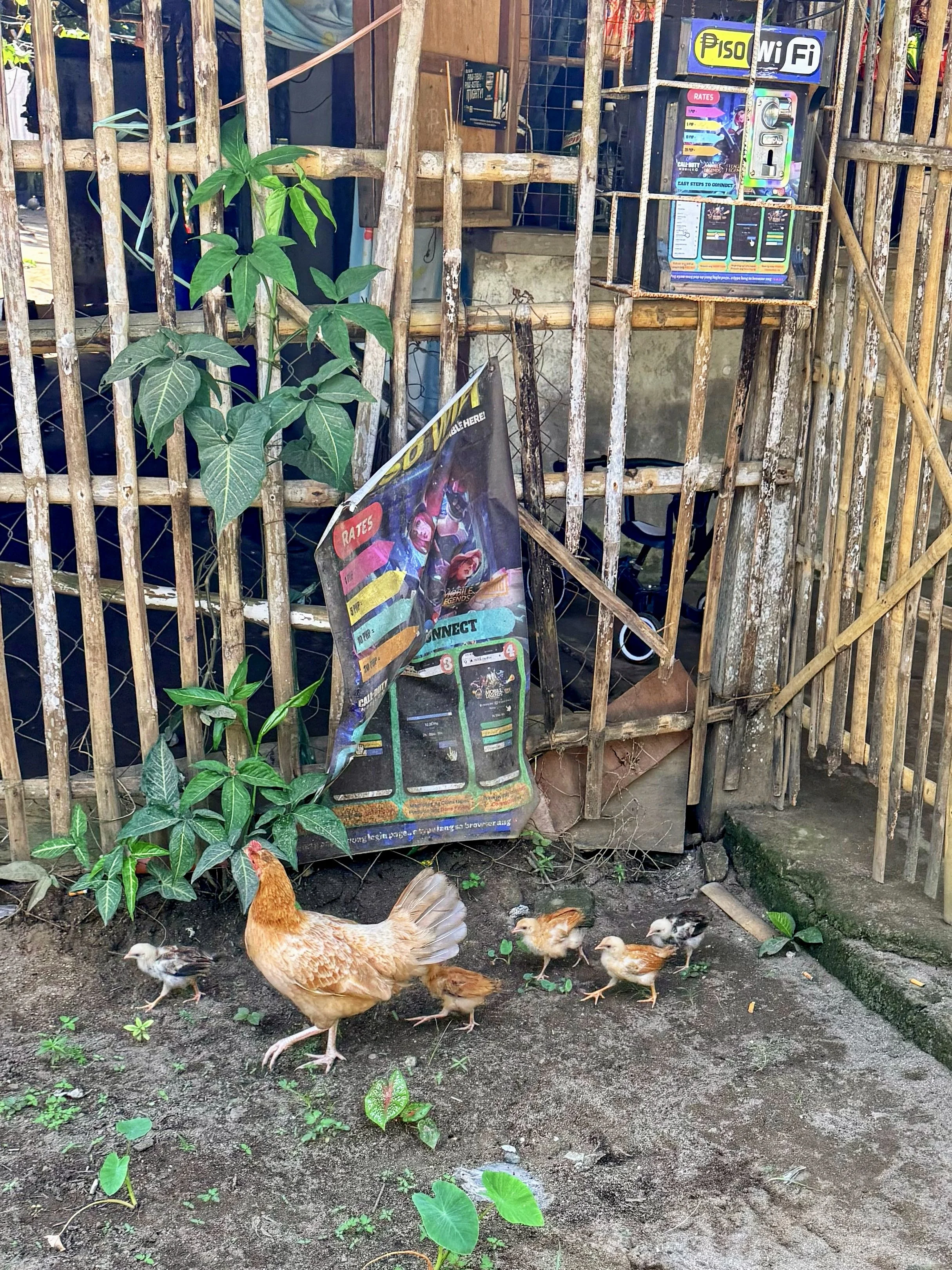
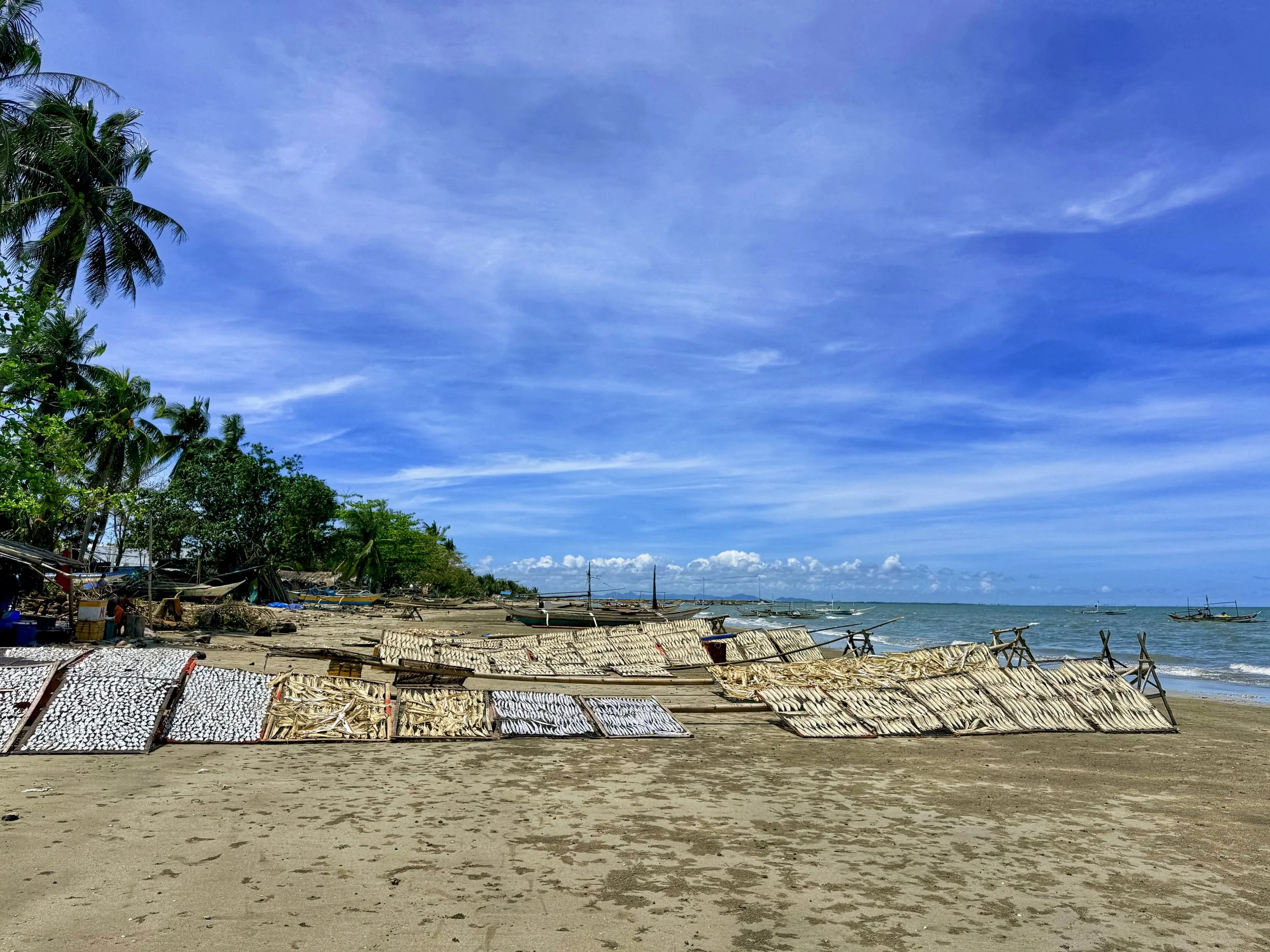
We walked towards town several times—a very hot and dusty endeavor sharing the road with motorbikes, cars, chickens, goats, drying fish, and dogs. The walk back on the beach was more picturesque and breezy, but depending upon the tide, we were wading through the waves at times.
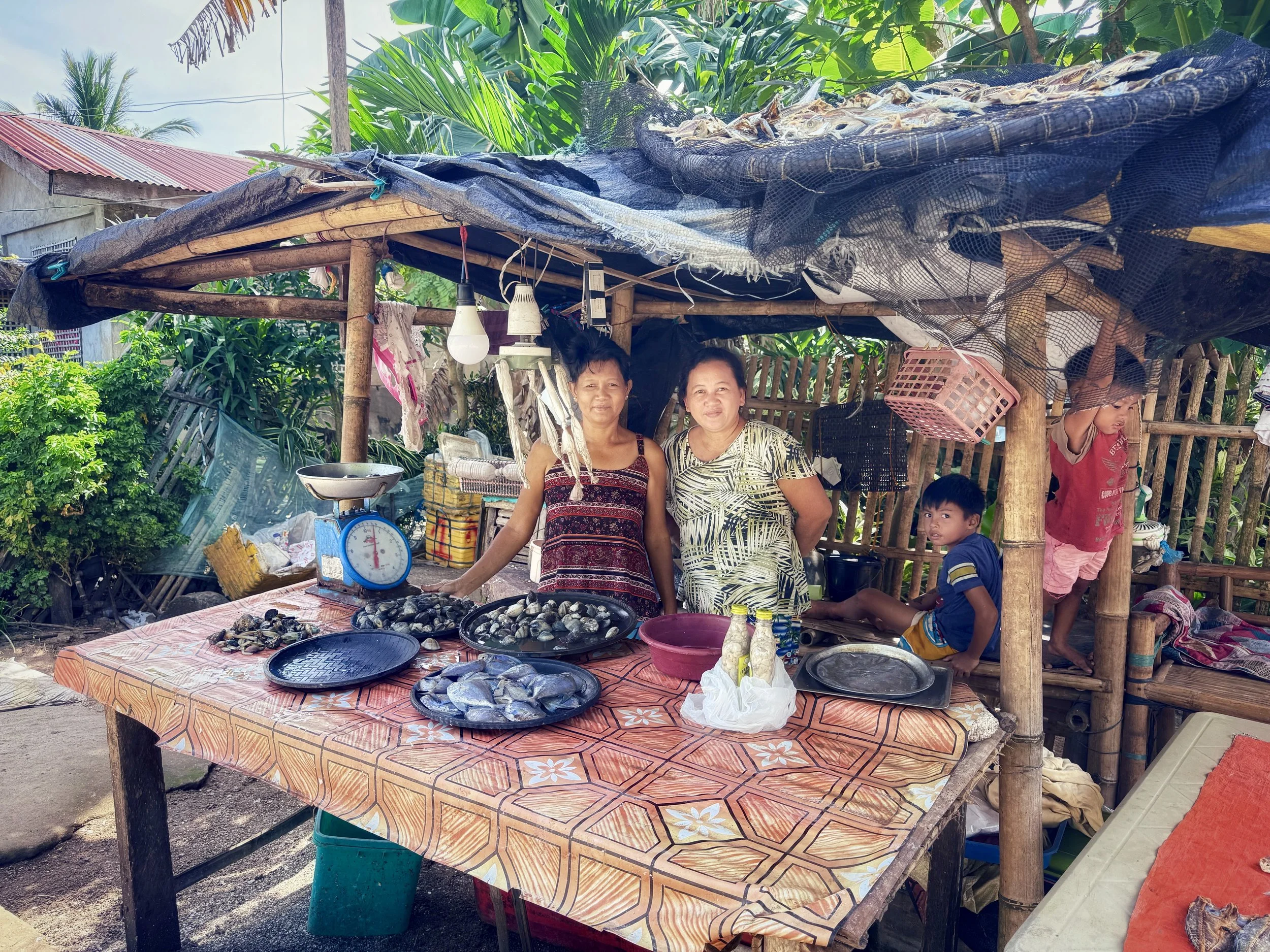
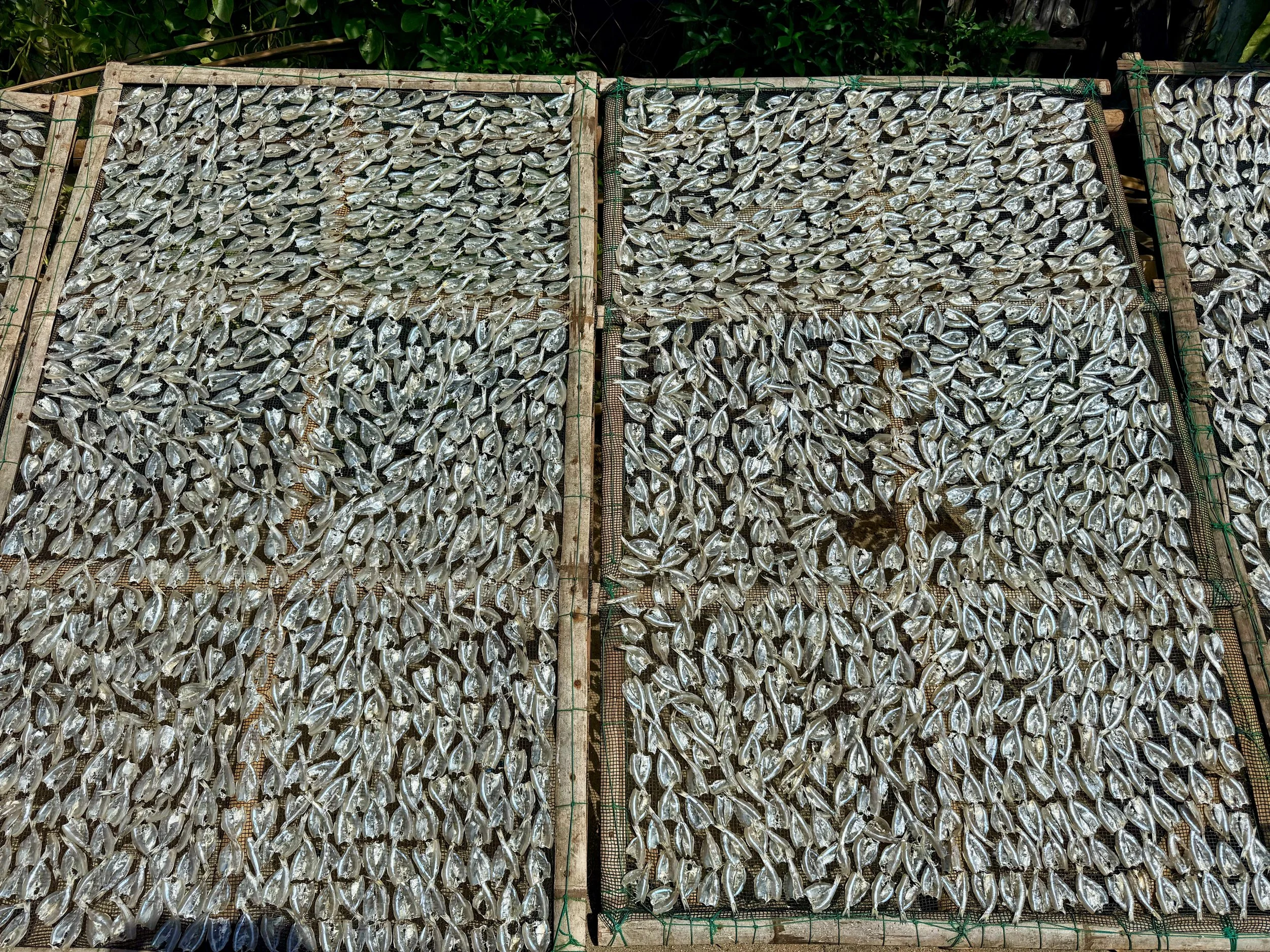
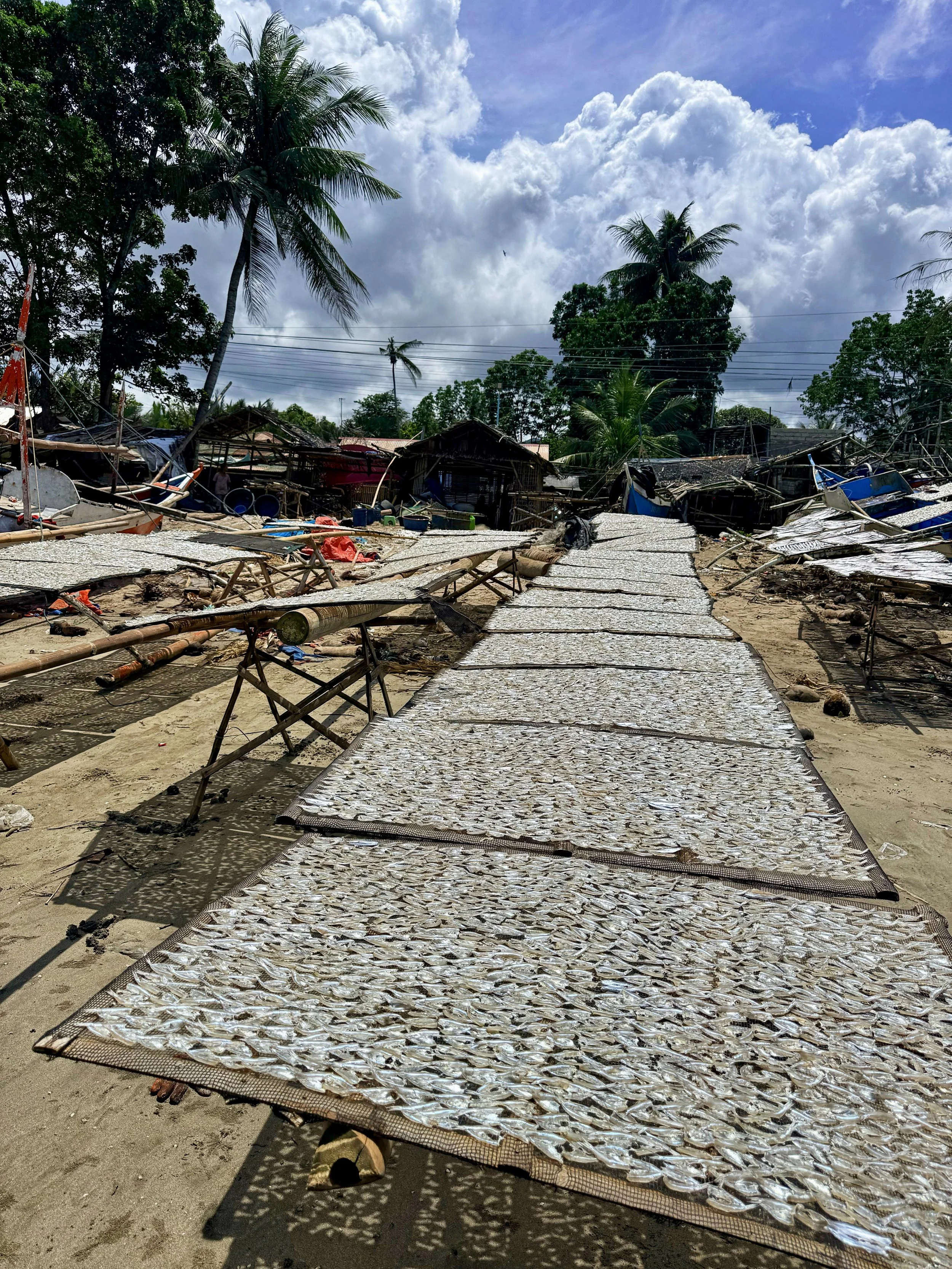
The whole village seems to be sustained by fishing and drying small fish such as sapsap, anchovies, and mackerel. Each tiny fish is caught, filleted, cleaned, then laid out to dry by hand. A huge laborious process. The dried fish is sought out widely in the Philippines and is quite expensive to buy in the markets. Many locals also dig for clams during low tide every morning and evening.
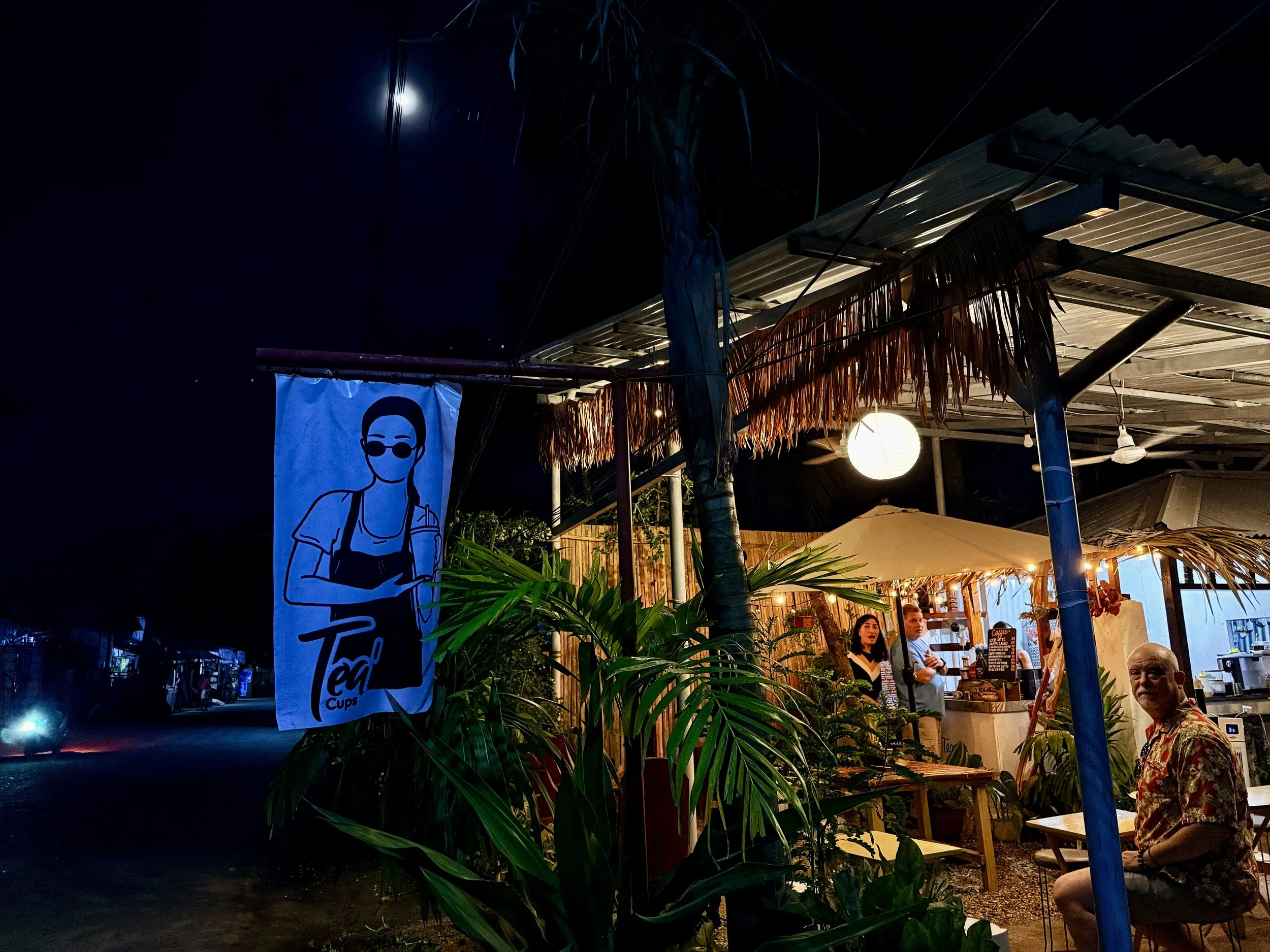
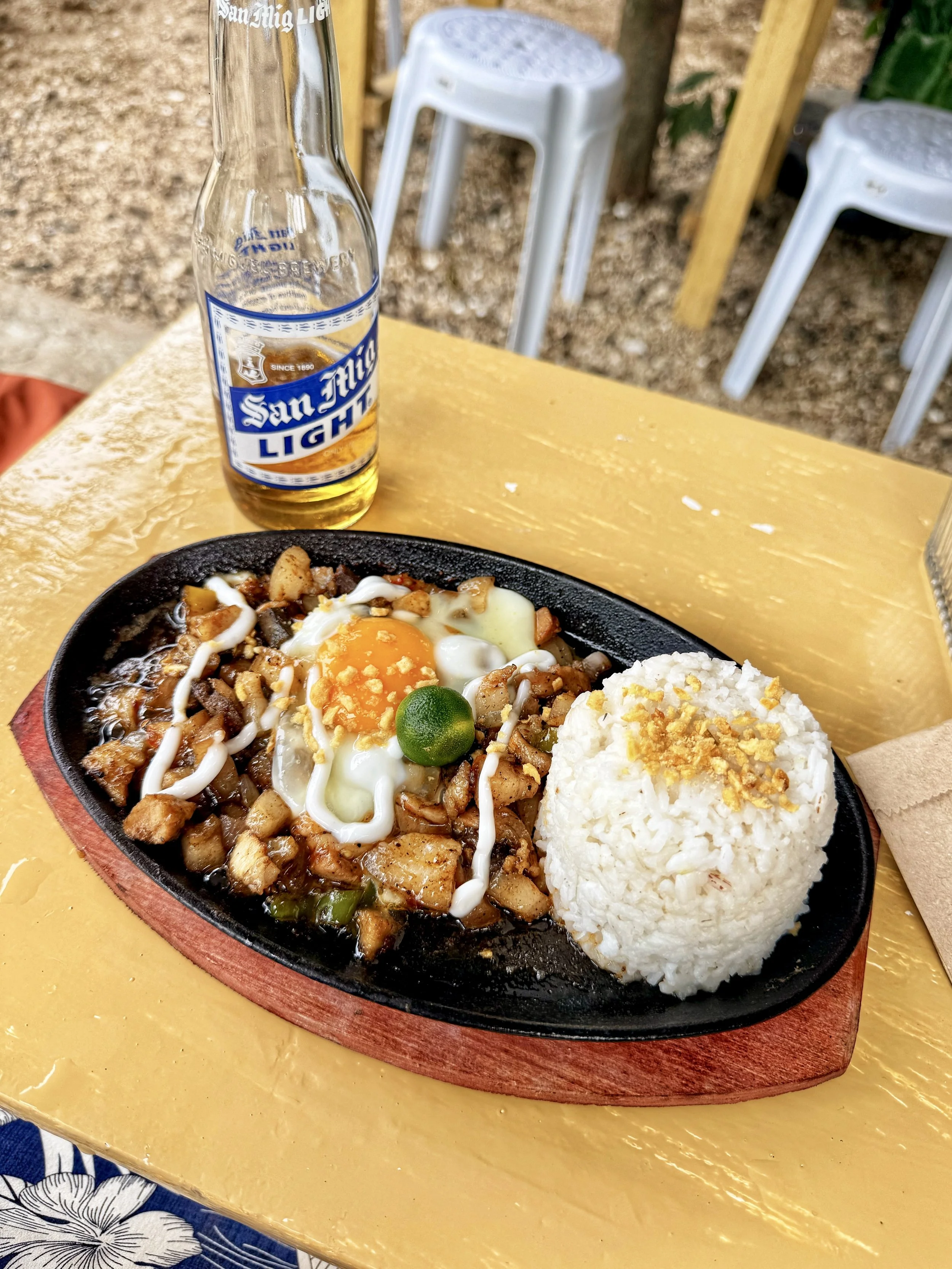

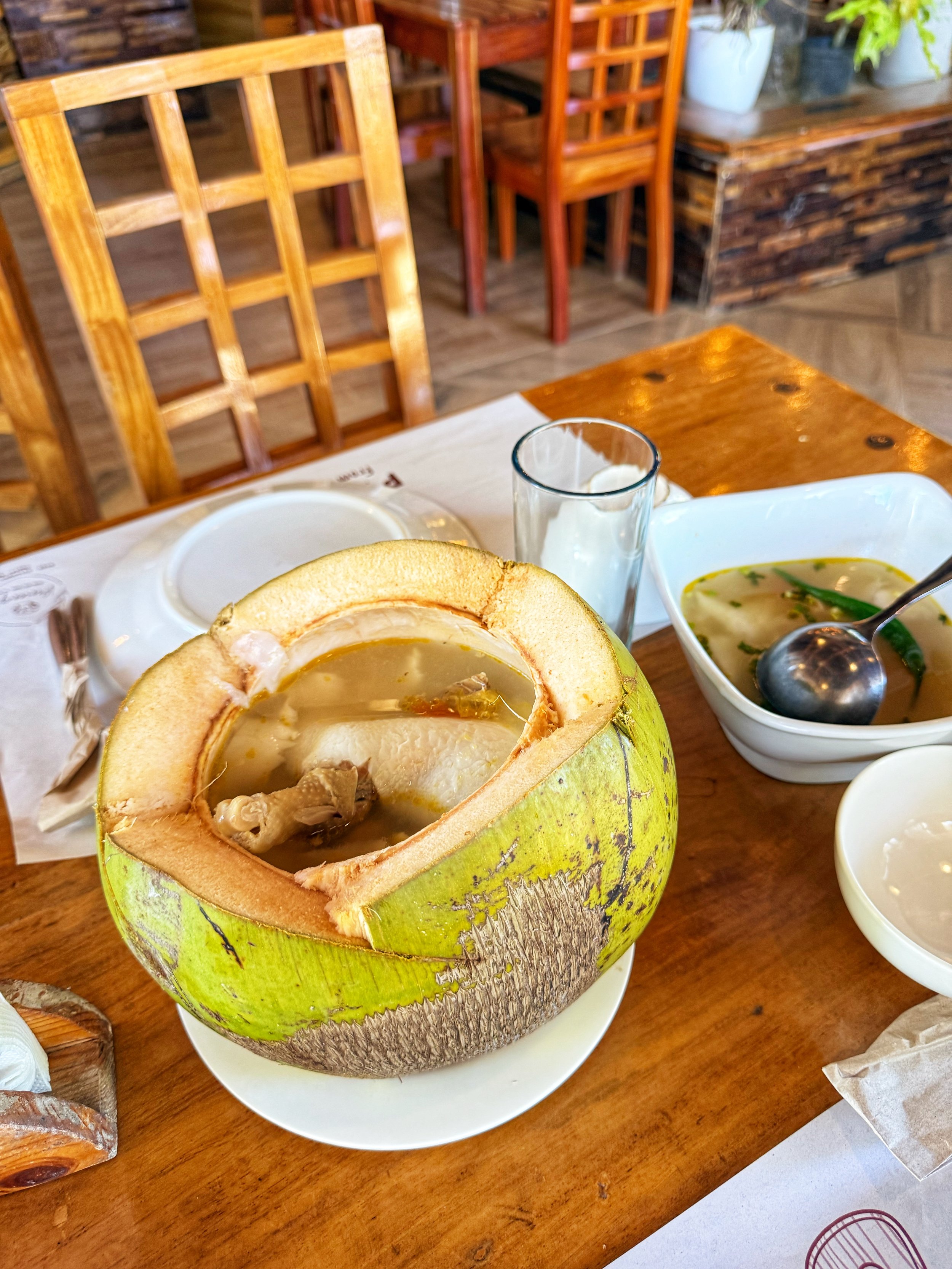
Teacups Cafe saved us multiple times during our stay. For starters, it was a shorter 20 minute walk than trying to go all the way into town. But more importantly, the place looked clean and lots of customer traffic for high product turnover. The menu was whimsical with a combo of traditional Filipino foods such as sisig and siomai, alongside western inspired dishes. Apparently, the lasagna is so popular, they sell it at the central market as well as filling pre-orders daily. The owner gets inspiration from trending foods on TikTok. Her most recent endeavor was making a popular Korean snack, the Dubai Chewy Cookie, or “dujjonku” featuring a crunchy mix of pistachio paste and shredded kadayif pastry wrapped inside a soft, cocoa-dusted marshmallow ball. She makes 50 of them every day and sells out almost immediately.
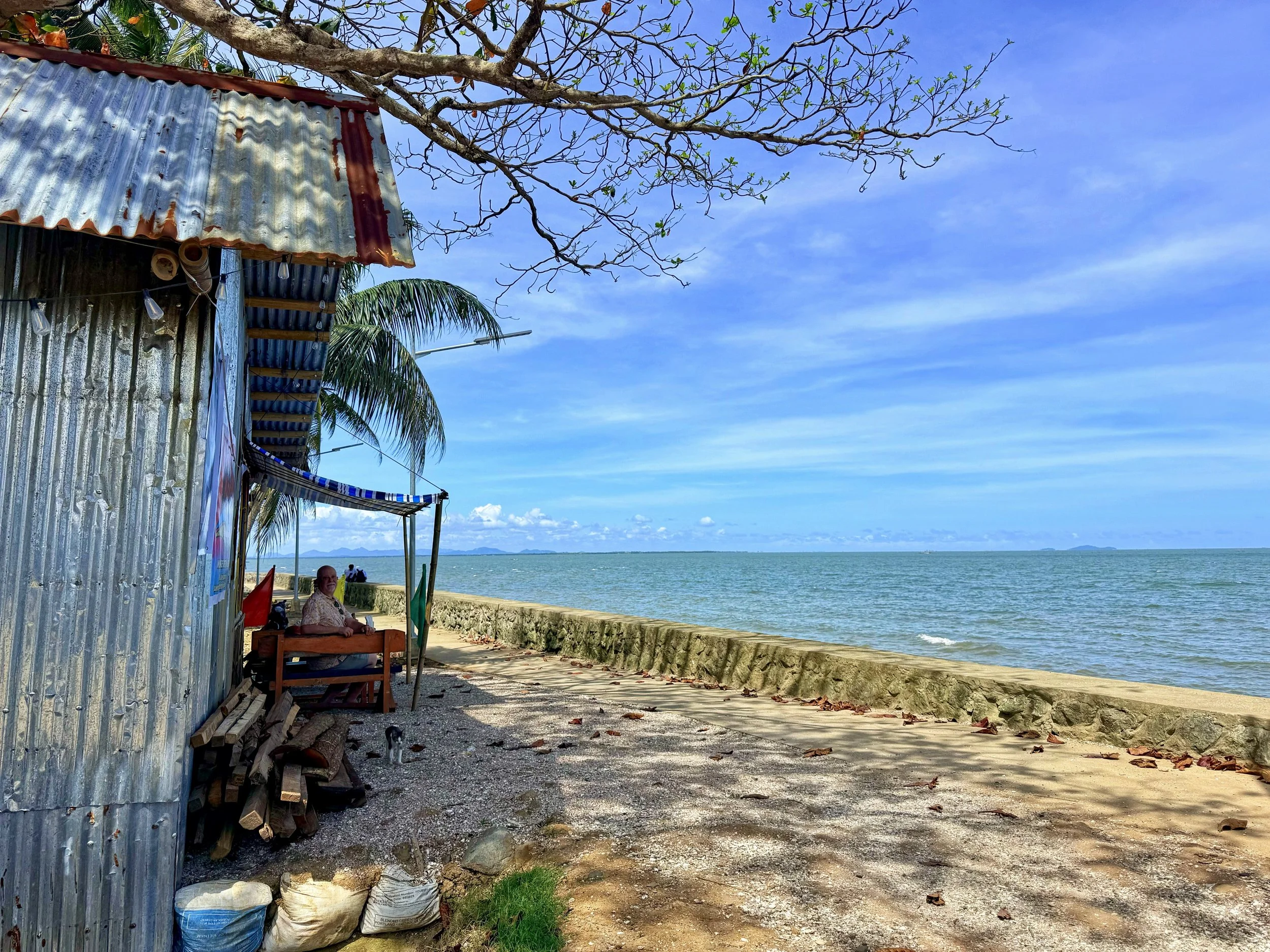
After a really steamy walk into town, we came upon an oasis at Koolutz Resto Bar. It’s right on the esplanade looking out at the ocean, away from all the noise and chaos. They were technically not yet open for the day but Reza was nice enough to let us buy some beers and cool off at the outside picnic table. The place just opened a few weeks ago and still working out the menu and offerings. They have live music on the weekends and a DJ during the week. The place is so new, it wasn’t yet on Google Maps so we contributed this new spot to the map.
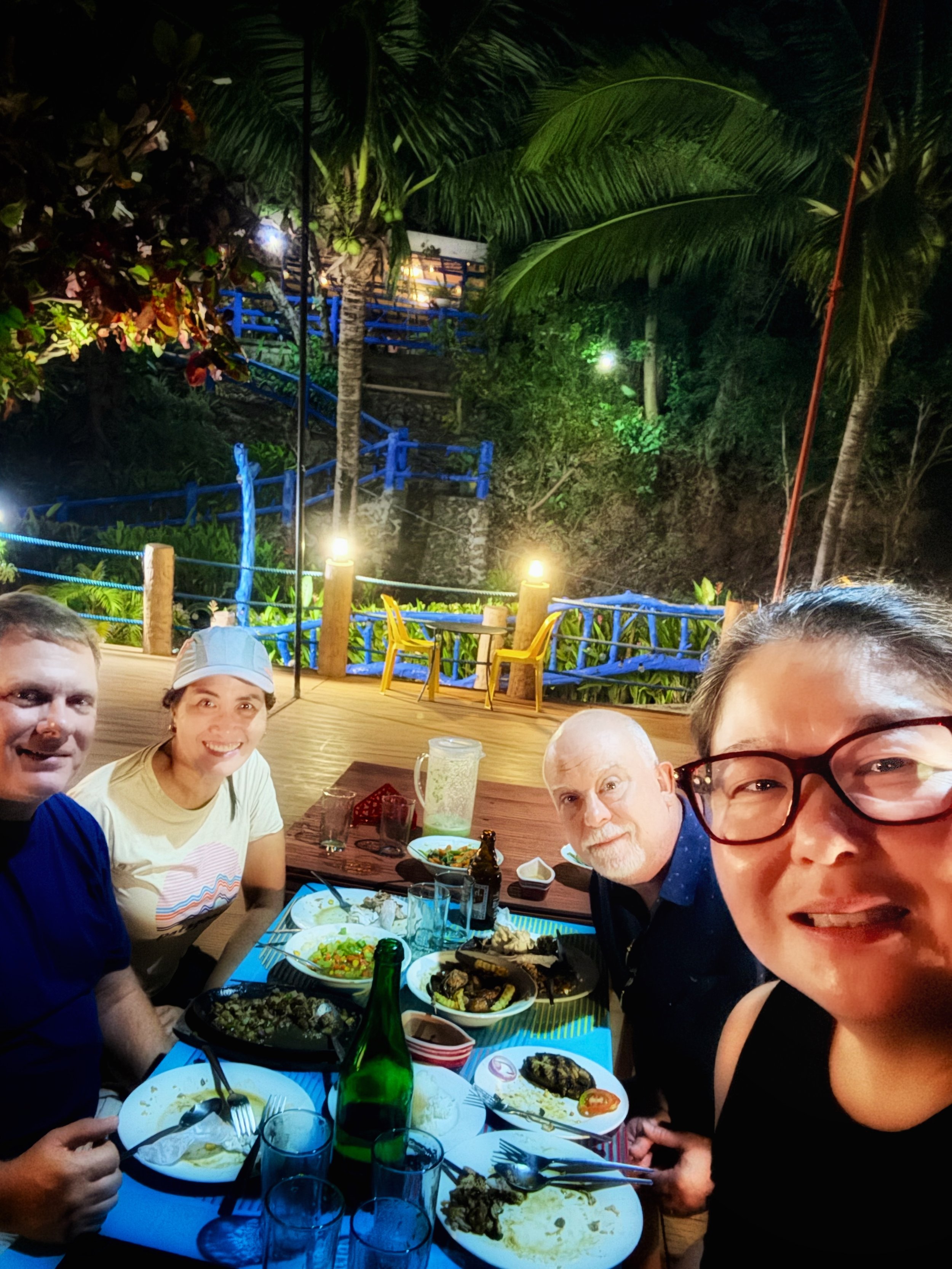
We also had a couple of outings away from Pilar. Our friends treated us to a huge meal at Paon Beach Club in the oceanside city of Estancia. We had the entire outdoor patio to ourselves, stuffing ourselves with traditional Filipino cooking while overlooking the moonlit bay.


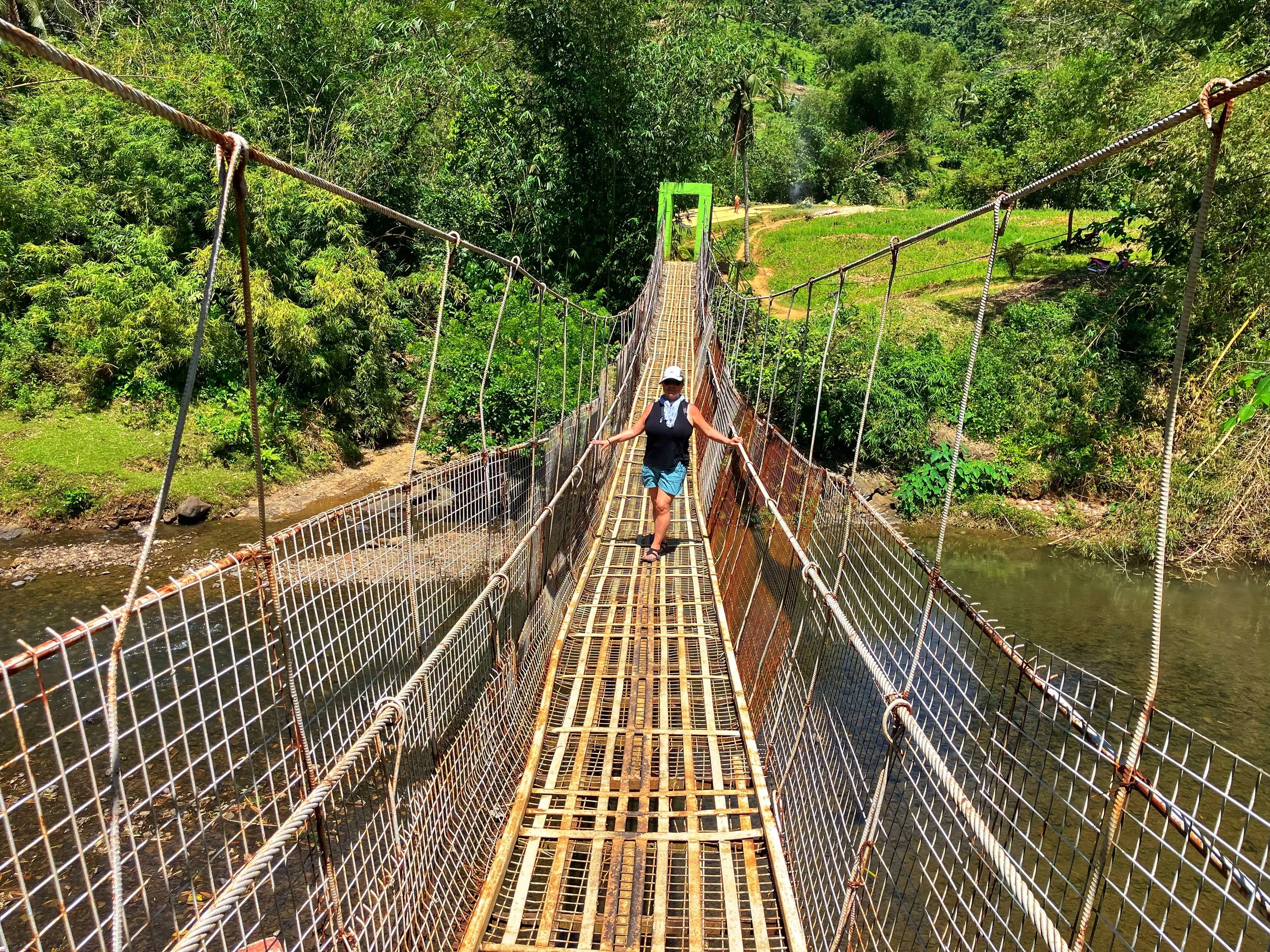
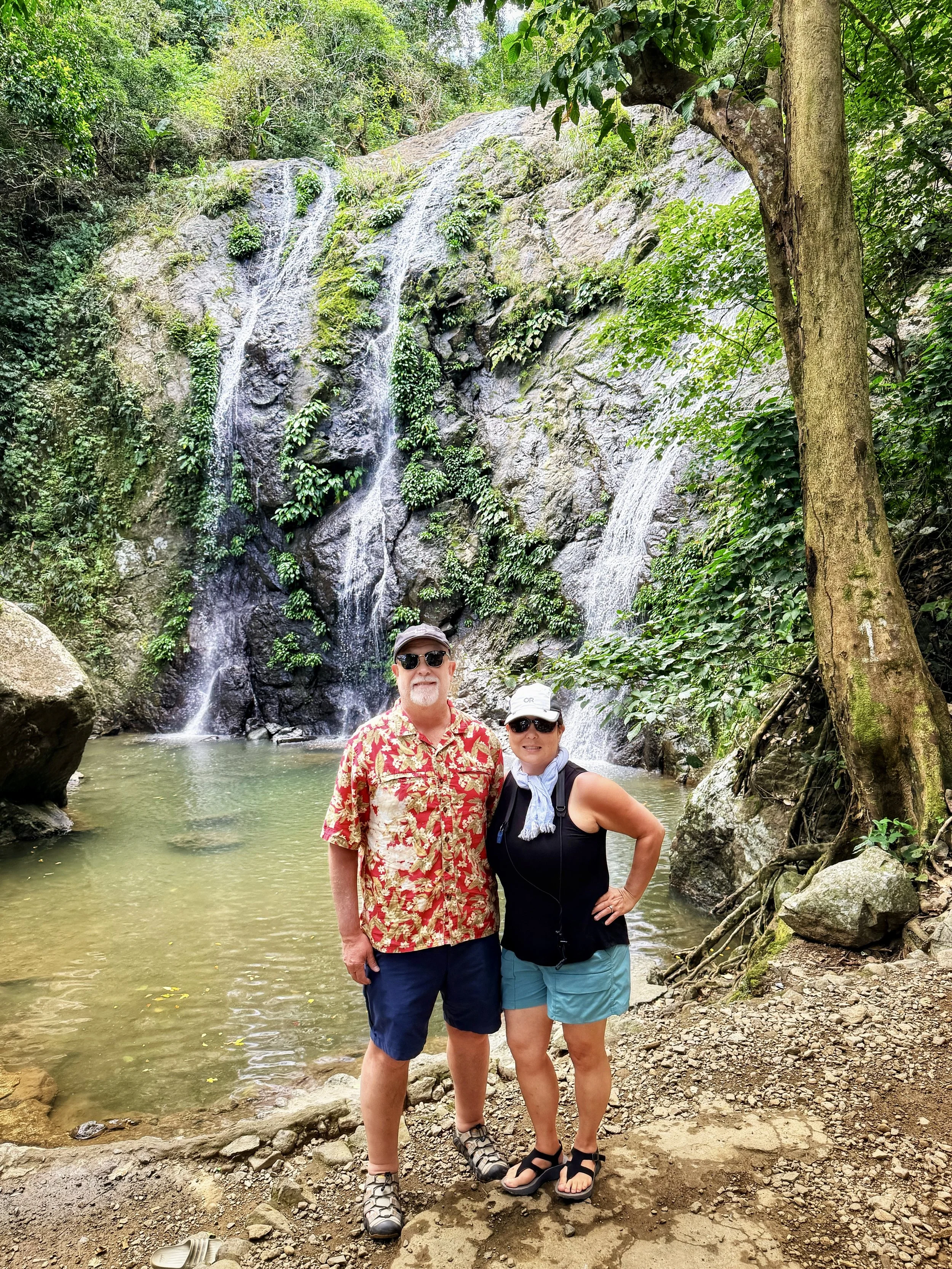
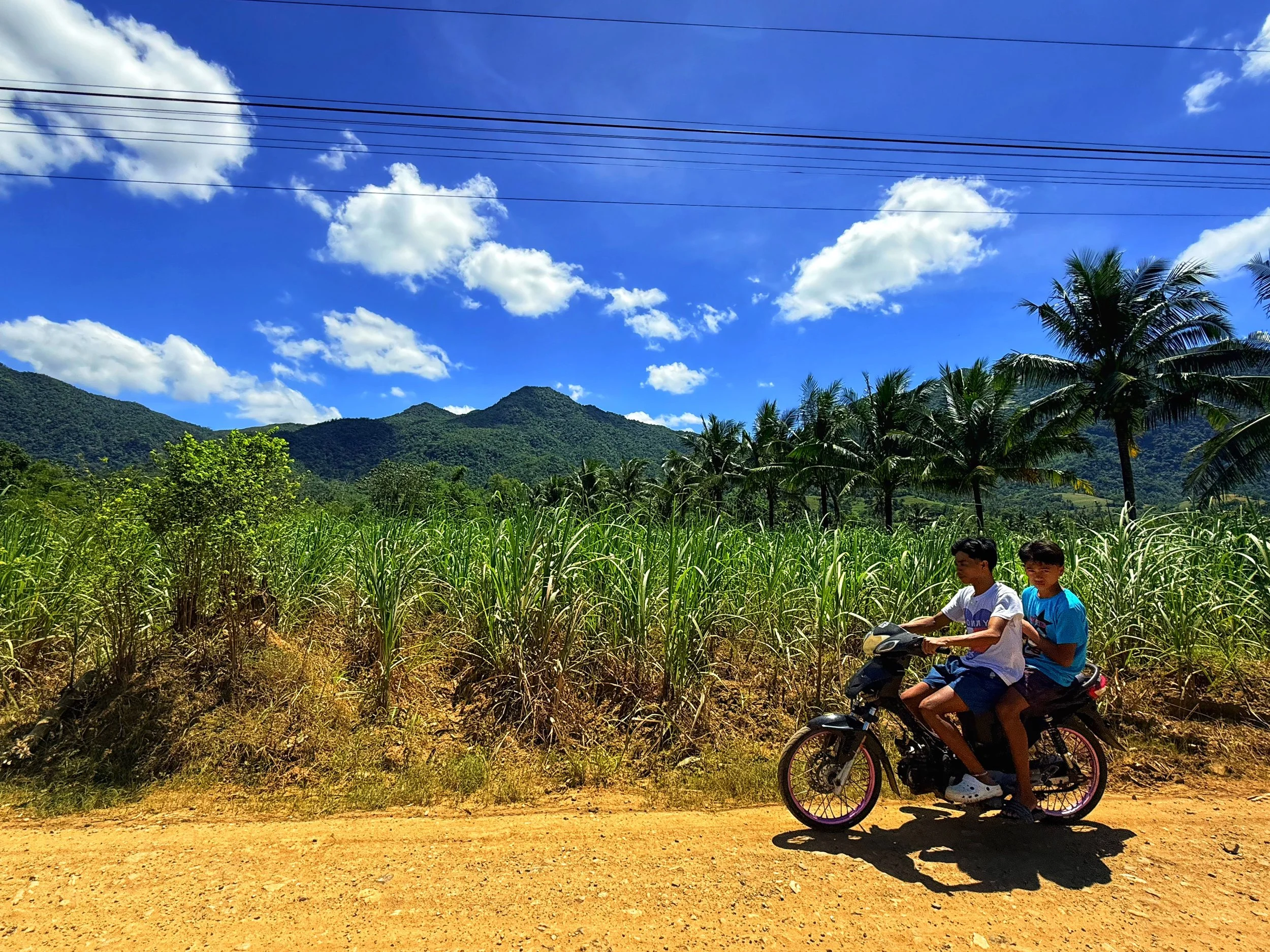
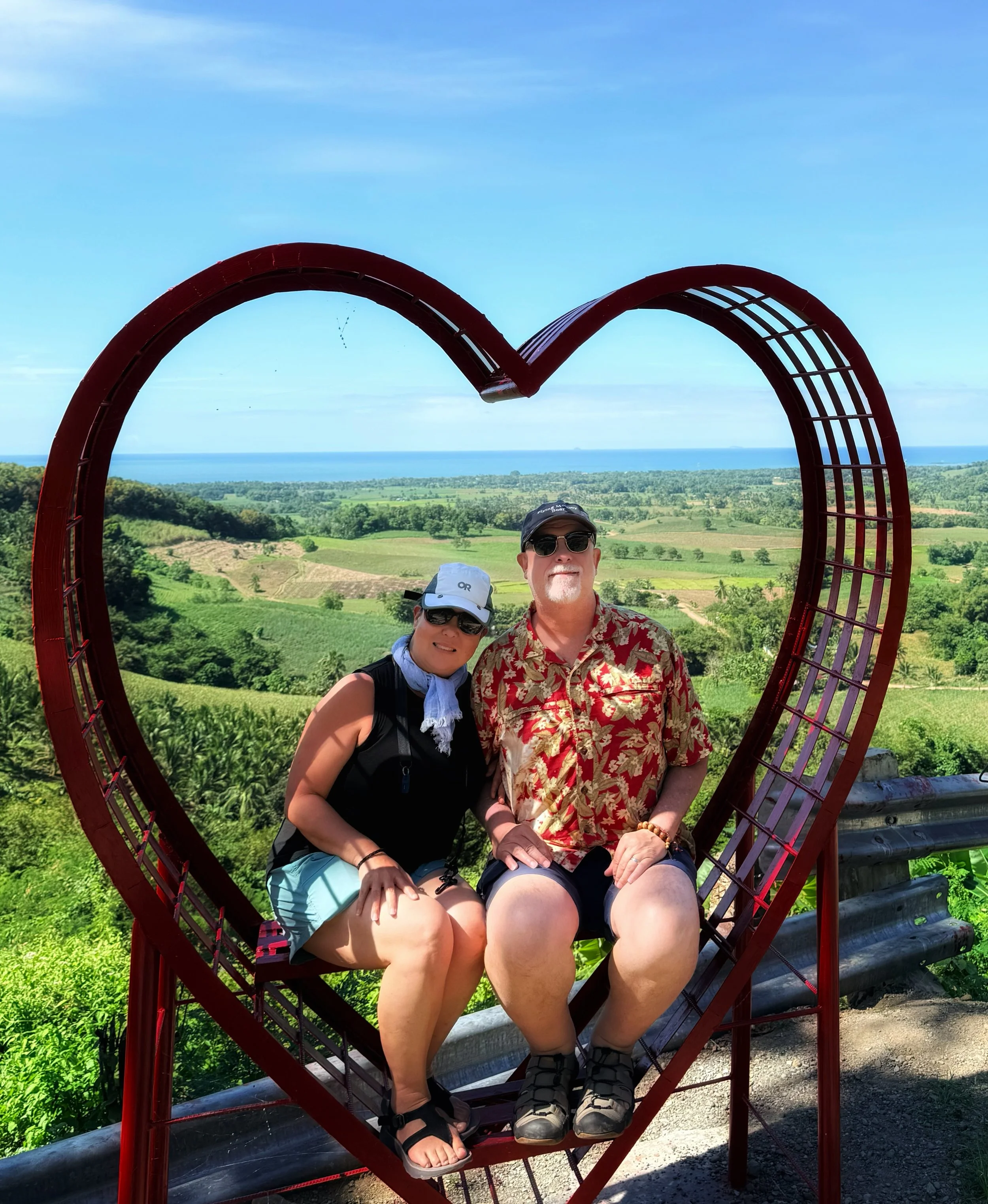
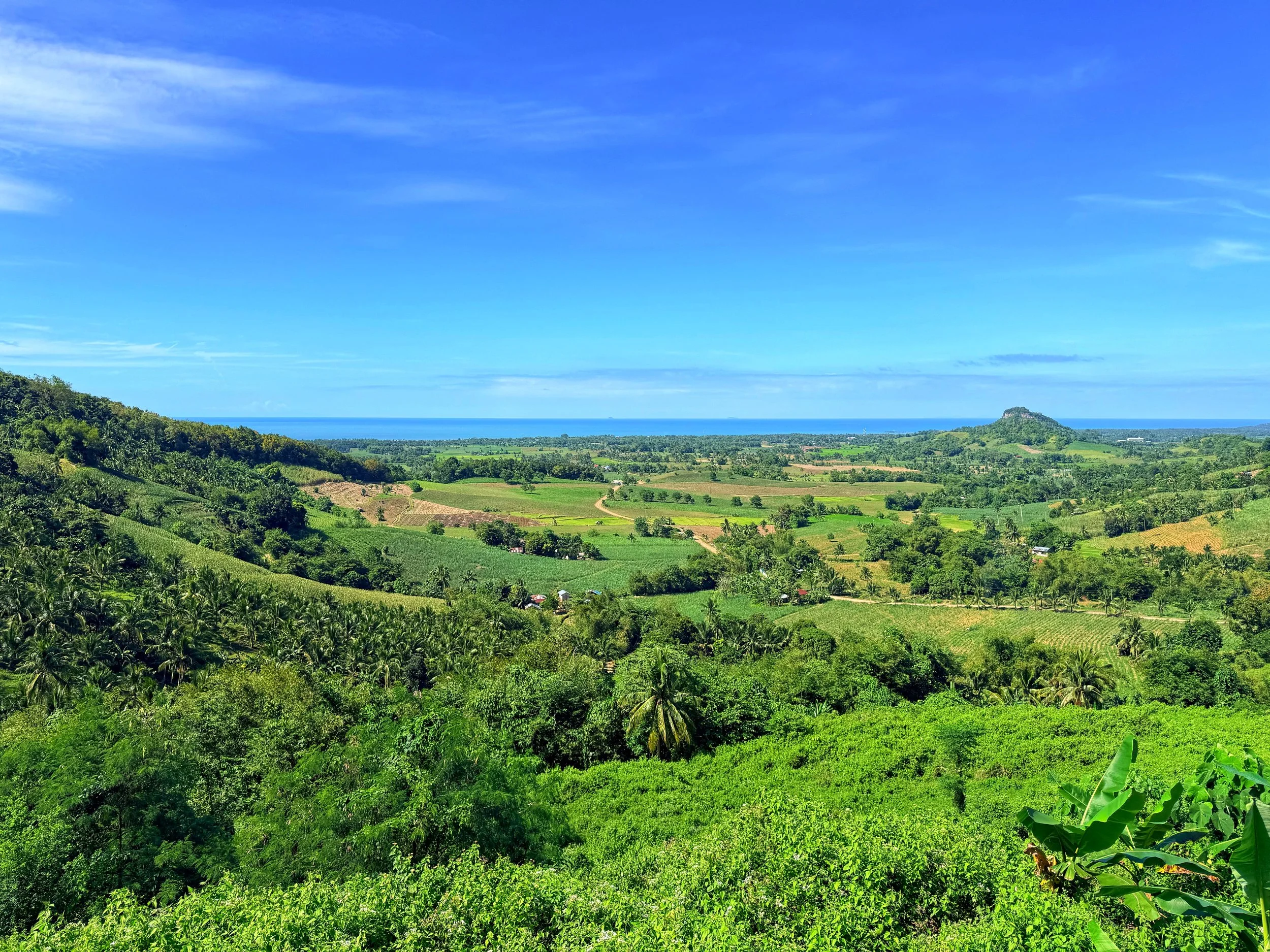
Capiz Province is blessed with mountains, caves, rivers, waterfalls, and rice fields, though sugarcane is the main crop and it was harvest season! We were stuck behind many trucks hauling loads of freshly harvested sugarcane on our way to Hinulugan Falls. It was nice to experience the mountainside of the island for a day.
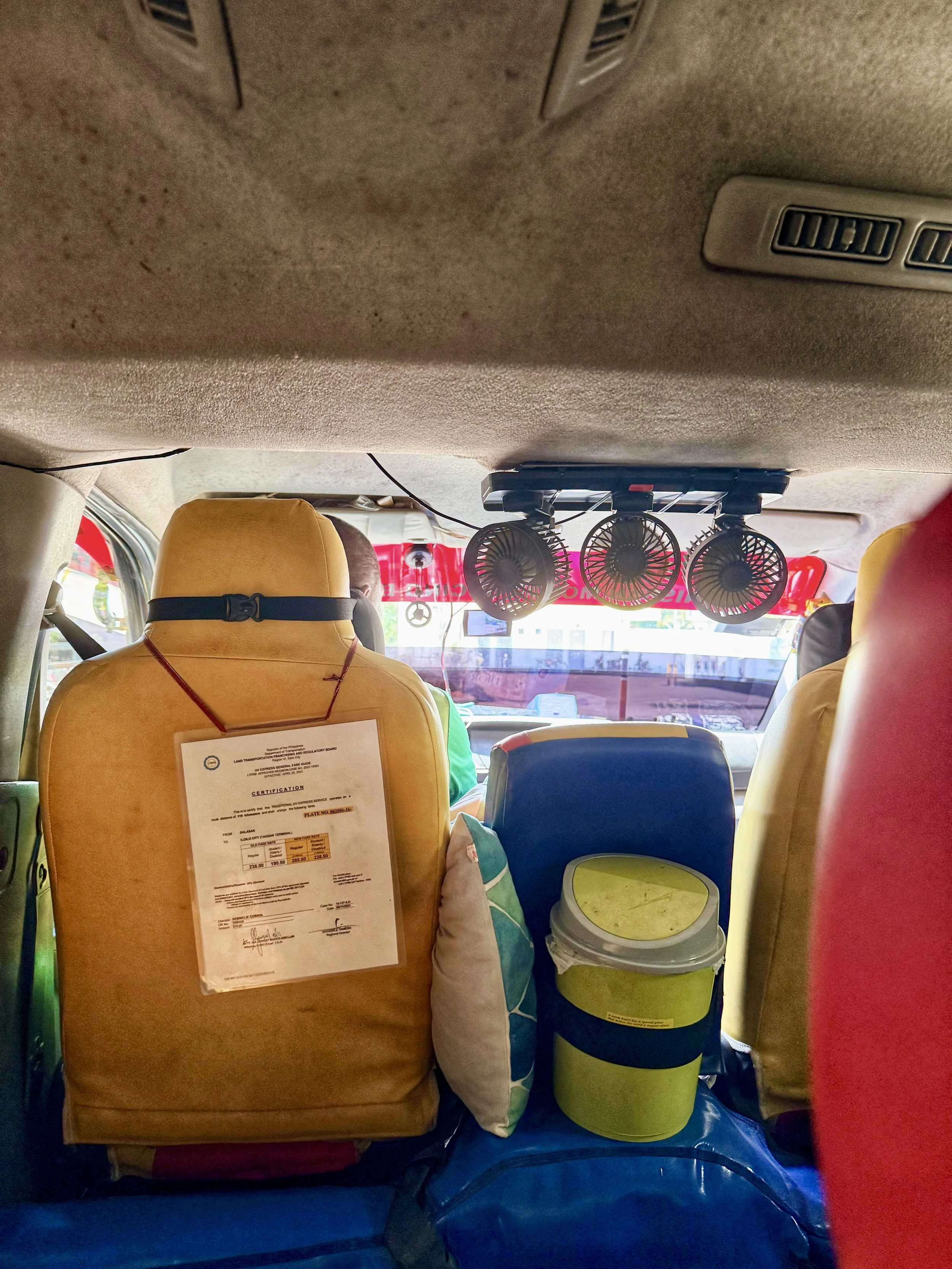
As our time in Pilar was winding down, we needed to figure out how to get ourselves about 90 miles to Iloilo City. A bus or a shared van are the 2 public transport options, and the closest transit center is in Balasan. Our friends drove us to Balasan, then helped negotiate hiring the entire van for ourselves by paying for the other 16 “seats” that the driver would have had to sell in order to leave for Iloilo City. There’s usually only half the number of actual van seats but people cram in like sardines. That’s right. We’ve experienced this frequently in South America and in other parts of Southeast Asia, but no thank you to that in our older age, if we can help it. Buses and vans in many parts of the developing world do not have timetables. The driver takes off only when the ride is full. At this rate, we might’ve had to wait all day before we left. Fortunately, we can afford these small privileges… 2.5 hours later, we were in the city of Iloilo!
