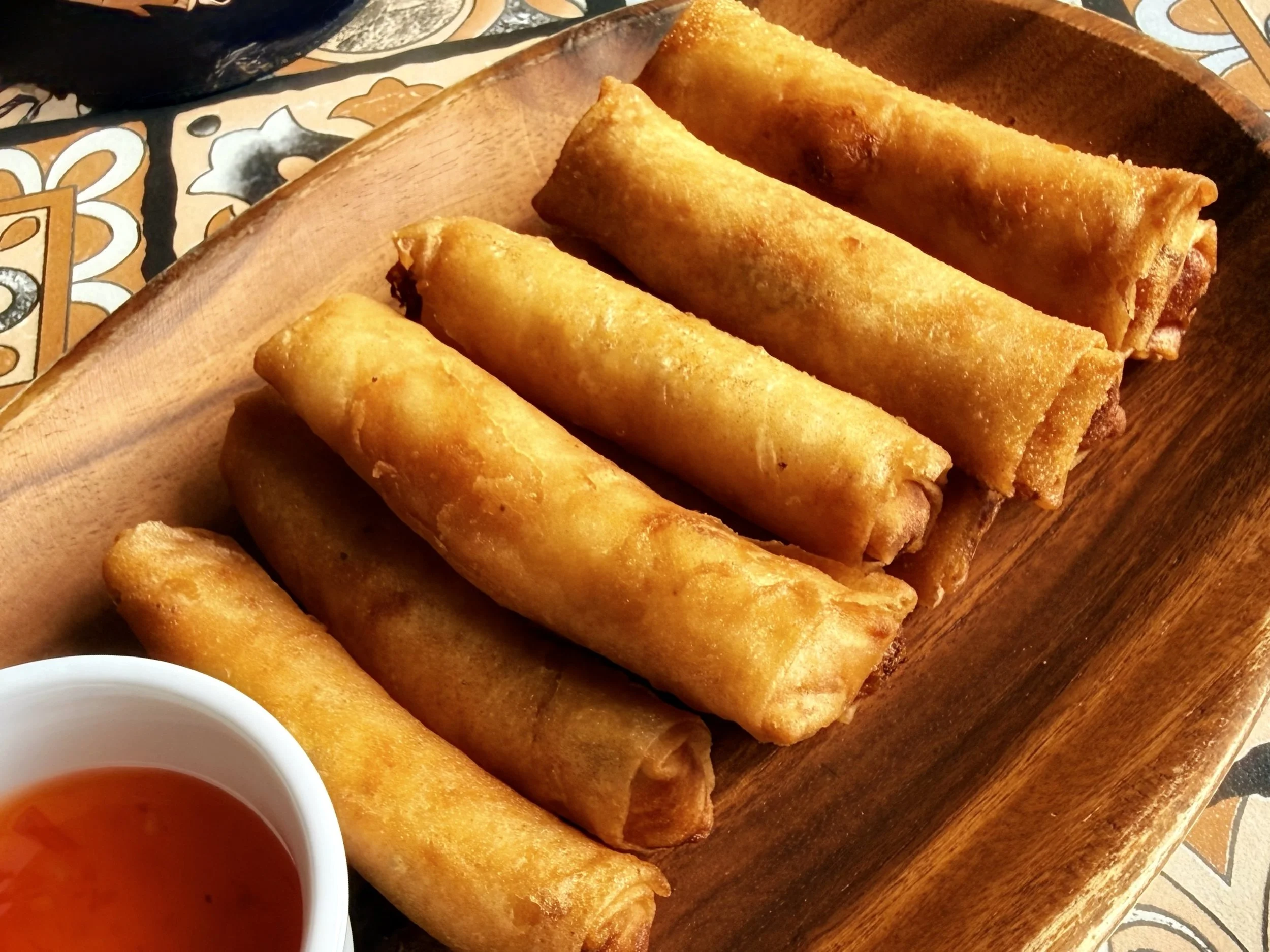
We wanted to break out of our own stereotypes about Filipino food and experience something more than what we ignorantly thought of as brown, fried, greasy, unidentifiable pig parts. That it’s more than pancit, lumpia, and adobo chicken.
Filipino cuisine, by history alone, should be intriguing. It’s a true melting pot of Australasian, Chinese, Spanish, and other colonial influences substituted with tropical ingredients that evolved over 5000 years, resulting in a unique cuisine not found anywhere else.
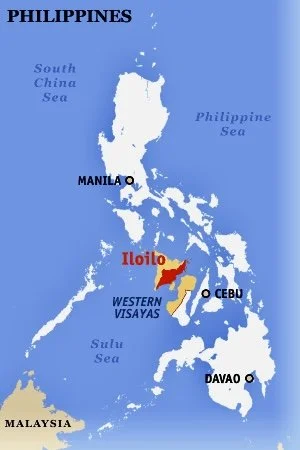
What better place than in Iloilo City—hailed Philippines’s UNESCO City of Gastronomy* since 2023?! Here, Ilonggo food—hailing from the Western Visayas region—is renowned for its comforting, savory, and slightly sour flavors, often featuring fresh seafood, root crops, and unique indigenous ingredients like batuan fruit for souring. Signature dishes include the rich La Paz Batchoy, comforting Pancit Molo, and the sour soups Sinigang and Kansi.
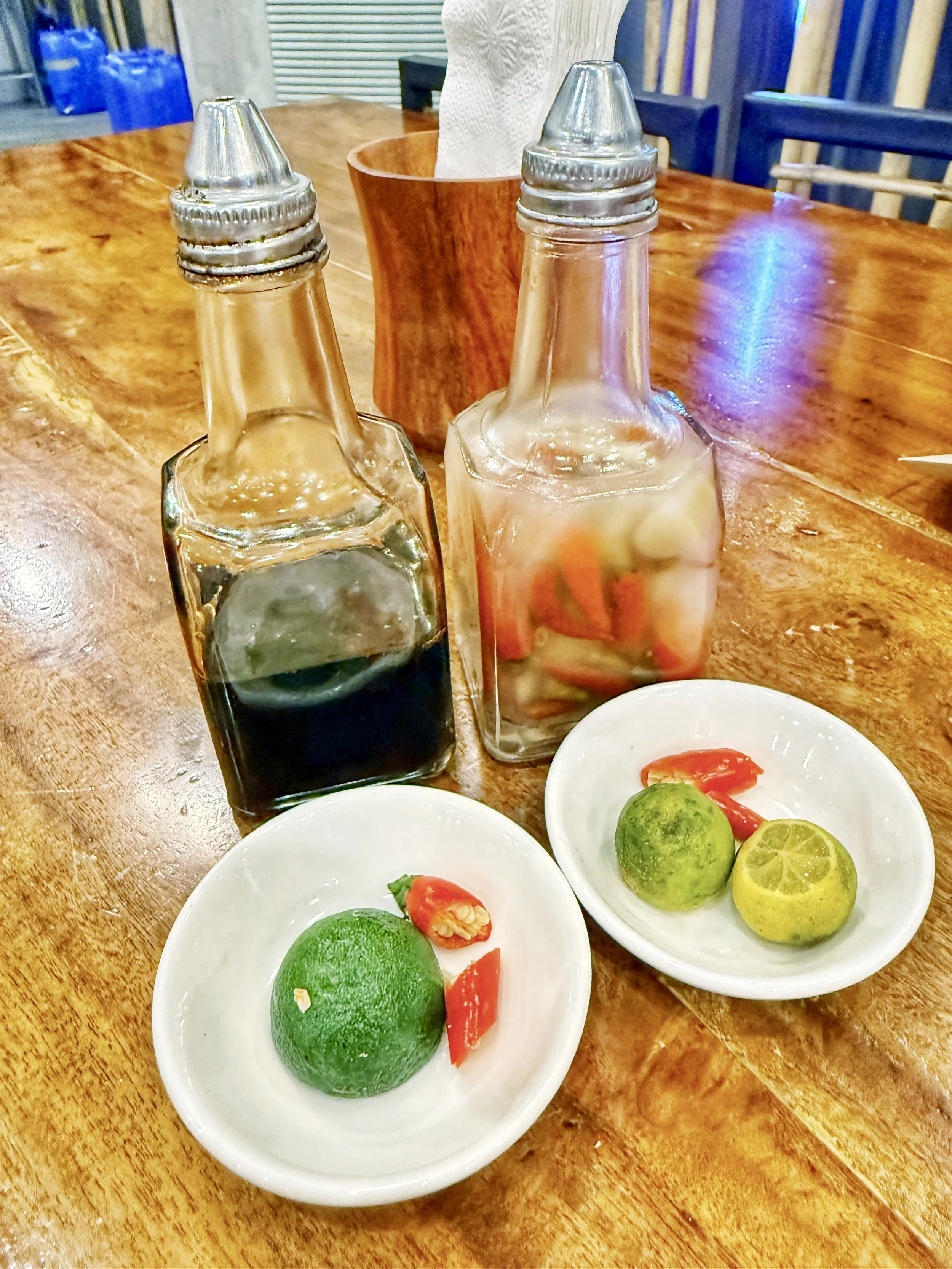
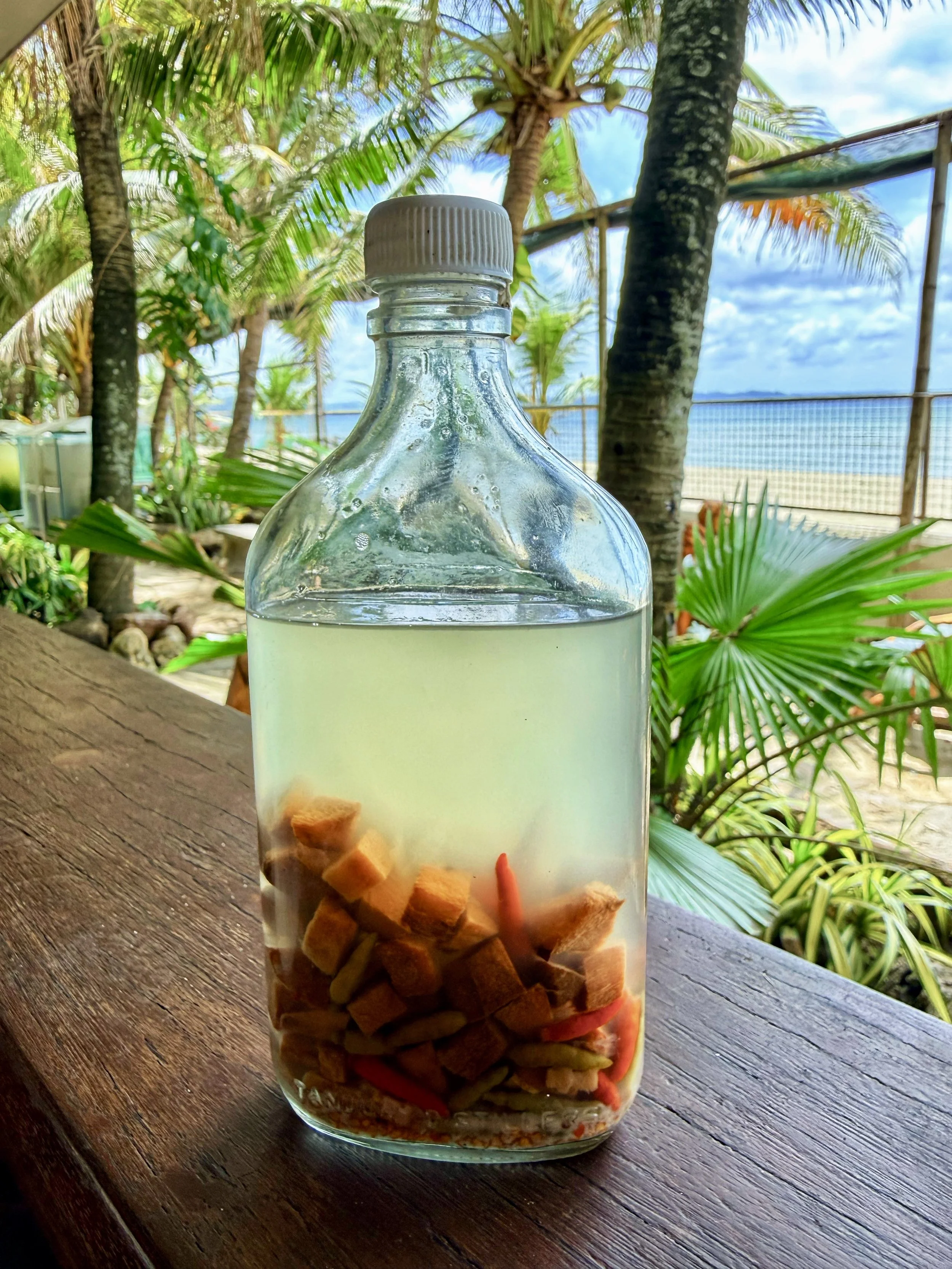
In general, Filipinos eat communally. Dishes are meant to be shared and served in large portions, so it was difficult to order lots of stuff “just to try”. Maybe this is where group food tours come in handy. We had to get past leaving food on the table when we couldn’t eat everything we ordered. Pig is king, and the chicken is queen. We didn’t find a lot of fresh produce or cooked vegetables in any dish so we relied on western restaurants for salads. Often, there was a cloying sweetness in everything, even when it didn’t need to be—Jollibee spaghetti for example. Also, the flavor profile was not as diverse in comparison to say…Vietnamese and Thai cuisine. However, Ilonggo cuisine comprised a more sour flavor, which we preferred, and the table condiments that often included fresh calamansi citrus fruit and red chili peppers for some acidity and spice were a nice touch. The chili marinated vinegar and soy sauce also helped cut through the fatty meats and fish.
Here’s a recap of our culinary adventures in Iloilo. We tried as many recommended Ilonggo dishes as we could. Many pleasant surprises and a few misses!
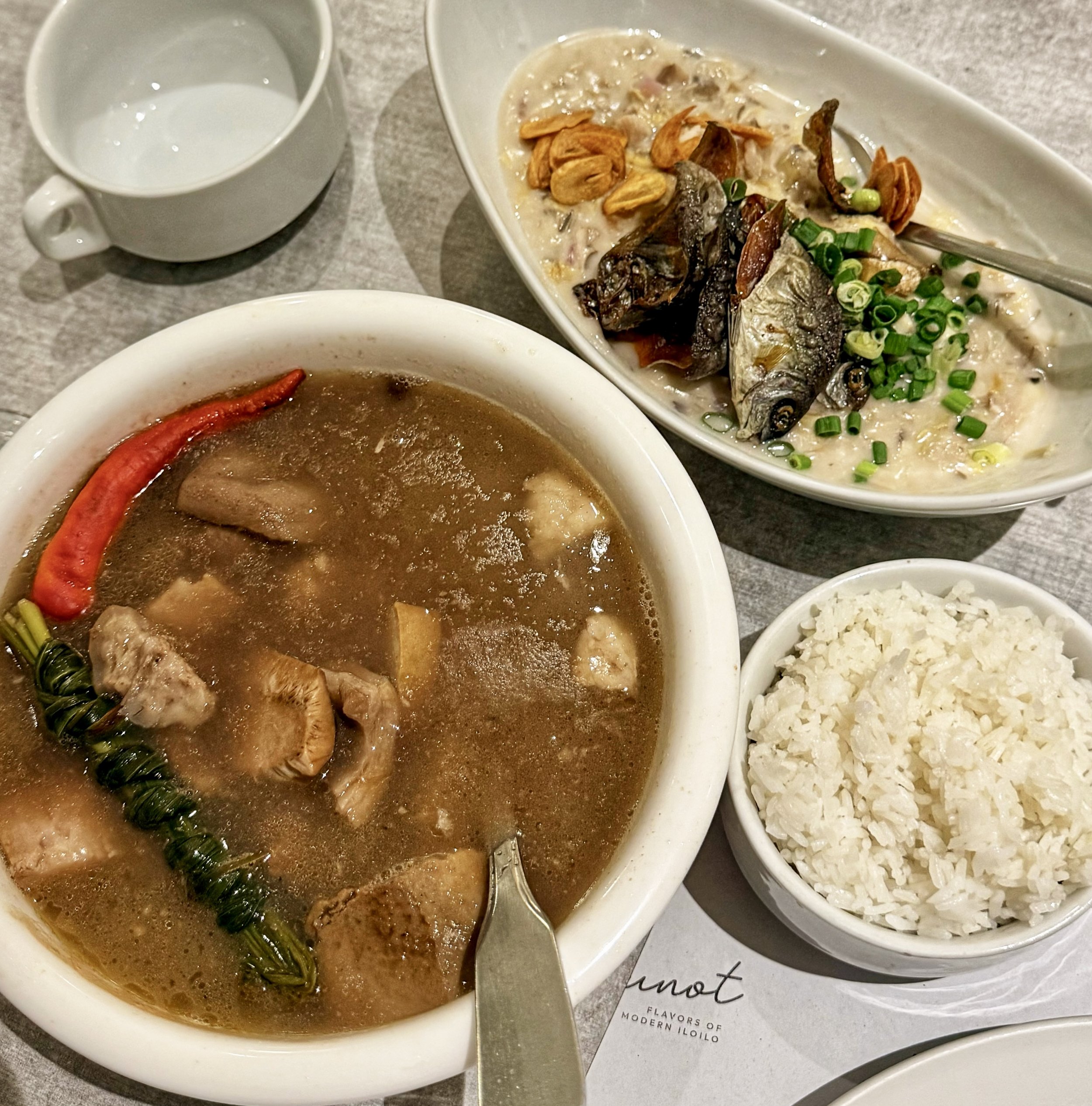
Punot Filipino Restaurant: in our humble opinion, this was our favorite Filipino restaurant in a modern, upscale environment that had a wide selection of high quality Ilonggo dishes from the region. We would love it if they did a multi-course tasting menu for foreigners like us. At this restaurant, we tried:
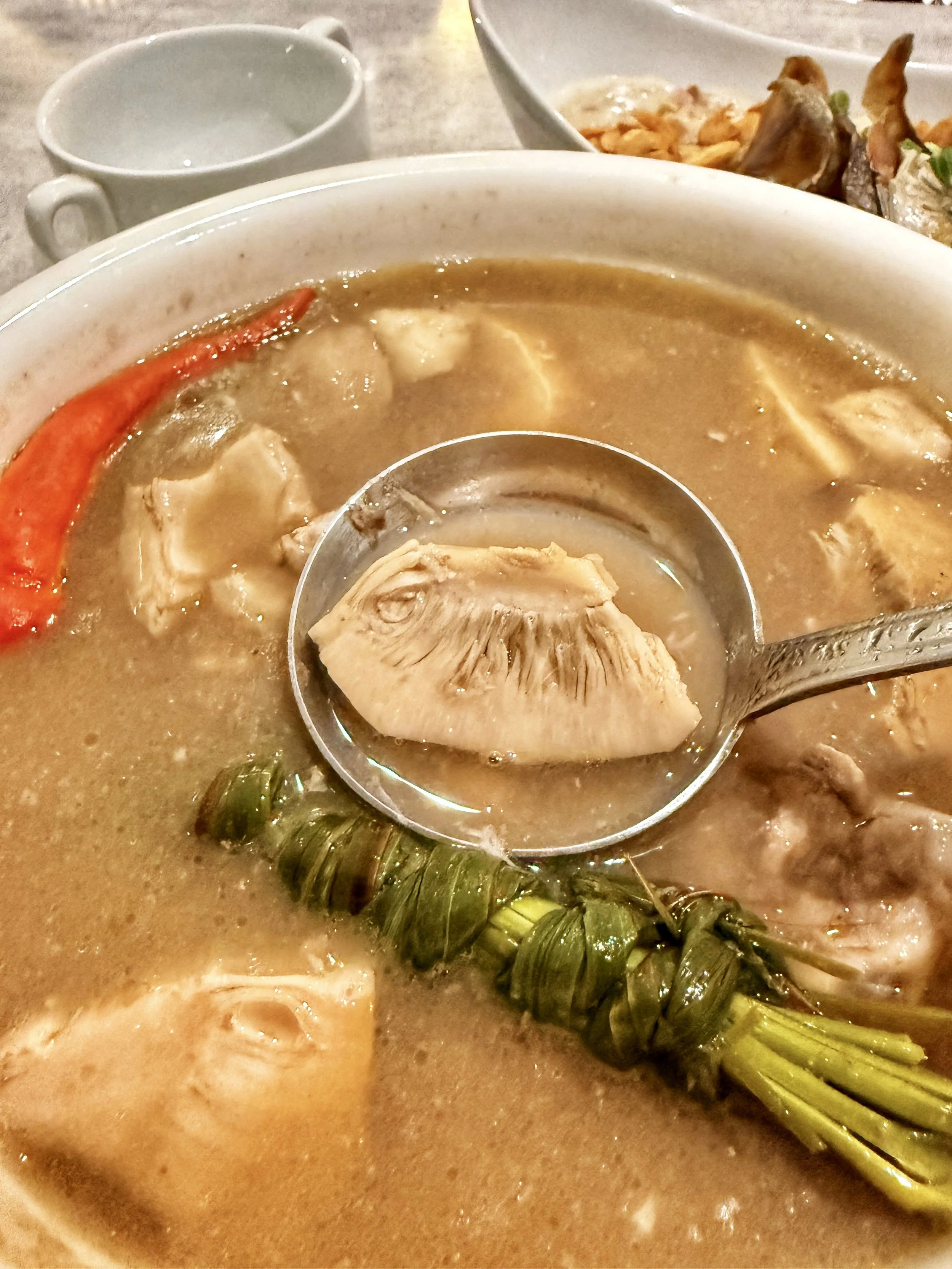
KBL is a Filipino soup, of Kadyos, Baboy, and Langka, originating from the Hiligaynon people of Western Visayas islands. The name of the dish means "pigeon peas, pork, and jackfruit"--the three main ingredients of the soup. The pigeon peas are purple and gives the broth a murky brown look. The pork knuckle gave it a lot of flavor, but the star is the jackfruit that looks and tastes like chunks of stewed meat! The soup is soured with batuan fruit, also indigenous to this island. This was our FAVORITE DISH!
Ensaladang Puso: A salad of banana hearts, coconut milk, and dried fish.
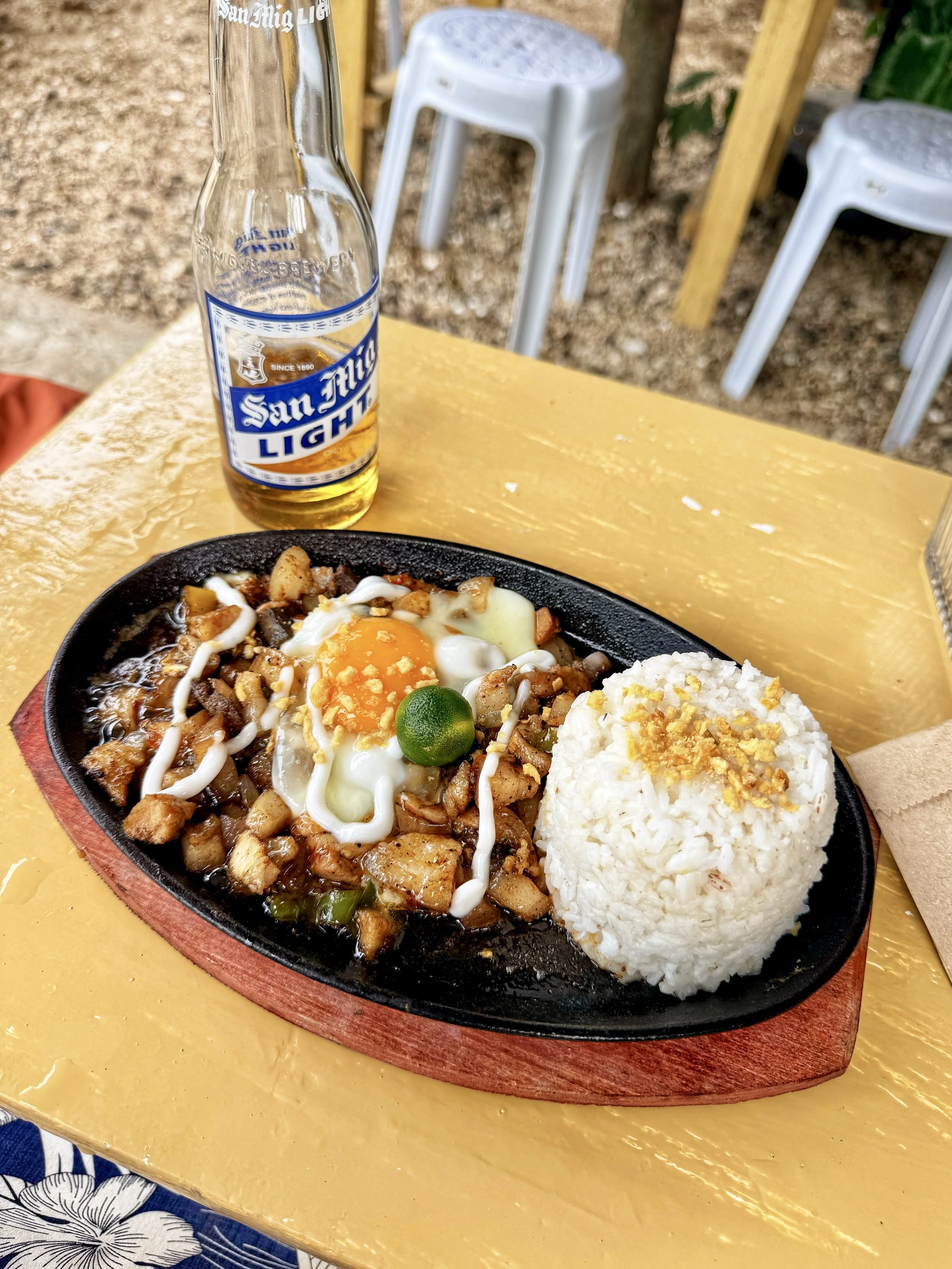
Sisig: While not specifically from this region, this is a very popular dish of chopped pork head, liver, onions, and chili served on a sizzling hot plate. It's better with an egg on top, but for our palates, it was too fatty and greasy and we were not used to eating pig head parts.
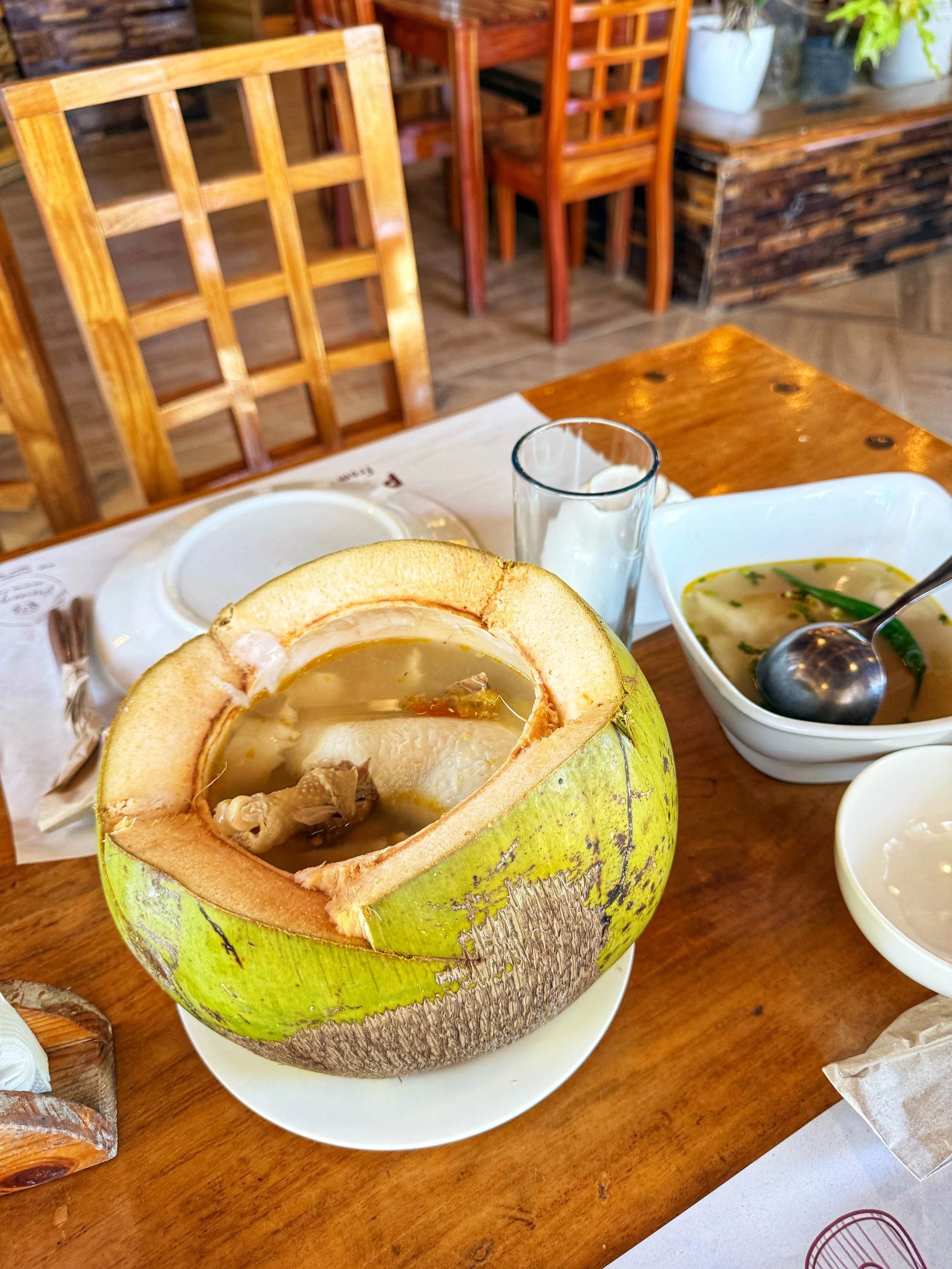
Chicken Binakol: We've never had hot soup made from coconut water and young coconut meat stewed with native chicken. The presentation in a hollowed out coconut was a bonus!
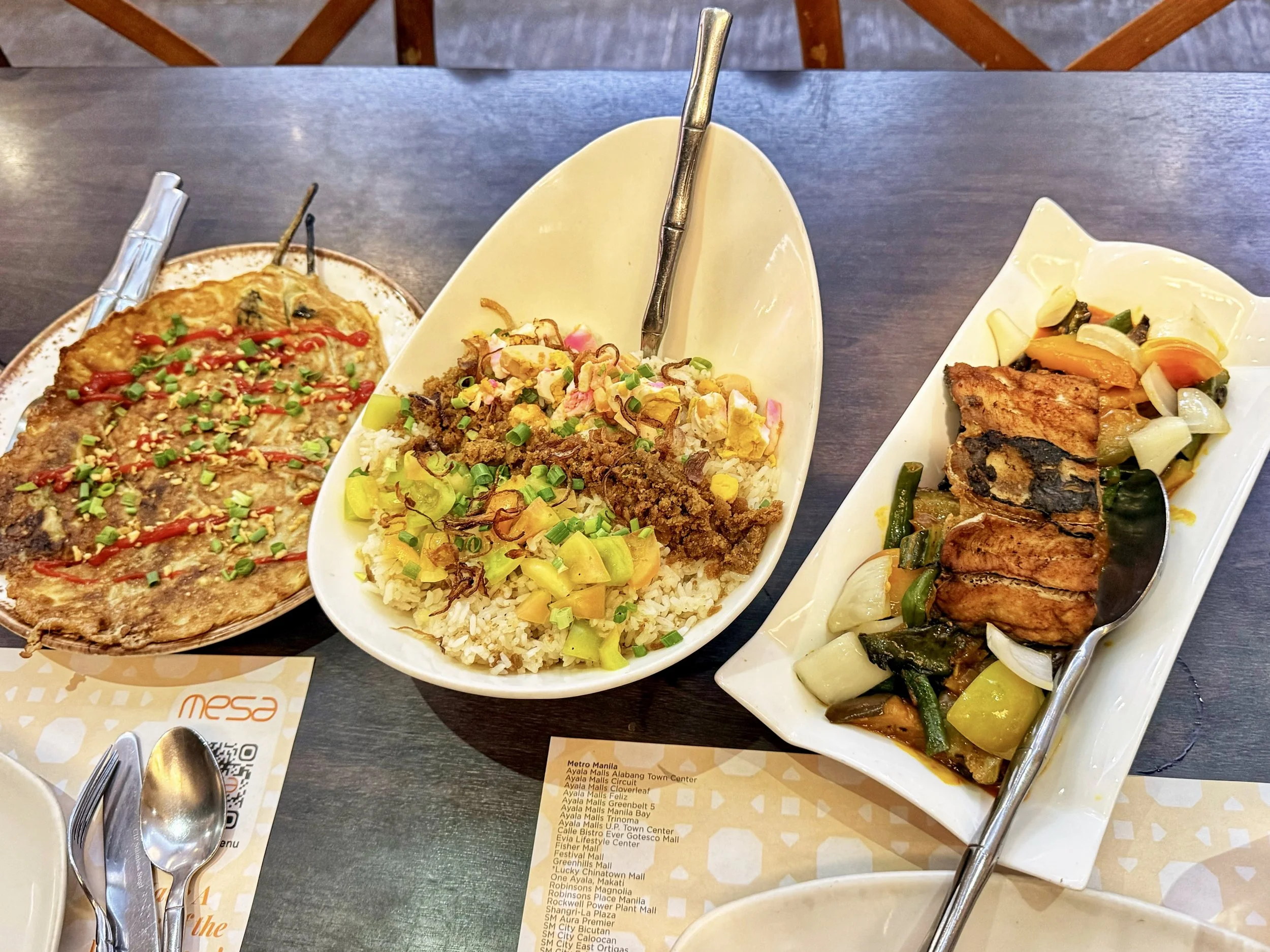
Tinapa Rice: Filipinos love fried rice, and there are many versions of it. This fried rice came with smoked fish flakes, garlic, onions, and enhanced with salted eggs and tomatoes.
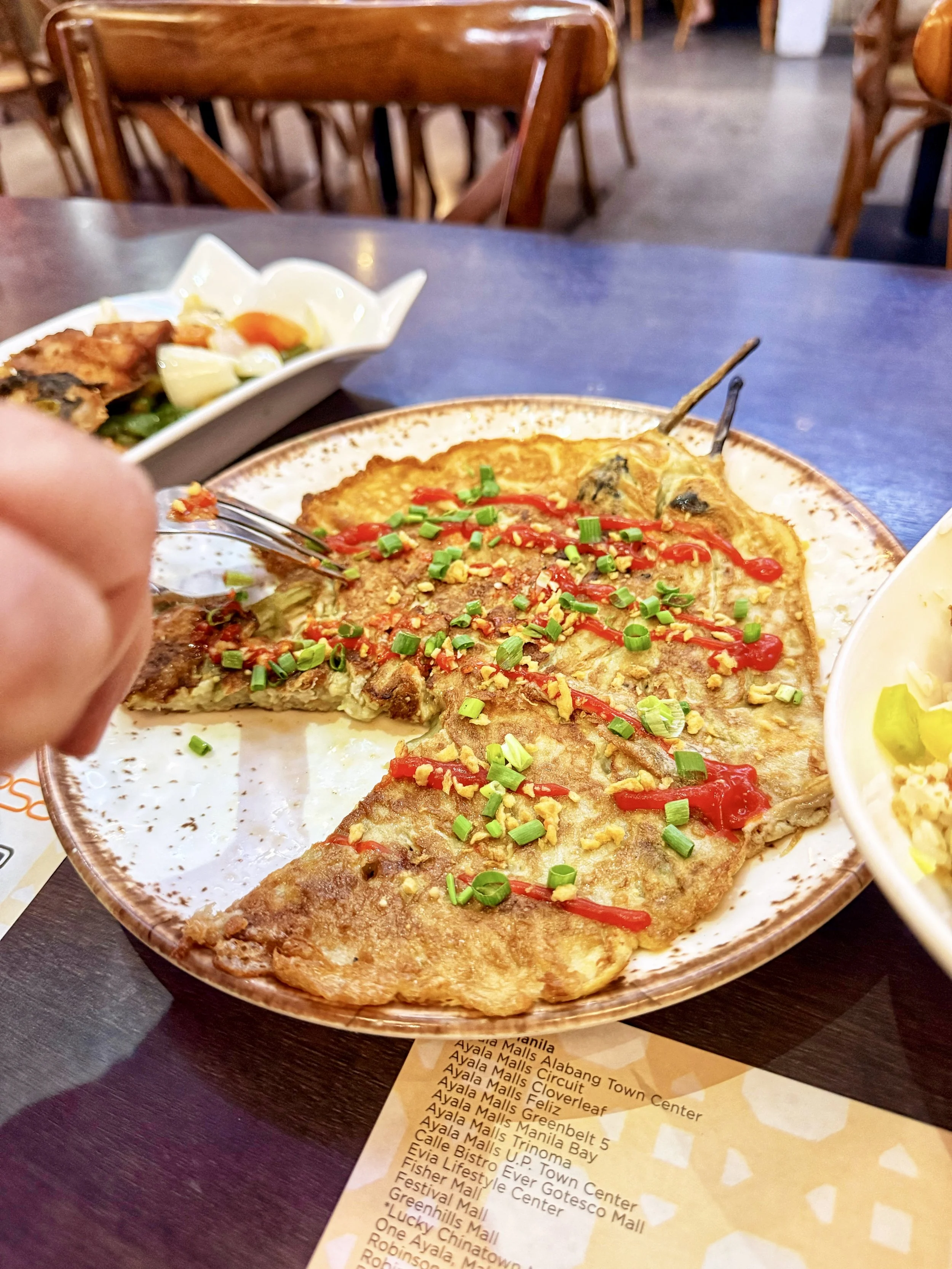
Tortang Talong: An eggplant "omelet". The most unique preparation of whole eggplant we've seen! The eggplant is butterflied (like a fish), seasoned, dipped in egg batter, and fried. The presentation looks like a whole fish filleted, but an eggplant. Clever. If I had access to a kitchen, I would try to make it at home.
Sigarilyas sa Gata Pinakbet: Our attempt at eating the few vegetable-centric Filipino dishes we found. Winged beans vegetable stew in coconut milk with Bangus fish belly. Pinakbet is an ultra-savory, one-pot vegetable stew seasoned with fermented seafood paste, and often includes eggplant, long beans, bitter melon, okra, and squash or sweet potato. The bangus fish is ubiquitous and unique to these islands.
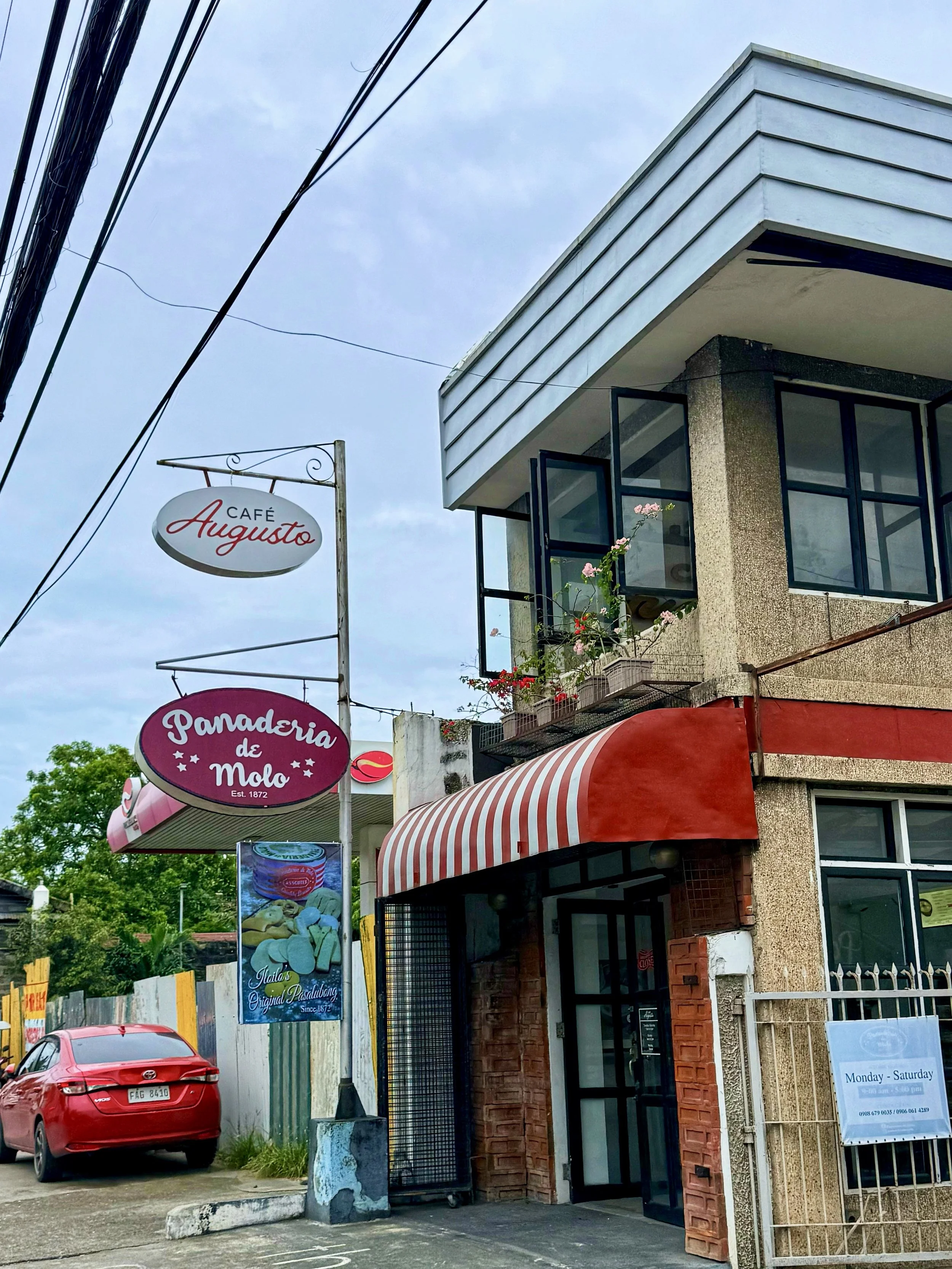
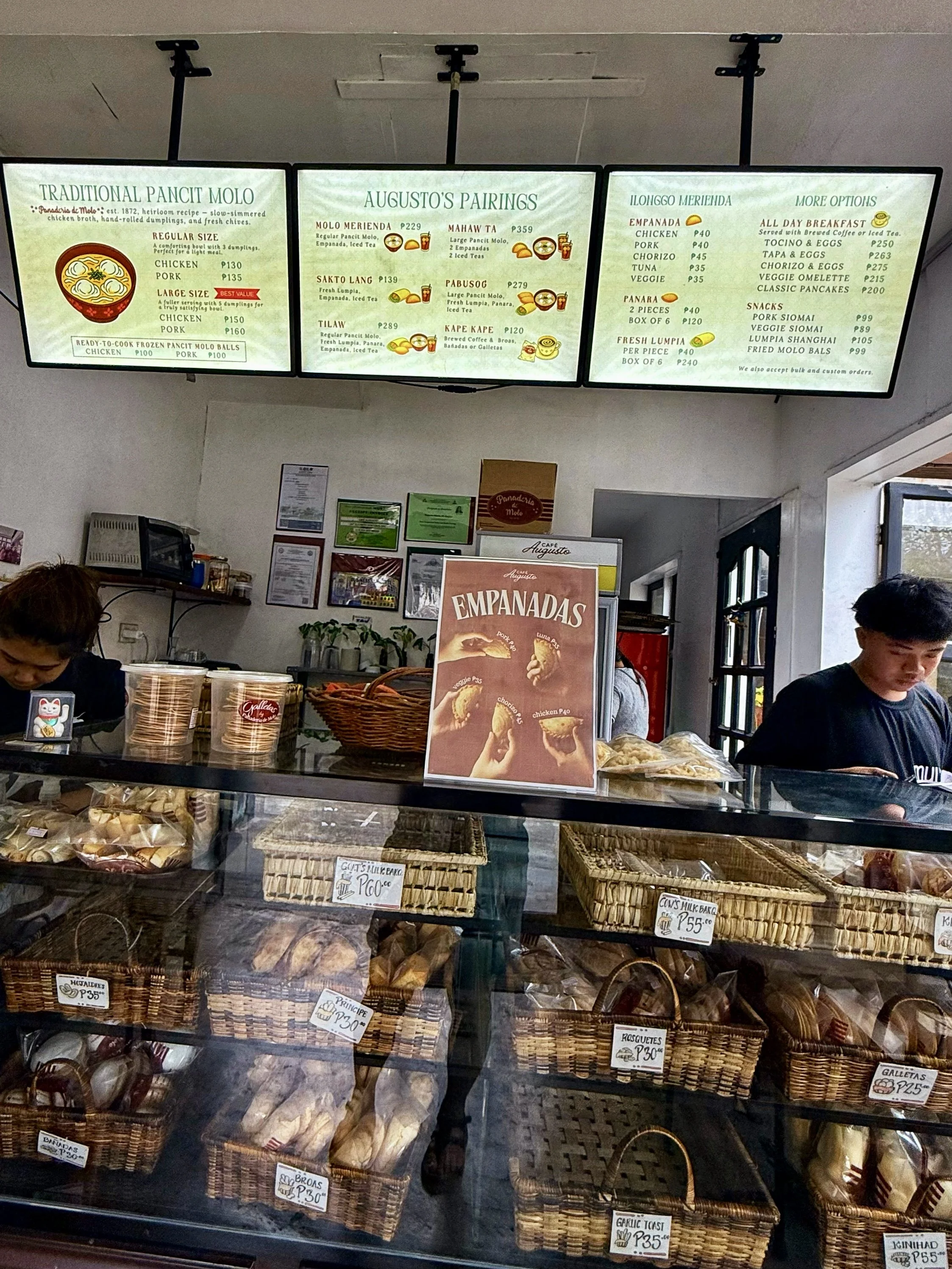
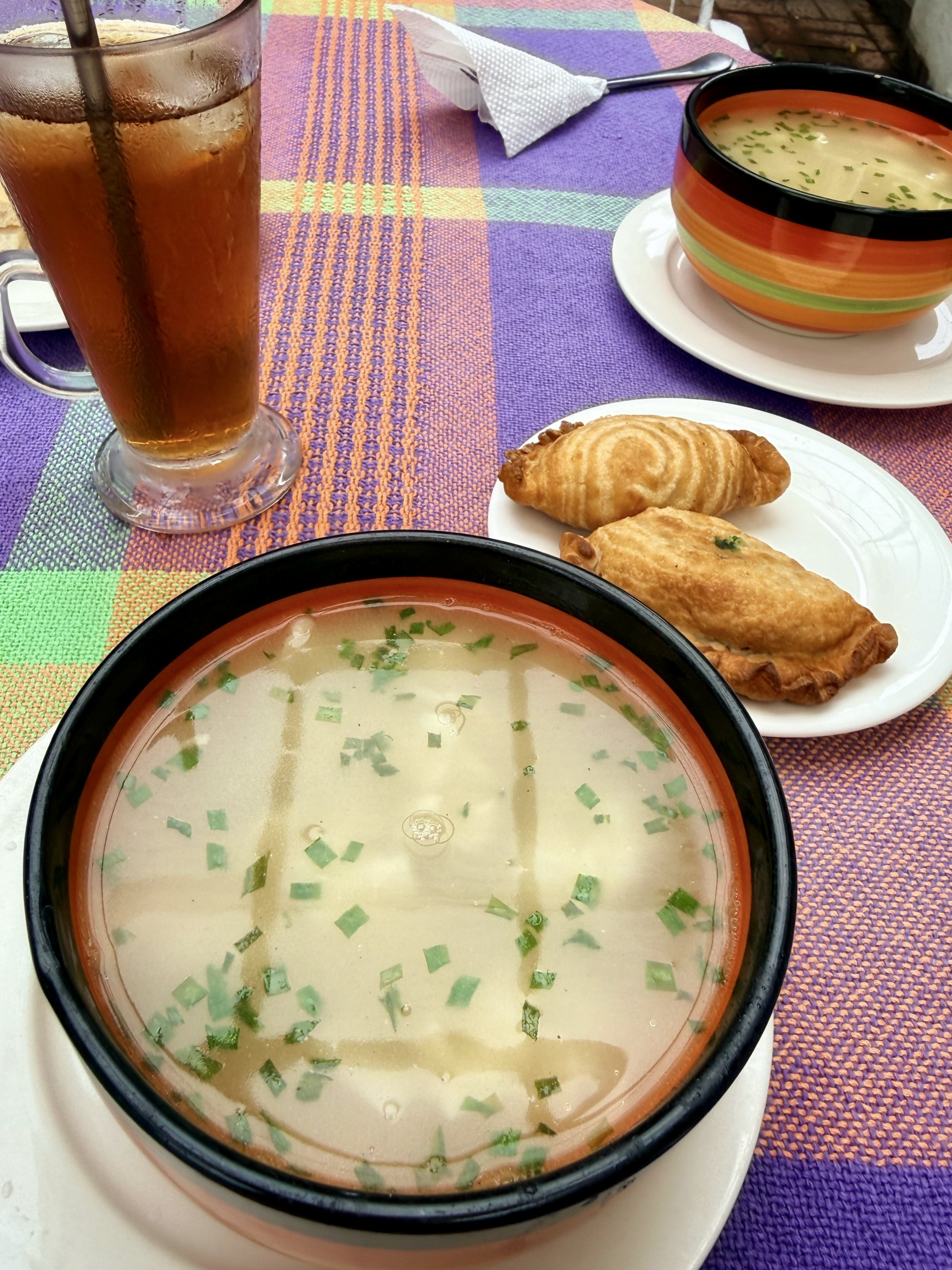
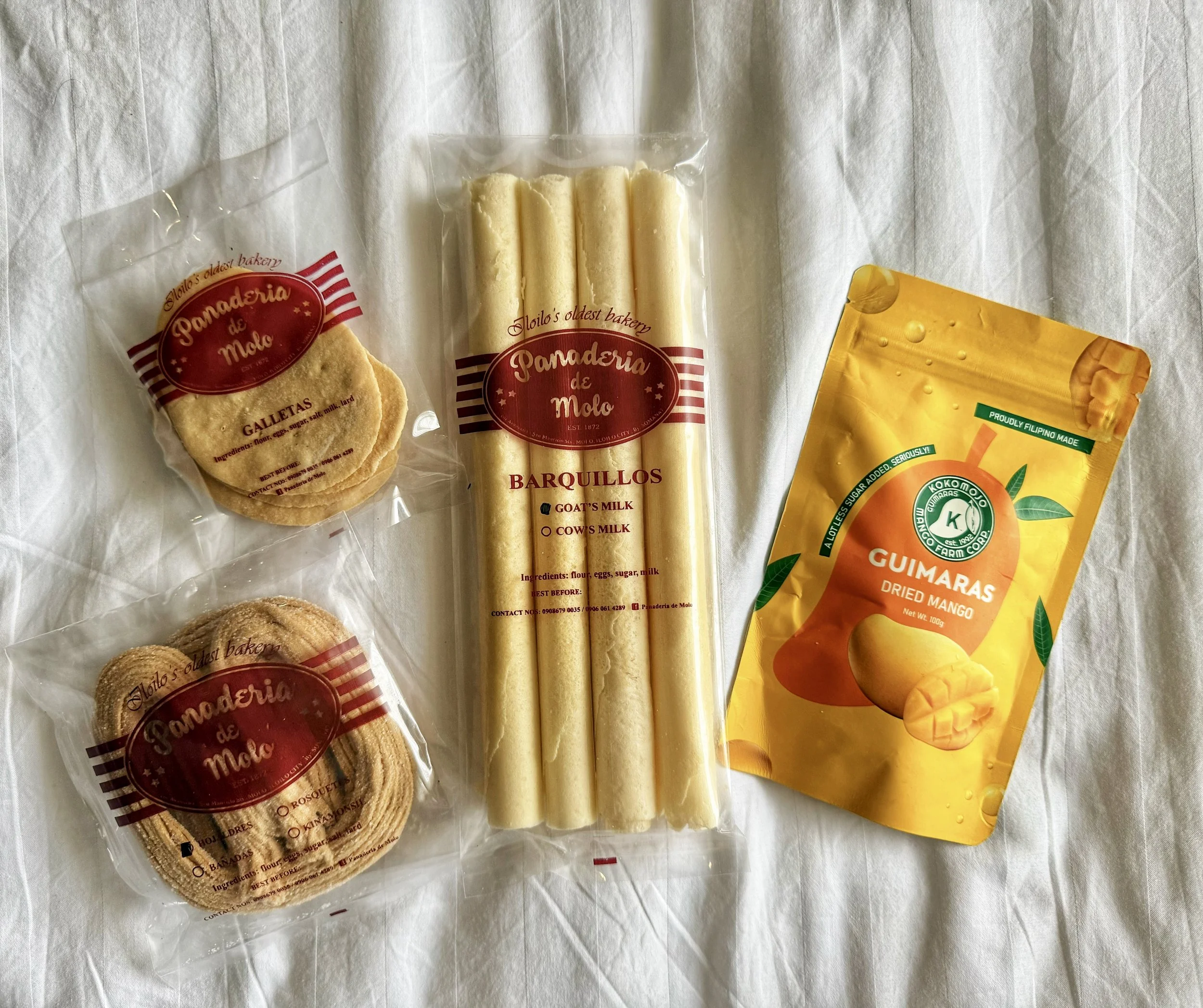
Panaderia de Molo: The oldest bakery in Iloilo since 1872--birthplace of Pancit Molo, which is a pork or chicken dumpling soup made with wonton wrappers. Basically, the Filipino rendition of a wonton noodle soup. The store began as a place where they sell goat milk baroquillos, galletas, and hojaldres baked goods.
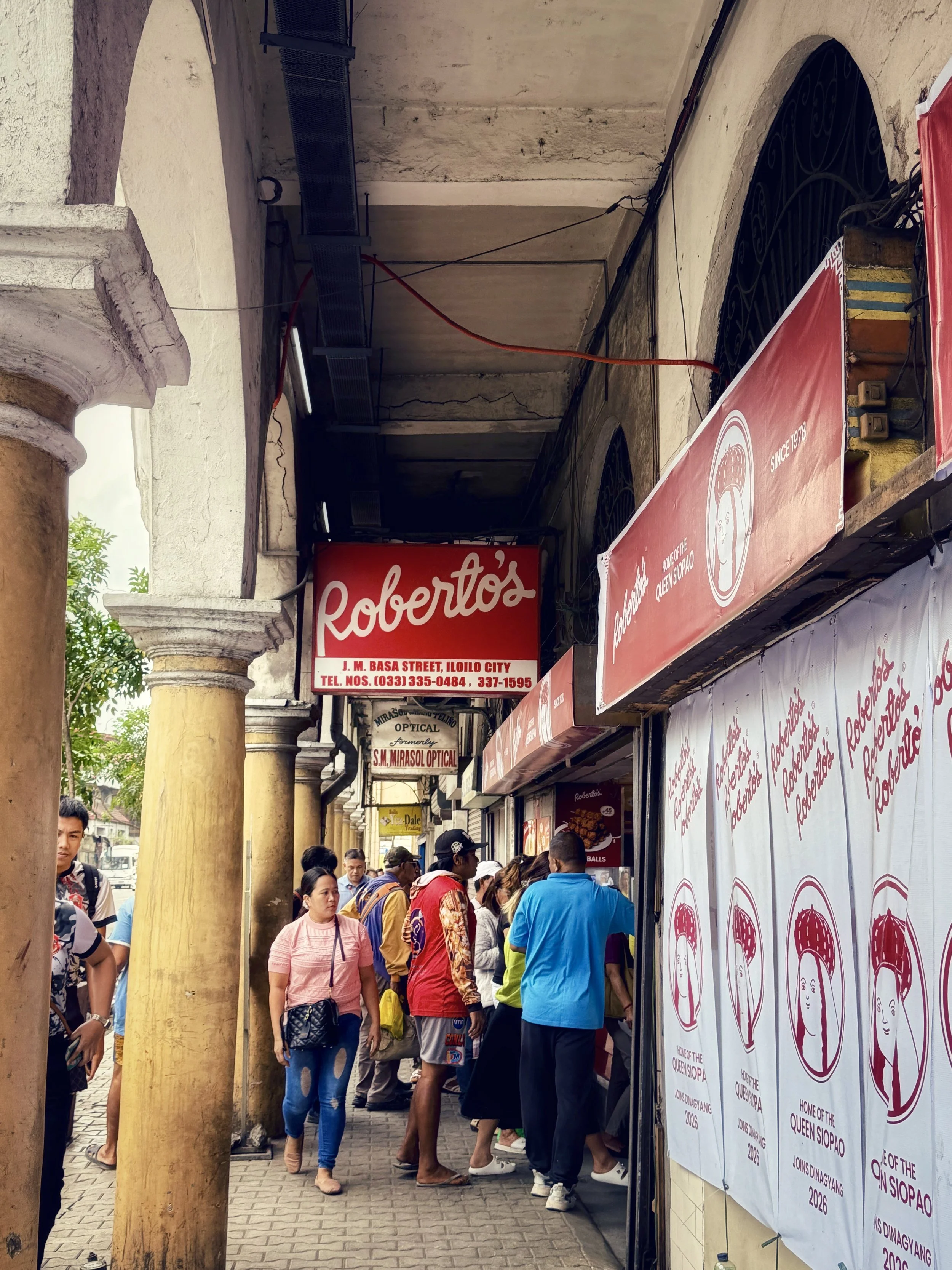
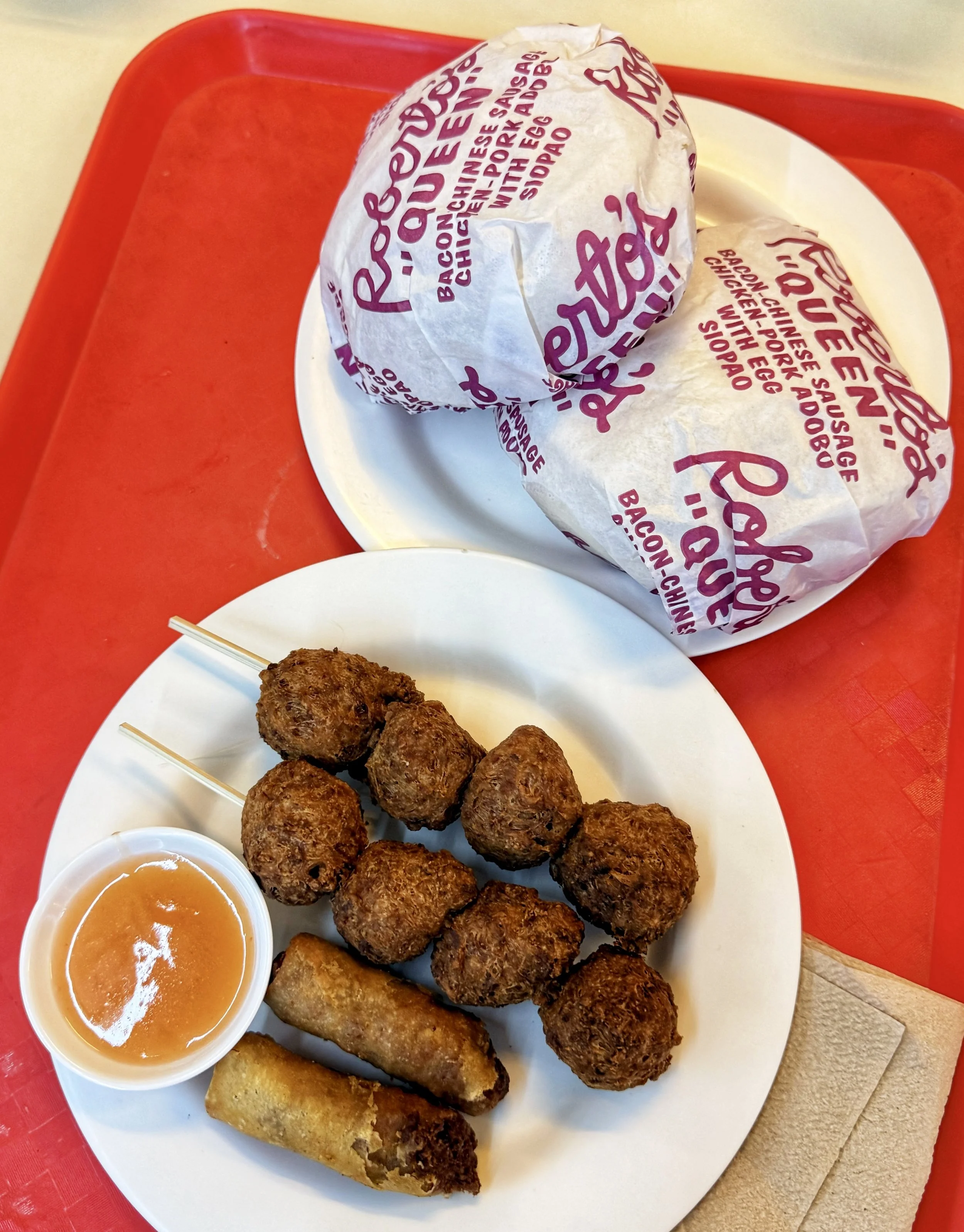
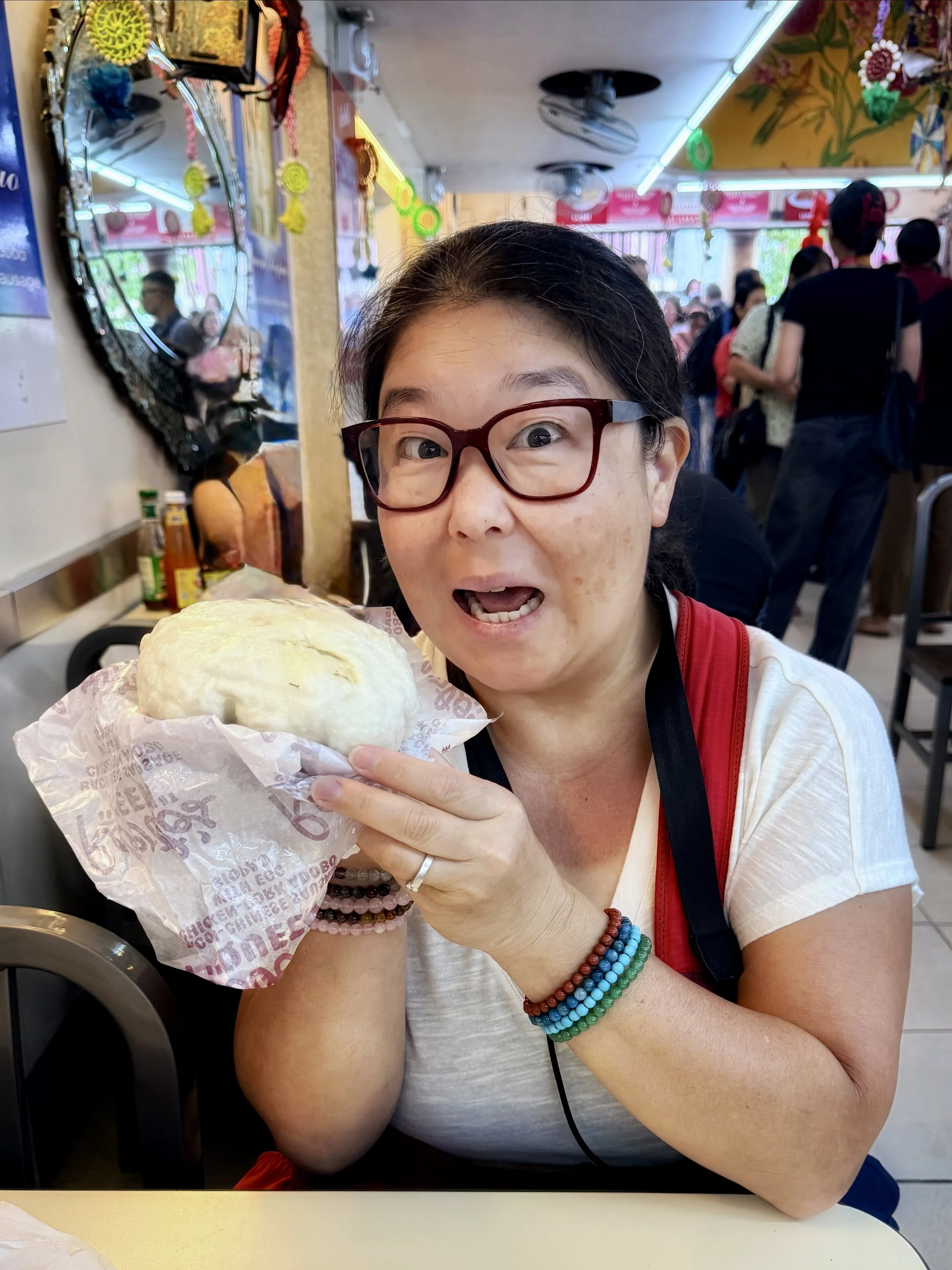
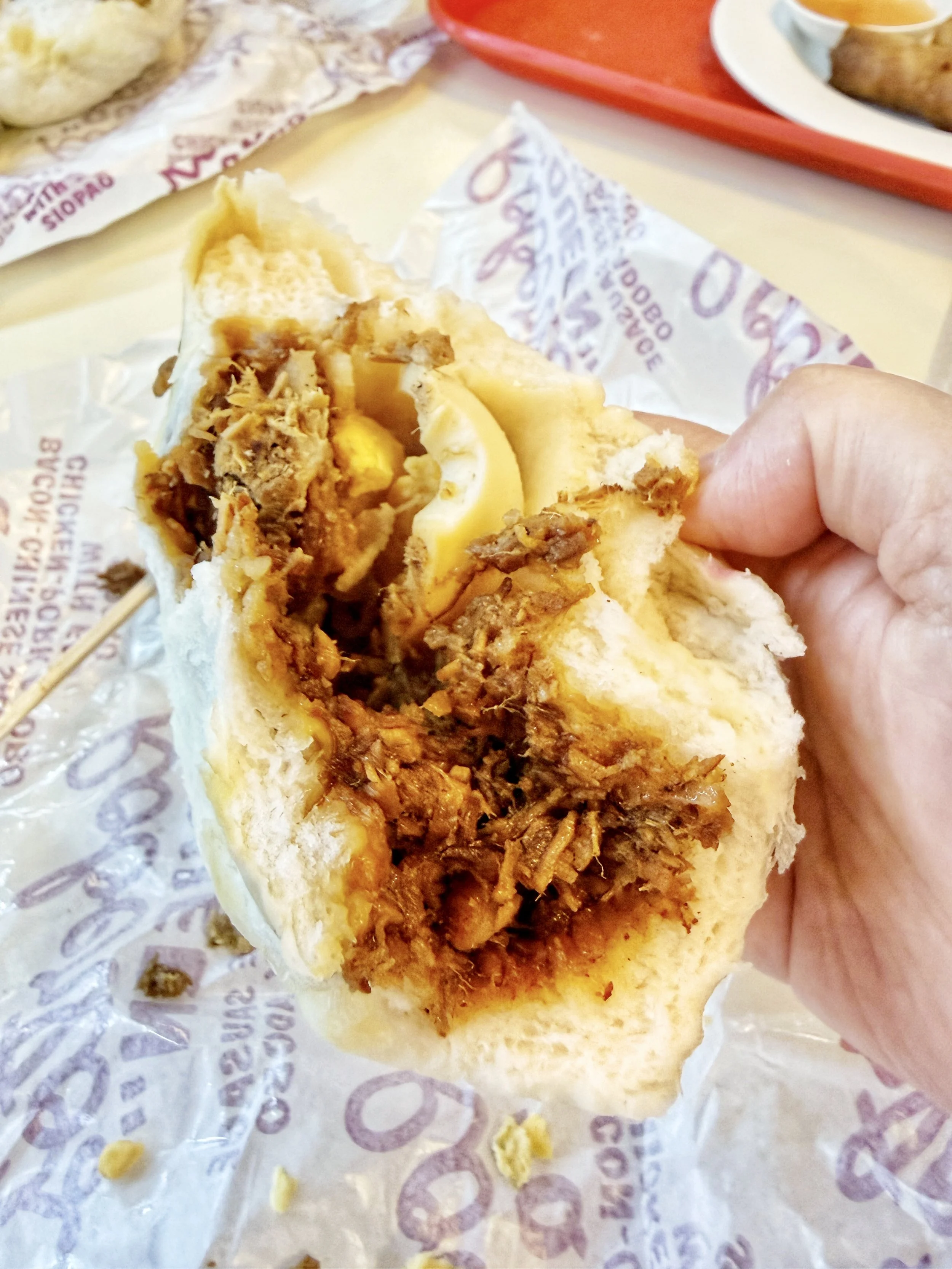
Roberto’s: an original icon in City Proper that every local recommended we try, particularly the Queen Siopan (steamed bun) which was huge! It is stuffed with pork adobo, chicken, bacon, Chinese sausage, and a whole boiled egg. Roberto's was very efficient, similar to Chik-fil-A. The surprising favorite was the pork meatballs. Crispy on the outside, juicy on the inside. The lumpia, not so much.
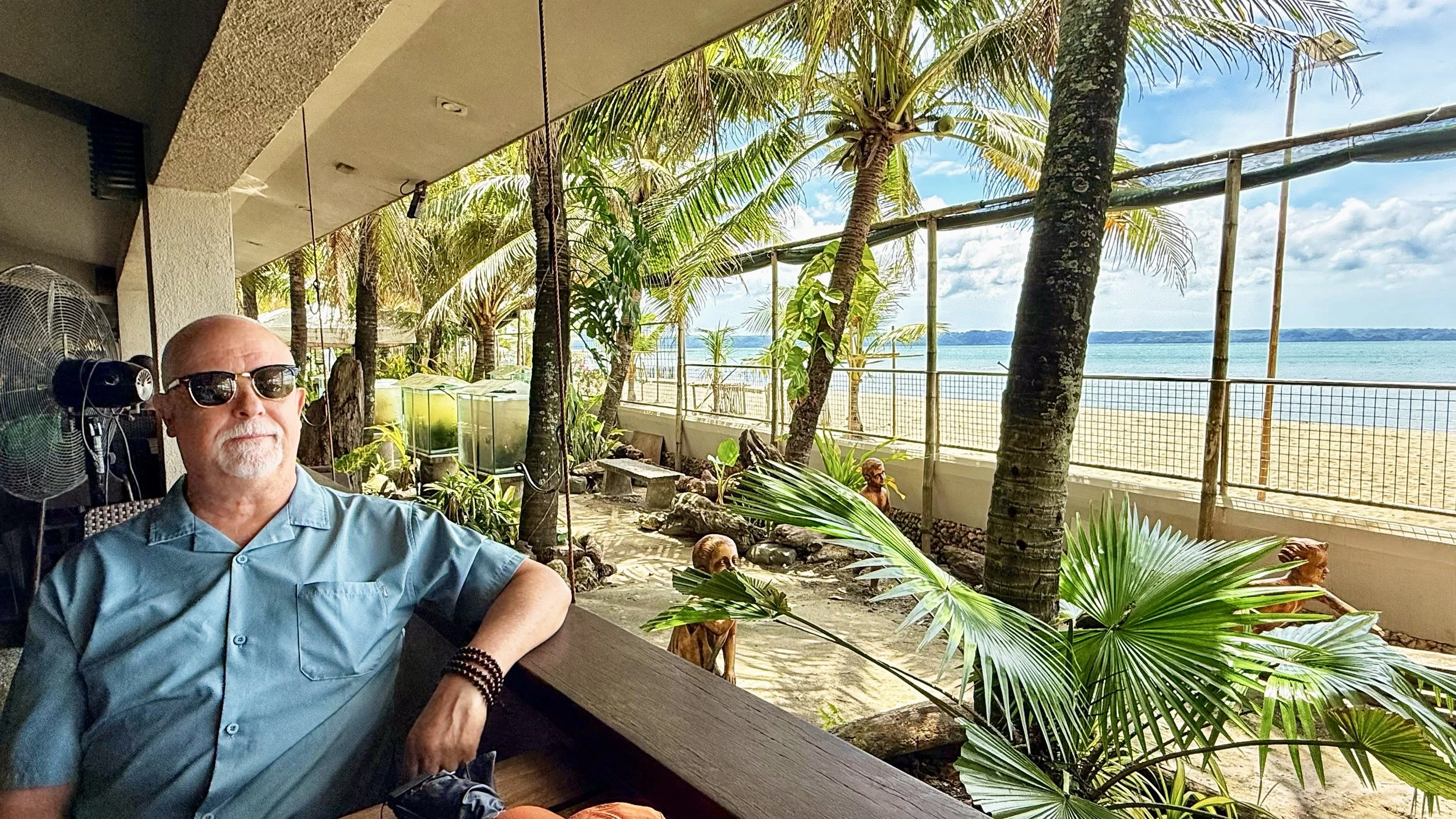
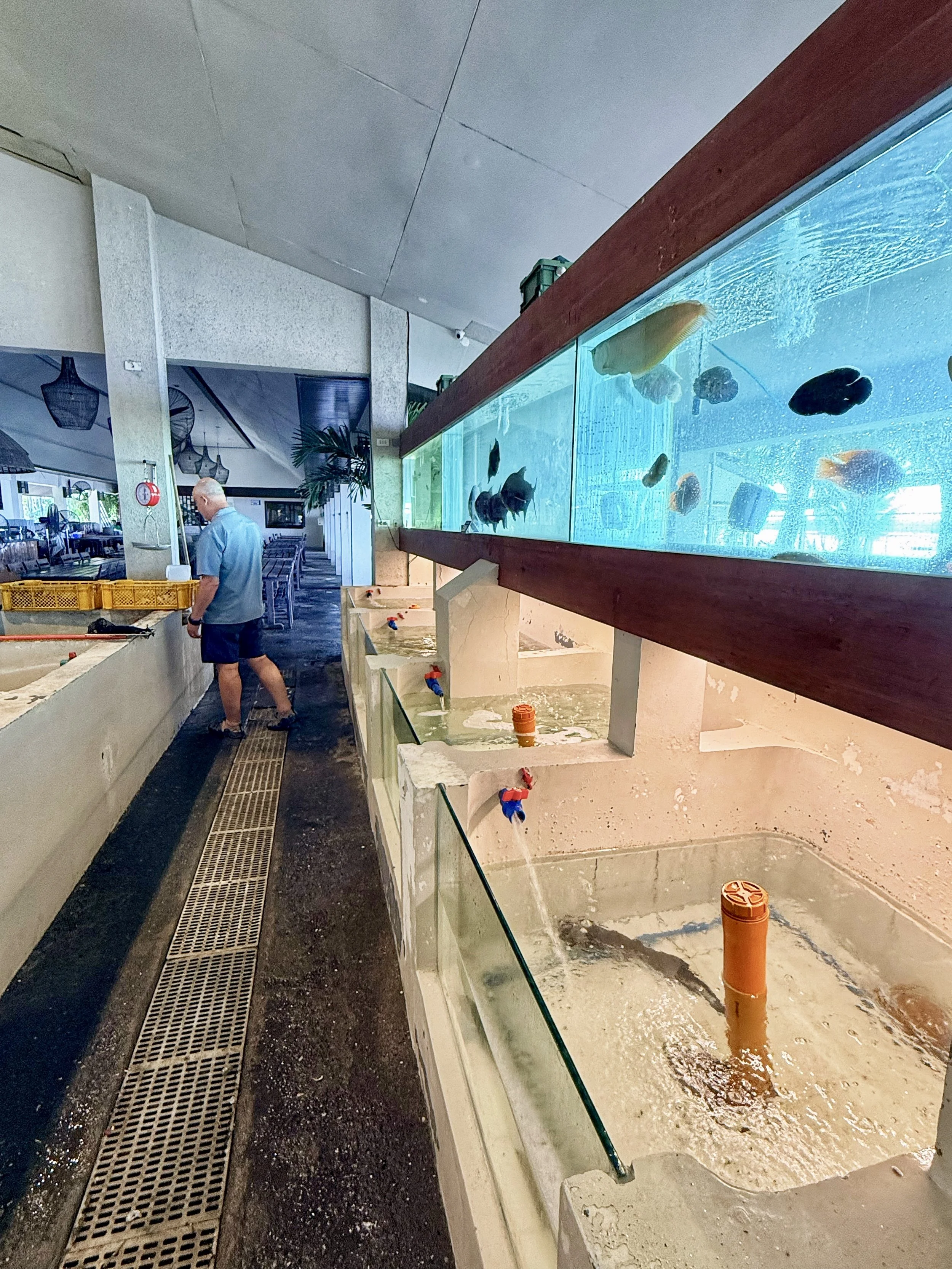
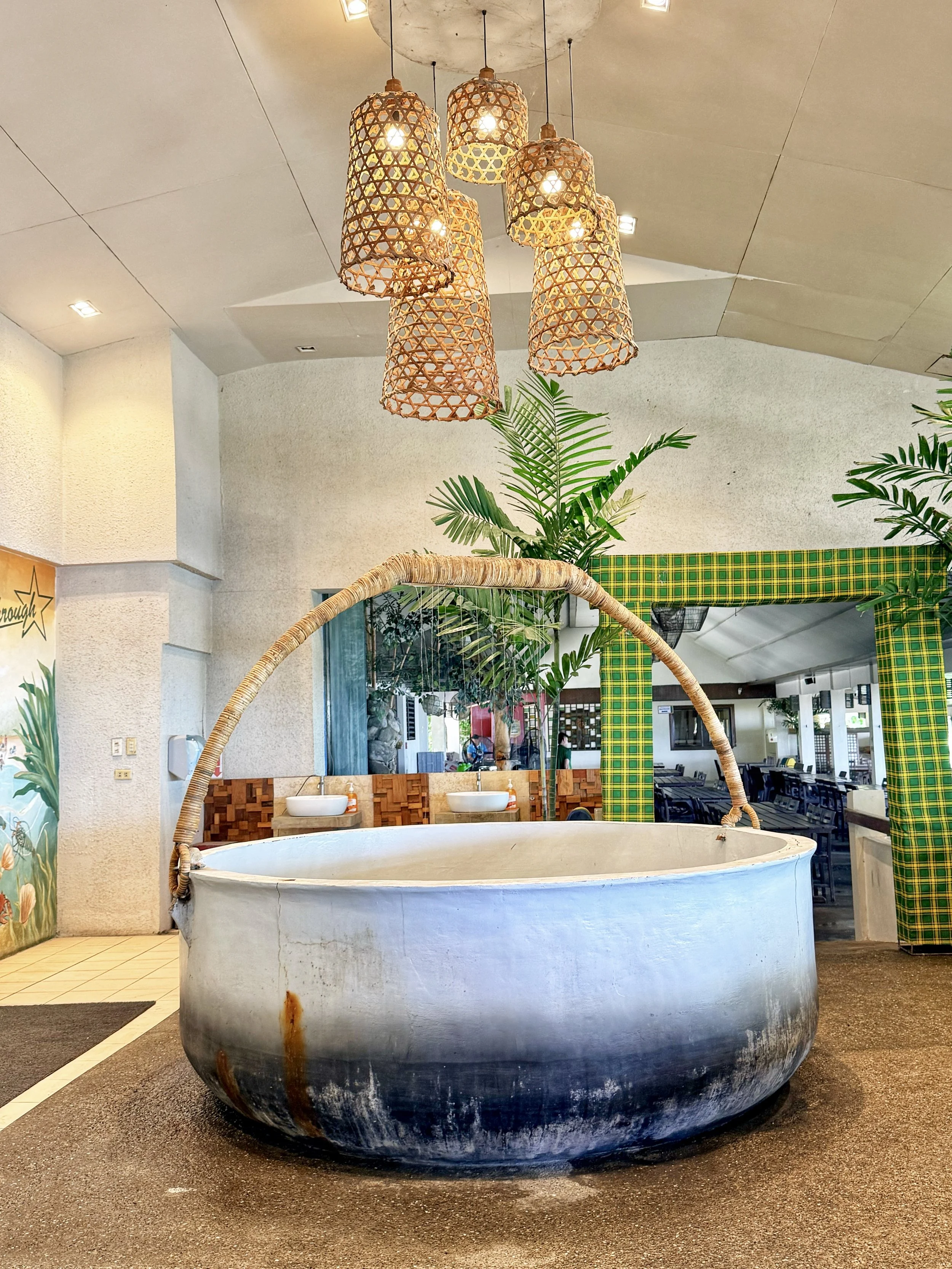
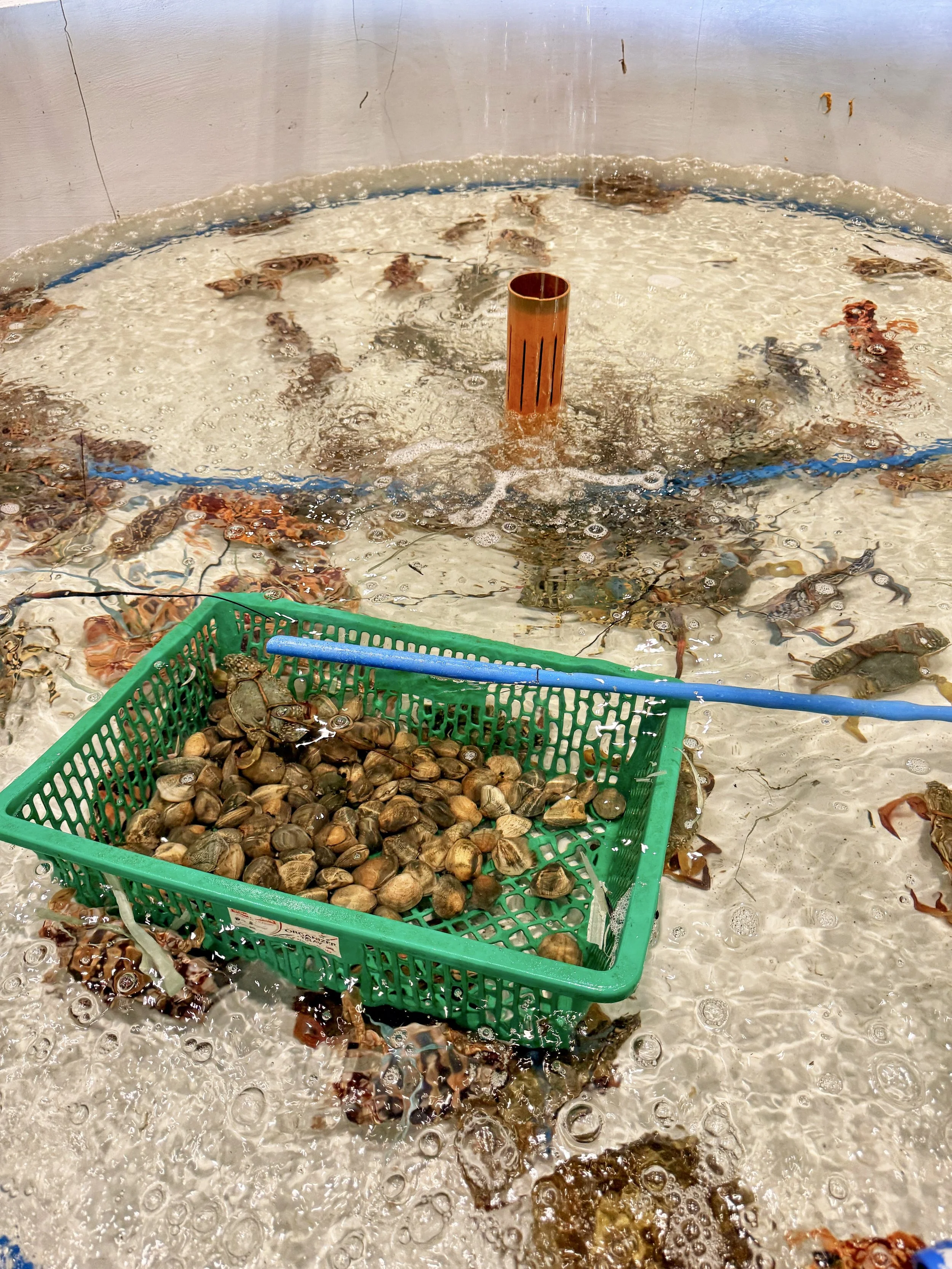
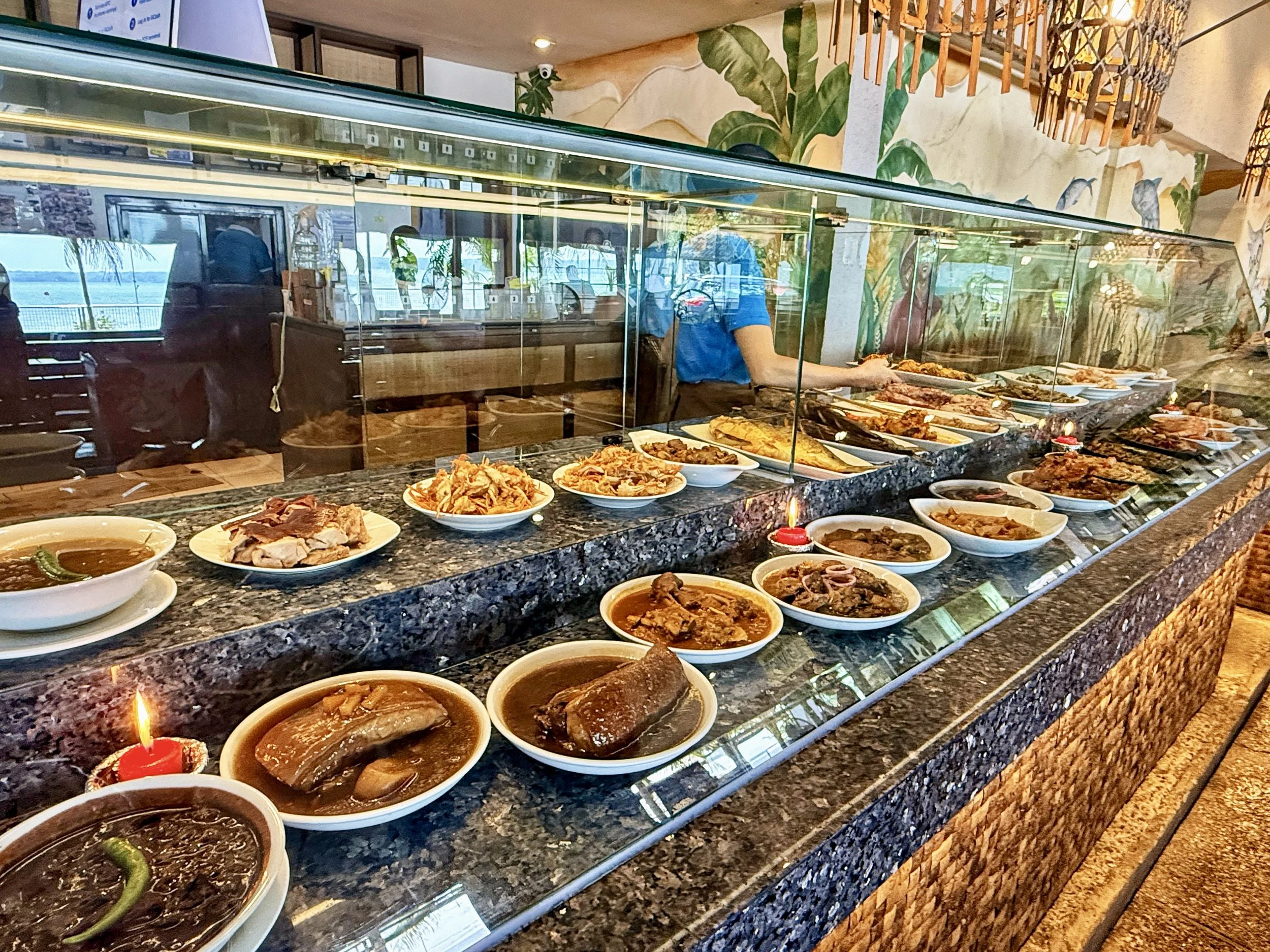
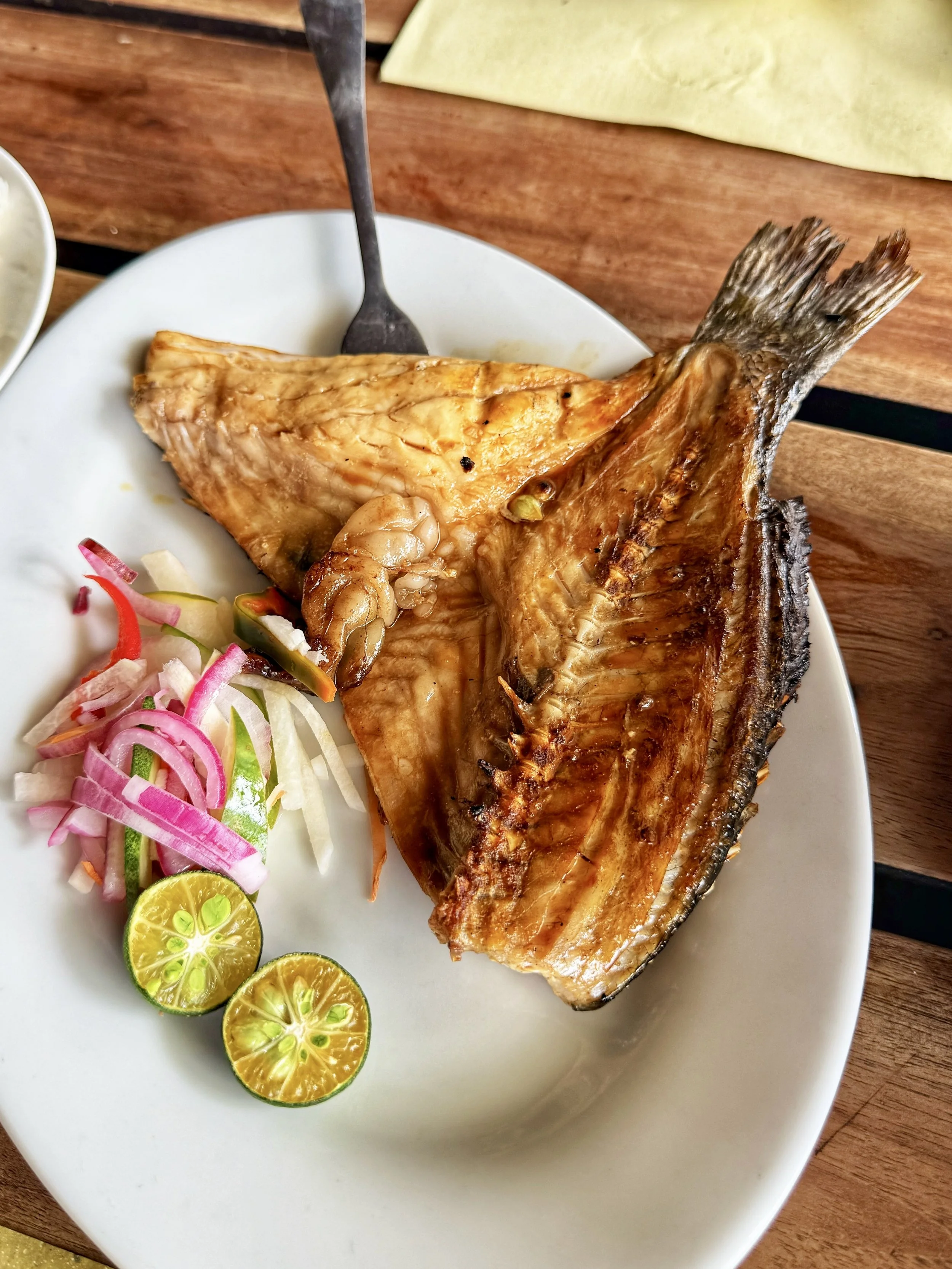
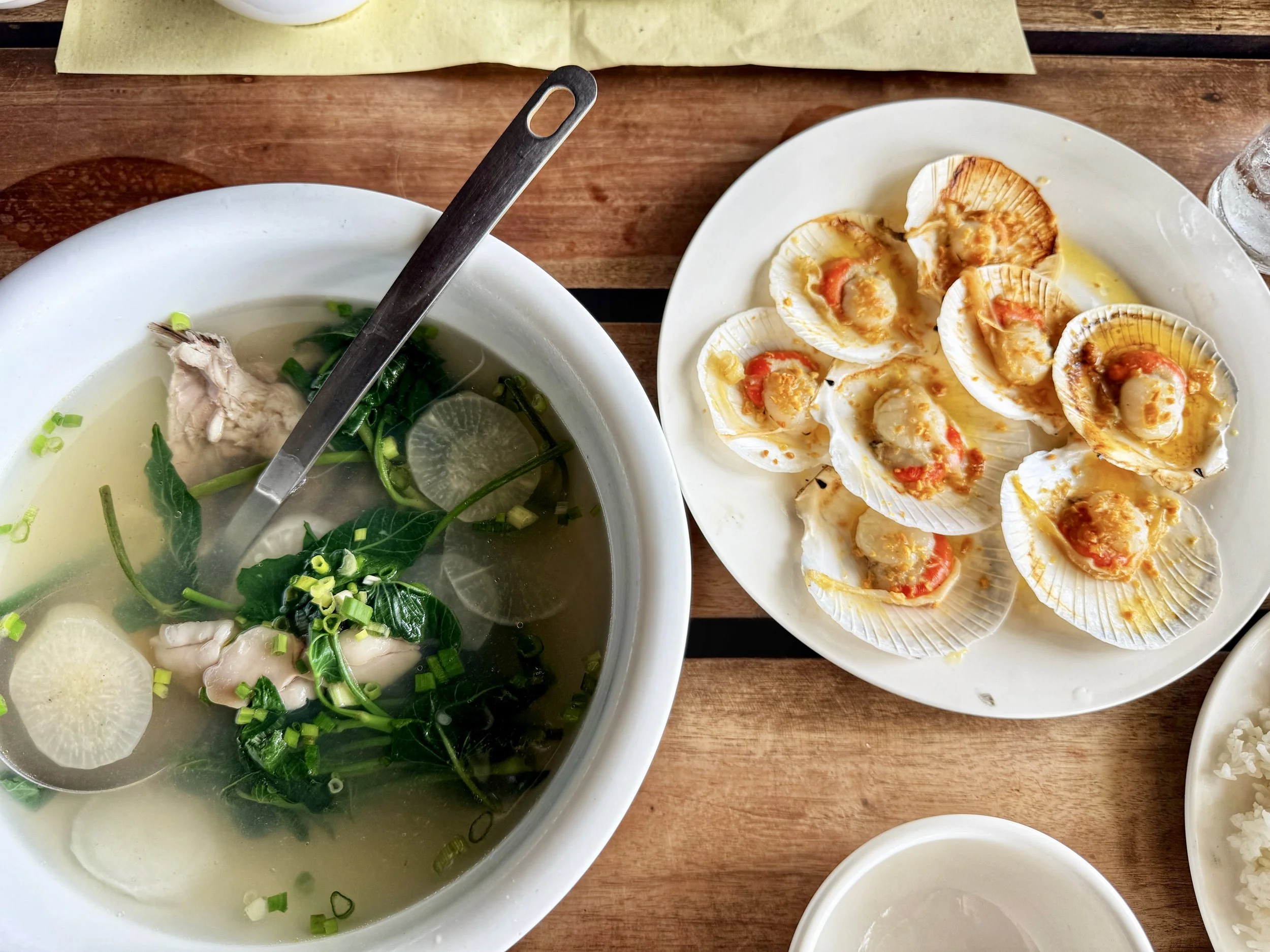
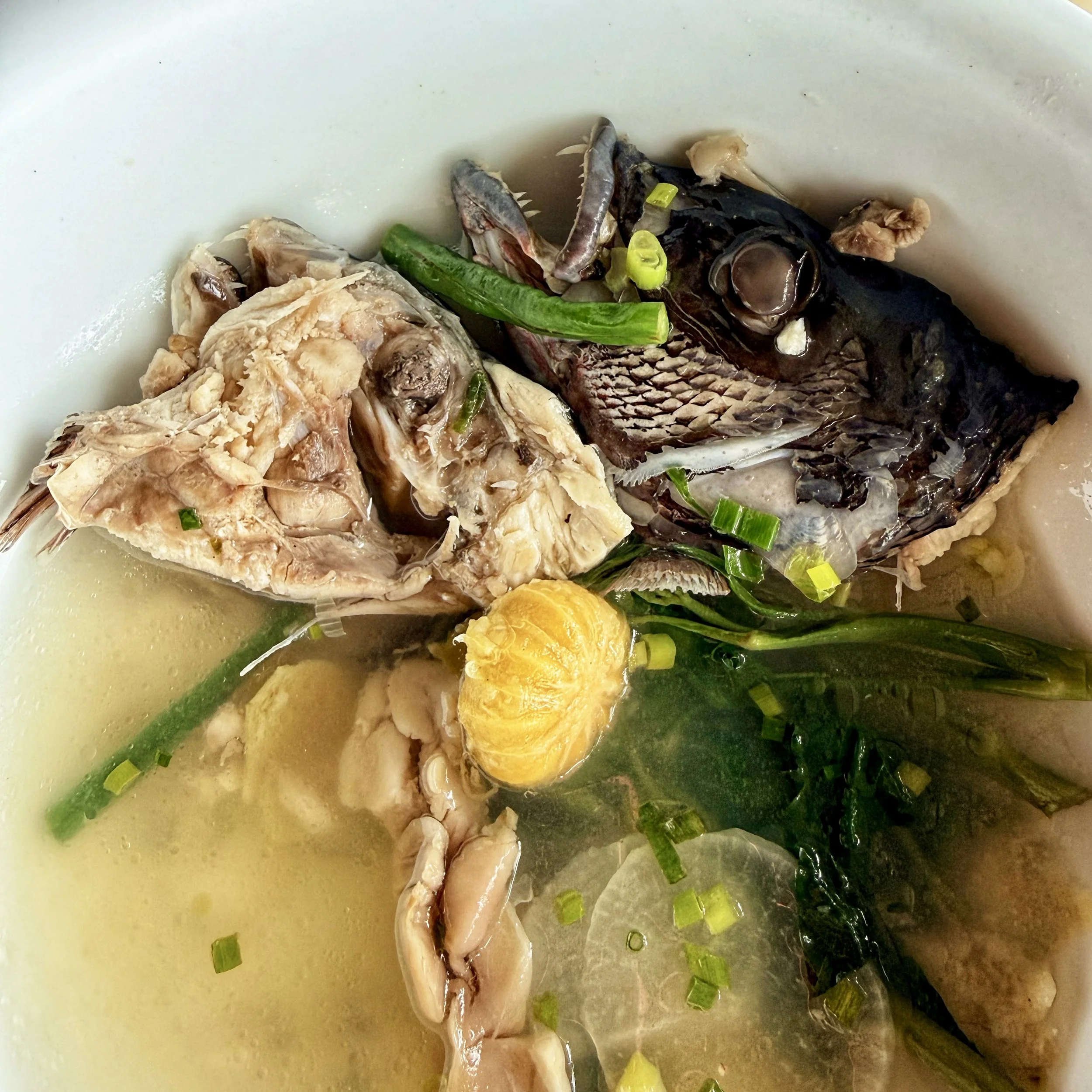
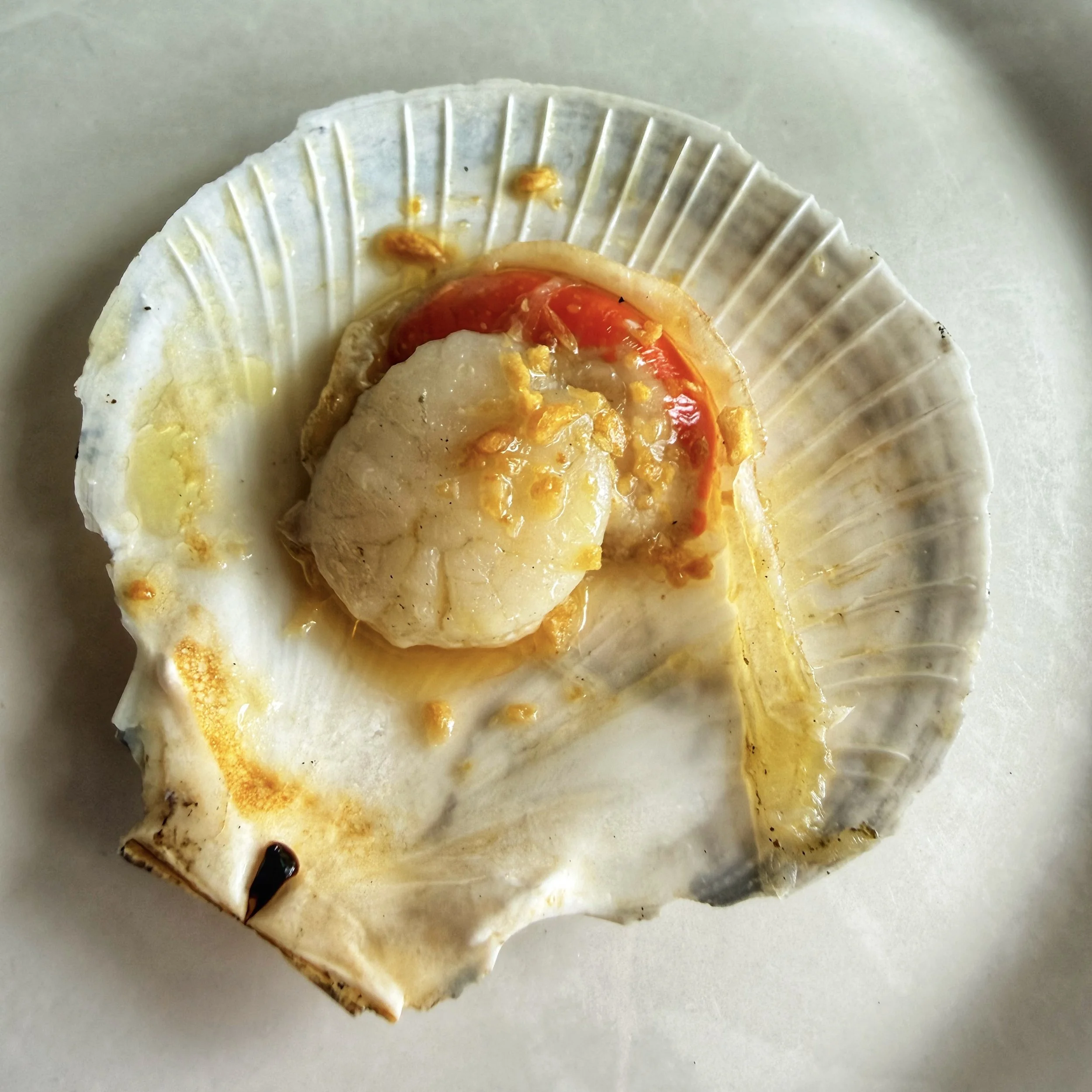
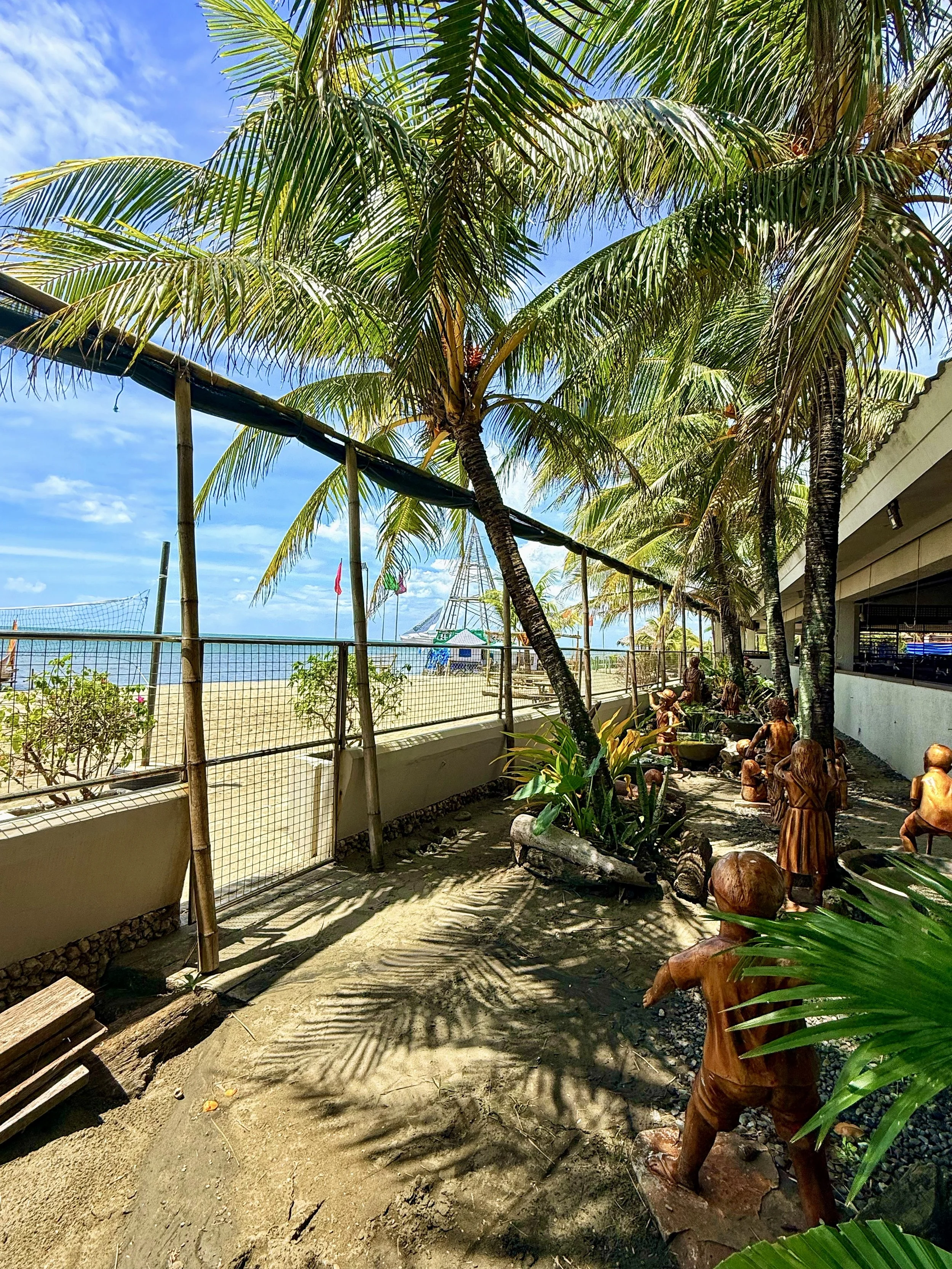
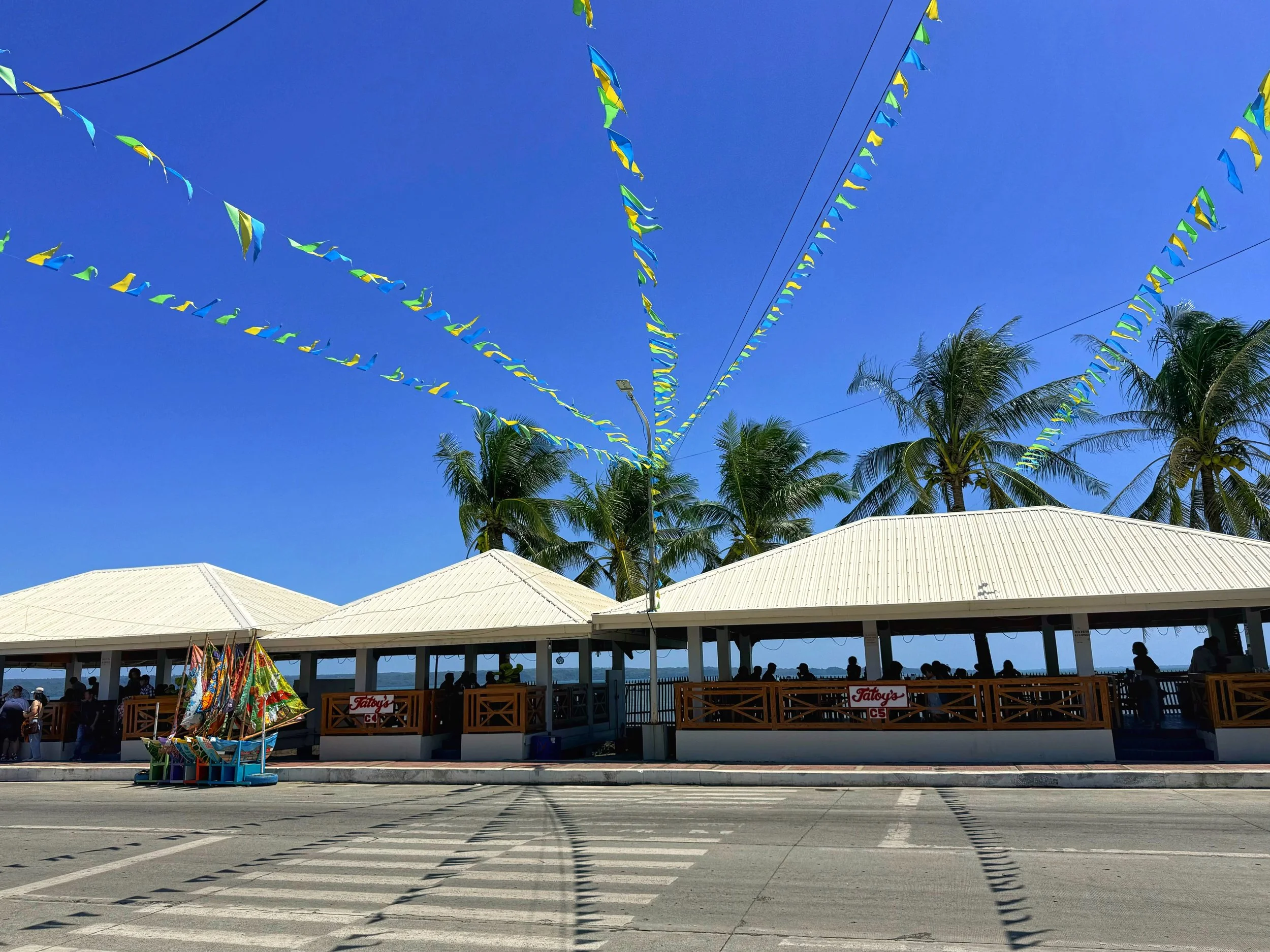
Breakthrough Seafood Restaurant: The 2 best seafood restaurants are Tatoy's and Breakthrough. While Tatoy's is an institution, Breakthrough seemed to edge-out by the locals in our informal poll for the quality of seafood and ambience so that is where we went. Note that Akiko has a crustacean allergy so we usually miss out on half the good stuff at a seafood place. Womp, womp. We picked the fresh catch and off they went to prepare a feast for us!
Grilled scallops in butter
Grilled whole red snapper
Sinigang soup made from the red snapper fish head and sour batuan fruit
Garlic rice
Sawsawan--a popular spicy, acidic dipping sauce made by steeping white cane/coconut vinegar with Thai chili peppers, garlic, onion, and black peppercorns.
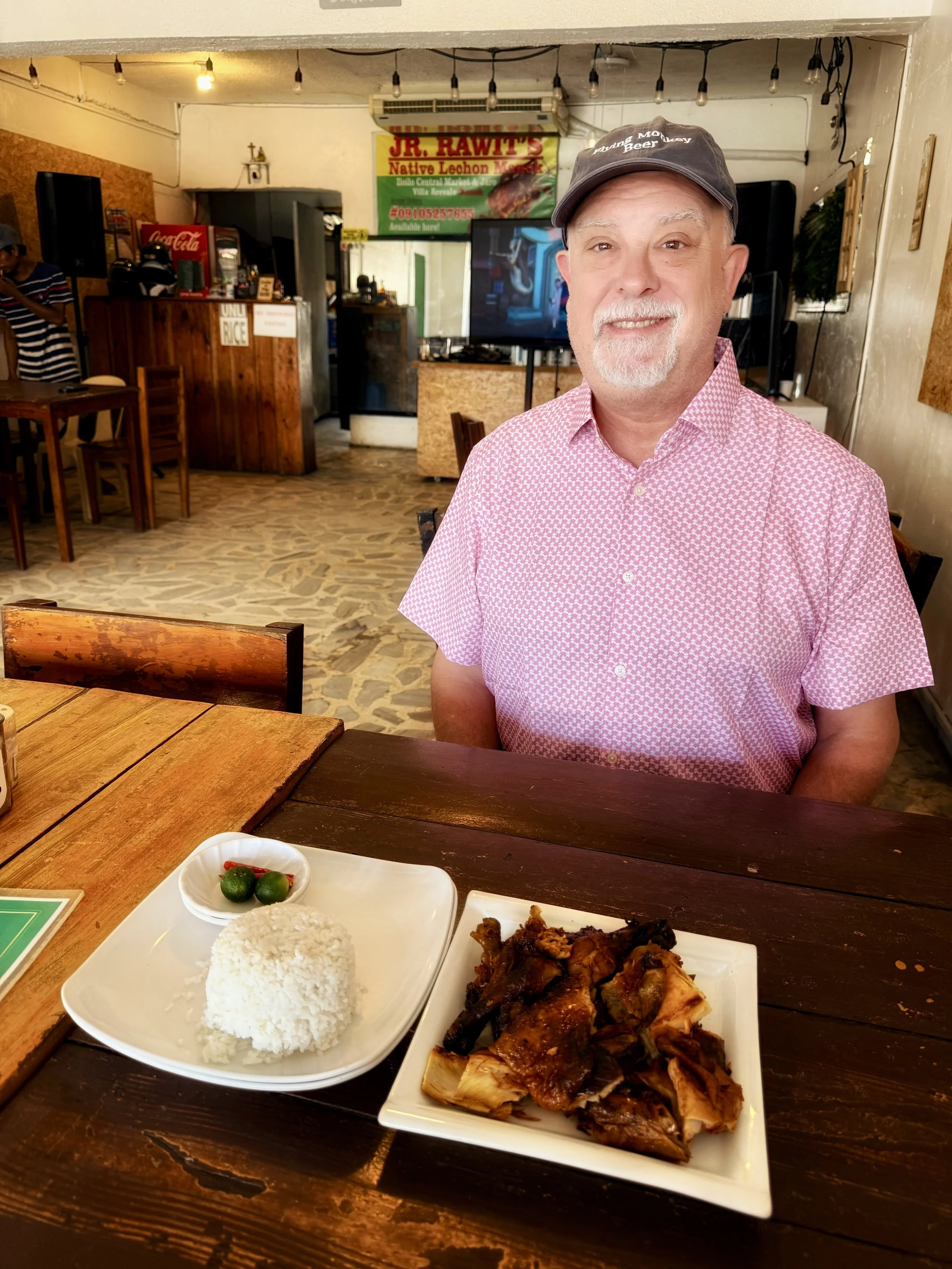
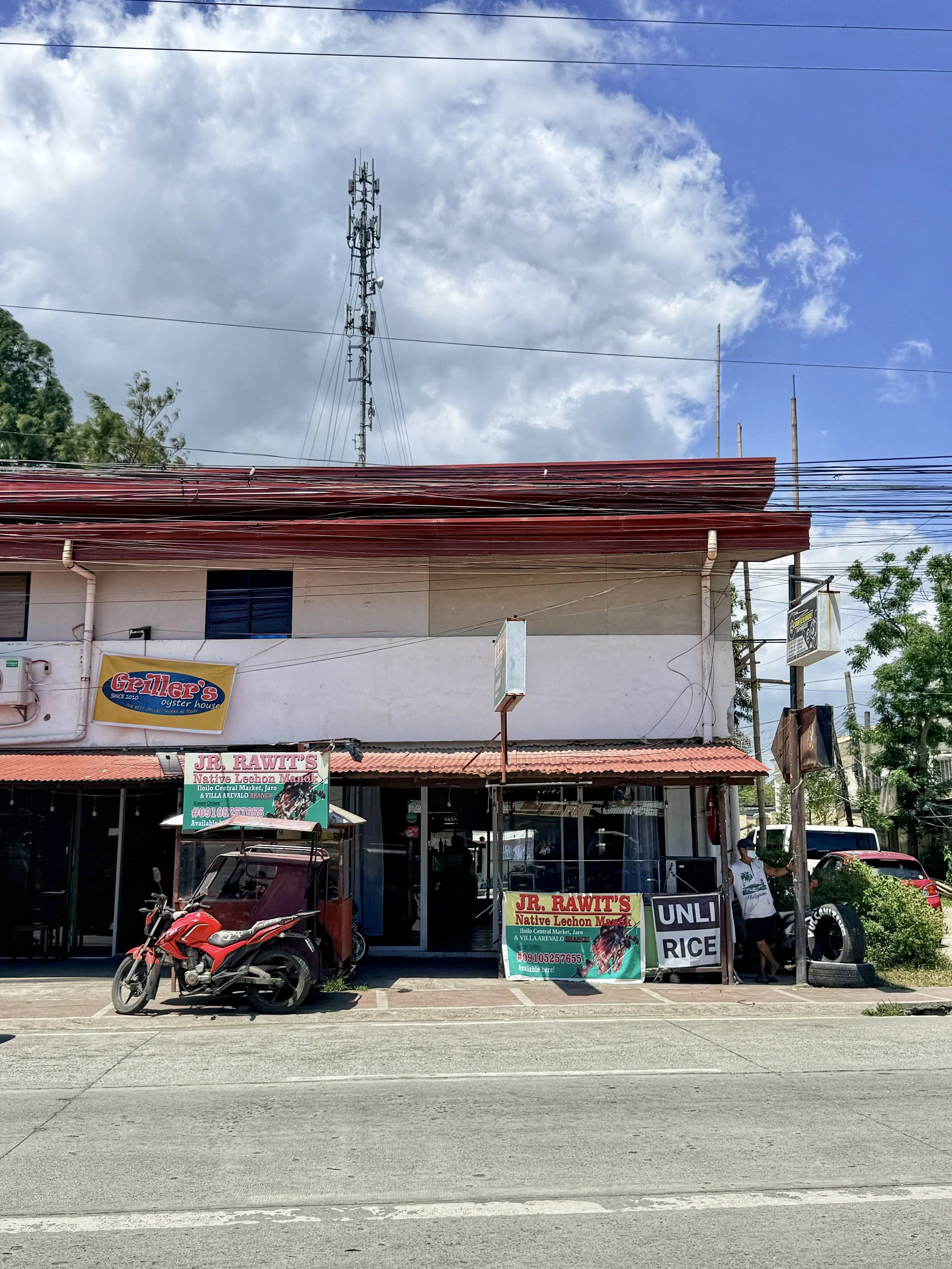
Native Chicken Lechon: The native yard bird found in Iloilo and the rest of Western Visayas is called darag. Best known for its unique flavor, taste and meat texture, it has become famous as an alternative to commercial chicken, and has captivated the taste buds of both locals and tourists alike.
It is marinated in vinegar and calamansi then stuffed with tamarind leaves and lemon grass before its roasted over the charcoal pit while basting with a red achiote solution. The skin becomes super crispy and flavorful while the meat remains tender, juicy and fragrant with the lemongrass.
We went to Jr. Rawit and shared a whole chicken, although a hungry person could probably eat one on their own.
Sweets and Snacks
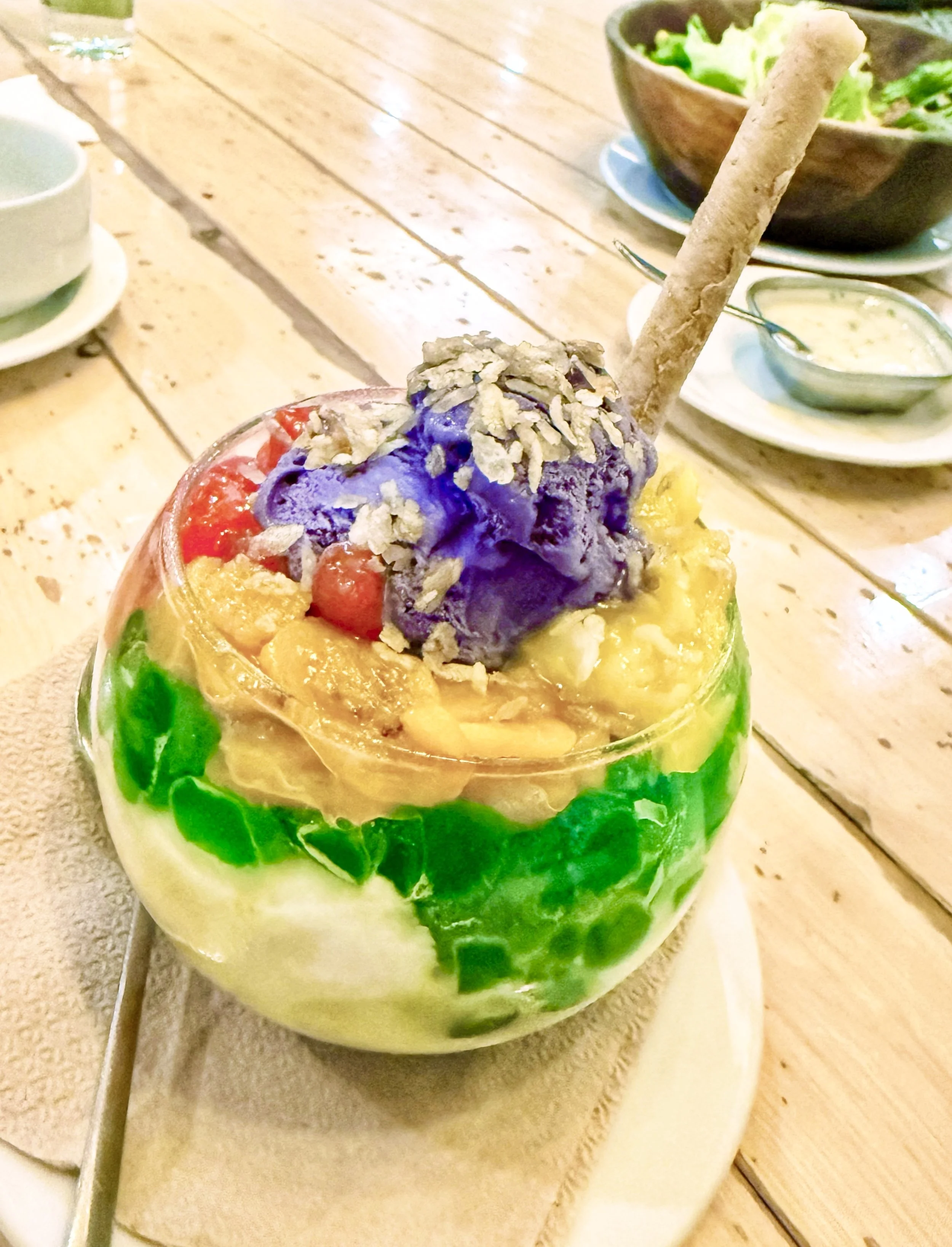
Halo Halo: the rest of the world has discovered Halo Halo, and it's definitely everywhere in the Philippines, so we were excited to try it in the motherland. It's a colorful dessert with a base of shaved ice, sweet beans, fruits, jellies, and taopioca pearls, topped with mlik, leche flan, and ube ice cream. It's a lot!
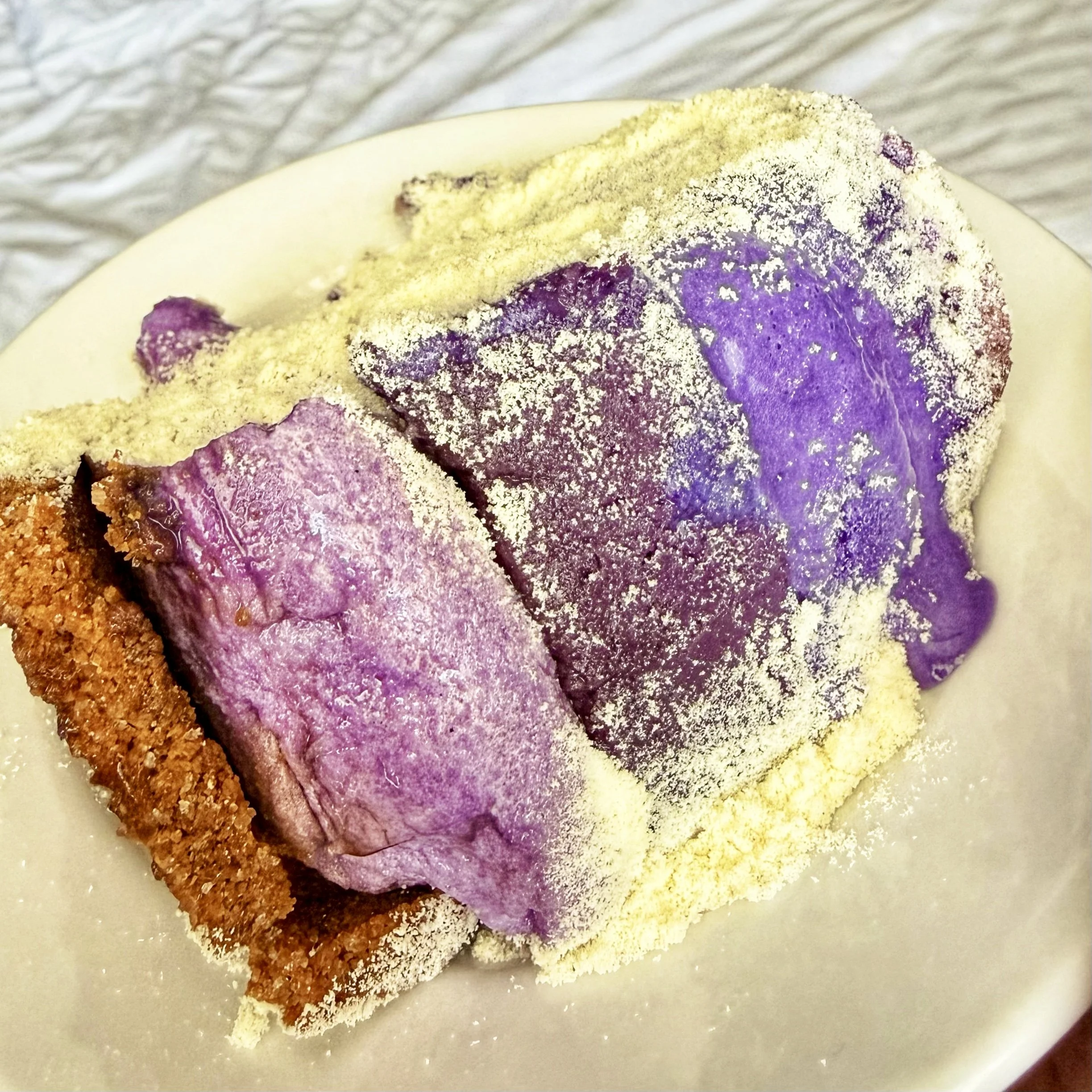
Ube Cake: our hotel has an amazing array of cakes and we couldn't resist the Ube Cake layered with ube ice cream, ube fluff, and ube sponge cake.
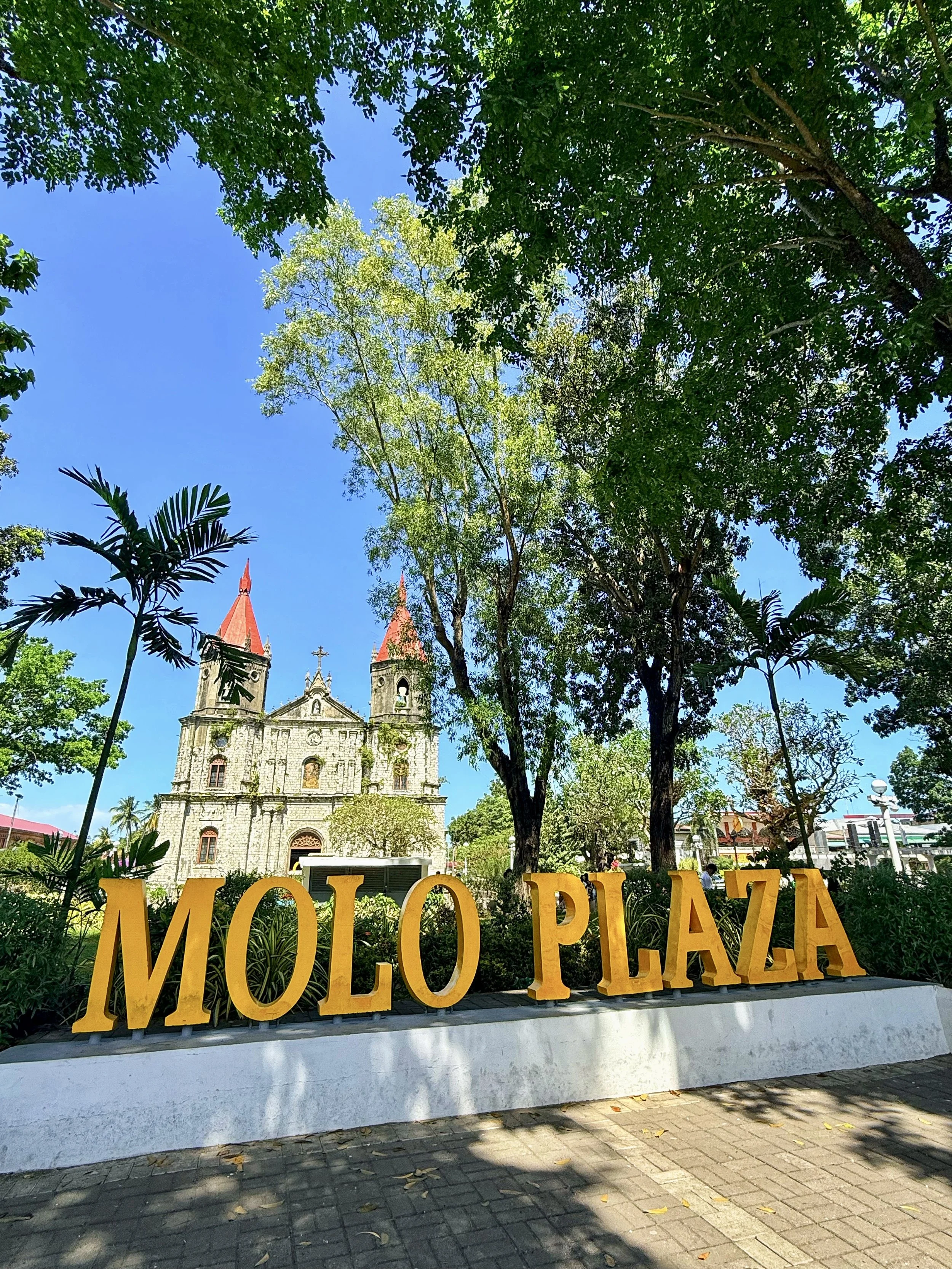
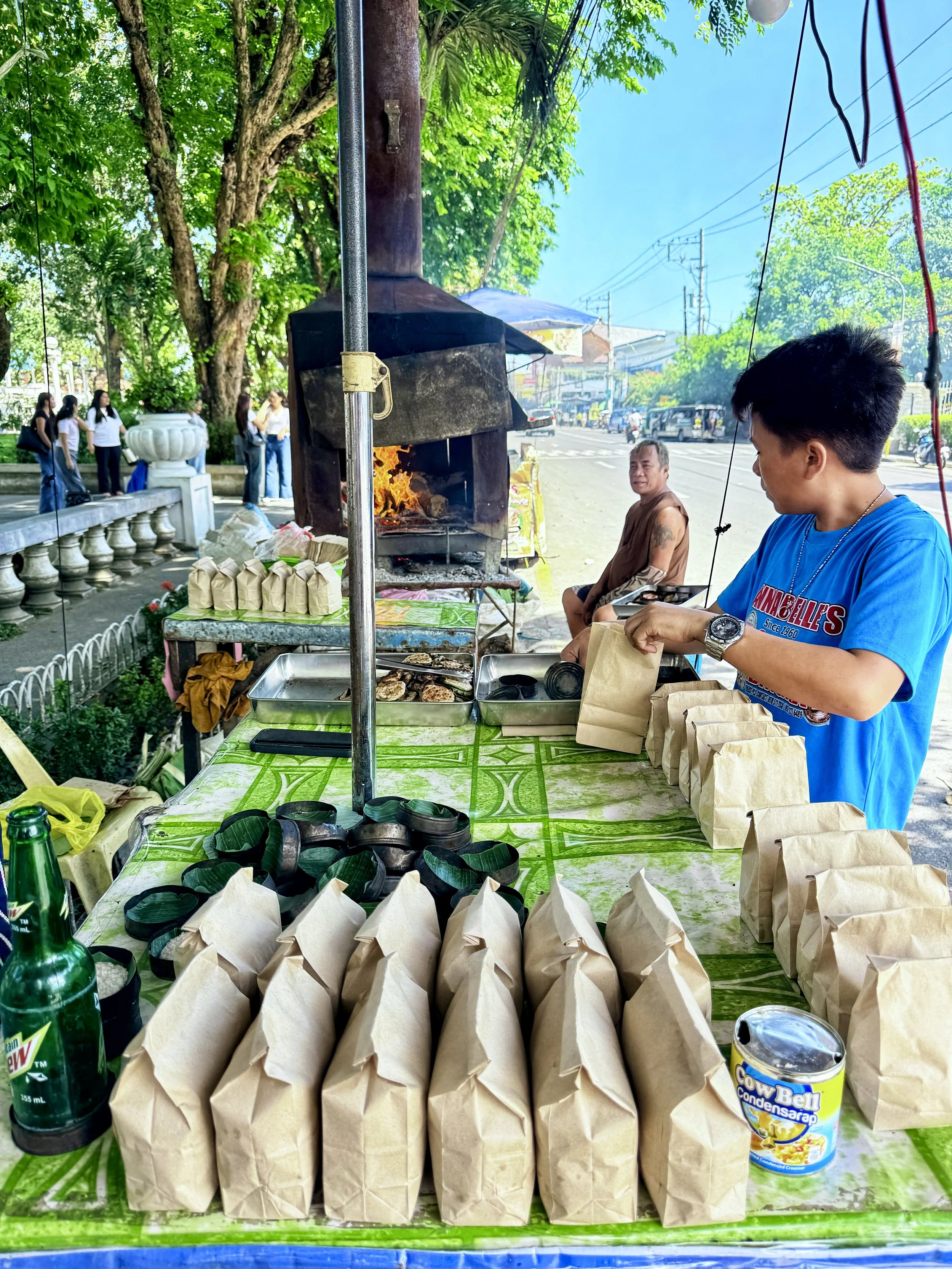
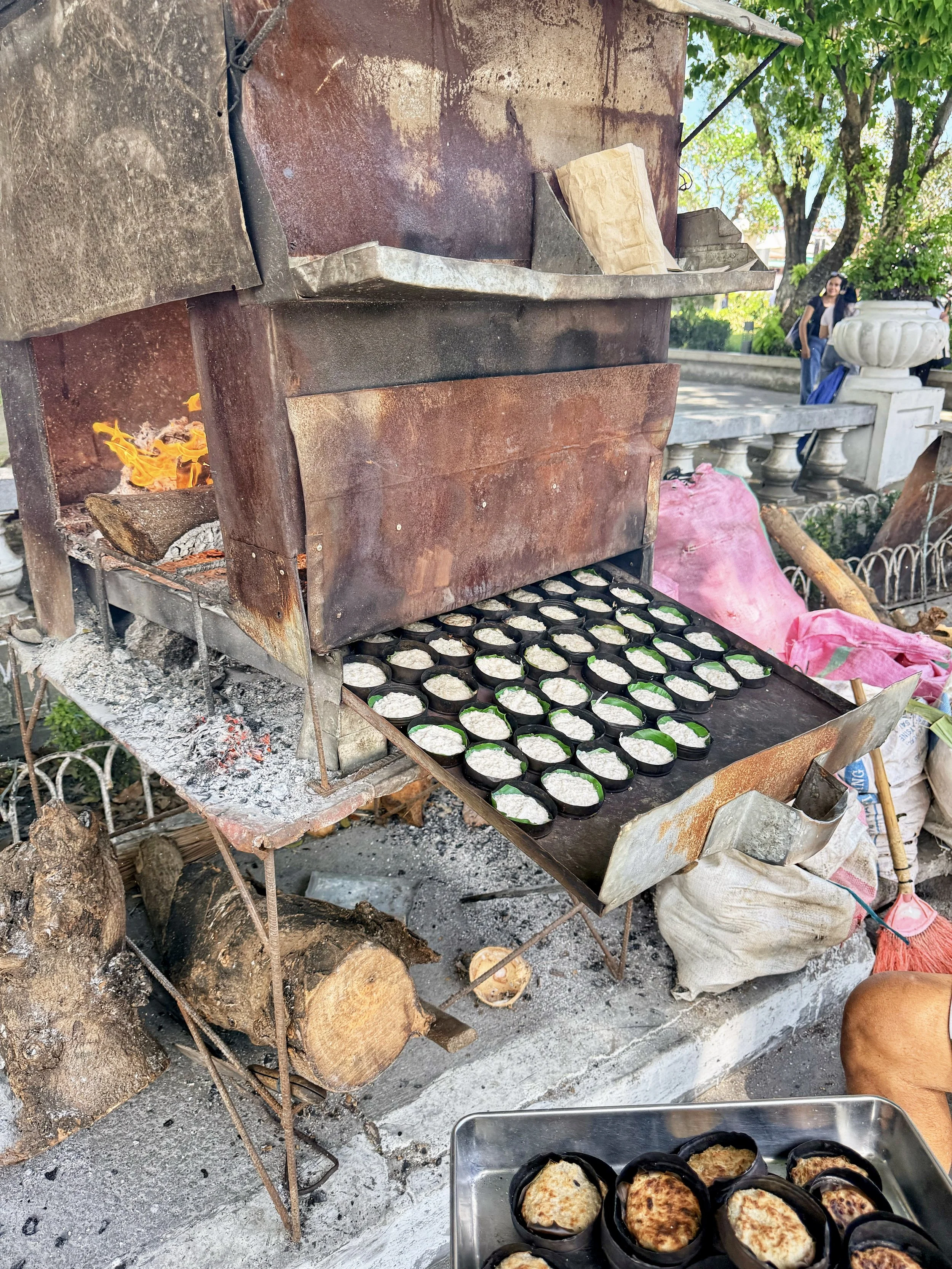
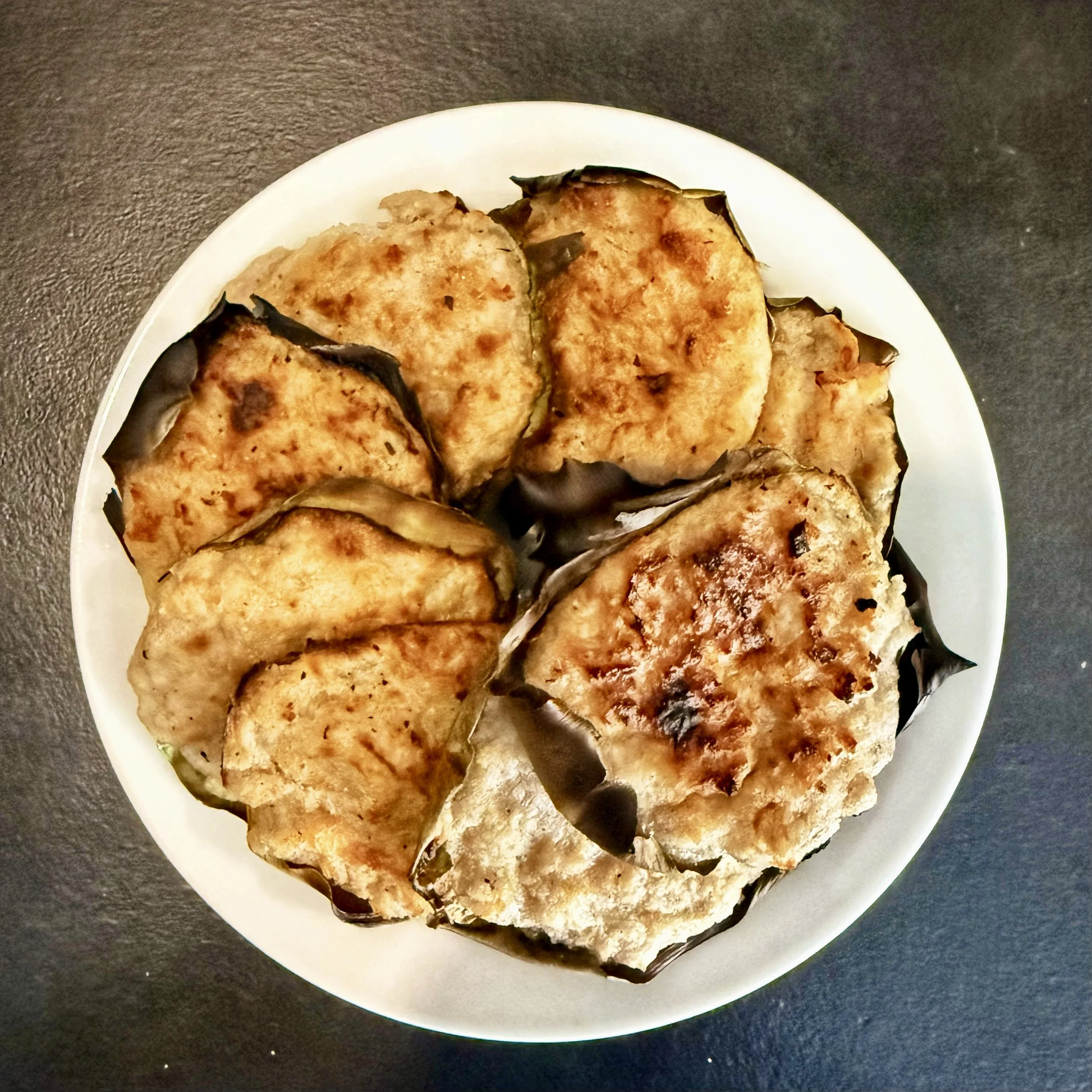
Bibingka is a traditional Filipino baked rice cake, known for its slightly sweet, spongy, and chewy texture, made from glutinous rice flour, coconut milk, and sugar, often baked in banana leaves. We stumbled upon a street vendor in Molo, baking Bibingka in a coconut and wood fired oven. We really enjoyed the snack!
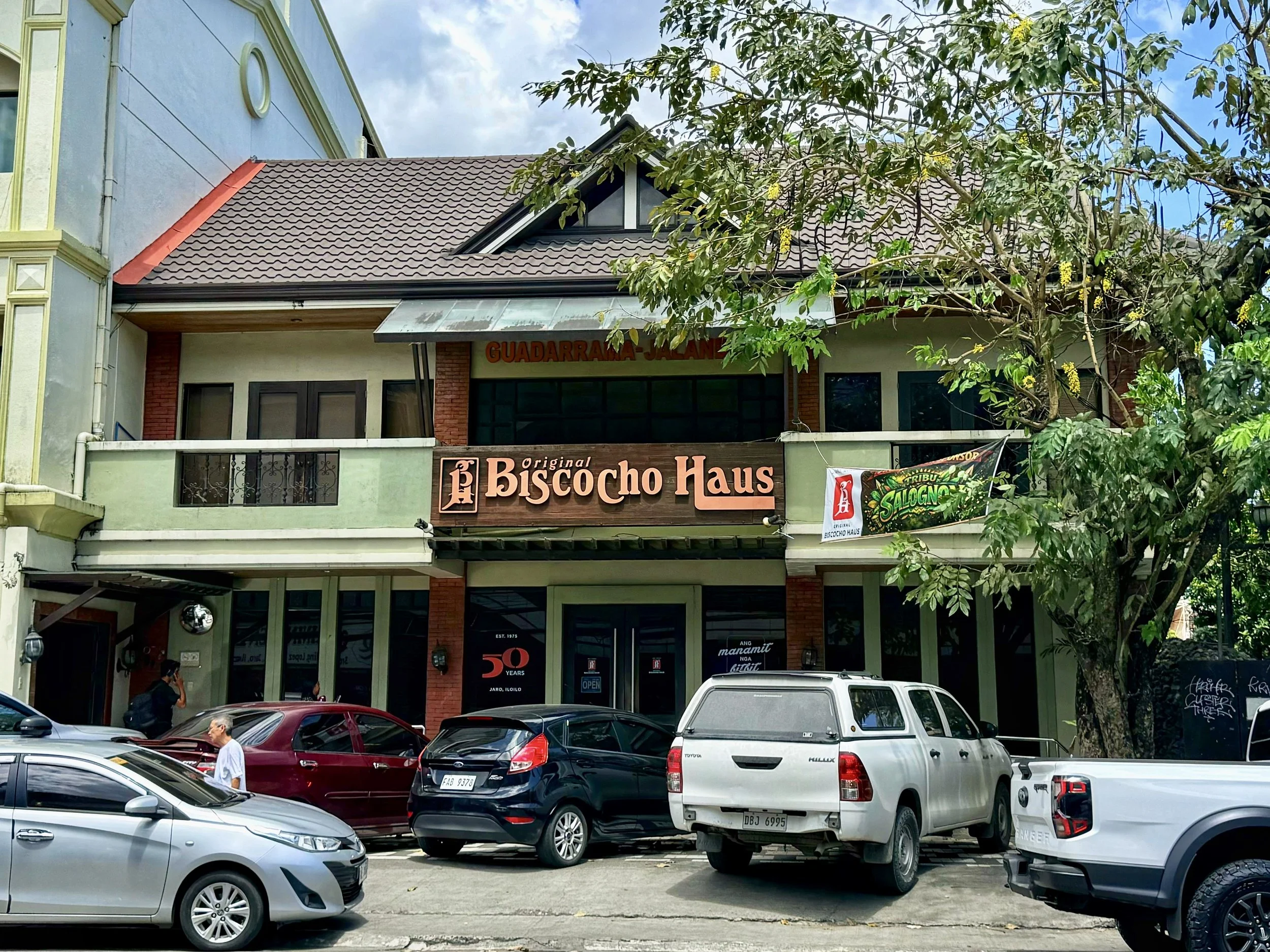
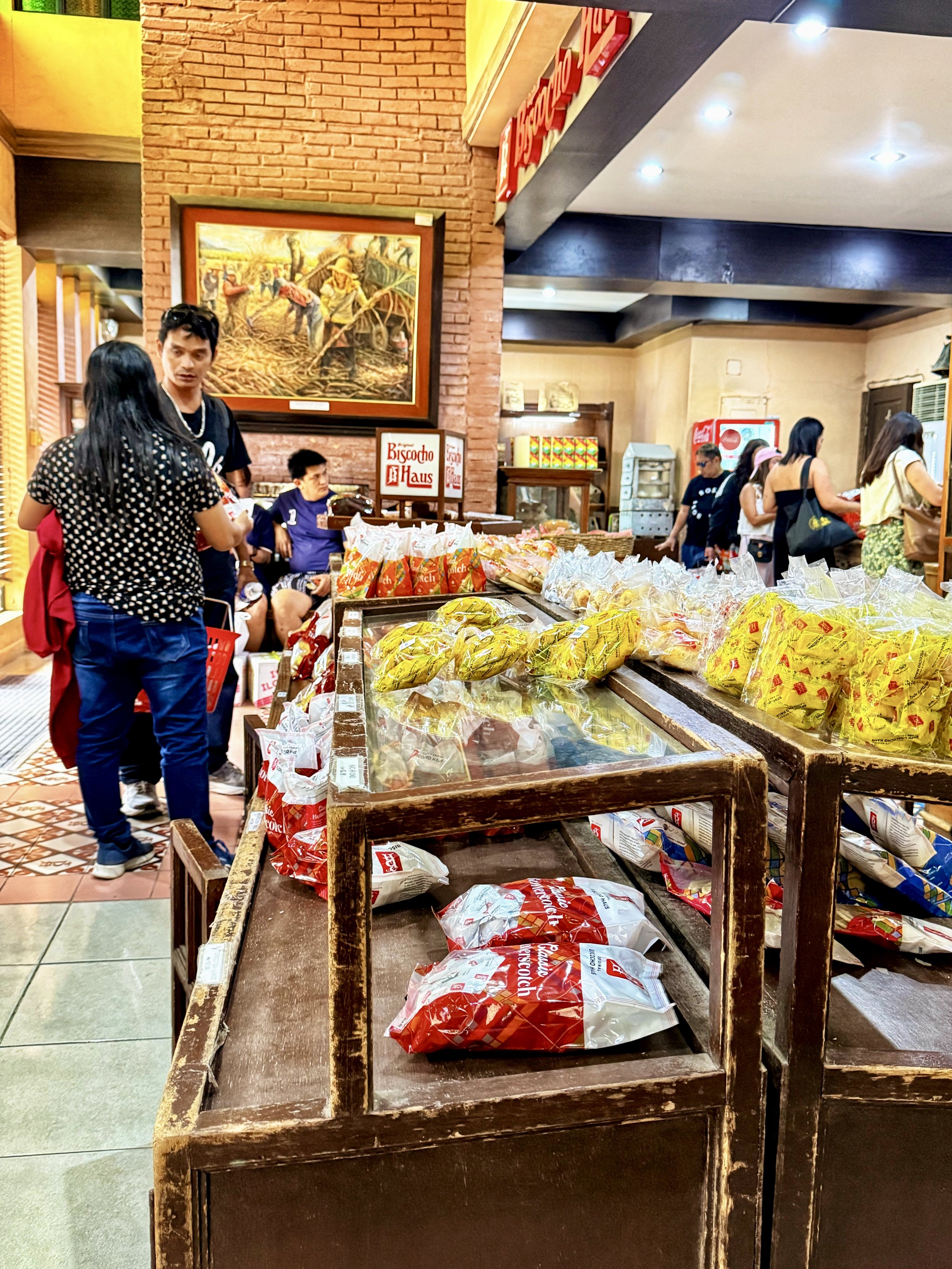
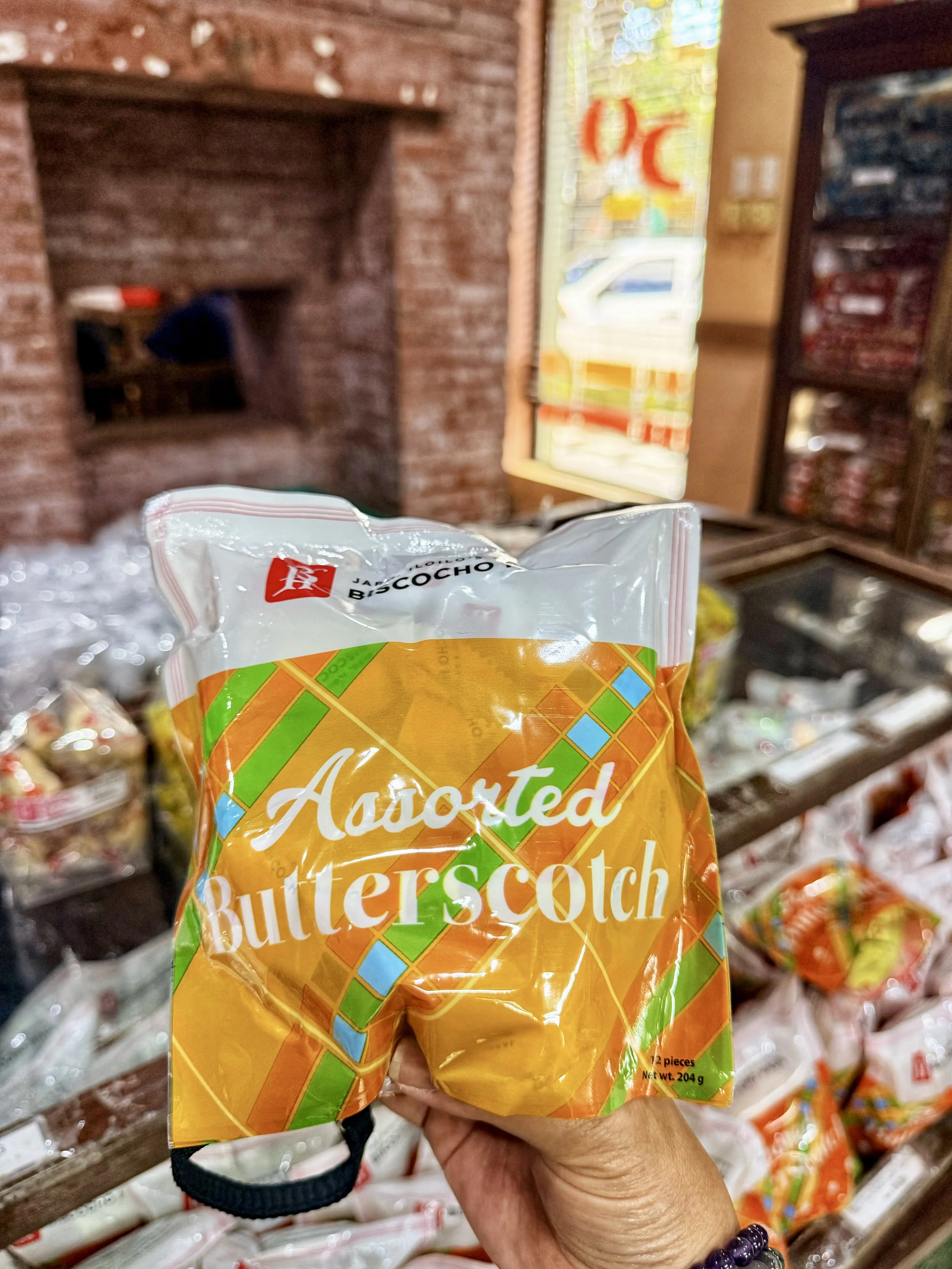
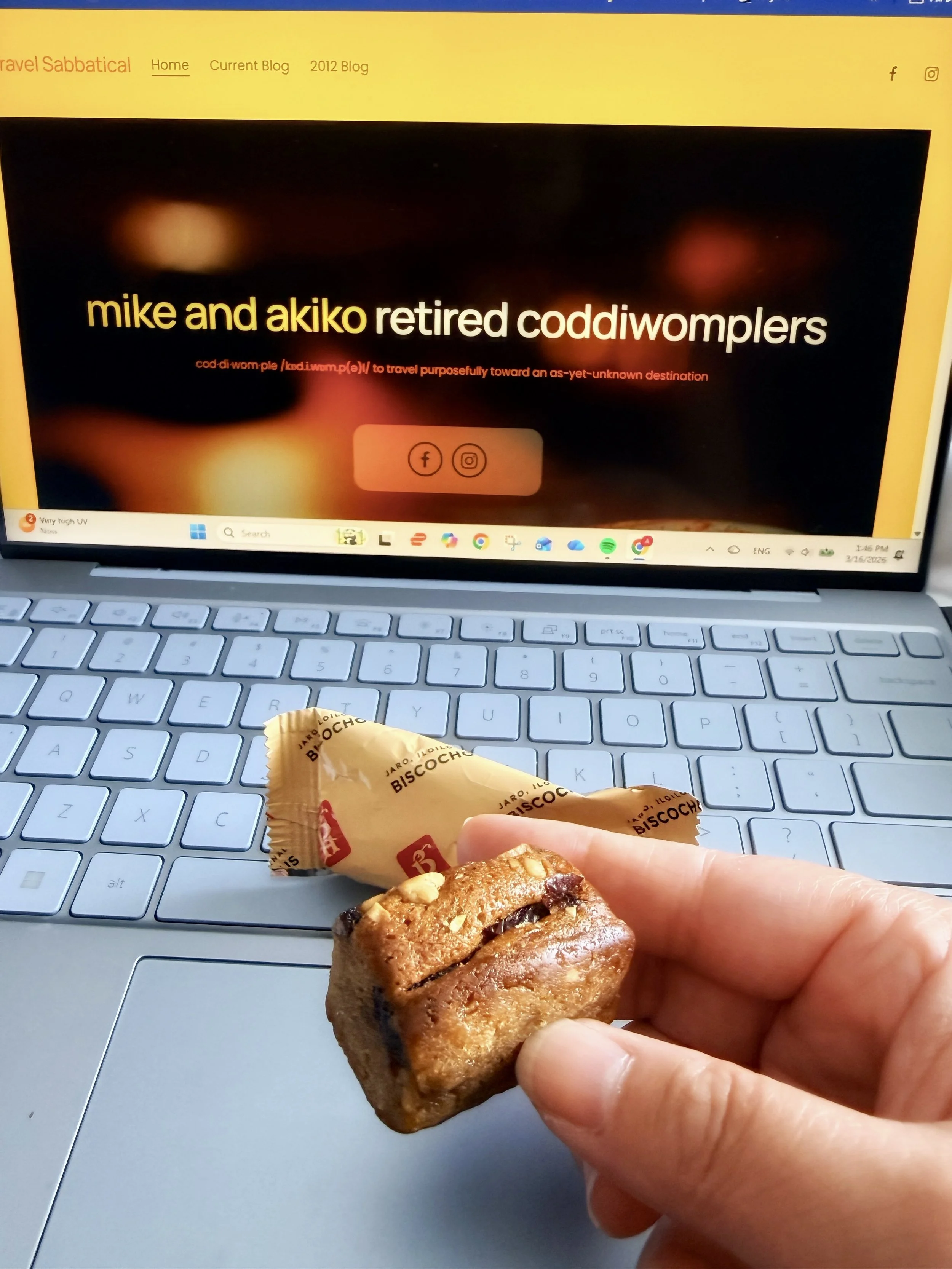
Original Biscocho Haus is Iloilo's most sought out pasalubong--a homecoming gift brought to family, friends or neighbors after traveling to a destination. There are many Original Biscocho Haus stores around the city, but the one in Jaro seems to be the biggest and nicest one with the most options for biscotti cookies, butterscotch cookies in many different flavors, biscuits, buttered bread, barquillos, etc. We bought an assortment of butterscotch cookies with flavors of calamansi, mango, prune, chocolate--a nice snack with our morning coffee.
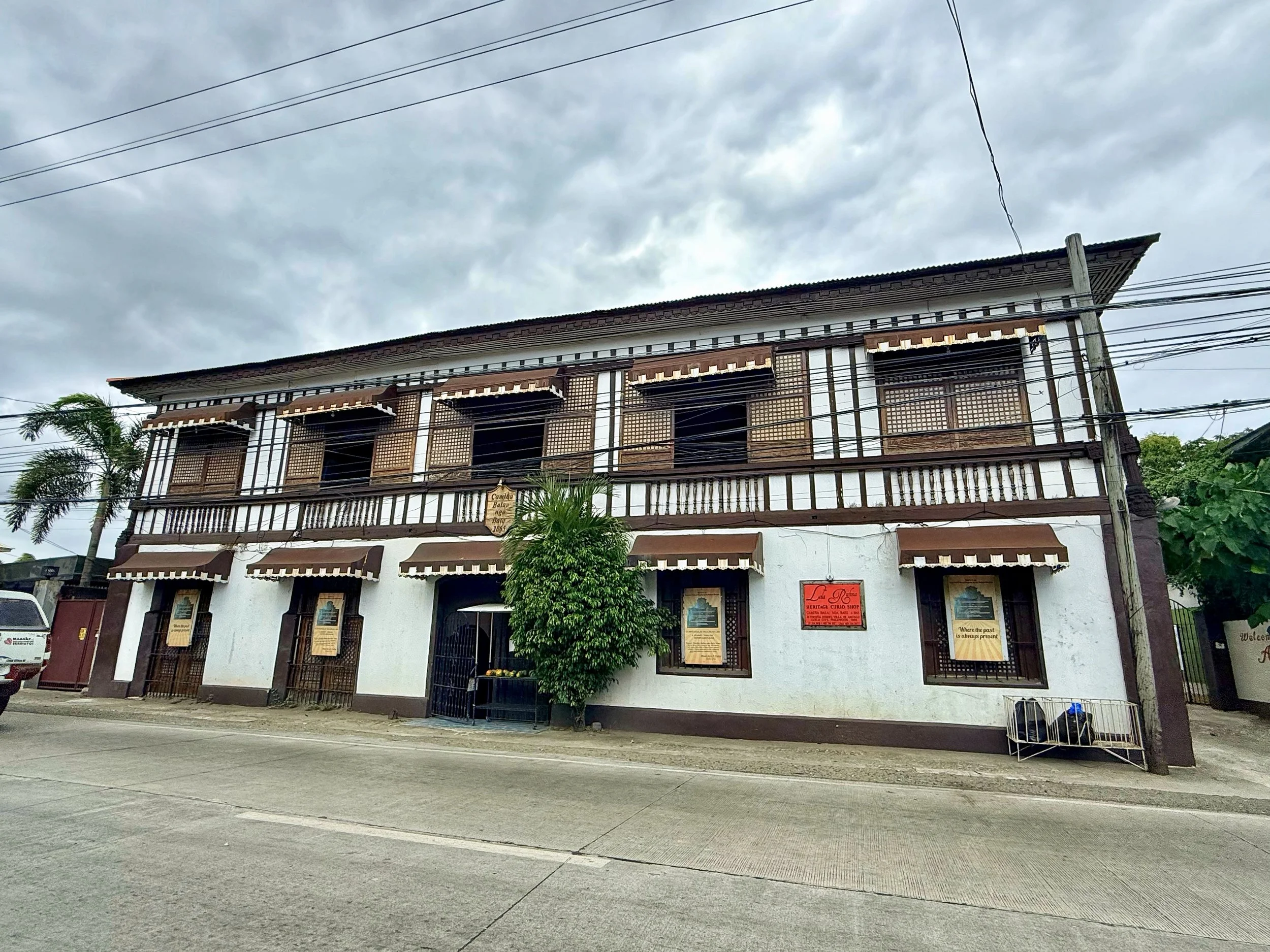
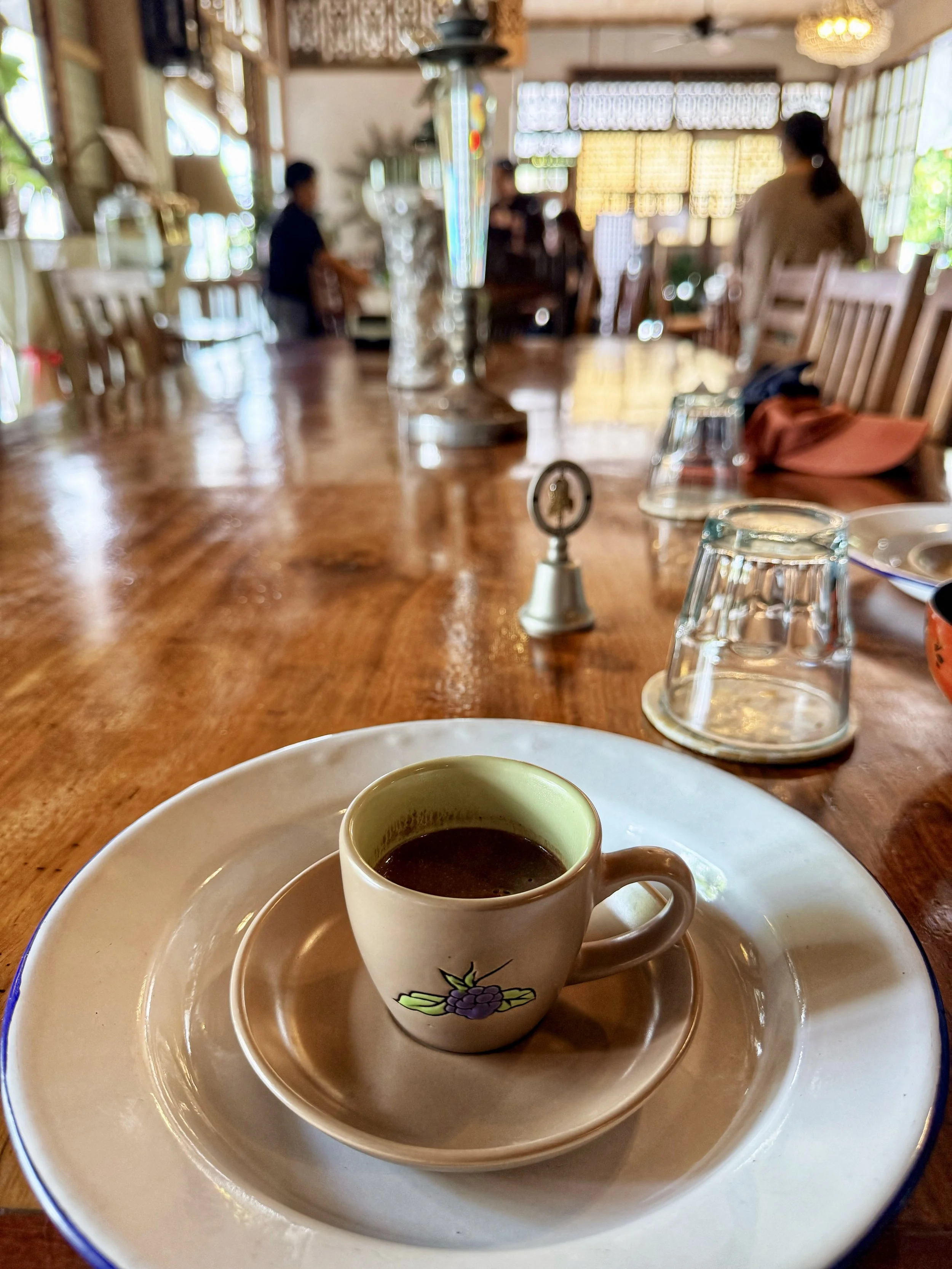
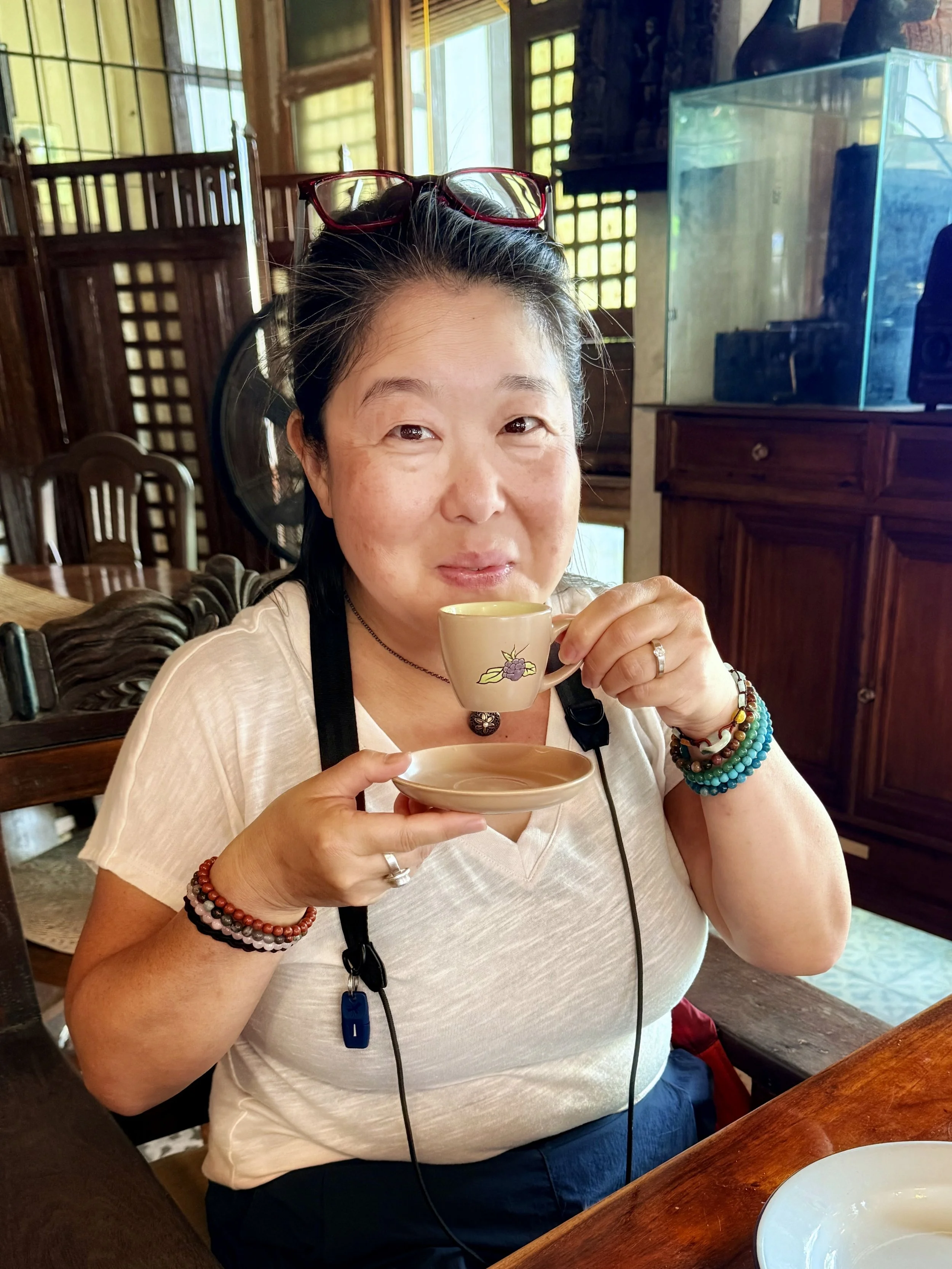
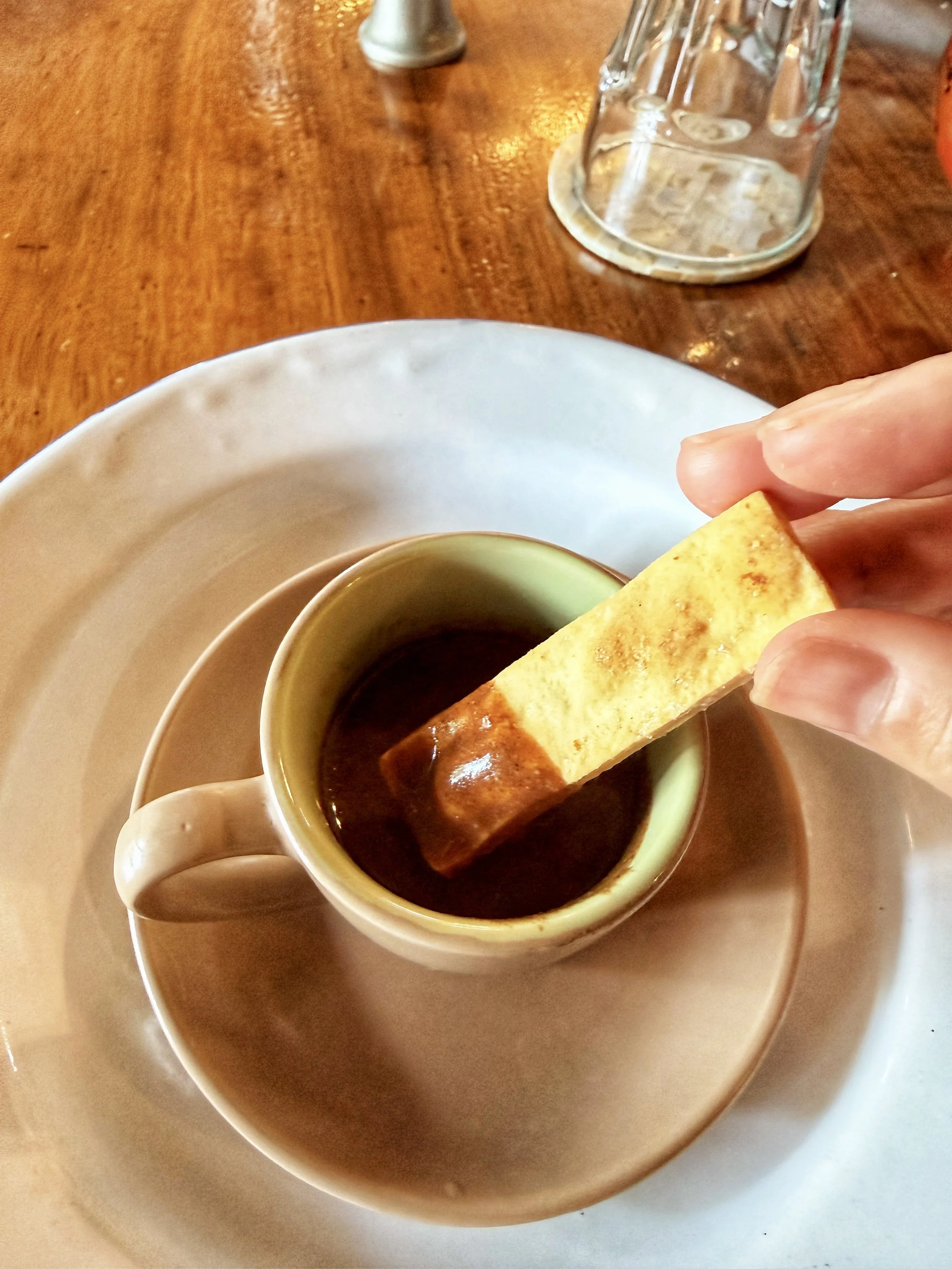
Camina Balay Nga Bato, a well-preserved Spanish heritage house from 1865. The house tour includes hot chocolate and heirloom cookies. The tablea (cacao tablets) is melted in a special cast-iron pot called tsokolatera and mixed using a batirol (a wooden whisk). The chocolate is a rich, traditional drink made from homegrown cacao beans, served as a heritage experience to honor Spanish-era traditions, symbolizing hospitality for esteemed guests.
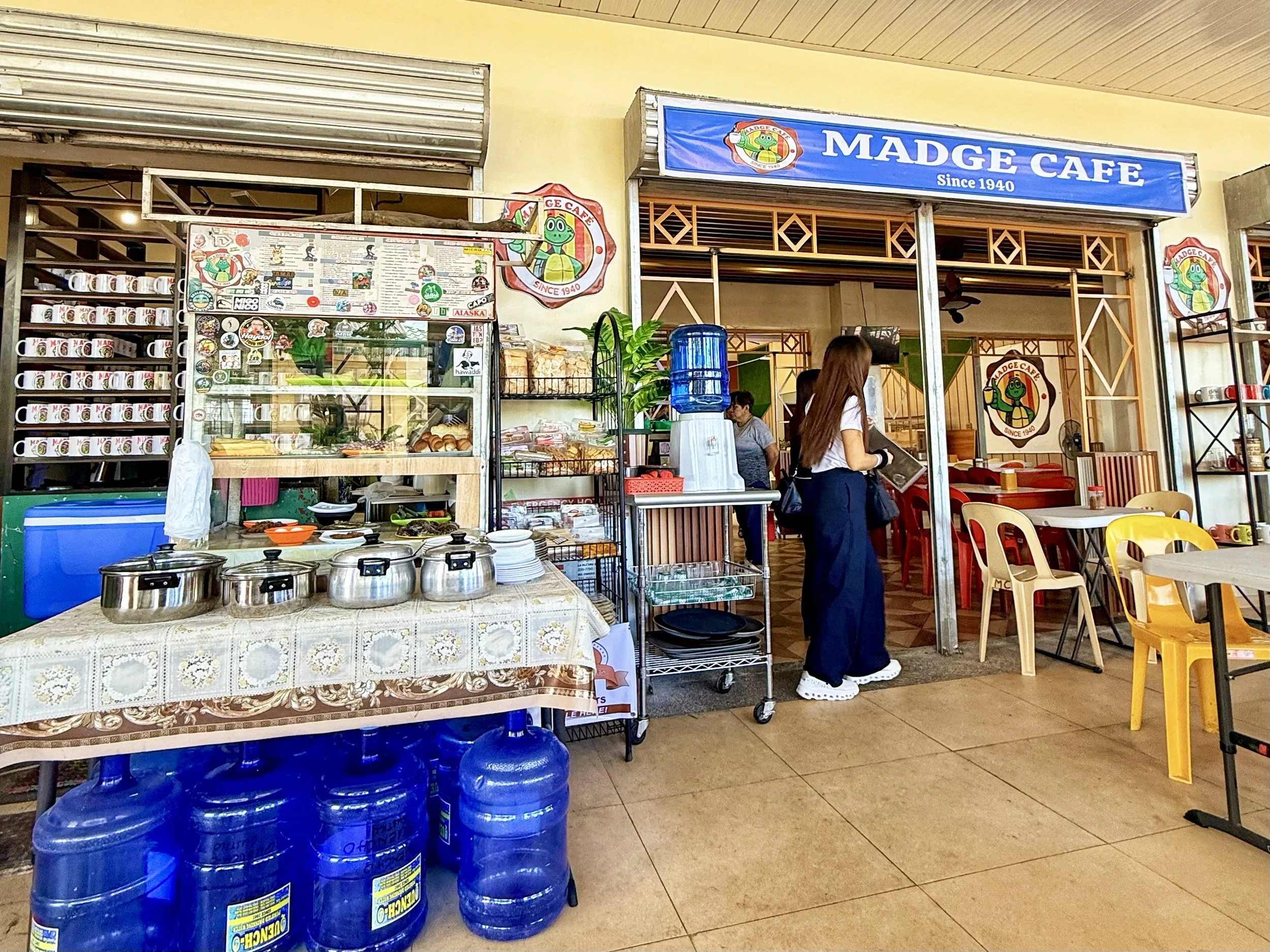
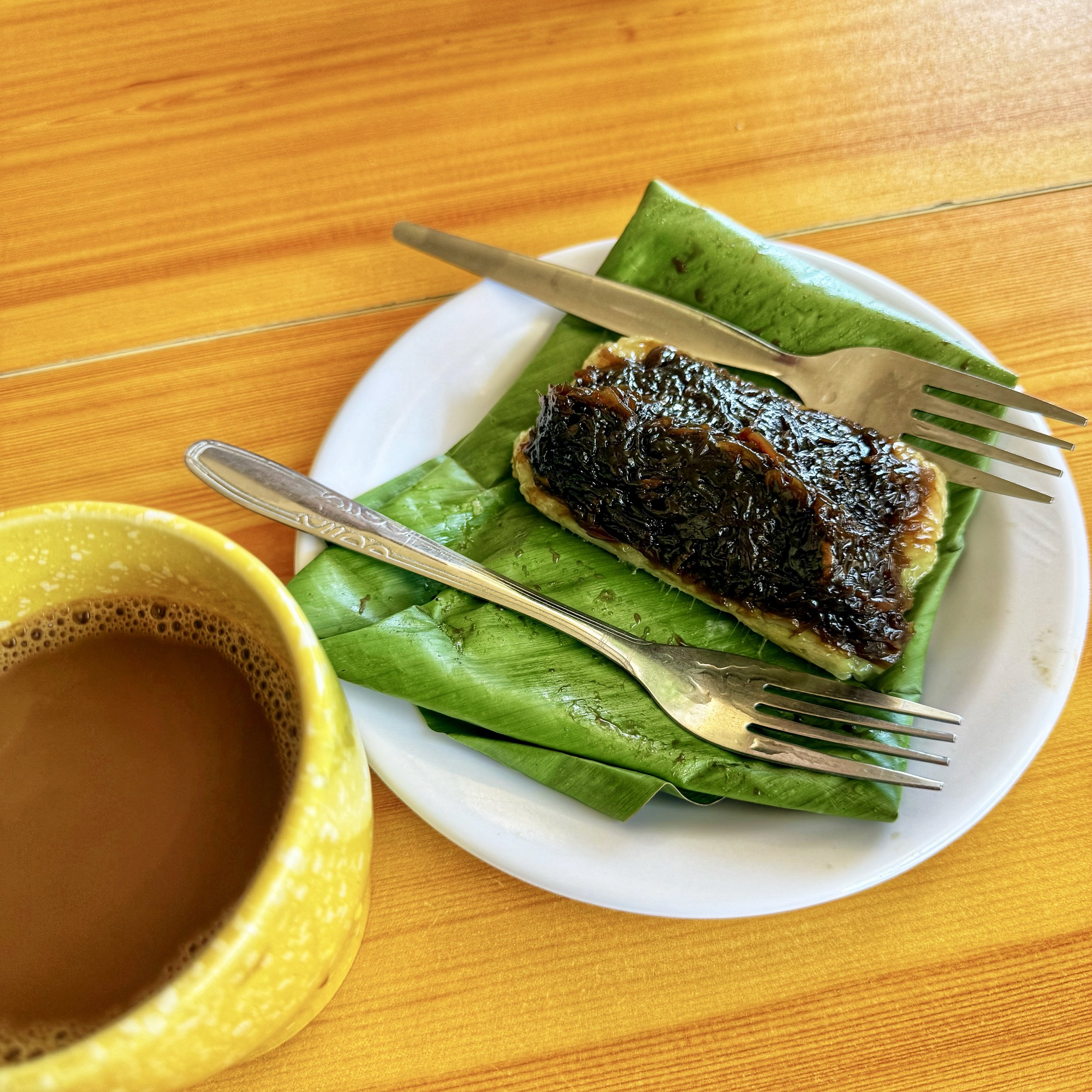
Suman Latik: We stumbled upon Madge's Cafe, known for their breakfast and native coffee (basically regular coffee with beans grown locally) since 1940. We drank our black coffee with Suman Latik, a steamed glutinous rice cake wrapped in banana leaves, with caramel sweetened shredded coconut on top.
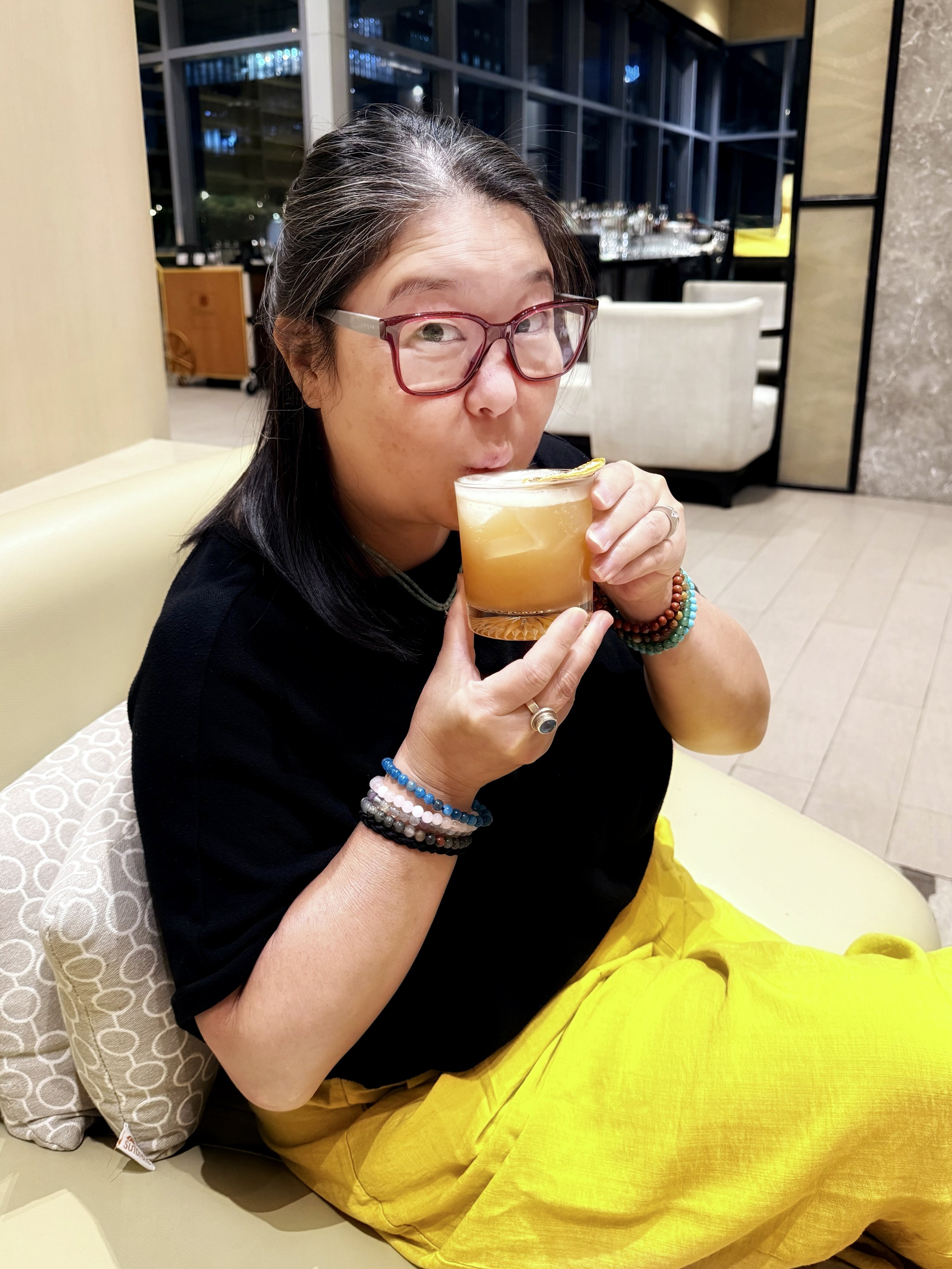
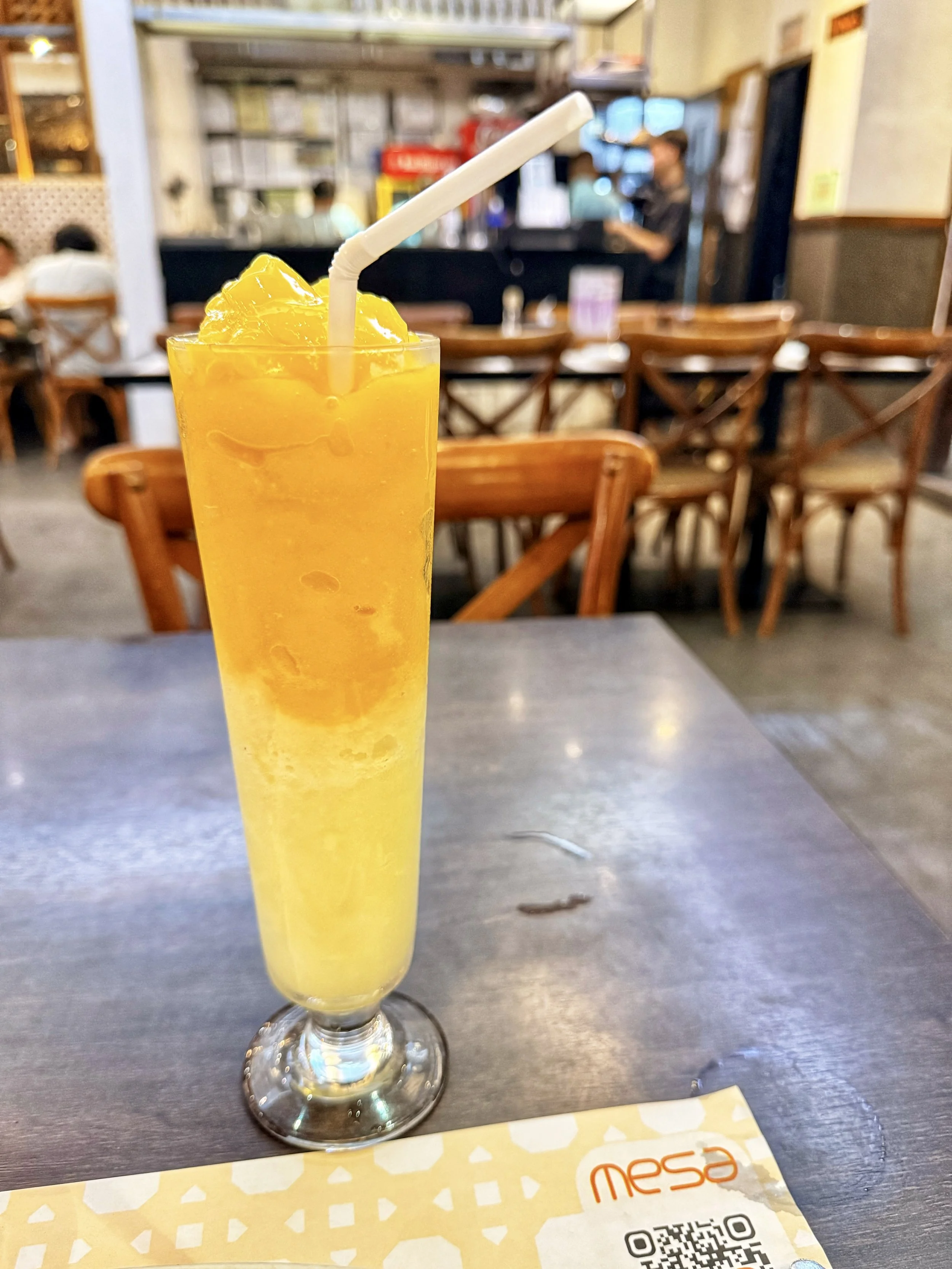
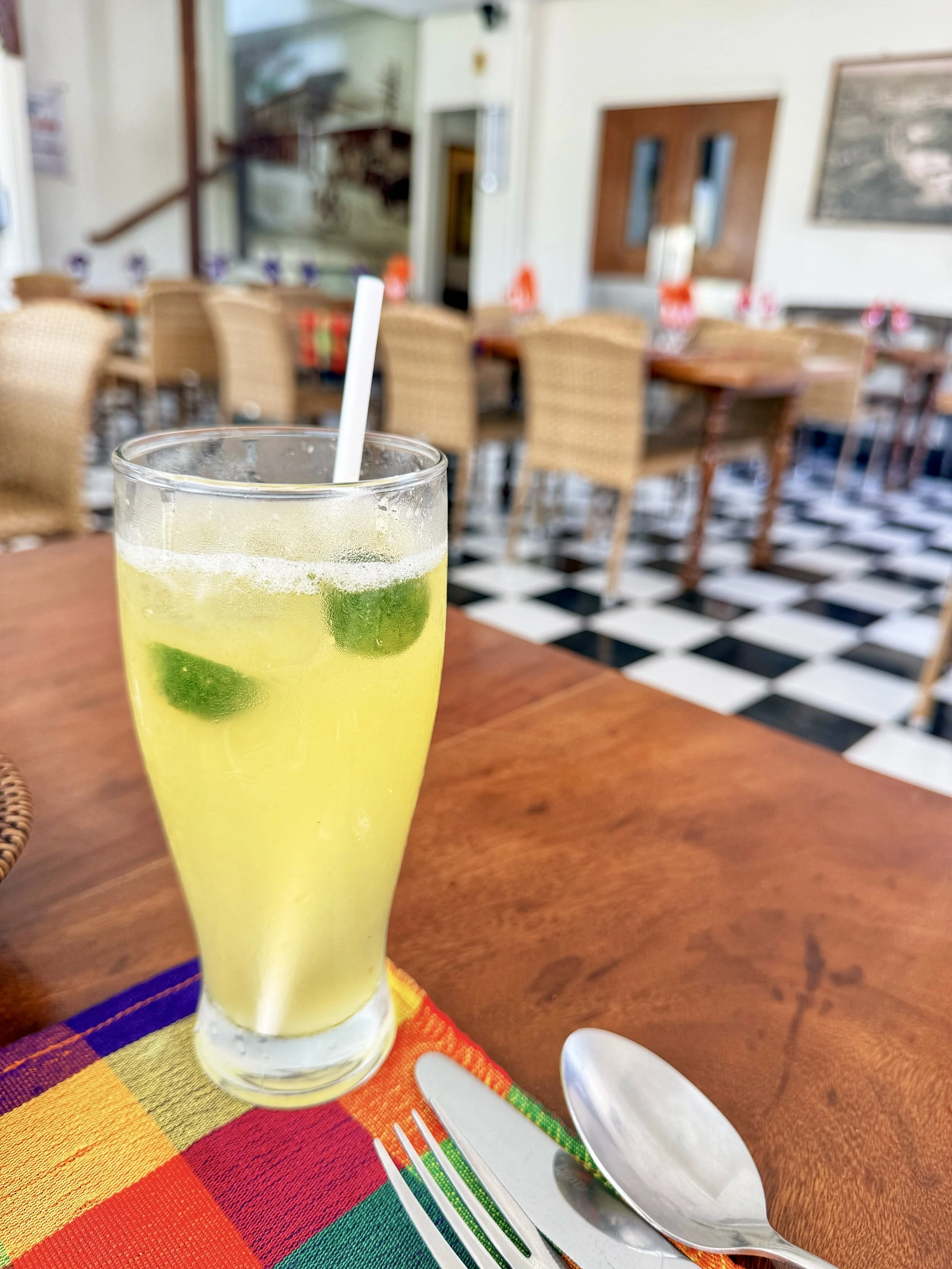
Drinks: We indulged in fresh squeezed calamansi juice, coconut juice, mango juice, lemon cucumber coolers, to name a few. A favorite surprise was the green mango smoothie! A more tart version of the mango. Courtyard by Marriott Hotel had a few interesting cocktails featuring Ilonggo ingredients, such as: Batuan Sour cocktail (rum, batuan jam, apple cider) and Tanglad Fizz (gin, tanglad or lemongrass syrup, calamansi, soda).
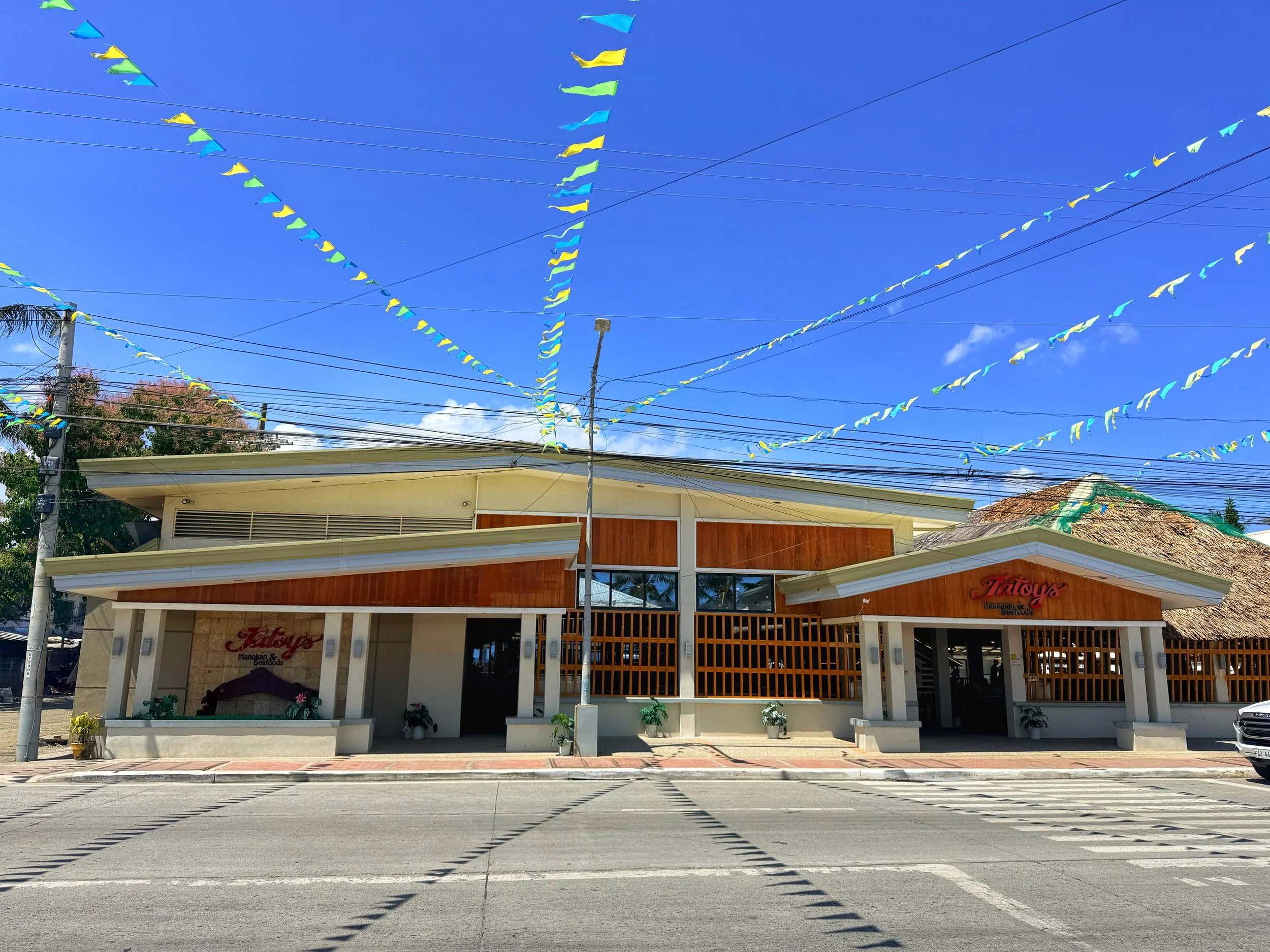
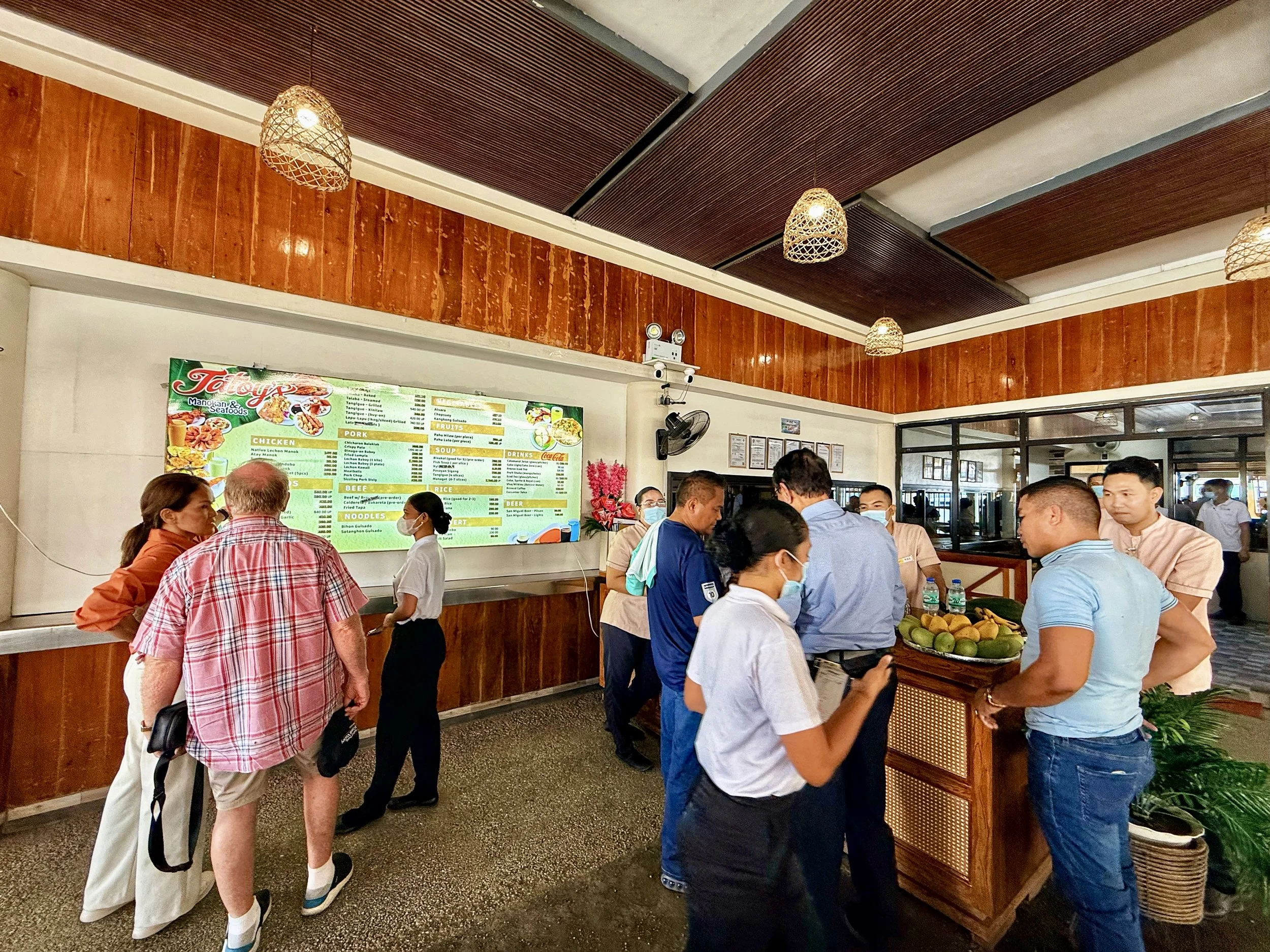
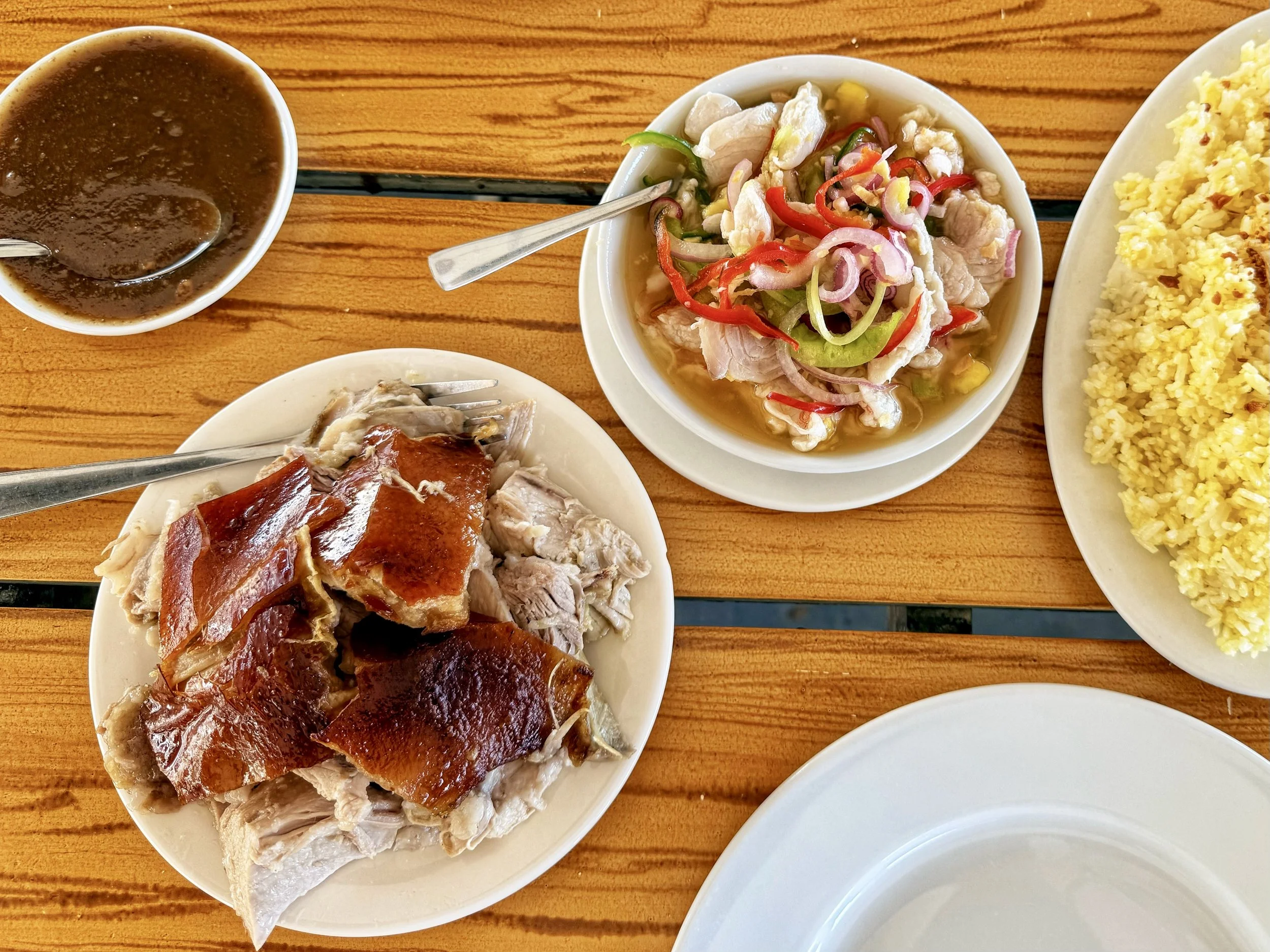
Tatoy’s Manokan & Seafood: We went to the other seaside restaurant, famous for their crispy whole roasted pig and ceviche. We can’t leave the Philippines without eating one of their most famous dishes, Lechon Baboy. The skin was definitely crackling with a caramelized coating. The meat was so-so. Without the tamarind sauce, it would’ve been quite dry and uninteresting. The star of our meal was the Tanigue Kinilaw or wahoo fish ceviche cured in a mixture of calamansi juice, fresh ginger, onion, chili, and seasonings.
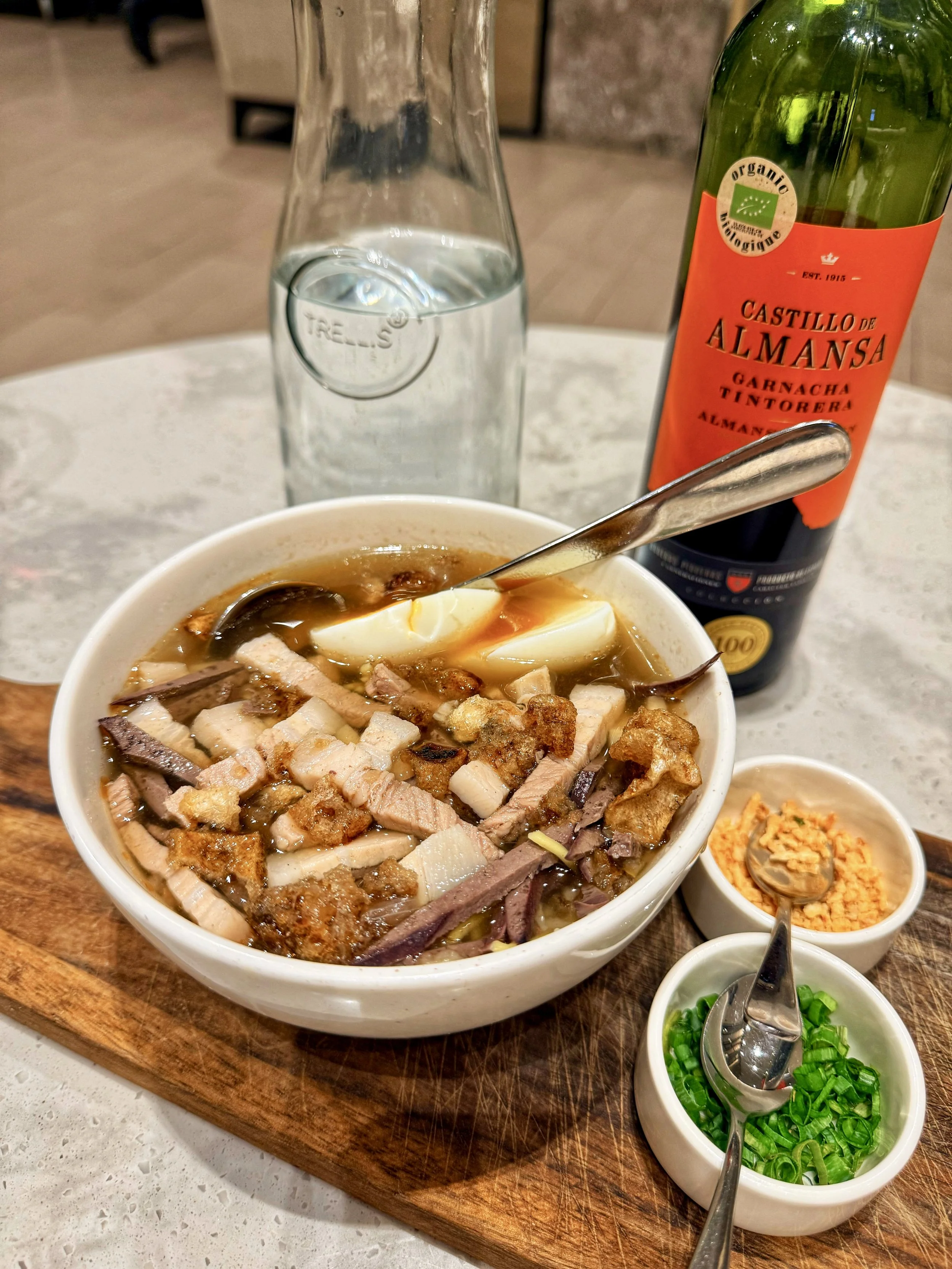
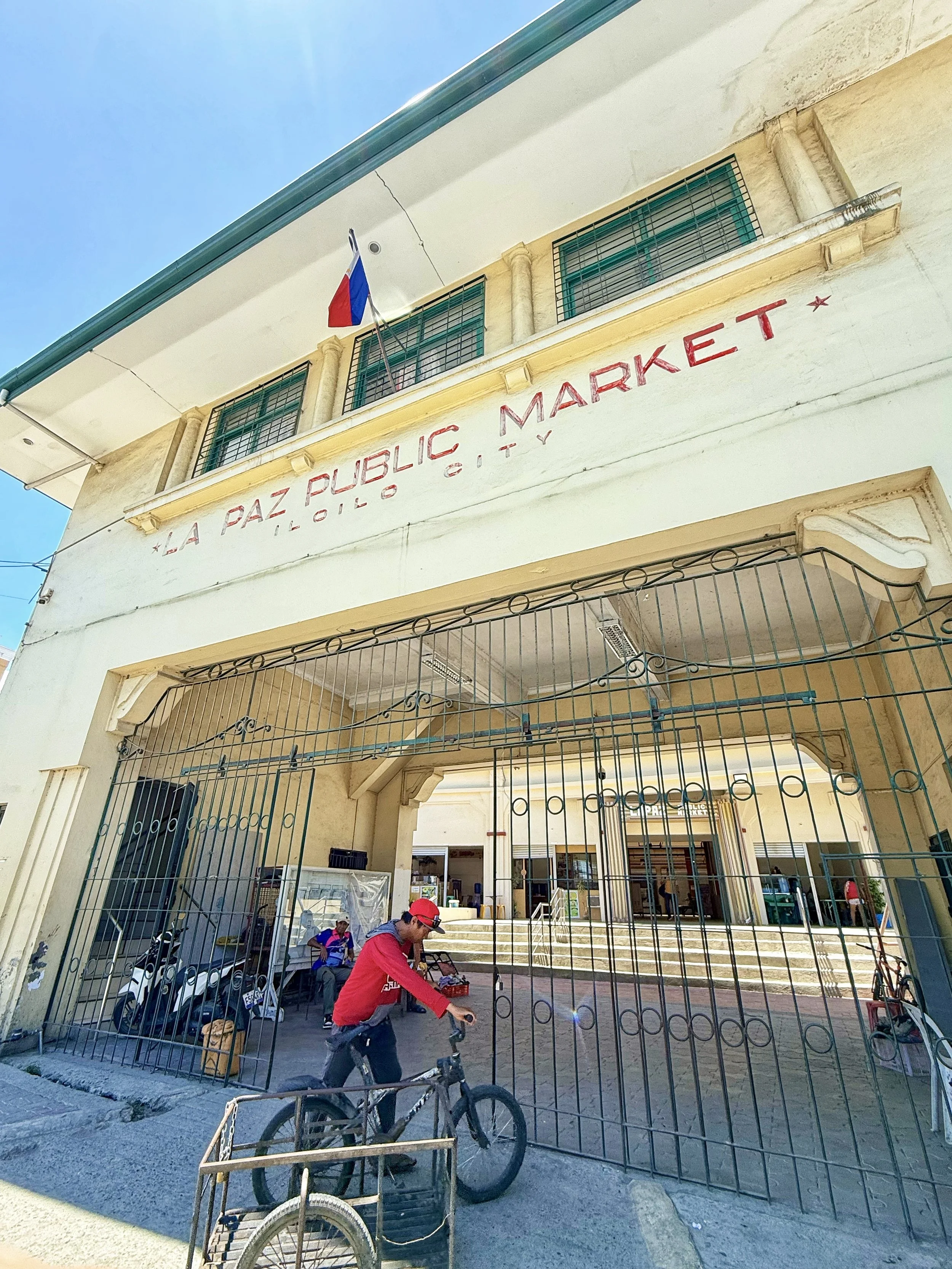
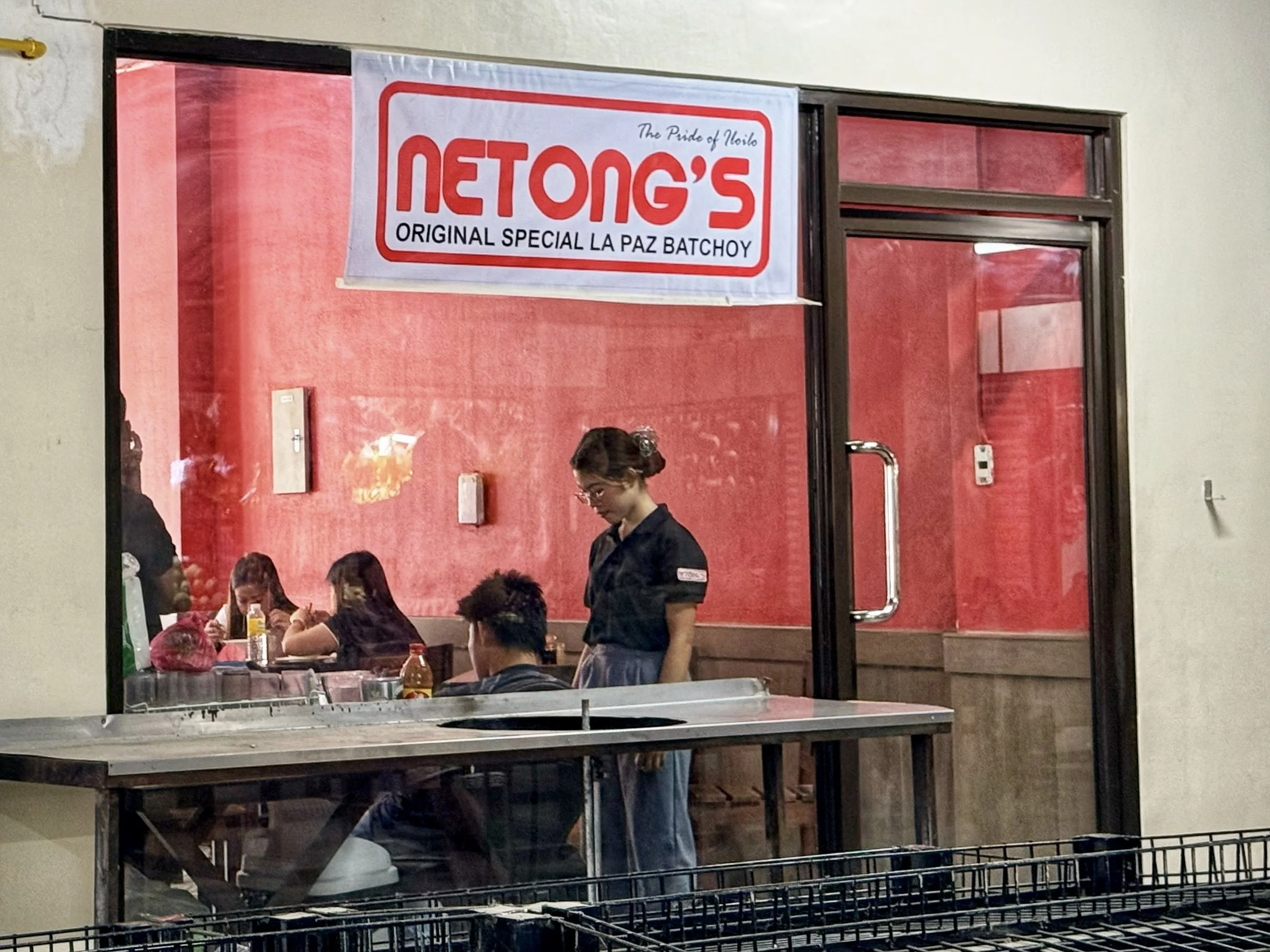
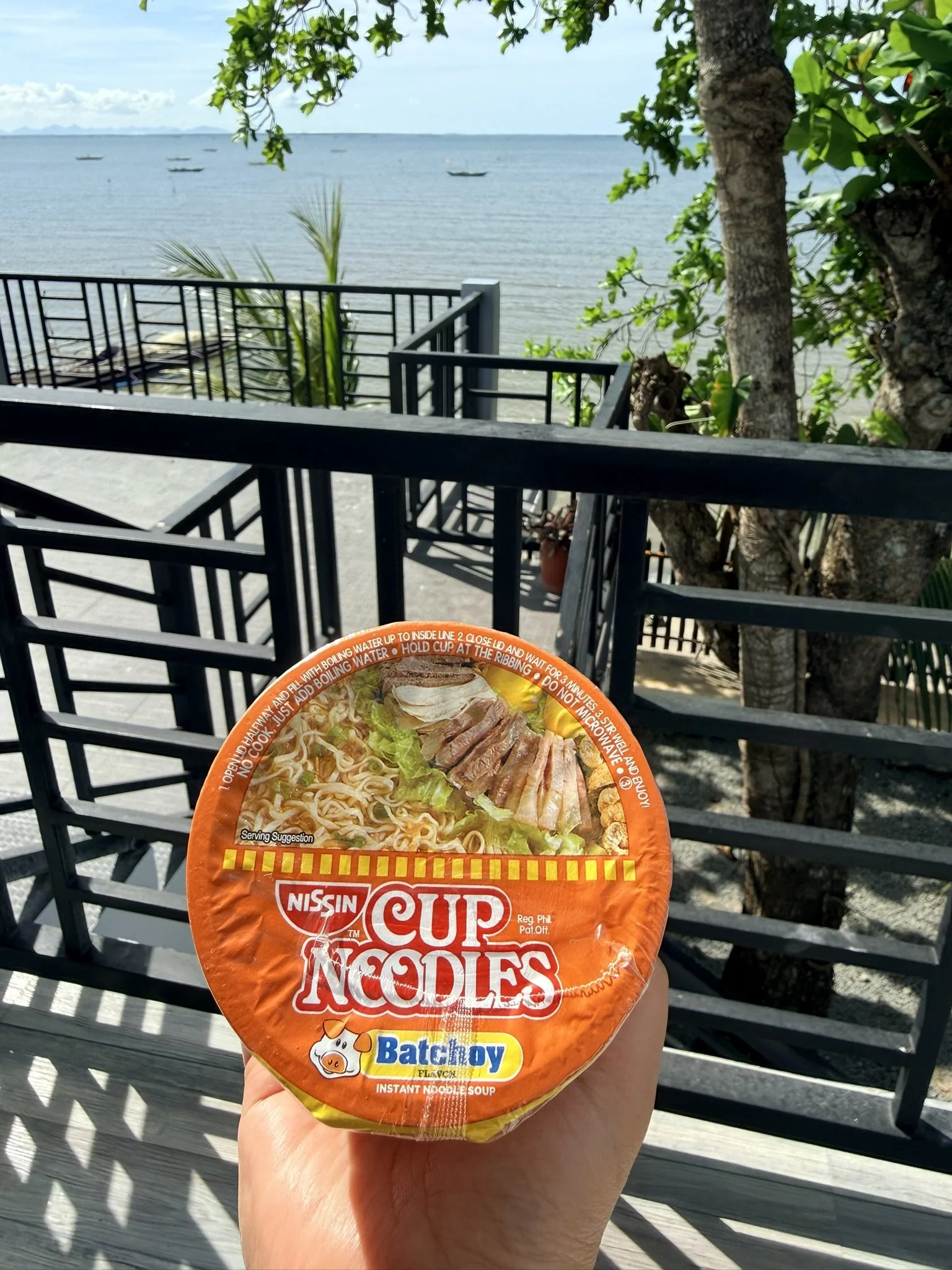
La Paz Batchoy: Iloilo is famous for the La Paz Batchoy, originating at La Paz Public Market in the batchoy shops such as Netong's, Ted's, and Deco's. The locals love the comforting savory bowl of broth made from pork organs served with curly noodles, pork belly, pork liver, topped with crunchy bits of pork cracklings, bone marrow, and garlic. In fact, the most common cup noodle flavor in the Philippines is batchoy. While batchoy might be described as similar to Japanese tonkotsu ramen with the pork-based broth and chinese noodles; for our palates, it was not our favorite Ilonggo cuisine. We even tried it first at the Marriott--assuming it was a milder gringo-version of the original. Even so, we couldn't get past the heavy, earthy, porky, musky, metallic liver-centric offal-based broth. We wish we could enjoy it with the same fervor as the locals!
Finally, here's a listing of several notable establishments we found comforting when we craved something other than Filipino food. Forgive us for our weakness in caving to our western comforts.
Riverside Boardwalk Restaurants: Our favorite place that we kept going back to for multiple meals was the Riverside Boardwalk. It was conveniently a 10-minute walk across the river from our hotel. There's only five restaurants and a bar in this complex, but every one we tried were top notch in quality, authenticity, and ambience.
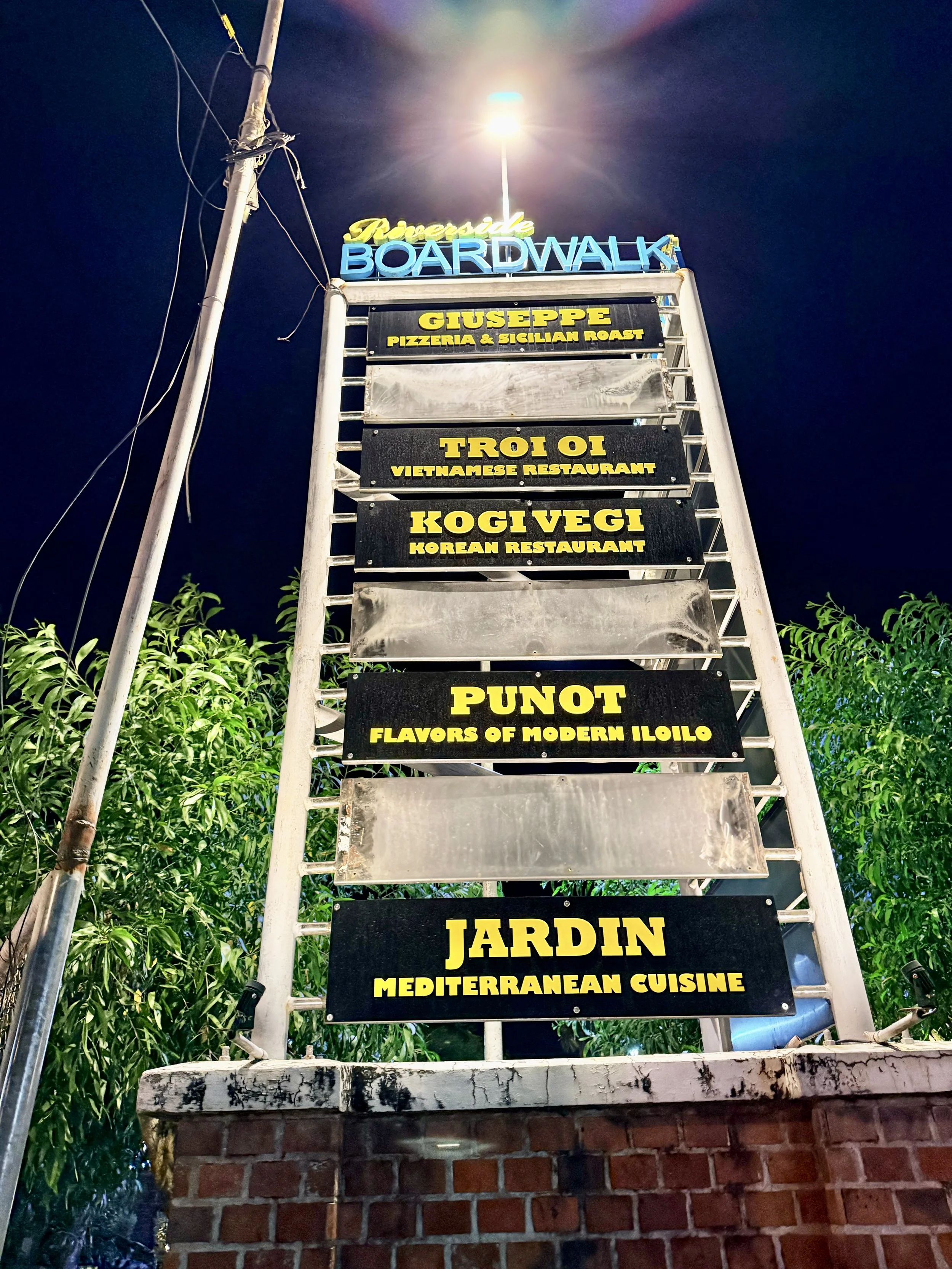
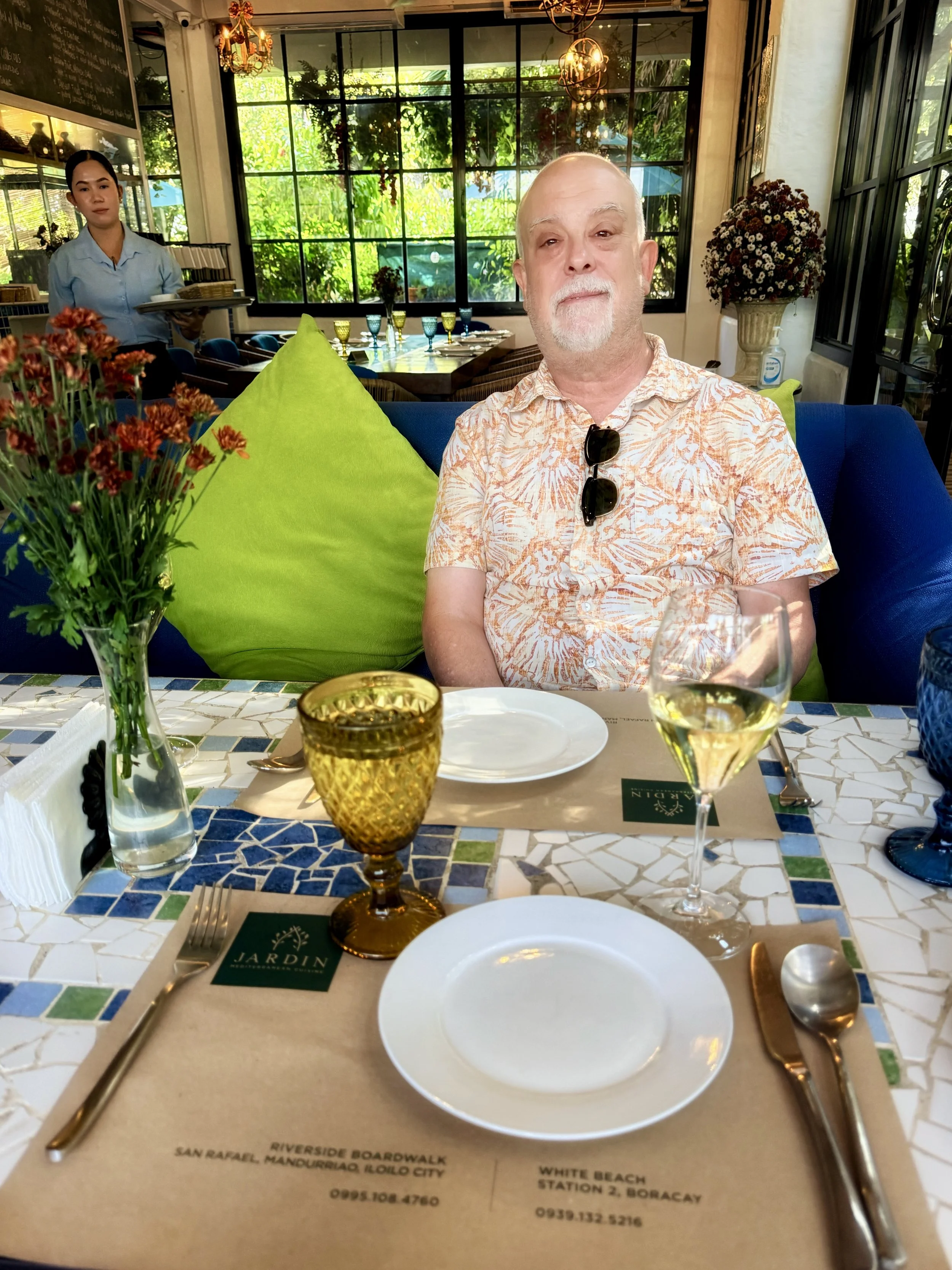
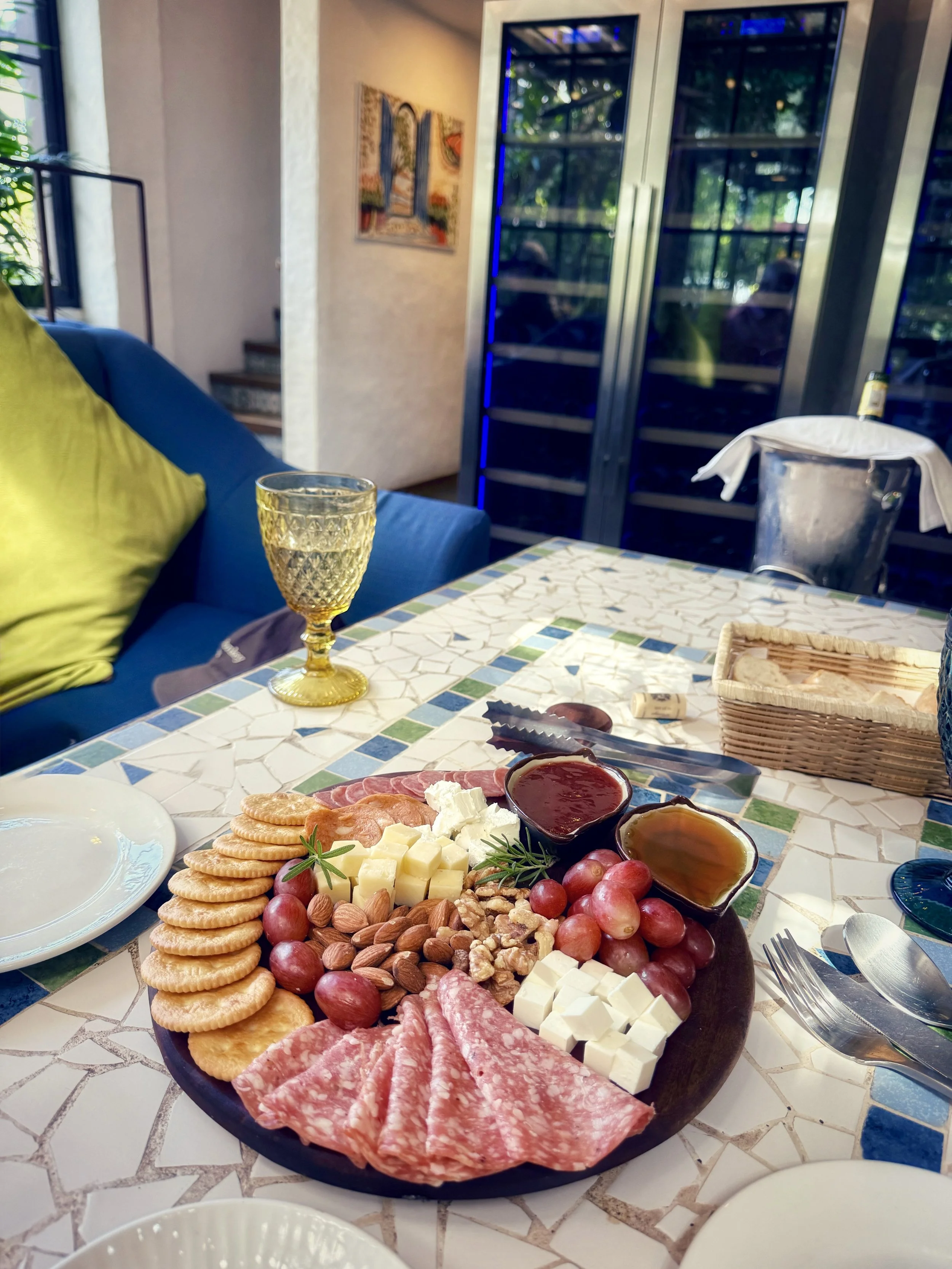
Jardin Mediterranean Restaurant was so inviting and comfortable with a surprisingly extensive wine list (a rarity in Iloilo), charcuterie, salads, and tapas.
We went out on a limb at Punot Filipino restaurant and found our favorite dish--KBL (Kadyos, Baboy, Langka), a sour purple peas, pork, and jackfruit stew!
Troi Oi Vietnamese restaurant satisfied our craving for a sandwich--an authentic banh mi sandwich, that is. This is where we learned about Kokomojo Mango Farm that we later visited on Guimaras Island.
We were experientially skeptical about Filipino versions of Italian food, since most any sauce tends to be overtly sweet. However, Giuseppe exceeded all expectations of authenticity. The hand made pasta and sauces were spot on.
Eduardo’s Taqueria: The number one cuisine we crave is usually Tex Mex but outside of the States it's always been a huge disappointment, so we didn't expect much from Eduardo's. Bottom line, we loved it. Here's our Google Review.
Courtyard by Marriott for a real American bacon cheeseburger! Although the bacon was limp and not crispy at all.
Waterfront Seafood and Cocktails for a fine dining experience. Probably our most expensive meal at US$50 total.
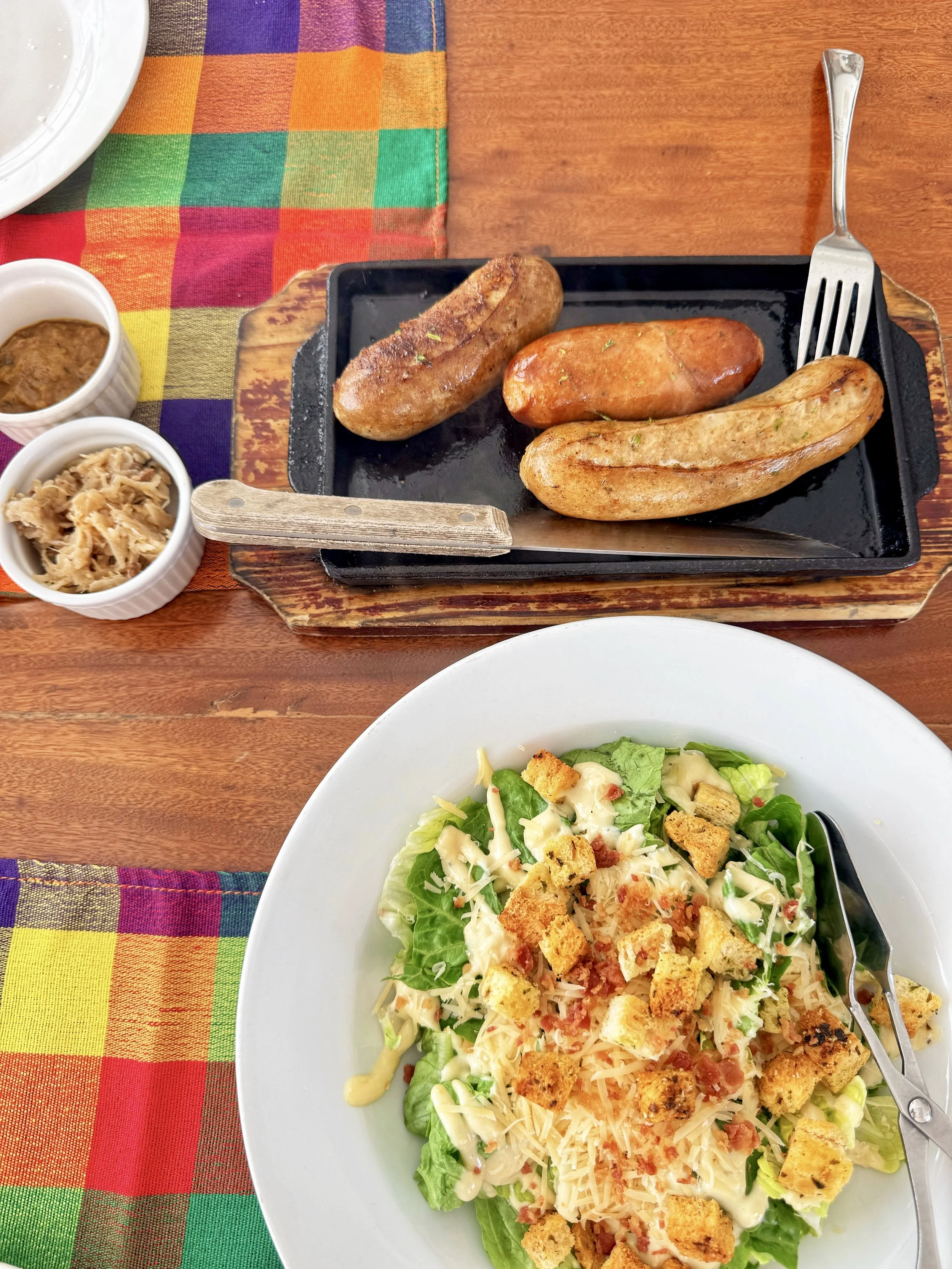
Muelle Deli and Restaurant for authentic sausages (Bratwursts, Kielbasa, Italian, Greek, etc.) and steaks from the US and Australia.
Whew! We are stuffed. At this point, there’s no telling what we’d give for a plate of broccoli! 🥦 The only reason we haven’t gained 100 pounds is all the walking to and from the restaurants.
*UNESCO Creative Cities of Gastronomy are designated based on having a well-developed, signature regional cuisine, a vibrant, traditional, and sustainable culinary scene, and a commitment to integrating food into local culture and education. Key criteria include using indigenous ingredients, preserving traditional cooking methods, and hosting food-related festivals. As of March 2026, there are 66 creative cities of gastronomy. https://www.unesco.org/en/creative-cities/iloilo-city
