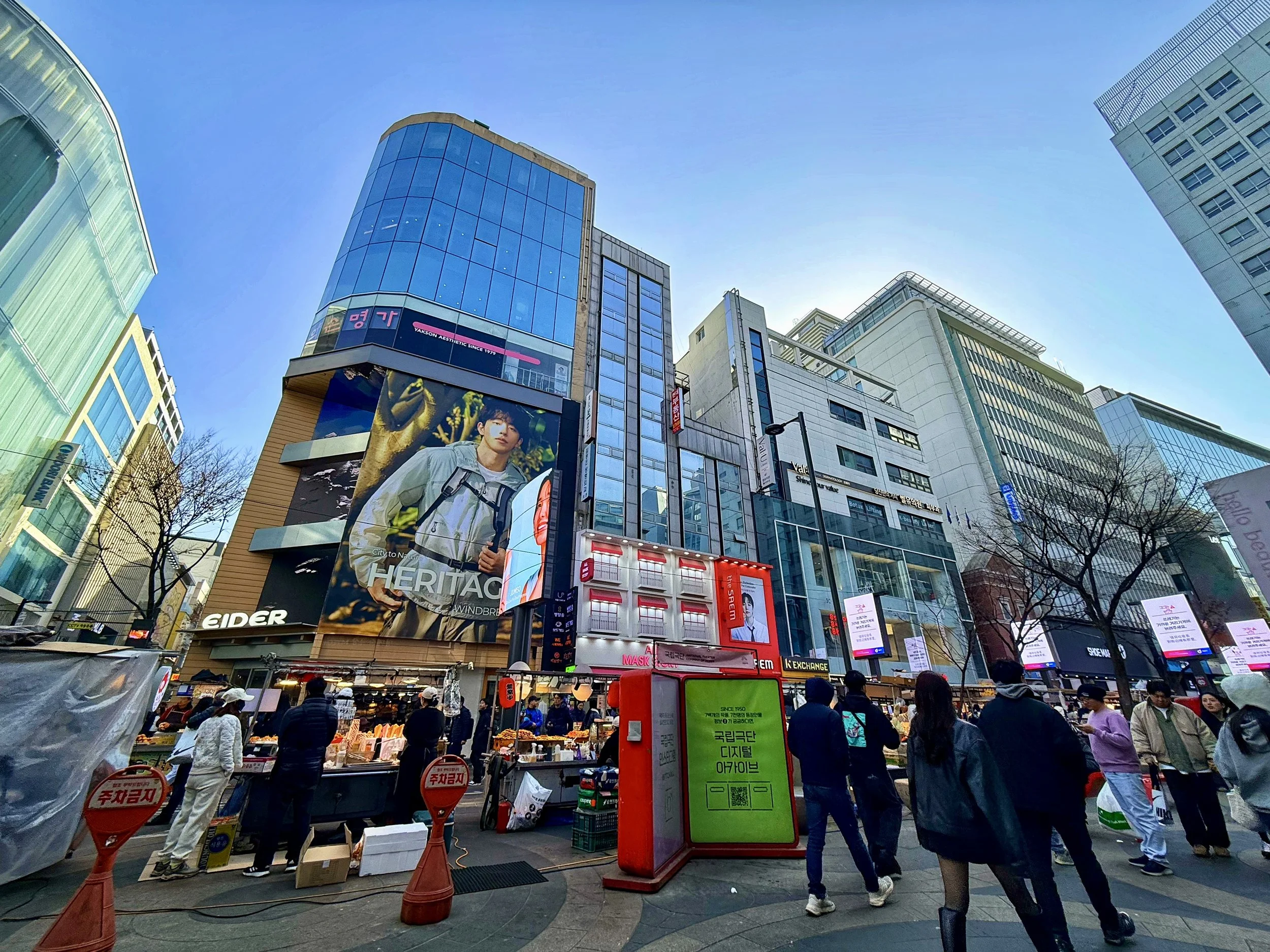
In Seoul, we stayed in the Myeong-dong area, a bustling shopping district of every conceivable high-end retailer and eternal Korean skincare and cosmetic stores, including an Olive Young on almost every street corner. Again, our time in Seoul was short. We managed a…
Tour of the Demilitarized Zone (DMZ)
Seoul Street Food Tour at Gwangjang Market
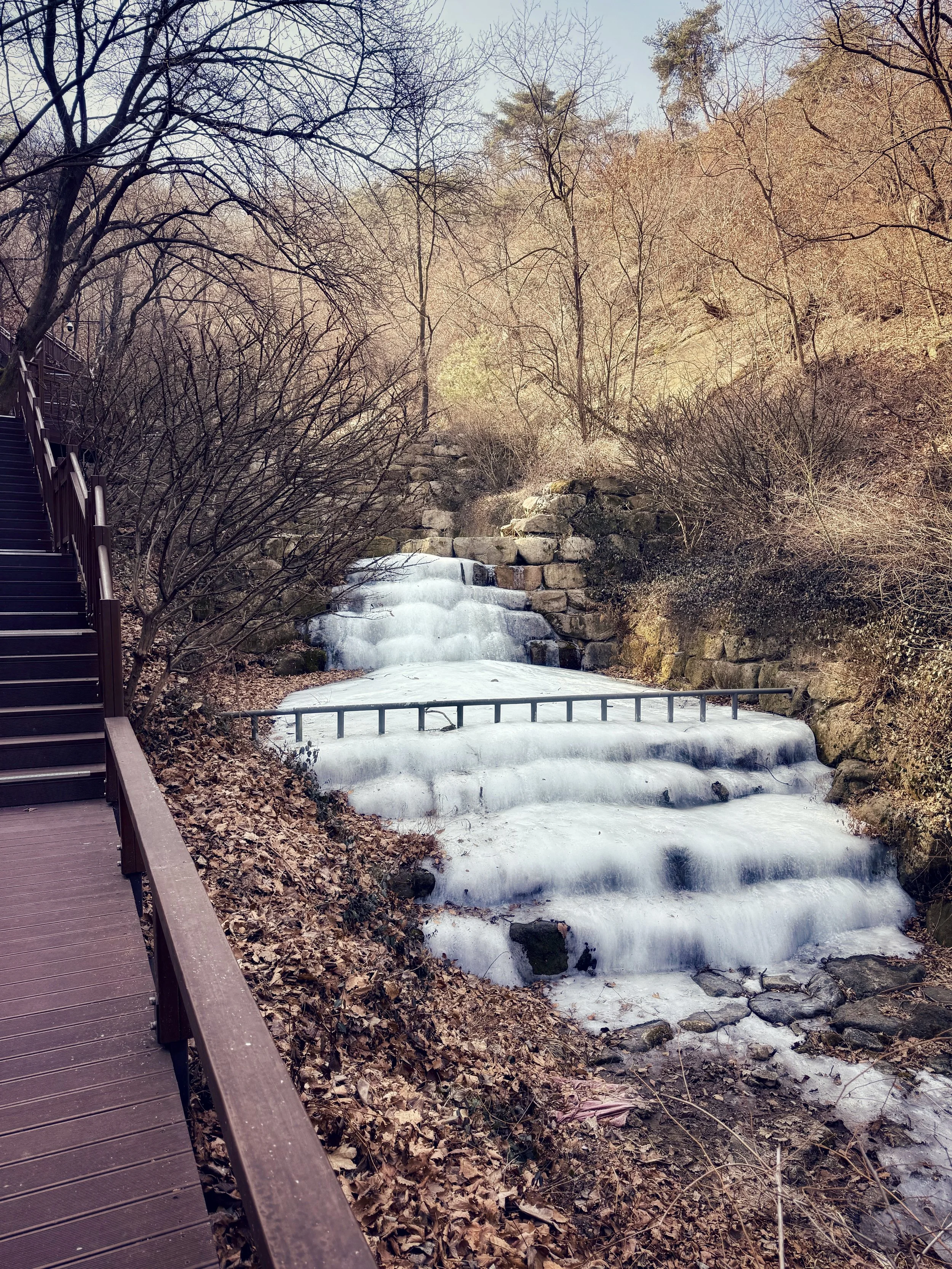
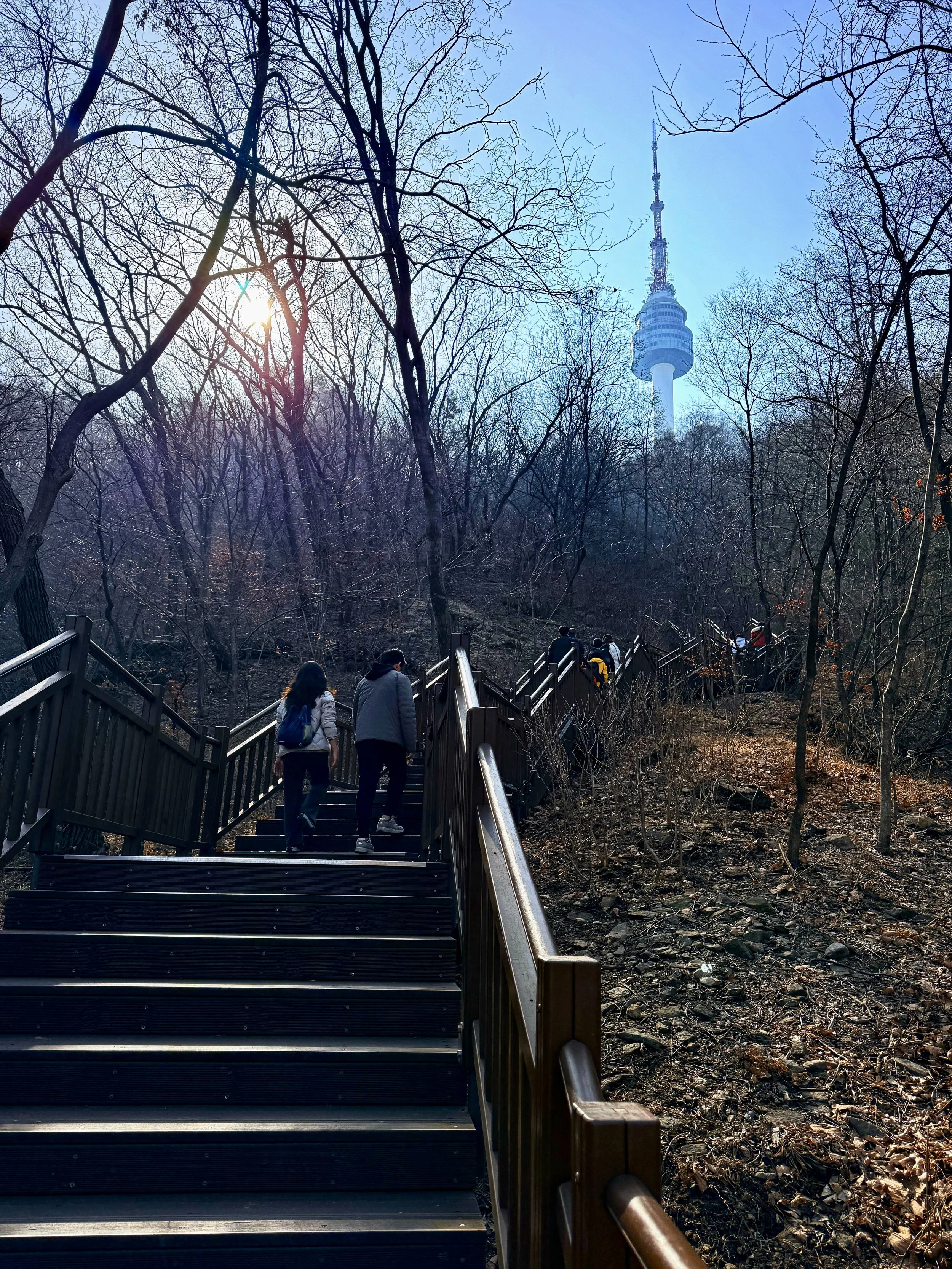
1000 step climb through Namsan Park to the Tower for a city view
Relaxation from sightseeing in a hidden oasis from the hustle-bustle at the Aloft Hotel Wxyz Bar
The DMZ Tour
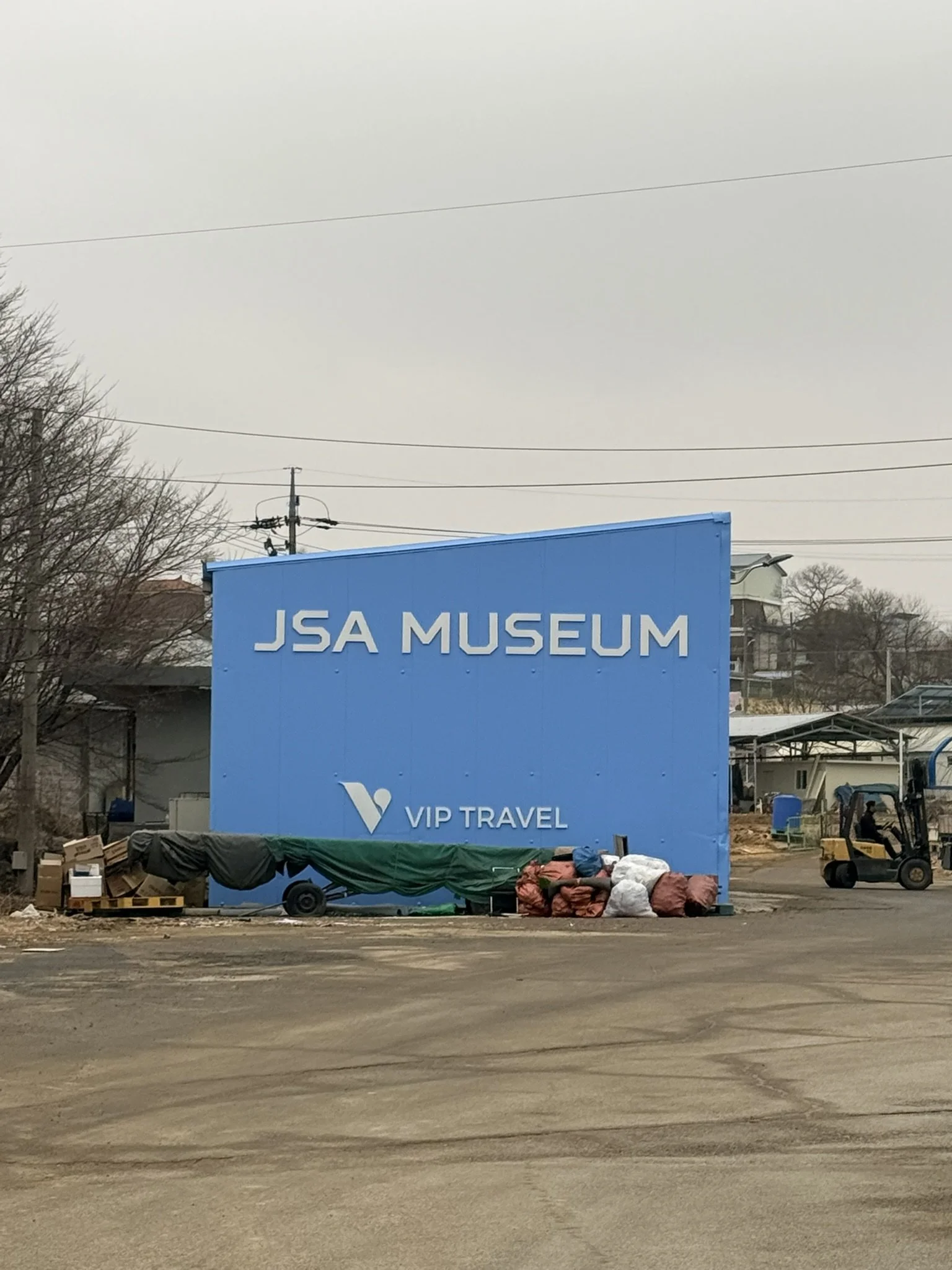
To visit the Demilitarized Zone (DMZ), the physical buffer zone between North and South Korea, everyone has to be part of an organized tour. In all the years of traveling, we usually book tours through Viator, and this was no different. Viator is reliable, affordable, and most of all - the tour guides are usually very knowledgeable and professional. Viator outsourced the tour to a local company called VIP Travel, and “Gabby” was our English speaking guide.
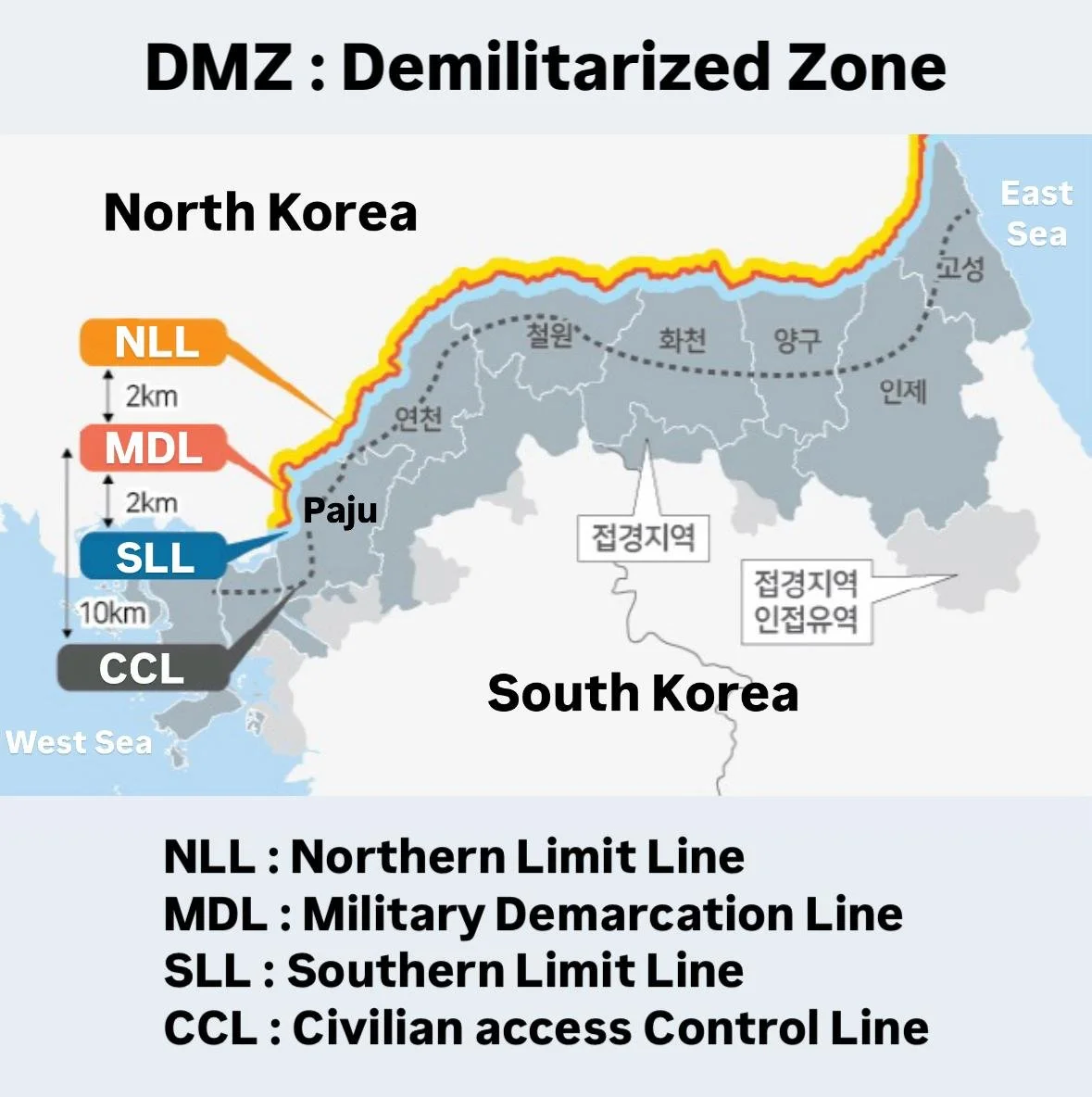
To understand the border, there are different types of military boundary lines that exist in and around the DMZ.
MDL (Military Demarcation Line): The actual border between the two countries.
SLL (Southern Limit Line): 2 kilometers south of the MDL. It marks the southern boundary of the DMZ in South Korea. Daeseong-dong, often referred to as "Freedom Village" is actually located within the DMZ in Paju, Gyeonggi-do. This village is managed by the United Nations Command and is known for its residents' unique privileges, including tax exemptions and exemption from mandatory military service, despite strict curfews and restricted access.
NLL (Northern Limit Line): Northern boundary of the DMZ in North Korea. On the other side of the border, North Korea built what the world refers to as “Propaganda Village” or “Fake Village” where no one actually lives. It was built to entice South Koreans to come over to the north.
CCL (Civilian Control Line): Located roughly 10 kilometers south of the MDL. Civilians need special permission to enter this zone, as it is considered a military protection area. Nearly 120 families live in the Unification Village (Tongil-chon) located outside the DMZ but still within the CCL in Paju. This village was established for former military officers and displaced residents. Now, farmers grows rice and ginseng.
The DMZ, while heavily militarized, it is ironically a massive tourist industrial complex! After all, it is a worldly spectacle to have a country right next door that is so off-the-grid with the ability to glimpse into their isolation, even for a minute. It was most interesting to learn that since there are very few humans in the DMZ, the 2 to 10 kilometer band along the border has become a wildlife paradise!
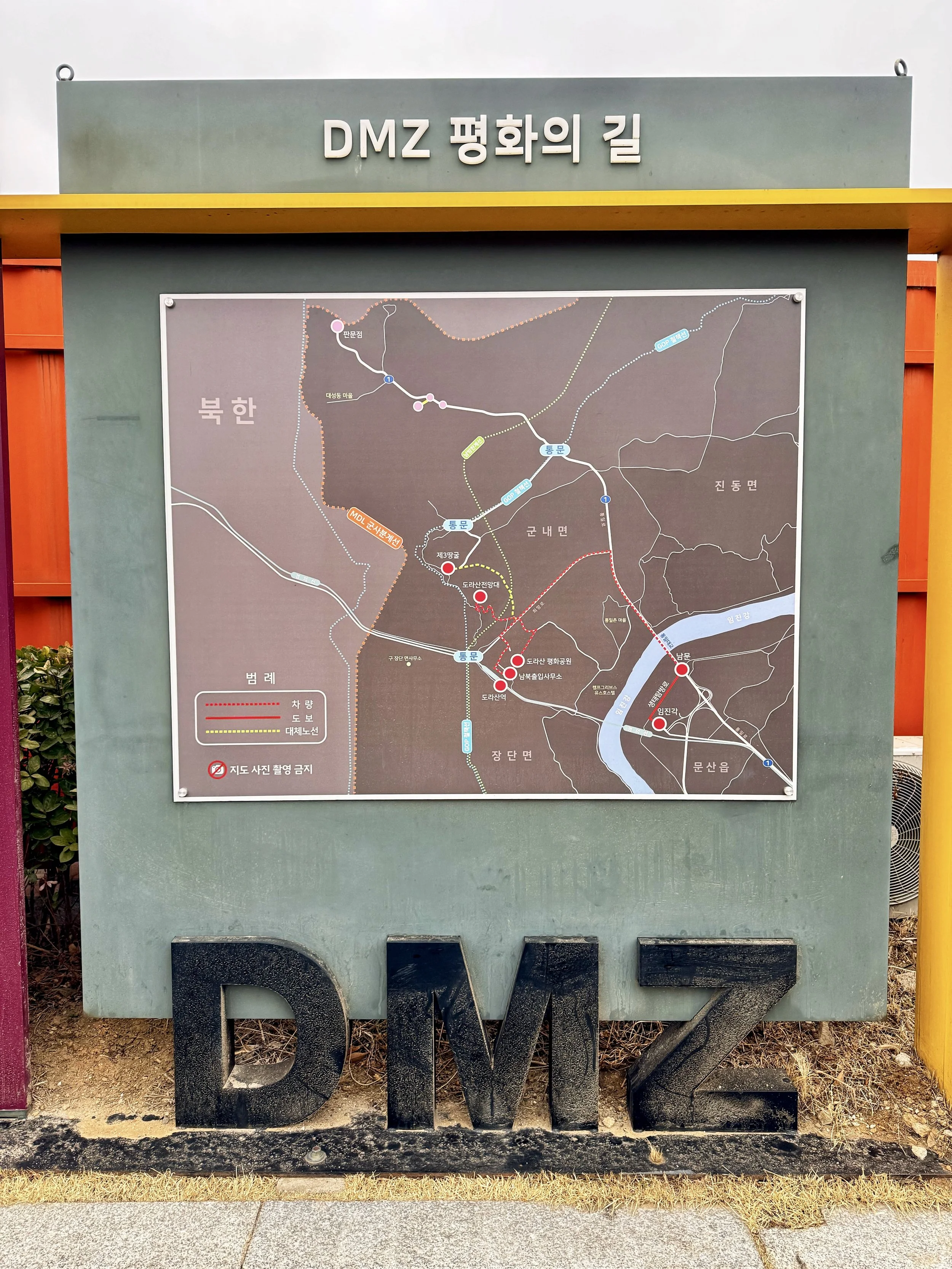
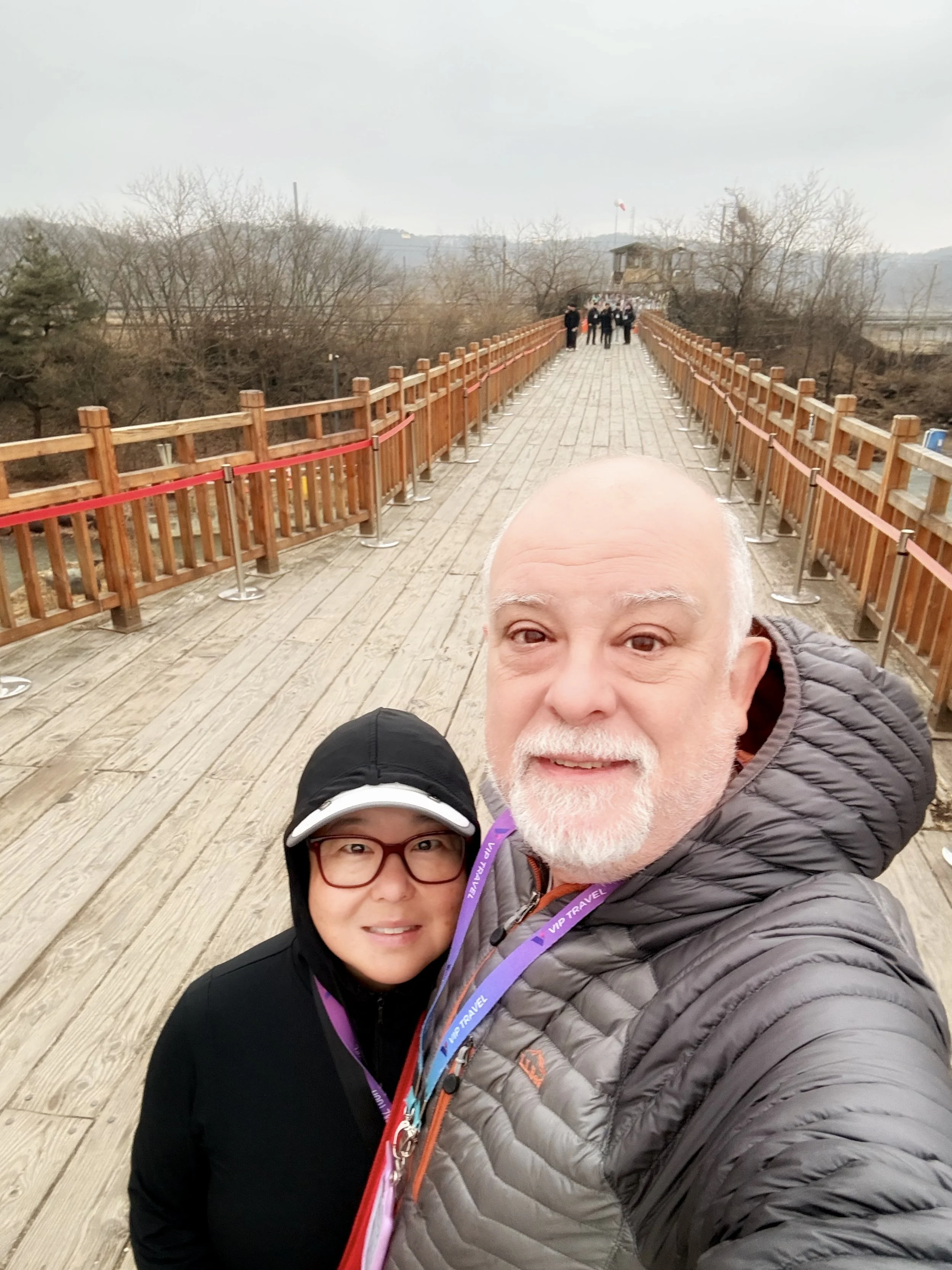
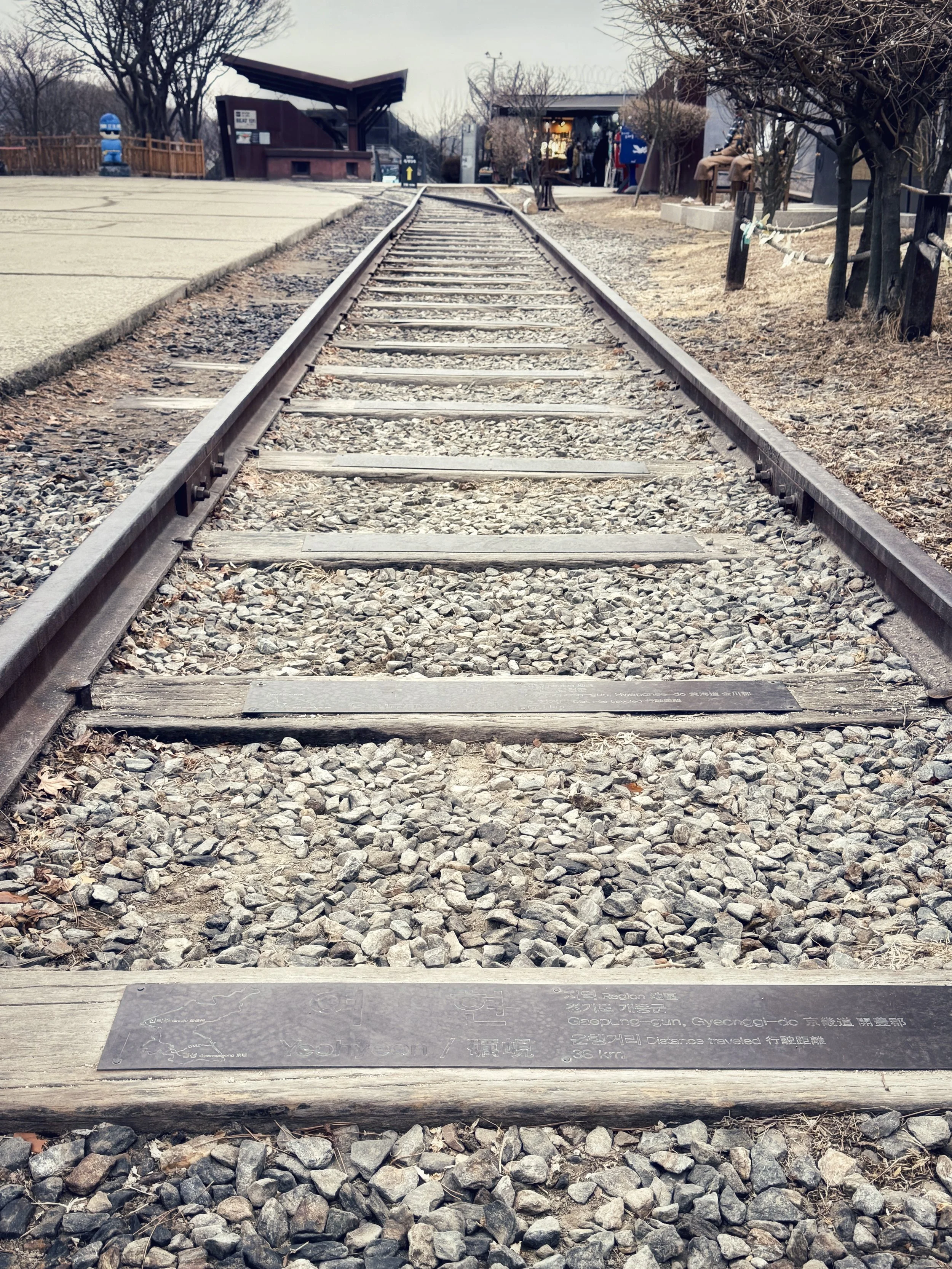
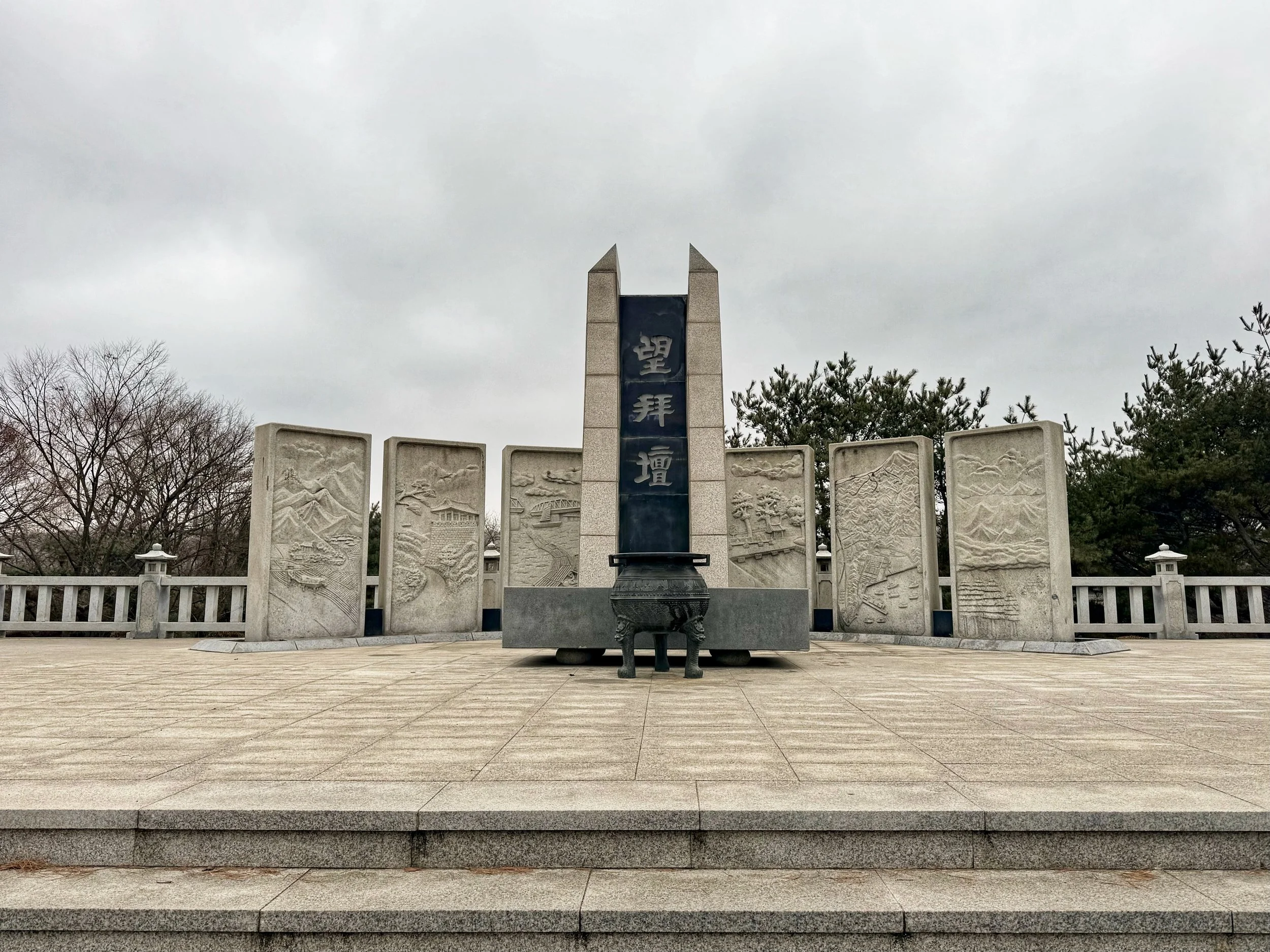
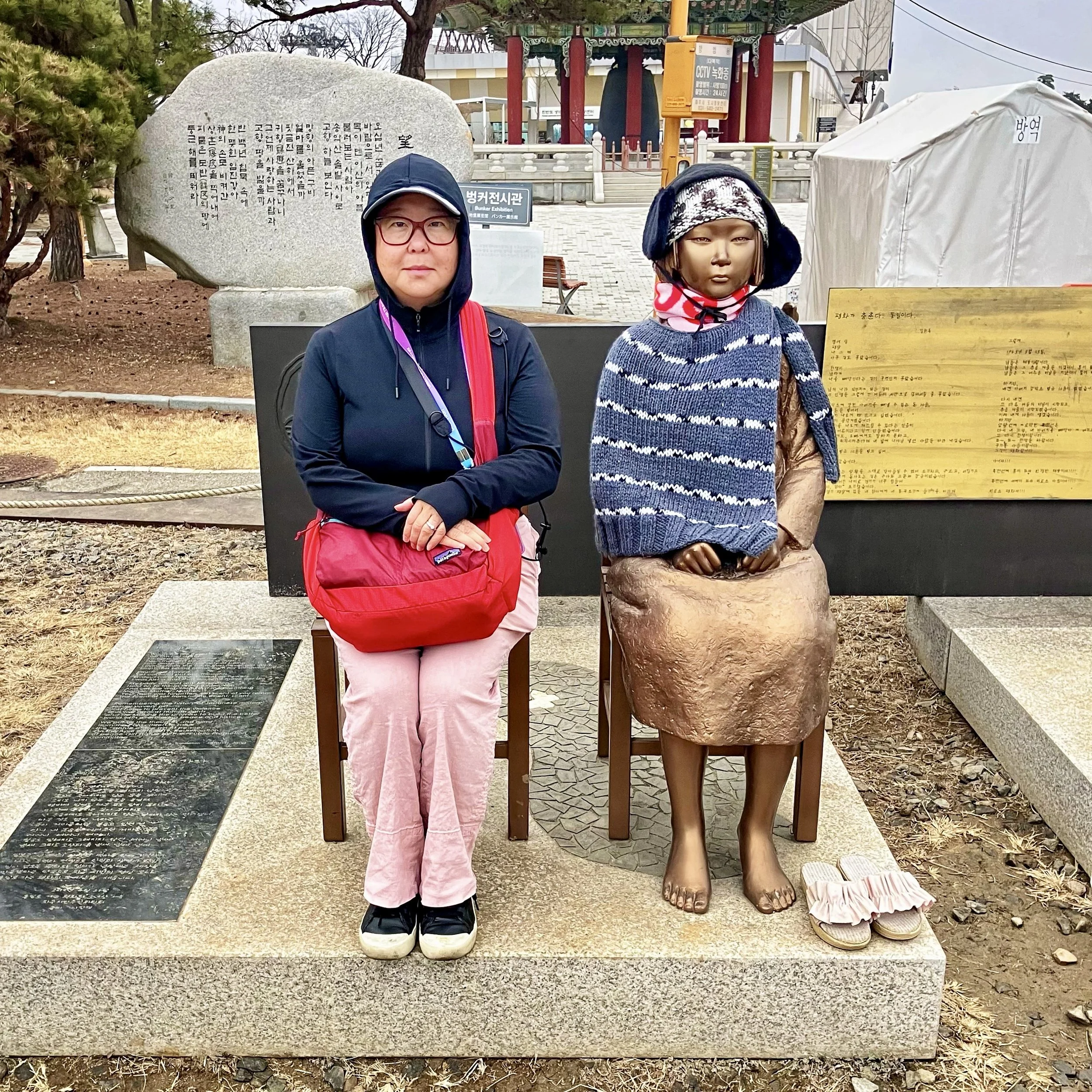
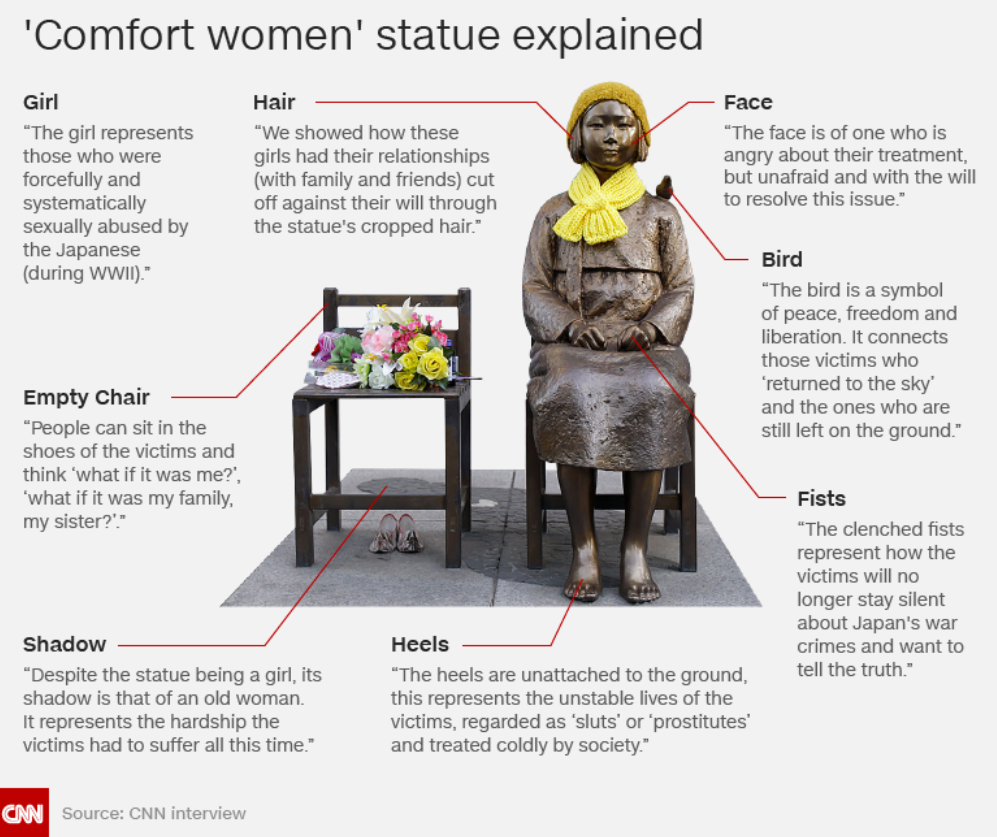
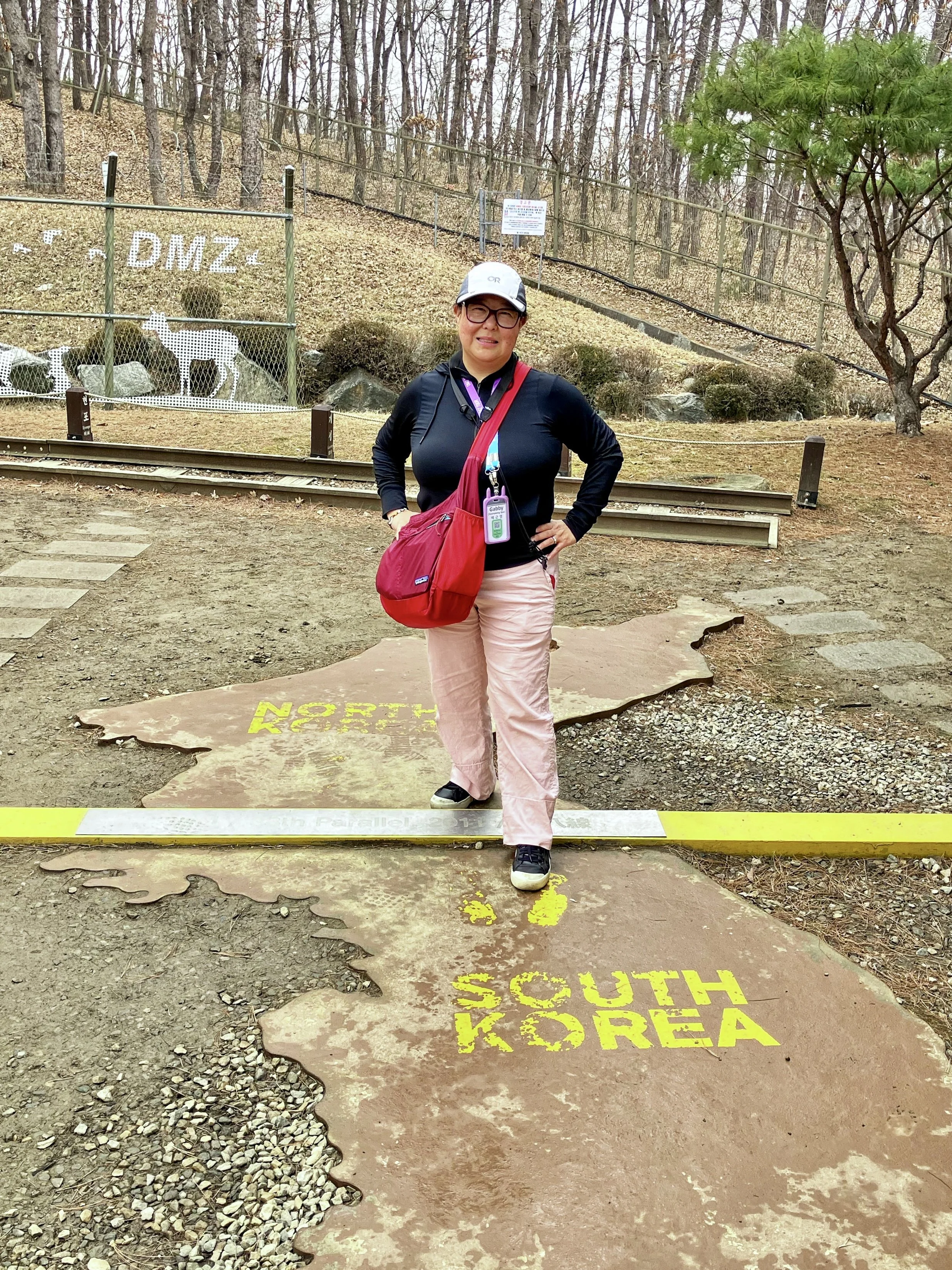
On this tour, we visited 4 places:
Imjingak Pyeonghwa Nuri Park. Imjingak is where the " Freedom Bridge" lies. Crossing the Imjin river, it is a former railroad bridge which was used by repatriated POWs/soldiers returning from the North. Also, there’s a couple of Comfort Woman Statues as a symbol of victims of sexual slavery, known euphemistically as Comfort Women by the Japanese military during World War II.
The Third Tunnel. This tunnel was discovered in 1978. Among the four tunnels located so far, it is the closest to Seoul (only ~30 miles). The dimensions are a total length of 1 mile, 4’11” tall, and a 6 feet wide. It was designed to accommodate 30,000 troops per hour. Not sure what North Korea’s plan was, once they “popped up” into Seoul, if the tunnel was never discovered. 🤷🏻♀️ It was quite a steep hike down 250 feet deep into the earth, then we had to climb back out! Hardhats were mandatory but Bama was hunched down the entire way and still kept bonking his helmet on the ceiling. ⛑️
New Dora Observatory. The highlight of the tour is to be able to peer 👀 into North Korea, and even on a hazy cloudy day with limited visibility, we were able to visualize certain landmarks and guard posts with our naked eyes and through telescopes. It was surreal to be so near the most closed-off place on earth.
Unification Village. As mentioned previously, farmers live and thrive in this village right outside of the DMZ, growing rice and ginseng. (However, the closest village to North Korea is the Freedom Village within the DMZ). Unification Village was our last stop of the tour for souvenirs and snacks.
We were only allowed to take photos at a few designated spots not considered of military interest (everything seemed to be of military interest!). The most famous location we’ve seen in photographs - with the sky blue buildings and the North and South Korean soldiers staring at each other - are from the Joint Security Area (JSA). Unfortunately, “thanks” to an American soldier who defected to North Korea while on a tour in 2023 (after being used as leverage, he was released to the USA and served time in jail), the JSA has not been open to visitors since, and likely never will again. They are currently building a replica of the JSA near the Unification Village for tourism, but obviously changes the experience.
Seoul Street Food Market Tour
Raw baby octopus!
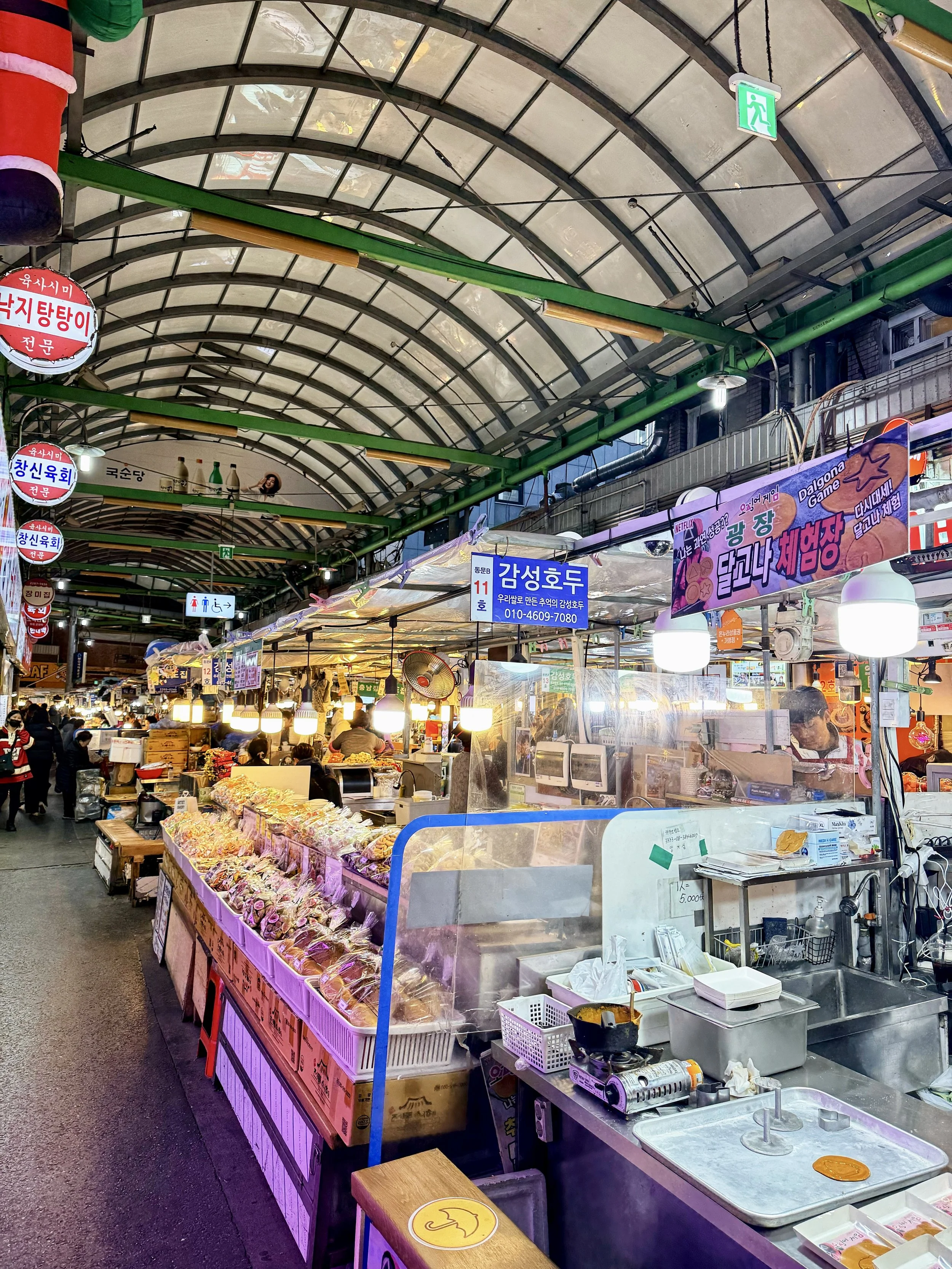
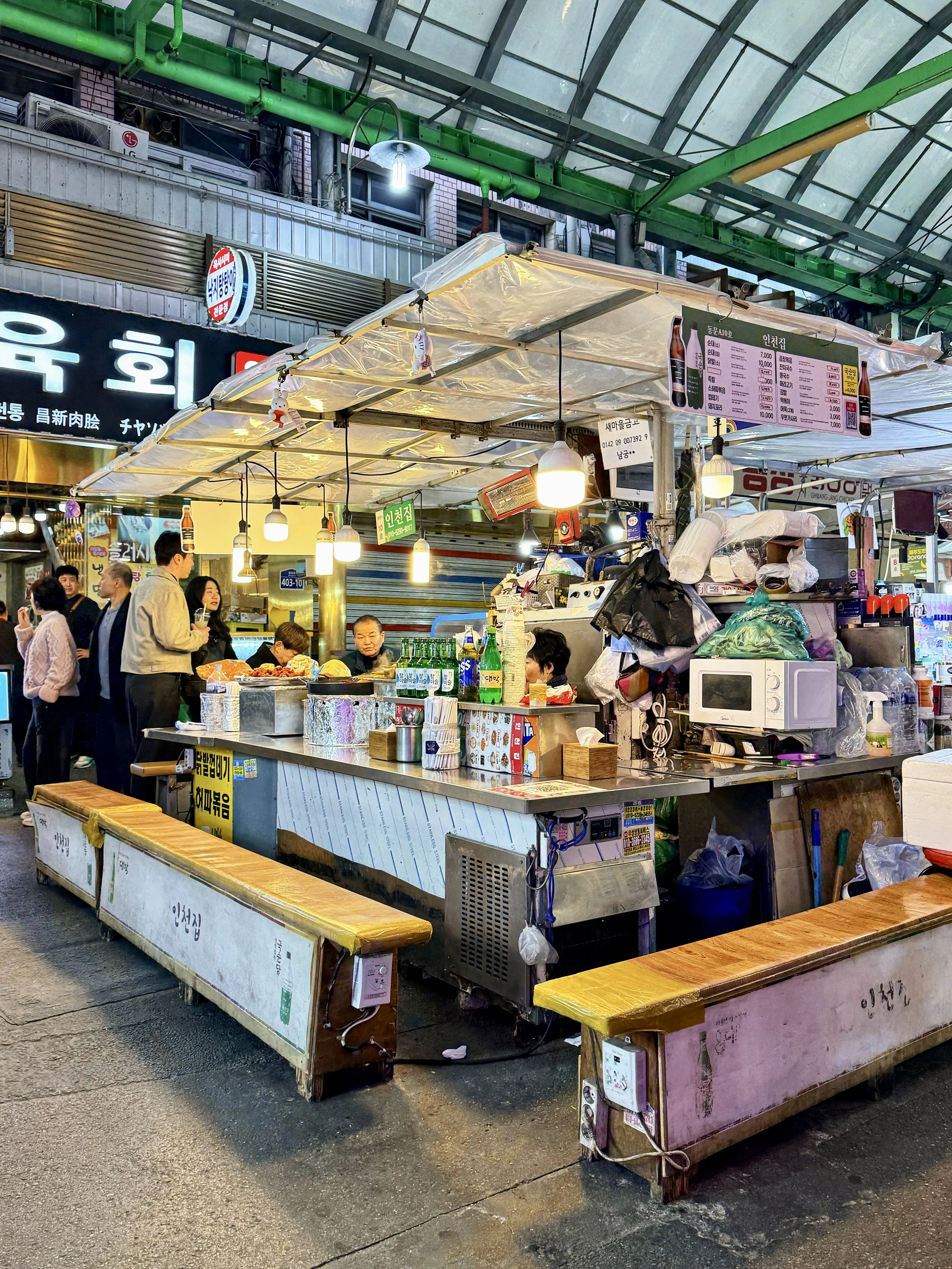
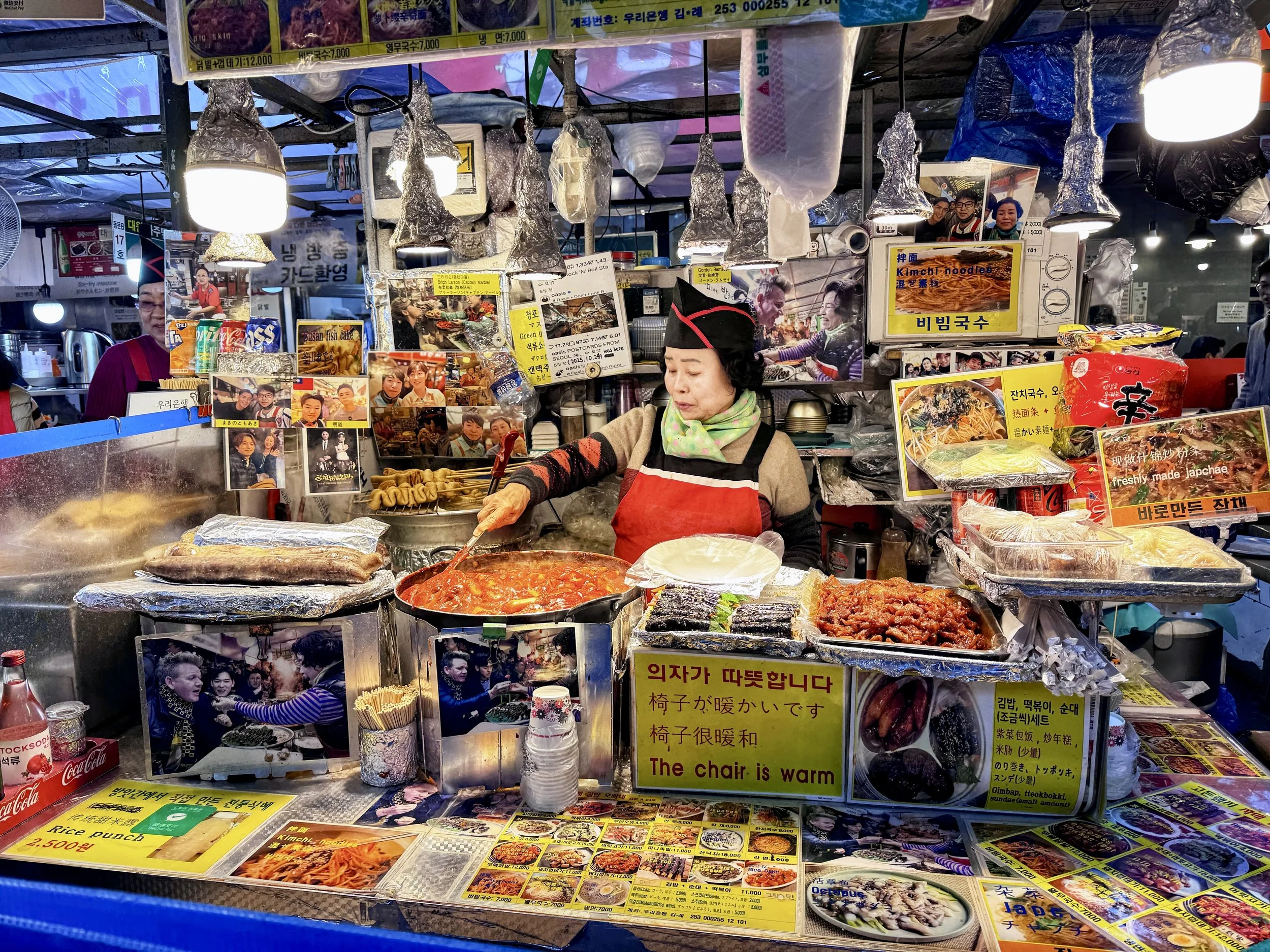
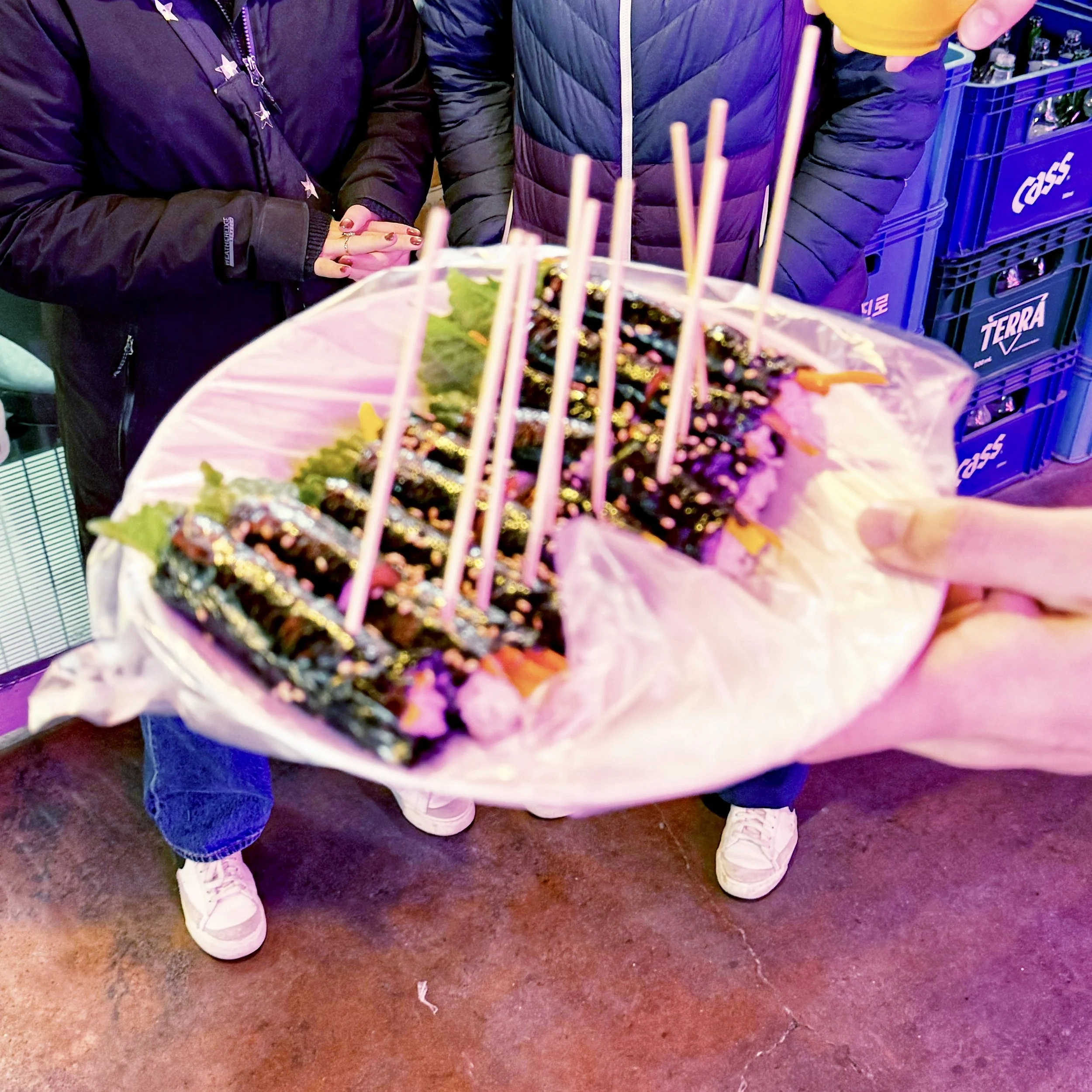
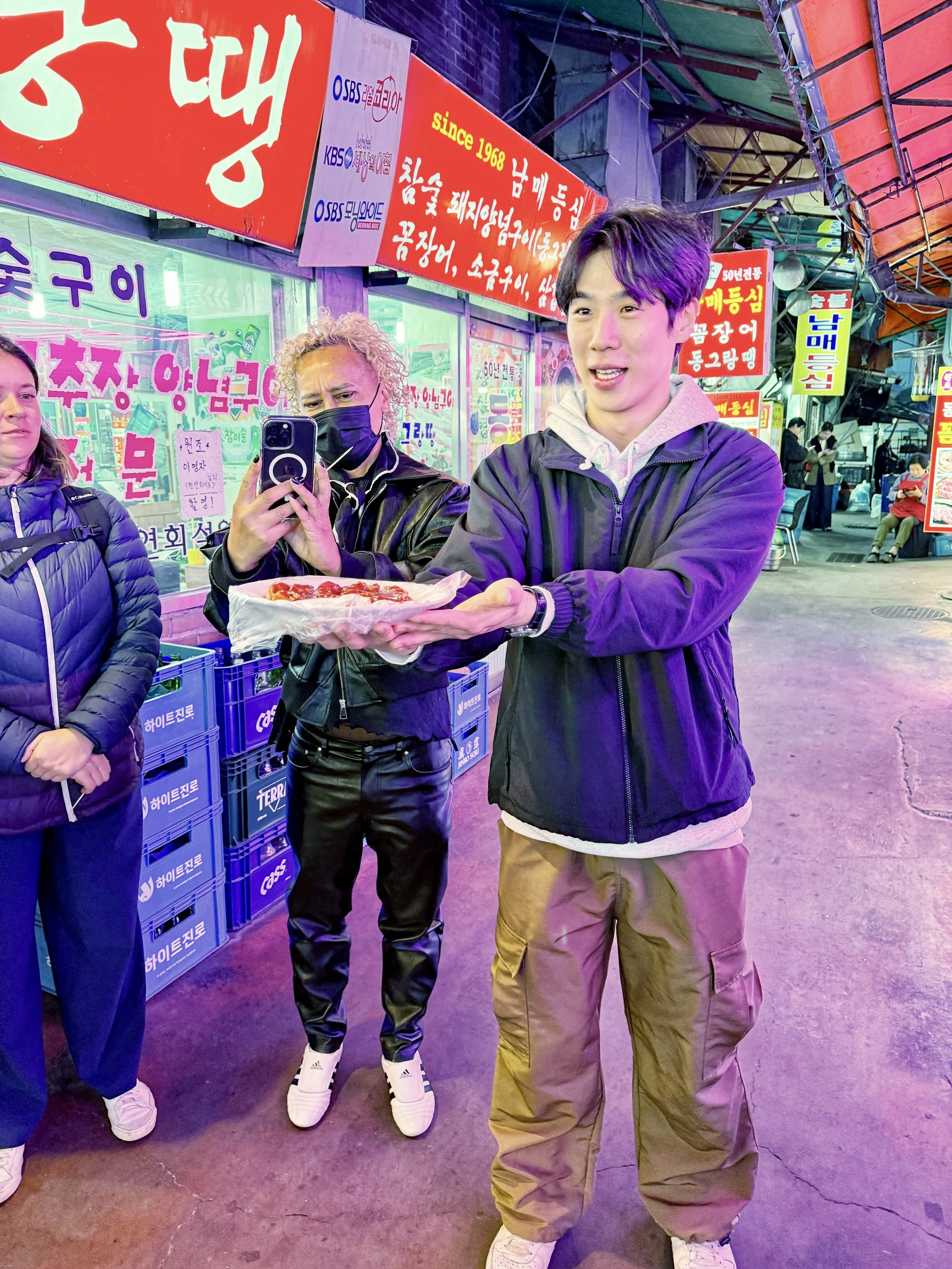
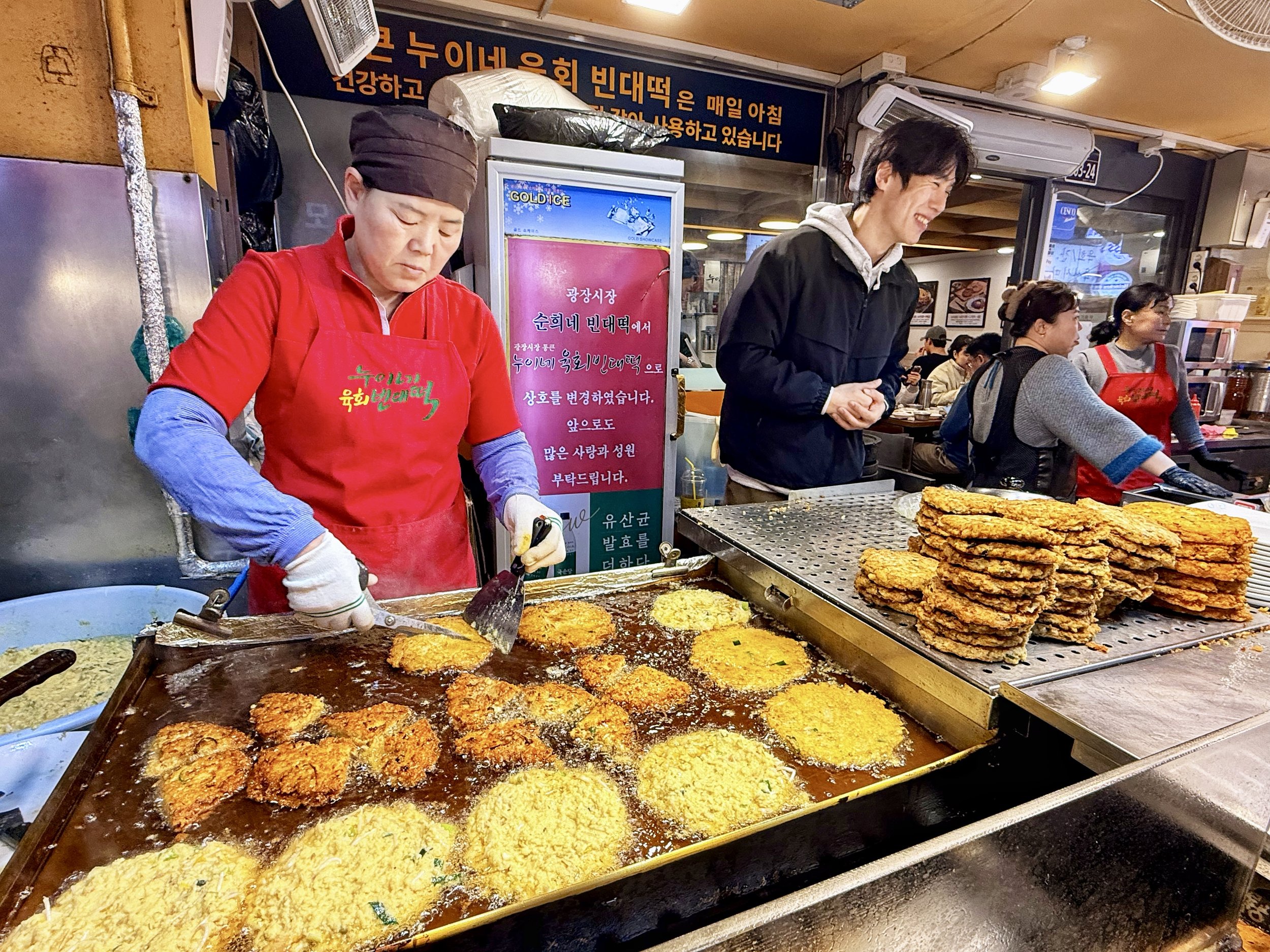
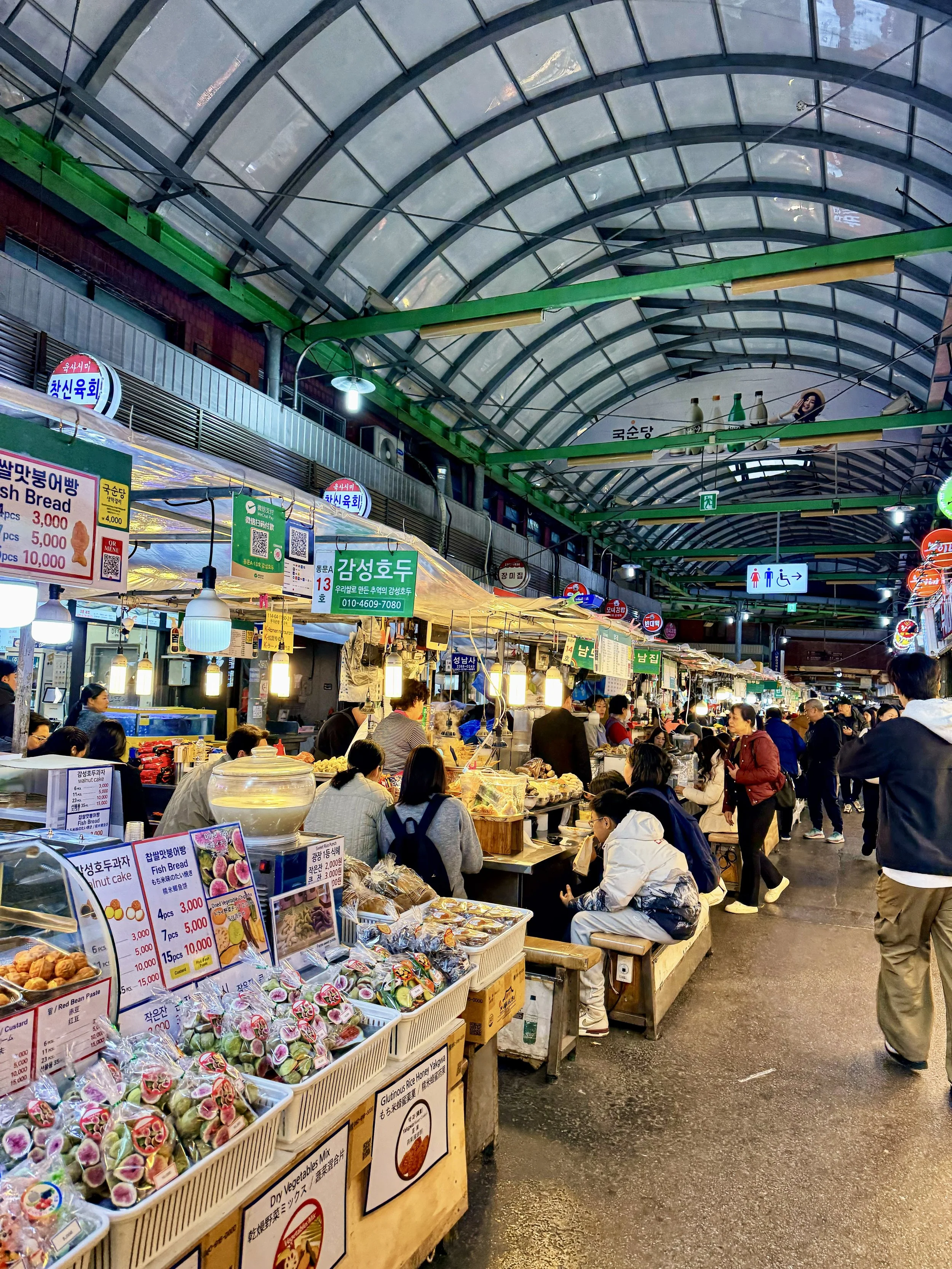
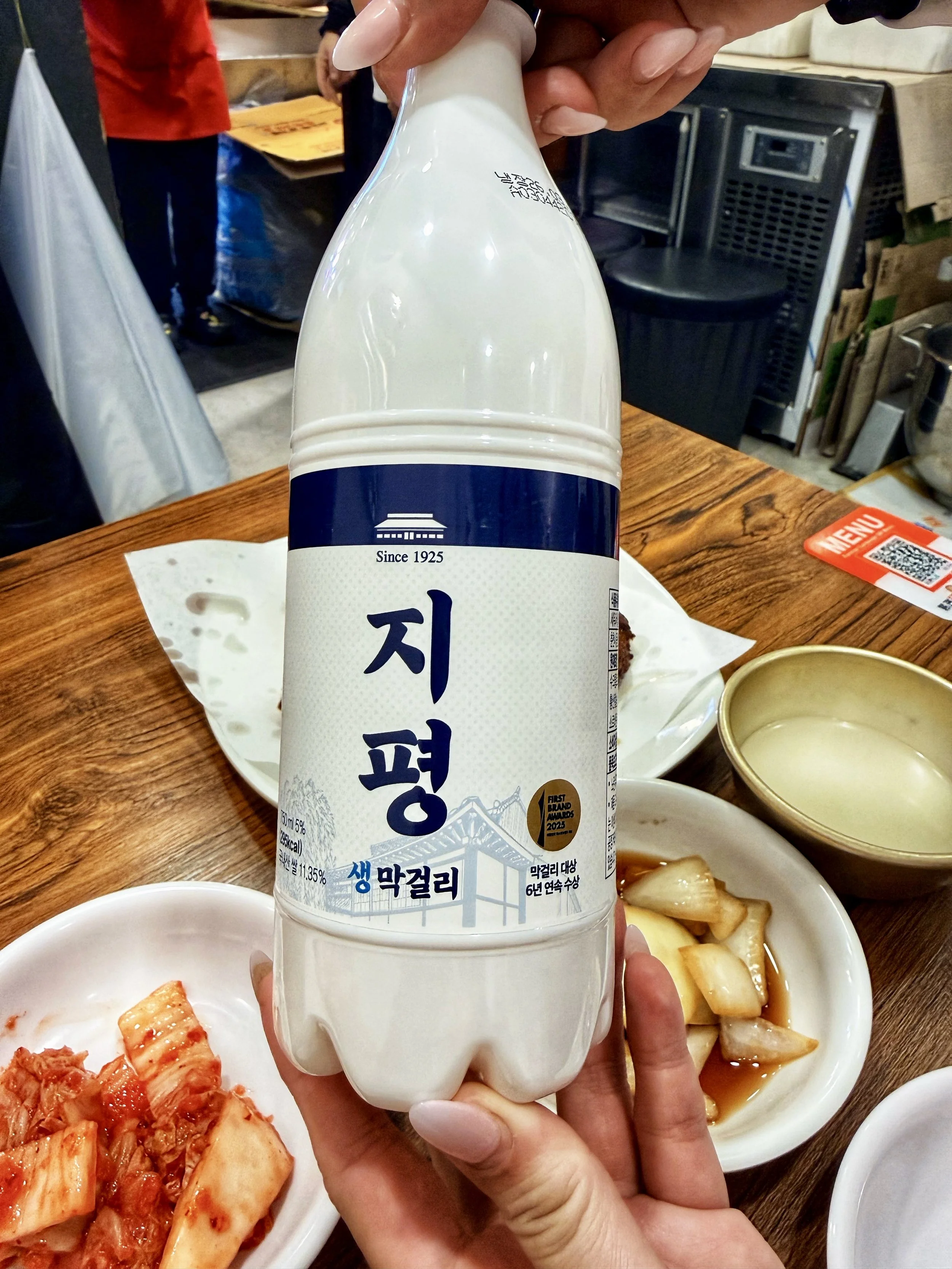
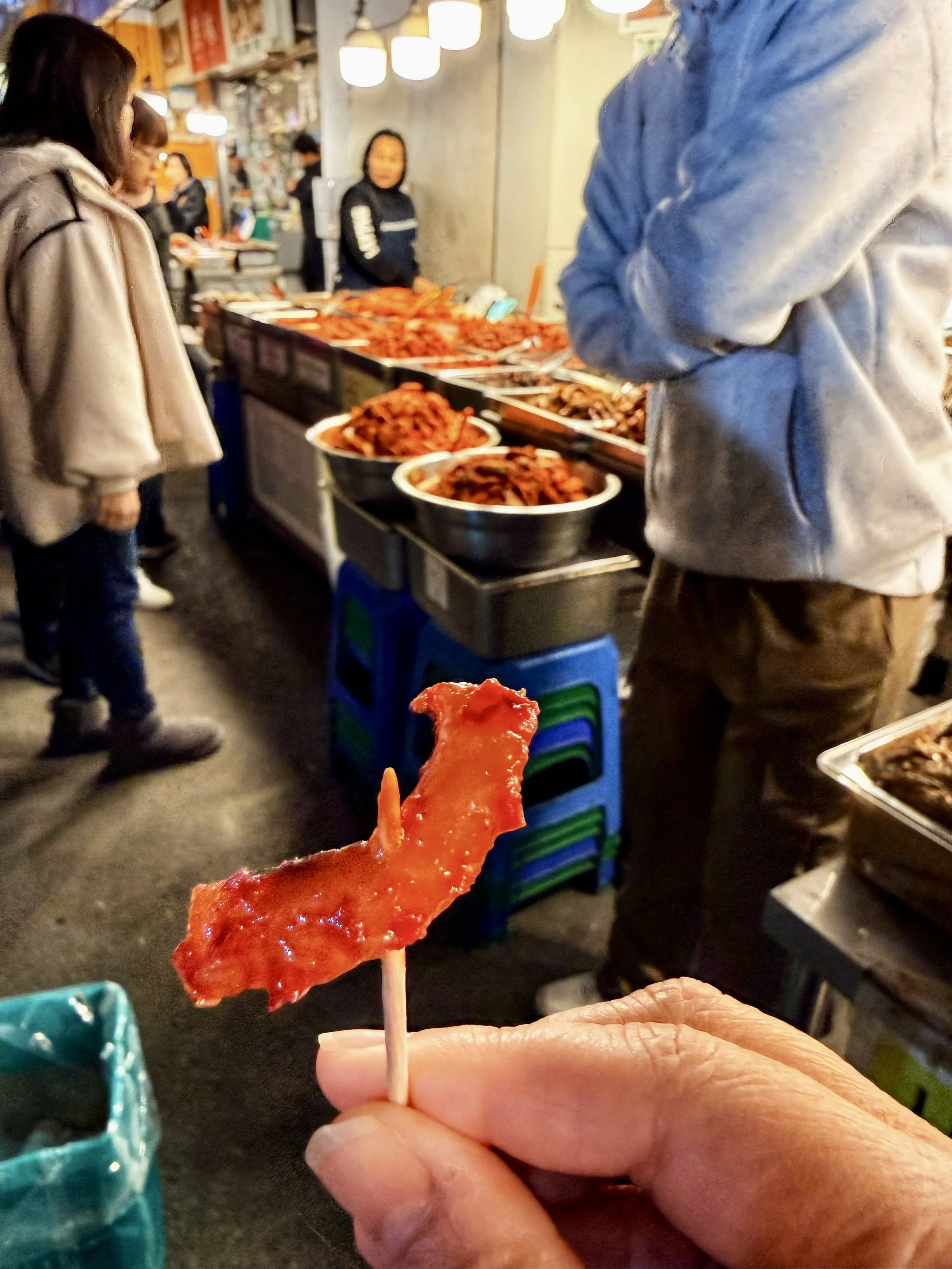
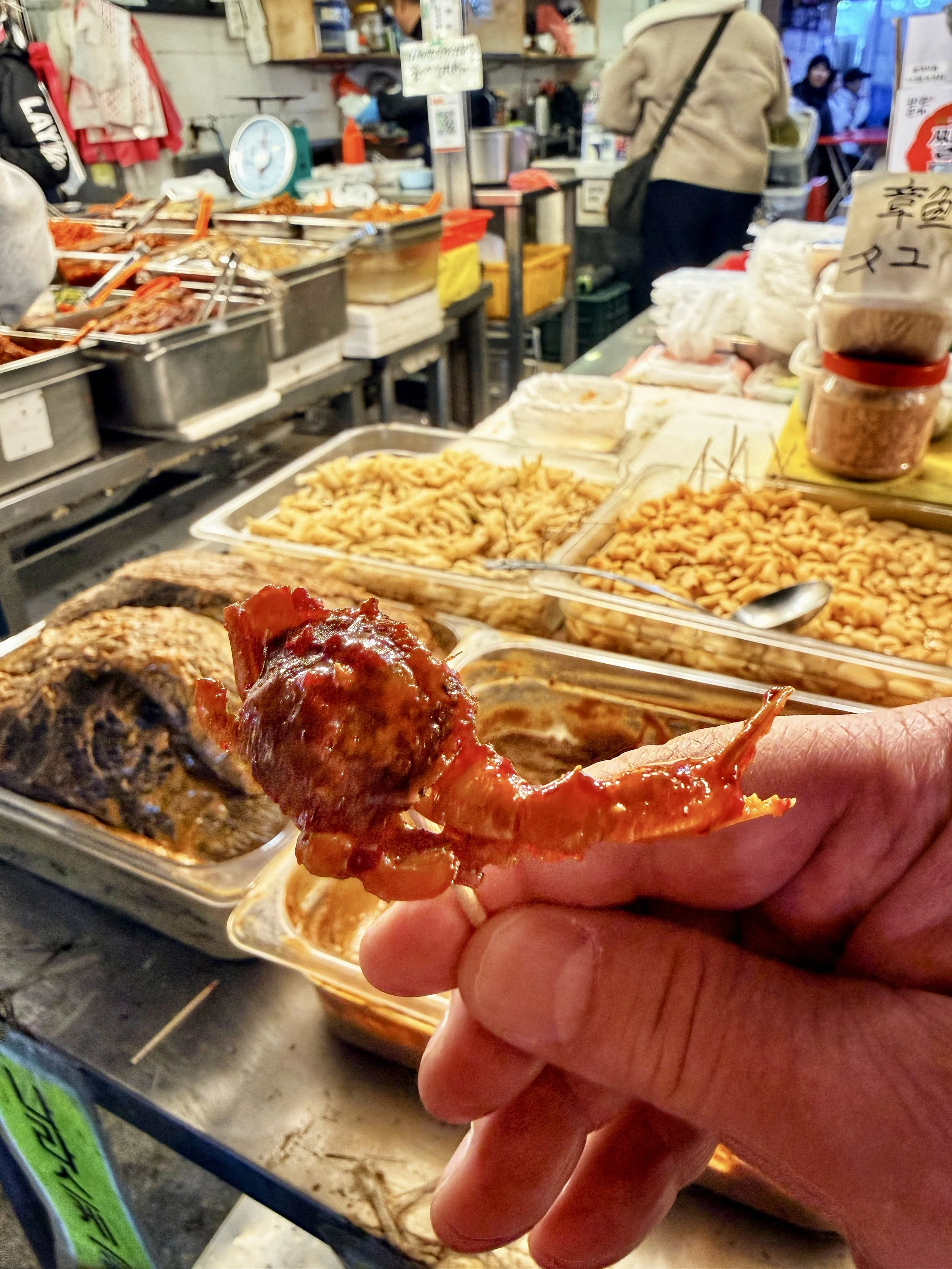
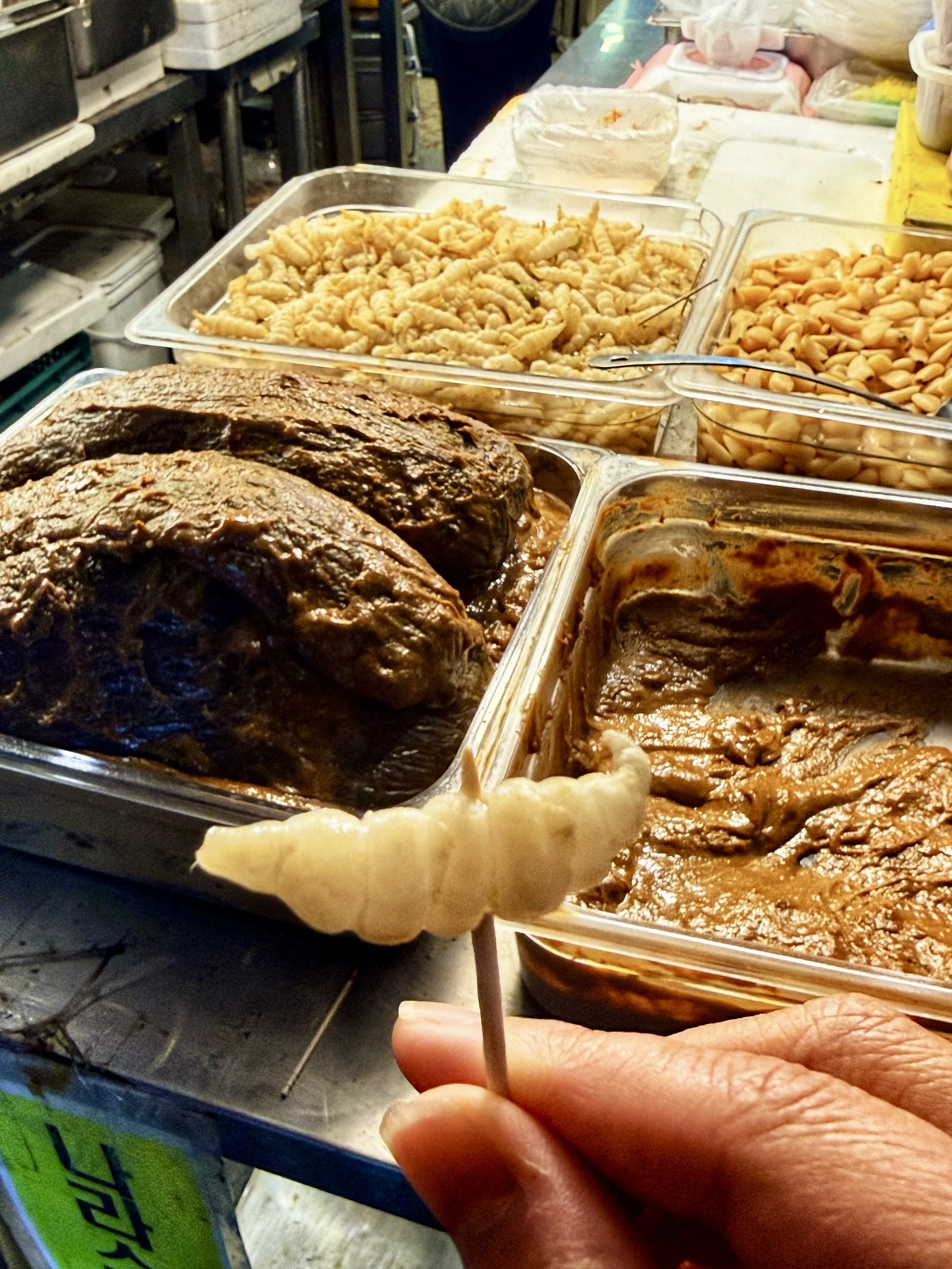
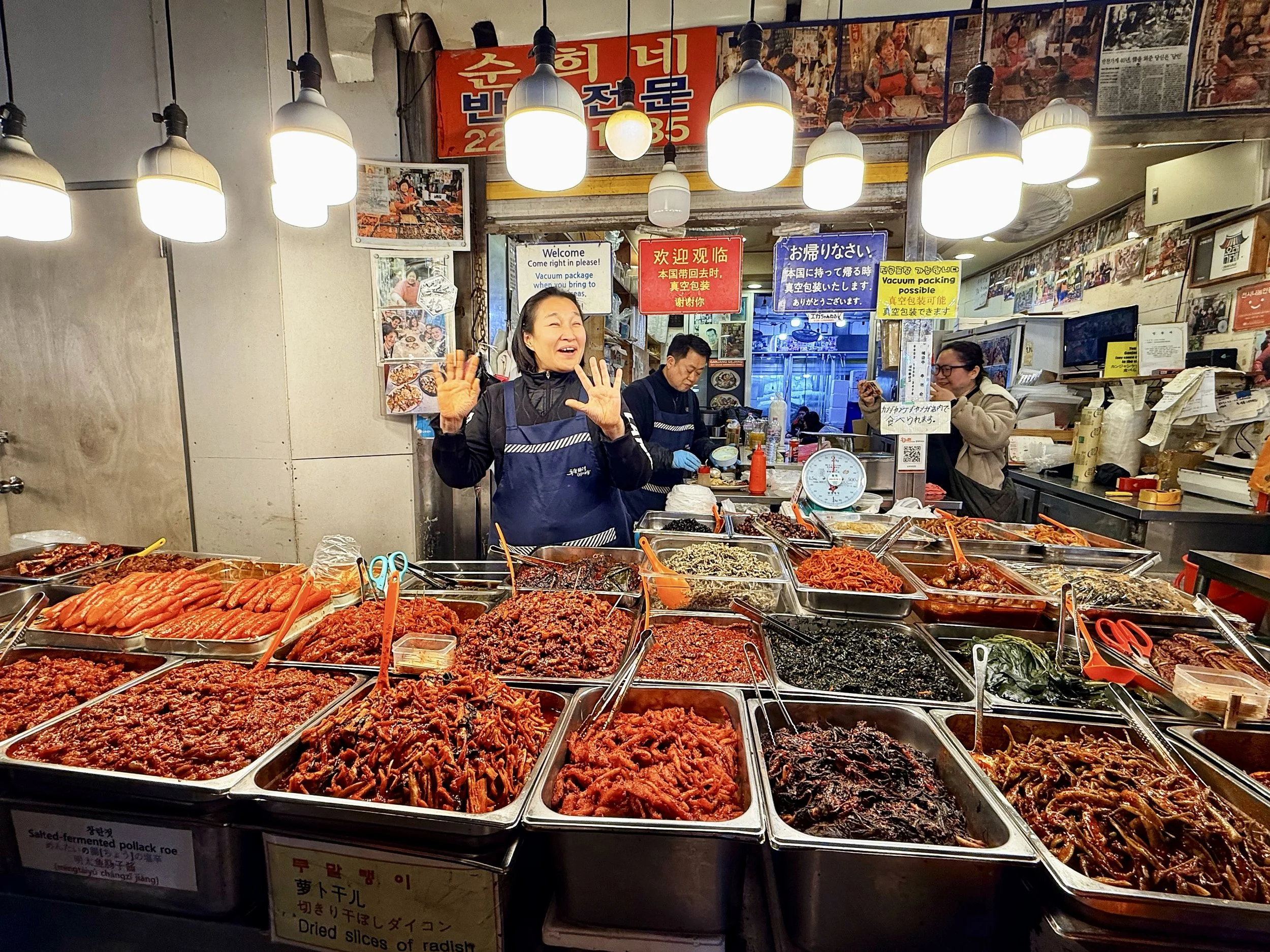
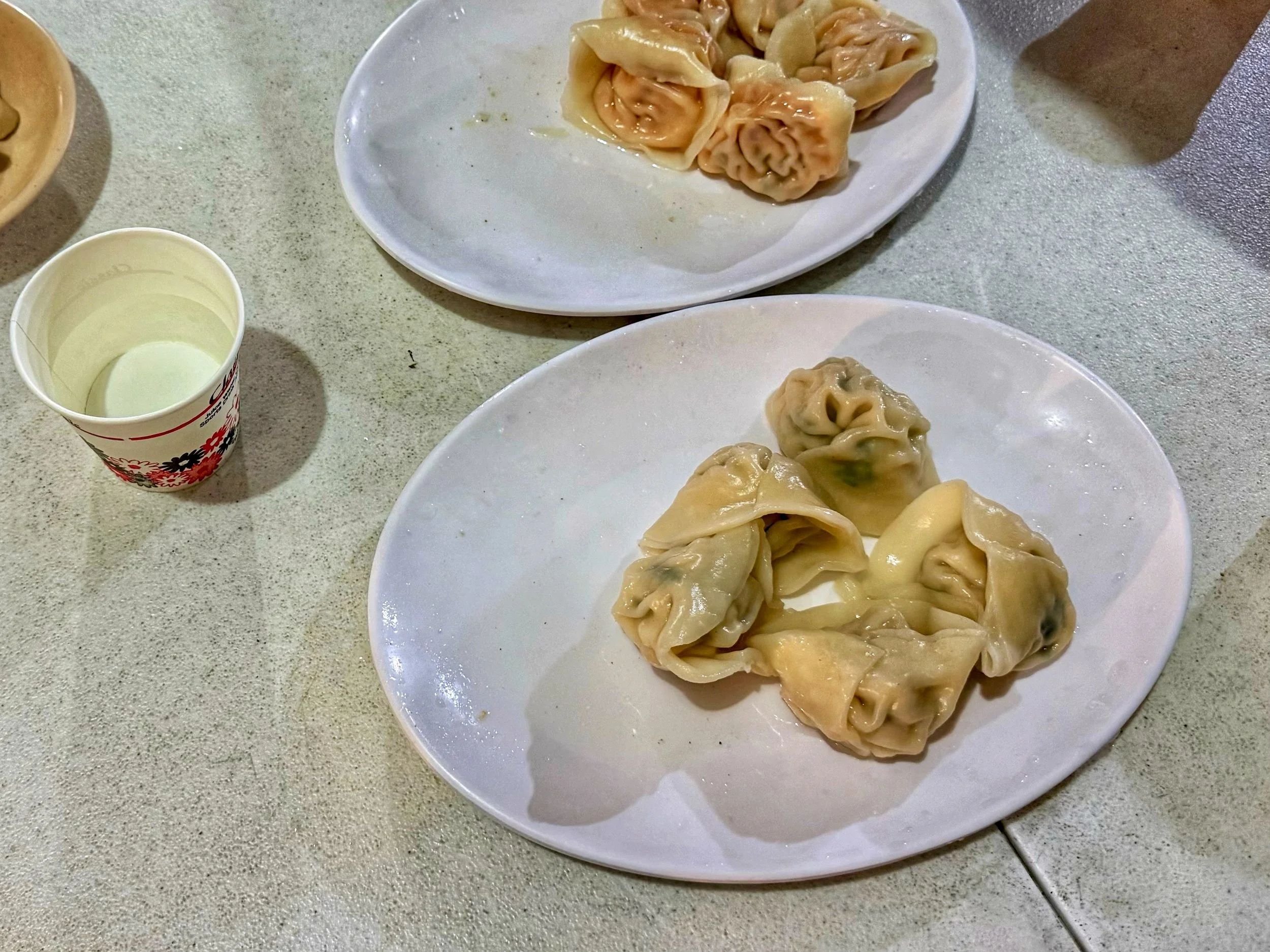
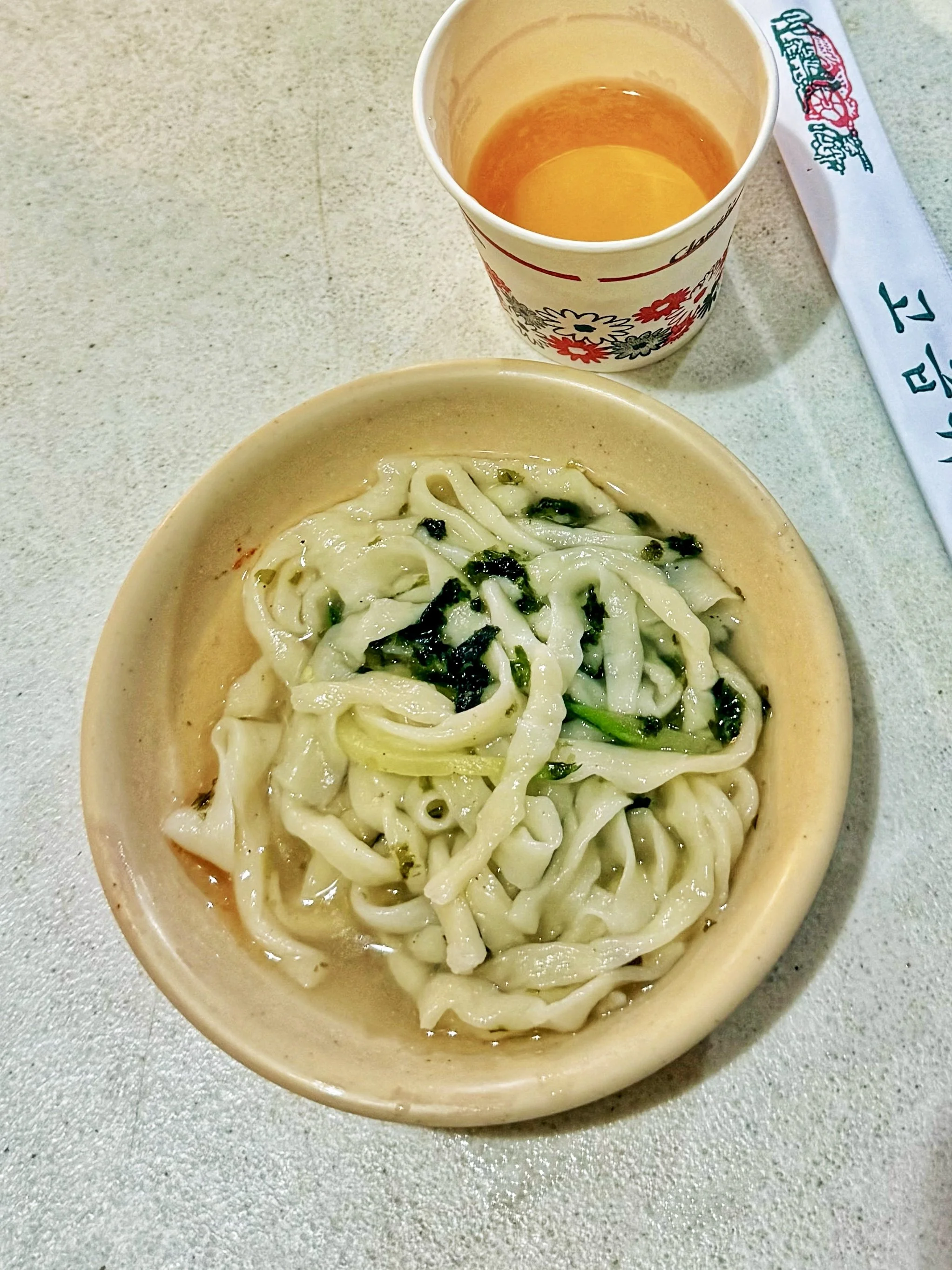
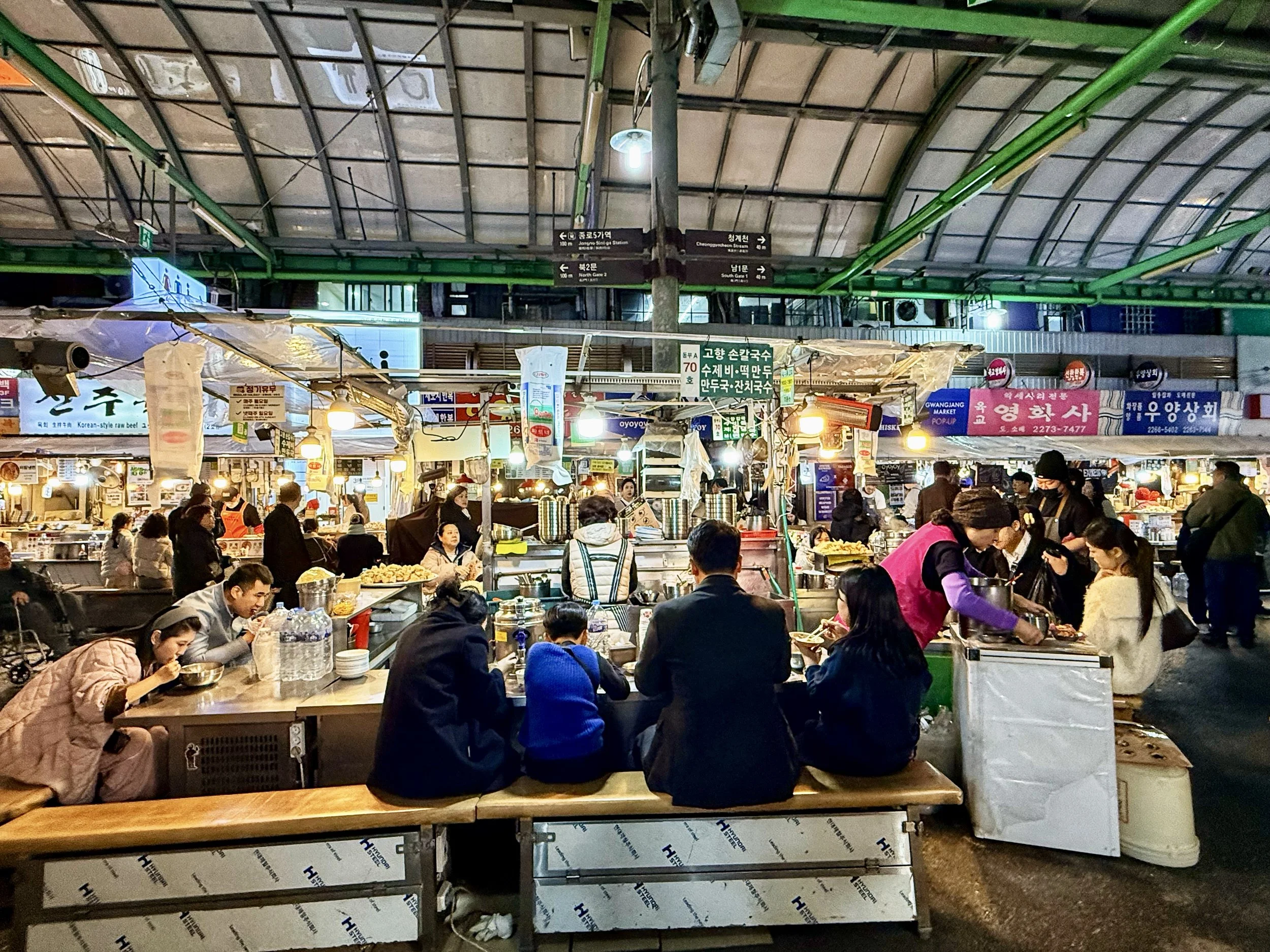
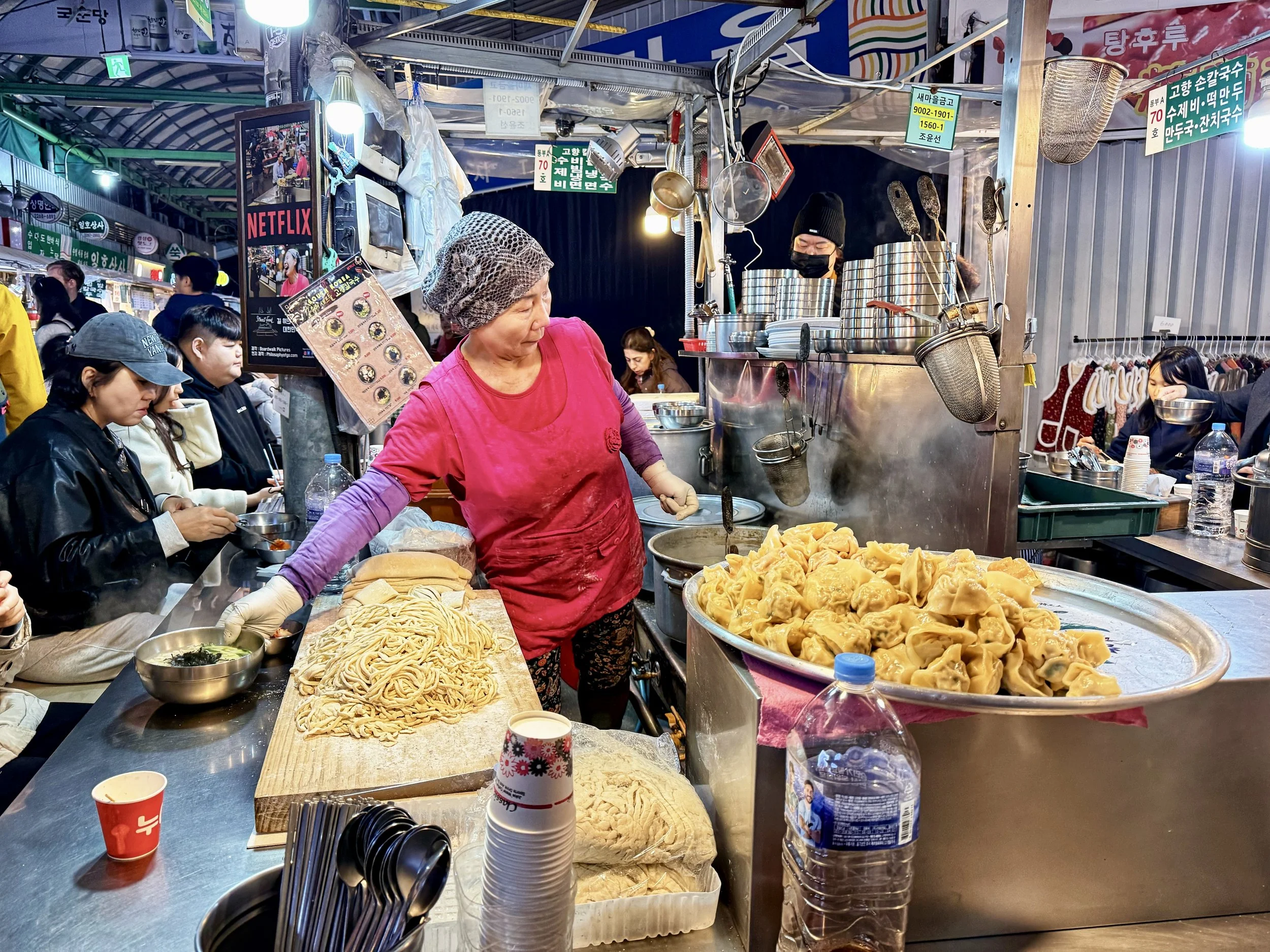
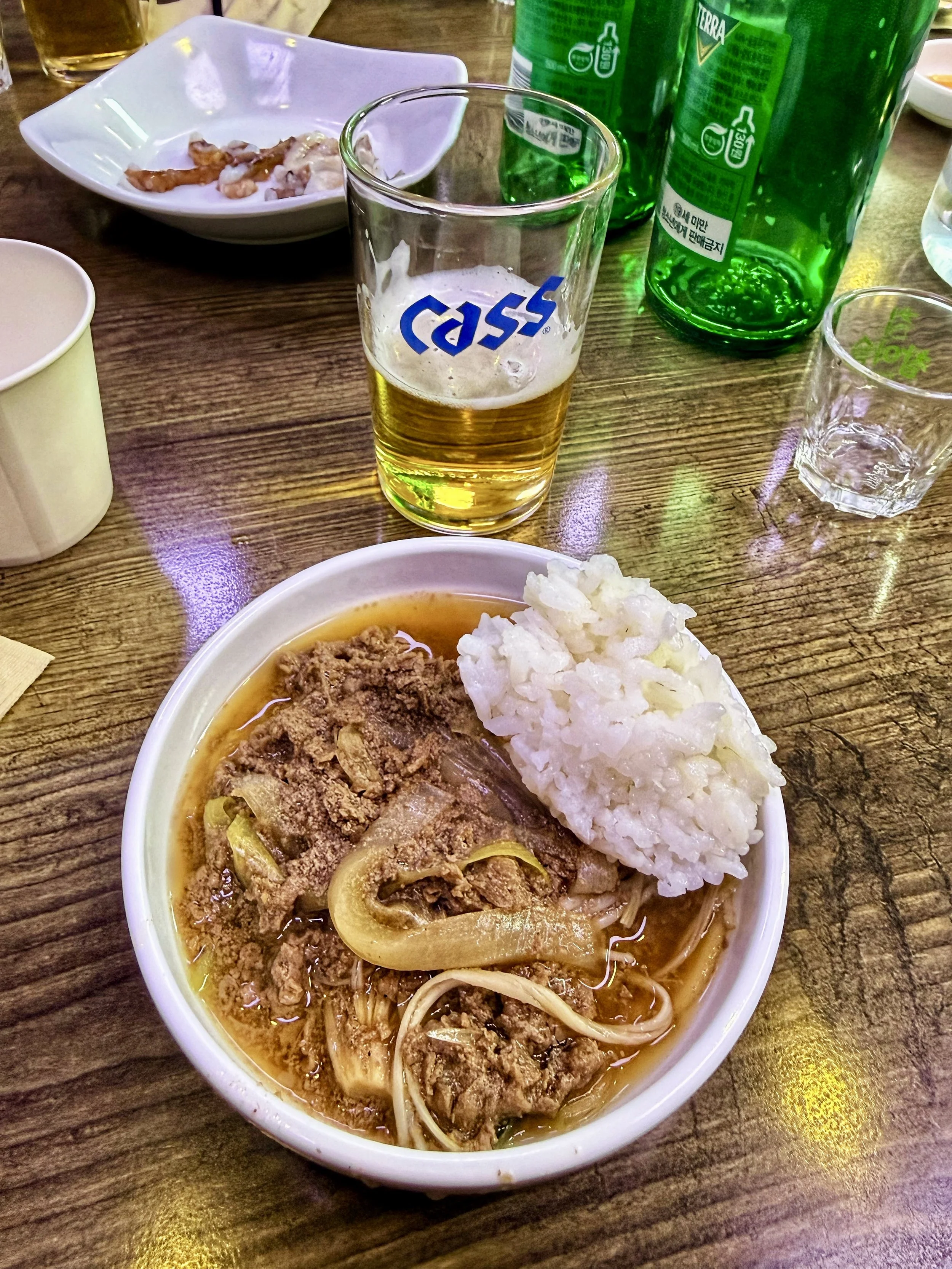
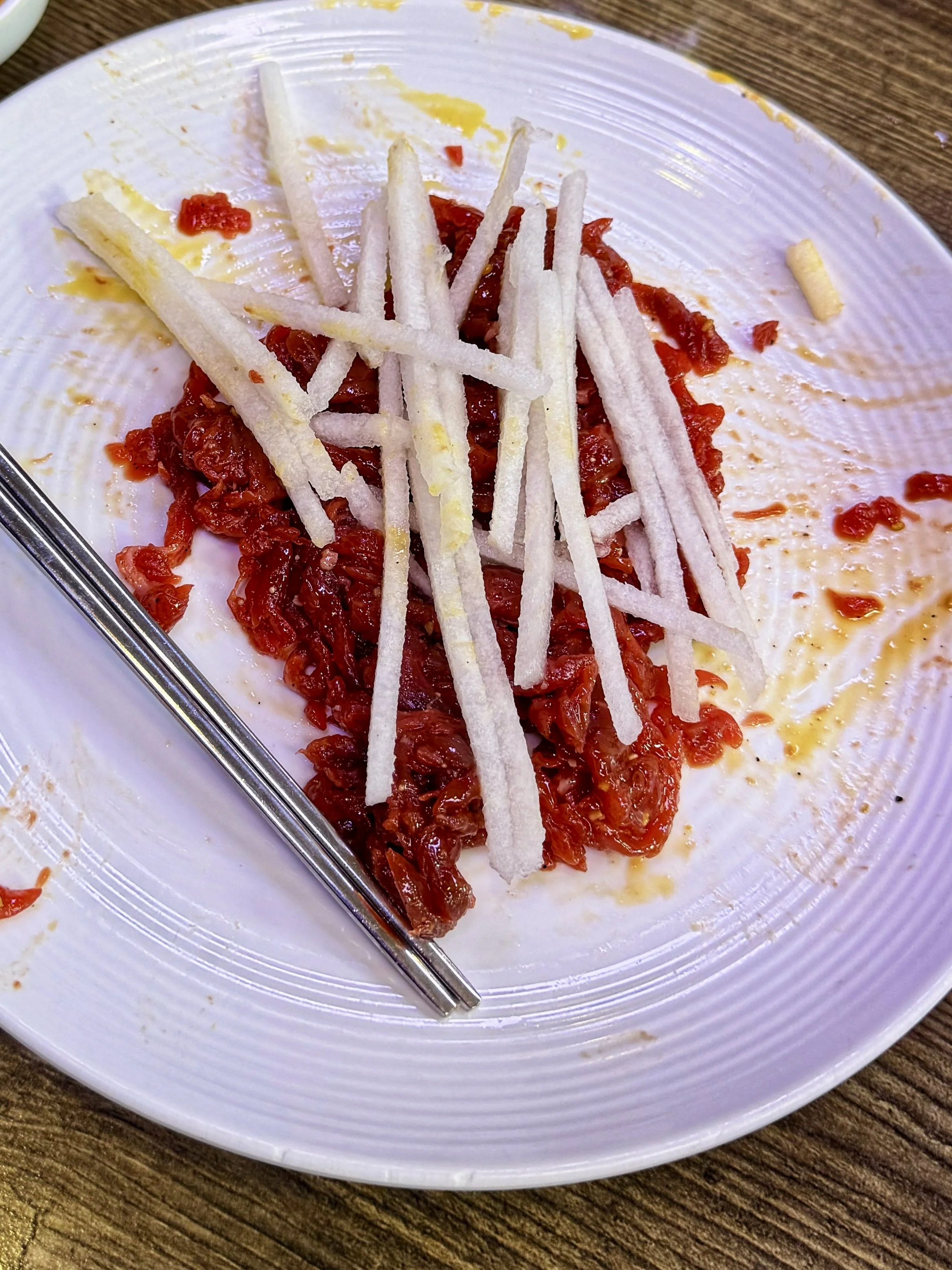
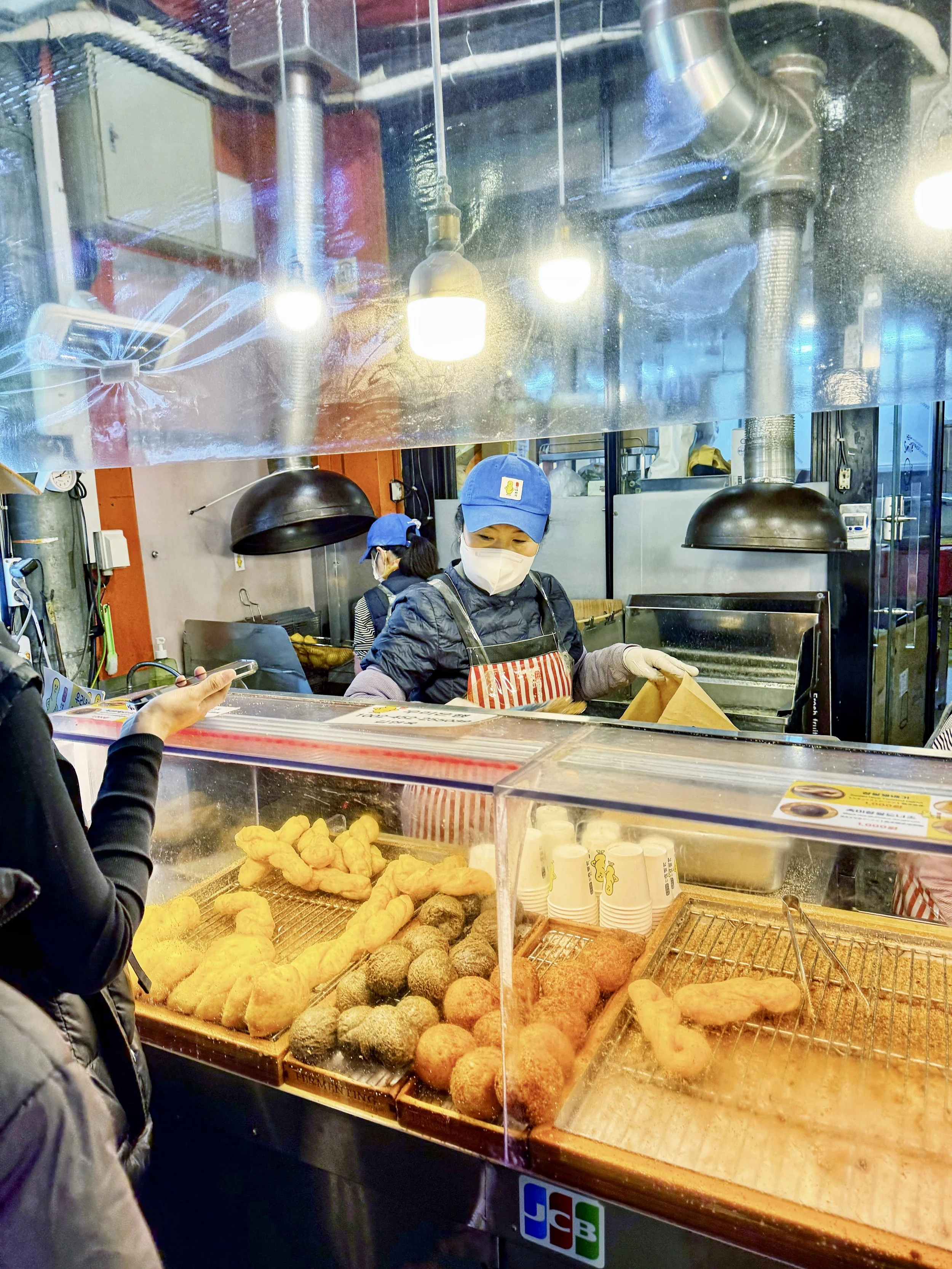
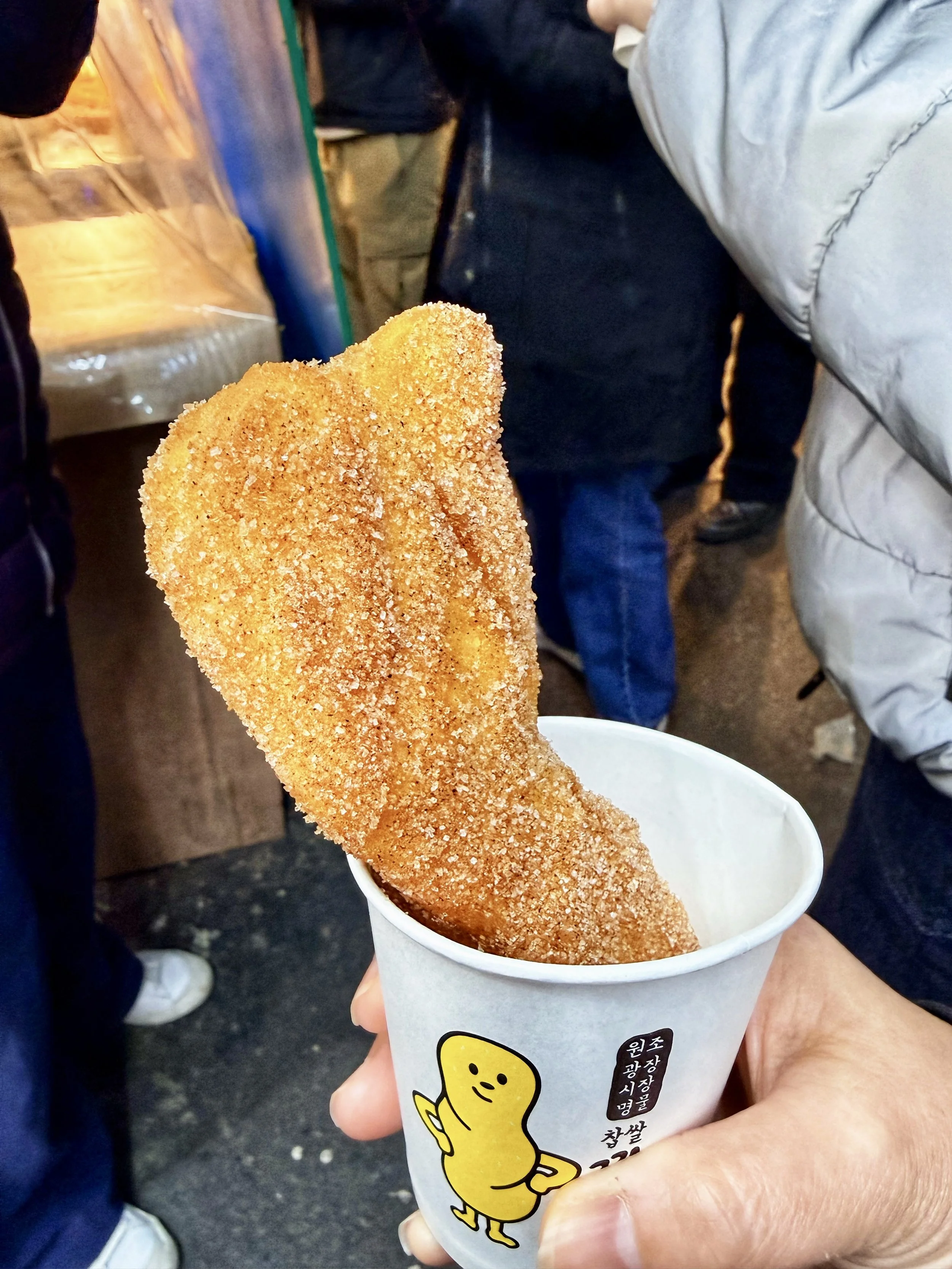
A food tour is one of the best ways to acclimate to a new region or country. Demystifying the foods early on during a trip helps to enjoy knowing how to order dishes on our own. We’ve been on many food tours throughout the world, and we certainly didn’t want to miss the Korean version at the Gwangjang Market. The “Seoul Street Food Market Tour” booked through Viator was hands down, one of the best food tours we’ve been on. Why? Jacob - our tour guide - was not only young and hip and taught us fun Korean drinking games with an unlimited supply of makgeolli (Korean rice wine), soju (distilled Korean spirit), and beer; he’s tried every food at the market and has established insider relations with the stall owners - giving us VIP access to their cooking made famous by the likes of Tony Bourdain and Gordon Ramsay, for example. (By the way, say “WiFi” instead of “Jian” for a Korean cheers across the table when one can’t clink glasses 😂🍻.)
Jacob had us trying over 15 foods, some small bites and snacks, while others were full-on sit down meals. The range was everything from pickled vegetables and seafood, raw wiggly octopus, savory pancakes, to beef and pork rice dishes, stews, noodle soups, and desserts. We were stuffed!
Namsan Park
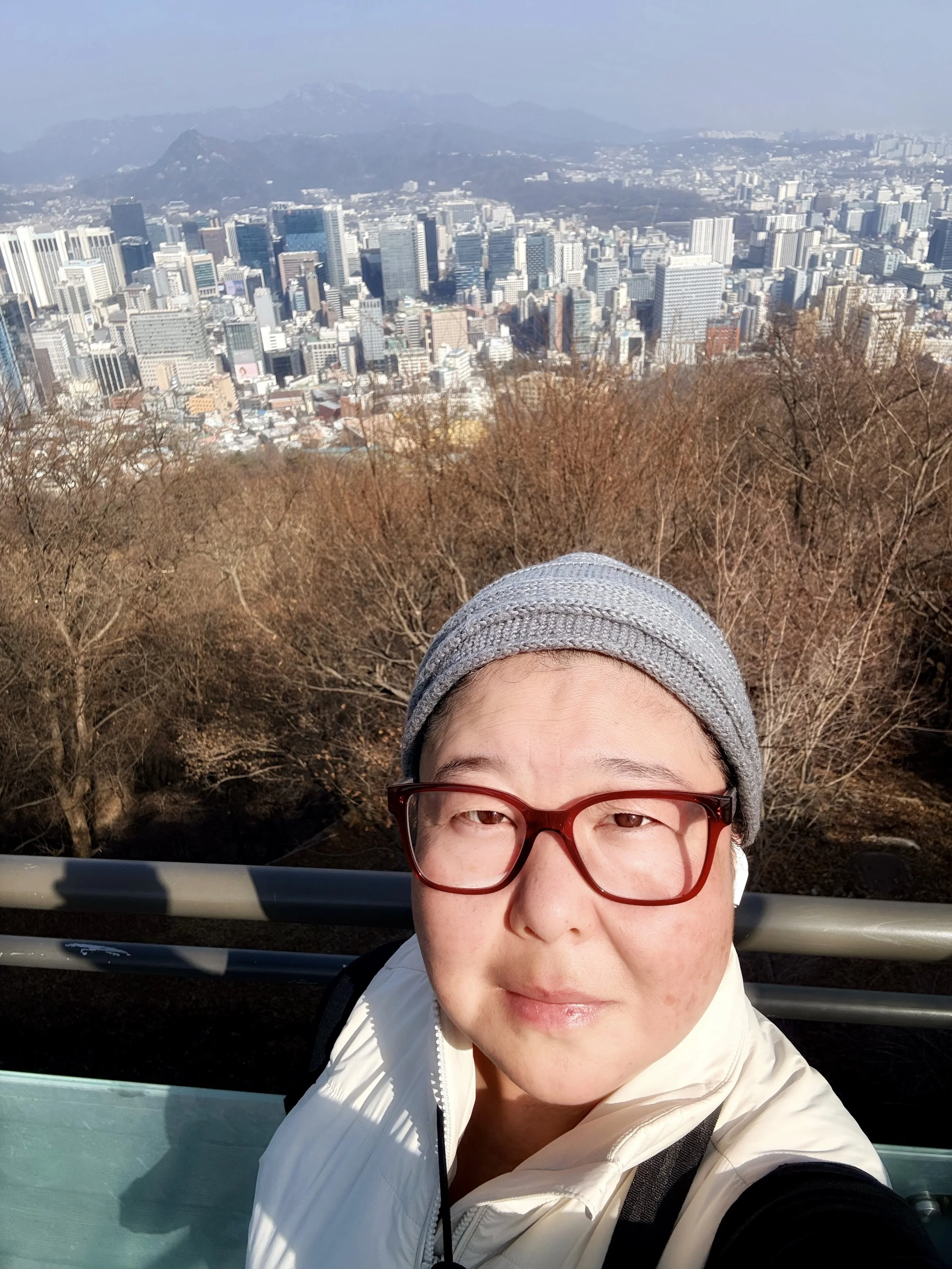
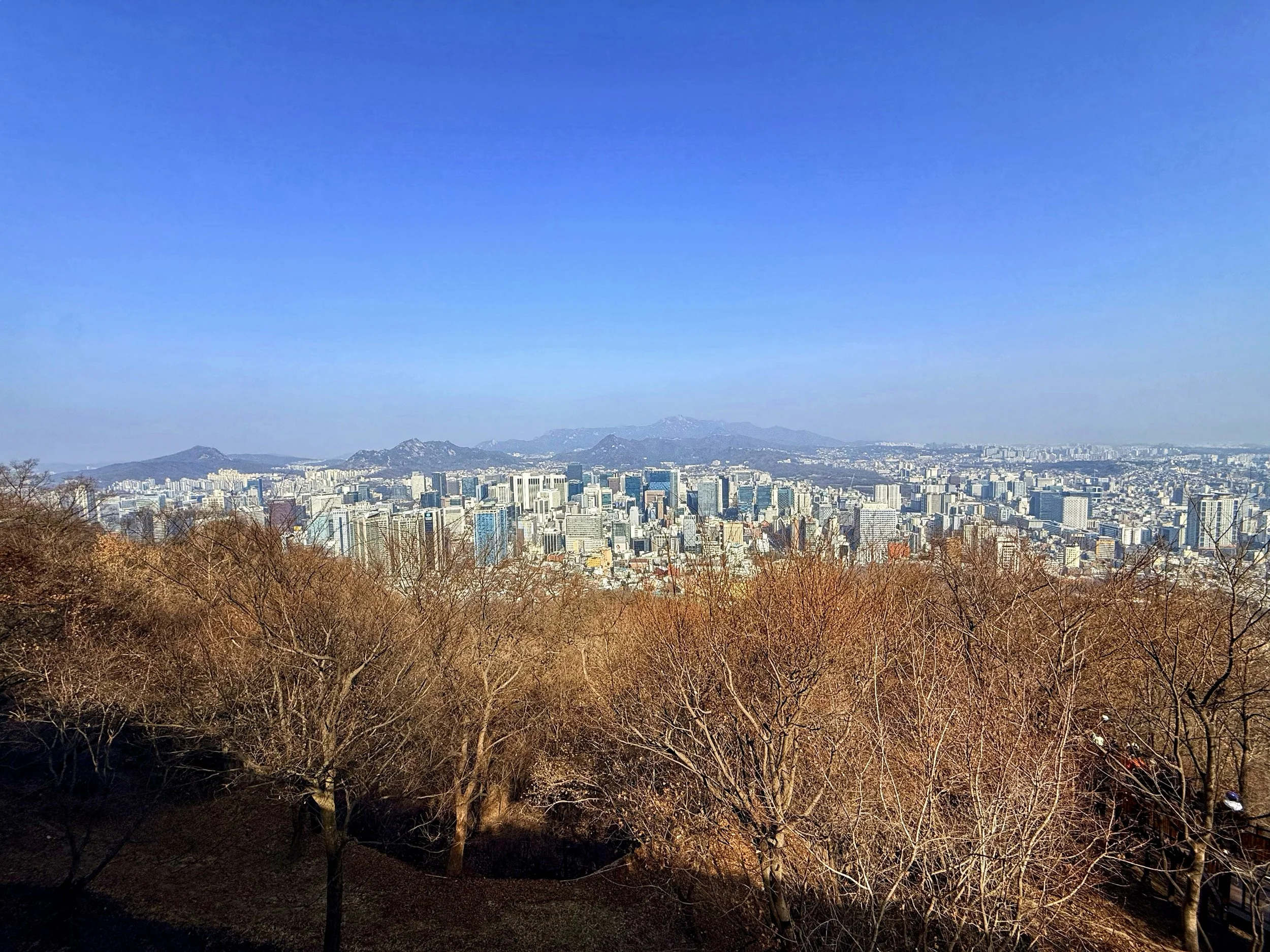
A walk through Namsan Park and the 1000 steps to the peak is a great way to find some nature and get away from the street crowds. We were rewarded with a panoramic view of Seoul! There’s also a ropeway for anyone who wants to avoid the hike.
Aloft Hotel Wxyz Bar
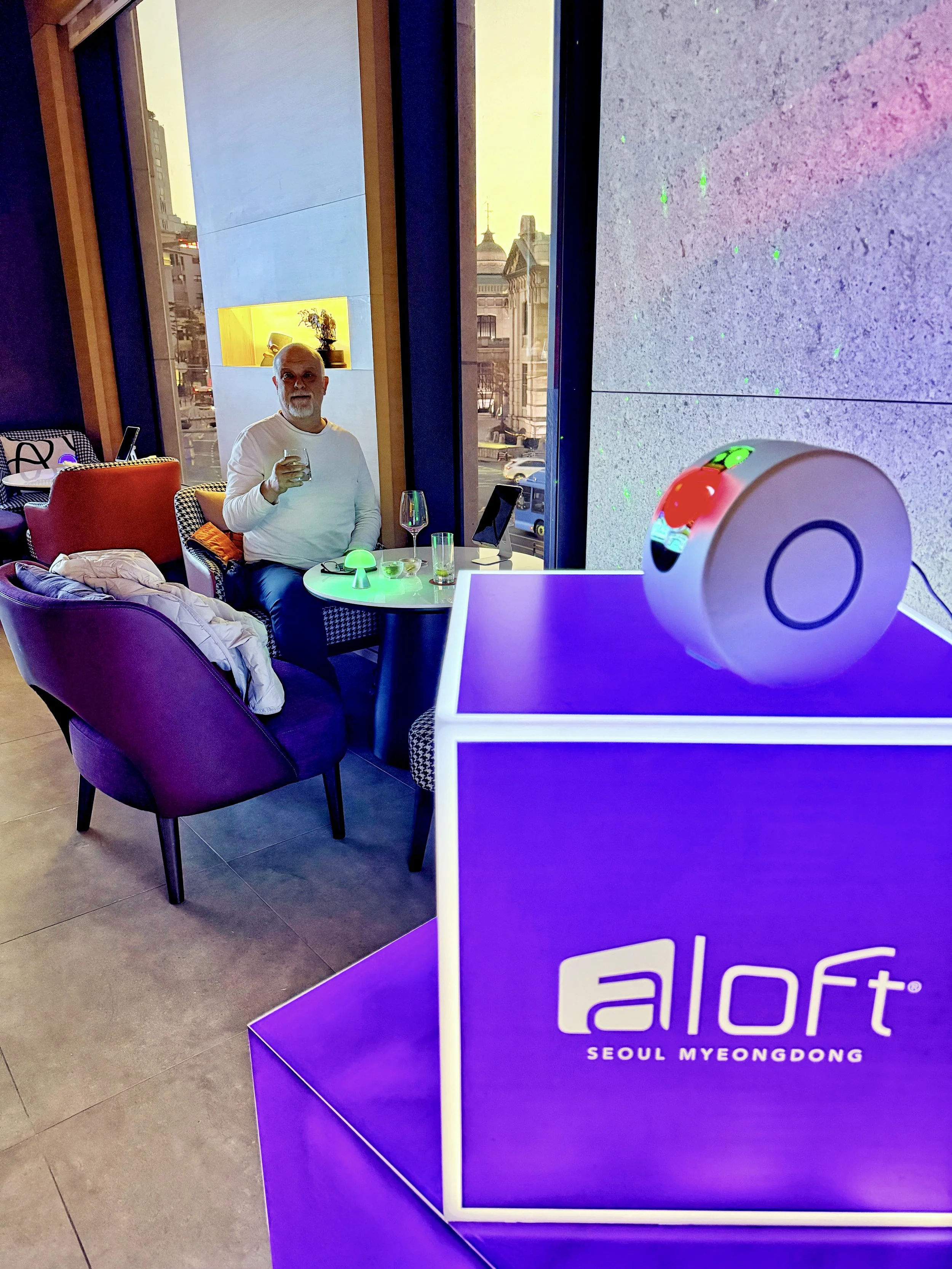
In the States, we’re familiar with the Aloft Hotel and the Wxyz Bar. We found out that the Aloft was only a few hundred meters from where we’re staying in Myeong-dong, and the Wxyz Bar became our oasis at the end of each day. It was never busy, in fact we practically had the whole place to ourselves. We think the western concept of a cushy lounge, happy hour, and live acoustic musician as a comfortable place to drink and hangout has not taken off in East Asia (while Asians love to drink - refer to food tour above - the go-to places are pubs or stalls that are food-centric to accompany the drinks). We had a great view of the streets below while sipping 50% off wine and cocktails, planning our next adventure.