Panama City: The Modern Side of Panama
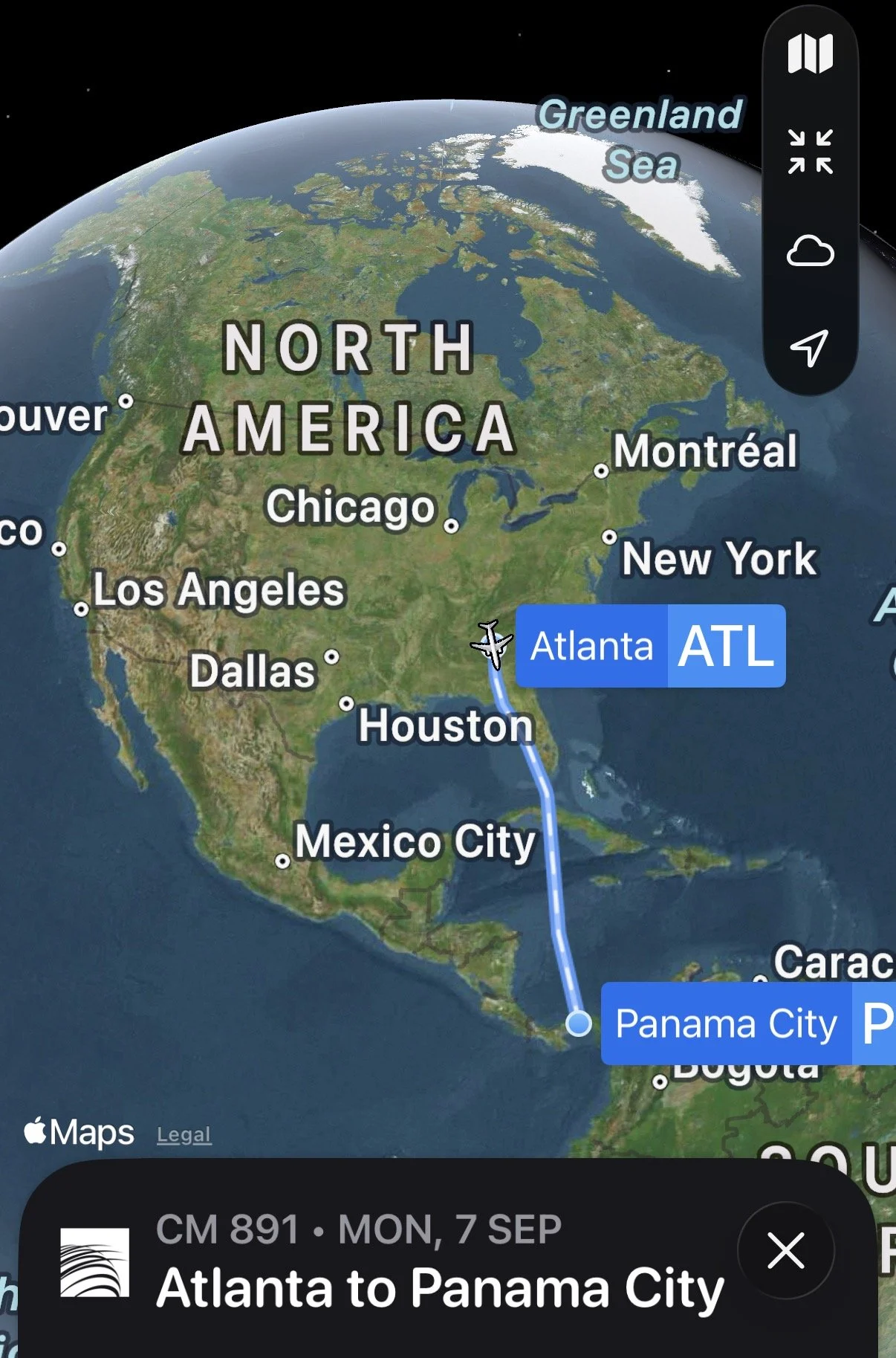
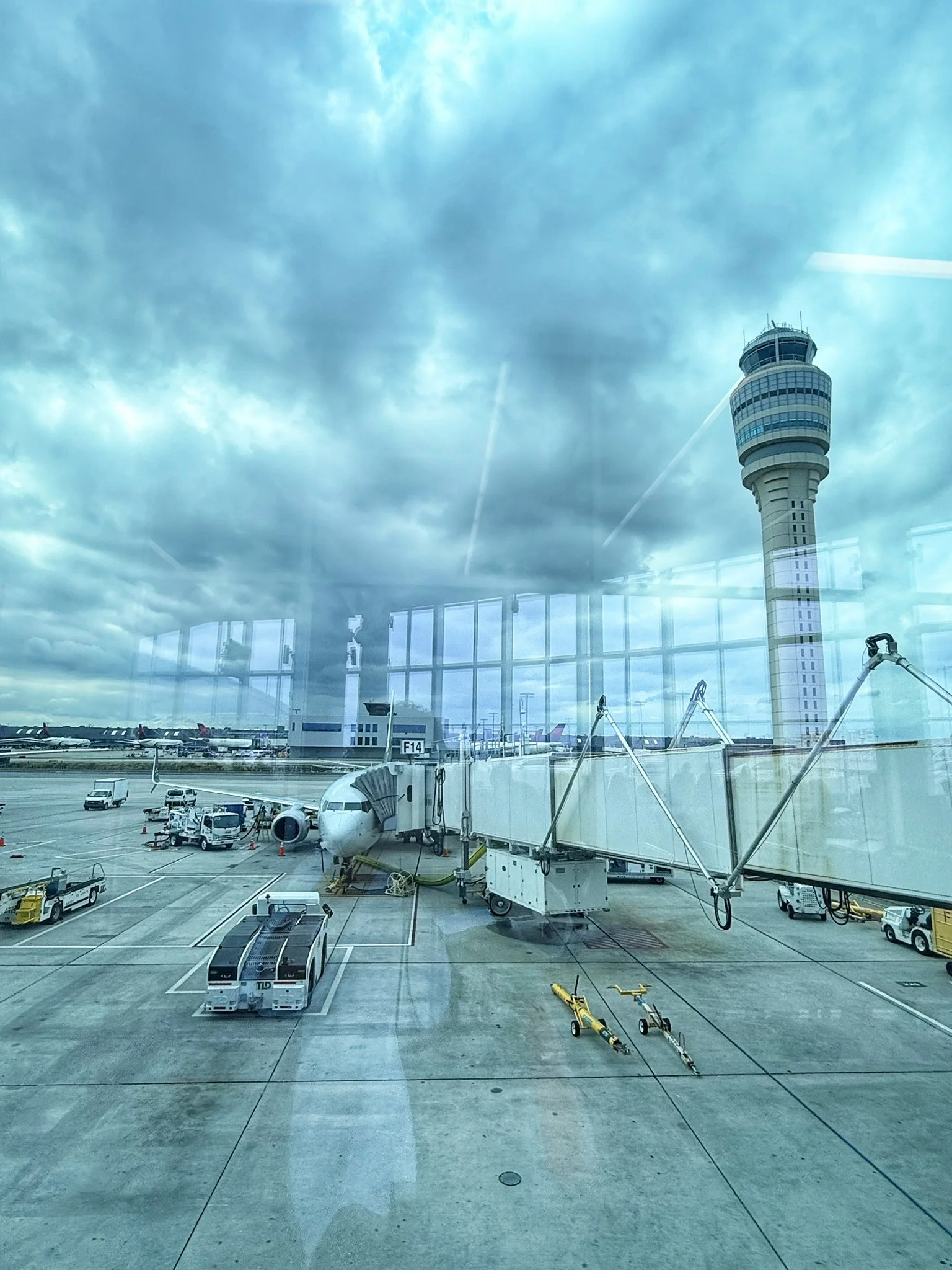
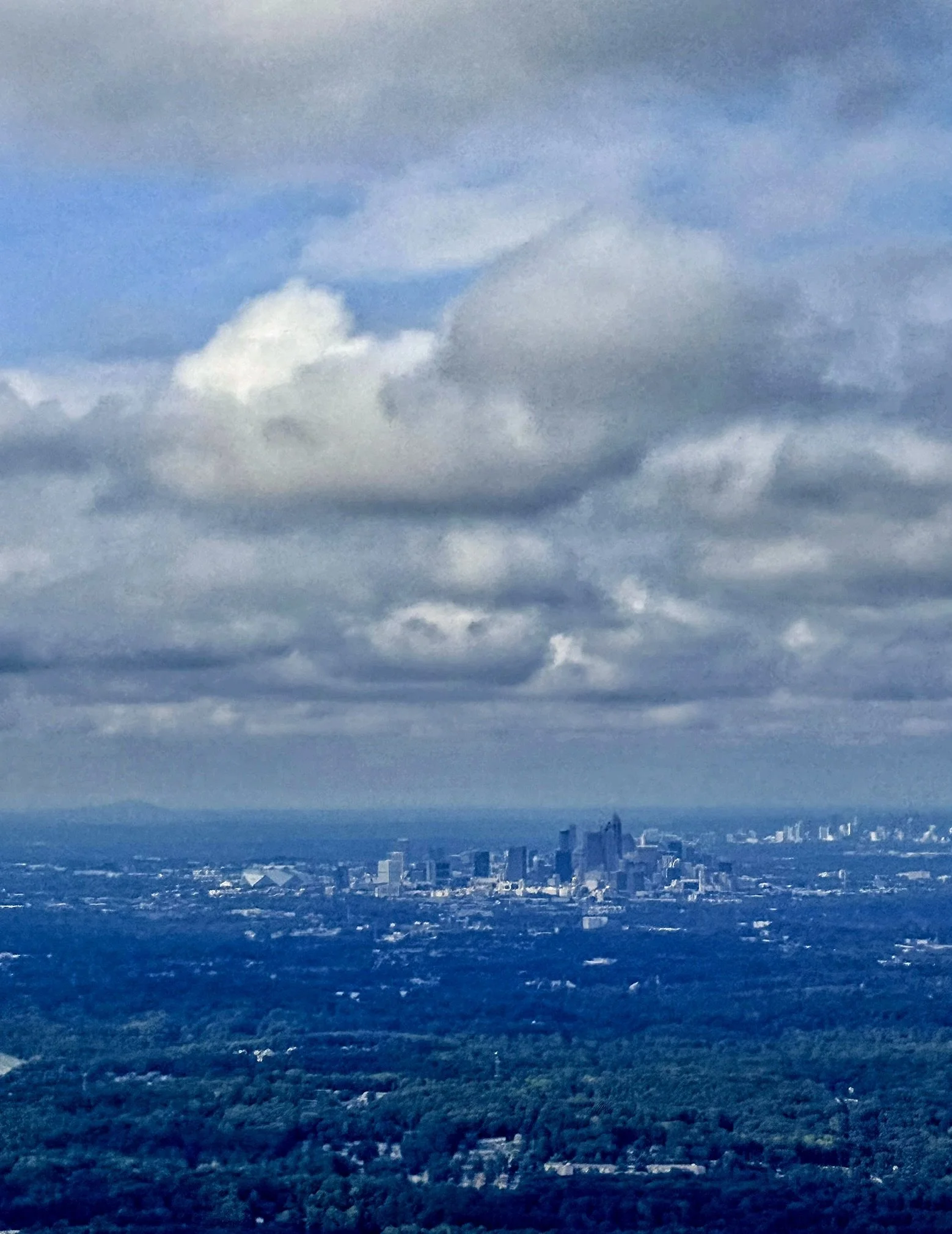
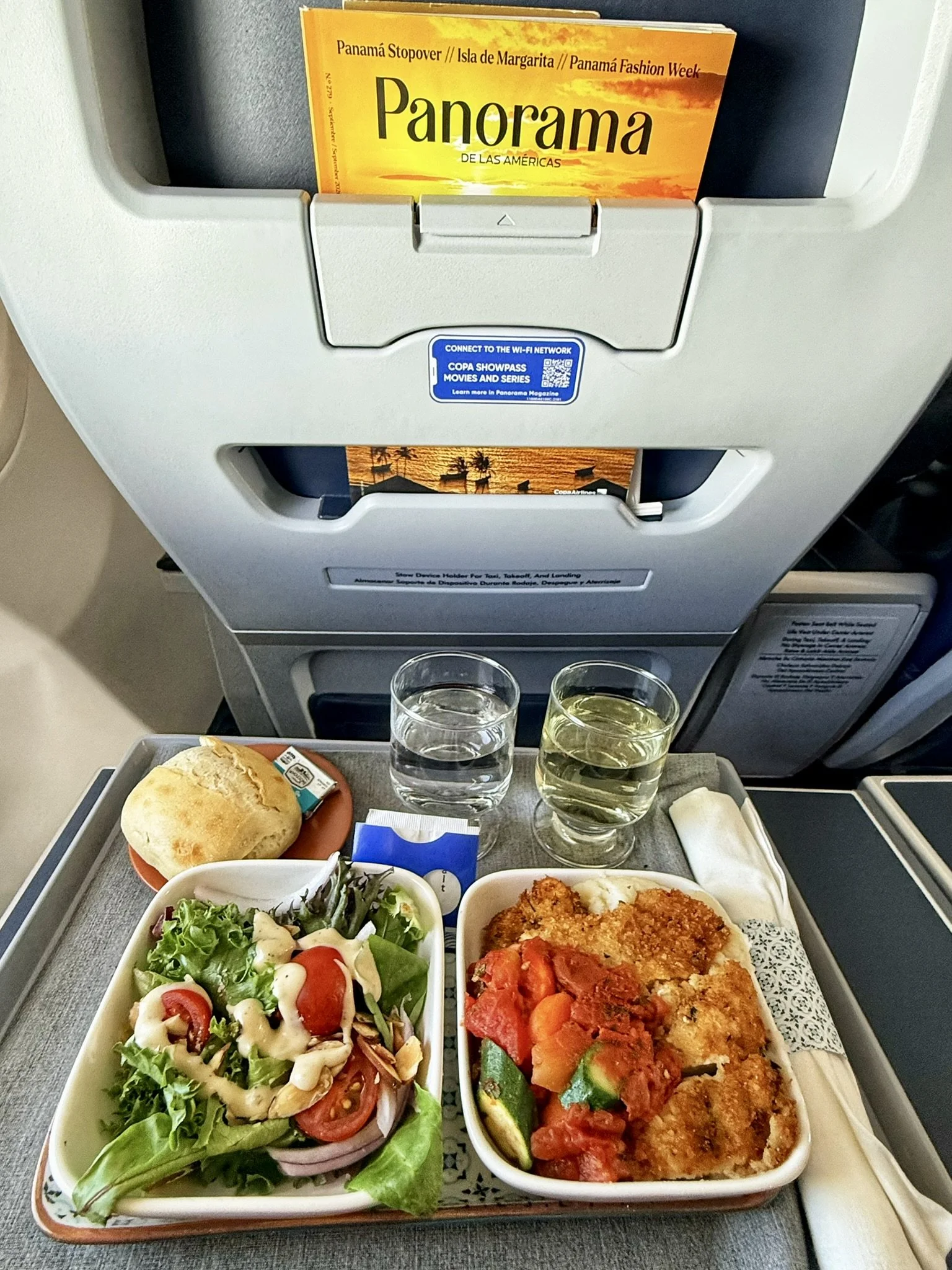
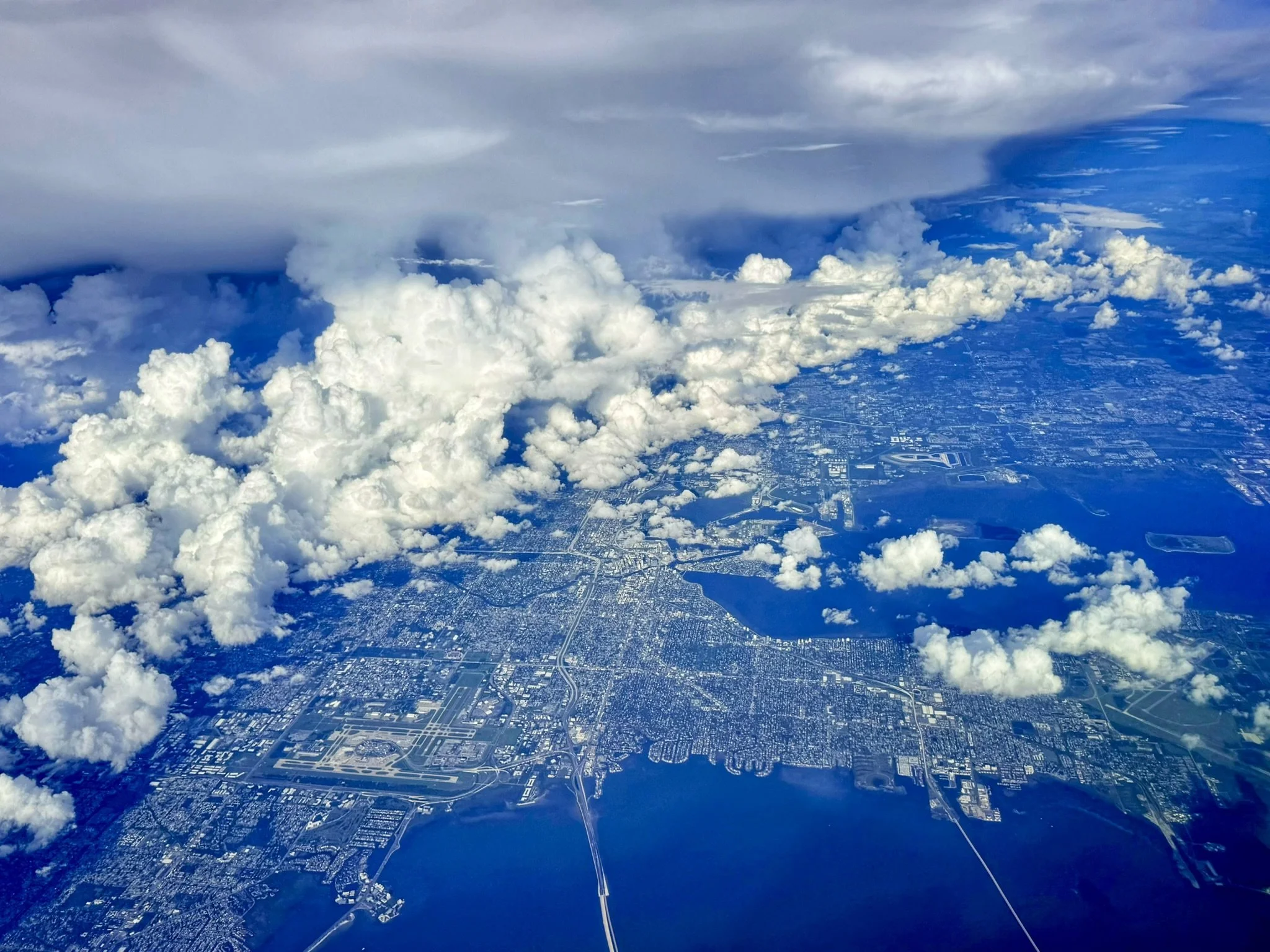
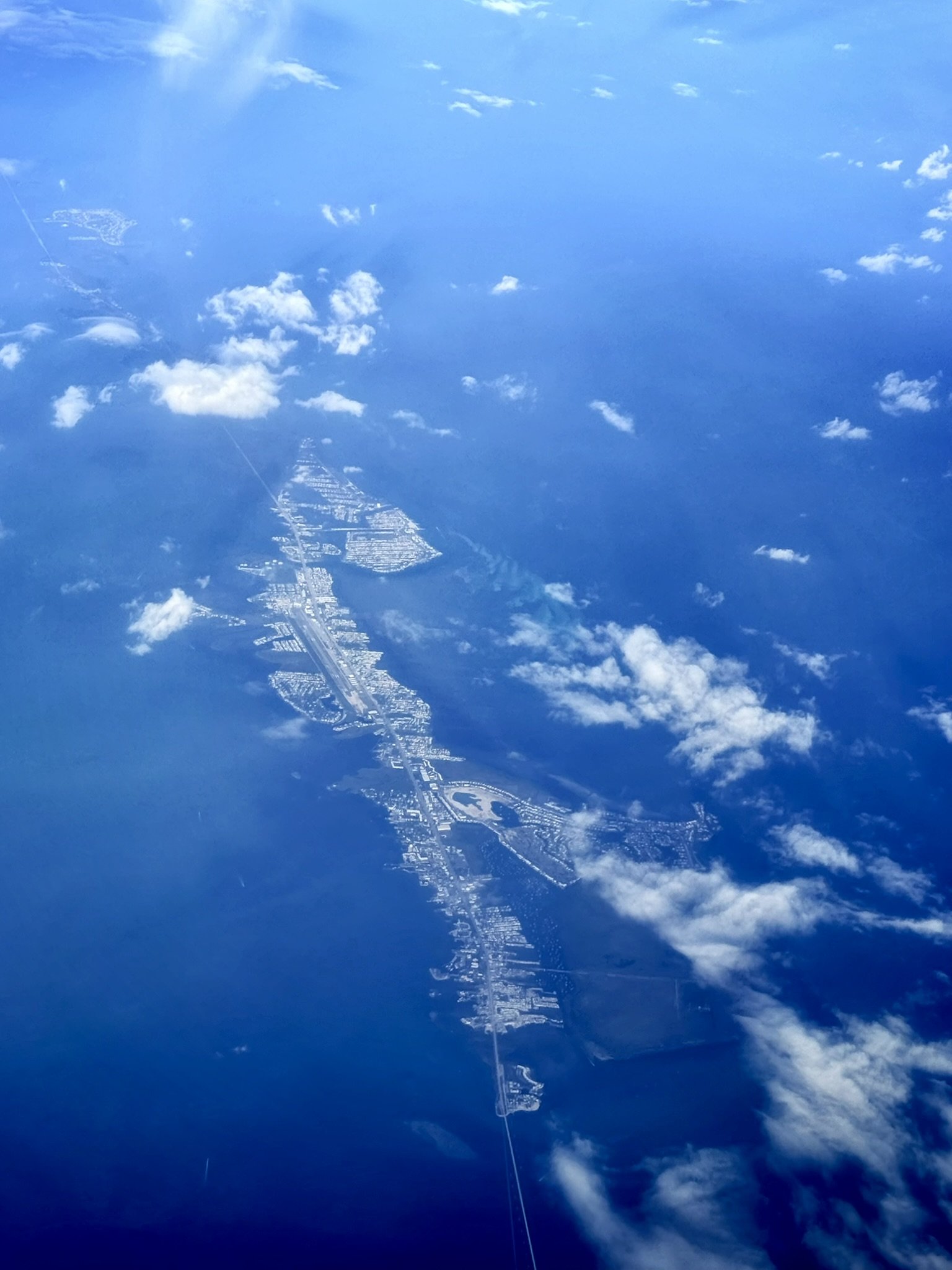
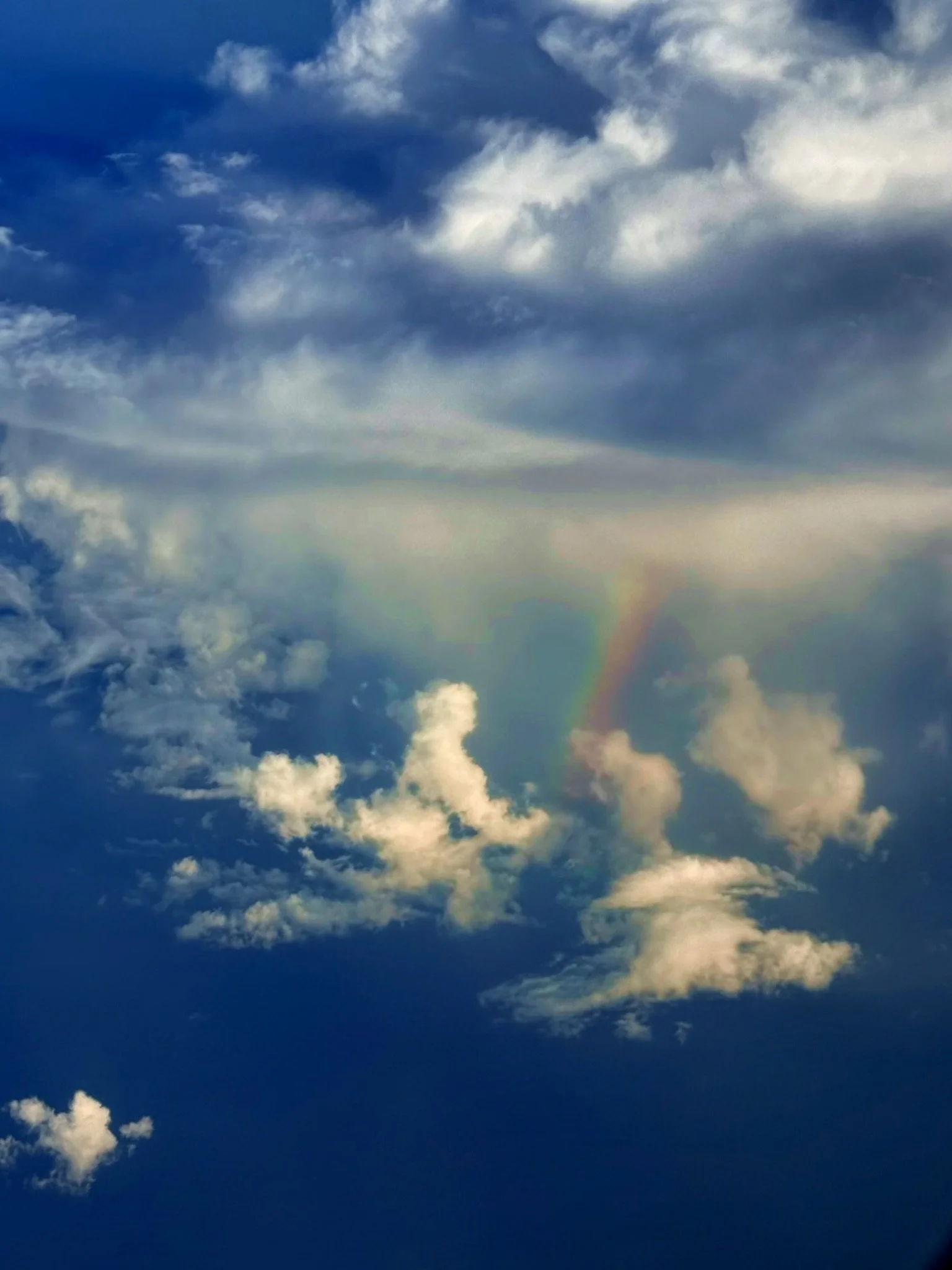
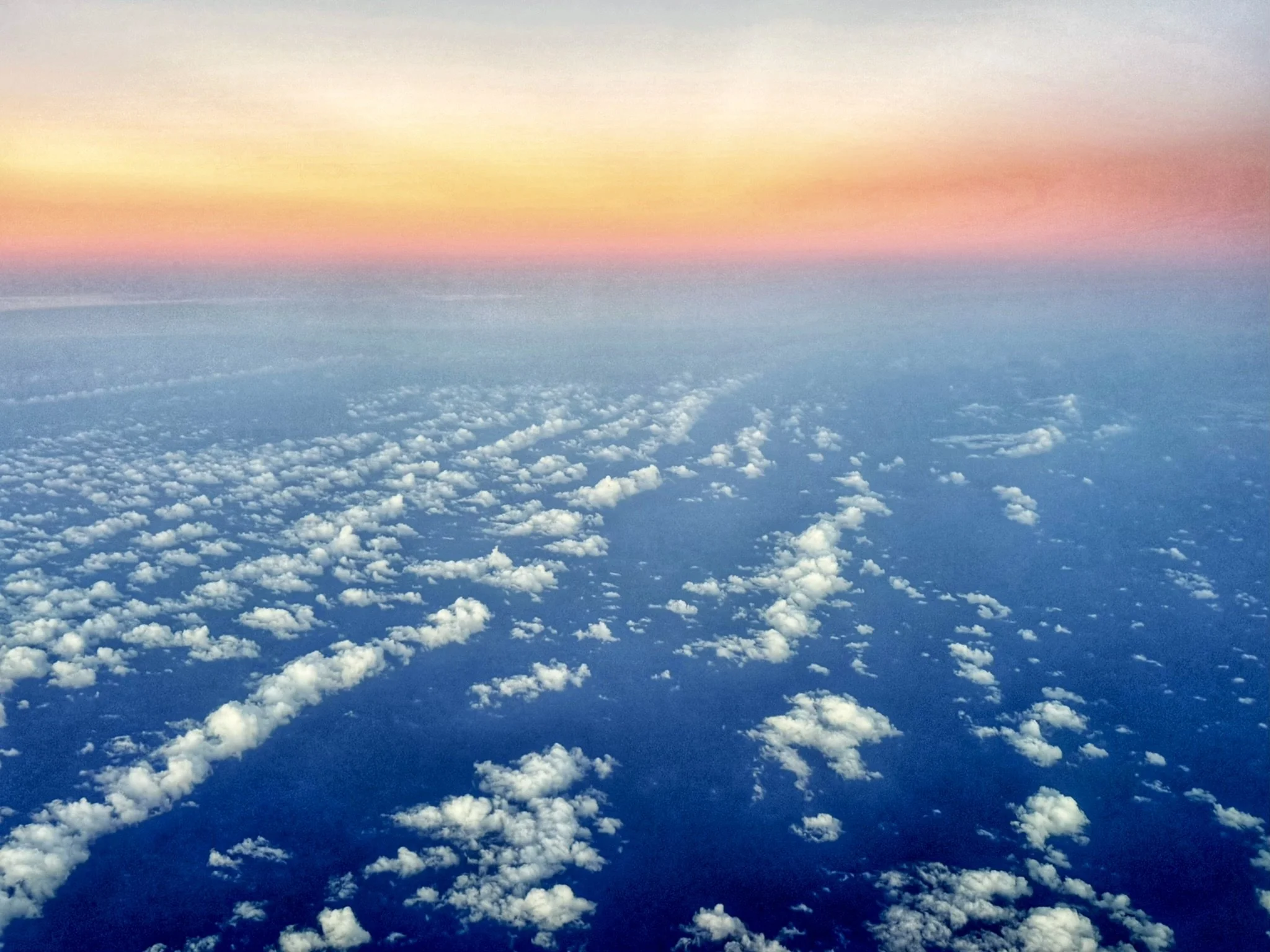
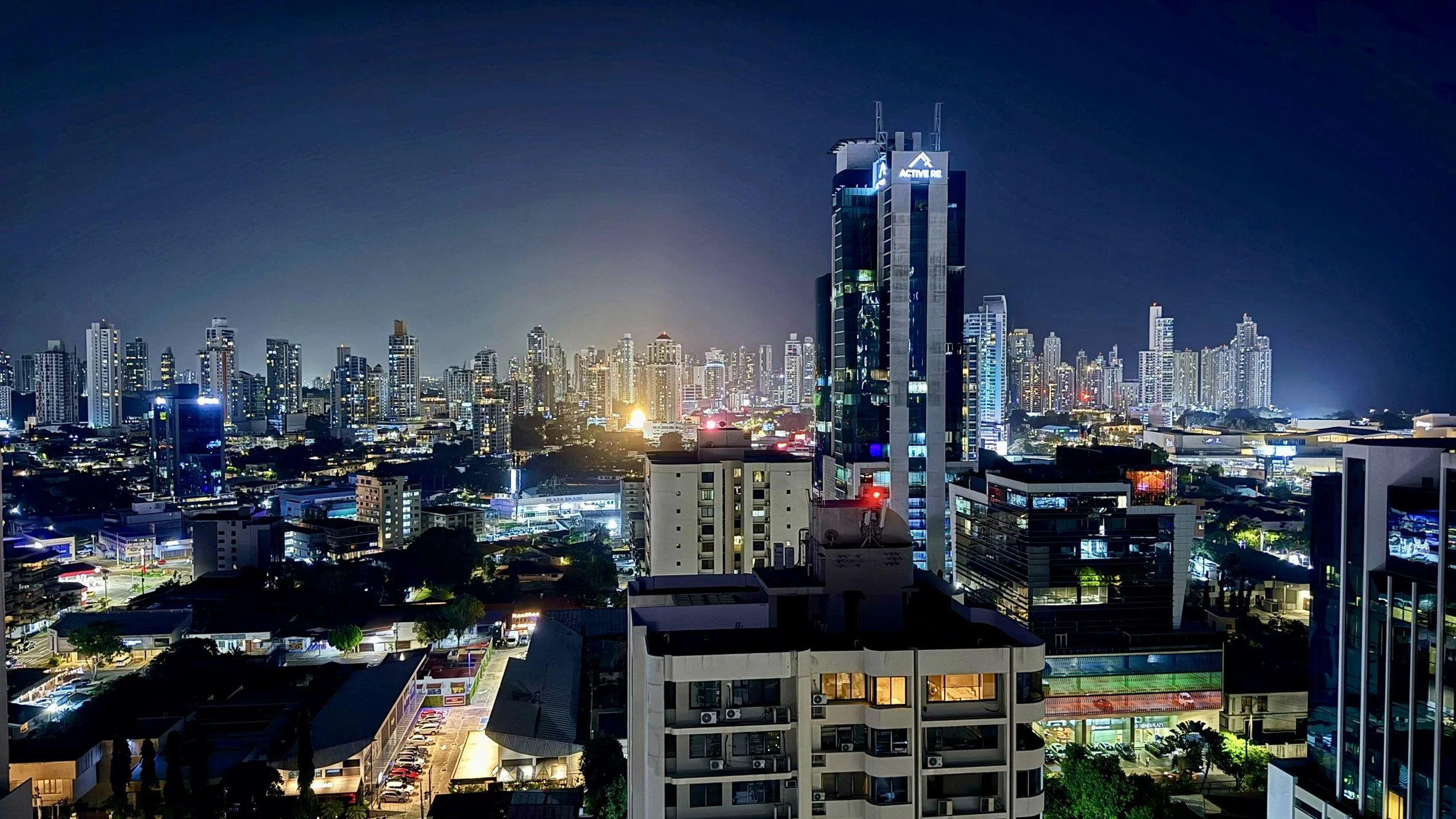
Our Panama adventure started with an easy-breezy four-hour flight from Atlanta to Panama City on Copa Airlines. Even the flight was entertaining, with a bird’s-eye view of Tampa, Florida and the Keys, some beautiful cloud formations, a few rainbows over the Caribbean, and—by the time we arrived—the nighttime skyline of Panama City lighting up below us.
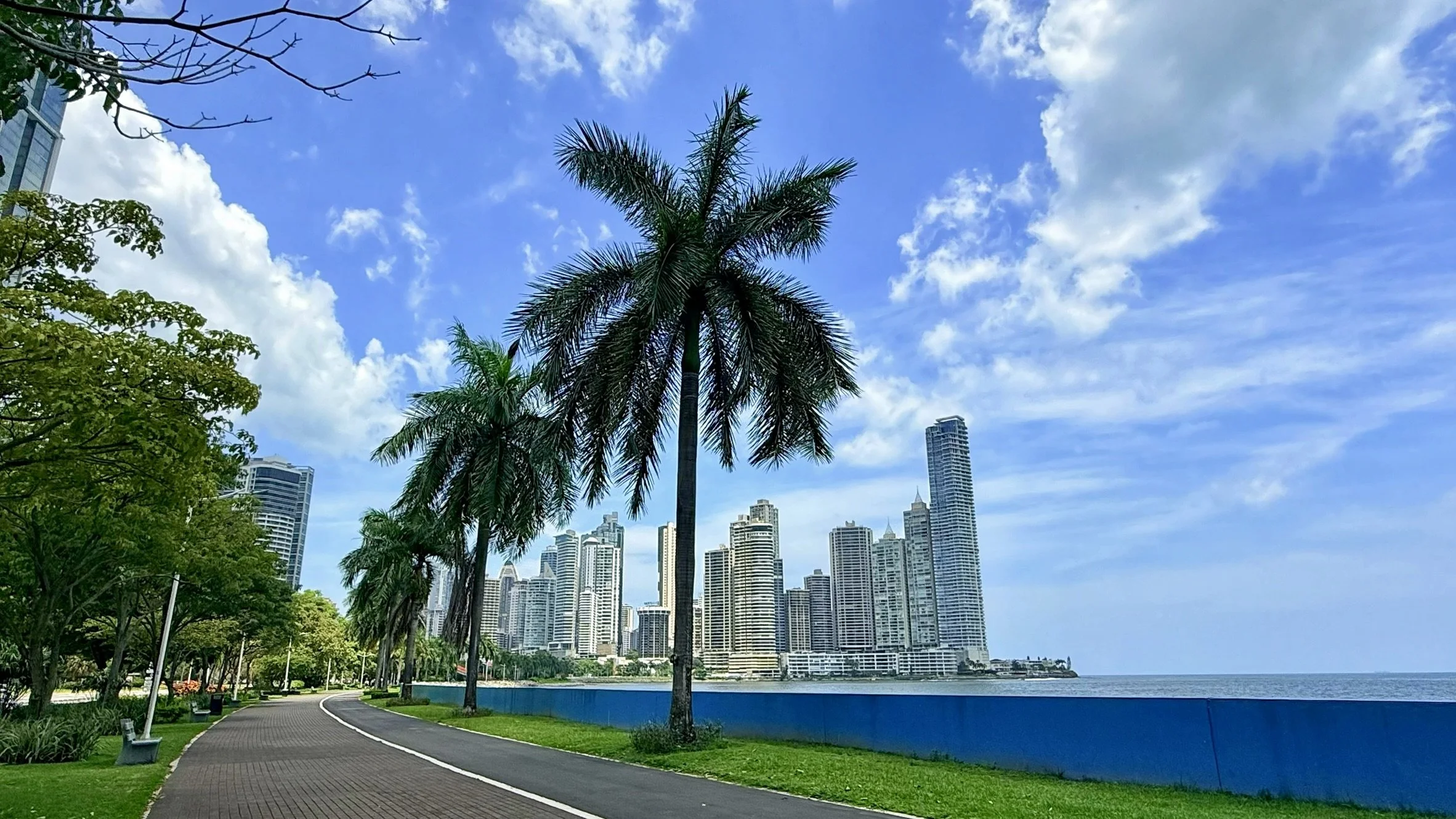
And what a skyline it is.
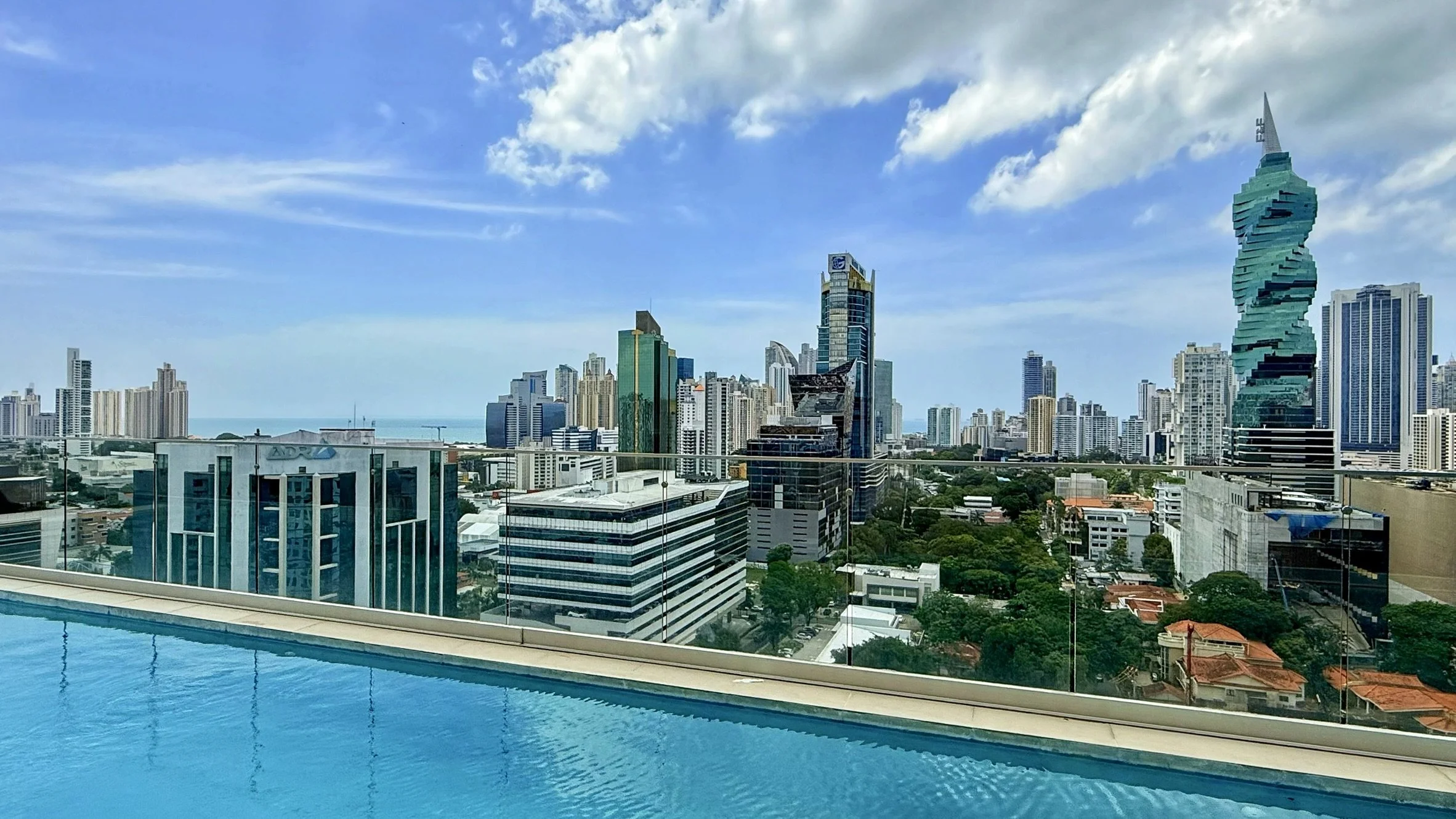
Our first impression of Panama City: Wait…are we in Miami?
Tall glass-and-steel condo towers rise along the coastline, tropical greenery is everywhere, all the modern conveniences, and there’s a beautiful waterfront promenade where locals are out walking, running, exercising, and generally enjoying the fact that they live in a city by the bay.
But it’s not Miami. Panama is an isthmus—literally a bridge between two worlds—and Panama City is an international city set in the unforgiving tropics—developed around the discovery since the Spanish in the 1500s as a shortcut between Atlantic and the Pacific…way before the canal was ever dug.
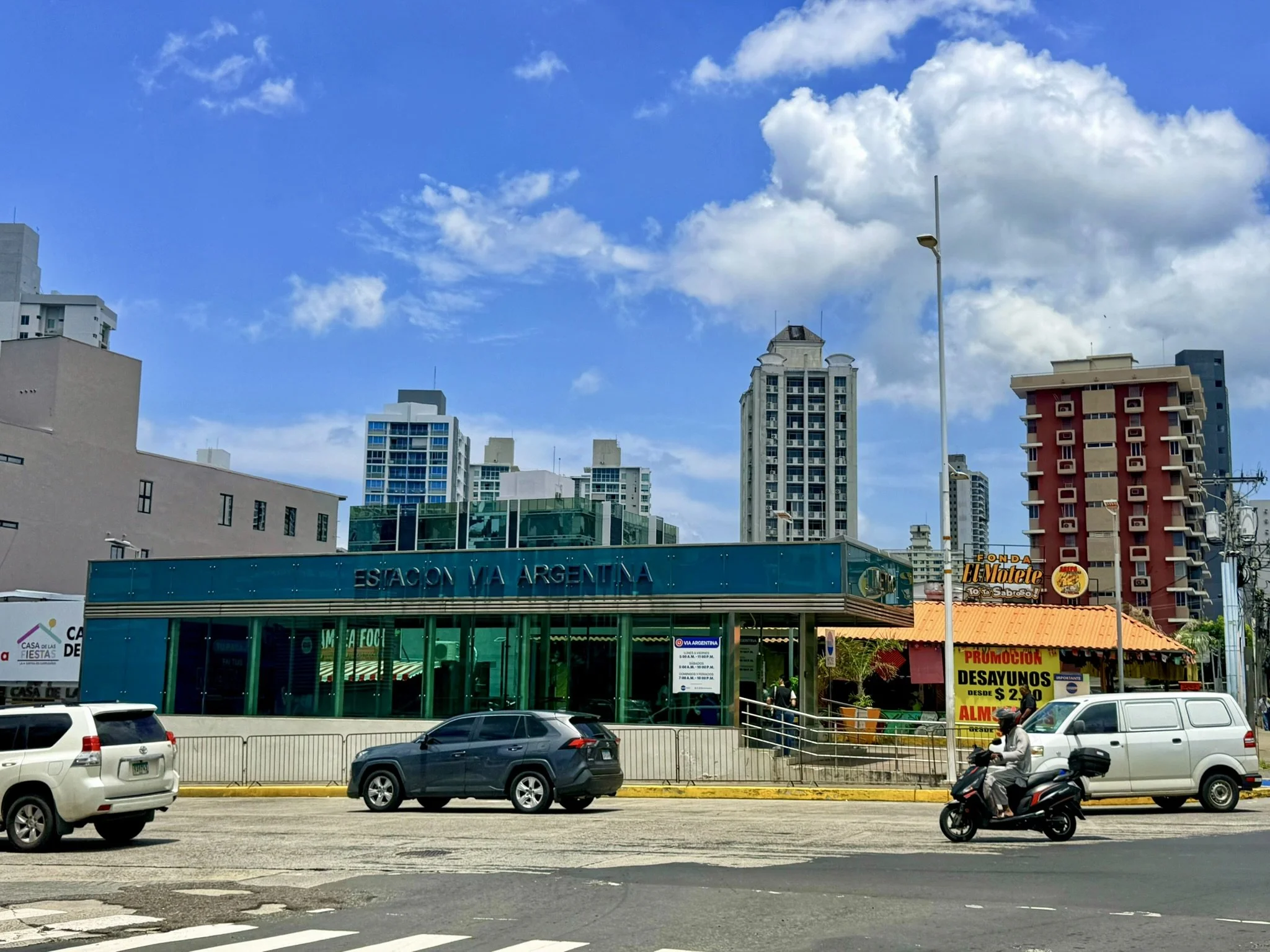
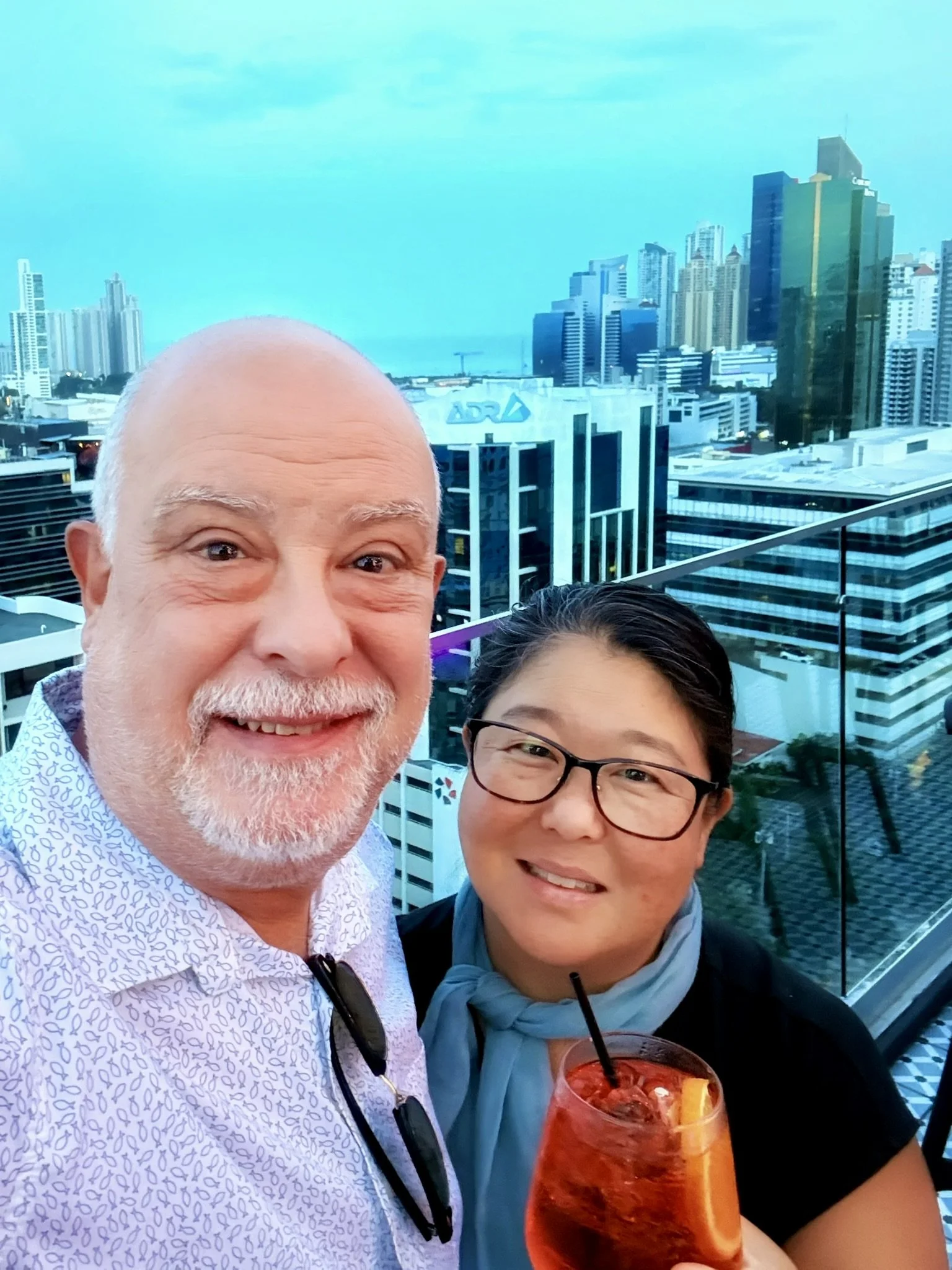
It might seem strange that we chose to stay in the Obarrio neighborhood, what is essentially the city’s financial hubs. Turns out, it was a great choice. Obarrio has the sleek skyscrapers and corporate offices you would expect, but mixed in are tree-lined streets, upscale residential towers, trendy little commercial plazas, restaurants, bars, five-star hotels, and plenty of nightlife. It’s also central for getting around with the Metro and bus stations close by. Uber is also inexpensive and readily available. So while Panama City may look like a sprawling metropolis, getting from one neighborhood to another doesn’t have to involve a major logistical operation.
One thing we quickly noticed was the number of casinos. They seem to be everywhere. Apparently, Panama’s regulations tie full-scale casinos to large five-star hotels, so the casino-and-luxury-hotel combination is a pretty common part of the Panama City scene. We weren’t necessarily there to gamble, but we certainly couldn’t miss them.
And then there’s the food…we didn’t know much about Panamanian cuisine.
We learned that a traditional local eatery is called a fonda—small, casual, often family-run restaurants serving inexpensive, home-style Panamanian food.
The closest comparison we could come up with was a mom-and-pop restaurant in the States, although that doesn’t quite capture it. Having traveled in Southeast Asia, the concept reminded us of a warung in Indonesia or Malaysia, or perhaps a carinderia in the Philippines: casual, local, affordable, and the kind of place where you’re eating actual everyday food rather than a polished tourist version of it.
And there is plenty to try.
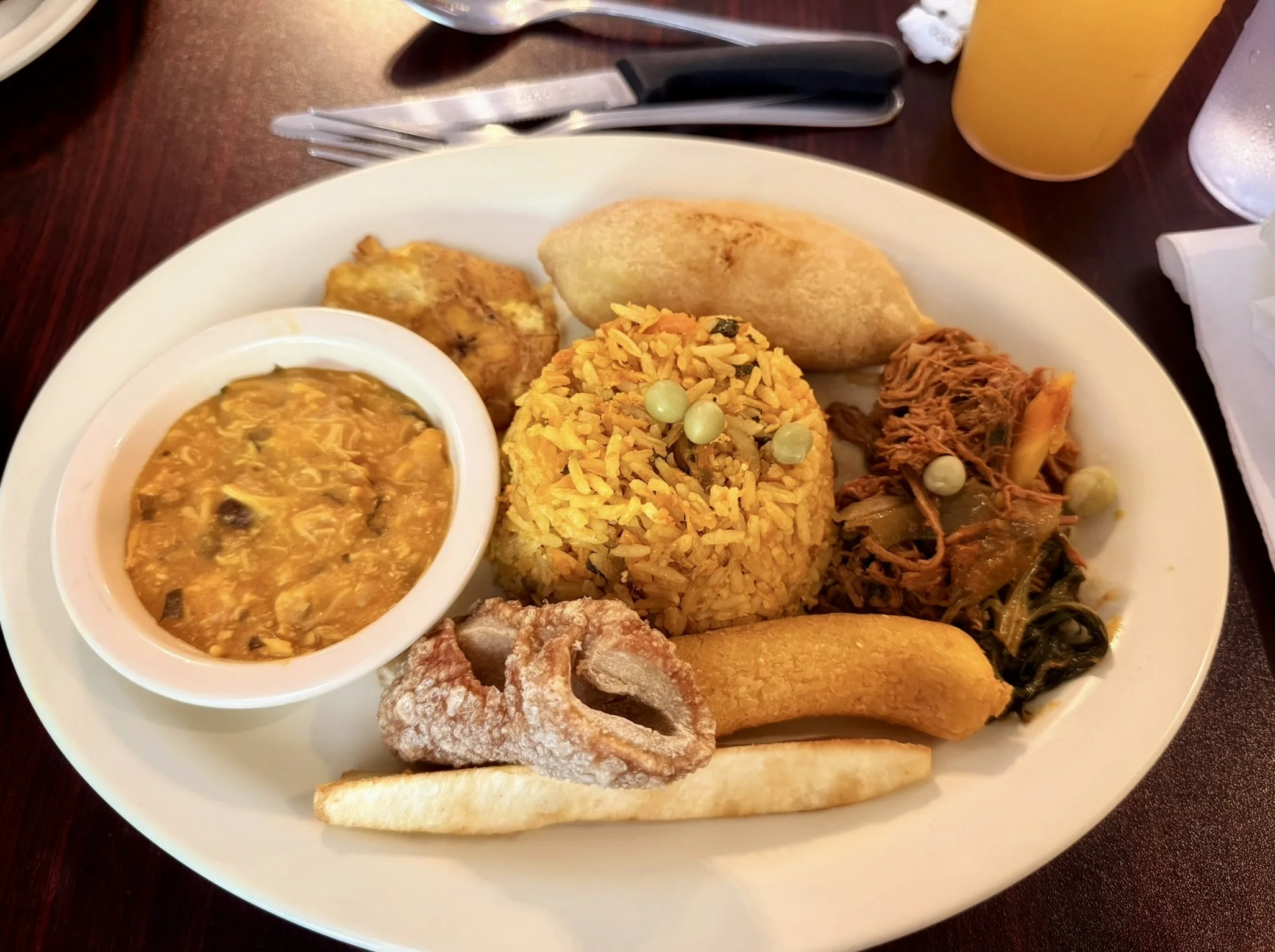
A typical Panamanian spread might include sancocho, the country’s beloved chicken soup with root vegetables and herbs; ropa vieja, shredded beef in a savory tomato and pepper sauce; arroz con pollo; tamal de olla, essentially the flavors of a tamale cooked in a pot rather than wrapped in a leaf; fried yuca; carimañolas, crispy yuca fritters stuffed with meat or cheese; patacones, those wonderfully addictive twice-fried plantains; almojabano, fried corn fritter; and, of course, chicharrón.
The restaurant, El Trapiche, was the perfect place to taste a sampling of the Panamanian cuisine!
As impressive as the modern city is, we knew we hadn’t really seen all of Panama City yet.
Just beyond the glass towers and busy financial district is a completely different world—one of cobblestone streets, colorful buildings, old churches, crumbling walls, plazas, balconies, and centuries of history.
And that’s where we headed next: Casco Viejo—the Old Town. See the next blog post!
